REVIEW · KIGALI
Rwandan Coffee Experience
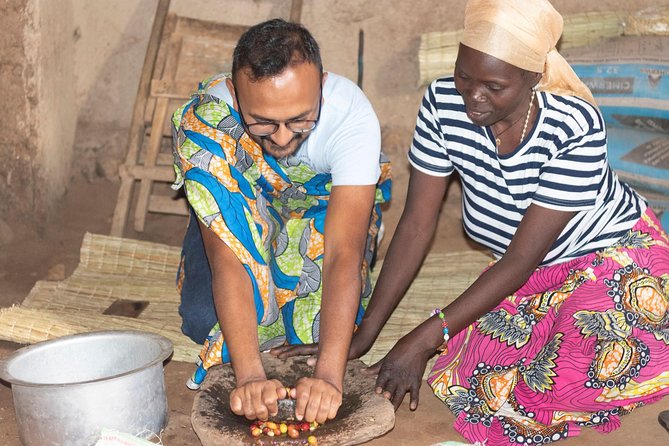
Coffee here is not simply poured into a cup. You help pick the cherries, wash and pulp them, roast the beans, and grind them by hand. That makes this Azizi Life outing near Muhanga a useful look at rural life, not just a tasting stop.
I like two things right away: the work is shared with local hosts rather than presented as a staged coffee show, and lunch gives you time to talk about daily life in the community. The main drawback is practical: Kigali transport is not included, so you must reach Gitarama on your own or arrange a paid transfer.
Key things to know before you book
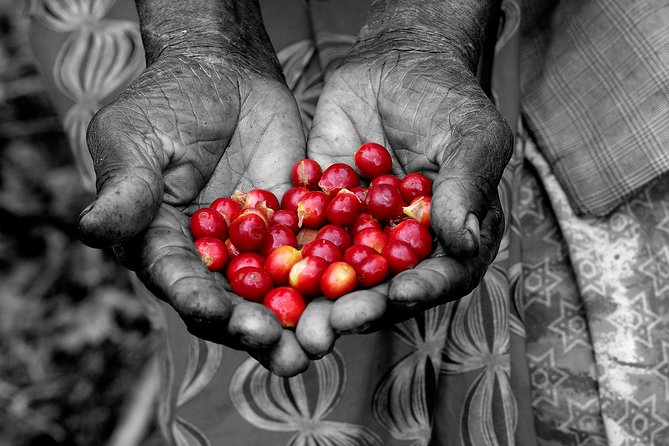
- You follow coffee from plant to cup: Harvesting, washing, drying, roasting, and grinding are all part of the day.
- You share a family-style Rwandan lunch: The food is based on what the host family normally eats.
- You may fetch water or help in the kitchen: Choose the task that suits you after the coffee harvest.
- The outing is private: Only your group participates, with a minimum booking of two people.
- Muhanga transport is included: Return transport from Muhanga, also called Gitarama, to the village is covered.
- Plan for a full half-day or more: The experience lasts about 5 to 8 hours and involves uneven surfaces.
From Gitarama to the coffee fields
The day begins with a briefing at NR1 in Gitarama, the town also known as Muhanga. From there, the local team takes you toward the village. The drive is part of the change of pace: city streets give way to a more rural setting, and the focus shifts from sightseeing to participation.
On arrival, you are welcomed and given suitable clothing before heading to the coffee plants. The attire is a small detail, but it matters. You are not standing at the edge of a field for a quick photograph. You will be moving around uneven ground and taking part in hands-on work, so comfortable clothing and sturdy shoes make sense.
The opening briefing should help you understand the rhythm of the day. This is a good time to ask about the coffee-growing process, the village, and the plan for lunch. Since the activity is private, you have more room to ask questions than you would on a large group excursion.
The meeting point is in Gitarama, not central Kigali. The base price is $90 per person, and transport from Muhanga to the village and back is included. Transport from Kigali costs extra, although it can be arranged on request. Ask about that before booking, since the added cost can change the total value for a couple or small group.
More Coffee Tours in the world:
- Hanoi Coffee Experience: 6 Brews, 9 Recipes & 3 Liquor Tastings
★ 5.0 · 2,945 reviews - Medellin: Coffee Tour with Transport, Snacks and Tastings
★ 4.7 · 1,357 reviews - Istanbul: Turkish Coffee Making and Fortune Telling Workshop
★ 4.9 · 1,308 reviews
Choosing and picking the right coffee cherries
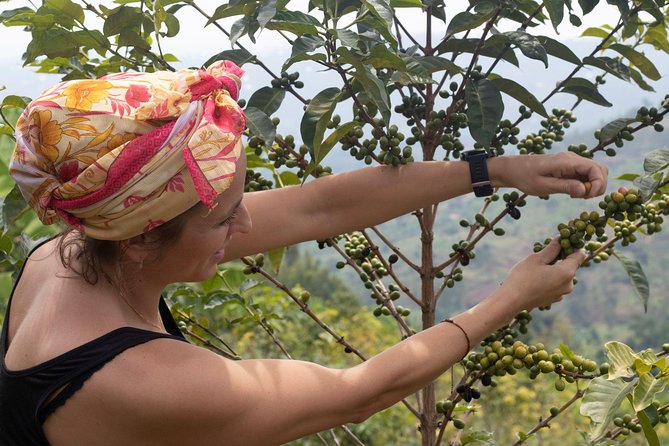
The first work session takes place among the coffee plants. Your guide explains how to identify suitable cherries and how to harvest them. This is where the experience gains its point: you learn that a cup of coffee begins with careful selection, not with a machine at a café.
You can expect a simple lesson followed by direct work. The information provided does not specify the exact coffee varieties or the size of the fields, so do not book this expecting a formal agricultural lecture. Instead, think of it as a practical introduction, taught while you handle the crop.
The picking also gives you a reason to talk with the people hosting you. A coffee field can tell you about farming, but conversation tells you more about how work fits into family and community life. The day is designed to make that exchange possible, rather than rush you from one photo stop to another.
You should have moderate physical fitness. The activity includes walking on uneven surfaces, working outdoors, and taking part in chores. Children can join, but they must be accompanied by an adult. The child rate applies only when sharing with two paying adults.
Water, washing, and the work behind the cup
After harvesting, the coffee cherries must be processed. You wash and pulp the cherries, then leave them out to dry. These steps show the time and labor hidden behind a finished bag of beans.
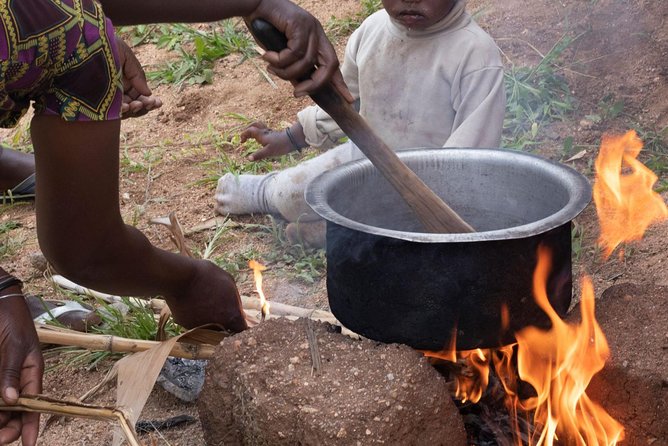
You may also fetch water. If that does not suit you, you can help with food preparation in the kitchen instead. This choice is one of the day’s better features because it lets you take part in another household task without pretending that everyone wants the same kind of activity.
Fetching water is physical work, and kitchen preparation offers a different view of family life. Neither option should be treated as a performance staged for visitors. The value comes from seeing how ordinary tasks connect with the coffee process and the meal that follows.
The coffee is not ready to drink at once. You leave the washed cherries to dry, then return to them later for roasting and grinding. That waiting period gives the process a natural order. You are not simply shown separate demonstrations. You move through the stages in sequence.
A local lunch and time for conversation
Lunch is made from local Rwandan food that the family would normally eat. It is included in the price, along with bottled water, coffee or tea, and gratuities. This is not described as a restaurant meal, so you should expect a home-style spread rather than a menu with several choices.
That distinction is useful. A meal with the host family helps put the coffee work into context. You can ask about daily life, the community, farming, and the work you have just seen. The lunch is also a pause after the outdoor part of the morning.
I especially like this part of the design because it gives you time to talk without a strict sightseeing schedule pressing you along. The strongest moments of a rural visit often happen around a table, when the formal activity has relaxed into conversation.
Food preferences and allergies are not specified in the information provided, so tell the operator about any needs when you book. Do not assume that a home meal will offer the same choices as a city restaurant.
Still in the world, but a different cup:
- Hanoi Coffee Workshop: Taste Salt, Coconut and Egg Coffee
★ 5.0 · 1,286 reviews - Vienna for Food Lovers: Cafés, Markets & Austrian Cuisine
★ 5.0 · 1,063 reviews - Big Island Highlights: Coffee, Volcano, Black Sands & Waterfall
★ 5.0 · 1,054 reviews - Hanoi: Salt Coffee Workshop Awake Your Senses With 6 Brews
★ 5.0 · 792 reviews
Roasting and grinding the coffee by hand
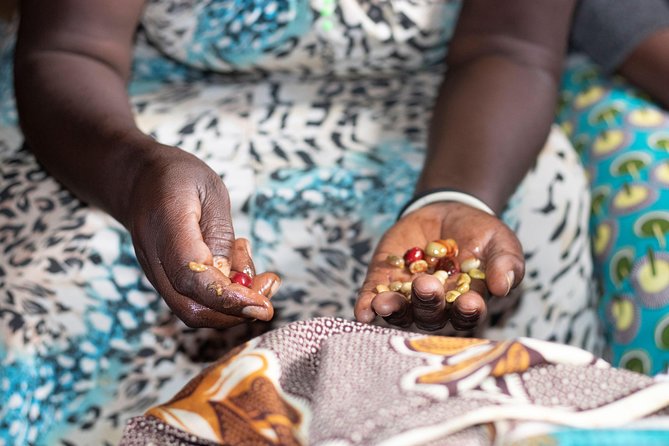
After lunch, the dried coffee is hand-roasted and ground. This is the point when the earlier work becomes a drink. You have handled the cherries, washed and pulped them, watched them dry, and then helped prepare them for the cup.
Hand roasting and grinding are slower than the commercial methods you normally see. That is exactly why they matter here. The process lets you understand the effort involved in turning a crop into something you might otherwise consume without thought.
Coffee or tea is included, so you will have a drink as part of the experience. The supplied information does not promise a formal tasting flight, brewing lesson, or coffee export discussion. Book this for the full chain of work and the contact with the community, not for a specialist cupping session.
The final cup also gives the day a clear ending. You begin with a living plant and finish with a prepared drink made through a series of human tasks. It is a modest process, but a memorable one.
Meeting the Azizi Life team
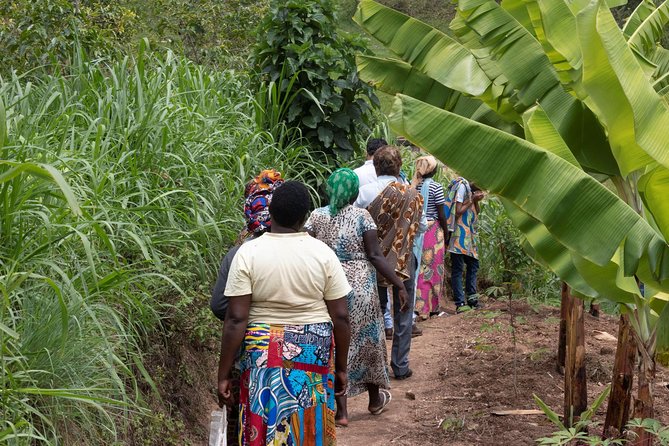
Azizi Life runs the experience with a local guide and tour host, along with the village hosts. Bona is named as one of the guides associated with the outing. If you are hoping to meet Bona specifically, ask about guide availability when arranging your booking, since a particular guide is not guaranteed in the details provided.
The organization of the day appears designed to keep the focus on people rather than transactions. You are welcomed, dressed for the work, introduced to the coffee plants, and included in household tasks. At the Azizi Life base, you may also have the chance to buy items from local artisans, and the visit can include coffee and a pastry before heading to the village.
The artisan shopping is optional and not included in the $90 price. That is worth remembering if you are trying to keep spending under control. It can be a good way to support local makers, but you should not feel that it is part of the required coffee activity.
Because the excursion is private, only your group takes part. That makes it easier to set the pace and ask personal questions. It also means the price is best judged for two or more people sharing the booking, rather than as a solo bargain.
What the $90 price really covers
At $90 per person, the price is not just paying for a cup of coffee. It includes a local guide, tour host, village transport from Muhanga, lunch, bottled water, coffee or tea, and gratuities. Most of the day’s main costs are therefore handled once you arrive at the meeting point.
The value is strongest if you want a personal cultural activity rather than a quick attraction. You receive several hours of contact, food, transport to the village, and direct participation in the coffee process. A couple or small private group can also benefit from the flexibility of having the experience to themselves.
The price is less attractive if you only want to taste Rwandan coffee or see a plantation. You would be paying for time, labor, lunch, and conversation that you may not want. The extra Kigali transfer also needs to be counted, since it is not in the advertised price.
If you are already staying near Gitarama, the included return ride to the village improves the deal. If you are based in Kigali, ask for the total door-to-door cost before you confirm. The experience is listed as being booked, on average, 92 days ahead, so advance planning is sensible if your schedule is fixed.
Timing, fitness, and the practical trade-offs
The experience lasts about 5 to 8 hours. That is a wide range, and it reflects the hands-on format. The number of people in your group, the pace of the work, the drive, and the amount of conversation can all affect the length.
The listed operating window is 8:00 AM to 11:00 AM daily. This appears to be the morning start period, not the full duration of the activity. Confirm your exact meeting time when booking, especially if you are arranging a Kigali transfer.
You should be comfortable with outdoor work and uneven surfaces. Moderate fitness is required, but the information does not indicate difficult hiking. Wear practical clothing and shoes you can use around plants, water, and a kitchen.
The activity is not presented as wheelchair accessible, and no accessibility details are supplied. If you have mobility concerns, ask Azizi Life what parts of the village visit can be adapted before paying.
Free cancellation is available if you cancel at least 24 hours before the start time. Changes or cancellations made inside that window are not accepted for a refund. The cut-off uses local time, so check the exact start time rather than relying on your own time zone.
Who will enjoy this coffee day most
I would choose this experience if you want to meet people, take part in ordinary work, and understand coffee through your hands. It suits couples, families with older children, and small groups who prefer a private outing to a standard sightseeing circuit.
It is also a good fit if you have already seen Kigali’s main sights and want a day outside the city. The village visit adds a rural side to a Rwanda itinerary, while the coffee process gives the outing a clear focus.
Families should consider the length and physical work. Children must stay with an adult, and the experience is not designed as a light activity with entertainment at every step. Older children who like practical tasks may enjoy selecting cherries, washing them, or helping in the kitchen.
I would hesitate if you have only a few hours in Rwanda, dislike uneven ground, or want a polished coffee laboratory with technical tasting notes. The point here is the connection between farming, household work, and the final drink.
Should you book the Rwandan Coffee Experience?
Book it if you want a personal, hands-on day near Muhanga and are willing to spend several hours doing more than tasting. The combination of field work, a family lunch, village conversation, and hand roasting gives you a fuller picture of coffee than a café stop can provide.
Before booking, settle the transport question. The experience begins at NR1 in Gitarama, while Kigali pickup costs extra. Also confirm the meeting time, the guide if you hope to be with Bona, and any food or mobility needs.
For visitors who value direct contact and a slower pace, the $90 price can be fair, especially with lunch, village transport, a private group, and gratuities included. For anyone seeking a fast or highly technical coffee tour, choose something else. This is a day about people and work first, coffee second.
FAQ
Where does the Rwandan Coffee Experience begin?
It begins at NR1 in Gitarama, also called Muhanga, Rwanda. The activity ends back at the meeting point.
Is transport from Kigali included?
No. Transportation from Kigali is not included in the base price, but it can be arranged on request for an additional charge.
How long does the experience last?
The activity lasts approximately 5 to 8 hours.
What coffee activities are included?
You learn how to select and harvest coffee cherries, wash and pulp them, leave them to dry, then hand-roast and grind the dried coffee.
Is lunch included?
Yes. Lunch consists of local Rwandan food that the host family would normally eat. Bottled water and coffee or tea are also included.
Can children take part?
Yes, but children must be accompanied by an adult. The child rate applies only when sharing with two paying adults.
Just listed in the world
- Venice: Sunrise Walking Tour with Espresso★ 4.6 · 12 reviews
- Bali ,Tegallalang, Tirta Empul, Coffee, Lunch & Batur Hot Spring★ 4.0 · 2 reviews
- Mount Batur Sunrise Trekking (Private, Breakfast and Visiting coffee plantation)★ 5.0 · 27 reviews
- Venice Delights: Coffee & Food Experience Walking Tour★ 5.0 · 2 reviews
- Bali: Ubud Monkey Forest, Coffee Plantation, and Market Tour★ 5.0 · 5 reviews
- Chill coffee or meal break at illy Caffè in St.Mark’s Square★ 4.7 · 9 reviews
- Private Ubud Tour: Sacred Monkeys, Coffee, Temple, Waterfall★ 4.8 · 3 reviews
- Melbourne Brunch & Coffee Iconic Laneway Degraves Espresso★ 5.0 · 2 reviews
Coffee Tours, compared.
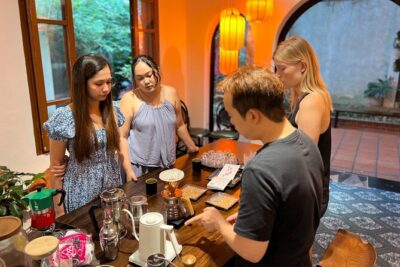
Hanoi Coffee Experience: 6 Brews, 9 Recipes & 3 Liquor Tastings
Read our review →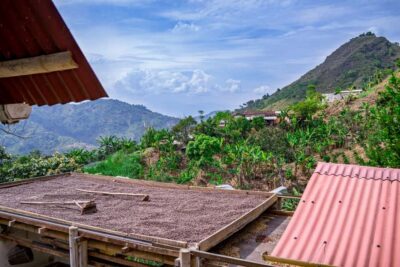
Coffee Tour with Transport, Snacks and Tastings
Read our review →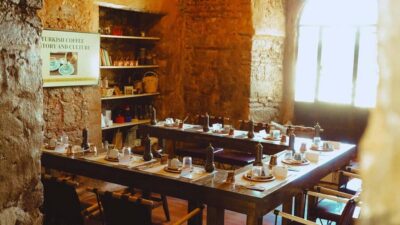
Turkish Coffee Making and Fortune Telling Workshop
Read our review →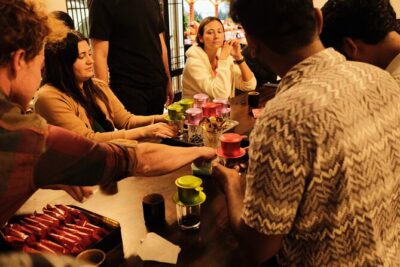
Hanoi Coffee Workshop: Taste Salt, Coconut and Egg Coffee
Read our review →
Vienna for Food Lovers: Cafés, Markets & Austrian Cuisine
Read our review →
Salt Coffee Workshop Awake Your Senses With 6 Brews
Read our review →