
REVIEW · VIENNA
Vienna for Food Lovers: Cafés, Markets & Austrian Cuisine
Vienna’s food culture makes more sense when you move beyond the grand cafés and imperial center. This six-hour tour links coffee, markets, pastry, schnitzel, wine, and sausage across several districts, using public transport as locals do. You get a taste of daily Vienna, not just the postcard version.
I like the generous food portions and the way guides such as Christoph, Maria, Patrick, and Verena connect each dish with Viennese customs. I also like that you learn the subway and tram system while visiting Brunnenmarkt, Reumannplatz, neighborhood cafés, and a classic Würstelstand. The main drawback is simple: come very hungry, and do not plan a large dinner afterward.
Key points to know before booking
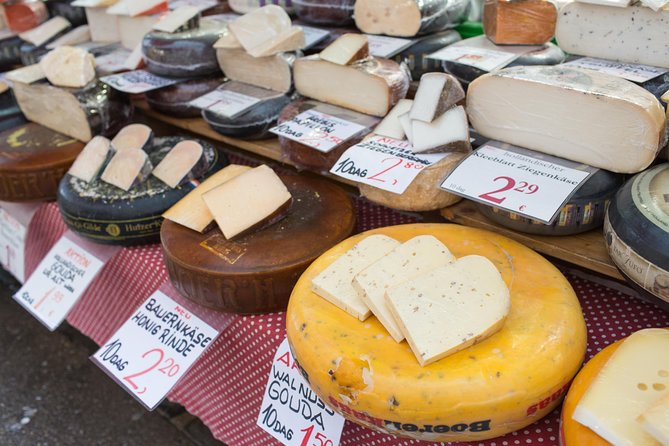
- Six hours of serious eating: Pastry, coffee, sandwiches, lunch, dessert, wine or beer, and street food make this far more than a light tasting walk.
- A local-transit lesson included: You use Vienna’s subway, trams, or buses to reach districts outside the central sightseeing zone.
- Small groups keep it personal: The maximum is 16 people, with many departures forming groups of roughly 4 to 9.
- Traditional and everyday Vienna: You see Graben and Stephansplatz, then move into Favoriten and Ottakring for markets, cafés, and street food.
- Guides add the real value: Christoph, Maria, Patrick, Wolfgang, Mary Ann, Verena, and others bring food history and city tips into the day.
- Dietary limits matter: Vegetarian and vegan choices are available, but gluten-free eating is difficult because pastry is central to the menu.
What this Vienna food tour really offers
At $159.08 per person, this is not a bargain snack crawl. It is a long, meal-sized experience with transportation, several food stops, cultural explanation, and a practical introduction to getting around Vienna.
You are scheduled to meet at Jasomirgottstraße 3/5 at 9:30 a.m. The tour ends back at the same central meeting point after about six hours. That start and finish make it easy to fit into a first or second day in Vienna.
I think the price is fair if you plan to use the food as lunch and dinner insurance. You receive coffee and pastry, savory snacks, a substantial Austrian meal, dessert, drinks, and street food. You also see several parts of the city that you might not reach on a standard walking tour.
The value drops if you mainly want a guided tour of famous sights or prefer small portions with plenty of free time. This is an eating schedule with sightseeing woven through it, not a museum tour with occasional samples.
More Eating and Drinking in the world:
- Buggy Ride Into the jungle with cave coffee & chocolate tasting
★ 5.0 · 465 reviews - Hanoi: Vietnamese Street Food Tour with Egg Coffee
★ 4.9 · 315 reviews - Da Nang Cooking Class with Coffee Tasting and Market Visit
★ 5.0 · 310 reviews
Graben, Kohlmarkt, and Stephansplatz set the scene
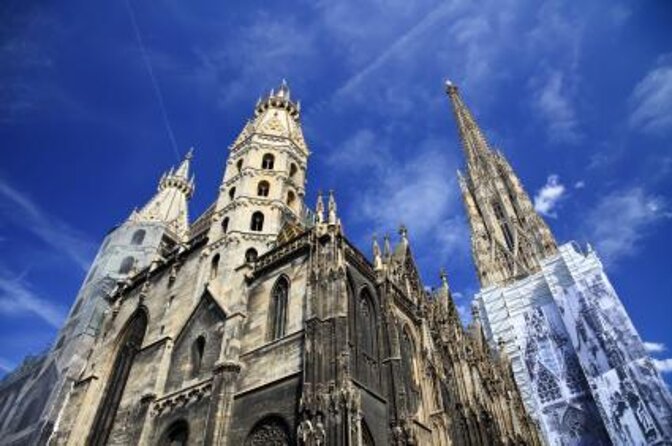
The morning begins around Graben and Kohlmarkt, two of central Vienna’s grandest streets. Imperial buildings, formal architecture, and polished shops give you the classic first impression of the city.
From there, the group reaches Stephansplatz and St. Stephen’s Cathedral. The Gothic cathedral is one of Vienna’s essential landmarks, and this opening section helps place the food tour in the city center before you head farther south and west.
The time at each central stop is short, around 15 minutes. That is enough for orientation and photographs, but not enough for a full cathedral visit. If you want to climb the towers or explore the interior in detail, plan a separate visit.
This quick start works well because the tour does not spend six hours repeating sights you can easily see on your own. Instead, it uses the historic center as a launch point for neighborhoods where everyday food culture is easier to find.
Reumannplatz brings pastry and coffee early
The route continues to Reumannplatz, a square in Vienna’s Favoriten district. The area gives you a different sense of the city from the elegant central streets, with local life replacing the grand tourist setting.
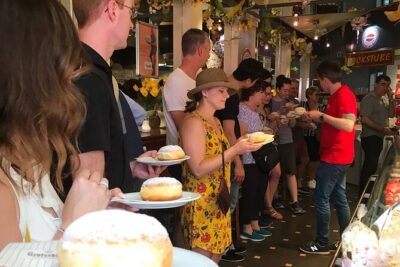
At Groissböck, you taste Viennese sweet confections and freshly roasted coffee. The bakery is known for making its pastries with carefully selected ingredients, and this is one of the tour’s early reminders that Austrian food is not shy about butter, sugar, cream, and generous portions.
Starting with something sweet is worth noting. One piece of practical advice from the day’s format is to skip breakfast or eat very lightly. The food keeps coming, and an early pastry can feel like a full breakfast before you reach lunch.
The stop lasts about 35 minutes, enough time to eat without rushing. Your guide can also explain how coffee and pastry fit into Viennese daily life, rather than treating them as simple refreshments.
Brunnenmarkt shows another side of Vienna
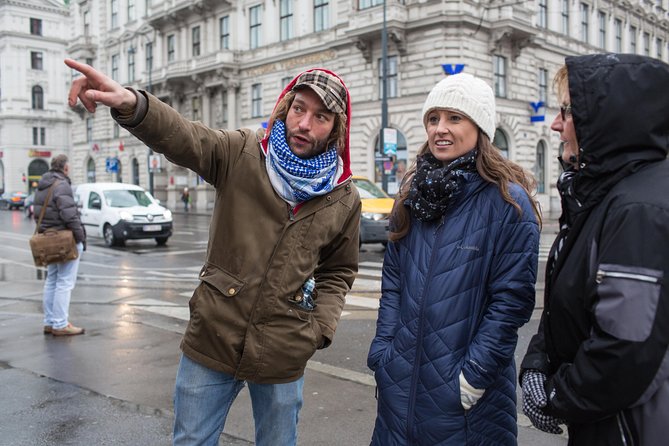
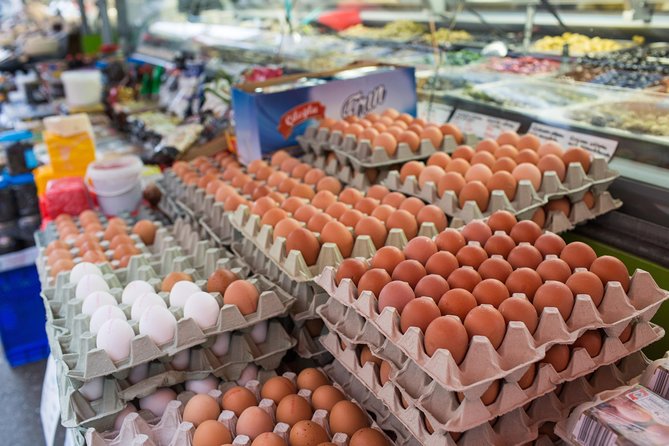
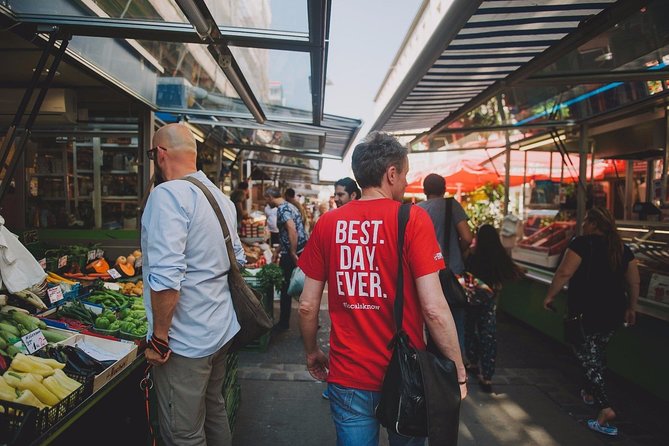
Brunnenmarkt is one of the tour’s most useful stops. It stretches through Vienna’s 16th district and has a multicultural, local character. You browse produce, sweets, household goods, and other market items while learning how different communities shape the city’s food scene.
This is not just a parade of samples. A market gives you clues about what people cook at home, what ingredients are affordable, and how neighborhoods shop. You might find colorful produce, baked goods, homewares, and food stalls that are more revealing than another formal café.
The tour description also mentions Naschmarkt and possible visits to Viktor-Adler-Markt, Gegenbauer, ÖZ Aslan, and Alles Walzer Alles Wurst. The exact route can change, so do not treat every named market or business as guaranteed. Daily availability, group needs, and operating conditions may affect the stops.
That flexibility is practical rather than a flaw. A food tour has to work with fresh food and open businesses. Still, if one particular market is your main reason for booking, ask about the current route before you go.
More Food Tours in the world:
- Hungry in Vienna? A Food Lover’s Coffee & Market Walk
★ 4.9 · 276 reviews - Private Walking Tour, Food Tasting and Bosnian Coffee in Sarajevo
★ 5.0 · 255 reviews - Rome Pantheon: Award Winning Gelato Tiramisu & Espresso Food Tour
★ 5.0 · 99 reviews - Vienna Eats: Private Foodie Walk with Coffee & Markets
★ 5.0 · 77 reviews
Café Korb explains the Viennese coffeehouse habit
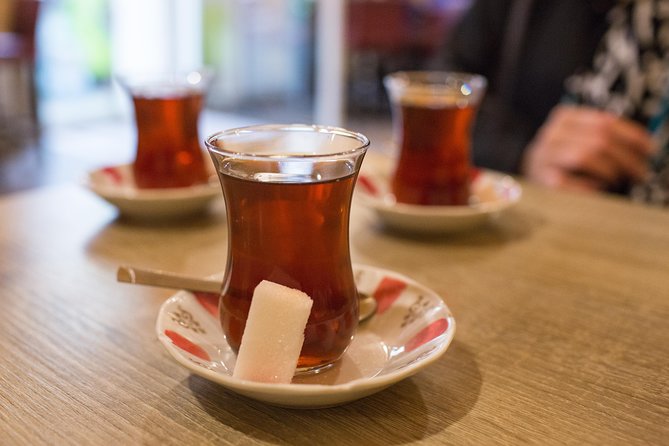
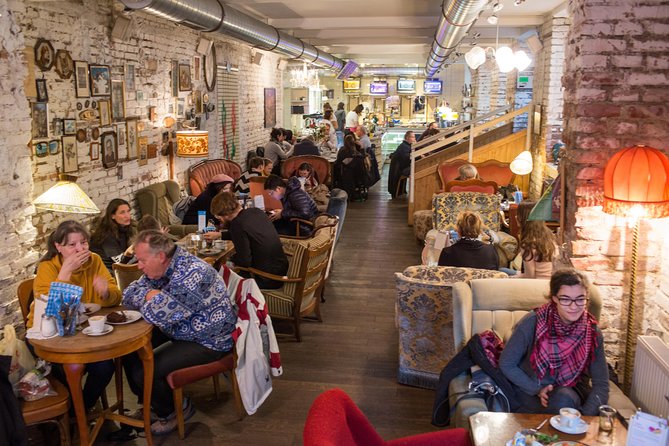
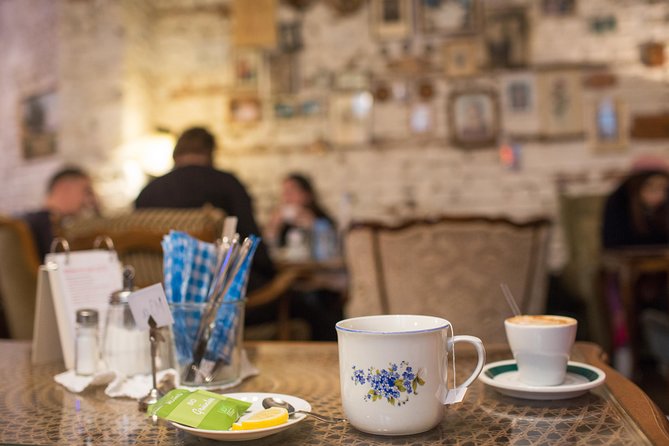
Café Korb provides the traditional coffeehouse pause. You can expect Viennese coffee, tea, hot chocolate, and strudel or another seasonal pastry, depending on the day’s selection.
The important part is the setting and the ritual. Vienna’s coffeehouses are places to sit, read, talk, and take time over a drink. Your guide explains that tradition while you taste it, which gives the coffee stop more meaning than a quick espresso at a modern café.
The tour allows about 40 minutes here. That is a comfortable amount of time to eat, listen, and talk with the group. It also provides a useful break before the heavier savory food later.
You may already have visited a famous coffeehouse on your own. If so, this stop still helps because the guide adds context and handles the ordering. For anyone unsure how Viennese coffee names work, having an English-speaking guide at the table is useful.
The main Austrian lunch is generous
Lunch is the tour’s largest food section. Depending on the day, you may taste schnitzel, goulash, boiled beef, pork roast, or a vegetarian Austrian specialty. The meal comes with Austrian wine, such as Grüner Veltliner, or local beer.
You may also receive a warm dessert such as Kaiserschmarren, along with other sweet bites during the route. The portions are substantial enough that you should not make evening dinner reservations at a serious restaurant unless you are comfortable carrying a very full stomach into the night.
This is where the tour earns much of its price. You are not merely trying one forkful of a famous dish. You get a broad sample of Austrian cooking, from crisp and savory schnitzel to slow-cooked dishes, dumplings, pastries, and sweet desserts.
The meal can also be a challenge. One review of the format suggested having more savory food earlier and slightly less pastry before lunch. That is a fair point if you prefer to eat protein first. The schedule is pastry-heavy by Austrian standards, and some people may find the lunch course almost too much after the earlier tastings.
Vegetarian guests are welcome, and vegetarian main courses are available. Vegan eating may be accommodated, but you should explain your needs clearly when booking. Gluten allergies are harder to handle because bread, cake, strudel, and pastry play such a large role in the experience.
The Würstelstand is a memorable final food stop
The traditional Würstelstand may be the most distinctive stop of the day. These sausage stands are part of Viennese street food life, and the format lets you eat the way locals often do: standing or sitting informally, choosing a sausage or savory snack, and adding mustard, horseradish, pickles, or peppers.
The tour may include goulash, pork roast, sausages, or a vegetarian alternative. At some stops, you can try different mustards, fresh horseradish, and spicy peppers. This is less polished than a formal restaurant, and that is exactly why it matters.
Several guides have taken groups to family-run sausage businesses in the 16th district. The food comes with stories about the people behind the counter and the place of sausage stands in Vienna’s daily life. If you want the most ordinary, useful taste of the city, this part may be more revealing than the grand café.
The planned time is around 15 minutes, though the broader food route gives you more time around nearby stops. Do not expect a long sit-down meal here. Think of it as a focused street-food tasting after the main lunch.
Public transport makes the city feel larger
You use Vienna’s public transport during the tour, including subway and tram travel according to the route. This has two benefits. First, you reach neighborhoods beyond the central sights. Second, you learn how to move around Vienna before you begin exploring on your own.
Guides explain how many stops you will travel and where to get off. That may sound minor, but it is valuable on a first visit, especially if you are unsure about the city’s transit signs or ticket system.
Metro tickets are not included, so bring money for your own transport fare. The group moves between food stops rather than walking the entire distance, which makes the tour easier than a six-hour march. You still need moderate fitness, since you will walk through markets, stations, streets, and venues, and you should wear comfortable shoes.
Rain does not necessarily ruin the experience. The route includes indoor cafés, restaurants, and covered or sheltered areas, though market portions and transfers remain weather-dependent. A compact umbrella and sensible shoes are good ideas.
The guides make or break the experience
The guide is central to this tour. Names associated with the experience include Christoph, Kristof, Maria, Patrick, Wolfgang, Mary Ann, Verena, and others. The strongest guide style combines food knowledge with humor, transit help, neighborhood context, and a willingness to adjust to the group.
Christoph is especially noted for explaining food and city history while keeping the group engaged. Maria is praised for personal attention and for helping groups move confidently through the transit system. Patrick is described as warm and entertaining, with a strong feel for local food. Mary Ann has also taken photographs during the day and shared them afterward.
Your guide may be the person who turns a series of tastings into a coherent day. Ask questions about dishes, markets, and places to eat later. You will get more value if you treat the tour as a practical introduction to Vienna rather than simply waiting for the next plate.
Groups can be as small as 4 to 6 people, with a maximum of 16. Smaller groups make it easier to hear the guide, ask questions, and stay together on public transport. A group of 16 is still manageable, but it will feel less intimate than a group of six or eight.
Who should book this experience
I would book this for a first or second day in Vienna. You learn the transit system, get an overview of several districts, identify cafés and food styles you may want to revisit, and receive useful suggestions for the rest of your stay.
It suits adults and older children, especially ages 12 and up. Two teenagers can enjoy the range of food and the movement around the city, while younger children may struggle with the six-hour schedule and the pace of multiple tastings.
This is also a good choice for you if you:
- Want local food but feel unsure about menus in German
- Prefer several small experiences to one long restaurant meal
- Like learning how a city works while you eat
- Want generous portions rather than tiny tasting plates
- Enjoy markets, neighborhood streets, coffeehouses, and casual food stands
- Are happy to use public transportation and walk between stops
It is less suitable if you need a strict gluten-free menu, dislike rich food, want a quiet private tour, or prefer to choose every restaurant yourself. It also may not suit anyone hoping for a detailed cathedral or architecture tour.
The experience is described as carbon neutral and operated by a certified B Corp. That does not change the food, but it may matter to you when comparing similar tours.
Practical details worth knowing
The tour is offered in English and includes a mobile ticket. Confirmation arrives at booking, and service animals are allowed. The meeting point is centrally located at Jasomirgottstraße 3/5, 1010 Vienna.
Food and drinks beyond the included tastings cost extra. Metro tickets are also separate. Bring a water bottle if you like, but do not fill up before arriving. The day includes coffee, tea, wine or beer, pastries, savory bites, lunch, dessert, and street food.
The route and food may change according to daily availability. That means you should focus on the style of the experience, not one exact dish. You are promised an authentic selection of Viennese food, but the precise pastry, restaurant, market, or street snack can vary.
Cancellation is free up to 24 hours before the 9:30 a.m. start time. Changes or cancellations inside that window are not accepted for a refund.
Should you book Vienna for Food Lovers?
Book it if you want a generous, social introduction to Vienna that mixes classic coffeehouse culture with markets, public transport, Austrian lunch, and street food. The strongest reasons are the variety, the neighborhood travel, and the guides’ ability to explain what you are eating.
Plan it early in your stay, skip or limit breakfast, wear comfortable shoes, and leave your evening open for a lighter meal. If you need gluten-free food or prefer modest portions, ask detailed questions before paying.
For most food-minded visitors, $159.08 is reasonable because the experience functions as both a large meal and a city orientation. You finish knowing what Viennese coffee culture feels like, how to reach districts outside the center, and which foods deserve a second try.
FAQ
How long does the Vienna food tour last?
The tour lasts approximately six hours and begins at 9:30 a.m. It ends back at the original meeting point in central Vienna.
Where does the tour start and finish?
You meet at Jasomirgottstraße 3/5, 1010 Vienna, Austria. The tour finishes at the same meeting point.
What food and drinks are included?
The experience includes Viennese coffee, tea, hot chocolate, seasonal pastry or strudel, savory snacks, a hearty Austrian lunch, a warm dessert, street food, and a glass of Austrian wine or local beer. Dishes may include schnitzel, goulash, pork roast, boiled beef, Kaiserschmarren, or vegetarian options.
Are vegetarian and vegan diets accommodated?
Vegetarian and vegan guests are welcome. Gluten-free diets are harder to accommodate because Austrian pastry and bread are an important part of the tour.
Are public transport tickets included?
No. You use public transportation during the tour, but metro tickets are not included in the price.
How large is the group?
The maximum group size is 16 people. Some departures may be much smaller, with groups of roughly 4 to 9 people.
Can children join the tour?
Children are allowed, but the experience is best suited to adults and older children. It is not recommended for children under 12.
What happens if the food or route changes?
The route and food selections may change according to daily availability and other practical conditions. The tour still provides a broad taste of authentic Viennese food and neighborhoods.
Just listed in the world
- Vietnamese Coffee 101 Workshop★ 5.0 · 11 reviews
- Vietnamese Coffee Making Class in Hoi An★ 5.0 · 4 reviews
- Yerevan: Private Coffee Tour with 2 Café Stops★ 5.0 · 2 reviews
- Ubud: Waterfall, Holy Water Temple,Swing&coffee plantation★ 5.0 · 9 reviews
- Vancouver: Street Art & Craft Coffee Walking Tour w/ Tasting★ 4.8 · 11 reviews
- Turkish Coffee and Traditional Turkish Dessert Cooking★ 4.6 · 8 reviews
- The Colors of Coffee in the Farms of Coatepec★ 5.0 · 3 reviews
- Vienna: Guided Viennese Coffee-House Tour★ 5.0 · 2 reviews
Vienna Coffee Tours, compared.
Vienna Coffee, Cake & Pastries Tour with Local Stories
Read our review →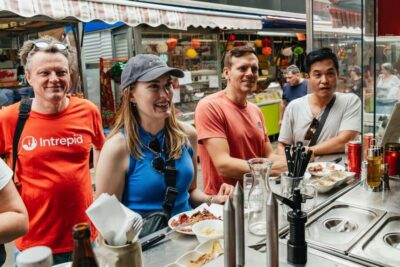
Hungry in Vienna? A Food Lover’s Coffee & Market Walk
Read our review →
Vienna Eats: Private Foodie Walk with Coffee & Markets
Read our review →

2.5-Hour Viennese Coffee, Cake, and Chocolate Tour
Read our review →
Vienna Coffee and Cake Tour: Sweets, Stories & Hidden Cafés
Read our review →
Strauss Exhibition incl. LED Concert Show / Coffee + Strauss Cake
Read our review →Lists this coffee tour turns up in