
REVIEW · CENTRAL VIETNAM
Vietnamese Coffee Making Class in Hoi An
Vietnamese coffee is not just a strong morning drink. It is a small lesson in local taste, technique, and patience. In this Hoi An class, you can roast beans, watch coffee drip through a metal phin, and prepare specialties such as egg coffee or Hue salt coffee right in the city center.
I like the choice of coffee styles, and I like the hands-on format. You do not simply sip a finished drink. You learn how condensed milk, coconut, egg, or salt changes the coffee. The main drawback is practical: three coffees can mean a lot of caffeine and sweetness in 60 to 90 minutes.
Key Points
- Choose your coffee style: Make phin coffee, egg coffee, coconut coffee, or Hue salt coffee.
- See beans change: Learn how roasting levels affect aroma, strength, and taste.
- Use the traditional phin: Watch and prepare Vietnam’s slow-drip coffee method.
- Small downtown class: The group is limited to 10 people at Trí Long Coffee.
- Good rainy-day plan: The indoor setting suits a free afternoon in Hoi An.
- Plan your caffeine: Two or three drinks may be more than you want at once.
Coffee Class at 88 Phan Chau Trinh Street
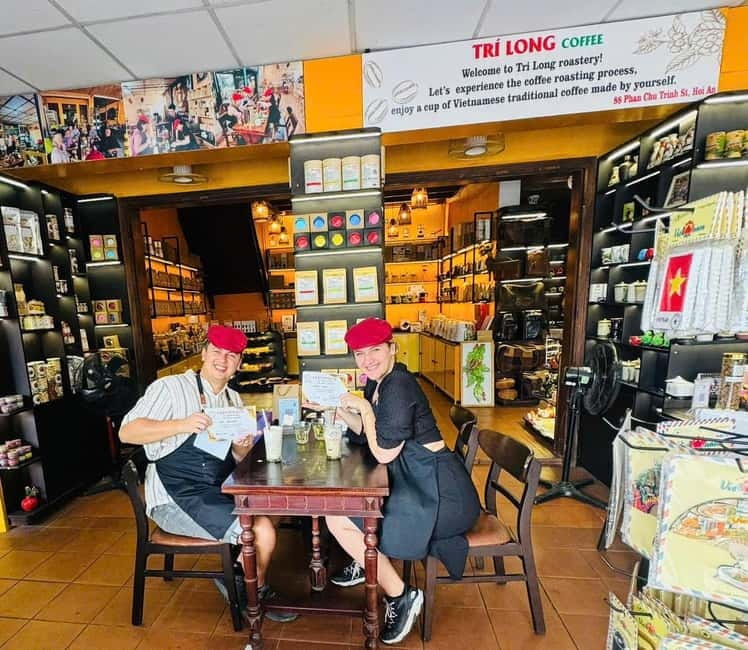
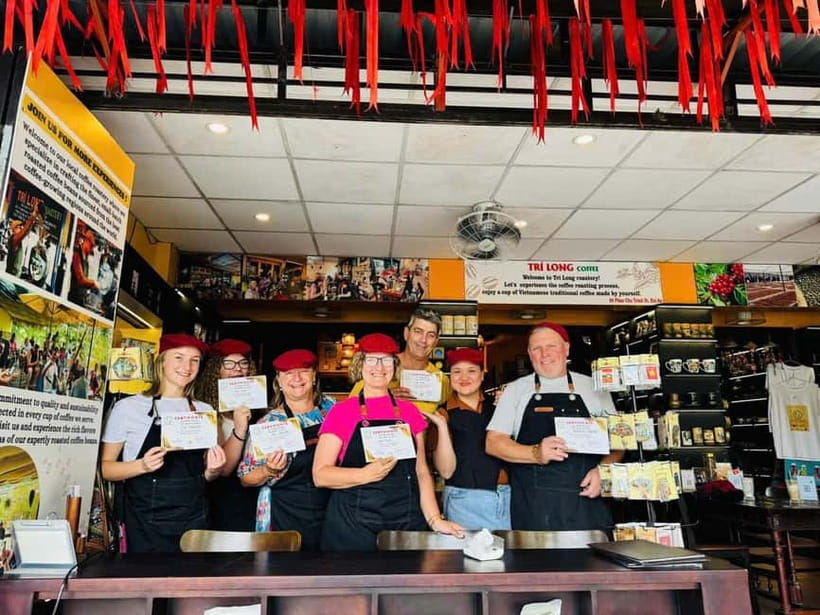
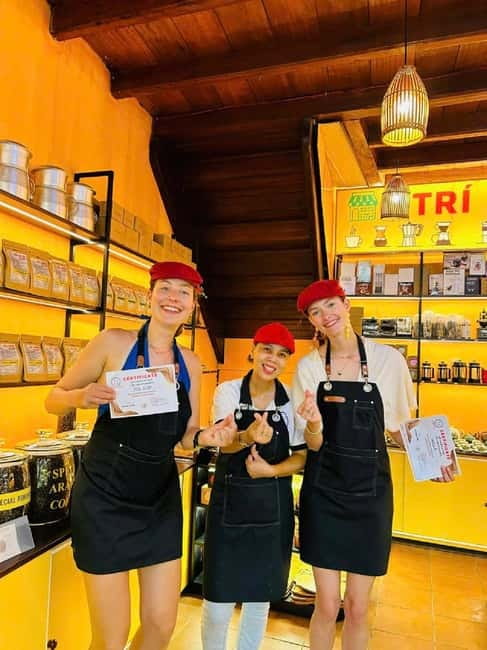
The class meets at Trí Long Coffee, at 88 Phan Chau Trinh Street in central Hoi An. Look for the guide outside the coffee shop wearing a red hat. Hotel pickup and drop-off are not included, so you make your own way to the meeting point.
The central location makes this easy to add between Hoi An’s old-town sights, meals, and shopping. You do not need to give up half a day. The advertised duration is one hour to 90 minutes, depending on how many sessions you choose and how much coffee you make.
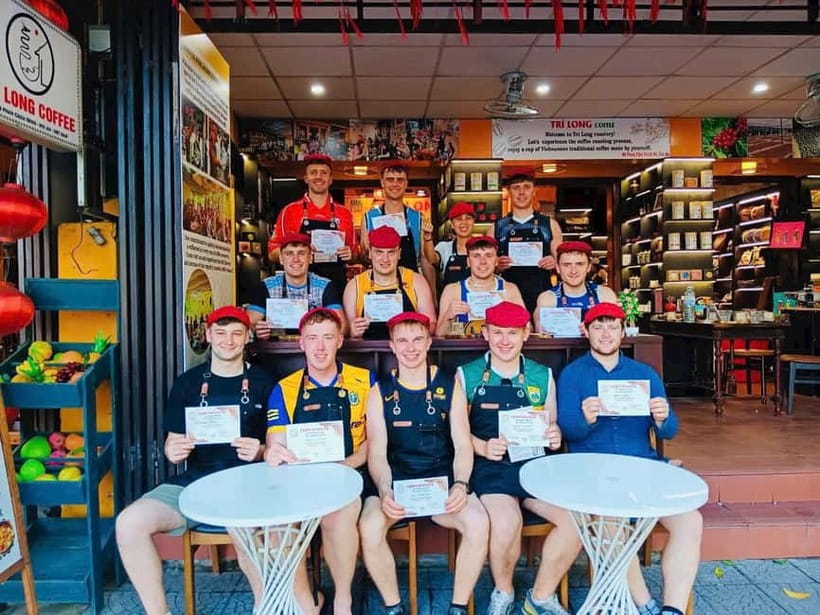
The group is limited to 10 participants. That is a useful size for a practical class. You should have a chance to follow the demonstrations and handle the tools, though the exact amount of individual instruction can depend on the number of people in your session.
The instructor speaks English, and ingredients, equipment, and water are supplied. You receive at least one cup of coffee made by yourself. Food and other personal expenses are not included.
More Coffee Making Classes in Vietnam
- Hoi An: Hands-on Vietnamese Coffee Making Class with Long
★ 4.8 · 66 reviews - Hoi An: Vietnamese Coffee Making Course
★ 4.9 · 25 reviews - Coffee Class & Basket Boat Experience or Lantern Class -optional
★ 5.0 · 18 reviews
Starting With Roasted Coffee Beans
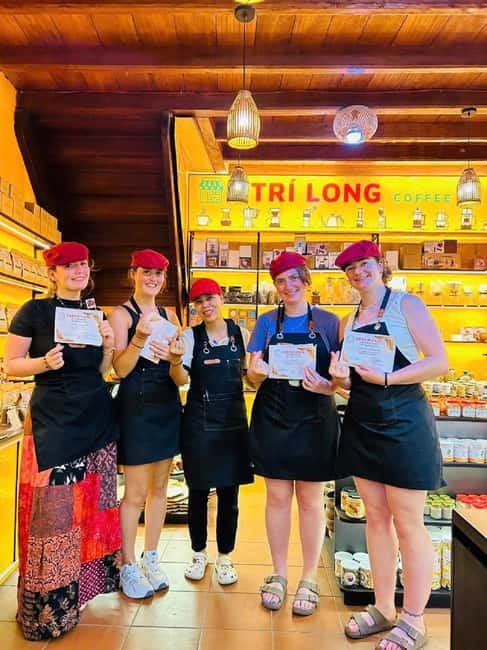
The class begins with the coffee bean itself. You learn how raw beans become the dark, fragrant beans used for brewing. The roasting demonstration explains the basic stages and shows how roast level affects the final cup.
This part is useful because Vietnamese coffee can taste very different from a mild cafe drink. A darker roast can produce a fuller, more forceful flavor, while other roast levels may bring out different aromas. The class gives you a simple way to connect the roasting process with what you taste later.
Do not expect a full professional roasting qualification in a short Hoi An session. This is an introduction, not an advanced coffee course. One piece of feedback suggested that the class could provide more background information, so you should book it for practical tasting and making rather than a long technical lecture.
Still, the demonstration gives the rest of the class a clear starting point. You first see how the bean develops, then you use that coffee in several familiar Vietnamese preparations.
Learning the Vietnamese Phin Filter
The phin is the small metal filter used for traditional Vietnamese coffee. It sits over your cup, and hot water passes slowly through the coffee grounds. The result is a concentrated brew with a steady, deliberate rhythm.
This is very different from pressing a button on a machine. You need to watch the drip and allow time for the coffee to pass through. That slower method is part of the pleasure. It also helps explain why Vietnamese coffee often arrives as a small, powerful drink rather than a large mug.
The instructor demonstrates the balance of bitter coffee and sweet condensed milk. You can see how the two work together rather than treating the milk as a minor addition. The finished drink is bold, sweet, and designed for slow sipping.
For me, the phin section is the most useful part if you want to repeat the experience at home. The equipment is simple, and the method gives you a direct link to everyday coffee culture in Vietnam. You are learning a recognizable local ritual, not just making a flavored drink for one afternoon.
Making Hanoi Egg Coffee
Egg coffee is one of the class choices. The drink combines coffee with egg yolks, condensed milk, and sugar. The mixture is whipped into a smooth, creamy topping that sits above or blends with the coffee below.
The appeal is texture. Instead of drinking plain black coffee, you get a thick, dessert-like layer with sweetness and a soft egg richness. The coffee cuts through that sweetness and keeps the drink from tasting like a simple custard.
You will watch the instructor prepare the mixture, then take part in making your own cup. The practical lesson is in the whipping and balance. Too little mixing will leave the topping flat, while the right texture gives the drink its light, velvety feel.
Egg coffee is a good choice if you want the most unusual option on the menu. It is also the richest. If you select three sessions, you may want to make egg coffee one of your first drinks rather than saving it for the end.
The name connects the drink with Hanoi, Vietnam’s capital. Making it in Hoi An gives you a taste of a specialty associated with another Vietnamese city while keeping the class focused on the country’s wider coffee traditions.
More Vietnamese Coffee Experiences in Hoi An:
- Authentic Vietnamese Coffee Making Experience in Hoi An
★ 5.0 · 13 reviews - Hoi An: Hand-on Making Vietnamese Coffee Class & Culture
★ 4.7 · 9 reviews - Hoi An Vietnamese Coffee Workshop: Hands-On Brewing Class
★ 5.0 · 3 reviews - Exploring Vietnamese Coffee Culture, Coffee Making in Hoi An
★ 3.7 · 3 reviews
Mixing a Cool Coconut Coffee
Coconut coffee takes the drink in a tropical direction. You learn how coconut adds a nutty sweetness and a cooler, smoother character to the coffee. The result is suited to Hoi An’s warm weather and works well as a lighter alternative to the heavier egg preparation.
The class explains how to combine the coconut element with coffee so that neither flavor disappears. You get to make the drink yourself rather than simply receiving a finished glass. That small act makes the recipe easier to remember when you want to recreate it later.
Coconut coffee is likely the easiest choice for someone who prefers a sweet, refreshing drink over a dense dessert coffee. It also offers a useful contrast with the phin version. One is built around slow-dripped strength, while the other softens coffee with a tropical ingredient.
You should still expect sweetness. This is not a plain black coffee tasting. If you prefer a sharper or more bitter cup, the traditional phin option may suit you better.
Trying Hue Imperial Salt Coffee
Salt coffee is the most surprising choice. A small amount of salt is added to the coffee to reduce bitterness and bring out other flavors. The result is not meant to taste like seawater. The salt works in the background, changing the balance of the drink.
The instructor explains the basic idea behind the recipe, then helps you prepare it. This gives you a chance to taste how one small ingredient can alter the same coffee base. It is a useful lesson in balance, especially if you normally add only sugar or milk.
The drink is associated with Hue, the former imperial city in Central Vietnam. Choosing it adds a regional touch to the class and connects your Hoi An activity with another important city nearby.
Salt coffee is a smart pick for curious drinkers who want something less familiar. It may also be the best option if you find very dark coffee too bitter. You can compare it with the phin preparation and notice how the salt changes the finish.
Choosing Two or Three Coffee Sessions
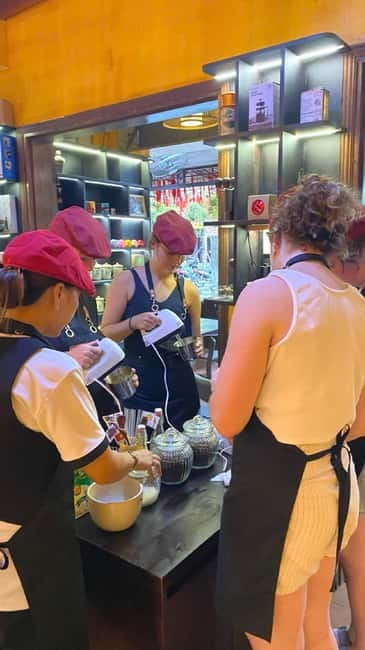
You can choose two or three different sessions, with the available choices including phin coffee, egg coffee, coconut coffee, and salt coffee. The exact selection is something to settle when booking or at the class, since the stated information allows you to choose the type you want to make.
Two sessions give you a better balance of learning and tasting. You can compare two very different styles without rushing or loading up on too much sugar and caffeine.
Three sessions offer more variety and make the class feel more like a full tasting. The tradeoff is clear: three strong or sweet drinks in a short period can be a lot. One participant chose three coffees and found the richness and caffeine excessive, so the staff kindly substituted a chocolate drink for the final cup.
That is a helpful option to keep in mind. You can still join a three-session class for the techniques and flavors without forcing yourself to drink every coffee. If you are sensitive to caffeine, prefer smaller portions, or already plan to drink coffee elsewhere in Hoi An, two sessions may be the wiser choice.
What the Price Includes at $16
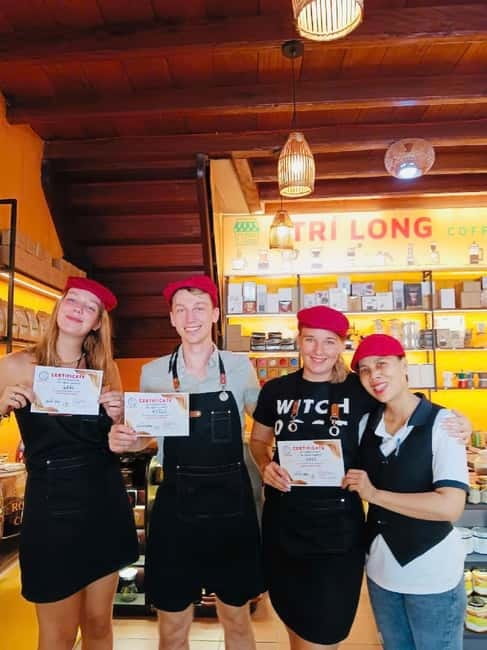
At $16 per person, the class offers fair value for a short, guided activity. Your fee covers the coffee-making course, an English-speaking instructor, ingredients, tools, water, and at least one coffee you prepare yourself.
The value comes from doing several things in one place. You receive an introduction to roasting, learn the phin method, and can make specialty drinks that may cost more if ordered individually at a cafe. You also avoid buying equipment and ingredients just to try the recipes once.
The price does not cover transportation, hotel pickup, food, or expenses not listed. Since the meeting point is in central Hoi An, the lack of transfers is less of a problem if you are already in town. You should add the cost of getting to 88 Phan Chau Trinh Street if you are staying farther away.
This is not the right activity if you want a full meal or a long coffee lecture. It is a compact workshop with tasting built in. For a one-hour to 90-minute plan, the price is reasonable, especially if you use the class to learn a method you can repeat at home.
Best Reasons to Book, and One Clear Caution
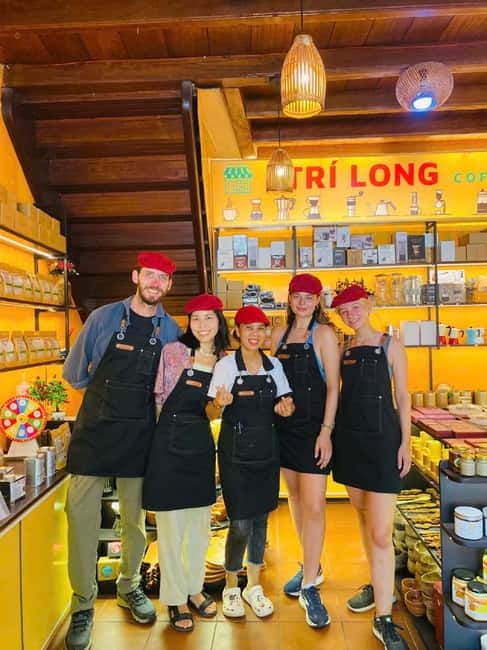
I would recommend this class to anyone who wants a short cultural activity with a practical result. It suits coffee beginners because the instructor introduces each method step by step. It also works for coffee fans who want to compare Vietnamese preparation styles instead of ordering the same iced coffee every day.
It is a good rainy-afternoon plan. You stay indoors, work with your hands, and leave with a better idea of how Vietnamese coffee is made. The class also suits small groups, couples, and families who want an activity that does not require a long ride outside Hoi An.
The main caution is the amount of coffee. Egg coffee, coconut coffee, and condensed milk preparations can be filling and sweet, while phin coffee can be strong. Pick two styles if you want a calmer pace, or choose three only if you are comfortable with the caffeine and plan to share or substitute a drink.
The class is wheelchair accessible, but the provided information does not describe the exact seating or room layout. If you need specific arrangements, contact the provider before booking.
Free cancellation is available up to 24 hours before the activity for a full refund. You can also reserve now and pay later, which helps if your Hoi An schedule may change.
Should You Book This Hoi An Coffee Class?
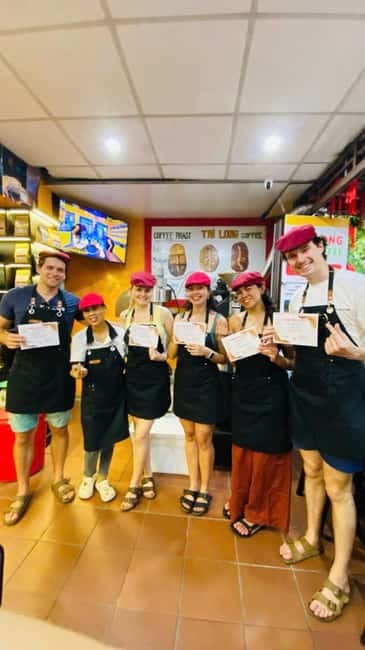
Book it if you want to understand Vietnamese coffee by making it yourself. The best parts are the phin demonstration, the chance to choose an unusual drink such as salt coffee, and the small-group setting at Trí Long Coffee.
Choose two sessions if you want variety without overdoing the caffeine. Pick three if tasting several recipes matters more to you, and remember that a chocolate substitute may be available for the final drink.
Skip it if you want a long, detailed coffee lecture, a full meal, or transport from your hotel. For a modest $16, though, this is a focused and useful Hoi An activity. You get more than a cup of coffee: you learn why Vietnamese coffee tastes the way it does and leave with methods you can try again.
FAQ
Where does the Vietnamese coffee class meet?
The meeting point is Trí Long Coffee at 88 Phan Chau Trinh Street in Hoi An. Look for a guide outside the coffee shop wearing a red hat.
How long does the class last?
The class lasts from one hour to 90 minutes. Starting times depend on availability.
Which types of coffee can I make?
You can choose Vietnamese phin filter coffee, Hanoi egg coffee, coconut coffee, or Hue imperial salt coffee.
Is the class taught in English?
Yes. The instructor speaks English.
What is included in the $16 price?
The price includes the coffee-making course, ingredients, tools, water, an English-speaking instructor, and a cup of coffee made by yourself.
Can I cancel the booking?
Yes. You can cancel up to 24 hours in advance for a full refund. Reserve now and pay later is also available.
More Coffee Making Classes in Hoi An
- Hoi An Buffaloes Riding/Coracle Boat Tour/Coffee Class with Lunch
★ 4.5 · 15 reviews - Hoi An Coffee Making Workshop
★ 5.0 · 7 reviews - Coffee Making and Banh Mi Class Hoi An
★ 5.0 · 5 reviews - Hoi An:Coffee Making Class (Coffee: egg, Salt, Coconut, …)
★ 5.0 · 5 reviews
Just listed in Hoi An
- Authentic Vietnamese Coffee Making Experience in Hoi An★ 5.0 · 13 reviews
- Vietnamese Egg Coffee Making Course in Hoi An★ 3.5 · 2 reviews
- Hoi An Vietnamese Coffee Workshop: Hands-On Brewing Class★ 5.0 · 3 reviews
- Hoi An Coffee Making Workshop★ 5.0 · 7 reviews
- Hoi An Coffee Tasting And Old Town Discovering Tour★ 5.0 · 4 reviews
- Coffee Making and Banh Mi Class Hoi An★ 5.0 · 5 reviews
- Experience Making & Tasting Vietnamese Coffee in Hoi An★ 5.0 · 2 reviews
- Farming- Market- Coffee- Cooking (JHA1)★ 5.0 · 9 reviews
Vietnamese Coffee Experiences, compared.

Salt Coffee Workshop Awake Your Senses With 6 Brews
Read our review →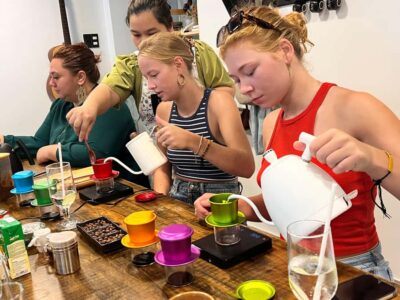
Egg coffee & Course on 4 traditional types of Viet coffee
Read our review →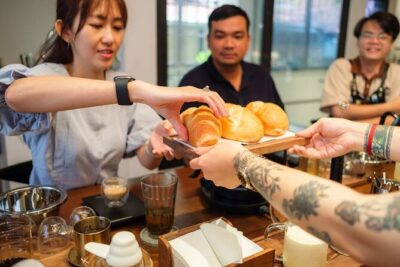
Fun & Easy Vietnamese Coffee Workshop in Hồ Chí Minh City
Read our review →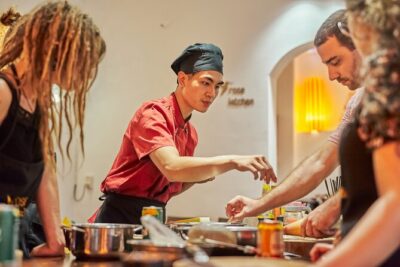
Hanoi Cooking Class: Pho/Bun Cha/Banh Xeo…+Free Egg/Salt Coffee
Read our review →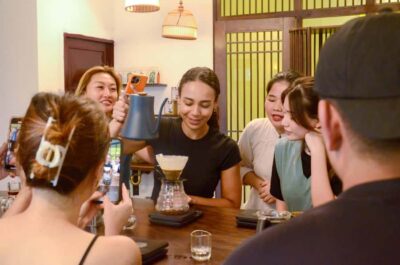
Vietnamese Coffee Workshop with 6 Brews and 8 Recipes
Read our review →
Vietnamese Coffee & Culture Exploration in Hồ Chí Minh City
Read our review →
Hanoi Coffee Workshop: Master 6 Signature Vietnamese Coffee
Read our review →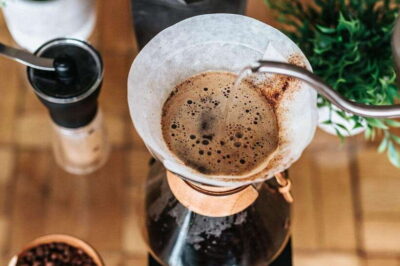
Hands-on Vietnamese Coffee Making Class with Long
Read our review →Lists this coffee tour turns up in