
REVIEW · KIGALI
Women-led Coffee Farm Trek
Rwanda’s coffee story is best understood with your feet on a farm, not just with a cup in your hand. This women-led coffee trek takes you from Kigali to a working cooperative near Akagera National Park, where you can follow the beans from harvest through washing, preparation, and roasting. Expect a warm welcome with song and dance, then a full day of practical demonstrations and conversation.
I like two things right away: the tour gives real attention to women’s economic opportunity, and it keeps the group small, with no more than 15 people. Lunch is included, and the visit to the Women’s Opportunity Center adds handicrafts and community work to the coffee lesson.
The main consideration is time. This is an eight-hour day beginning at 8:00 am, and much of it is spent traveling out from Kigali and learning at the cooperative. If you want a quick coffee tasting in town, this is too long. If you want to understand how coffee supports rural families, the extra hours make sense.
Key points to know before booking
- Coffee from plant to cup: See harvesting, washing, preparation, and roasting rather than stopping at a simple tasting.
- Women-run cooperative: The tour connects coffee production with women’s work, income, and local opportunity.
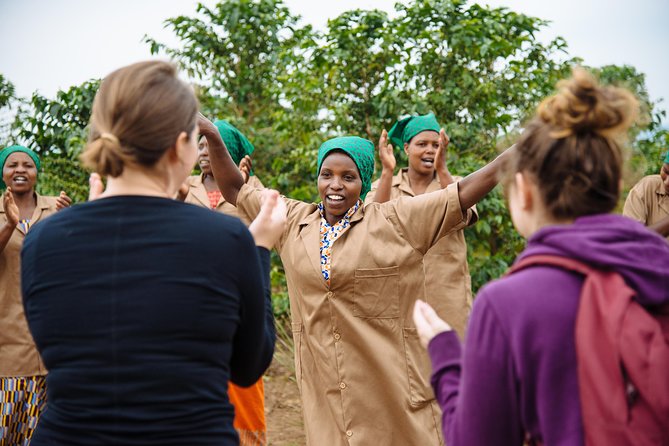
- Song and dance welcome: Be ready to join in. The arrival is social, lively, and participatory.
- Lunch at Urugo Eco-Lodge: A one-hour stop at the Women’s Opportunity Center includes lunch and time for handicrafts.
- Small group of 15 or fewer: The size allows room for questions and a more personal welcome.
- Best for a full day: The tour lasts about eight hours, starts at 8:00 am in Kigali, and returns to the same meeting point.
Why this coffee tour feels different from a Kigali tasting
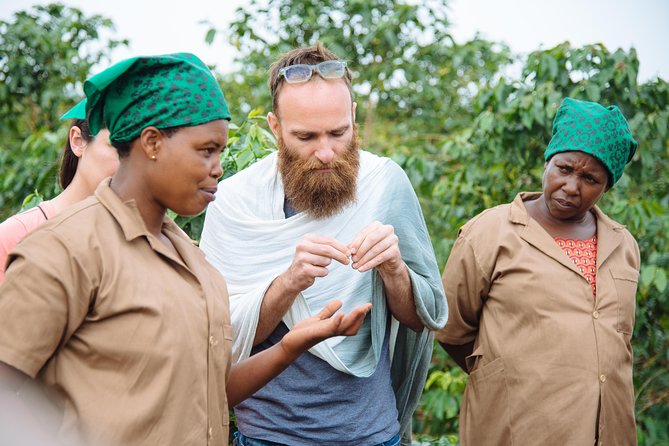
A city coffee tasting can teach you about flavor, roast, and brewing. This experience adds the human work behind the cup. You see how coffee is grown and handled, then meet the people whose labor gives the final drink its character and value.
That matters in Rwanda. Coffee is an important part of the country’s economy, and the cooperative model links farming with local development. Here, the focus is on female farmers and the ways a coffee business can support women’s independence and household income. You are not simply buying a better cup. You are learning what has to happen before that cup reaches a café.
The welcome is part of the lesson. At the cooperative, you may be greeted with singing, dancing, laughter, and a strong sense of ceremony. You should join in if you are comfortable. You do not need to be a polished dancer. A willing smile and a few simple steps will take you a long way.
The tone is friendly rather than formal. Guide Patty has been praised for joining in with each part of the day and for taking time with questions. That sort of guide matters on a hands-on visit, where the value comes from conversation as much as from the schedule.
More Coffee Farm Tours in the world:
- Award Winning Farm Tour: Coffee, Chocolate and Unique Gifts
★ 5.0 · 484 reviews - La Herradura Coffee Farm: tour in Europe’s only plantation
★ 4.8 · 430 reviews - Big Island: Volcanoes, Waterfalls, & Coffee Farm Day-Trip
★ 4.9 · 414 reviews
Starting at Question Coffee in Kigali at 8:00 am
The meeting point is Question Coffee Gishushu, at 8 KG 8 Ave in Kigali. The tour begins at 8:00 am, so plan to arrive early enough to find the spot and settle in. The activity ends back at this same meeting point.
Starting at Question Coffee gives the day a clear connection to the finished product. You begin in a coffee setting, then head toward the farms and cooperative work that make the drink possible. The route out of Kigali is part of the experience, though the supplied details do not specify the exact transport arrangement or driving time.
That is one point I would confirm before paying, especially if you have a tight schedule or a hotel far from Gishushu. The tour lasts about eight hours, but exact road time can affect how much time you spend at the farm and community center.
The schedule is not designed for a rushed morning. You will want breakfast before arrival unless you are told that an early coffee or snack is included. The day begins with coffee country ahead, not with a quick two-hour outing.
Following the coffee process from harvest to roasting
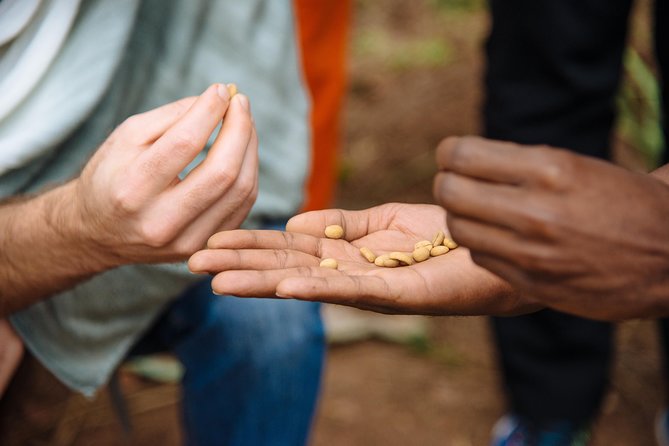
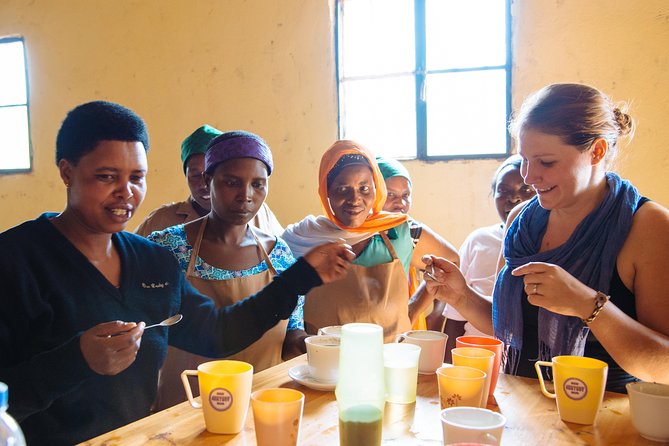
The strongest part of the day is the chance to see several stages of production in one visit. You can expect an introduction to how coffee is cultivated, harvested, washed, prepared, and roasted.
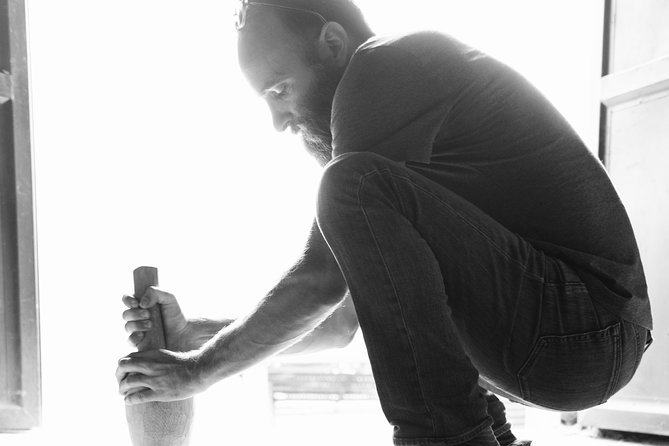
Each step helps explain why coffee prices and flavors vary. Harvesting is physical work, and the quality of the crop begins long before roasting. Washing and preparation affect the beans that move forward. Roasting then changes their aroma, color, and taste.
The tour is especially useful if you usually think of coffee only at the café stage. You see that the final drink depends on a chain of careful tasks. The guide and farming cooperative provide the setting for questions, so ask about the work you are seeing and how women take part in it.
The experience is not described as a technical barista class, and you should not book it expecting a long lesson in espresso extraction or brewing science. Its focus is the farm and cooperative side of coffee. That is its strength.
The best approach is to pay attention to the order of the work. Notice how the beans change from a crop to something ready for roasting. Then compare that process with what you taste later. A coffee tasting has more meaning when you know how much work came first.
Meeting the women behind the cooperative
The cooperative is more than a backdrop for photographs. It gives the tour its purpose. You meet women who work with coffee and learn how farming can support wider goals such as income, skills, and community growth.
The available information does not provide individual farmer names or detailed figures about the cooperative. That makes it wise to listen closely during the visit. You may find that the most useful facts come through direct conversation on the day.
The social welcome also changes the feel of the visit. A standard farm tour can be quiet and observational. Here, singing and dancing invite you to take part from the start. The experience has a clear human side, and that is likely to stay with you longer than a list of coffee facts.
You should also bring respect for the setting. This is a working community, not a staged performance built only for sightseeing. Ask before taking close-up photographs of people, and treat the welcome as a shared exchange rather than something put on for your camera.
The emphasis on women is not a minor theme added to a coffee tour. It is the reason this outing has more weight than a normal plantation visit. You can see coffee production and also consider who benefits from the work.
More Walks and Hikes in the world:
- Off the Map Chiang Mai Jungle Coffee Trek Roast and Brew
★ 5.0 · 107 reviews - Trekking History and Indigenous Heritage in Minca + Cacao & Coffee + Waterfall
★ 4.9 · 63 reviews - 6 Days Serengeti Safari(hiking waterfalls &coffee tour)
★ 5.0 · 48 reviews - Chiang Mai Coffee Full Day Tour: Trek, Brew & Roast Journey.
★ 5.0 · 38 reviews
Lunch and local handicrafts at Urugo Eco-Lodge
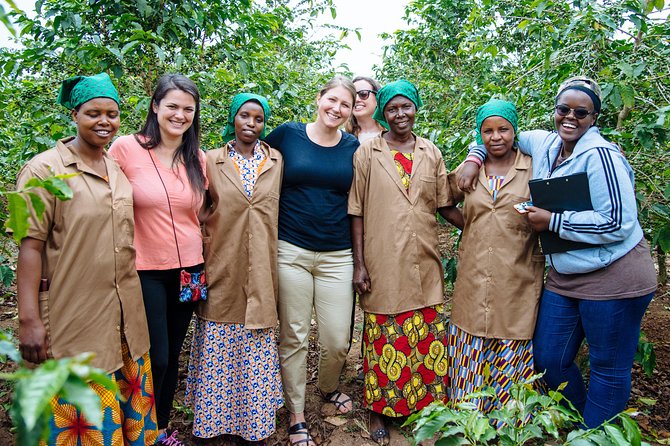
The itinerary includes a one-hour stop at Urugo Eco-Lodge at the Women’s Opportunity Center. Lunch is provided, and you can see handicrafts and other work connected to the center.
This is a useful break in a full day. After the farm lesson and road time, sitting down for a meal gives you a chance to rest and talk through what you have seen. Since lunch is included, the $150 price covers more than admission to a farm.
The Women’s Opportunity Center also broadens the experience beyond coffee. You see how local development can include craft work and practical opportunities for women. If you want to bring home something small, this is the natural point to look at the handicrafts.
Keep your expectations precise. The information confirms lunch and a visit to the center, but it does not give a menu, dietary details, or a list of products. If you have food restrictions, contact the provider before the day. The same goes for any shopping budget, since purchases are not stated as part of the tour price.
The stop lasts one hour, so it is enough for lunch and a look around, not an entire afternoon of shopping or workshops. Use the time well. Eat first, then browse, ask questions, and enjoy the chance to see another side of the center’s work.
What the $150 price buys you
At $150 per person, this is not the cheapest way to taste Rwandan coffee. You are paying for a full-day experience, a small group, lunch, a farm visit, a community program, and a guide. The value depends on how much you want the wider story.
For a simple cup of coffee and a short roasting demonstration, the price will feel high. Kigali has less costly ways to drink excellent coffee. For a day that combines production, rural travel, women’s enterprise, food, and handicrafts, the price is easier to justify.
The group limit helps. With no more than 15 people, you are less likely to be pushed through each stop in a large crowd. You have a better chance to hear the guide, ask questions, and take part in the welcome without feeling lost.
The full-day format also means you should compare this with other plans in Rwanda. If you have only one day in Kigali, you may prefer a city-focused tour. If you have several days and want a more personal connection to rural coffee production, this outing fills a distinct place in your schedule.
Published ratings give the experience a 5 rating, with 100 percent recommending it across 19 ratings. That is a strong signal, though your own enjoyment will depend on liking a long, social day rather than a short and polished tasting.
Who will enjoy this eight-hour outing
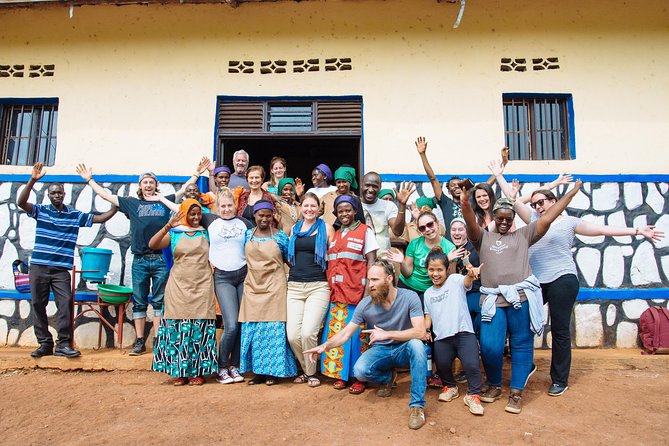
I would recommend this tour to you if you care about how food is produced and who does the work. It is a good match for coffee drinkers, community-minded visitors, small groups of colleagues, and anyone looking for an experience beyond Kigali’s usual city sights.
It also suits people who enjoy participation. The singing and dancing welcome is not a passive show. You will get more from the day if you are willing to greet people warmly, ask questions, and take part.
The tour can work well for a group of friends or coworkers. A small group from a work conference booked the experience and found it a memorable change from meeting rooms. The structure gives you a shared activity, a meal, and plenty to discuss afterward.
Families and older visitors may also find it suitable because most people can participate, and service animals are allowed. Still, the day is long, and the information does not describe the terrain, walking distance, or vehicle setup. Ask the provider if mobility is a concern.
I would skip it if you want a quick, quiet outing with a tightly timed schedule. The day includes travel, conversation, a social welcome, and several parts of coffee production. That makes it rewarding, but it also means the pace may feel too full for anyone seeking a relaxed café morning.
Practical details that affect your day
Confirmation is sent within 48 hours of booking, subject to availability. The tour requires good weather, so poor conditions may lead to a different date or a full refund.
The listed health requirements include a negative COVID-19 test and a mask. Requirements can change, so check the current instructions before departure. Service animals are allowed, and most people can participate.
Free cancellation is available if you cancel at least 24 hours before the local start time. Cancellations or changes made inside that 24-hour window are not refunded or accepted.
You should also note the advance-booking pattern. The experience is booked, on average, 27 days ahead. That is not a guarantee that it will sell out, but it is a good reason to reserve early if your Rwanda dates are fixed.
Bring a phone or camera if you want photos, but keep the focus on the visit rather than constant picture-taking. Comfortable clothing and shoes are sensible for a farm setting, though the supplied information does not specify a dress code or walking conditions.
Should you book the women-led coffee farm trek?
Book it if you want to connect your morning coffee with the people, work, and community behind it. The combination of a women-run cooperative, coffee production, lunch, handicrafts, and a small group gives the day more substance than a standard tasting.
I especially like the balance between practical learning and human contact. You see the work, hear the story, share a meal, and take part in a warm welcome. Guide Patty’s active, friendly approach is another plus if she is leading your departure.
Think twice if your schedule is tight, your interest in coffee is casual, or $150 feels too high for a full-day outing. But if you have the time and want one memorable day outside Kigali, this is a strong choice. Reserve ahead, confirm the transport and current health requirements, and arrive ready to sing, dance, ask questions, and taste coffee with a better understanding of where it began.
FAQ
Where does the tour start?
It starts at Question Coffee Gishushu, 8 KG 8 Ave, Kigali, Rwanda, at 8:00 am.
Where does the tour end?
The experience ends back at the meeting point in Kigali.
How long does the coffee farm tour last?
The tour lasts approximately eight hours.
How much does the experience cost?
The listed price is $150 per person.
How many people can join the tour?
The group is limited to a maximum of 15 people.
Is lunch included?
Yes. Lunch is provided during the one-hour stop at Urugo Eco-Lodge at the Women’s Opportunity Center.
Can I cancel for a full refund?
Yes, if you cancel at least 24 hours before the experience’s local start time. Cancellations made less than 24 hours before the start are not refunded.
Just listed in the world
- Vietnamese Coffee 101 Workshop★ 5.0 · 11 reviews
- Vietnamese Coffee Making Class in Hoi An★ 5.0 · 4 reviews
- Yerevan: Private Coffee Tour with 2 Café Stops★ 5.0 · 2 reviews
- Turkish Coffee and Traditional Turkish Dessert Cooking★ 4.6 · 8 reviews
- Ubud: Waterfall, Holy Water Temple,Swing&coffee plantation★ 5.0 · 9 reviews
- Vancouver: Street Art & Craft Coffee Walking Tour w/ Tasting★ 4.8 · 11 reviews
- The Colors of Coffee in the Farms of Coatepec★ 5.0 · 3 reviews
- Vienna: Guided Viennese Coffee-House Tour★ 5.0 · 2 reviews
Coffee Farm Tours, compared.
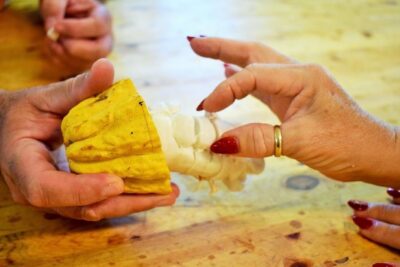
Award Winning Farm Tour: Coffee, Chocolate and Unique Gifts
Read our review →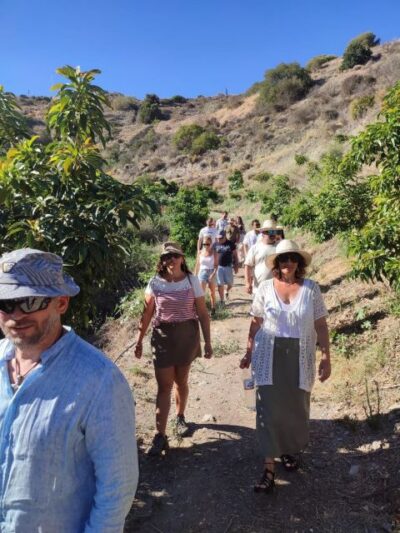
La Herradura Coffee Farm: tour in Europe’s only plantation
Read our review →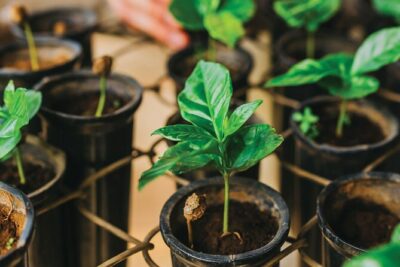
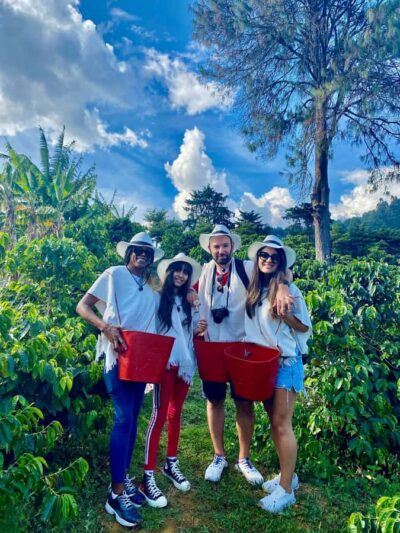
Medellín Coffee Farm Tour with Trolley and Cable Car Ride
Read our review →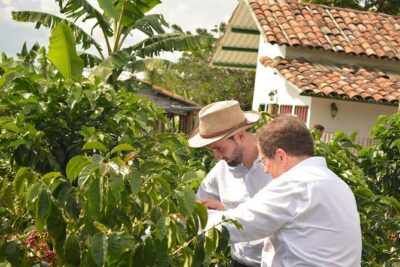
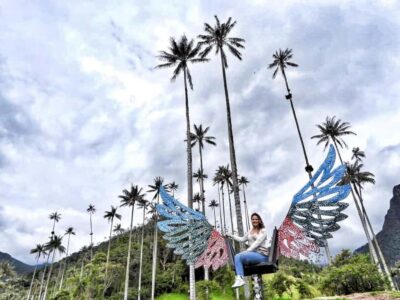
Private Cocora Valley, Salento & Coffee Farm Tour
Read our review →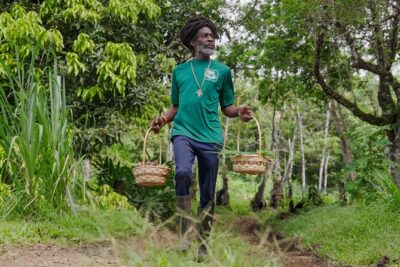
Liamuiga Natural Farm Tour – St.Kitts’ Coffee Farm
Read our review →
Lists this coffee tour turns up in