

REVIEW · KIGALI
Kigali: Traditional Coffee Experience ( Bean to Brew)
Rwanda’s coffee story comes alive through your hands here. You move from the coffee fields to roasting your own beans, then finish with a tasting in Kigali. I like that this is not just a cup-and-chat activity: you see how coffee is grown, learn why roasting changes flavor, and take part in the work.
I also like the local guidance. Your guide explains both traditional and modern roasting, and the experience is designed for questions and conversation. The main drawback is transport: private transportation is not included, so you must reach Umurishyo Arts Gallery on your own. At $50 for about two hours, the price is fair if you care about coffee, but less attractive if you only want a quick tasting.
Key points to know before booking
- You roast your own beans: The hands-on roasting session is the heart of the activity, with both traditional and modern methods explained.
- The route runs from farm to cup: You learn about cultivation, production, roasting, and tasting in one compact experience.
- A Kigali tasting finishes the visit: You sample several blends and discuss them with local coffee experts.
- The meeting point is Umurishyo Arts Gallery: The activity begins and ends at KG 206 St in Kigali.
- Private transport is not included: The meeting point is near public transportation, so plan your own way there.
- Groups can reach 20 people: The experience may feel social and interactive, but it is not necessarily a private lesson.
From Rwanda’s coffee fields to your own roast

The appeal of this experience is its simple sequence. You begin with the source, move into the craft, and end with the drink. That order matters because it gives you a better sense of how much work sits behind an ordinary morning cup.
In the coffee fields, local farmers explain how the crop is cultivated. You learn about Rwanda’s coffee production and the sustainable practices used by the community. The description does not promise a long farm visit or a particular plantation, so I would treat this as an introduction to cultivation rather than a full agricultural tour.
Still, this first stage gives the rest of the activity a useful foundation. When you later roast beans, you already understand that coffee is not simply a finished product pulled from a shelf. You have seen the beginning of the chain and can ask better questions about the work that follows.
The coffee story is especially useful for anyone who usually buys beans without thinking about origin. Rwanda is presented here through its growers, production methods, and local specialists. You are not just tasting a regional label. You are learning how the product reaches the cup.
More Specialty Coffee Tours in the world:
- Cartagena: Colombian Specialty Coffee Tasting
★ 4.4 · 130 reviews - Coffee Farm Tour with Roasting & Tasting Workshop – Da Lat
★ 5.0 · 126 reviews - Private Coffee Roasting Class
★ 5.0 · 101 reviews
The roasting session is the main event
The most memorable part should be the roasting. You take part in both traditional and modern techniques, with a local expert explaining the differences. The activity is not limited to watching someone else prepare the coffee. You get the chance to roast your own beans.
That hands-on element gives the $50 price more weight. A standard tasting can be pleasant but short-lived. Here, you work with the beans and see how roasting affects the finished drink. Even if you already grind coffee at home, the session gives you a closer look at the step between raw beans and brewing.
The traditional method adds a cultural layer, while the modern method shows how coffee preparation has changed. The supplied details do not specify the equipment or exact roasting time, so do not arrive expecting a technical barista course. Think of it as a guided introduction, with enough practical work to make the lesson stick.
A past participant who regularly grinds beans and creates blends at home found the activity gave a much clearer view of coffee production and the business behind it. That detail is useful. This is not only for a beginner who wants to learn what a coffee bean is. Home brewers and serious coffee fans should also find something worthwhile, especially in the connection between sourcing, roasting, and flavor.
Your guide’s role matters here. The guide praised in the available feedback was described as excellent, smart, and strong at explaining the subject. No guide name is provided, so I would not count on a specific person when booking. The quality of the session depends partly on how much time your group spends asking questions and taking part.
Kigali’s tasting brings the process together
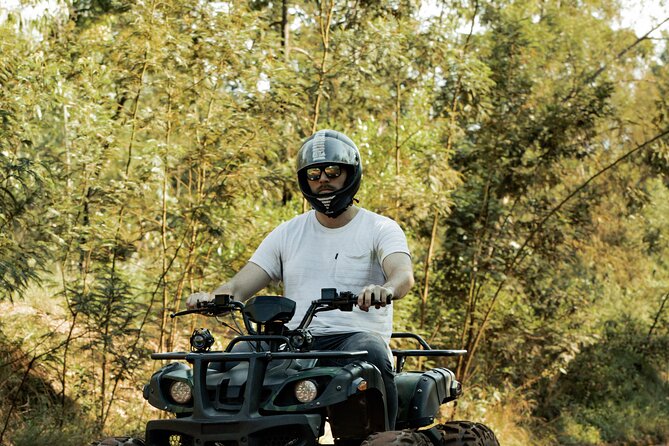
After the roasting work, you finish at a Kigali coffee shop for an exclusive tasting. You sample several blends, each linked to a different part of Rwanda’s coffee production. Local experts lead the session, and you can talk with them about the flavors and methods behind each cup.
This is where the earlier stops make sense. You have learned about the crop and handled the roasting, so the tasting is more than a series of anonymous samples. You can consider how the beans differ and how the roast changes what you taste.
The tasting also provides the social side of the experience. You meet local coffee specialists and other people interested in coffee. The activity is described as a cultural exchange, but it remains focused on coffee rather than presenting a broad tour of Kigali. That focus is a strength if you want a clear subject. It may feel narrow if you are hoping for a general city orientation.
The setting is a charming Kigali coffee shop, but exact details about the shop are not supplied. Do not book this expecting a particular menu or a full café meal. The confirmed focus is the coffee tasting itself.
What $50 gets you
The price is $50 per person, with all fees and taxes included. For a two-hour activity, that is not a bargain-basement price, but it is reasonable for a small-scale cultural workshop that includes instruction, hands-on roasting, and tasting.
I would judge the value in three parts:
- You receive access to local coffee knowledge rather than only a prepared beverage.
- You take part in the roasting instead of watching from the side.
- You finish with several blends and a chance to speak with local experts.
Private transportation is not part of the cost. That matters because you must get to Umurishyo Arts Gallery at KG 206 St yourself. The meeting point is near public transportation, which helps, but the experience does not include a pickup from your hotel or a ride between stages.
The activity ends back at the meeting point. That makes planning easier than a tour with an uncertain final stop. You can arrange your next Kigali activity from the same general area, though the supplied details do not identify nearby sights or cafés beyond the coffee shop used during the experience.
For a coffee lover, the price makes more sense than it would for someone who drinks coffee casually. You are paying for instruction and participation, not just the number of cups served. If you want the lowest-cost introduction to Rwandan coffee, you may find a café visit simpler. If you want to understand the work behind the drink, this gives you more.
More Coffee Tours in the world:
- Hanoi Coffee Experience: 6 Brews, 9 Recipes & 3 Liquor Tastings
★ 5.0 · 2,945 reviews - Medellin: Coffee Tour with Transport, Snacks and Tastings
★ 4.7 · 1,357 reviews - Istanbul: Turkish Coffee Making and Fortune Telling Workshop
★ 4.9 · 1,308 reviews - Hanoi Coffee Workshop: Taste Salt, Coconut and Egg Coffee
★ 5.0 · 1,286 reviews
Timing, group size, and the feel of the experience
The activity lasts about two hours. That is long enough for a clear introduction but too short for an exhaustive study of farming, roasting, brewing, and coffee commerce. I would plan for a brisk, focused session rather than a relaxed half-day outing.
Groups can include up to 20 people. A group of that size can create a lively exchange, especially during tasting and discussion. It can also mean less individual time at the roasting station. The details do not promise a private experience or a fixed number of people, so book with the maximum in mind.
The experience is confirmed at the time of booking. It also requires good weather, likely because the coffee-field portion depends on outdoor conditions. If bad weather cancels the activity, you are offered another date or a full refund. The experience also requires a minimum number of participants. If that minimum is not reached, you receive the choice of another date or activity, or a full refund.
Those rules are fairly practical, but they make flexibility important. Do not schedule this as the one activity you cannot move during a tight Kigali visit. Leave some room in your plans, especially during a stay when weather could affect outdoor activities.
Getting to Umurishyo Arts Gallery
Your starting and ending point is Umurishyo Arts Gallery, KG 206 St, Kigali, Rwanda. Private transportation is not included, but the meeting point is near public transportation.
That means you need to allow time to find the gallery and arrive ready to begin. The activity does not describe hotel pickup, a driver, or transport from the gallery to the fields. Do not assume a vehicle will meet you at your accommodation.
Because the activity returns to the meeting point, you can leave your onward plans flexible. Confirmation arrives at booking, so check the exact meeting instructions before the day of the tour. A mobile ticket is provided, which makes it easy to keep the booking details on your phone.
Service animals are allowed. No other accessibility details are provided, so if you have mobility needs or require specific arrangements, ask the provider before booking rather than assuming the field and roasting locations will suit you.
Who will enjoy this coffee experience most
I would recommend this for several kinds of visitors:
- Home coffee brewers who grind beans, make blends, or want a closer look at roasting.
- Curious food and drink lovers who prefer to learn how a product is made.
- Cultural travelers who want direct contact with local specialists and farmers.
- Short-stay visitors who need a compact two-hour activity in Kigali.
- People looking for a participatory tour rather than a lecture or standard tasting.
It is less suitable if you want a broad tour of Kigali, a full-day farm visit, or private door-to-door transportation. It is also not the right choice if you dislike group activities. With a maximum of 20 people, the experience may be social rather than intimate.
You do not need to be a coffee expert. The activity begins with cultivation and explains the process as it goes. Still, an existing interest in coffee will help you get more from the roasting and tasting stages.
Small details that improve the visit
Arrive with questions. Ask how the traditional and modern roasting methods differ, how sustainable practices affect the growing community, and how the blends served at the end relate to the beans you handled earlier.
Pay attention during the field portion, even if roasting is your main goal. The farming stage explains why origin matters. It also gives you a better basis for judging the final tasting.
Keep your schedule open around the two-hour estimate. The activity is listed as approximately two hours, and outdoor conditions or group size may affect the pace. Since transport is your responsibility, allow extra time before and after the scheduled activity.
If you are buying this as a gift for a coffee fan, the hands-on roasting is the strongest reason to choose it. If you are choosing for a mixed group, remember that the subject stays tightly focused on coffee. Someone who does not drink coffee may find the experience less rewarding.
Should you book the Bean to Brew experience?
Book it if you want to understand Rwandan coffee by following it from cultivation to roasting and tasting. The best parts are the chance to roast your own beans, the local instruction, and the final sampling of different blends in Kigali.
Think twice if you need hotel transport, a private guide, or a longer visit to the coffee-growing area. The two-hour format is focused, and a group may include as many as 20 people.
For $50, I see this as a good-value cultural activity for coffee drinkers and home brewers. It gives you more than a café stop without taking half a day. Arrange your own transport to Umurishyo Arts Gallery, keep your plans flexible for weather, and this can be a practical, hands-on way to connect with Rwanda through one of its best-known products.
FAQ
How much does the Kigali Traditional Coffee Experience cost?
The price is $50 per person. All fees and taxes are included.
How long does the activity last?
The experience lasts approximately two hours.
Where does the activity begin?
It begins at Umurishyo Arts Gallery, KG 206 St, Kigali, Rwanda.
Where does the activity end?
The activity ends back at the meeting point.
Is private transportation included?
No. Private transportation is not included. The meeting point is near public transportation.
What does the experience include?
It includes the coffee-field visit, guidance about cultivation and sustainable practices, traditional and modern roasting instruction, hands-on roasting, and a tasting session in a Kigali coffee shop. All fees and taxes are included.
How many people can join the activity?
The maximum group size is 20 travelers.
Are service animals allowed?
Yes. Service animals are allowed.
Can I cancel for a full refund?
Yes, if you cancel at least 24 hours before the experience start time. Cancellations within 24 hours are not refunded, and changes within 24 hours are not accepted. If poor weather or insufficient bookings cancel the activity, you are offered another date or a full refund.
Just listed in the world
- Vietnamese Coffee 101 Workshop★ 5.0 · 11 reviews
- Vietnamese Coffee Making Class in Hoi An★ 5.0 · 4 reviews
- Yerevan: Private Coffee Tour with 2 Café Stops★ 5.0 · 2 reviews
- Vancouver: Street Art & Craft Coffee Walking Tour w/ Tasting★ 4.8 · 11 reviews
- Turkish Coffee and Traditional Turkish Dessert Cooking★ 4.6 · 8 reviews
- Ubud: Waterfall, Holy Water Temple,Swing&coffee plantation★ 5.0 · 9 reviews
- The Colors of Coffee in the Farms of Coatepec★ 5.0 · 3 reviews
- Vienna: Guided Viennese Coffee-House Tour★ 5.0 · 2 reviews
Specialty Coffee and Roastery Tours, compared.
Coffee Farm Tour with Roasting & Tasting Workshop – Da Lat
Read our review →
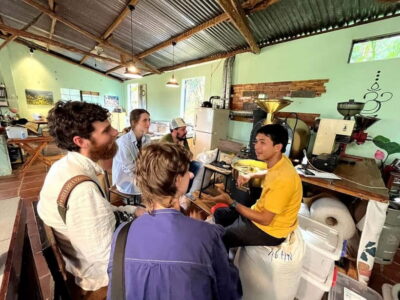
Experience specialty coffee with sustainable coffee farmers
Read our review →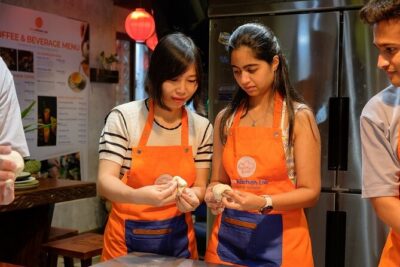
Vietnamese Bread & Brew: Banh Mi Baking Class & Specialty Coffee
Read our review →
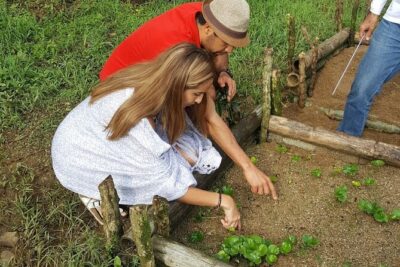
Private coffee tour near Medellín, from bean to cup.
Read our review →
Santo Domingo Small Group Walking Tour: Beer and Specialty Coffee
Read our review →Lists this coffee tour turns up in