
REVIEW · DONG BAC
Vietnamese Coffee 101 Workshop
Vietnamese coffee is not simply strong coffee with condensed milk. This three-hour workshop in Dong Bac explains how the phin filter, local beans, roasting, and modern café ideas all shape the cup in front of you. You prepare the drinks yourself, then taste the results while learning why each recipe works.
I like the hands-on brewing time, especially the chance to make classic brown coffee, egg coffee, coconut coffee, pour-over coffee, and a coffee cocktail. I also like the practical take-home material: a recipe book, digital coffee books, and a professional certificate if you request one.
The main consideration is the location and schedule. Dong Bac is given as the setting, while the experience focuses on Hanoi coffee culture, so check the exact meeting point and starting time before booking. Pickup outside Hanoi’s Old Quarter can also cost extra.
Key things to know before you book
- Five very different drinks: Prepare and taste traditional, sweet, creamy, refined, and cocktail-style coffee in one session.
- The phin filter is the star: Learn the slow, simple method behind classic Vietnamese brown coffee.
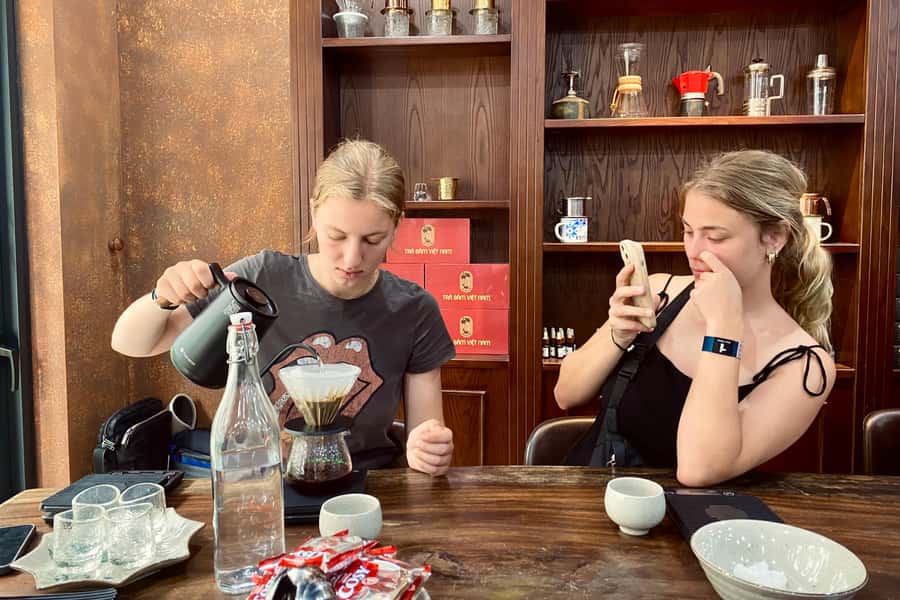
- You do the work yourself: This is not only a tasting. You grind, measure, brew, and experiment under an English-speaking guide.
- Good value at $22: Three hours of instruction, coffee tasting, ingredients, a recipe book, and digital coffee books are included.
- Useful for coffee beginners: The workshop covers bean types, roasting, grind size, coffee-to-water ratios, and modern brewing methods.
- Flexible booking terms: You can cancel up to 24 hours before the activity for a full refund, and reserve without paying today.
Why Vietnamese coffee deserves three hours
Vietnamese coffee has a clear personality. It can be dark, sweet, creamy, nutty, strong, or surprisingly light, depending on the bean, roast, brewing method, and ingredients. A short café stop gives you a drink. This class gives you a way to understand it.
I like that the workshop begins with context rather than jumping straight to a recipe. You learn about coffee’s origins, how it arrived in Vietnam, the main bean varieties, and the work behind roasting. That background matters because the same beans can taste quite different when you change the grind, water, or brewing method.
The class also treats coffee as part of daily life, not just as a specialty product. Vietnamese coffee shops are places for conversation, work, people-watching, and a slow break in the day. Learning the drinks in that setting helps explain why a small metal filter and a glass of coffee have become such a familiar part of local culture.
The three-hour length is useful here. You have enough time to listen, taste, ask questions, and make drinks without rushing from one sample to the next. If you only want a quick cup, this is more time than you need. If you want to recreate Vietnamese coffee at home, the extra time pays off.
More Vietnamese Coffee Experiences in Hanoi
- Hanoi: Salt Coffee Workshop Awake Your Senses With 6 Brews
★ 5.0 · 792 reviews - Hanoi Cooking Class: Pho/Bun Cha/Banh Xeo…+Free Egg/Salt Coffee
★ 5.0 · 267 reviews - Hanoi: Vietnamese Coffee Workshop with 6 Brews and 8 Recipes
★ 5.0 · 237 reviews
Starting with beans, roasting, and flavor
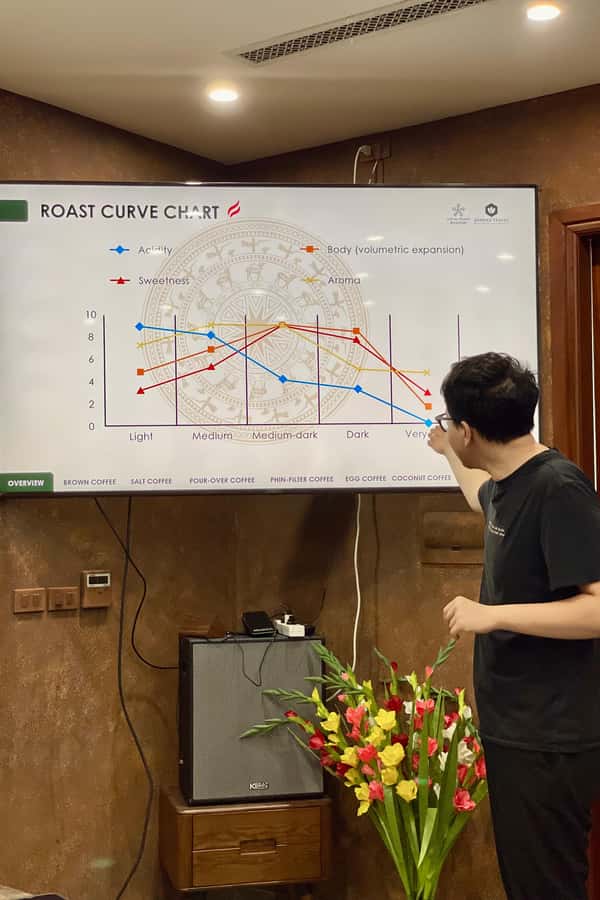
The first section covers coffee bean varieties and their different characteristics. The guide also explains roasting, which is one of the simplest ways to understand why one coffee tastes bold and smoky while another tastes cleaner and lighter.
You learn about the coffee-to-water ratio and grind size as practical tools. These are not abstract lessons. If your coffee tastes weak, bitter, thin, or overly heavy at home, the amount of coffee and the size of the grounds are often part of the reason.
I find this section especially helpful for people who usually add milk or sugar before tasting. You get a chance to notice the coffee itself first, then see how condensed milk, coconut milk, egg, or spirits change the drink.
The exact bean origins used during the session are not specified, but the workshop promises premium Vietnamese beans and fresh ingredients. That makes the tasting useful, though you should not expect a detailed farm visit or a full coffee-growing tour. The focus is preparation and flavor in the cup.
The phin filter: Vietnam’s small metal brewer
The phin filter is the central practical lesson. This compact metal brewer sits over a cup, holding the coffee grounds while hot water passes through slowly. It is simple, portable, and closely tied to the classic Vietnamese coffee experience.
You learn how to use the filter and how small changes affect the final drink. The method is slower than an automatic machine, but that is part of its appeal. The coffee forms gradually, giving you time to watch the brewing process rather than pressing a button and walking away.
The workshop includes original Vietnamese brown coffee, served hot or iced. This is the familiar combination many people associate with Vietnamese coffee: a powerful brew paired with sweetness. You get to make it yourself, which is more useful than simply being handed a finished glass.
If you like coffee that is light and quick, the phin method may feel slow or intense. I would not book this class expecting every drink to suit your taste. The value is in comparing methods and ingredients, then deciding what you want to make again.
Five drinks, five different ways to taste coffee
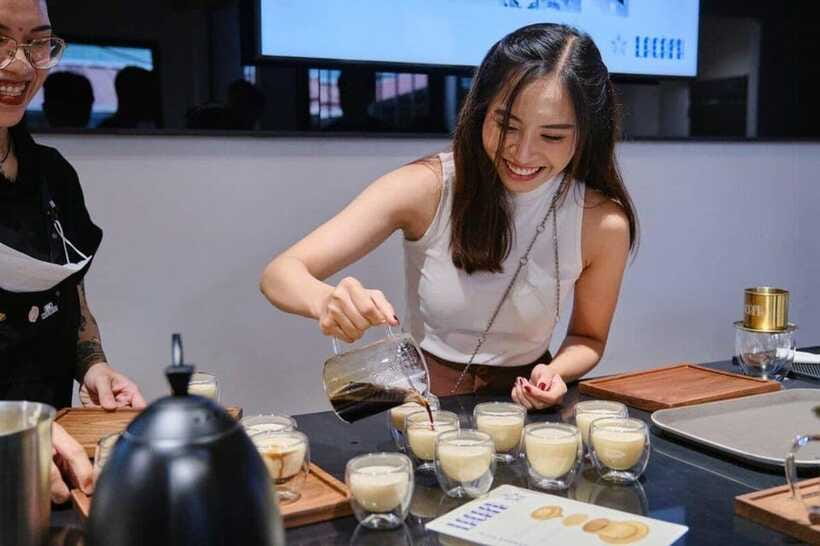
The menu gives the class a good range. You are not making the same coffee five times with minor changes. Each drink shows a different side of Vietnamese café culture.
Still in Hanoi, but a different cup:
- Hanoi Coffee Experience: 6 Brews, 9 Recipes & 3 Liquor Tastings
★ 5.0 · 2,945 reviews - Hanoi Coffee Workshop: Taste Salt, Coconut and Egg Coffee
★ 5.0 · 1,286 reviews - Hanoi: Master the Art of 4-6 Signature Vietnameses Coffees
★ 5.0 · 517 reviews - Hanoi: Vietnamese Street Food Tour with Egg Coffee
★ 4.9 · 315 reviews
Original Vietnamese brown coffee
This is the classic preparation. The strong coffee comes from the phin filter and can be served hot or iced. The drink is direct, sweet, and substantial.
Making it yourself helps you understand the balance. Too much coffee can make the cup harsh. Too little can leave it flat. The sweetness is not just decoration, it helps shape the drink.
Vietnamese coconut coffee
Coconut coffee brings creamy coconut milk into the mix. It has a softer, tropical flavor and will appeal to anyone who finds straight black coffee too forceful.
This is a good example of how Vietnamese cafés combine local tastes with coffee. The coconut changes the texture as well as the flavor. It also gives you a useful recipe to repeat at home, especially in hot weather.
Pour-over coffee
Pour-over preparation highlights the bean rather than hiding it under sugar or cream. The stated aim is a clean, balanced cup that brings out natural flavors.
This part gives the workshop a modern contrast to the phin. You can compare a slower traditional filter with a method often associated with specialty coffee. The lesson also connects directly with grind size and water control.
Do not expect the same heavy sweetness here. Pour-over coffee is the place to pay attention to aroma, acidity, and lighter flavors. It may be the best part of the class for someone who already drinks black coffee.
Signature Vietnamese egg coffee
Egg coffee is one of Vietnam’s most distinctive café drinks. A strong coffee is topped or combined with a creamy egg yolk mixture, producing a thick texture and sweet finish.
The appeal is as much about texture as taste. It feels closer to a dessert than a standard black coffee, though the coffee still gives it backbone. If you are unsure about egg in a drink, the workshop lets you try it in a guided setting rather than ordering blindly from a menu.
Coffee cocktail
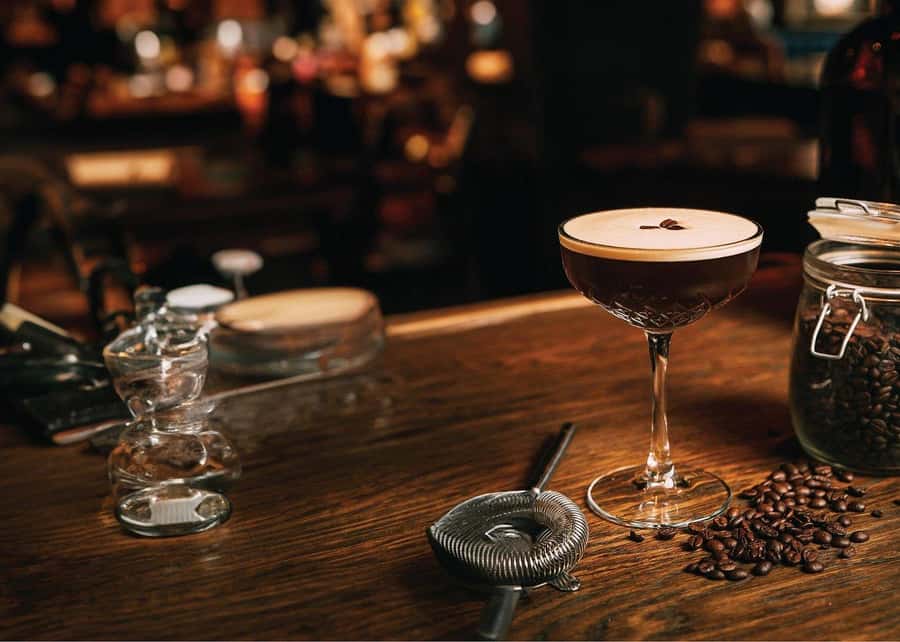
The coffee cocktail adds spirits to the workshop. It is a more playful finish and shows how Vietnamese coffee can work in a mixed drink, not only as a morning beverage.
The information provided does not specify which spirits are used, so ask the guide before tasting if you have dietary or alcohol concerns. This drink may also be less useful for families or anyone avoiding alcohol, but it gives the session a broader range.
One reported class also included local wines as an unexpected extra. That is not listed as a guaranteed part of the workshop, so treat it as a possible bonus rather than something to book around.
Making the drinks yourself
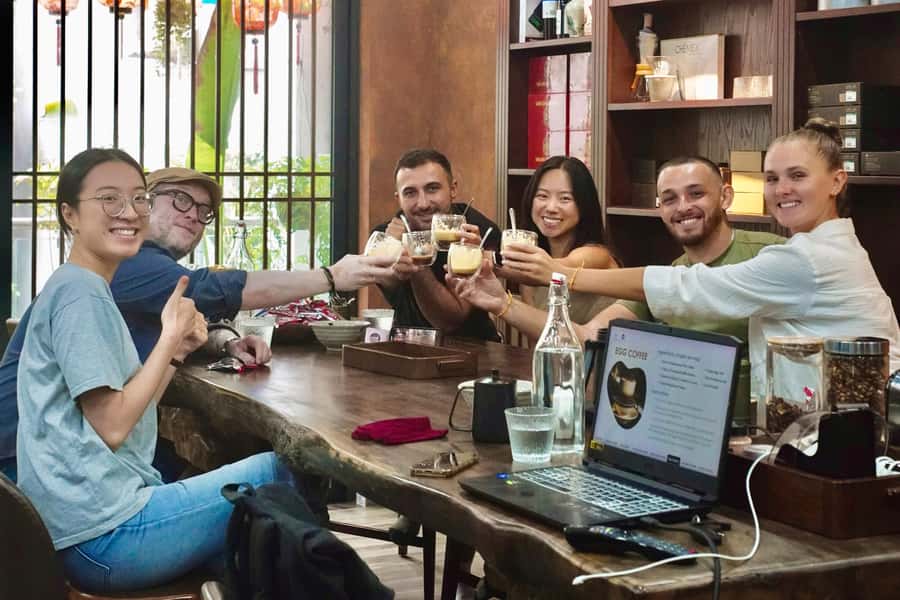
The strongest feature here is the amount of participation. You roll up your sleeves and brew your own coffee instead of watching a demonstration from the side.
The guide takes you through the equipment, ingredients, brewing methods, and proportions. You can experiment with different methods and flavors, then taste what you made. That hands-on cycle is where the practical value comes from: you see the process, make mistakes in a relaxed setting, and learn what to change next time.
The workshop also mentions coffee art and latte art. The supplied information does not promise a full professional latte-art course, so I would view this as an added creative element rather than the main reason to book. The real focus is brewing and tasting.
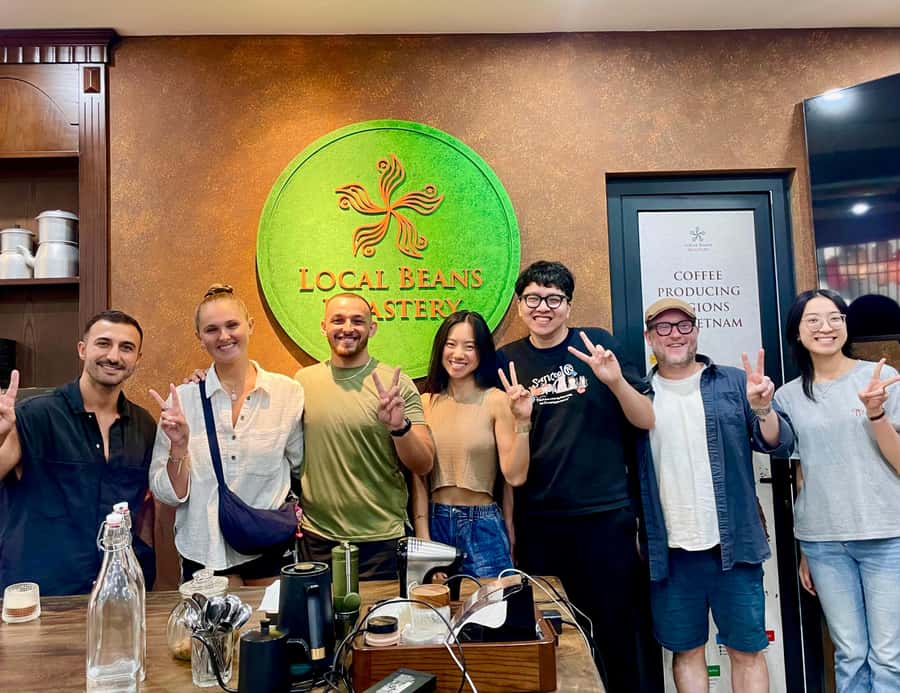
Small groups are part of the design, with personalized attention and a relaxed setting promised. The exact maximum group size is not stated. If personal instruction matters to you, check the available date or ask before booking.
The English-speaking instructor is described as a coffee expert with experience in coffee history, cultivation, roasting, and brewing. No individual guide name is supplied, so you should not book expecting a particular named teacher.
What you take home besides caffeine
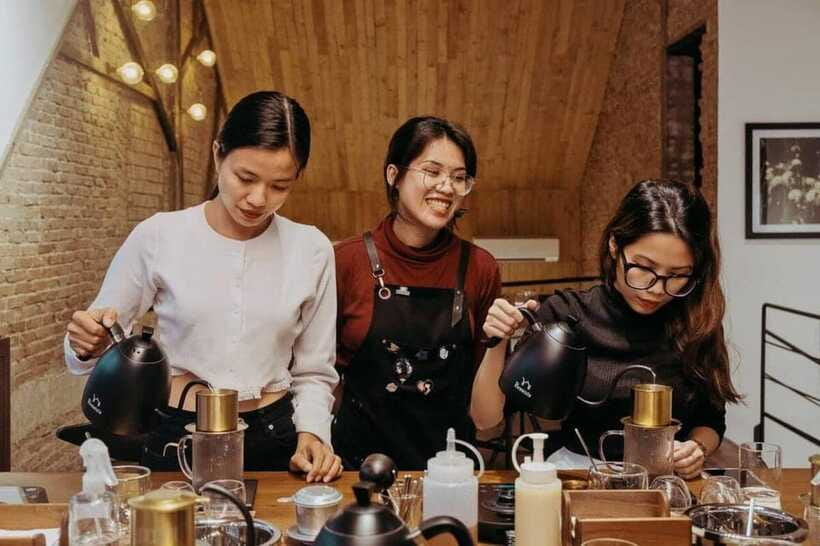
The practical extras improve the value. You receive a recipe book covering the drinks taught in the workshop, so you can repeat them after leaving Vietnam.
Digital copies of coffee books related to the class are also included. These are useful if you want more background on Vietnamese coffee, preparation, or brewing ideas after your trip.
A professional certificate is available if requested. It is not likely to matter to a casual coffee drinker, but it may be useful if you are collecting certificates, studying hospitality, or adding a small record of the class to your professional file.
Coffee beans and brewing equipment are not included. The provider offers roasted beans and phin filters for purchase, but these are separate expenses. This is worth remembering when comparing the $22 price with a class that includes a take-home brewer.
Is $22 a good price?
At $22 per person, the workshop offers solid value if you want more than a tasting. You get three hours, an English-speaking guide, several drinks, ingredients, hands-on instruction, a recipe book, digital coffee books, and a certificate on request.
The price works particularly well for couples, friends, or solo visitors who enjoy food and drink experiences. Five coffee styles in one session would cost time and money to sample separately, and you would not get the same instruction in a café.
The value is weaker if you already know how to use a phin, understand grind size and ratios, and have little interest in sweet or specialty drinks. In that case, you may prefer a café-hopping afternoon or a coffee bean purchase.
You should also budget for optional beans or equipment if you want to continue the experience at home. Pickup outside the Old Quarter may bring an additional fee, so confirm that before you finalize plans.
Who should book this workshop?
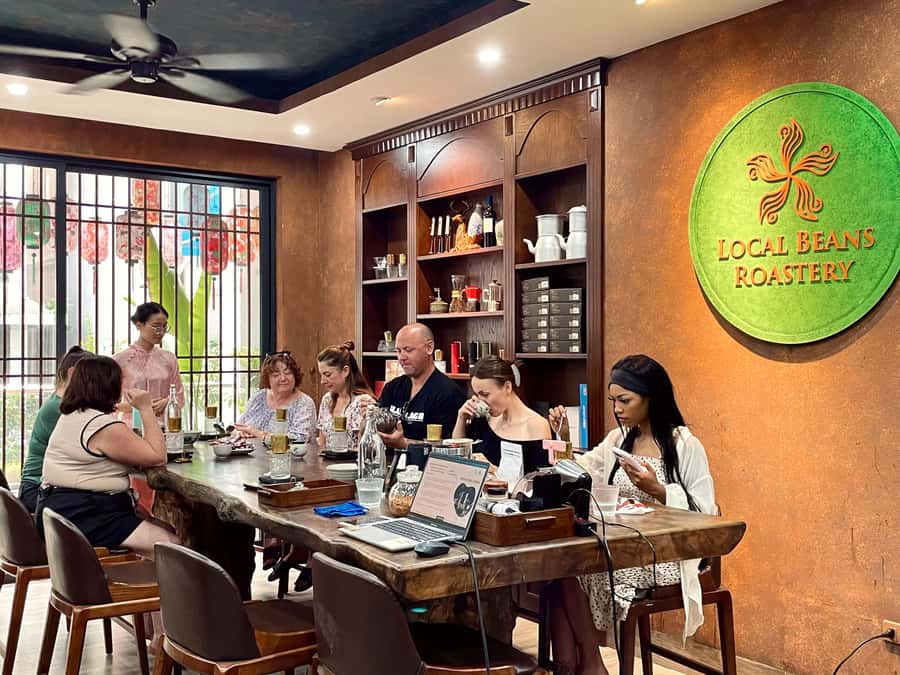
I would recommend it to first-time visitors who want a clear introduction to Vietnamese coffee. It is also a good fit for people who enjoy cooking classes, food tastings, and practical cultural activities.
Families and mixed-age groups may appreciate the variety, though the coffee cocktail and local wine option are not relevant to everyone. Children can still find the sweet coconut and egg drinks interesting, but the activity is built around coffee rather than a general food class.
This is also useful for anyone who wants to bring home a repeatable skill. The phin filter is inexpensive and compact, and the recipe book makes it easier to recreate the drinks after your trip.
I would think twice if you dislike strong coffee, sweet drinks, or creamy textures. You can taste different styles, but coffee remains the center of every part of the class.
The activity is wheelchair accessible, which makes it a practical option for many visitors. The exact room layout and transport details are not provided, so ask about the meeting point if you need specific access arrangements.
Timing, pickup, and booking advice
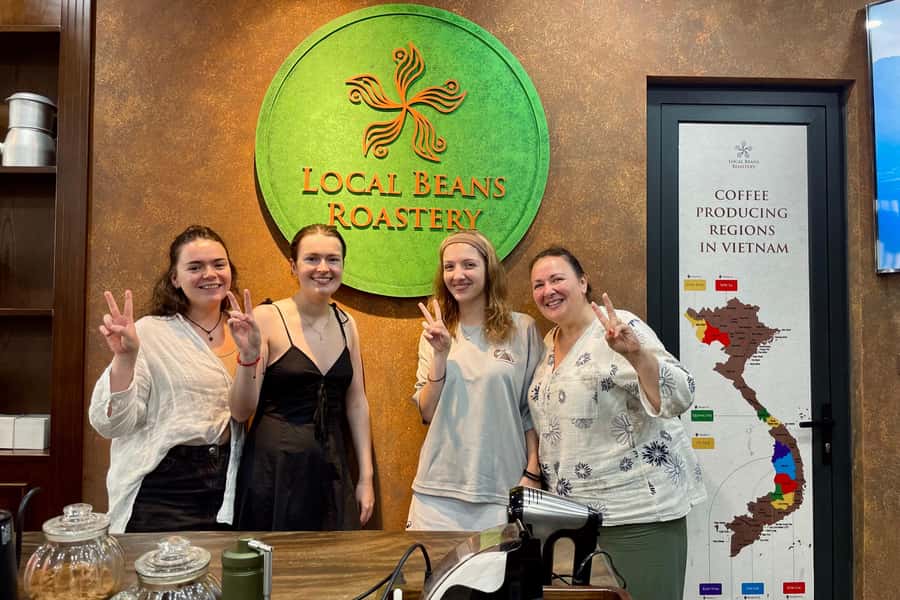
The activity lasts three hours, but starting times depend on availability. Check the schedule before booking, especially if you have a tight day planned around sightseeing or meals.
Pickup outside the Old Quarter may require an extra fee. The pickup policy is not described in detail, so confirm whether your accommodation is inside the included area before you pay.
You can reserve now and pay later, which helps if your Hanoi plans are still moving around. Free cancellation is available up to 24 hours before the activity for a full refund.
I would book this early if coffee is a major interest, but I would not choose a time immediately after a large meal. The class includes several drinks and tasting portions, and egg coffee and coconut coffee can be filling.
Should you book the Vietnamese Coffee 101 Workshop?
Book it if you want to understand Vietnamese coffee by making it yourself. The best parts are the phin lesson, the range of five drinks, and the useful recipe material you take home.
The workshop is especially good value for a visitor who has never used a phin filter and wants more than a quick café stop. It is less suitable if you want a farm visit, a named instructor, or advanced barista training, since those details are not part of the stated experience.
For $22, three hours of instruction and tasting is a fair deal. Check the Dong Bac meeting details, pickup fee, starting time, and optional equipment costs first. If those fit your plans, this is a practical and enjoyable way to leave Vietnam knowing how to make more than just a strong cup of coffee.
FAQ
How long does the Vietnamese Coffee 101 Workshop last?
The workshop lasts three hours. Starting times depend on availability.
How much does the workshop cost?
The price is $22 per person.
What language is the workshop conducted in?
The instructor teaches in English.
Which Vietnamese coffee drinks are included?
The stated menu includes Vietnamese coconut coffee, original Vietnamese brown coffee, pour-over coffee, signature Vietnamese egg coffee, and a coffee cocktail.
Will I get to make my own coffee?
Yes. The workshop includes hands-on brewing, including traditional phin filtering, pour-over methods, and experimentation with flavors.
Is a phin filter included?
A phin filter is used during the workshop, but coffee beans and brewing equipment are not included in the price. Phin filters and roasted beans are available to purchase separately.
What do I take home from the workshop?
You receive a recipe book and free digital copies of coffee books related to the workshop. A professional certificate is available if requested.
Can I cancel the booking for a refund?
You can cancel up to 24 hours in advance for a full refund. You can also reserve now and pay later.
Just listed in Hanoi
- Taste of Vietnam’s Coffee Scene – A Guided Experience★ 5.0 · 2 reviews
- Private Hà Nội Coffee History Tour★ 5.0 · 6 reviews
- Private tour: Hanoi city tour-Van Phuc silk village with egg coffee, lunch★ 5.0 · 2 reviews
- hidden gems cafe – learn making coconut and egg coffee★ 5.0 · 2 reviews
- Hanoi Private And All Inclusive Coffee Lovers Tour in Vietnam★ 5.0 · 6 reviews
- 3 Dishes cooking + Egg Coffee bonus & Local Market Tour★ 5.0 · 14 reviews
- Hanoi Coffee Culture Tour: Sip, Taste & Hear Local Stories★ 5.0 · 13 reviews
- Hanoi History Coffee Tour★ 5.0 · 2 reviews
Vietnamese Coffee Experiences, compared.

Salt Coffee Workshop Awake Your Senses With 6 Brews
Read our review →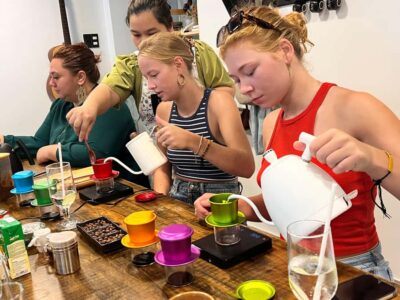
Egg coffee & Course on 4 traditional types of Viet coffee
Read our review →
Fun & Easy Vietnamese Coffee Workshop in Hồ Chí Minh City
Read our review →
Hanoi Cooking Class: Pho/Bun Cha/Banh Xeo…+Free Egg/Salt Coffee
Read our review →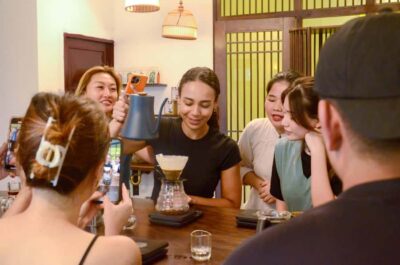
Vietnamese Coffee Workshop with 6 Brews and 8 Recipes
Read our review →
Vietnamese Coffee & Culture Exploration in Hồ Chí Minh City
Read our review →
Hanoi Coffee Workshop: Master 6 Signature Vietnamese Coffee
Read our review →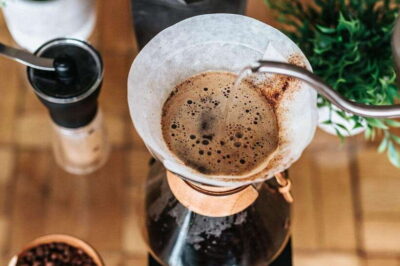
Hands-on Vietnamese Coffee Making Class with Long
Read our review →Lists this coffee tour turns up in