
REVIEW · KIGALI
Specialty Coffee Masterclass
Rwanda’s coffee story becomes much clearer when you follow it from cherry to cup. At Question Coffee Gishushu, you’ll hear a short history of coffee, pick cherries from trees in the garden, then taste coffees from different parts of Rwanda and build a blend suited to your palate.
I like the hands-on farm access and the structured tasting, which asks you to think about aroma, flavor, acidity, aftertaste, and mouthfeel. I also like the take-home bag of coffee made from your preferred beans. The main consideration is that this is a two-hour class at one Kigali location, not a full excursion to a remote coffee farm.
Key points to know before booking
- Pick coffee cherries in the garden: You get a direct look at the fruit before it becomes a roasted bean.
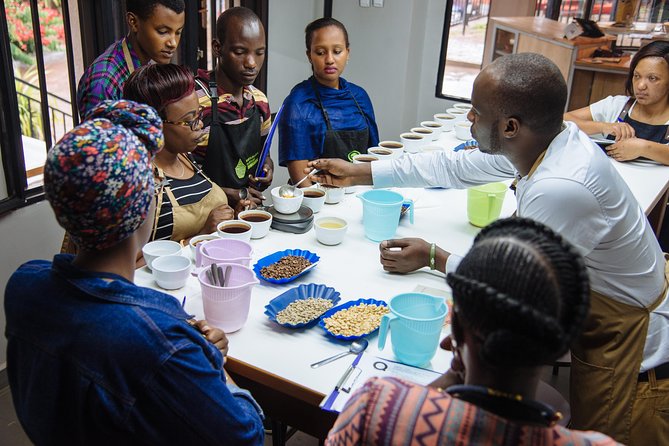
- Taste five Rwandan coffees: The tasting gives you a useful comparison of regional styles and blends.
- Learn from local coffee specialists: Guides such as Patrice and Keziah explain growing, harvesting, production, and tasting in clear English.
- Make a personal blend: Your favorite flavors guide the blend you take home.
- Small group of up to 12: The class is limited enough for questions and conversation.
- Two hours at Question Coffee Gishushu: The experience begins and ends at 8 KG 8 Ave in Kigali.
Starting with Rwanda’s coffee story
The class begins with a short history lesson and an introduction to coffee production. This is not filler. It gives you a useful frame for everything that follows, especially if your normal morning coffee arrives in a paper cup with no clue where it came from.
You’ll learn how coffee is grown and harvested before handling the fruit yourself. The emphasis is on the full supply chain, from the plant to the finished drink. That makes this a good first coffee activity in Rwanda, particularly if you want context before visiting other coffee areas.
The amount of history is brief, so do not book this expecting a long academic lecture. The class is designed to keep moving. You get just enough background to understand the work behind the cup, then shift into practical activities.
The teaching style also seems to depend somewhat on the guide. Patrice is described as easygoing and comfortable in English, while Keziah is praised for being fun and well informed. Peggy, also referred to as Patty in the provider’s response, has been singled out for making sure the steps were clear. If you enjoy asking questions, the small group should give you a good chance to do so.
More Specialty Coffee Tours in the world:
- Cartagena: Colombian Specialty Coffee Tasting
★ 4.4 · 130 reviews - Coffee Farm Tour with Roasting & Tasting Workshop – Da Lat
★ 5.0 · 126 reviews - Private Coffee Roasting Class
★ 5.0 · 101 reviews
Picking cherries in the Question Coffee garden
The most memorable part for many people will be picking coffee cherries from the onsite trees. This is a simple activity, but it changes your view of coffee. The bean is hidden inside a small fruit, and you get to see that raw starting point rather than treating coffee as something that begins at the grinder.
The garden does not replace a visit to a working rural plantation. You are not spending the day among large fields or following every stage of commercial processing. Still, it provides a useful, close-up lesson without requiring a long ride outside Kigali.
The garden stop also breaks up the classroom portion. You are not sitting for two hours listening to explanations. You move from history to harvest, then from harvest to tasting. That mix should suit you if you like learning through short activities rather than a formal lecture.
Expect the cherry-picking section to be an introduction, not a full farm shift. The supplied details do not specify the season, the size of the garden, or how many cherries you will pick. The value comes from seeing and handling the fruit, then connecting it to the coffee in your cup.
Comparing five Rwandan coffees by taste
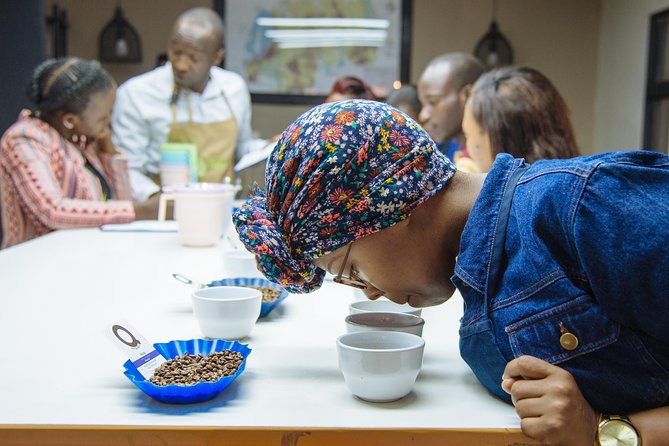
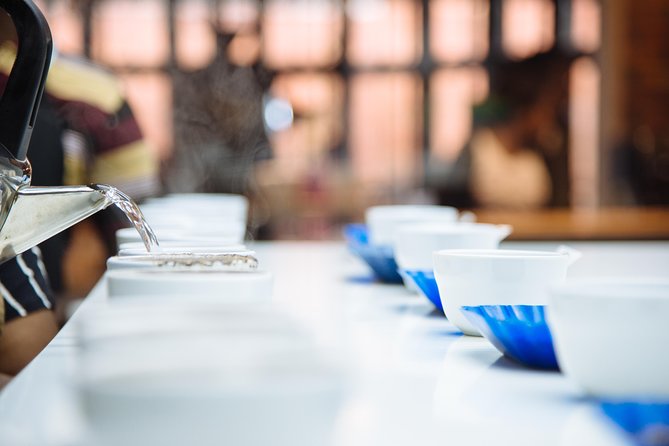
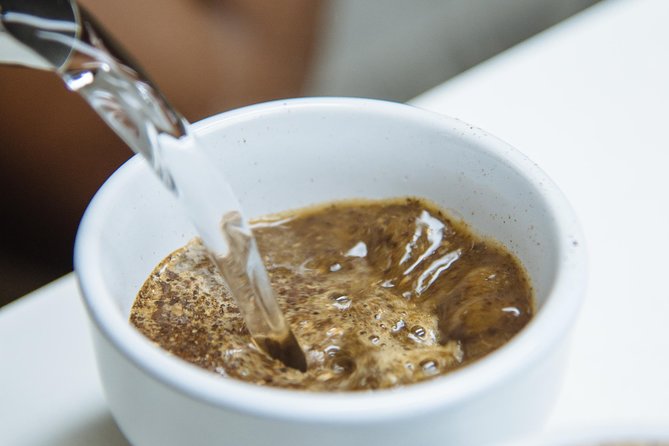
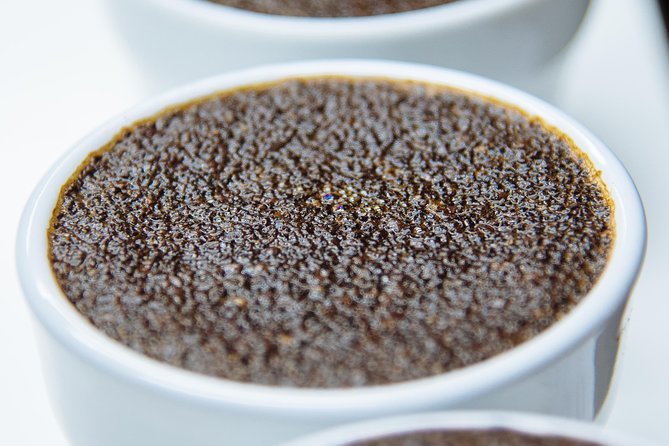
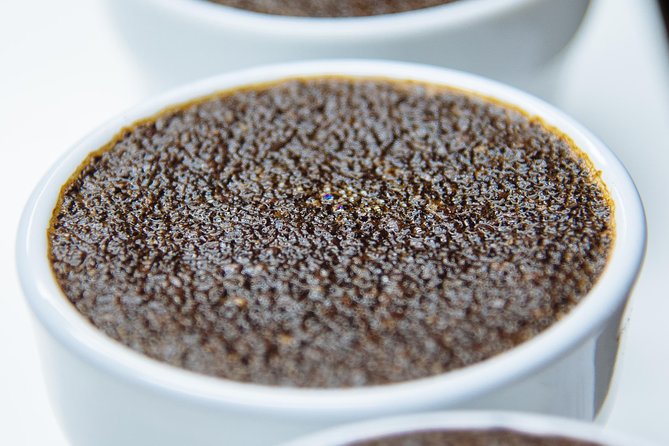
The tasting is the heart of the class. You’ll sample four or five coffees from Rwanda, with one detailed account describing five different coffees. The point is not simply to find the strongest cup. You’ll compare the drinks using several basic tasting categories: aroma, flavor, aftertaste, acidity, and mouthfeel.
That structure makes the session useful even if you are not a coffee expert. Instead of saying that one cup tastes good and another does not, you get a vocabulary for explaining what you prefer. Is the aroma more appealing? Does the coffee feel light or full in your mouth? Does the flavor remain after you swallow? The class gives you a way to notice those differences.
The tasting also introduces you to coffee from different parts of Rwanda. The experience does not provide a full list of regions or coffees in advance, and the exact selection may vary. That is a reasonable approach for a working coffee business, but anyone looking for a fixed menu should keep this in mind.
You may find that the samples challenge your usual habits. The goal is to taste carefully, not rush from one cup to the next. I would arrive ready to pay attention and take the categories seriously. You do not need specialist equipment or previous training, but curiosity helps.
This part is also where the guide matters most. A good explanation can turn a row of small cups into a clear lesson. Patrice, Keziah, and Peggy or Patty have each been associated with making the session approachable and easy to follow. The praise centers on explanations of history, growing, production, smelling, and tasting, which is exactly the range you want in a short class.
Creating a blend that matches your palate
After tasting the samples, you create a custom blend based on the coffee you liked most. This gives the class a satisfying finish because your preferences guide the result.
You are not just buying a bag selected by someone else. You first compare the coffees, decide which characteristics appeal to you, and then use that choice to shape what you take home. One description notes that the final package was mixed with the beans the participant enjoyed most.
The take-home coffee is a practical benefit, not just a souvenir. It lets you revisit the class later and remember which flavors worked for you. It also makes the $50 price easier to assess. You are paying for instruction, tasting, access to the garden, and a personalized coffee product rather than only for a drink and a short talk.
The details do not say how large the package is or how many coffees go into each blend. You should treat the take-home bag as part of the experience, not as the main reason to book. The bigger value is learning how to identify your preferences.
More Coffee Making Classes in the world:
- Istanbul: Turkish Coffee Making and Fortune Telling Workshop
★ 4.9 · 1,308 reviews - Hanoi Coffee Workshop: Taste Salt, Coconut and Egg Coffee
★ 5.0 · 1,286 reviews - Hanoi: Salt Coffee Workshop Awake Your Senses With 6 Brews
★ 5.0 · 792 reviews - Cappadocia: Sand-Brewed Turkish Coffee Workshop
★ 4.9 · 745 reviews
What the two-hour format does well
Two hours is enough time for the main stages without turning the class into an all-day commitment. You get a history session, garden harvest, tasting, and blending activity in one visit. That fits neatly into a Kigali sightseeing day.
The compact format is especially useful if you have limited time in the city. You can learn about Rwandan coffee without arranging transport to a distant growing area. The meeting point is Question Coffee Gishushu, at 8 KG 8 Ave, Kigali, and the activity ends there.
The trade-off is depth. You will get an introduction to coffee production and tasting, not an exhaustive tour of every processing stage. The information provided does not mention washing stations, drying beds, roasting demonstrations, or a separate trip to a farm. If you want all of those, this class may feel too focused.
I see the short format as a strength for most visitors. It keeps the experience practical and accessible. You can fit it around other plans, and you do not need to surrender an entire day for a single subject.
Why the group limit matters
The class accepts a maximum of 12 people. That is small enough to make the tasting feel personal and large enough to create a social atmosphere.
A smaller group matters during the tasting because you may want to ask why one coffee smells different from another or how acidity affects the cup. It also helps in the garden, where a large crowd could make cherry picking feel rushed.
The limit does not guarantee private instruction. Twelve people can still be a full class, especially if everyone asks questions. Yet it is a better setup for participation than a large demonstration with no time for individual input.
If you are traveling with friends, the format should work well. One description specifically highlights a group of friends enjoying the history lesson and tasting together. Solo visitors may also find it easy to talk with others because the class gives everyone the same cups and tasting categories to discuss.
Is $50 a fair price in Kigali?
At $50 per person, this is not the cheapest way to drink coffee in Kigali. You can buy a cup for far less. The comparison is not really fair, though, because this is a guided class with several parts and a personalized blend to take home.
I think the price is reasonable if you care about how coffee is grown and processed, or if you want an activity with more substance than a standard cafe stop. You receive an explanation of Rwandan coffee, hands-on time with cherries, several tastings, guided sensory analysis, and a custom package of beans.
The value is weaker if you only want to sample good coffee. A cafe visit will cost less and take less time. The class earns its price through participation and context, not volume.
The small group also adds value. You are paying for a more focused session rather than a crowded public tasting. The exact quantity of take-home coffee is not stated, so do not calculate the price mainly by the size of the bag. Book it for the lesson and the process, with the coffee as a welcome extra.
Practical details for your Kigali day
The experience uses a mobile ticket, and confirmation is sent within 48 hours of booking, subject to availability. Because the class is often booked about 14 days ahead, I would reserve before your visit rather than leave it to the last minute.
Question Coffee Gishushu is near public transportation. The stated start and end point are the same, which keeps the logistics simple. You do not need to plan a separate return transfer from a rural site.
The activity information includes a requirement for negative COVID-19 test results and a mask. Check the current instructions when booking, since health rules can change. The provided information does not specify an age minimum, dietary arrangements, hotel pickup, or wheelchair access, so ask the provider directly if any of those affect your plans.
Free cancellation is available up to 24 hours before the start time for a full refund. Changes or cancellations inside that 24-hour window are not accepted for a refund, with cut-off times based on Kigali’s local time.
Who will get the most from this class?
This is a strong choice for coffee lovers who want more than a quick tasting. You will get the most from it if you enjoy comparing flavors, asking questions, and learning how a familiar drink is produced.
It also suits visitors who want a Kigali activity with a clear local connection. Rwanda’s coffee is the subject, and the class links the drink to local farmers, growing regions, harvesting, and production. You do not need to travel beyond the cafe to begin understanding the supply chain.
Families and mixed-interest groups may find the two-hour length manageable, though the details do not confirm whether children are accepted. Friends can enjoy the social tasting, while solo visitors have a natural setting for conversation.
I would be less likely to recommend it if you have already taken a long, detailed coffee-farm tour and want something very different. I would also skip it if your main goal is a full plantation visit. This is a focused coffee masterclass in Kigali, not a countryside farming excursion.
Should you book the Specialty Coffee Masterclass?
Book this class if you want to understand Rwandan coffee through direct experience. Picking cherries, comparing four or five coffees, rating the cups by aroma and mouthfeel, and making a personal blend give the two hours a clear shape.
I especially like the balance between explanation and action. Guides such as Patrice and Keziah bring different strengths, but the important point is that the class covers history, farming, production, and tasting in plain terms. The take-home blend gives you a useful reminder of what you learned.
Skip it if you only want a cheap coffee or a full-day farm visit. For everyone in between, $50 buys a compact, hands-on introduction to one of Rwanda’s best-known products, with a small group and a bag of coffee chosen to suit your taste.
FAQ
Where does the Specialty Coffee Masterclass take place?
The class takes place at Question Coffee Gishushu, 8 KG 8 Ave, Kigali, Rwanda.
Where does the activity end?
The activity ends back at the same meeting point, Question Coffee Gishushu.
How long does the coffee class last?
The experience lasts approximately two hours.
How much does the experience cost?
The listed price is $50 per person.
How many people can join the class?
The maximum group size is 12 people.
Do I get to pick coffee cherries?
Yes. You pick coffee cherries from trees in the onsite garden.
How many coffees will I taste?
The class includes tastings of about four or five Rwandan coffees. One detailed description specifies five coffees.
Do I take coffee home?
Yes. You receive a bag made with the coffee or blend you liked most during the tasting.
Can I cancel for a full refund?
Yes. You can cancel at least 24 hours before the experience start time for a full refund. Cancellations or changes made less than 24 hours in advance are not accepted for a refund.
Just listed in the world
- Vietnamese Coffee 101 Workshop★ 5.0 · 11 reviews
- Vietnamese Coffee Making Class in Hoi An★ 5.0 · 4 reviews
- Yerevan: Private Coffee Tour with 2 Café Stops★ 5.0 · 2 reviews
- Turkish Coffee and Traditional Turkish Dessert Cooking★ 4.6 · 8 reviews
- Ubud: Waterfall, Holy Water Temple,Swing&coffee plantation★ 5.0 · 9 reviews
- Vancouver: Street Art & Craft Coffee Walking Tour w/ Tasting★ 4.8 · 11 reviews
- The Colors of Coffee in the Farms of Coatepec★ 5.0 · 3 reviews
- Vienna: Guided Viennese Coffee-House Tour★ 5.0 · 2 reviews
Coffee Making Classes, compared.
Turkish Coffee Making and Fortune Telling Workshop
Read our review →
Hanoi Coffee Workshop: Taste Salt, Coconut and Egg Coffee
Read our review →
Salt Coffee Workshop Awake Your Senses With 6 Brews
Read our review →

Turkish Coffee Making and Fortune Telling Workshop
Read our review →
Fun & Easy Vietnamese Coffee Workshop in Hồ Chí Minh City
Read our review →
Irish Coffee Masterclass at the Irish Whiskey Museum
Read our review →Lists this coffee tour turns up in