
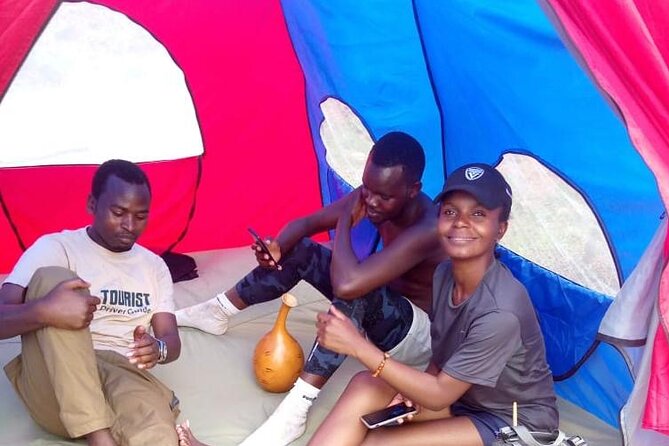
REVIEW · KIGALI
Local Community Tour(Cultural, Coffee,Village walk,Local food)
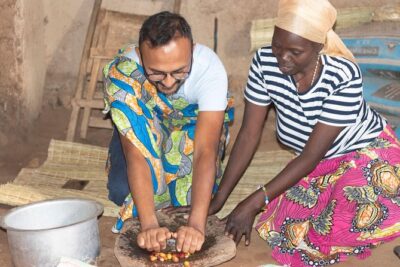
The best part of this Kigali day trip is its focus on ordinary life. You are not simply shown a performance or handed a prepared meal. You can help grind sorghum, smash bananas, cook traditional food, meet local people, and hear stories from a Rwandan family. Depending on your chosen activities, you may also make coffee from plantation to cup or taste banana beer made from fresh banana juice.
I like the hands-on food preparation, which gives the visit a clear purpose beyond taking photographs. I also like the small private format, since your group can spend time with a guide and local hosts instead of moving through a large scheduled crowd.
The main caution is price. At $170 per person, this is not a cheap half-day outing, especially if your chosen program includes only the shorter village and food activities. Confirm exactly which experiences are included, since the options range from home cooking and drumming to coffee, cattle, hiking, and camping.
Key points to know before booking
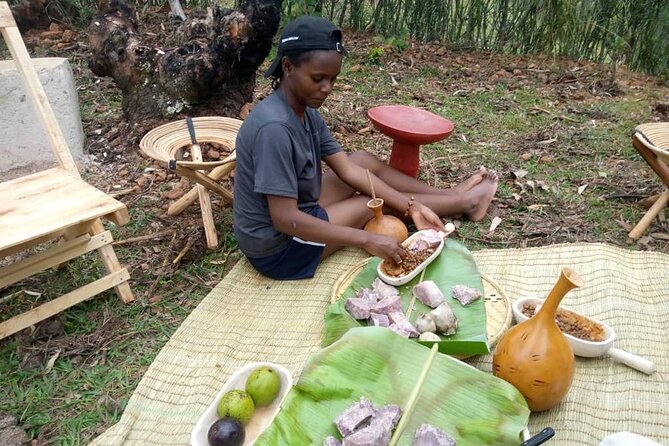
- Traditional food is part of the activity: Help prepare lunch, use tools such as an imbehe, and taste food served in a local style.
- Drumming is a highlight: You receive a chance to learn traditional drumming and dancing, not just watch a show.
- You choose from several themes: Home hosting, coffee and farming activities, and outdoor options are all available.
- Serge is a guide to look for: A previous guest singled out Serge for making the village visit enjoyable.
- The tour starts early: Pickup or meeting begins at 7:00 a.m. at Rwagasabo Safaris Rwanda on KN 3 Ave.
- Bring practical gear: Hiking shoes, rain protection, water, heavy snacks, and sugary drinks are advised.
What this Kigali community visit is really about
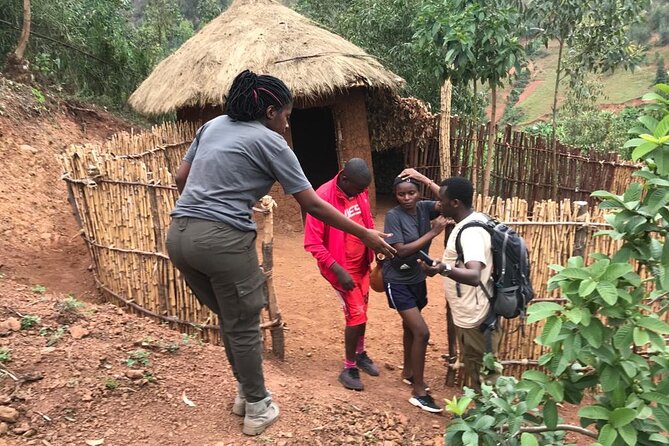
This experience works best when you see it as a day of participation rather than a sightseeing circuit. The setting is a Rwandan village, and the activities are built around food, farming, music, household work, and conversation.
You can spend time with a Rwandan family, listen to stories, and see how several everyday tasks fit together. The supplied schedule describes a morning that may include feeding animals, working with plants, preparing food, and sharing a meal. That gives the visit more substance than a quick stop for a staged dance.
The program is flexible. You choose highlights from three broad groups: activities hosted in or around a home, agricultural experiences, and outdoor adventures. That flexibility is useful, but it also means you should not assume that every listed activity happens in one short visit.
Ask Rwagasabo Safaris to confirm your exact plan before you pay. A four-hour food and village visit is a different product from a longer day that includes coffee, cattle, and Mount Jali hiking.
More Eating and Drinking in the world:
- Vienna for Food Lovers: Cafés, Markets & Austrian Cuisine
★ 5.0 · 1,063 reviews - Buggy Ride Into the jungle with cave coffee & chocolate tasting
★ 5.0 · 465 reviews - Hanoi: Vietnamese Street Food Tour with Egg Coffee
★ 4.9 · 315 reviews
Starting at 7:00 a.m. from Kigali
The stated start time is 7:00 a.m., with a ticket redemption point at Rwagasabo Safaris Rwanda, KN 3 Ave, Kigali. Pickup is offered, so confirm the pickup arrangement and time when you book.
An early start makes sense. It leaves room for several activities, and some of the household and farming work is tied to the rhythm of the morning. The schedule describes waking early to feed animals, followed by work with plants and food.
The experience lasts about four to seven hours, with a listed activity time of roughly four hours. That wide range matters. If you need to be back in Kigali for a flight, meeting, or another tour, ask for a firm return estimate.
Transport, entrance permission, guiding fees, lunch, bottled water, and soda are included. Personal spending and extra snacks are not. The private format means only your group participates, which is helpful if you want to set the pace or focus on one subject.
Cooking lunch with a Rwandan family
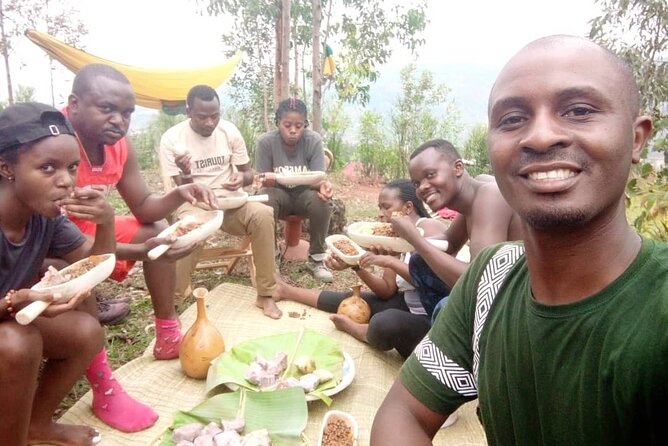
Food is one of the strongest reasons to choose this outing. You do not simply sit down at the end and eat a meal prepared by someone else. The program includes preparing and cooking traditional food, with the chance to handle ingredients and take part in the work.
You may smash bananas and grind sorghum grain on a grinding stone. These tasks are simple, physical, and revealing. They show the effort behind the meal and give you a better sense of how staple foods are prepared.
Food can be served using traditional tools such as an imbehe and inkoko. The exact menu is not specified, so do not book this expecting a particular dish. If you have allergies, dietary restrictions, or foods you cannot eat, ask about the lunch before departure.
After cooking, you share the meal with your hosts. That shared table is important. It gives you a natural opening for conversation and helps connect the food to family life, farming, and local customs.
Lunch is included, along with bottled water and a soda. Bring extra snacks anyway. The operator specifically advises heavy snacks and drinks with sugar, especially if you choose hiking or several active sessions.
Drumming and dancing with a local touch
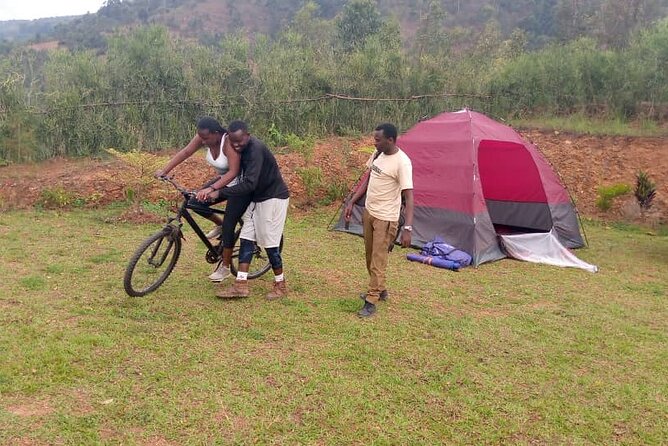
Traditional dance and drumming are among the clearest highlights. You can learn the basic rhythms and take part instead of watching from the edge.
A previous guest particularly enjoyed the drumming lesson, and that fits the design of the day. A lesson gives you something to do, even if you have no musical experience. Expect to make noise, copy patterns, and laugh at your own timing. That is part of the point.
The exact length of the music session is not given. If drumming is your main reason for booking, ask for it to be included in the confirmed plan. The same applies to traditional dancing, since the tour offers several activity combinations.
You may also hear storytelling during the visit. Stories can help explain local customs in a way a short information talk cannot. You are encouraged to interact with local people during the village walk, so come prepared to listen as well as take pictures.
More Food Tours in the world:
- Hungry in Vienna? A Food Lover’s Coffee & Market Walk
★ 4.9 · 276 reviews - Private Walking Tour, Food Tasting and Bosnian Coffee in Sarajevo
★ 5.0 · 255 reviews - Rome Pantheon: Award Winning Gelato Tiramisu & Espresso Food Tour
★ 5.0 · 99 reviews - Vienna Eats: Private Foodie Walk with Coffee & Markets
★ 5.0 · 77 reviews
Coffee from plantation to cup
The coffee option gives the tour a useful agricultural angle. You can follow the process from a coffee plantation through preparation and on to a cup of coffee.
The information does not list each stage or specify the coffee-growing location, so you should not expect a fixed technical demonstration. Still, seeing the work behind a familiar drink adds meaning to the cup you receive.
This activity suits you if you care more about how food and drink are made than about collecting landmarks. It also pairs well with the village walk and family meal because it keeps the focus on work, produce, and local routines.
Ask if coffee is included in your selected package. The tour menu presents coffee preparation as one choice among several, not as an automatic part of every visit.
Banana beer, from fruit to tasting
Banana beer is another distinctive option. The process begins at a banana plantation, then moves through juice making, fermentation, and tasting.
You can learn how bananas are used to create the drink, rather than simply being handed a sample. The tasting comes at the end, after you have seen more of the process.
The description does not give the alcohol level or say how much you will taste. If you do not drink alcohol, ask whether you can observe the process without tasting. You should also mention any health or dietary concerns before booking.
This is a good choice if you want a local food experience with a clear beginning and end. It also offers a more unusual story to take home than a standard coffee stop.
Cattle, milking, and medicinal plants
The home-host activities and agricultural choices include traditional cattle and cow milking. You may learn about the role of cattle and take part in milking, depending on the program selected.
The tour also introduces local medicinal plants that are useful in treating illness. This can be an interesting way to connect the village walk with practical knowledge about the surrounding plants.
Keep your expectations measured. The information does not promise a formal medical lesson or identify the plants you will see. Treat this as cultural and agricultural learning, not medical advice.
Other listed activities include basket weaving, beekeeping, traditional archery, and farming. These are possibilities within the wider set of activities, not guarantees that all will be completed during a four-hour visit.
Village walking and meeting local people
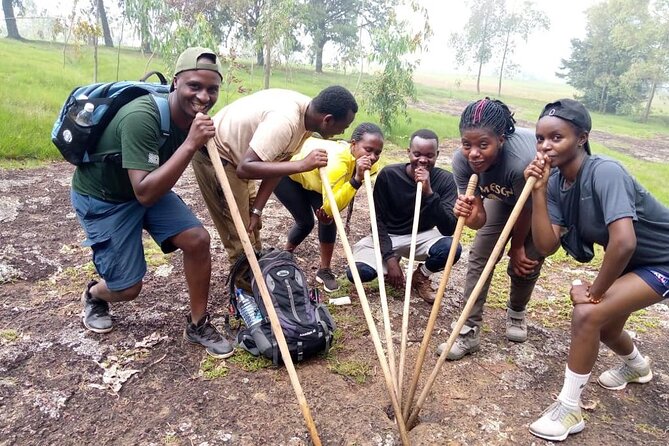
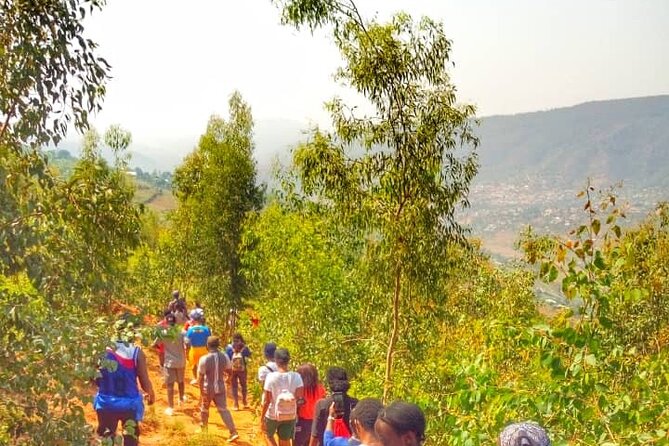
The village walk links the separate activities together. You can meet people, talk with members of the local community, and see the surroundings between the food and farming sessions.
The walk may be gentle, but the description does not give its exact distance or terrain. If you have limited mobility, ask about the walking route before booking. The tour says most travelers can participate, but that broad statement does not explain every surface or slope.
Interaction is central here. You are not only passing through a village from a vehicle. You are given time to speak with people and observe parts of daily life. Be respectful with cameras and ask before photographing anyone.
The private format helps. Your group can spend more time on a conversation or activity that interests you instead of following a large crowd. It also gives you a better chance to ask direct questions about cooking, farming, music, and family routines.
Mount Jali hiking and the outdoor options
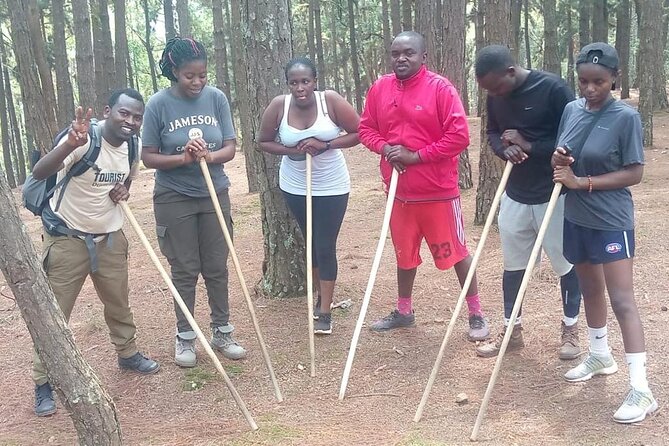
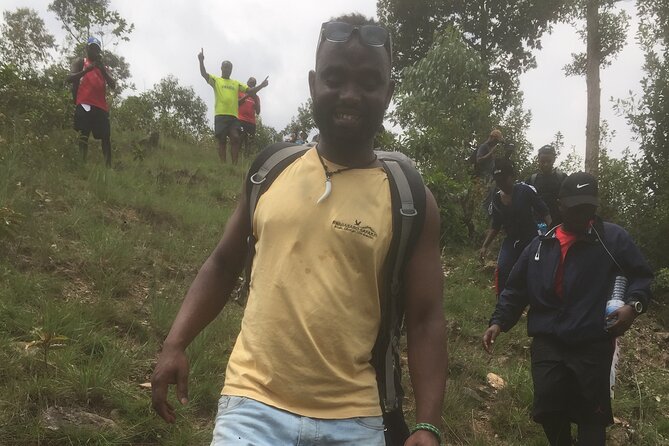
The adventure menu includes hard, high, or medium-elevation hiking on Mount Jali. The description highlights views of the surrounding area, binocular use, and hiking sticks.
This is a different level of activity from the home visit. Choose it only if you want a more physical day and have suitable shoes. Bring the advised rain coat, since conditions can change during the rainy period.
The tour does not give a route length, elevation gain, or exact hiking duration. Ask for those details if the mountain option is important to you. The words hard and high indicate that you should not treat every version of the hike as an easy walk.
Camping is also listed among the adventure possibilities, but a four-to-seven-hour outing does not suggest that camping is part of the standard short visit. Confirm this directly if you are interested.
Is $170 a fair price?
At $170 per person, the value depends heavily on the final mix of activities and the size of your group. Transport, entrance permission, a guide, lunch, bottled water, and a soda are included, which reduces the number of small costs you need to manage.
The private arrangement is also part of the price. You are paying for a group-only experience rather than joining a large shared vehicle. That can be worthwhile if personal attention, flexible pacing, and conversation with your hosts matter to you.
Still, one previous guest felt the tour was expensive for what was included, even while recommending it and praising the drumming lesson. That is a fair warning. If your plan is only a village walk, lunch, and a short cultural session, $170 may feel high.
The price makes more sense if you choose several substantial activities, such as food preparation, coffee processing, banana beer, cattle, and a longer walk. Ask for a written outline of your chosen program and the expected duration before booking.
What to bring for a comfortable day
Pack for both a cultural visit and an active outing. The operator advises bringing:
- Hiking shoes
- A rain coat during the rainy period
- Water
- Heavy snacks
- Drinks with sugar content
Wear clothing that is comfortable for cooking, walking, and possibly working around farms or animals. Since the exact activity combination varies, avoid assuming that ordinary city shoes will be enough.
Personal expenses and snacks beyond those listed are not included. Bring any extra food or drink you may need, especially if you select the Mount Jali option.
Confirmation is provided at booking. A Covid-19 test is not required and is not recommended for this activity.
Who should book this Kigali tour?
I would choose this experience if you want direct contact with local food, music, farming, and family life. It suits curious visitors who enjoy taking part in small tasks rather than checking off monuments.
Families, couples, and private groups may like the flexible format. The cooking, drumming, and village walk offer different ways to participate, so not everyone in your group needs the same level of interest.
It is less suitable if you want a tightly timed sightseeing tour with a fixed list of stops. It may also disappoint if you expect every activity in the description to happen during one half-day. Confirm the program carefully.
The experience received an overall rating of 4.8 from eight ratings, with particular praise for the guide Serge, the drumming lesson, and the chance to see everyday Rwandan culture. I would treat that as a positive sign, while still weighing the price and confirming what your package includes.
Should you book it?
Book this tour if you want to cook, listen, make music, walk, and ask questions in a local setting. The food preparation and drumming are the strongest reasons to go, while coffee, banana beer, cattle, plants, and hiking let you shape the day around your interests.
I would not book it without confirming the exact activities, duration, pickup details, and final price for your group. If those details match what you want, this can be a meaningful change from Kigali’s urban sights. If the plan includes only a short visit with few activities, the $170 cost deserves a closer look.
Free cancellation is available if you cancel at least 24 hours before the start time. Cancellations within 24 hours are not refunded, and changes during that period are not accepted.
FAQ
Where does the tour start?
The ticket redemption point is Rwagasabo Safaris Rwanda, KN 3 Ave, Kigali, Rwanda. The start time is 7:00 a.m.
Is pickup available?
Yes. Pickup is offered, but you should confirm the exact pickup arrangement when booking.
How long does the experience last?
The experience takes about four to seven hours. The listed activity duration is approximately four hours.
Is lunch included?
Yes. Lunch is included, along with bottled water and soda.
Is transportation included?
Yes. Transport is included in the tour price.
Is this a private activity?
Yes. Only your group participates in the activity.
What activities can I choose?
Options include traditional food preparation, drumming, dancing, medicinal plants, village walks, coffee preparation, banana beer production, cattle and milking, beekeeping, basket weaving, traditional archery, farming, Mount Jali hiking, and camping.
What should I bring?
Bring water, heavy snacks, drinks with sugar, a rain coat during the rainy period, and hiking shoes.
What is the cancellation policy?
You receive a full refund if you cancel at least 24 hours before the start time. Cancellations or changes made within 24 hours are not accepted and are not refunded.
Just listed in the world
- Vietnamese Coffee 101 Workshop★ 5.0 · 11 reviews
- Vietnamese Coffee Making Class in Hoi An★ 5.0 · 4 reviews
- Yerevan: Private Coffee Tour with 2 Café Stops★ 5.0 · 2 reviews
- Turkish Coffee and Traditional Turkish Dessert Cooking★ 4.6 · 8 reviews
- Ubud: Waterfall, Holy Water Temple,Swing&coffee plantation★ 5.0 · 9 reviews
- Vancouver: Street Art & Craft Coffee Walking Tour w/ Tasting★ 4.8 · 11 reviews
- The Colors of Coffee in the Farms of Coatepec★ 5.0 · 3 reviews
- Vienna: Guided Viennese Coffee-House Tour★ 5.0 · 2 reviews
Kigali Coffee Tours, compared.


1-Day Lake Kivu Karongi Boat Cruise & Coffee farming with Lunch
Read our review →Lists this coffee tour turns up in