REVIEW · HANOI
Hanoi Coffee Workshop: Taste Salt, Coconut and Egg Coffee
Hanoi’s coffee culture makes more sense once you learn to prepare the drinks yourself. At Local Beans Roastery, you make six Vietnamese styles, including phin coffee, egg coffee, salt coffee, and coconut coffee, then taste how different roasts and additions change the cup.
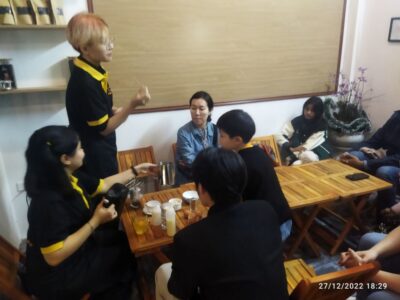
I like two things here. First, the workshop explains coffee as part of daily Vietnamese life, not just as a list of recipes. Second, you get hands-on use of filters and grinders, plus digital recipes for home. Guides such as Val, Lin, and Luka are praised for making solo participants feel at ease and for keeping the class lively.
The main consideration is the length and caffeine load. Three and a half hours is generous, and robusta-heavy Vietnamese coffee can be strong. One thoughtful criticism is that the workshop presents robusta mainly through its place in Vietnam’s coffee culture rather than spending much time comparing its limits with other beans.
Key points at a glance
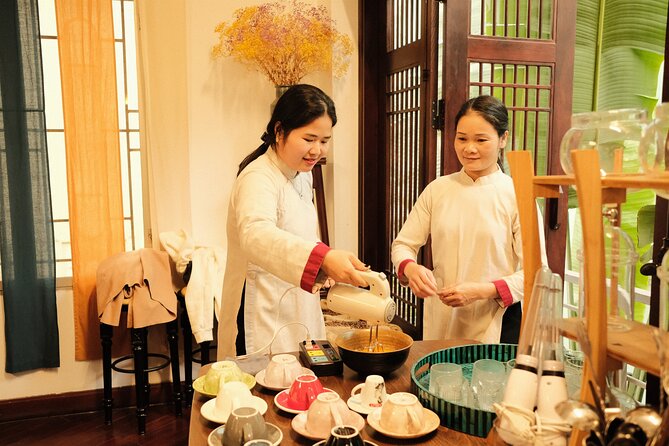
- Six drinks in one workshop: Make classic phin coffee, brown coffee, salt coffee, egg coffee, coconut coffee, and a coffee cocktail with local jam and wine.
- A real hands-on class: Filters, grinders, and other coffee equipment are supplied, so you do not need to bring anything.
- Good local context: Learn how coffee arrived in Vietnam, how roast levels affect flavor, and why these drinks matter in everyday life.
- Friendly named instructors: Val, Lin, and Luka are among the baristas associated with the sessions, with special praise for clear teaching and humor.
- Useful take-home value: You receive recipes, digital coffee books, and a professional certificate if you request one.
- Easy Old Quarter access: Pickup and drop-off are available within Hanoi’s Old Quarter, while the workshop itself begins and ends at Local Beans Roastery.
Starting at Local Beans Roastery on Hoang Hoa Tham Street
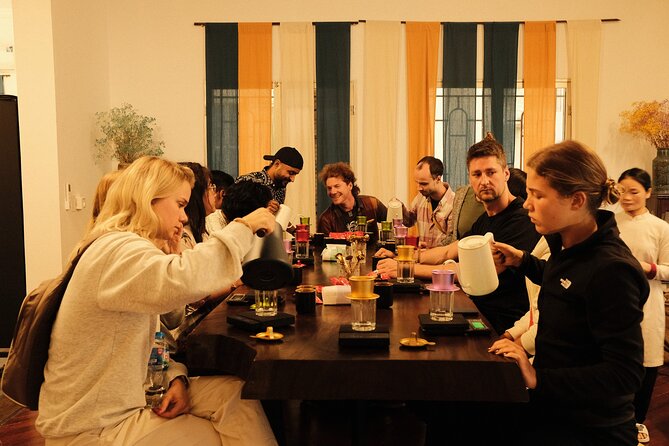
The class begins at Local Beans Roastery, at No. 75/173 Hoang Hoa Tham Street in Ba Dinh District. The activity ends at the same place, which keeps the day simple. You can also request hotel pickup and drop-off if you are staying within Hanoi’s Old Quarter.
That pickup option matters in Hanoi, where finding a small address on a narrow street can take extra time. Confirm the pickup details when you book, since the stated service applies to the Old Quarter area only. If you make your own way there, the meeting point is near public transportation.
The workshop lasts about three hours and 30 minutes. That is long enough for teaching, brewing, tasting, questions, and the extra rice wine sample without making the class feel like a quick demonstration. It also means you should avoid scheduling a tight activity immediately afterward.
The listed maximum is 100 people. That is a large possible capacity, so do not book this expecting a guaranteed tiny class. The actual feel may depend on the session and the number of bookings that day. The repeated praise for Val, Lin, and Luka suggests that the teaching team works hard to involve each person, even in a group setting.
More Coffee Making Classes in Hanoi
- Hanoi: Salt Coffee Workshop Awake Your Senses With 6 Brews
★ 5.0 · 792 reviews - Hanoi: Vietnamese Coffee Workshop with 6 Brews and 8 Recipes
★ 5.0 · 237 reviews - Ha Noi Egg Coffee Class
★ 5.0 · 227 reviews
From Vietnamese coffee farms to the modern cup
The workshop opens with the story of coffee in Vietnam. You learn how coffee became part of the country’s food and social life, with attention to growing, roasting, and preparation.
This background gives the drinks some meaning. Egg coffee is not simply a sweet novelty, and phin coffee is not just a slow filter method. The workshop connects each style to Vietnamese habits and local tastes, helping you understand why strong coffee is often paired with condensed milk, egg, salt, coconut, or other rich ingredients.
The teaching also covers roast levels. That is useful because the roast changes the aroma, bitterness, body, and balance of the final drink. You get a practical way to compare cups instead of treating every dark, powerful brew as the same.
One point worth keeping in mind is the treatment of robusta. Vietnam is strongly associated with robusta production, and its beans often give these drinks a bold body and heavy caffeine hit. The class explains its importance in Vietnamese coffee culture, but one criticism points out that it may present robusta too favorably rather than offering a full comparison with other varieties. If you are a serious coffee buyer, ask questions about origin, roast, and how the beans are used in commercial blends.
Brewing the six signature Vietnamese coffees
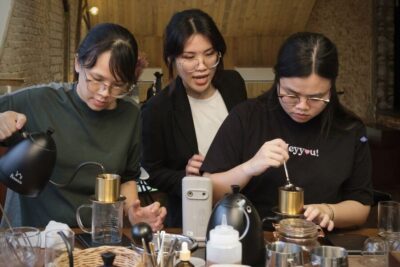
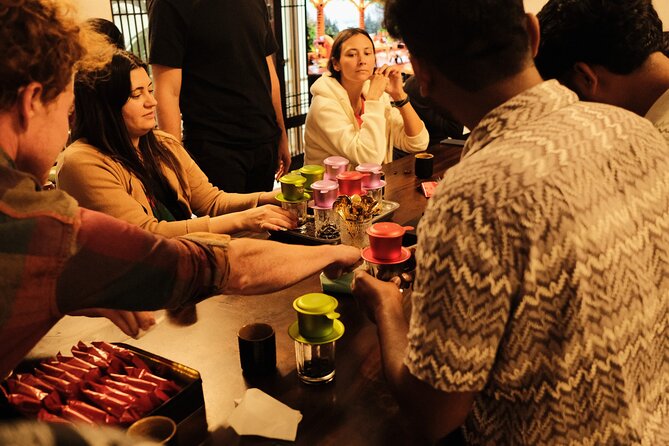
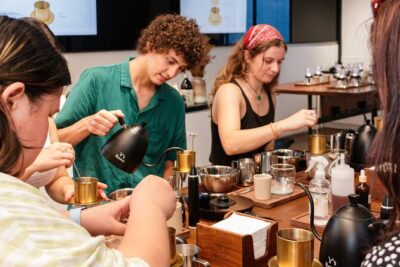
The heart of the session is the practical brewing section. You receive the filters, grinders, and other special equipment, then work through six drinks with guidance from the barista.
Classic phin coffee
The traditional phin is a small Vietnamese metal filter that sits directly on the cup. It brews slowly, giving you time to watch the coffee drip and adjust your understanding of extraction.
This is the essential starting point. Once you know how the plain coffee tastes, you can judge what the milk, salt, egg, or coconut adds later. The process is simple enough to repeat at home, but small choices in grind size, coffee amount, and water can change the result.
For anyone interested in Vietnamese coffee beyond café hopping, this is the most useful technique in the class. You leave with a method that requires no large espresso machine.
More Coffee Making Classes in Vietnam
- Hanoi Coffee Workshop: Master 6 Signature Vietnamese Coffee
★ 5.0 · 171 reviews - Hanoi Coffee Class learning 5 famous coffee in Hanoi
★ 5.0 · 161 reviews - Mini Hanoi Coffee Workshop: Pick Any Signature Coffee You Like
★ 5.0 · 160 reviews - Hanoi Egg Coffee making course
★ 4.9 · 112 reviews
Brown coffee
Brown coffee usually refers to coffee with condensed milk, a familiar Vietnamese combination of intense brew and thick sweetness. In the workshop, you can compare it with the plain phin version and see how the milk changes the balance.
This drink will suit you if you like strong coffee softened by sweetness. If you prefer lightly roasted or unsweetened coffee, it may feel heavy. The value of making it yourself is that you can understand the basic formula and later adjust the sweetness at home.
Salt coffee
Salt coffee sounds odd until you taste what a small amount of salt can do. Used carefully, it can soften bitterness and sharpen the perception of sweetness. It does not turn the drink into a salty soup.
This is one of the more memorable parts of the workshop because it shows how a tiny ingredient changes the whole cup. A useful review detail is that even a person who did not usually drink coffee found the class enjoyable and later made salt coffee a favorite. That does not mean every non-coffee drinker will love it, but the range of recipes gives cautious drinkers a fair chance to find one that suits them.
Egg coffee
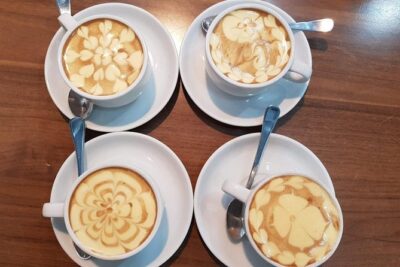
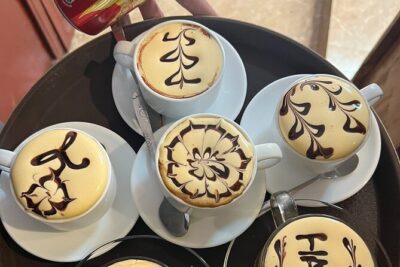
Egg coffee is one of Hanoi’s best-known specialties. Its creamy topping gives strong coffee a dessert-like texture, while the coffee underneath keeps the drink from becoming mere custard.
The class lets you see how the drink is made rather than treating it as a mysterious café trick. This makes the recipe less intimidating when you try it later. The precise method is taught during the session, and the supplied recipe materials help you recreate it.
Egg coffee is also a good example of why context matters. The drink is tied closely to Hanoi’s café identity, so tasting it alongside plain phin coffee gives you a clearer sense of how local cooks adapted coffee to available ingredients and local preferences.
Coconut coffee
Coconut coffee adds a cool, creamy, tropical note to the darker brew. It is a softer entry point for people who find straight Vietnamese coffee too intense.
This is likely to appeal to anyone who enjoys sweet café drinks, though it can hide some of the bean’s character. That is not a flaw so much as a reminder that the workshop covers both coffee appreciation and popular Vietnamese preparations. You can decide for yourself which drinks show the coffee best and which are simply the most fun to drink.
The coffee cocktail
The final coffee style is a creative cocktail made with local jam and wine. It moves the class beyond traditional café recipes and shows how Vietnamese ingredients can be used in a more playful drink.
Because wine is included, this part may not suit every diet or preference. The activity also includes a bonus tasting of homemade rice wine from the hosts. If you do not drink alcohol, mention your needs when booking and ask what alternatives are available. The stated information confirms that dietary restrictions and vegan requirements can be accommodated, but it does not specify every substitution.
Tasting, snacks, and the rice wine extra
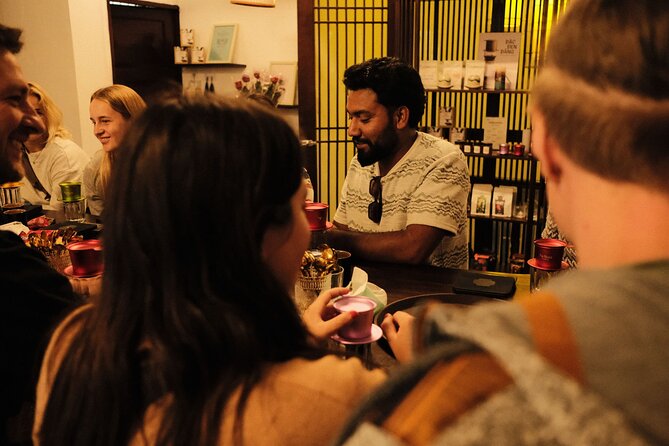
You do not simply prepare the drinks and move on. You taste each cup while hearing about its origin and place in daily Vietnamese life. That comparison is the main educational payoff: the same base ingredient can produce very different results through sweetness, salt, creaminess, coconut, or alcohol.
The workshop includes snacks, welcome herbal ginger root tea, and peach tea. These small additions help break up the coffee tasting, especially during a session that lasts several hours. They also give you something other than coffee to enjoy while the brewing demonstrations continue.
The homemade rice wine tasting adds a local touch, though it is not the central reason to book. I see it as a pleasant extra for people curious about Vietnamese drinks. It is less important for anyone focused strictly on coffee technique.
Plan for a fair amount of caffeine. You are tasting six coffee styles, and Vietnamese coffee can be powerful. The provided details do not state that decaffeinated coffee is available, so ask ahead if you are sensitive to caffeine.
The teaching style and the people who suit it
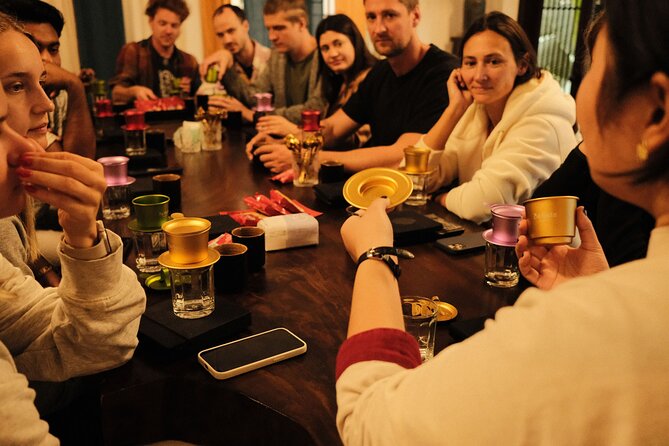
The strongest part of this activity is the teaching. Val is described as funny and engaging, with a talent for explaining coffee growing and the background of famous drinks. Lin is praised for involving each person, inviting questions, and making a solo participant feel comfortable. Luka is noted for clear, organized instruction and useful explanations of Vietnamese coffee and local wine.
Those details matter because a coffee workshop can easily become either a lecture or a rushed tasting. Here, the stated approach is practical: you make the drinks, ask questions, and get encouragement while working through the steps.
I would recommend it to solo visitors, couples, friends, and anyone who wants an indoor activity on a rainy Hanoi day. It also suits people who do not normally drink coffee. The different recipes give you more choices than a standard espresso lesson.
It may be less suitable if you want a quiet café morning, a specialist course on high-end arabica, or a private class guaranteed to have only a few people. The listed group limit reaches 100, and the workshop focuses on Vietnamese coffee culture and familiar local recipes rather than advanced professional barista training.
What the $16 price really includes
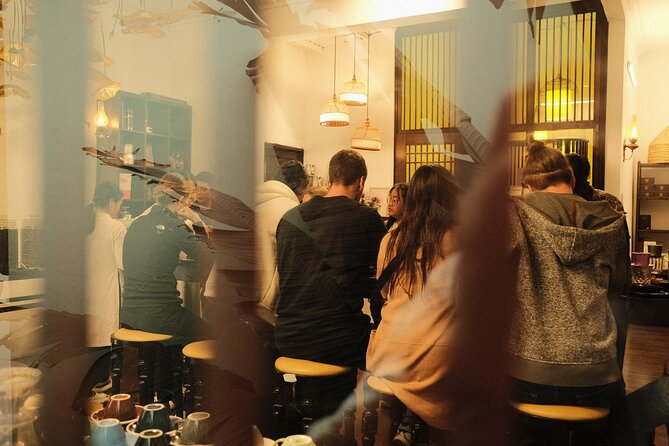
At $16 per person, this is good value if you use the hands-on part and take the recipes seriously. You are paying for about three and a half hours of instruction, six tastings, equipment use, snacks, tea, and the extra rice wine sample.
You also receive digital coffee books related to the workshop, a recipe book, and a professional certificate if requested. The recipe materials give the activity value after you leave Hanoi. They turn the class into a practical souvenir rather than a one-time tasting.
Hotel pickup and drop-off within the Old Quarter add convenience, though the supplied information does not clarify if transport carries an extra charge. Confirm that point before booking if pickup is important to your budget.
Tips and personal expenses are not included. You may also want to budget for coffee products sold by the company, since the class makes it possible to continue brewing at home. No purchase is required by the information provided, so treat those products as optional.
Dietary needs, access, and cancellation
Vegan participants and people with dietary restrictions can be accommodated, but you should tell the provider in advance. That is especially important because egg coffee, condensed milk, snacks, and the wine-based cocktail are part of the normal offering.
Service animals are allowed, and the meeting point is near public transportation. Confirmation arrives at booking, and the activity ends back at the roastery. Mobile tickets are accepted.
The cancellation policy is generous if you act early. Cancel at least 24 hours before the local start time for a full refund. Cancellations or changes made within 24 hours are not accepted for a refund.
Should you book the Hanoi coffee workshop?
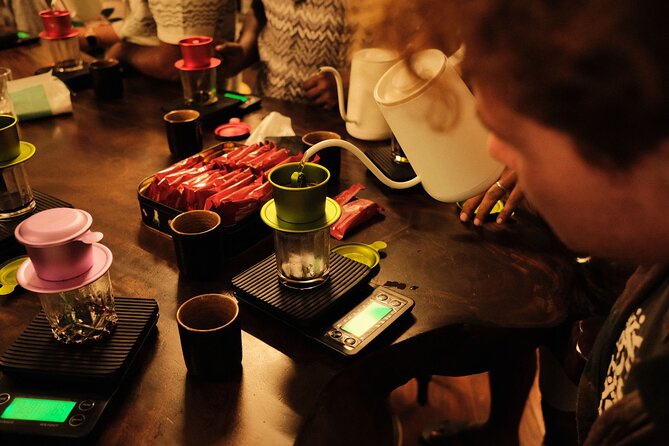
Book it if you want more than a photo of egg coffee. You will learn how to brew six Vietnamese styles, understand the role of roast and robusta, and take home recipes that can actually be used.
The best match is a curious coffee drinker, a solo visitor who likes social classes, or anyone looking for a useful rainy-day activity in Hanoi. The price is modest for the length and number of tastings, and the instructors appear to bring warmth and humor to the lesson.
Think twice if you avoid caffeine, alcohol, eggs, or dairy and do not want substitutions. Also ask about group size if you need an intimate setting. For most people, though, this is a practical and flavorful way to understand why Hanoi coffee is such a memorable part of the city.
FAQ
Where does the workshop begin?
It begins at Local Beans Roastery, No. 75/173 Hoang Hoa Tham Street, Ngoc Ha Ward, Ba Dinh District, Hanoi.
Where does the activity end?
The workshop ends back at the roastery, the same place where it begins.
How long does the coffee workshop last?
The activity lasts approximately three hours and 30 minutes.
Which coffees will I make?
You will make six styles: classic phin-brewed coffee, brown coffee, salt coffee, egg coffee, coconut coffee, and a coffee cocktail made with local jam and wine.
Is hotel pickup available?
Yes. Hotel pickup and drop-off are available within the Old Quarter area.
Is equipment provided?
Yes. Filters, grinders, and other special coffee-making equipment are provided during the workshop.
Can vegan participants or people with dietary restrictions join?
Yes. Vegan participants and people with dietary restrictions can be accommodated. Share your needs when booking.
What is the cancellation policy?
You can cancel at least 24 hours before the local start time for a full refund. Cancellations or changes made less than 24 hours before the start time are not refunded or accepted.
More Egg Coffee Experiences in Hanoi
- Hanoi: Vietnamese Street Food Tour with Egg Coffee
★ 4.9 · 315 reviews - Hanoi Private Walking Tour with Egg Coffee Making Experience
★ 5.0 · 90 reviews - Hanoi Egg Coffee Making Course
★ 5.0 · 76 reviews - Hanoi: Cyclo the Old Quarter and Egg Coffee Tour
★ 4.6 · 63 reviews
Just listed in Hanoi
- Vietnamese Coffee 101 Workshop★ 5.0 · 11 reviews
- Taste of Vietnam’s Coffee Scene – A Guided Experience★ 5.0 · 2 reviews
- Private tour: Hanoi city tour-Van Phuc silk village with egg coffee, lunch★ 5.0 · 2 reviews
- Private Hà Nội Coffee History Tour★ 5.0 · 6 reviews
- Hanoi Private And All Inclusive Coffee Lovers Tour in Vietnam★ 5.0 · 6 reviews
- 3 Dishes cooking + Egg Coffee bonus & Local Market Tour★ 5.0 · 14 reviews
- hidden gems cafe – learn making coconut and egg coffee★ 5.0 · 2 reviews
- Hanoi History Coffee Tour★ 5.0 · 2 reviews
Egg Coffee Experiences, compared.
Egg coffee & Course on 4 traditional types of Viet coffee
Read our review →
Decadent Vietnamese “Egg Coffee” Workshop in Hồ Chí Minh City
Read our review →