
REVIEW · CENTRAL VIETNAM
Da Nang: Coffee Making And Cooking Class
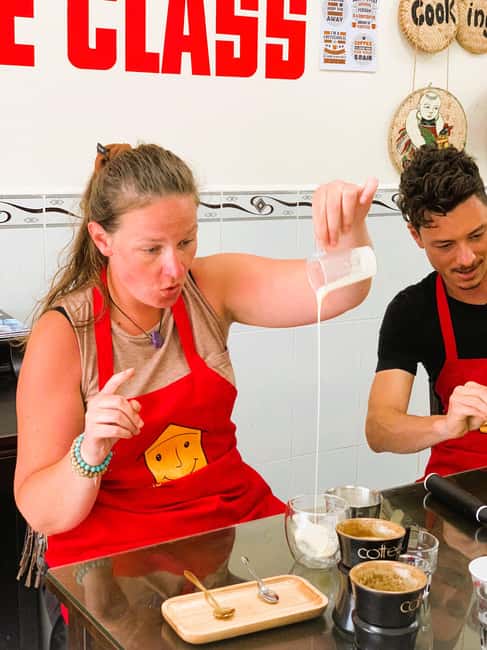
Vietnamese coffee is more than a strong drink here. It is a slow ritual built around a small metal phin filter, sweetened condensed milk, and creative local combinations such as egg, coconut, and salt coffee. This Da Nang class lets you make each drink yourself, then shifts from the coffee table to the kitchen for traditional local dishes.
I like the small-group format, which gives you time to ask questions and fix a wobbly egg coffee instead of being hurried along. I also like the friendly English-speaking instruction, with Rosie, Nhan, Hannah, and Kate praised for their patience and clear explanations. The main consideration is caffeine: four coffee preparations can leave you feeling very energetic, so eat breakfast first and avoid drinking much coffee before class.
Key points
- Three famous Vietnamese coffee styles: Make egg coffee, coconut coffee, and salt coffee using traditional methods.
- Hands-on phin brewing: Learn how the small metal filter controls the slow drip and strong flavor.
- Four traditional dishes: Move into the kitchen and chop, prepare, and cook a full meal yourself.
- Convenient Da Nang setting: Jolie Cooking Class is at 14 An Trung Dong 6, near Dragon Bridge.
- Two useful start times: Choose an 8:30 AM morning class or a 2:00 PM afternoon class.
- A generous half-day activity: The 4.5-hour session includes instruction, tasting, cooking, and eating.
Why Vietnamese coffee deserves a class of its own
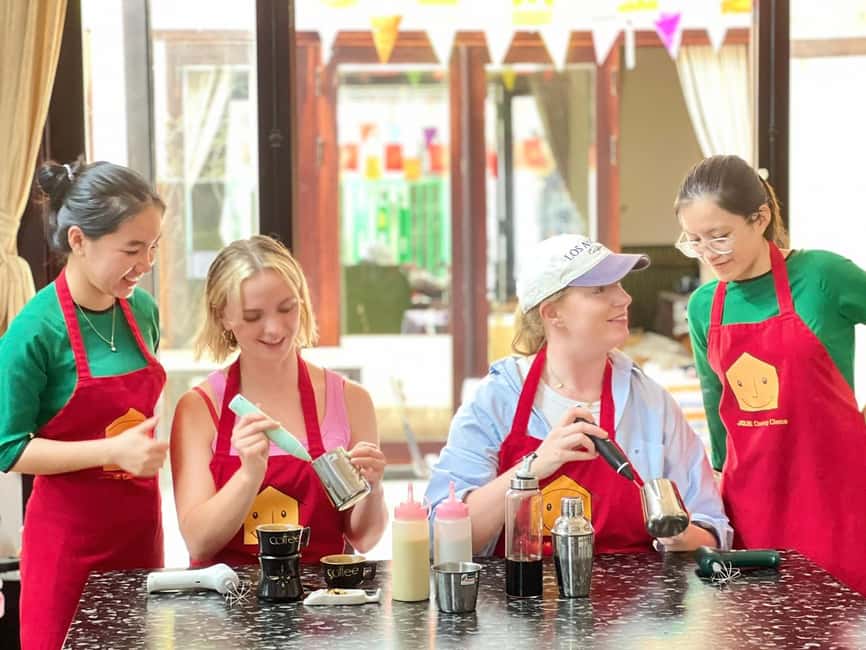
A café stop in Vietnam can be quick. This class asks you to slow down and understand what is in the cup.
You begin with Vietnamese coffee culture, including the importance of Robusta beans and the role of the phin filter. Robusta is known for a powerful taste and higher caffeine content than many lighter coffee varieties. That helps explain the bold flavor you find in Vietnamese coffee, especially when it is balanced with condensed milk, coconut, or a sweet egg topping.
The phin is simple but not quite foolproof. You add coffee, position the filter, pour in hot water, and wait as the drink drips slowly into the glass below. The pace is part of the experience. It gives you time to watch the coffee develop instead of treating it as an instant morning fix.
I like this practical approach because you leave with a method you can repeat at home. The class is not just a tasting session where someone else prepares everything. You handle the brewing and learn why each style tastes different.
More Coffee Making Classes in Vietnam
- Hanoi Coffee Workshop: Taste Salt, Coconut and Egg Coffee
★ 5.0 · 1,286 reviews - Hanoi: Salt Coffee Workshop Awake Your Senses With 6 Brews
★ 5.0 · 792 reviews - Da Nang Coffee Making Workshop
★ 4.9 · 543 reviews
Starting at Jolie Cooking Class near Dragon Bridge
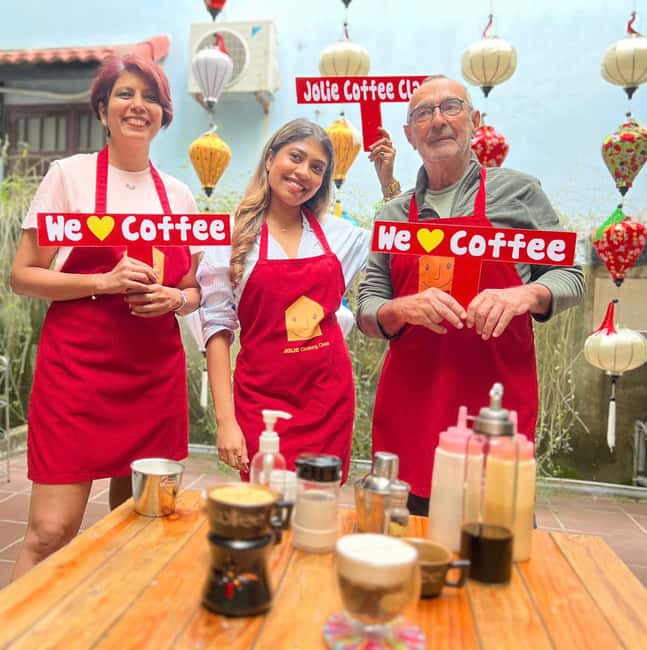
Jolie Cooking Class is at 14 An Trung Dong 6, near Dragon Bridge. The central location makes this a useful activity during a Da Nang stay, especially if you are already spending time around the river and bridge area.
The class runs for 4.5 hours. You can begin at 8:30 AM or 2:00 PM, which gives you a choice between a morning activity and an afternoon plan. The morning option leads naturally into lunch. The afternoon session ends with an evening meal, listed for around 6:30 PM.
You should wear comfortable clothing. Cooking means chopping and working around ingredients for a few hours, so this is not the time for restrictive clothes or anything you would worry about near food preparation.
The class is wheelchair accessible, and children are welcome. One important health note is that it is not suitable for people with heart problems. The coffee tasting includes several caffeinated drinks, so that warning deserves attention rather than a quick glance.
The first coffee lesson: culture, beans, and the phin
The opening part begins with a local snack and an introduction to Vietnamese coffee culture. This gives the session a relaxed start before you begin preparing drinks.
Your English-speaking host explains how coffee fits into daily life in Vietnam and why the brewing method matters. The lesson covers Robusta beans, the phin filter, and the traditions behind the drinks you will make. This background is useful because it connects the equipment to the habit. You are not simply learning how to operate a metal filter. You are learning why Vietnamese coffee is prepared slowly and served with such strong flavor.
The small-group setting should help here. You can ask about grind size, sweetness, or the order of the steps without waiting for a large group to catch up. Rosie is described as enthusiastic and funny, while Nhan, Hannah, and Kate are noted for clear English and patient help. That combination matters in a cooking class, where a small correction at the right moment can save a drink or dish.
You may also want to take notes or photographs as you go. A camera is recommended, and the finished drinks make better pictures than a sealed takeaway cup.
Making egg coffee, salt coffee, and coconut coffee
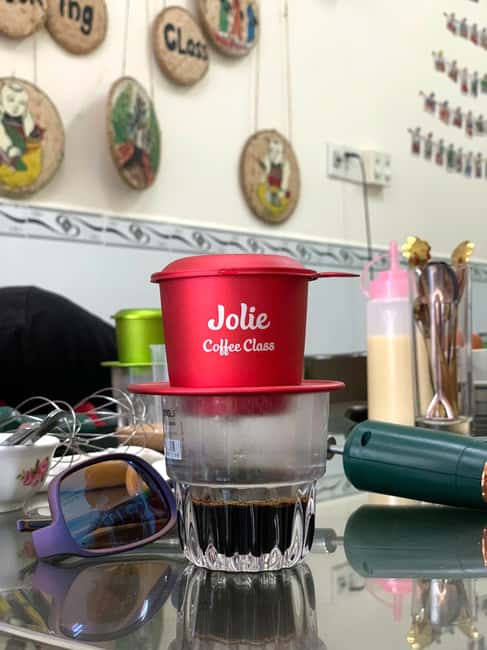
The tasting section is the heart of the first half. You make several coffee styles, including egg coffee, salt coffee, and coconut coffee. The class schedule describes four coffee preparations, with the three named styles forming the main set.
Egg coffee is the most distinctive of the group. Its appeal comes from the contrast between strong coffee and a creamy egg mixture. Getting the texture right takes care, which is why hands-on guidance helps. One student even received another egg after making a mistake, a small detail that shows the class allows room for learning rather than expecting perfect technique on the first try.
Salt coffee may sound odd if you have not tried it. Salt can soften bitterness and bring out sweetness when used carefully. The point is not to make a salty drink. It is to see how a small change can alter the balance of strong coffee.
Coconut coffee moves in a cooler, sweeter direction. Coconut adds a different texture and flavor to the coffee, making this version appealing if you normally find black Vietnamese coffee too forceful.
The lesson also includes the slow-brewing ritual found in traditional Vietnamese cafés. You wait for the coffee to drip, watch the process, and taste the result. That pause is valuable, though you should not expect a rapid succession of drinks. The class is built around taking time with each preparation.
Be sensible with the tasting. The coffee styles may be delicious, but several servings can add up quickly. Eating beforehand is strongly recommended, and the class information specifically advises against consuming too much caffeine before arriving.
Still in Vietnam, but a different cup:
- Hanoi Coffee Experience: 6 Brews, 9 Recipes & 3 Liquor Tastings
★ 5.0 · 2,945 reviews - Hanoi: Master the Art of 4-6 Signature Vietnameses Coffees
★ 5.0 · 517 reviews - Egg coffee & Course on 4 traditional types of Viet coffee
★ 4.9 · 487 reviews - Hanoi: Vietnamese Street Food Tour with Egg Coffee
★ 4.9 · 315 reviews
From coffee table to Da Nang kitchen
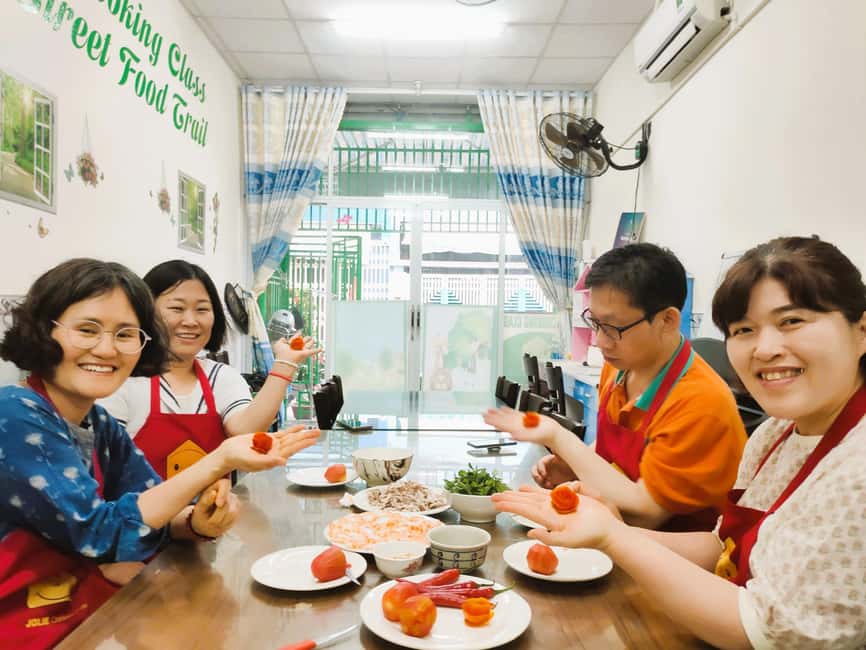
Around 10:30 AM in the morning session, or 4:00 PM in the afternoon session, the class turns to cooking. This is not a demonstration where you sit back while a chef handles the ingredients. You work through the preparation, including chopping, and cook four different dishes.
The exact dish names are not provided, so you should book this experience for the chance to learn traditional Da Nang cooking rather than for a particular menu item. You will learn about the herbs, spices, and traditional techniques that give Vietnamese food its character.
This part makes the class a better value than a coffee-only workshop. You get a full meal and a second practical skill set. The coffee lesson explains one part of local food culture, while the kitchen session shows how flavor is built through fresh ingredients, herbs, seasoning, and careful preparation.
The home-style setting should suit people who prefer a friendly kitchen lesson to a formal culinary school. English is the teaching language, and the hosts are described as patient with beginners. You do not need to arrive as an experienced cook. The point is to take part in each stage, from chopping ingredients to finishing the dishes.
Still, a cooking class requires more effort than a standard food tour. You will be standing or working for much of the kitchen portion, and the 4.5-hour length is worth considering if you prefer shorter activities. The reward is that your final meal comes from work you helped complete.
Eating what you prepared
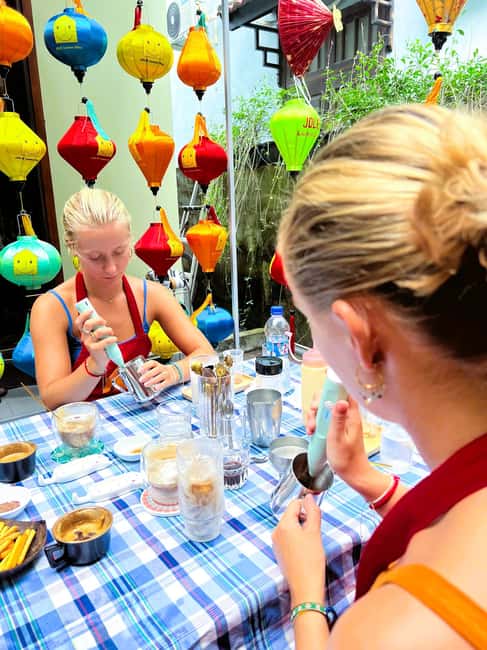
At about 1:00 PM for the morning session, or 6:30 PM for the afternoon session, you sit down to eat. This is a satisfying end to the class because the food is not just a sample placed in front of you. You have prepared it yourself.
The timing also makes the activity useful as a meal plan. Choose the morning class if you want coffee, cooking, and lunch in one block. Choose the afternoon class if you want a late-day activity that ends with dinner.
There is also time to play guitar or piano if you can. That is a modest extra rather than a main attraction, but it fits the informal setting. If you enjoy social activities, the music gives the ending a relaxed feel. If you are tired after the cooking, you can simply eat and enjoy the meal.
The food belly warning is worth taking seriously. You taste several coffee styles, receive a snack, cook four dishes, and then eat the results. Do not plan a large meal immediately afterward.
How the $50 price works for you
At $50 per person, this is not the cheapest way to drink Vietnamese coffee or eat local food in Da Nang. A café coffee costs far less, and you could order a meal without joining a class.
The value comes from the combined format. For one price, you receive a coffee workshop, several tastings, an English-language lesson, hands-on cooking instruction, and a meal you prepare yourself. The class also takes 4.5 hours, so it fills a substantial part of the day.
I think the price makes the most sense if you are interested in coffee and food rather than only one of them. A dedicated coffee enthusiast may appreciate the details of phin brewing and the chance to compare several styles. Someone looking for a cultural activity can use the kitchen session to understand Vietnamese ingredients in a practical way.
The calculation is less favorable if you dislike caffeine, want a quick meal, or already know how to prepare Vietnamese coffee and food. The coffee tasting is central, not an optional extra. You should also factor in the value of the small group, where patient help and time for questions are part of what you are paying for.
Who will get the most from this class
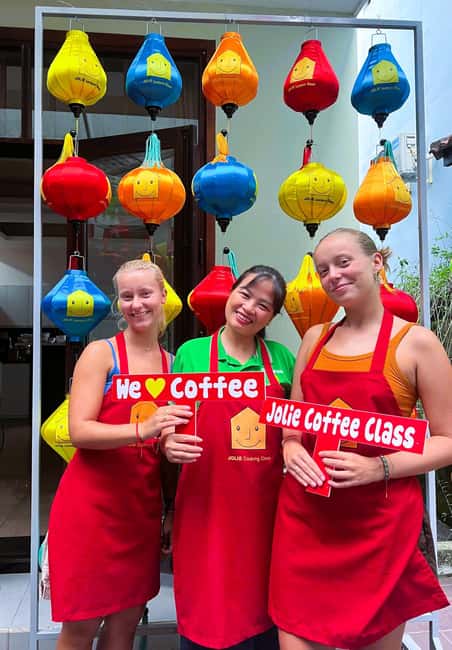
This is a good fit for first-time visitors to Vietnam who want a friendly introduction to coffee culture and local food. It also suits people who collect cooking skills from their trips and want recipes or methods they can try again at home.
Coffee enthusiasts should pay attention to the phin lesson and the comparison between egg, salt, and coconut coffee. You get to make all three, not merely order them. The session also works for families, since children are welcome, though parents should keep the caffeine issue in mind.
Couples, small groups of friends, and solo visitors who enjoy social classes should find the format comfortable. The group is small, and the hosts are described as approachable and patient.
This may not be the right choice for anyone with heart problems or a strong sensitivity to caffeine. It is also less suitable if you want a quiet café morning, since the class involves instruction, food preparation, and several hours of active participation.
Practical details before you book
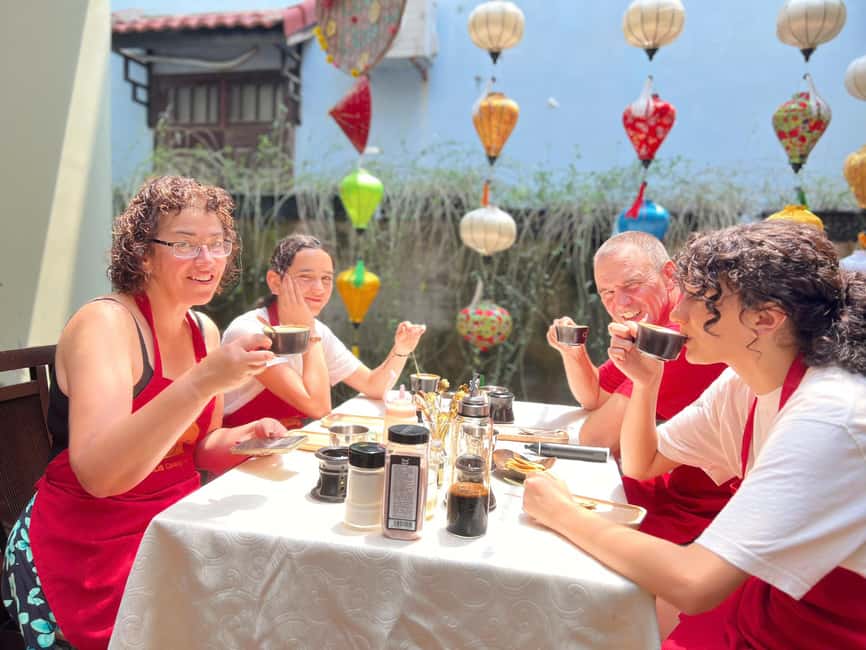
Bring a camera if you want photographs of the brewing process and finished dishes. Wear comfortable clothing, and arrive ready to eat rather than expecting a light tasting.
The class is taught in English. Start times are 8:30 AM and 2:00 PM, but you should check availability for the date you want. The meeting point is Jolie Cooking Class, 14 An Trung Dong 6, near Dragon Bridge.
You can cancel up to 24 hours before the activity for a full refund. Reserve now and pay later is also available, which helps if your Da Nang schedule is still changing.
Wheelchair access is available. Children are welcome, but the class is not suitable for people with heart problems. Since the coffee tasting is a major part of the experience, anyone limiting caffeine should ask about that before booking.
Should you book the Jolie coffee and cooking class?
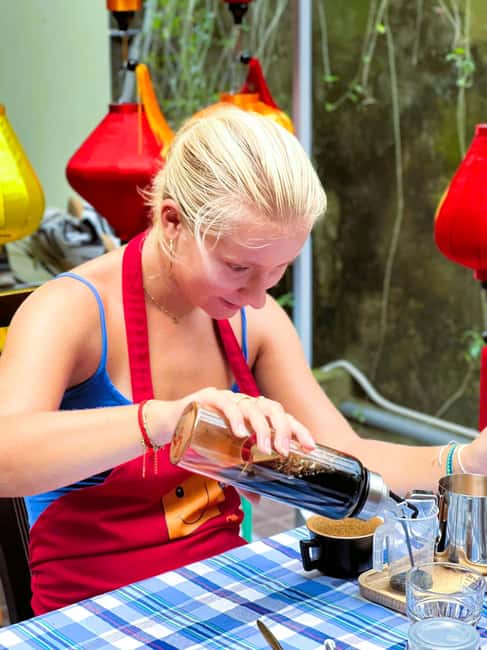
Book it if you want more than a meal and more than a café stop. The combination of phin brewing, egg coffee, salt coffee, coconut coffee, and hands-on Da Nang cooking gives you a useful half-day look at local food culture.
The strongest reasons to choose it are the small group, the patient English-speaking hosts, and the chance to prepare four dishes yourself. Rosie, Nhan, Hannah, and Kate are associated with friendly, clear instruction, and the class allows beginners to make mistakes without spoiling the experience.
Skip it if caffeine is a health concern, if you dislike cooking, or if you prefer a short and inexpensive food outing. For everyone else, $50 is a fair price for a 4.5-hour activity that ends with skills, coffee knowledge, and a proper meal.
FAQ
Where does the coffee and cooking class take place?
The class takes place at Jolie Cooking Class, 14 An Trung Dong 6 in Da Nang, near Dragon Bridge.
How long does the activity last?
The activity lasts 4.5 hours.
What time does the class start?
You can choose an 8:30 AM start or a 2:00 PM start, subject to availability.
Which Vietnamese coffees will I make?
The class includes egg coffee, salt coffee, and coconut coffee. The schedule describes four coffee preparations in total.
Do I also cook food during the class?
Yes. You learn to cook four traditional Da Nang dishes, including preparing ingredients and chopping.
Is the class taught in English?
Yes. English is the listed teaching language.
Is the class suitable for children and wheelchair users?
Children are welcome, and the activity is wheelchair accessible.
Can I cancel the booking?
You can cancel up to 24 hours in advance for a full refund. Reserve now and pay later is also available.
More Cooking Classes in Vietnam
- Da Nang Cooking Class with Coffee Tasting and Market Visit
★ 5.0 · 310 reviews - Hanoi Cooking Class: Pho/Bun Cha/Banh Xeo…+Free Egg/Salt Coffee
★ 5.0 · 267 reviews - Vietnamese Bread & Brew: Banh Mi Baking Class & Specialty Coffee
★ 5.0 · 76 reviews - 1 hour Egg Coffee Cooking Class with Snack and Local Instructor
★ 5.0 · 72 reviews
Just listed in Vietnam
- Vietnamese Coffee 101 Workshop★ 5.0 · 11 reviews
- Vietnamese Coffee Making Class in Hoi An★ 5.0 · 4 reviews
- Hoi An Vietnamese Coffee Workshop: Hands-On Brewing Class★ 5.0 · 3 reviews
- Authentic Vietnamese Coffee Making Experience in Hoi An★ 5.0 · 13 reviews
- Vietnamese Egg Coffee Making Course in Hoi An★ 3.5 · 2 reviews
- Hoi An Coffee Tasting And Old Town Discovering Tour★ 5.0 · 4 reviews
- Coffee Making and Banh Mi Class Hoi An★ 5.0 · 5 reviews
- Hoi An Coffee Making Workshop★ 5.0 · 7 reviews
Coffee Making Classes, compared.
Turkish Coffee Making and Fortune Telling Workshop
Read our review →
Hanoi Coffee Workshop: Taste Salt, Coconut and Egg Coffee
Read our review →
Salt Coffee Workshop Awake Your Senses With 6 Brews
Read our review →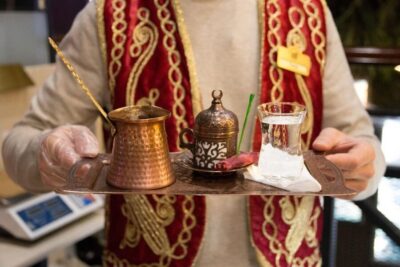

Turkish Coffee Making and Fortune Telling Workshop
Read our review →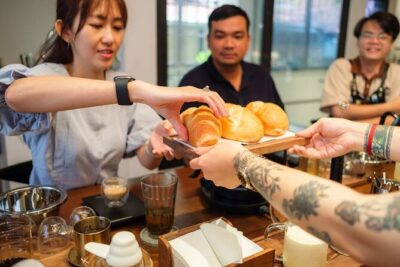
Fun & Easy Vietnamese Coffee Workshop in Hồ Chí Minh City
Read our review →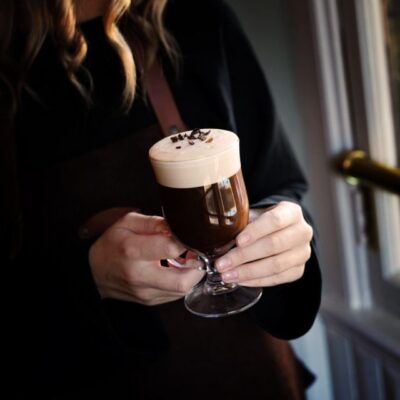
Irish Coffee Masterclass at the Irish Whiskey Museum
Read our review →Lists this coffee tour turns up in