
REVIEW · CENTRAL ANATOLIA
Cappadocia: Sand-Brewed Turkish Coffee Workshop
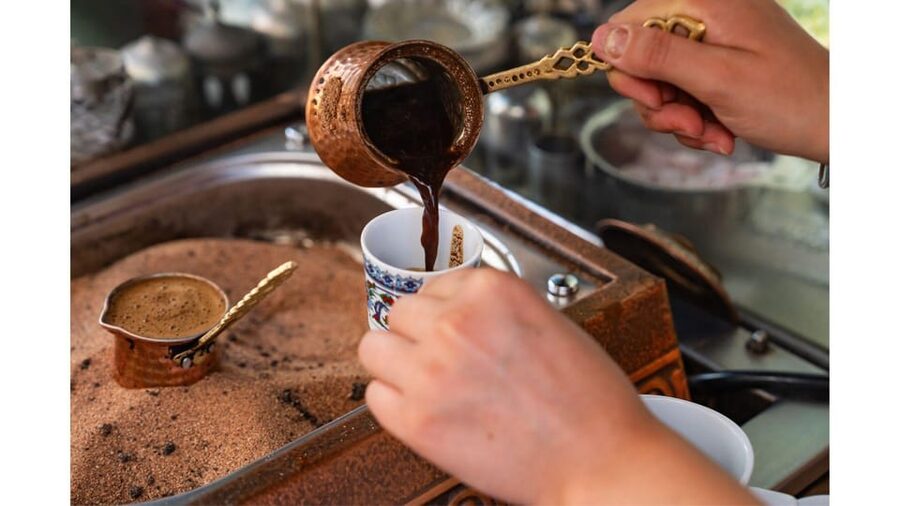
The memorable trick here is simple: your coffee cooks in a copper cezve set into hot sand, not on a modern burner. The sand spreads the heat slowly, giving you time to watch the foam form and learn why Turkish coffee is more than a quick caffeine stop.
I like the small groups of up to eight, which make it easy to ask questions and take photos without getting lost in a crowd. I also like the price: $12 buys a short lesson, your own coffee, tea and sweets in some sessions, plus a taste of Turkish customs. The main drawback is the brief 30-minute format. You get a lively introduction, not a full coffee course.
Key points at a glance
- Coffee brewed on hot sand: Watch a copper cezve heat gradually and help prepare the drink in the traditional style.
- Friendly English-speaking hosts: Ugur, Kubi, Ozan, and Aslı are among the hosts named for this activity.
- A compact 30-minute experience: It fits neatly between sightseeing stops, though some sessions may feel closer to an hour.
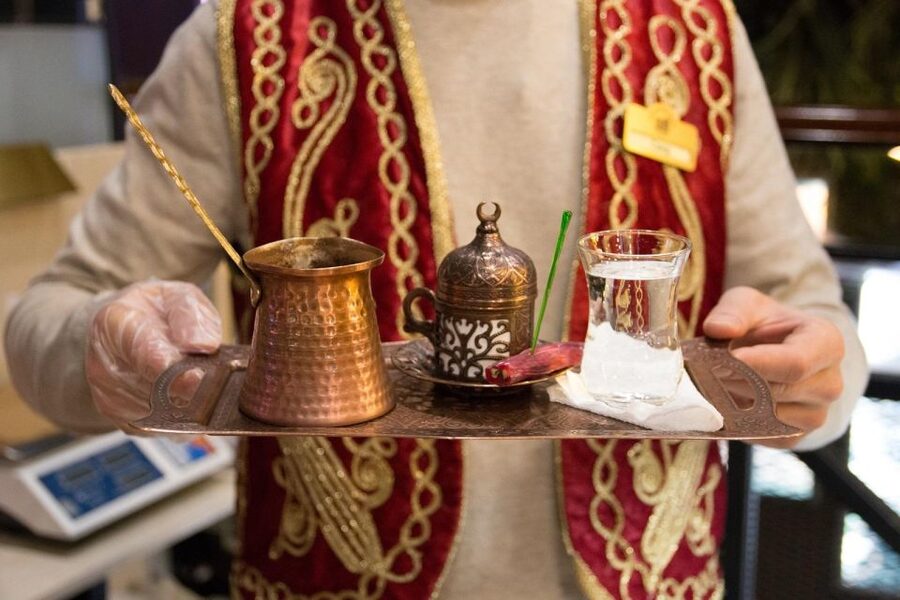
- Traditional dress and photos: Vests, hats, and a fez may be available for a playful Ottoman-style photo.
- Coffee with Turkish treats: Turkish delight, cake, tea, and other sweets may accompany the coffee.
- Small-group value: With no more than eight participants, the session feels personal rather than staged for a large crowd.
Why sand makes this coffee session special
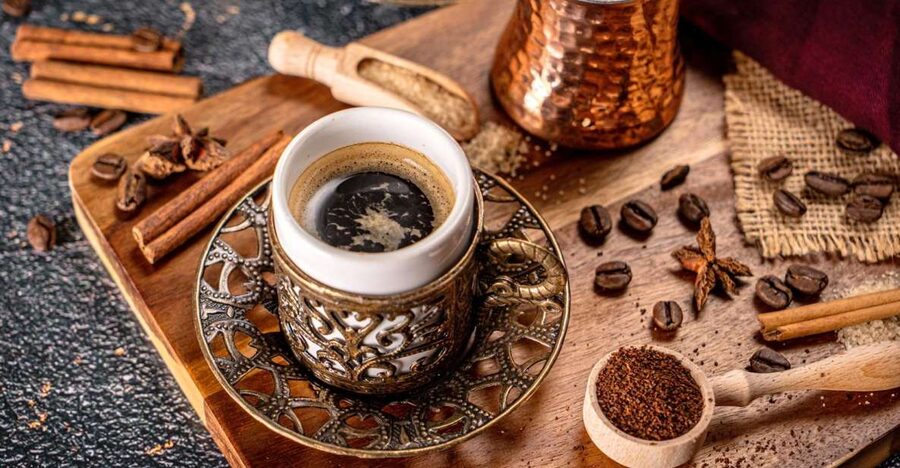
Turkish coffee is made from very finely ground beans. The coffee, water, and any sugar go into a small copper pot called a cezve. Instead of placing that pot directly over a flame, the host moves it through heated sand.
The sand does not magically change the beans, but it gives the pot broad, gentle heat. That slow method helps the coffee warm evenly and gives the person brewing it control over the foam and timing. You get to see the process instead of receiving a drink that has already been made behind a counter.
This is useful even if you are not a serious coffee fan. One person who usually avoids coffee found this version smooth and less bitter than expected. The taste is strong, but it need not be harsh. Sugar can be added during preparation, so you can follow the traditional method without committing to a very bitter cup.
The sand technique is also a good conversation starter. It links a practical cooking method with Turkish hospitality, family customs, and the long place coffee has held in social life. Coffee reached the Ottoman Empire in the 16th century, and its preparation became part of gatherings and welcoming rituals.
More Coffee Making Classes in Turkey
- Istanbul: Turkish Coffee Making and Fortune Telling Workshop
★ 4.9 · 1,308 reviews - Istanbul: Turkish Coffee Making and Fortune Telling Workshop
★ 4.9 · 451 reviews - Istanbul Turkish Coffee Making & Fortune Telling Workshop
★ 5.0 · 173 reviews
Meeting at The Owl Cave hotel reception
The stated meeting point is The Owl Cave hotel reception in central Cappadocia. You should plan to arrive with enough time to find the reception area, especially if you are walking through Göreme’s steep streets.
One useful warning comes from the directions: a closed path made the location hard to reach by map for one participant, and the approach included substantial hills. Cappadocia’s village streets can be uneven and sloped, so do not leave the search until the last minute. Use the supplied map link, check the route before setting out, and allow extra time if you are carrying luggage or have limited mobility.
There is no pickup or transport included in the information provided. You make your own way to the meeting point. That keeps the $12 price low, but it also means the activity works best when you are already staying or sightseeing near Göreme.
The 30-minute workshop, step by step
The session begins with an introduction to Turkish coffee and its place in local life. Your English-speaking host explains the basic ingredients, the fine grind, and the reason coffee is prepared in a small cezve.
You then move into the hands-on portion. Water, coffee, and sugar go into the pot, and the cezve is placed into the hot sand. The host shows you how the pot is positioned and heated. You may have the chance to take part directly, rather than simply watching a demonstration.
Pay attention to the foam. It is one of the small details that makes Turkish coffee feel like a craft. The slow heating gives you time to watch the surface change, and the host can explain when the coffee is ready. Expect a small cup with grounds left at the bottom. You do not drink those grounds, but they may become part of a lighthearted fortune-reading tradition after the cup is finished.
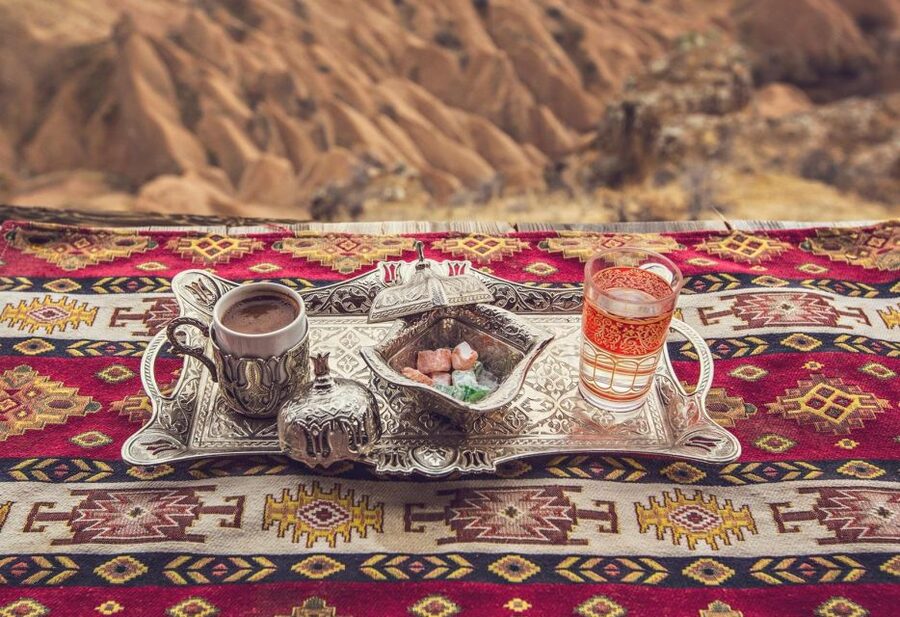
Several sessions include Turkish tea, Turkish delight, cake, or other traditional sweets. These extras vary in the individual accounts, so I would treat them as a likely part of the welcome rather than a guaranteed menu. The combination matters because Turkish coffee is rarely just about the beverage. The sweet served alongside it helps soften the strong flavor and turns the lesson into a social pause.
Ugur, Kubi, Ozan, and Aslı bring different energy
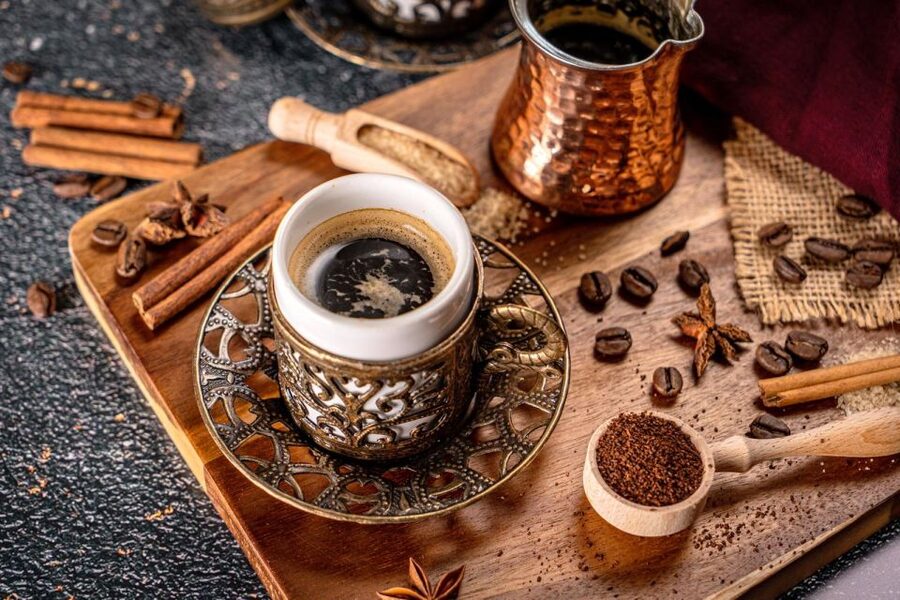
The hosts named for this activity have slightly different styles, but the common thread is a friendly, hands-on lesson in English.
Ugur receives especially strong praise for his humor, clear instructions, and easy manner. He has helped participants take photos and videos while they prepare the coffee, which is useful when you want a record of the process without juggling the cezve and your phone at the same time.
Kubi is described as a warm guide who explains both the coffee method and the history of Turkey and the Ottoman Empire. He also introduces customs linked to coffee, including wedding traditions. That makes his version particularly appealing if you want more cultural context rather than just a tasting.
Ozan is associated with an engaging explanation of coffee and its traditions. His approach suits people who want to understand the art behind the process, not only make a cup and leave.
Aslı has also led sessions, offering a patient explanation of the traditional preparation. The host may vary according to the day, but the language is English and the group remains small.
The lesson is not a formal barista class. You will not be comparing many beans or practicing several brewing styles. Think of it as a focused cultural activity with a real tasting and a chance to participate.
More Turkish Coffee Experiences in Turkey:
- Turkish Coffee on Sand Workshop: Fortune Telling & Gift Set
★ 5.0 · 309 reviews - Istanbul: Sand Brewed Turkish Coffee Workshop in Old Town
★ 4.9 · 142 reviews - Antalya:Turkish Coffee Workshop + Fortune Telling + Gift Set
★ 5.0 · 127 reviews - Cappadocia: Turkish Coffee Workshop on Sand & Fortune + Gift
★ 5.0 · 69 reviews
Traditional clothes, photos, and the fun factor
A pleasant extra is the chance to wear Ottoman-style vests, hats, or a fez. This is not required for the coffee itself, but it gives the workshop a sense of occasion and makes the photos more memorable.
I would keep your expectations sensible. The clothing is a playful touch, not a museum-quality historical presentation. Still, it works because the activity is short and social. You can take photos during the coffee-making steps, and the hosts are used to helping with pictures and videos.
Some sessions include fortune reading from the coffee grounds. After you finish the drink, the cup is turned over and the remaining grounds create patterns. Reading those patterns is a Turkish coffee custom and a fun ending to the session. Treat it as entertainment, not a prediction service.
A small dog has also been present at the site, adding to the homey feel. That detail cannot be guaranteed, but it helps explain why this workshop feels less like a polished chain café and more like a local hospitality experience.
What the coffee tastes like
Turkish coffee is intense because the grounds remain in the cezve and settle in the cup. It is not filtered like drip coffee, and the texture is different from espresso or a standard café drink.
The sand method does not necessarily make the coffee mild, but it can produce a smooth cup when handled well. Several people found the flavor surprisingly good, including a non-coffee drinker who expected something too bitter. Your result will depend on how much sugar you choose and how the host manages the heat.
Do not gulp the coffee. Let the grounds settle, sip slowly, and stop before you reach the bottom. The sweets help balance the concentrated flavor. Turkish delight and cake are especially useful if you normally take sugar or dessert with coffee.
If coffee is not your thing, the workshop still offers enough beyond the drink to make it worthwhile: Ottoman customs, traditional dress, hot sand, photos, and a short lesson in Turkish hospitality. But if you strongly dislike coffee, you may find the tasting portion limited.
Price, group size, and overall value
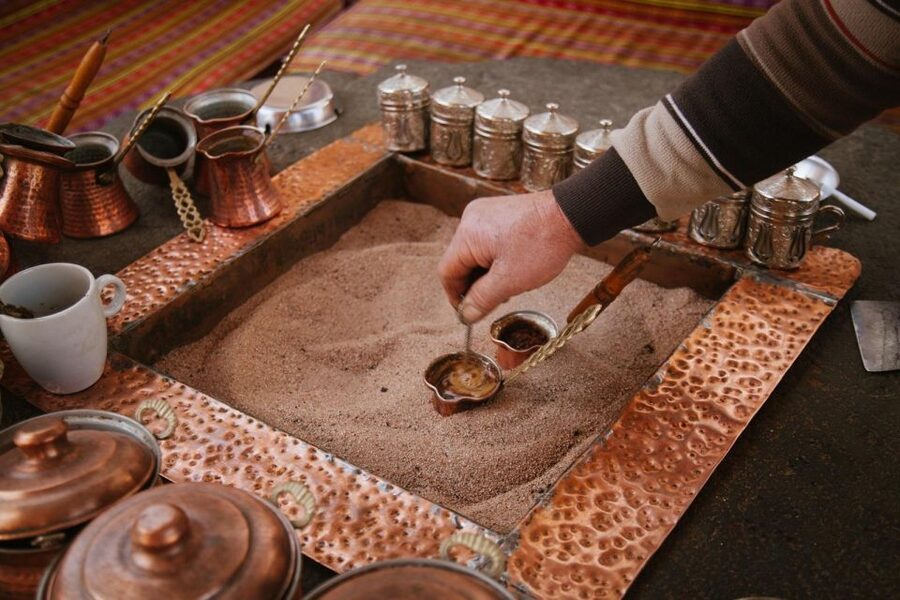
At $12 per person, this is one of the easier Cappadocia activities to recommend on cost alone. You receive the workshop and Turkish coffee, with tea and sweets included in some sessions. The group limit of eight keeps the activity from becoming a demonstration where you stand at the back and see very little.
The value is strongest if you want a cultural experience that does not take half a day. You can fit it around a museum visit, a meal, a sunrise balloon schedule, or a walk through Göreme. It is also a good fallback for a spare hour when the weather or your energy does not suit a major excursion.
The short duration is also the main limitation. Thirty minutes passes quickly. You will learn the basic process and taste the result, but you should not book this expecting a long cooking class, a broad coffee tasting, or detailed instruction on roasting and grinding.
Some people describe spending closer to an hour at the activity. That may reflect arrival time, photos, sweets, or a relaxed host. The official duration is 30 minutes, so use that for planning and consider any extra time a bonus.
Who should book this Cappadocia activity
I would choose this workshop if you want a small, low-cost activity with a clear local connection. It suits:
- First-time visitors who want a simple introduction to Turkish customs
- Coffee drinkers curious about a brewing method they cannot easily try at home
- People who enjoy food demonstrations but do not want a long class
- Couples and families looking for a relaxed photo opportunity
- Solo visitors who prefer a small group and an easy way to meet others
- Anyone with an hour between larger Cappadocia plans
It is less suitable if you need a full meal, a long technical class, or a broad tour of the region. It also may not be ideal if steep streets are difficult for you, since reaching the meeting point can involve uphill walking.
Practical advice before you go
Wear shoes that are comfortable on sloped village streets. The activity itself is seated or stationary, but getting to The Owl Cave hotel reception may require a walk uphill.
Keep your phone ready for photos, but do not let photography replace the lesson. The most interesting part is seeing how the cezve moves through the sand and how the foam develops.
If you are sensitive to caffeine, ask about sugar and pacing, but do not expect a large drink. Turkish coffee is served in a small cup. The sweets and tea may make the tasting easier, though exact refreshments can vary.
Book with your schedule in mind. Free cancellation is available up to 24 hours before the activity, and you can reserve now and pay later. That is helpful in Cappadocia, where weather and balloon schedules can shift your plans.
Should you book it?
Yes, if you want an inexpensive, personal cultural activity rather than a major tour. The sand-brewed coffee is unusual, the hosts explain the customs clearly, and the small group gives you a real chance to participate. The traditional clothes, sweets, photos, and possible fortune reading add fun without taking over the lesson.
Skip it if you do not drink coffee and have very little interest in food traditions. Otherwise, $12 is a modest price for a well-paced introduction to one of Turkey’s most social rituals. Schedule it near your Göreme plans, allow time for the hills, and treat the 30 minutes as a compact cultural stop with a good cup at the end.
FAQ
Where does the Turkish coffee workshop meet?
The meeting point is The Owl Cave hotel reception in Cappadocia. A map link is provided for the location.
How long does the activity last?
The stated duration is 30 minutes. Allow extra time for finding the meeting point, photos, and any additional refreshments.
How much does the workshop cost?
The price is $12 per person.
Is Turkish coffee included?
Yes. The activity includes the Turkish coffee workshop and Turkish coffee.
Is the workshop offered in English?
Yes. The host or greeter speaks English, and English is the listed activity language.
How large is the group?
The experience is limited to eight participants, making it a small-group activity.
Who may lead the workshop?
Hosts named for the activity include Ugur, Kubi, Ozan, and Aslı. The host can vary by session.
Do you get to make the coffee yourself?
The workshop is hands-on and teaches you how to prepare Turkish coffee over hot sand. The host demonstrates the process and guides you through making the coffee.
Are Turkish sweets included?
Some sessions include Turkish delight, cake, tea, or other sweets. Turkish coffee itself is included, but the additional refreshments may vary.
Can you cancel the booking?
You can cancel up to 24 hours in advance for a full refund. The activity also offers a reserve-now, pay-later option.
Just listed in Turkey
- Turkish Coffee and Traditional Turkish Dessert Cooking★ 4.6 · 8 reviews
- Istanbul Home Style Turkish Coffee Making and Fortune Telling★ 5.0 · 4 reviews
- Istanbul Turkish Coffee Cooking and Tasting with Locals at Home★ 5.0 · 3 reviews
- Walking Tour from Taksim to Galata (inc. Turkish Coffee Tasting)★ 5.0 · 10 reviews
- Home Style Turkish Coffee Making and Fortune Telling★ 5.0 · 10 reviews
- Antalya: Turkish Coffee Brewing on Sand & Fortune Telling★ 4.9 · 7 reviews
- Istanbul: Turkish Coffee Trail★ 3.6 · 16 reviews
- Cappadocia Off-Road Jeep Safari Experience with Free Coffee★ 4.9 · 19 reviews
Turkish Coffee Experiences, compared.
Turkish Coffee Making and Fortune Telling Workshop
Read our review →Turkish Coffee Making and Fortune Telling Workshop
Read our review →
Turkish Coffee on Sand Workshop: Fortune Telling & Gift Set
Read our review →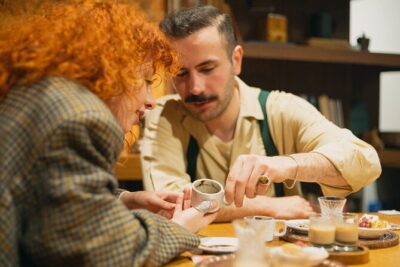
Istanbul Turkish Coffee Making & Fortune Telling Workshop
Read our review →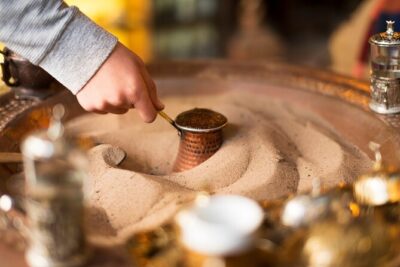
Sand Brewed Turkish Coffee Workshop in Old Town
Read our review →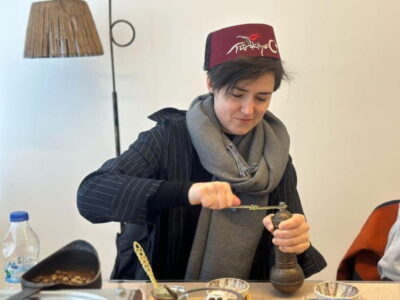
Turkish Coffee Workshop + Fortune Telling + Gift Set
Read our review →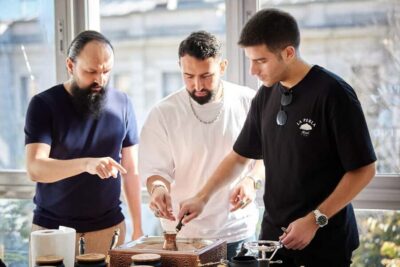
Turkish Coffee Workshop on Sand & Fortune + Gift
Read our review →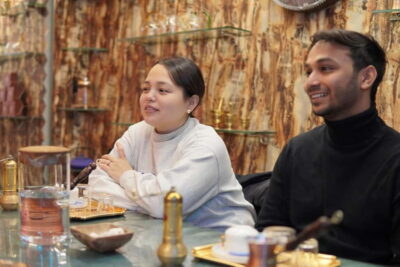
Lists this coffee tour turns up in