
REVIEW · NORTHERN VIETNAM
Hanoi: Master the Art of 4-6 Signature Vietnameses Coffees
The surprise here is how much Vietnamese coffee changes from one cup to the next. In roughly two hours, you can move from strong black coffee brewed through a phin filter to creamy egg coffee, coconut coffee, and salted coffee, all made with your own hands. I like the small-group format and the fact that the class teaches tasting and adjustment, not just a fixed recipe.
I also like the use of fresh ingredients and ceramic tools in a real local space. Guides such as Jade, Eddie, Daisy, and Tyler explain the story behind each style and often share useful Old Quarter food and café recommendations. The main caution is simple: six coffees can deliver a serious caffeine hit, so this is better in the morning or early afternoon than late in the day.
Key points at a glance
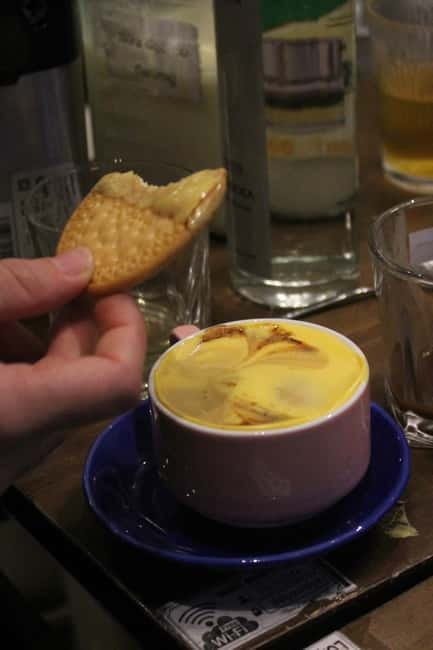
- Make four to six distinct coffees: Black, brown, egg, white or silver, coconut, and salted coffee are included in the rotating workshop.
- Use a Vietnamese phin filter: You grind, brew, taste, and learn how locals control strength and bitterness.
- Learn with fresh ingredients: Eggs, milk, coconut, coffee, and other ingredients are prepared daily rather than taken from premade mixes.
- Meet Hanoi through its coffee habits: Stories connect each drink with home life, street cafés, changing tastes, and the city’s past.
- Get practical take-home help: Full recipes and easy substitutions make it possible to repeat the drinks without special equipment.
- Keep the group personal: No more than 10 people are accepted, and some time slots may feel almost private.
From a quiet Old Quarter café to a local home
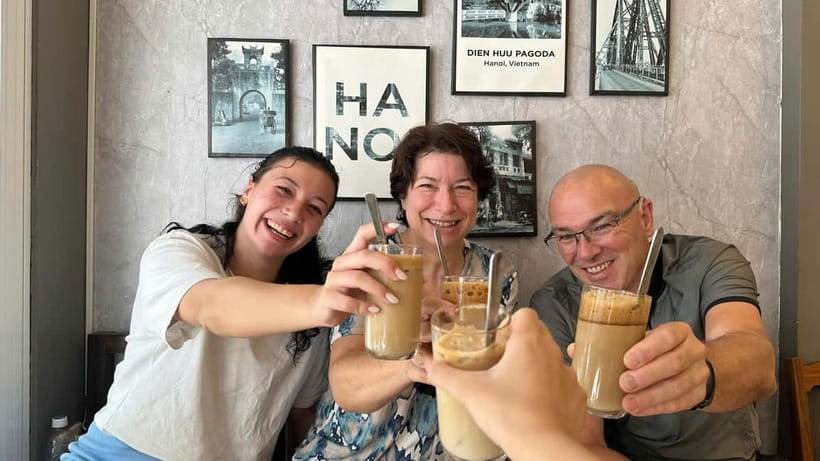
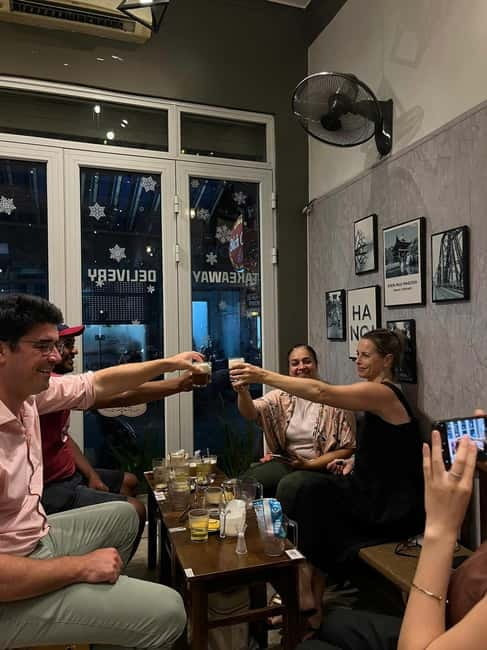
The meeting point is a cozy café in a peaceful corner of Hanoi’s Old Quarter, close to the Hanoi Opera House and the French Quarter. It is also within reach of the area around Hoàn Kiếm Lake, so you can fit the class into a morning of walking and sightseeing.
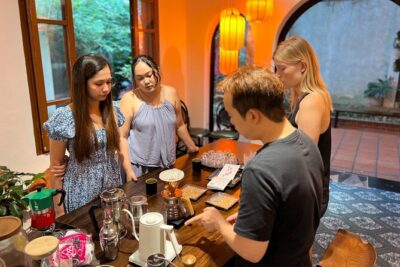
From there, the setting shifts into a lived-in local space. This matters because the workshop is not staged like a restaurant demonstration, with you sitting far away from the action. Voices and ordinary city sounds drift in from outside, while you work at a table with ceramic tools, coffee grounds, bowls, whisks, and fresh ingredients.
The atmosphere is homey rather than polished. You may notice everyday life continuing around you, which gives the class a more personal feel. Air conditioning, clean restrooms, sterilized utensils, and a dishwasher keep the practical side comfortable. There is also a pet-friendly garden space and childcare is available, though you should confirm childcare arrangements when booking.
The space is wheelchair accessible. Babies under one year old are not suitable for the activity, and the stated age limit excludes people over 95.
More Coffee Tours in Hanoi:
- Hanoi Coffee Experience: 6 Brews, 9 Recipes & 3 Liquor Tastings
★ 5.0 · 2,945 reviews - Hanoi Coffee Workshop: Taste Salt, Coconut and Egg Coffee
★ 5.0 · 1,286 reviews - Hanoi: Salt Coffee Workshop Awake Your Senses With 6 Brews
★ 5.0 · 792 reviews
Why Vietnamese coffee needs more than one recipe
Vietnamese coffee is often reduced to strong coffee with sweetened condensed milk. That is only the beginning. The workshop shows you how the same basic coffee culture can produce drinks with very different textures, temperatures, sweetness, and aromas.
The beans come from Vietnam’s Central Highlands, where coffee is grown and harvested seasonally. The coffee used here is described as specialty coffee selected through tastings in different parts of Vietnam. The point is not to turn the class into a lecture about farming, but to help you notice why one cup tastes bold and bitter while another feels smooth and dessert-like.
You will also hear about Vietnam’s robusta tradition. Robustas can give coffee a strong body and a forceful flavor, which works well with condensed milk, egg foam, coconut, and salt. The class puts that strength to work instead of treating bitterness as a fault that must be hidden.
I like this approach because you are encouraged to taste before making adjustments. You might prefer a sweeter brown coffee, a stronger black coffee, or a lighter egg topping. The guide helps you alter the drink while keeping its basic character intact.
The hands-on brewing sequence
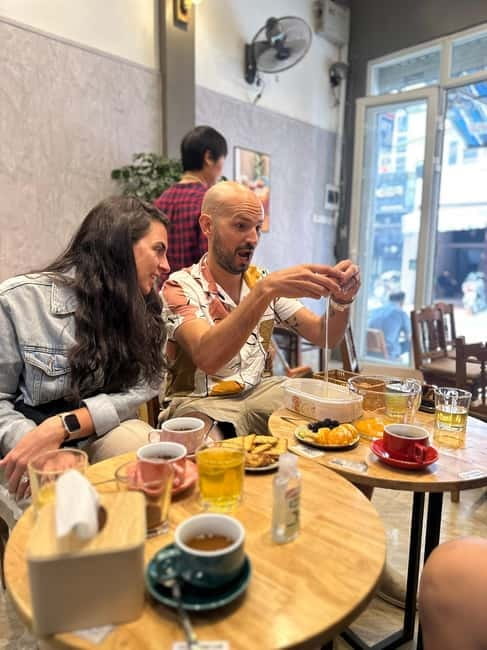
The class is built around doing, not watching. You grind or measure the coffee, prepare the filter, pour the water, and wait for the brew to pass through. The phin is small and simple, but the details matter.
You learn how the amount of coffee, water temperature, pressure from the filter, and brewing time affect the final cup. The guide explains how locals judge strength and bitterness, then gives you room to adjust your own drink. That is more useful than memorizing one recipe, especially when you return home and your coffee, water, or equipment is different.
The tools are part of the experience. Ceramic cups and brewing pieces bring in the feel of Vietnamese pottery villages, while the coffee grounds and foam give you a clear sense of texture. You are not simply handed finished drinks to sample.
The pace is usually relaxed, with time to ask questions. A group can include up to 10 people, but some time slots have only two or three participants. One booking even became a private class because no one else had reserved that time. Do not count on having the room to yourself, but the small capacity gives you a reasonable chance to receive direct help.
Six cups, six different moods
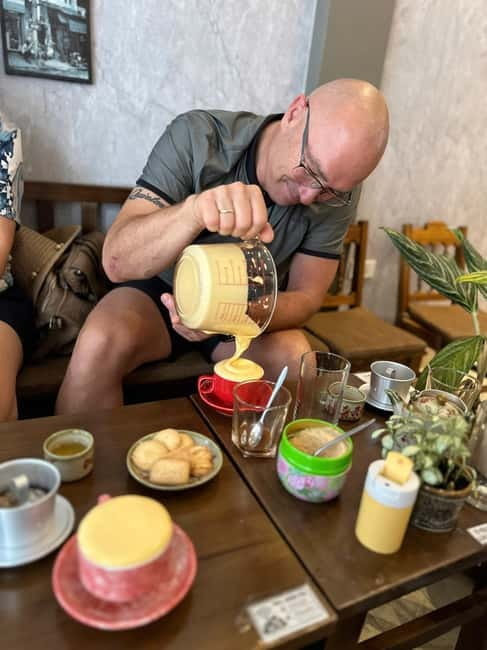
The exact number of drinks can vary between four and six, but the main styles are clearly laid out. Here is what each part adds to the class.
Still in Hanoi, but a different cup:
- Hanoi: Vietnamese Street Food Tour with Egg Coffee
★ 4.9 · 315 reviews - Hanoi Cooking Class: Pho/Bun Cha/Banh Xeo…+Free Egg/Salt Coffee
★ 5.0 · 267 reviews - Hanoi: Vietnamese Coffee Workshop with 6 Brews and 8 Recipes
★ 5.0 · 237 reviews - Ha Noi Egg Coffee Class
★ 5.0 · 227 reviews
Black coffee
This is the clearest test of the beans and the brewing method. It can be intense, especially for people used to mild coffee, but the class helps you control the strength rather than simply accepting a harsh cup.
If you do not usually drink coffee without milk or sugar, this is still worth trying first. It gives you a reference point for the other recipes and shows how sweetness changes the whole drink.
Brown coffee
Brown coffee usually pairs strong brewed coffee with sweetened condensed milk. It is familiar to many people who have ordered Vietnamese iced coffee, but making it yourself helps you understand the balance between bitterness and sweetness.
You can adjust the ratio to suit your taste. This is one of the most useful lessons for home brewing because condensed milk can quickly overwhelm the coffee if added without tasting.
Egg coffee
Egg coffee is one of Hanoi’s best-known specialties, and the workshop gives it proper attention. You learn how to whisk the egg mixture into a smooth, creamy topping and how to combine it with the coffee underneath.
The guide also explains the background of egg coffee and how it became part of Hanoi’s café culture. The texture is the main attraction: light foam on top, strong coffee below, and a dessert-like finish. It is a good choice for people who find black coffee too forceful.
White or silver coffee
The white, sometimes called silver, style adds another variation in sweetness and milk. The name and exact preparation can be less familiar than brown or egg coffee, so this part is useful for comparing the drinks side by side.
The key lesson is that small changes in milk, coffee, and sweetness can produce a different drink without requiring complicated equipment. You will also receive home-friendly substitutions where the original ingredients may be hard to find.
Coconut coffee
Coconut coffee is often the crowd favorite, and it is easy to see why. Coconut gives the coffee a smooth, cool, slightly sweet character that softens the stronger bean flavor.
You prepare the components yourself, using fresh coconut rather than an artificial premade syrup. The result is closer to a café treat than a plain morning brew. If you have already enjoyed coconut coffee in Hanoi, this is the chance to understand how the flavor and texture are built.
Salted coffee
Salted coffee may sound odd until you taste what a small amount of salt does to bitterness and sweetness. It is not meant to taste like seawater. The salt helps shape the coffee’s flavor and can make the drink feel rounder.
This is a good example of the class’s wider lesson: Vietnamese coffee recipes often rely on balance rather than one dominant ingredient. You learn to taste carefully and use small changes instead of adding more sugar or milk automatically.
The stories behind the cups
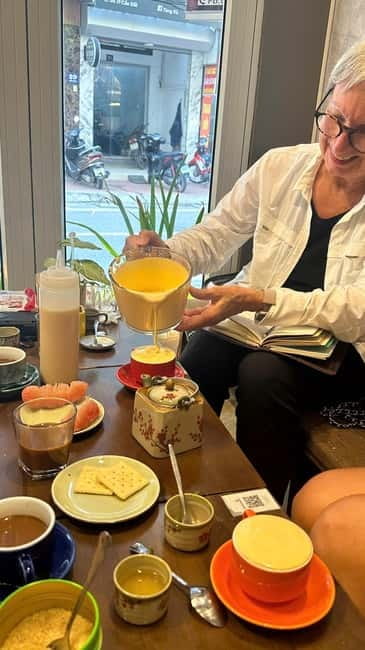
The instructors were born and raised in Hanoi’s Old Quarter and learned about coffee through family, street cafés, chefs, and years of tasting. The teaching is not limited to kitchen technique.
Jade has been praised for explaining the history of egg coffee and for giving clear, friendly guidance. Eddie is known for taking time with each step and explaining how to make all six styles. Daisy has connected the recipes with stories about Hanoi and Vietnam’s coffee past, while Tyler has led warm, culture-focused sessions.
The instructor may vary, so you should not book solely to meet one named guide. The common thread is personal teaching in English or Vietnamese, with the style depending on who leads your session.
The stories cover old cafés, morning routines, changing preferences, and the way coffee became part of everyday life in Hanoi. You may also receive a map or suggestions for local cafés, restaurants, markets, and bars. This extra advice can be especially useful early in your stay, when you are still deciding where to eat and drink.
What you take home

The most useful souvenir is not a bag of beans. It is the collection of methods. You receive full recipes and practical substitutions, so you can repeat the drinks with equipment available in your own kitchen.
Some people have also bought a phin filter after the class. That is a small, inexpensive tool compared with an espresso machine, and it lets you make Vietnamese-style coffee at home. The class explains the basics clearly enough that you should not need specialist gear.
Still, home results will vary. Vietnamese coffee beans may taste different from coffee available in your country, and fresh coconut or suitable condensed milk may not be easy to find. The value of the recipe booklet is that it helps you adapt rather than promising an exact copy of the Hanoi cup.
You also get photographs taken by the instructor during the experience. This is a nice extra, but the real benefit is having a record of the techniques and ingredient ratios.
Price, timing, and the caffeine question
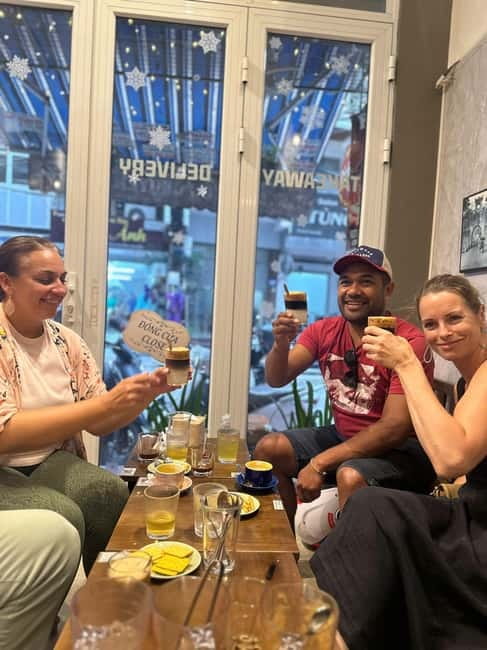
At $22 per person, the class offers good value if you would otherwise spend money trying several specialty coffees one at a time. You taste up to six styles, receive instruction, get recipes, and spend time with a local guide. A normal café visit gives you a drink; this gives you a skill and some context as well.
The stated duration is one to two hours. Plan closer to two hours if you want the full sequence, ask questions, and make six coffees. A shorter session may feel more focused, while a longer one gives you more time to adjust flavors.
I would book this early in your Hanoi stay if you want local café suggestions, or near the end if you want to understand the drinks you have already been ordering. Morning is the safest choice because the amount of coffee can add up quickly. If you are sensitive to caffeine, taste smaller portions and tell the instructor.
The booking terms are flexible: you can cancel up to 24 hours before the activity for a full refund, and you can reserve now while paying later. Starting times vary, so check availability for your dates.
Who will enjoy this most
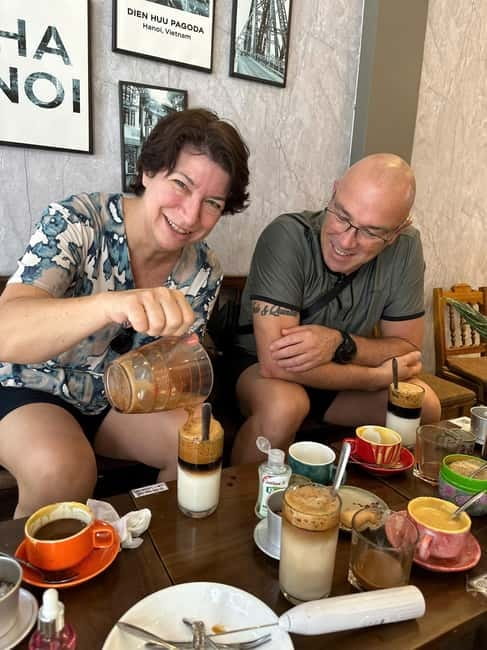
This is a strong match for coffee drinkers who want to move beyond simply ordering cà phê sữa đá. It also suits curious cooks, couples, solo visitors, and parents who want a short indoor activity near the Old Quarter.
You do not need to be an expert. In fact, beginners may gain the most because the instructor explains every step and lets you compare the results. People who dislike black coffee can still enjoy the milk, egg, coconut, and salted styles, though the class begins with the stronger flavors.
The activity also works well for a first day in Hanoi. You learn a few local habits, get food and café suggestions, and have a simple way to start conversations with other participants. The group limit of 10 keeps it from feeling like a large demonstration.
It is less suitable if you want a quiet sightseeing stop with no food or drink preparation. It is also not ideal late at night, for anyone avoiding caffeine, or for visitors looking for a formal professional barista qualification. This is a cultural cooking workshop, not an espresso certification course.
Should you book it?
I would book this workshop if you like coffee, want a practical Hanoi activity, or have been curious about egg, coconut, and salted coffee but never knew how they were made. The strongest reasons are the hands-on brewing, the fresh ingredients, and the chance to learn small adjustments that work at home.
Think twice only if you avoid caffeine or prefer large, highly structured tours. For most visitors, $22 is a fair price for several drinks, clear instruction, recipes, and a friendly introduction to Hanoi coffee life. Book a morning slot, arrive ready to taste, and leave room in your schedule for a café stop afterward.
FAQ
How many Vietnamese coffees will I make?
You will make four to six signature styles, depending on the session. The listed coffees are black, brown, egg, white or silver, coconut, and salted coffee.
How long does the coffee workshop last?
The activity lasts between one and two hours. Check the available starting times when booking.
Where is the meeting point?
You meet at a cozy local café in a peaceful corner of Hanoi’s Old Quarter, near the Hanoi Opera House and the French Quarter.
Is the activity taught in English?
Yes. The instructors teach in Vietnamese and English.
What is included in the price?
The experience includes the coffees and teas, recipes, a local instructor, photographs taken by the instructor, and use of the facilities. Fresh ingredients and brewing equipment are provided during the class.
Is the group large?
The activity is limited to 10 participants. Some time slots may have only a few people, and a slot can occasionally become private if no one else books it.
Can I cancel or pay later?
You can cancel up to 24 hours in advance for a full refund. You can also reserve your place and pay later, subject to the booking terms.
Just listed in Hanoi
- Vietnamese Coffee 101 Workshop★ 5.0 · 11 reviews
- Taste of Vietnam’s Coffee Scene – A Guided Experience★ 5.0 · 2 reviews
- Private Hà Nội Coffee History Tour★ 5.0 · 6 reviews
- Private tour: Hanoi city tour-Van Phuc silk village with egg coffee, lunch★ 5.0 · 2 reviews
- 3 Dishes cooking + Egg Coffee bonus & Local Market Tour★ 5.0 · 14 reviews
- hidden gems cafe – learn making coconut and egg coffee★ 5.0 · 2 reviews
- Hanoi Private And All Inclusive Coffee Lovers Tour in Vietnam★ 5.0 · 6 reviews
- Hanoi Coffee Culture Tour: Sip, Taste & Hear Local Stories★ 5.0 · 13 reviews
Hanoi Coffee Tours, compared.
Hanoi Coffee Experience: 6 Brews, 9 Recipes & 3 Liquor Tastings
Read our review →
Hanoi Coffee Workshop: Taste Salt, Coconut and Egg Coffee
Read our review →
Salt Coffee Workshop Awake Your Senses With 6 Brews
Read our review →
Hanoi Cooking Class: Pho/Bun Cha/Banh Xeo…+Free Egg/Salt Coffee
Read our review →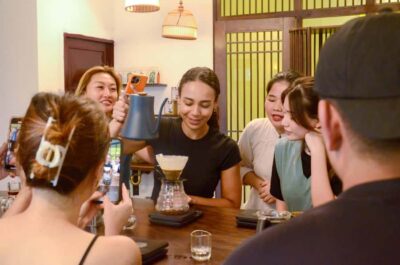
Vietnamese Coffee Workshop with 6 Brews and 8 Recipes
Read our review →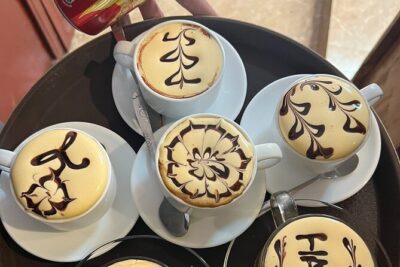

Hanoi Coffee Workshop: Master 6 Signature Vietnamese Coffee
Read our review →Lists this coffee tour turns up in