
REVIEW · HOI AN
Hoi An Coffee Making Workshop
Hoi An’s coffee culture is more than strong coffee with condensed milk. In this hands-on class, you make several drinks yourself, including the curious salt coffee and creamy Hanoi-style egg coffee. I like the practical format: you get to taste your work, not just watch someone else pour it. I also like the small maximum of 12 people and the friendly help from Hannah and Nhan, who keep the class moving.
The main drawback is that the exact fifth coffee is not clearly identified. Four drinks are named, while the inclusions mention five kinds, so ask the operator what the fifth recipe will be before booking. Also note that transport is not included, and a $9 per-person holiday surcharge applies on public holidays.
Key points to know before booking
- Four named Vietnamese coffee styles: Make black coffee, salt coffee, coconut coffee, and Hanoi egg coffee.
- A short two-hour activity: This fits neatly into an afternoon in Hoi An without taking over your day.
- Small group size: The class accepts a maximum of 12 people, which gives the session a more personal feel.
- Friendly hands-on instruction: Hannah has helped tutor the class, while Nhan has handled equipment and ingredients.
- Central practical meeting details: Meet at 16 Lưu Trọng Lư in Tân An and return to the same point.
- Good value for coffee fans: At $25 per person, the fee includes drinks, tools, bottled water, and tea or coffee.
Why Vietnamese coffee deserves a class
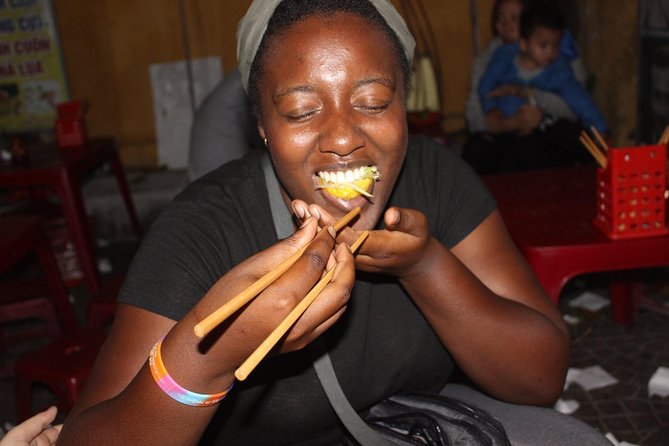
Vietnamese coffee can look simple in a cup, but the drinks in this workshop show how much variety fits under one name. You work through several preparations instead of drinking the same dark brew four times.
The class includes Vietnamese black coffee, the basic style that gives you a useful starting point. It also includes salt coffee, coconut coffee, and Hanoi egg coffee. Each one changes the balance of bitterness, sweetness, creaminess, and texture.
I like this approach because it gives you a clearer sense of what you are tasting. A café visit lets you order a drink, but making it yourself helps you remember how the ingredients work together. You can also ask questions as you go, rather than trying to guess what is in the glass.
The activity also connects coffee with local culture and Hoi An’s past. The cultural side is not described as a long formal lecture, so you should expect short explanations woven into the practical work. That suits a two-hour class. You learn enough to put the drinks in context, then get back to the coffee.
More Coffee Making Classes in Vietnam
- Hoi An: Hands-on Vietnamese Coffee Making Class with Long
★ 4.8 · 66 reviews - Hoi An: Vietnamese Coffee Making Course
★ 4.9 · 25 reviews - Coffee Class & Basket Boat Experience or Lantern Class -optional
★ 5.0 · 18 reviews
Starting at 16 Lưu Trọng Lư in Tân An
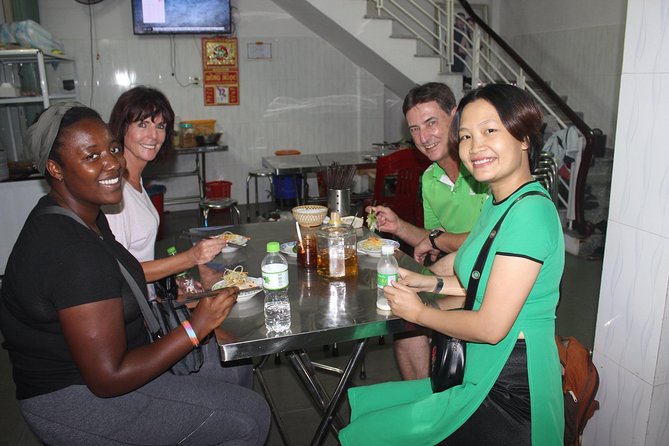
The workshop begins at 16 Lưu Trọng Lư, Tân An, Hoi An, and ends at the same meeting point. Pick-up and drop-off are not included, so you need to arrange your own way there.
The address is near public transportation, which helps if you are not staying within easy walking distance. Since the booking includes a mobile ticket and confirmation is sent at the time of booking, keep the confirmation ready when you arrive.
I would allow a little extra time to find the address, especially if you are unfamiliar with Tân An. The provided information does not include hotel collection, so do not wait for a vehicle to appear at your accommodation.
The return to the starting point is useful. You do not need to plan a second transfer after the class, and you can continue your evening from the same part of Hoi An.
Meeting the team and setting up the coffee tools
The staff provide the coffee-making equipment and ingredients, so you do not need to bring anything special. Bottled water and coffee or tea are also included.
Hannah has served as a tutor for the class, and Nhan has helped make sure the tools and ingredients are ready as you work through the recipes. That division matters in a hands-on class. You want someone explaining the process while another person keeps the practical side organized.
The small group cap of 12 is another plus. It is not a private lesson, but it is still a manageable size for asking questions and following along. You should have a better chance of seeing the preparation than you would in a large demonstration.
The atmosphere is intended to be relaxed and easy to follow. That makes the class suitable for people who love coffee, but it also works for beginners. You are not expected to arrive with barista skills.
Vietnamese black coffee gives you the starting point
The black coffee is the natural first step. It lets you taste the basic Vietnamese style before richer ingredients change the drink.
This part is useful even if you normally take milk or sugar. You get a clear idea of the coffee’s strength and bitterness, then have a reference point for the later recipes. The class is not only about sweet drinks. It shows you the base that supports them.
The benefit of making it yourself is simple: you see the tools and method used, rather than receiving a finished cup with no explanation. The supplied equipment is part of the lesson, so pay attention to the process if you want to repeat the drink at home.
More Coffee Making Classes in Hoi An:
- Hoi An Buffaloes Riding/Coracle Boat Tour/Coffee Class with Lunch
★ 4.5 · 15 reviews - Authentic Vietnamese Coffee Making Experience in Hoi An
★ 5.0 · 13 reviews - Hoi An: Hand-on Making Vietnamese Coffee Class & Culture
★ 4.7 · 9 reviews - Coffee Making and Banh Mi Class Hoi An
★ 5.0 · 5 reviews
Salt coffee is the class’s most curious stop
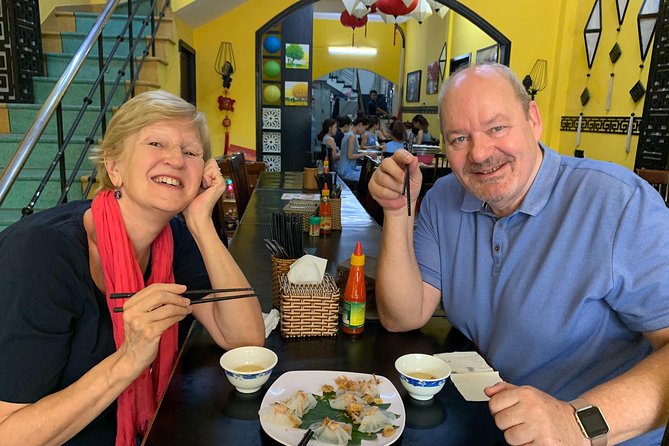
Salt coffee sounds odd until you taste the balance for yourself. The salt is not meant to turn the drink savory. Used in a small amount, it can soften bitterness and change the way the coffee tastes.
This is one of the more memorable recipes in the class because it gives you a clear example of how a tiny ingredient can shift a familiar drink. If you usually order standard coffee, this is the cup most likely to make you pause and compare.
Do not expect a long stop devoted only to salt coffee. The workshop covers several styles in about two hours, so the emphasis is on making and tasting rather than a detailed technical lesson for each drink.
Coconut coffee brings sweetness and texture
Coconut coffee offers a very different experience from the black version. The coconut adds sweetness and a thicker, more dessert-like feel, giving you another way to understand how Vietnamese coffee is served.
I like having this recipe in the lineup because it breaks up the darker, stronger flavors. It may appeal most to you if you prefer smoother or sweeter drinks, though the class lets you judge that for yourself.
The practical value is the comparison. You can move from plain coffee to a drink with a more rounded texture, then decide which style suits your taste. You do not have to rely on a menu description later because you have made and tasted it directly.
Hanoi egg coffee is the richest recipe
Egg coffee from Hanoi is the most distinctive preparation named in the class. Its creamy topping changes the drink from a straightforward coffee into something closer to a dessert.
The workshop gives you a chance to learn the basic preparation instead of simply ordering it in a café. That makes this a useful activity if you plan to explore Vietnamese coffee beyond Hoi An. You can also compare its texture with the lighter coconut drink and the stronger black coffee.
The name Hanoi egg coffee is worth noting. Hoi An is the setting, but this recipe points to a coffee tradition from northern Vietnam. That small detail adds a wider cultural angle to the workshop without requiring a separate trip north.
What does the fifth coffee mean?
The description names four recipes: Vietnamese black coffee, salt coffee, coconut coffee, and Hanoi egg coffee. The inclusions also say that five kinds of coffee are provided.
That mismatch is the one detail I would clarify before paying. The fifth drink may be part of the current class format, but no recipe is identified in the information provided. Ask the operator which five coffees are planned for your date so you know exactly what you are booking.
This is not a major concern if your main goal is a fun tasting session. Still, precise expectations matter, especially if one particular coffee is the reason you want to attend.
Is two hours the right length?
For most people, two hours is a sensible length. It is long enough to make and taste several drinks, hear some local background, and enjoy the social side without turning coffee into an all-day project.
The short format also works well if your Hoi An schedule is tight. You can fit the class into an afternoon or early evening plan. It may be a good choice after sightseeing, when you want something active but not physically demanding.
The tradeoff is depth. You should not expect a professional barista qualification or a long lesson on bean sourcing, roasting, or café business. The value is in tasting several styles and learning their basic preparation.
Who will get the most from this workshop?
I would recommend it first to coffee drinkers who want more than another café stop. You get to compare several Vietnamese styles and take part in the preparation.
It also suits friends or couples looking for a light activity. The class is social, and the friendly staff help keep it comfortable for people who may not know one another.
Families and mixed-interest groups may also find it useful, but the provided information does not specify a minimum age or child policy. Ask before booking if those details matter to you.
This is less suitable if you want a serious coffee-training course, a private class, or hotel transport. It is also not the best fit if you dislike sweet, creamy drinks, since several of the named styles use those qualities as part of their appeal.
Does $25 offer good value?
At $25 per person, the price is fair for a two-hour, small-group activity that includes the drinks, coffee-making tools, bottled water, and coffee or tea. You are paying for both the ingredients and the instruction, not just for four café servings.
The small group limit improves the value. With no more than 12 people, the session should feel less like a large demonstration and more like a guided workshop. The staff also supply the equipment, which saves you from having to buy or carry anything for the class.
The value is weaker if you are only looking for cheap coffee. You could likely spend less at a café, but you would miss the preparation, cultural explanations, and chance to make the drinks yourself.
Watch for the public holiday surcharge. An extra $9 per person applies on those dates and is paid on site. That raises the cost enough to factor into your comparison with other Hoi An activities.
Practical details that affect your decision
Tell the operator about dietary requirements when you book. The information does not specify which substitutions are available, so do not assume every recipe can be adapted.
The experience needs good weather and also requires a minimum number of people. If poor weather or low enrollment cancels the session, you will be offered another date or experience, or a full refund.
You can cancel for a full refund up to 24 hours before the start time. Cancellations or changes made within 24 hours are not accepted for a refund. The cut-off follows Hoi An local time.
The activity has a maximum of 12 people, uses mobile tickets, and returns to the original meeting point. Those details make the class simple to fit into your day, provided you handle your own transport.
Should you book the Hoi An Coffee Making Workshop?
Book it if you enjoy coffee, want a hands-on cultural activity, and have two hours free in Hoi An. The strongest reasons are the easy format, the small group limit, the friendly staff, and the chance to compare salt, coconut, egg, and black coffee in one sitting.
I would be more cautious if the fifth coffee is important to you. Confirm that recipe before booking, and check the public holiday surcharge when comparing prices.
For most coffee fans, this is a good-value, low-pressure class. It gives you something to do with your hands, several flavors to compare, and a better sense of why Vietnamese coffee is so varied.
FAQ
How long does the Hoi An Coffee Making Workshop last?
The workshop lasts approximately two hours.
Where does the coffee class begin and end?
It begins at 16 Lưu Trọng Lư, Tân An, Hoi An, Quảng Nam, Vietnam, and ends back at the same meeting point.
Which coffees will I make?
The named coffees are Vietnamese black coffee, salt coffee, coconut coffee, and Hanoi egg coffee. The inclusions also mention five kinds of coffee, but the fifth recipe is not identified.
Is transportation included?
No. Pick-up and drop-off are not included. The meeting point is near public transportation.
How many people can join the workshop?
The activity accepts a maximum of 12 travelers.
Can I cancel for a full refund?
Yes. You can cancel at least 24 hours before the experience start time for a full refund. Cancellations within 24 hours are not refunded.
Just listed in Hoi An
- Vietnamese Coffee Making Class in Hoi An★ 5.0 · 4 reviews
- Hoi An Vietnamese Coffee Workshop: Hands-On Brewing Class★ 5.0 · 3 reviews
- Authentic Vietnamese Coffee Making Experience in Hoi An★ 5.0 · 13 reviews
- Vietnamese Egg Coffee Making Course in Hoi An★ 3.5 · 2 reviews
- Hoi An Coffee Tasting And Old Town Discovering Tour★ 5.0 · 4 reviews
- Coffee Making and Banh Mi Class Hoi An★ 5.0 · 5 reviews
- Experience Making & Tasting Vietnamese Coffee in Hoi An★ 5.0 · 2 reviews
- Farming- Market- Coffee- Cooking (JHA1)★ 5.0 · 9 reviews
Coffee Making Classes, compared.
Turkish Coffee Making and Fortune Telling Workshop
Read our review →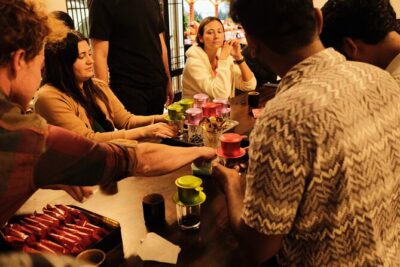
Hanoi Coffee Workshop: Taste Salt, Coconut and Egg Coffee
Read our review →
Salt Coffee Workshop Awake Your Senses With 6 Brews
Read our review →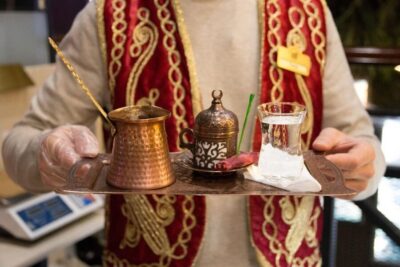

Turkish Coffee Making and Fortune Telling Workshop
Read our review →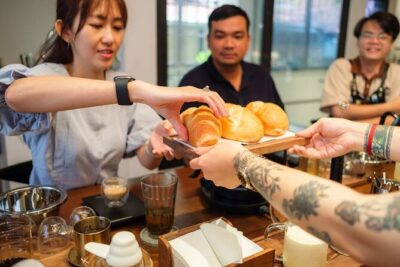
Fun & Easy Vietnamese Coffee Workshop in Hồ Chí Minh City
Read our review →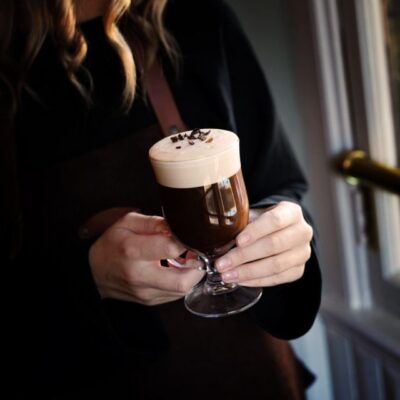
Irish Coffee Masterclass at the Irish Whiskey Museum
Read our review →Lists this coffee tour turns up in