
REVIEW · DA NANG
Da Nang Coffee Making and Vietnamese Home Cooking Class
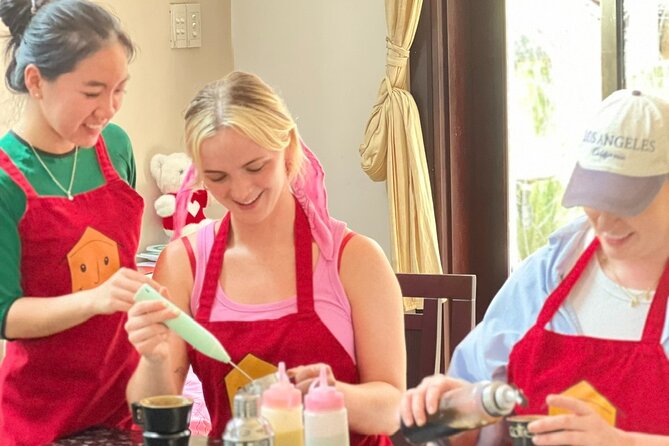
Vietnamese coffee is more than a strong drink at the end of a meal. Here, it is the opening act. You learn to make four types of coffee, hear about Vietnam’s coffee culture, then move into a hands-on cooking class with local hosts. The food and coffee are not just served to you. You make them yourself, then sit down for a family-style meal.
I like the small-group limit of 12, which should leave room for questions and help the class feel personal. I also like the mix of cooking and coffee, since it gives you two useful windows into everyday life in Da Nang. The main thing to consider is that pickup and drop-off are not included, so you must make your own way to 14 An Trung Đông 6 in Sơn Trà.
Key points to know before booking
- Four Vietnamese coffee styles: The coffee session covers preparation, local coffee history, and different types of Vietnamese coffee.
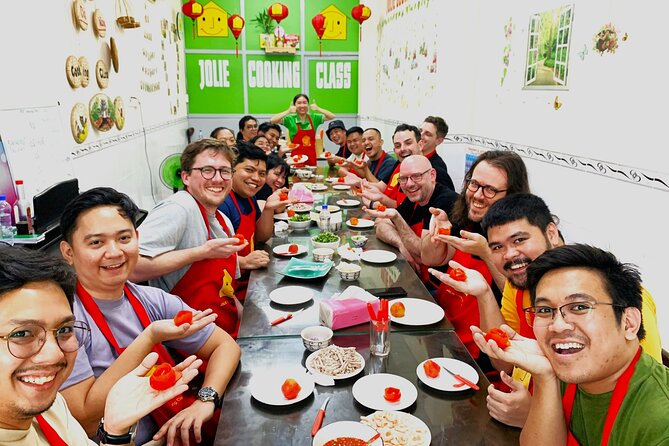
- A meal you help prepare: You cook several home-style dishes step by step, then eat what you have made.
- Friendly English-speaking hosts: Rosie and Nhan have led the coffee class in clear English, and Hanna is one of the named cooking teachers.
- Family-style setting: The experience is designed around conversation, shared cooking, and a meal together rather than a formal demonstration.
- Four hours at one location: You begin and finish at 14 An Trung Đông 6, with no transport included.
- Good value at $60: The fee covers ingredients, equipment, coffee, the meal, and the small-group class.
Vietnamese coffee comes first
The coffee portion gives this class its clearest point of difference. Many cooking classes begin with a market visit or a standard kitchen lesson. This one starts with the drink you are likely to encounter all over Vietnam, from a tiny street stall to a hotel breakfast counter.
You will make four types of coffee. The exact names and recipes are not specified, so I would not book this expecting a fixed list of drinks. What is clear is that the session explains different kinds of Vietnamese coffee and gives you enough hands-on practice to prepare them yourself.
That practical approach matters. You are not only watching a host pour coffee through a filter. You are taking part in the process and learning how Vietnamese coffee differs from the coffee routine you may know at home. One coffee class participant who did not normally drink coffee still came away able to make and enjoy it, which tells you the session is not aimed only at serious coffee fans.
Rosie is named as an excellent host for the coffee activity. She has been described as friendly, patient, and easy to understand in English. Nhan also helps with the session, and the pair are known for keeping the mood light while explaining the coffee clearly.
The hosts also discuss the history of coffee in Vietnam. That context gives the tasting more meaning. You can connect what is in your cup with a broader part of Vietnamese daily life, rather than treating the coffee as a quick novelty.
More Coffee Making Classes in Vietnam
- Hanoi Coffee Workshop: Taste Salt, Coconut and Egg Coffee
★ 5.0 · 1,286 reviews - Hanoi: Salt Coffee Workshop Awake Your Senses With 6 Brews
★ 5.0 · 792 reviews - Da Nang Coffee Making Workshop
★ 4.9 · 543 reviews
From coffee table to home kitchen
After coffee, the class moves into Vietnamese home cooking. You prepare several recipes with your local host, following each stage as the dish comes together. The supplied details do not name the dishes, so you should expect a selection of home-style Vietnamese food rather than a promised menu of specific specialties.
That is a small limitation if you need to plan around a favorite dish or a dietary requirement. You may want to ask the provider about the menu before booking if ingredients are important to you. Still, the open menu description fits the home-cooking idea. The focus is on familiar food and shared preparation, not on a restaurant-style tasting menu.
I like the fact that the class is built around doing. You work with the ingredients and equipment provided, rather than sitting through a long demonstration. The step-by-step format should suit you if you want to learn a few useful methods and understand how a Vietnamese meal comes together.
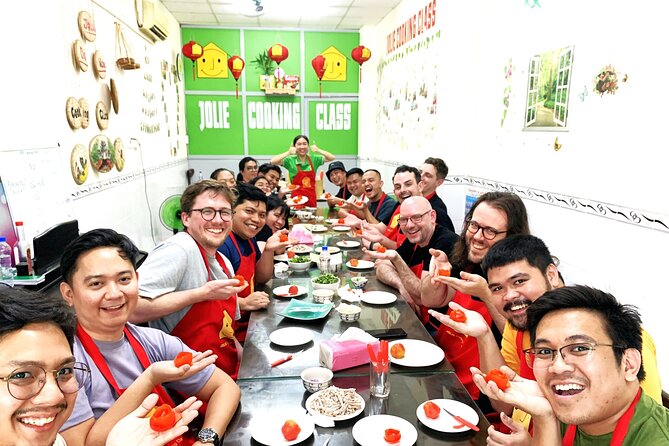
The setting is meant to feel welcoming and family-style. That can make the experience more relaxed than a polished culinary school. It also means the pace may depend on the group and the host. With a maximum of 12 people, the class is small enough for interaction, but it is not a private lesson.
Hanna is one of the cooking teachers named in the feedback. She is described as kind and pleasant, and the cooking sessions are presented as social as well as practical. If you enjoy chatting while chopping and preparing food, this format should suit you well.
Eating what you made together
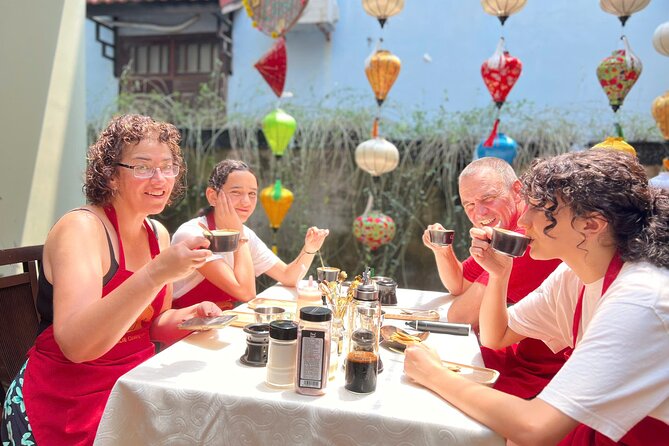
The final part is the reward for the work in the kitchen. You sit down and enjoy the meal you have prepared, along with the coffee from the first part of the class.
This shared meal is important because it turns a cooking lesson into a social experience. You get time to taste the results, compare notes, and talk with the hosts and the rest of the group. The meal is included in the price, so there is no separate restaurant bill waiting at the end.
The food is repeatedly described as delicious and traditional, while the hosts are praised for being friendly. I would treat that as a sign that the meal is a strong part of the experience, though the lack of a published menu means you should keep your expectations flexible.
You also avoid one common problem with short cooking classes: finishing just as the food is ready. Here, eating the meal is part of the planned experience. That gives you time to enjoy what you made instead of rushing off with a recipe card and an empty stomach.
Why the coffee and cooking combination works
At $60 per person, this is not the cheapest way to eat in Da Nang. You can find a very inexpensive meal and coffee elsewhere. The value comes from the time and participation: about four hours, four coffee preparations, several cooked dishes, ingredients, kitchen equipment, instruction, and a shared meal.
I see the price as reasonable if you want a structured cultural activity rather than a simple lunch. You are paying for access to a local host, a supplied kitchen setup, guided preparation, and conversation. You also receive a skill you can try again at home, especially with the coffee.
The value is less clear if you only want to sample Vietnamese food or if you already have a full cooking schedule in Da Nang. This is an active class, not a passive tasting. You need to give it a good part of an afternoon and take part in the preparation.
The coffee focus helps justify the cost. A standard cooking class may teach you food but leave out one of Vietnam’s most recognizable daily rituals. This experience gives coffee its own dedicated session, with four styles and an explanation of local coffee culture.
Still in Vietnam, but a different cup:
- Hanoi Coffee Experience: 6 Brews, 9 Recipes & 3 Liquor Tastings
★ 5.0 · 2,945 reviews - Hanoi: Master the Art of 4-6 Signature Vietnameses Coffees
★ 5.0 · 517 reviews - Egg coffee & Course on 4 traditional types of Viet coffee
★ 4.9 · 487 reviews - Hanoi: Vietnamese Street Food Tour with Egg Coffee
★ 4.9 · 315 reviews
The four-hour plan and meeting point
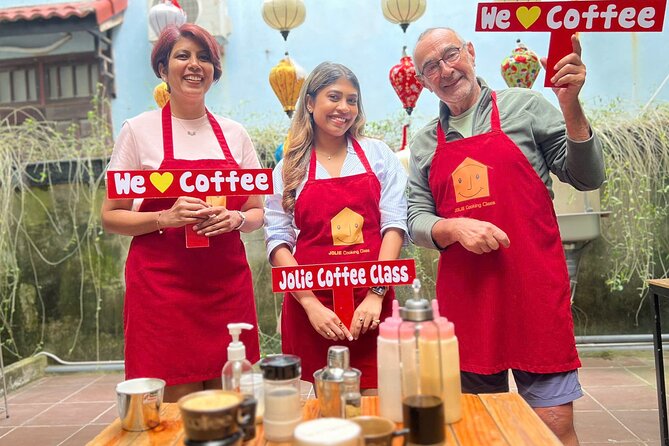
The experience starts and ends at 14 An Trung Đông 6, An Hải Bắc, Sơn Trà, Da Nang 55000. Since pickup and drop-off are not included, you need to arrange your own transport to the starting point.
The meeting point is near public transportation, which helps if you are staying in Da Nang without a private vehicle. The activity does not move between several stops, so once you arrive, you can settle into the class rather than keep checking directions.
The duration is approximately four hours. That is long enough for coffee, cooking, and a meal, but short enough to fit into an afternoon or evening plan. Check the start time carefully when you book, since the supplied details do not state a universal departure time.
A mobile ticket is provided. Confirmation arrives at the time of booking, so keep the booking details available on your phone when you make your way to the address.
The group maximum is 12 people. That number is worth noting. It is not a one-on-one lesson, but it should be more manageable than a large workshop. If you want the most personal interaction, book for a date when the class is unlikely to be full, though availability is not guaranteed.
What the hosts add to the experience
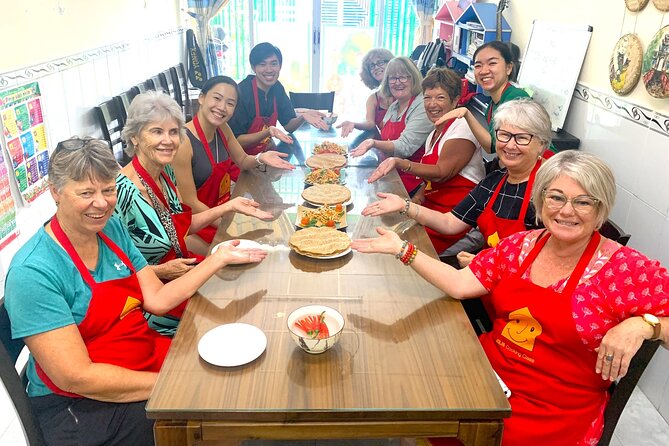
The tone of the class depends heavily on the people leading it. Here, several hosts are named in connection with different parts of the experience.
Rosie is associated with the coffee class and is described as fun, friendly, patient, and strong in English. Those traits matter when you are learning a process with several steps. Clear explanations can make the difference between enjoying the coffee and simply copying movements without understanding them.
Nhan also helps with the coffee session. Together, Rosie and Nhan are described as keeping conversation going and avoiding long stretches of waiting. That is useful in a class where some preparation steps may take time.
Hanna is named as a cooking teacher. She is described as kind and welcoming, and the cooking side of the experience is built around a warm family setting.
You should not assume that every named host will lead every scheduled class. Staff assignments can change. Still, the names provide a sense of the people behind the activity and suggest that English conversation is part of the experience.
The strongest theme is hospitality. The hosts are not presented as distant instructors. They cook with you, explain the food and coffee, and share the final meal. If you value personal contact more than a polished cooking-school format, that is a real benefit.
Who will enjoy this class most

This experience is a good match for you if food is one of the main reasons you visit Vietnam. It gives you something to taste, something to make, and something to talk about.
It also suits coffee drinkers who want to understand Vietnamese preparation. The four-coffee format gives the coffee portion enough time to feel like a real class rather than a quick introduction.
You do not need to be an experienced cook. The activity is designed as a hands-on class with hosts guiding you through the recipes. One especially useful detail is that even someone who did not normally drink coffee enjoyed learning how to prepare it. That suggests the coffee session can work for beginners and curious non-specialists.
Couples, friends, and solo visitors can all fit the format. The small group and shared meal create natural chances to meet people, while the local hosts provide the main cultural connection.
Families with older children might also find it appealing, although the supplied details do not state a minimum age or child policy. If you are booking with children, confirm that point first.
Who may want to choose something else
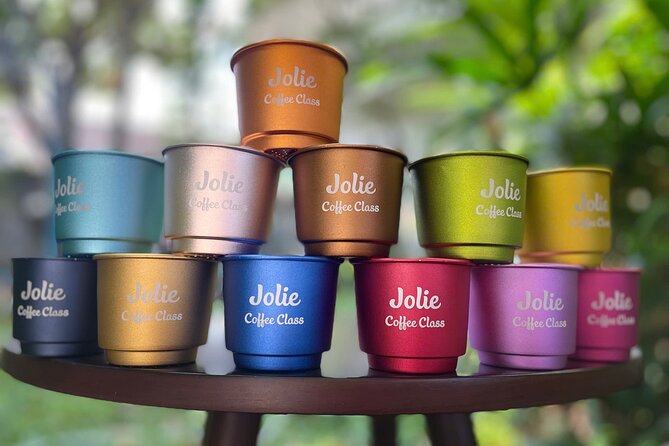
I would pause before booking if you need a specific menu. The dishes are described as authentic and home-style, but no recipes or ingredients are listed in advance. Ask about food restrictions before paying if you have allergies, follow a special diet, or avoid particular ingredients.
I would also look elsewhere if you want transport from your hotel. The class has one fixed meeting point and does not include pickup or drop-off. That is simple once you know where to go, but it adds planning to your afternoon.
This may not be ideal if you prefer to watch a chef rather than cook. The whole point is participation. You will be involved with the coffee and food, so expect to spend the class preparing rather than simply taking photographs.
Finally, it is not a private class. The maximum of 12 keeps the group moderate, but you will share the kitchen and meal with other people.
Booking, cancellation, and practical details
The experience offers free cancellation if you cancel at least 24 hours before the start time. Cancel inside that 24-hour window and the amount paid is not refunded. Changes made less than 24 hours before the start time are also not accepted.
The cutoff uses Da Nang local time, so check the clock carefully if you are booking from another country. Confirmation is provided at booking, and the activity ends back at the same meeting point.
All ingredients and cooking equipment are included. Coffee and the meal you prepare are also covered. You do not need to budget for a separate tasting afterward, although you will need to handle your own transport to and from Sơn Trà.
Should you book the Da Nang coffee and cooking class?
I would book this if you want more than a meal and like the idea of learning through your hands. The combination of four Vietnamese coffees, home-style recipes, a shared meal, and a small group gives the afternoon a clear purpose.
The best reason to choose it is the balance between coffee culture and cooking. Rosie and Nhan bring a strong coffee focus, while Hanna is associated with the friendly cooking side. The hosts appear to make conversation part of the activity, not an afterthought.
I would skip it if you need a fixed menu, hotel transport, or a private kitchen. For everyone else, $60 is a fair price for four hours of instruction, ingredients, equipment, coffee, food, and local company. Meet at the Sơn Trà address, bring an appetite, and expect to take part from the first coffee filter to the last bite.
FAQ
Where does the Da Nang coffee and cooking class start?
It starts at 14 An Trung Đông 6, An Hải Bắc, Sơn Trà, Da Nang 55000, Vietnam.
Where does the activity finish?
The class finishes back at the same meeting point.
Is hotel pickup or drop-off included?
No. Pickup and drop-off are not included, so you must arrange your own transport.
How long does the experience last?
The activity lasts approximately four hours.
How many people can join the class?
The experience has a maximum of 12 people.
What happens during the class?
You make Vietnamese coffee, including four coffee types, then prepare several home-style Vietnamese dishes with the host. You finish by enjoying the coffee and meal you made together.
More Cooking Classes in Vietnam
- Da Nang Cooking Class with Coffee Tasting and Market Visit
★ 5.0 · 310 reviews - Hanoi Cooking Class: Pho/Bun Cha/Banh Xeo…+Free Egg/Salt Coffee
★ 5.0 · 267 reviews - Vietnamese Bread & Brew: Banh Mi Baking Class & Specialty Coffee
★ 5.0 · 76 reviews - 1 hour Egg Coffee Cooking Class with Snack and Local Instructor
★ 5.0 · 72 reviews
Just listed in Vietnam
- Half Day Tour Van Phuc Silk Village and Train Street Coffee★ 5.0 · 3 reviews
- Private Hanoi City Tour with Transfer, Lunch and Egg Coffee★ 4.5 · 5 reviews
- Hanoi Coffee Classes★ 5.0 · 2 reviews
- VIP Dalat 3 waterfalls – Datanla, Elephant Pongour & Coffee Tour★ 5.0 · 8 reviews
- Da Nang Coffee Making and Banh Mi Class★ 5.0 · 11 reviews
- Coffee – Wine – Tea: Dalat Treasures tour★ 3.5 · 5 reviews
- [Free E-sim] Da Nang Coastal Charm Half Day Cafe Tour★ 5.0 · 11 reviews
- Experience Making specialty coffee in Da Lat City★ 5.0 · 3 reviews
Coffee Making Classes, compared.
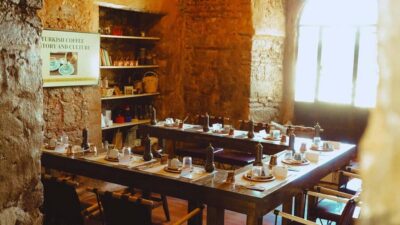
Turkish Coffee Making and Fortune Telling Workshop
Read our review →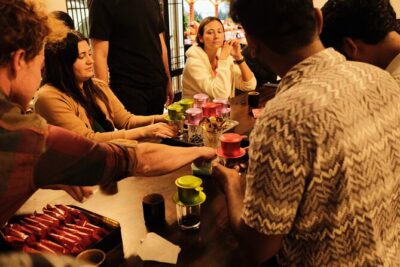
Hanoi Coffee Workshop: Taste Salt, Coconut and Egg Coffee
Read our review →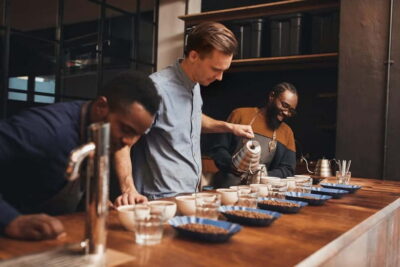
Salt Coffee Workshop Awake Your Senses With 6 Brews
Read our review →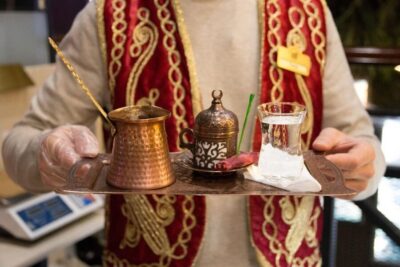

Turkish Coffee Making and Fortune Telling Workshop
Read our review →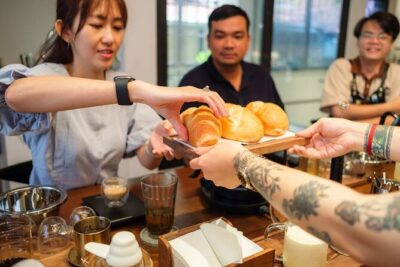
Fun & Easy Vietnamese Coffee Workshop in Hồ Chí Minh City
Read our review →
Irish Coffee Masterclass at the Irish Whiskey Museum
Read our review →Lists this coffee tour turns up in