
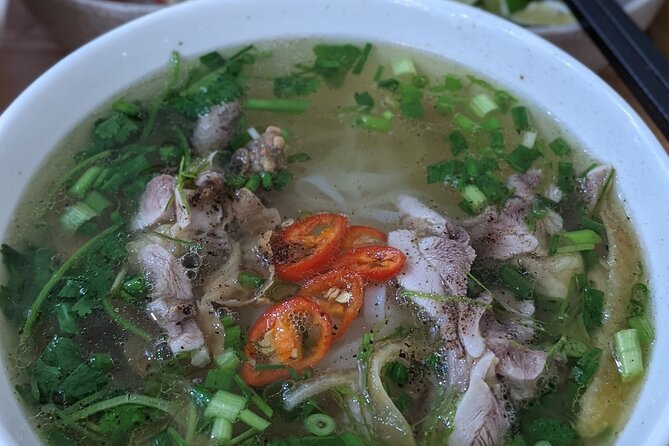
REVIEW · DA NANG
Coffee Making and Cooking Class
The best part of this Da Nang class is the switch from cooking lunch to making coffee. You prepare four Vietnamese dishes at your own station, then learn why the slow-dripped phin filter is central to local coffee culture. It is a useful, hands-on way to spend a rainy morning or afternoon.
I like the practical format and the low price. For $17, you get cooking instruction, a meal, four coffee styles, tea, and an English-speaking guide. I also like that the hosts can work with food allergies or preferences if you contact them in advance.
The main point to check is transportation. One part of the information says hotel pickup and drop-off are included, while another says they are not, and the stated meeting point is the cooking school at 146 Đ. Đoàn Khuê. Confirm this before you pay, especially if you are counting on a hotel transfer.
Key points at a glance
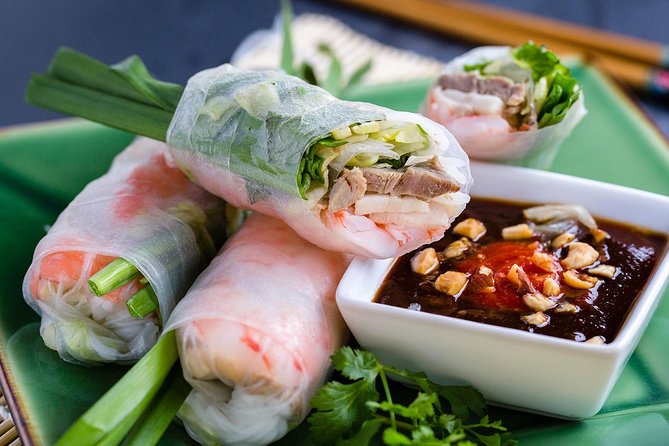
- Four dishes, not just a demonstration: You prepare and eat four Vietnamese recipes, with young papaya salad, chicken with fish sauce, and deep-fried spring rolls among the examples.
- Four coffee styles after lunch: Learn to make egg coffee, salt coffee, coconut coffee, and traditional phin coffee.
- Personal cooking station: The instructor guides you through each recipe step by step instead of leaving you to watch from the side.
- Small enough to ask questions: The maximum group size is 13 people, which should allow for direct help during the cooking.
- Good value at $17: The fee covers the class, tea, coffee making, instruction, and the meal, but you should clarify the conflicting pickup information.
Why this class is more than a meal in Da Nang
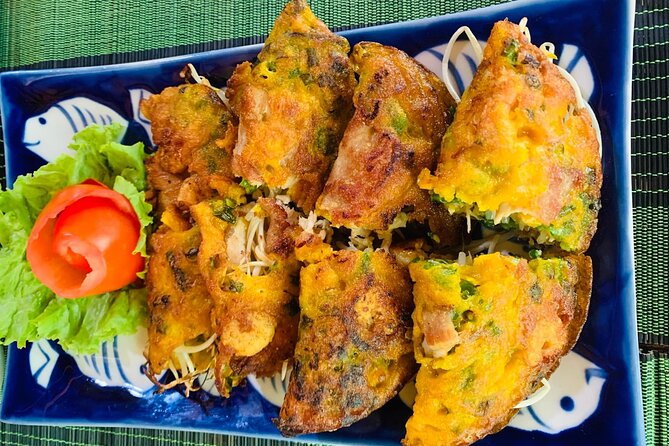
Vietnamese food can look simple on the plate, but its flavor often depends on small choices: how you balance fish sauce, when you add herbs, how finely you cut vegetables, and how you handle heat. This class gives you a chance to practice those choices rather than simply eating the finished dish.
You work at your own cooking station while an instructor explains each recipe. The format matters. If you only watch a chef, you may remember the taste but forget the method. Here, you chop, mix, cook, and assemble the food yourself, with guidance when you need it.
The class uses seasonal ingredients, so the exact dishes may vary. The examples include young papaya salad, chicken with fish sauce, and deep-fried spring rolls. You should expect four classic Vietnamese dishes in total, but do not assume that every named example will appear on your particular date.
After preparing the food, you eat your own lunch. That gives the class a natural rhythm: instruction first, cooking next, and a meal at the end. You also receive recipes and techniques, so the experience has value after you leave Vietnam.
More Coffee Making Classes in Vietnam
- Hanoi Coffee Workshop: Taste Salt, Coconut and Egg Coffee
★ 5.0 · 1,286 reviews - Hanoi: Salt Coffee Workshop Awake Your Senses With 6 Brews
★ 5.0 · 792 reviews - Da Nang Coffee Making Workshop
★ 4.9 · 543 reviews
What happens at the cooking station
The cooking portion is fully hands-on. You begin with a demonstration and tasting samples, then repeat the methods at your own station. This is helpful if you have never worked with Vietnamese ingredients or are unsure how strong the flavors should be.
The instructor takes you through the recipes one step at a time. That should make the class manageable for beginners, though you still need to take part. This is not a passive food tour where someone else does all the work.
A salad such as young papaya salad gives you a feel for fresh Vietnamese flavors and texture. Chicken with fish sauce shows how a familiar ingredient takes on a distinctly local character. Spring rolls add a different skill, since shaping and deep-frying require more care than mixing a salad.
The class is also suitable for families. One account of the experience specifically notes that the staff were cheerful and helpful with children, and that a teenage participant enjoyed having an English-language experience. If you are booking for a family, tell the hosts about ages and food needs in advance rather than waiting until class begins.
The lunch is part of the lesson
Eating the food you made is not an afterthought. It lets you judge the balance of the finished dishes and gives you a chance to ask about substitutions, sauces, or cooking steps while the instructions are still fresh.
The food receives especially strong praise, and that matches the structure of the class. You are not tasting one token dish after a long demonstration. You prepare four dishes, then sit down to eat the results.
Still, keep your expectations practical. The menu is seasonal, and the class costs only $17. It is best viewed as a friendly home-style lesson with a substantial meal, not as a polished restaurant tasting menu.
If you have allergies or food preferences, email the provider before the class. The hosts say they can discuss substitute dishes or ingredients, but you need confirmation first. Do not rely on being able to make a last-minute change at the cooking station.
Four Vietnamese coffees, one useful filter
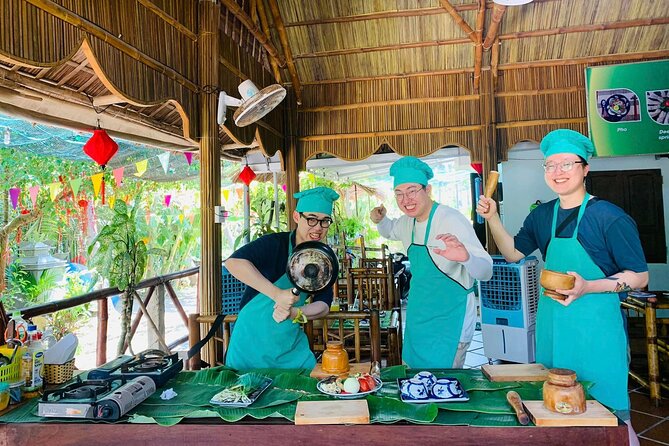
The coffee session follows lunch and makes this experience different from a standard cooking class. You learn four drinks: egg coffee, salt coffee, coconut coffee, and phin coffee.
The phin is the traditional Vietnamese metal filter placed over a cup. Coffee drips through slowly, which creates a calmer ritual than pressing a button on a machine. You learn how to brew it in the traditional way, along with the role coffee has played in different parts of Vietnam.
Egg coffee is the most unusual drink for many first-time visitors. Salt coffee offers a sweet and savory contrast, while coconut coffee brings a cooler, softer style to the menu. The class also covers plain phin coffee, giving you a useful base for comparing the other versions.
This section is especially worthwhile if you already like Vietnamese coffee. You leave with more than a caffeine break. You learn several recipes that you can try at home, provided you can find suitable coffee and ingredients.
The coffee lesson also gives the day a good change of pace. Cooking involves cutting, mixing, and heat. Coffee making is slower and more precise. If you are choosing between the full class and a shorter option, this is the part you may miss by selecting cooking only.
Still in Vietnam, but a different cup:
- Hanoi Coffee Experience: 6 Brews, 9 Recipes & 3 Liquor Tastings
★ 5.0 · 2,945 reviews - Hanoi: Master the Art of 4-6 Signature Vietnameses Coffees
★ 5.0 · 517 reviews - Egg coffee & Course on 4 traditional types of Viet coffee
★ 4.9 · 487 reviews - Hanoi: Vietnamese Street Food Tour with Egg Coffee
★ 4.9 · 315 reviews
A good rainy-day plan
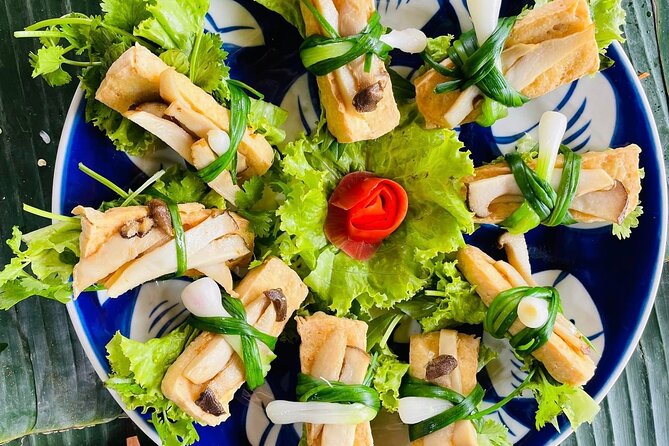
Da Nang is easy to enjoy outdoors, but bad weather can disrupt beach time and sightseeing. This class gives you a four-and-a-half-hour indoor plan with food, coffee, and direct instruction.
I would consider it a strong choice for a rainy day because the activity does not depend on views, walking routes, or outdoor conditions. You can spend the time learning something useful and leave with recipes instead of simply waiting for the weather to improve.
The full experience lasts about 4 hours and 30 minutes, so allow a large part of your day. That length suits you if you like a relaxed class with both cooking and coffee. It may feel too long if you only want a quick recipe demonstration.
A shorter choice is available if time is tight. You can select the cooking class only or the coffee making class only. The supplied details do not give separate durations or prices, so ask for those before changing your booking.
The $17 price and what it covers
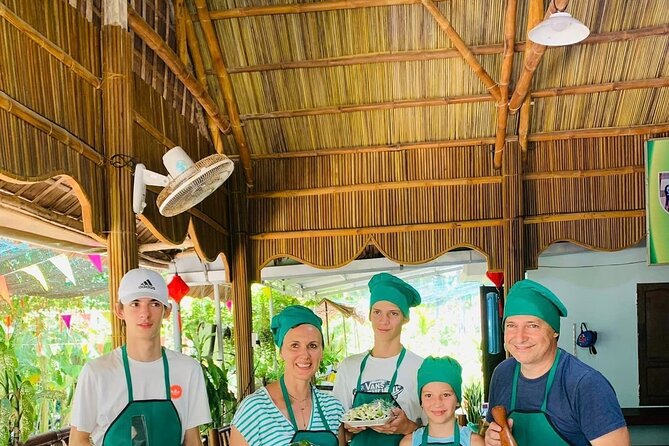
At $17 per person, this is inexpensive for an experience that combines a meal and two types of instruction. The fee includes a welcome tea, cooking class, an instructor, an English-speaking guide, and the making of four coffee drinks.
The value is strongest for anyone who wants to learn. If you only want to eat Vietnamese food, a meal elsewhere may be faster. If you want recipes, cooking practice, and coffee skills you can repeat at home, the class offers much more for the same general cost as a casual meal.
The price also works well for families and small groups, though tips are not included. Bring a little extra if you want to thank the instructor or kitchen staff.
One unusual issue needs attention: the information gives two different answers about transport. The overview says hotel pickup and drop-off are included, but the inclusions section says pickup and drop-off are not included. The meeting details list the start at Da Nang Home Cooking Class, 146 Đ. Đoàn Khuê, Khuê Mỹ, Ngũ Hành Sơn, Da Nang, and say the activity ends back there.
Until the provider confirms your arrangement, plan as if you must reach the meeting point yourself. If pickup matters, send a message before booking or immediately after booking and get a clear answer in writing.
Group size, language, and the feel of the class
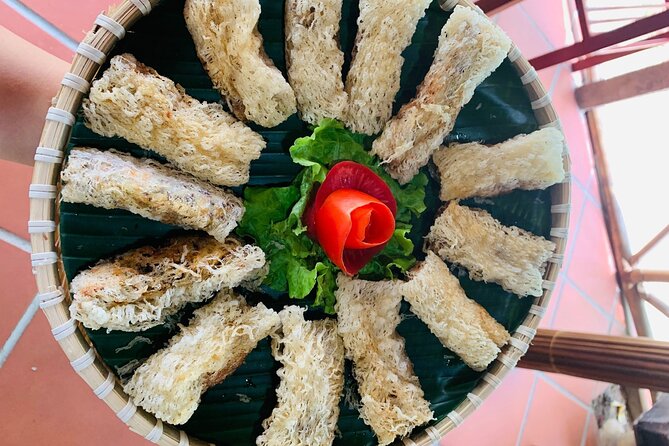
The maximum group size is 13 people. That is not a private lesson, but it is small enough that the instructor should be able to move between stations and answer questions.
An English-speaking instructor and guide are included. One host named Jane is associated with the experience, so you may meet her depending on the session. The class has also worked well for families, including children and a teenager using English in a real setting.
The tone appears friendly and informal rather than formal or culinary-school serious. That is a plus if you want to learn without pressure. It also means the class may not suit you if you expect advanced professional techniques or a highly structured restaurant kitchen.
The coffee section includes a history lesson about coffee in Vietnam. That context helps explain why the phin filter remains so important and why the country has developed such a wide range of coffee drinks.
Practical booking advice
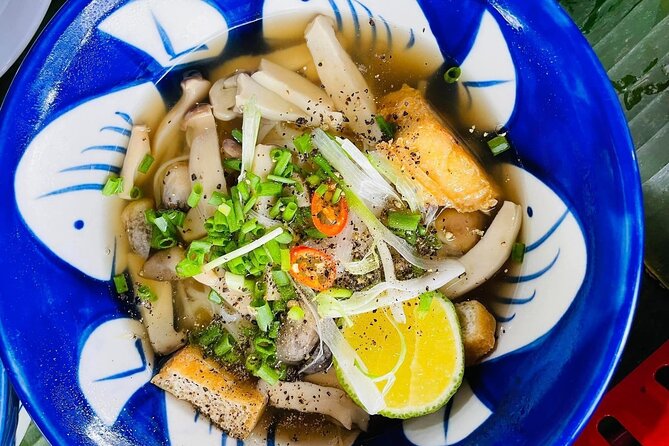
The class accepts mobile tickets, and confirmation is provided when you book. The experience ends at the meeting point, according to the meeting information.
Plan your day around the full 4 hours and 30 minutes. If you have an afternoon flight, a fixed tour, or a long transfer, the class may be too close for comfort. The separate cooking-only or coffee-only options may be a better fit, but confirm their exact schedule.
Send food allergies and preferences in advance by email. The family running the class says it can suggest substitute dishes or ingredients, but the change needs to be arranged before the session.
Cancellation is free up to 24 hours before the start time. Within 24 hours, you receive no refund, and changes made inside that period are not accepted. The cutoff follows local Da Nang time.
Who should book this experience
I would book this class if you want to do more than photograph Vietnamese food. It suits curious eaters, first-time visitors who want a local-style lesson, coffee fans, families, and anyone looking for a solid indoor activity.
It is also a good match for you if you want recipes that can travel home. The four coffee styles make it more distinctive than a basic spring-roll class, and the modest price keeps the risk low.
I would think twice if you dislike group instruction, have a very strict diet that requires exact control, or only have an hour or two free. The class is hands-on, but it is still a group experience with a changing seasonal menu.
Should you book the Da Nang cooking and coffee class?
Yes, if you want an affordable, practical introduction to Vietnamese food and coffee. The strongest reasons are the four dishes, the personal cooking station, the four coffee styles, and the chance to take recipes home.
Before booking, settle the pickup question. The conflicting transport details are the one real weakness in the information provided. Once that is clear, the class offers unusually good value at $17 and makes an especially sensible plan for a rainy day in Da Nang.
FAQ
How long does the cooking and coffee class last?
The full experience lasts approximately 4 hours and 30 minutes.
How much does the class cost?
The listed price is $17 per person.
Which Vietnamese dishes will I prepare?
The class includes four Vietnamese dishes. Examples include young papaya salad, chicken with fish sauce, and deep-fried spring rolls. The exact dishes may reflect seasonal ingredients.
Which coffee drinks will I learn to make?
You will learn egg coffee, salt coffee, coconut coffee, and traditional phin coffee.
Is hotel pickup and drop-off included?
The provided details conflict. The overview says hotel pickup and drop-off are included, while the inclusions section says they are not. The listed meeting point is Da Nang Home Cooking Class at 146 Đ. Đoàn Khuê, Khuê Mỹ, Ngũ Hành Sơn, Da Nang. Confirm transportation before booking.
Can the class accommodate food allergies or preferences?
Yes, the hosts ask you to email your food requirements in advance. They will confirm possible substitute dishes or ingredients.
Can I cancel for a full refund?
Yes, if you cancel at least 24 hours before the experience start time. Cancellations and changes made within 24 hours are not accepted, and the payment is not refunded.
More Cooking Classes in Vietnam
- Da Nang Cooking Class with Coffee Tasting and Market Visit
★ 5.0 · 310 reviews - Hanoi Cooking Class: Pho/Bun Cha/Banh Xeo…+Free Egg/Salt Coffee
★ 5.0 · 267 reviews - Vietnamese Bread & Brew: Banh Mi Baking Class & Specialty Coffee
★ 5.0 · 76 reviews - 1 hour Egg Coffee Cooking Class with Snack and Local Instructor
★ 5.0 · 72 reviews
Just listed in Vietnam
- From Egg Coffee to Street Brews: Hanoi Walking Tour★ 5.0 · 4 reviews
- Walking Tour in Hanoi Old Quarter with Street Food & Coffee★ 5.0 · 4 reviews
- Hanoi Private Walking Tour with Egg Coffee Making Experience★ 5.0 · 90 reviews
- HCM: Egg Coffee Class with local Instructor & Snack★ 4.7 · 8 reviews
- Amazing Coffee full-day tour in Buon Ma Thuot – Daklak★ 5.0 · 5 reviews
- Buon Ma Thuot: Bean to Brew Coffee Farm Tour with Tasting★ 4.3 · 11 reviews
- Buon Ma Thuot: Specialty Coffee Tour and Brewing Experience★ 5.0 · 2 reviews
- Hanoi: Hands-On 5 Vietnamese Coffees & 3 Local Wines Tasting★ 5.0 · 14 reviews
Coffee Making Classes, compared.
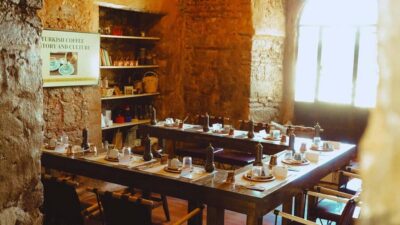
Turkish Coffee Making and Fortune Telling Workshop
Read our review →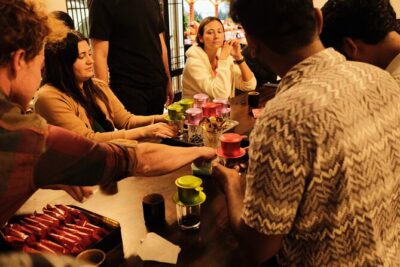
Hanoi Coffee Workshop: Taste Salt, Coconut and Egg Coffee
Read our review →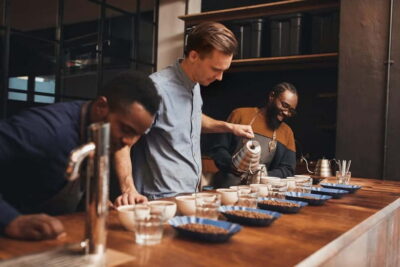
Salt Coffee Workshop Awake Your Senses With 6 Brews
Read our review →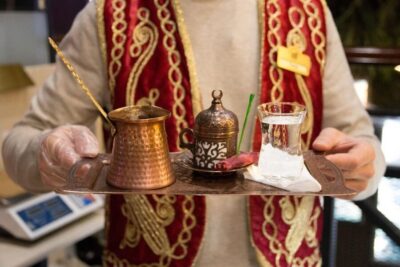

Turkish Coffee Making and Fortune Telling Workshop
Read our review →
Fun & Easy Vietnamese Coffee Workshop in Hồ Chí Minh City
Read our review →
Irish Coffee Masterclass at the Irish Whiskey Museum
Read our review →Lists this coffee tour turns up in