REVIEW · DA LAT
Coffee Farm Tour with Roasting & Tasting Workshop – Da Lat
Da Lat’s coffee story makes the most sense when you follow the bean from the plant to your cup. At Twin Beans Farm, you walk through an Arabica plantation, learn how the cherries are processed, then roast and brew coffee yourself. Guide Jessie explains the work clearly, including how processing choices affect flavor.
I like the farm-to-cup format, which turns a café stop into a useful lesson about agriculture. I also like the hands-on roasting and tasting session, since you do not simply watch someone else make coffee. The main drawback is the short length: at about 1 hour and 15 minutes, this is a focused introduction rather than a long farm visit.
Key points to know before booking
- A real Arabica farm: Visit the plantation, processing area, roastery, and coffee shop in one stop.
- You roast your own beans: The workshop lets you take part in roasting before tasting the result.
- Processing affects flavor: You learn how farming and processing choices shape the coffee in your cup.
- Harvest season runs from November to January: During these months, you can join the team for coffee picking.
- Small groups help the lesson: The maximum group size is 10 people.
- A low-cost activity near Da Lat: At $9.89 per person, it offers a practical introduction to local coffee production.
Why Twin Beans Farm is worth the 20-kilometer trip
Twin Beans Farm is in Da Sar commune, in Lac Duong District, about 20 kilometers from central Da Lat. That distance matters. This is not a city café that adds a few coffee plants for decoration. The visit takes you to an operating Arabica plantation with its own processing setup, roastery, and coffee shop.
I like that the tour connects the major stages in one place. You can see where coffee begins, learn what happens after the cherries are picked, and then handle the roasting and brewing yourself. That sequence gives the visit a clear purpose.
Da Lat is well known for coffee, but it is easy to drink a cup without understanding the work behind it. Here, you get a short, direct lesson in farming and production. The setting also gives agriculture and nature lovers a reason to leave the city center for an hour or two.
Pickup is offered, though the supplied details do not specify the pickup area or any extra cost. Check those points before booking. If you arrange your own transport, the farm’s stated distance from Da Lat gives you a useful planning guide.
More Coffee Farm Tours in Vietnam
- Dalat’s countryside|Coffee Plantations Tour beyond Elephant falls
★ 5.0 · 59 reviews - Dalat Countryside Motorbike Day Tour–Coffee Farms & Pagodas
★ 5.0 · 53 reviews - Dalat: MOTORBIKE TOUR TO PONGOUR FALLS- SILK- COFFEE FARM
★ 4.9 · 52 reviews
The 1:30 pm arrival and small-group setup
The activity starts at 1:30 pm. That afternoon timing can fit well into a Da Lat day, especially if you want to keep your morning open for other plans. The total experience lasts about 1 hour and 15 minutes, so you should not treat it as a full-day farm excursion.
The group limit is 10 people. That is a useful size for a practical workshop. You are more likely to follow the explanation, ask questions, and take part in the roasting session than you would in a large coach group.
The short duration also keeps the experience easy to add to a busy itinerary. At the same time, you should set your expectations correctly. The visit covers plantation, processing, roasting, brewing, and tasting in a compact period. Each part is an introduction, not an extended technical course.
Confirmation is provided at booking. Since pickup details are not fully stated, I would confirm the meeting arrangement and transport plan before the day of the tour.
Walking through the Arabica plantation
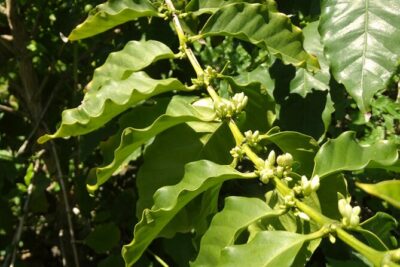
The plantation is the first important part of the visit because it gives context to everything that follows. You see coffee as a crop rather than as a finished drink. The farm grows Arabica, the type of coffee used for the workshop.
You learn about the coffee-making process from farming onward. That may include the basic path from growing coffee plants to harvesting the cherries, then processing the beans before roasting. The supplied details do not give a full list of the farming methods or the exact processing systems used, so you should expect explanation rather than a specialist agricultural class.
This part will suit you if you enjoy seeing how local products are made. It is also a good match for anyone interested in agriculture, plants, or rural life around Da Lat. The visit gives you a clearer sense of why coffee flavor begins long before brewing.
If you visit between November and January, you can also join the team for coffee harvesting. That seasonal option gives the farm visit a more hands-on farming element. Outside those months, the tour still covers the plantation and production process, but harvesting is not listed as part of the experience.
From coffee cherry to processed bean
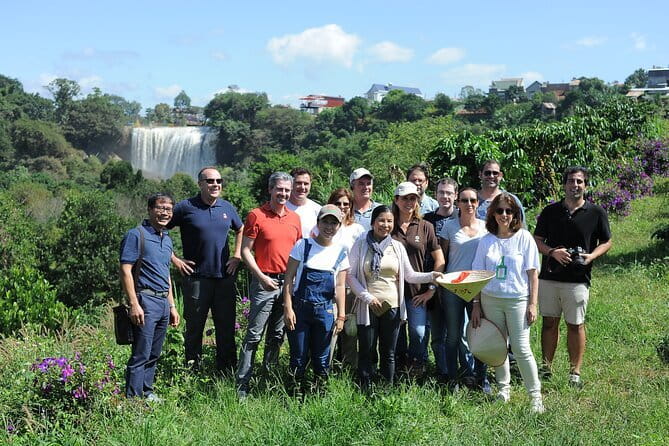
After the plantation, the tour explains what happens to the coffee after harvest. This is one of the most useful parts for anyone who drinks specialty coffee but has never considered processing.
You learn that different processing methods can affect the final flavor. One of the clearest lessons from the tour is the link between what happens on the farm and what you notice in the cup. Coffee is not defined only by roasting. The handling of the beans before roasting also matters.
The exact processing methods are not specified, so I would avoid booking this if you want a detailed technical comparison of every method. For a first introduction, though, the subject is well chosen. You come away with a better understanding of why two coffees can taste different even when they are brewed in similar ways.
This is also where the farm-to-cup structure earns its price. Instead of treating tasting as a blind pleasure, the tour gives you reasons to pay attention to aroma and flavor.
More Coffee Tastings in Vietnam
- Hanoi Coffee Experience: 6 Brews, 9 Recipes & 3 Liquor Tastings
★ 5.0 · 2,945 reviews - Da Nang Cooking Class with Coffee Tasting and Market Visit
★ 5.0 · 310 reviews - Hanoi: Hands-On 5 Vietnamese Coffees & 3 Local Wines Tasting
★ 5.0 · 14 reviews - Buon Ma Thuot: Bean to Brew Coffee Farm Tour with Tasting
★ 4.3 · 11 reviews
Roasting your own coffee at Twin Beans
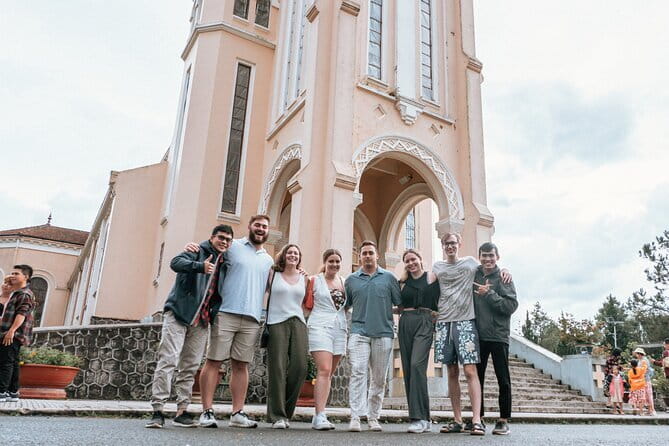
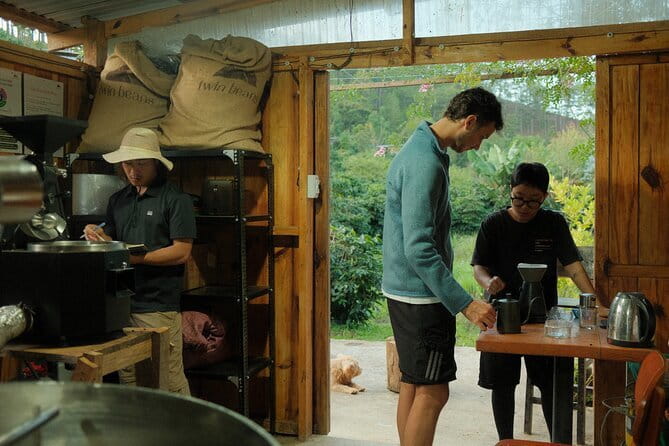
The roasting workshop is the most active part of the experience. You take part in roasting your own beans rather than simply watching a demonstration. That small task helps you understand that roast level is a major part of the final taste.
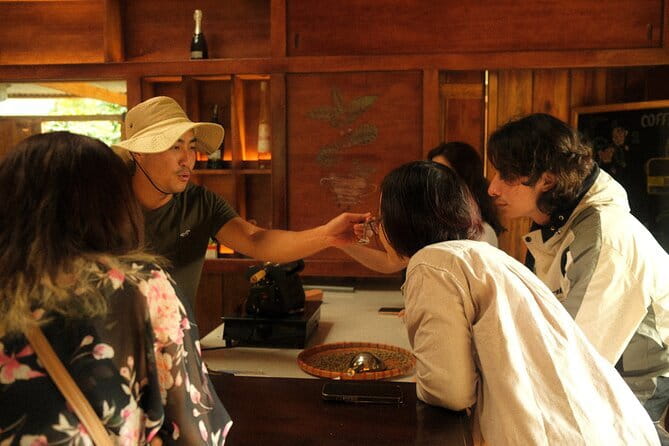
The staff guides you through the process, then you taste the coffee on site. The format is simple and effective: learn a stage of production, take part in it, and then see what it does to the drink.
Guide Jessie is specifically noted for explaining the process in detail. That matters in a short workshop because clear instruction keeps the activity from becoming confusing. Jessie’s role appears to cover the full path from picking to drinking, as well as the ways processing can affect flavor.
You should expect a practical introduction rather than a professional barista qualification. The activity does not state that you receive a large quantity of coffee to take home, so book it for the experience and tasting, not for souvenirs.
Brewing and tasting the final cup
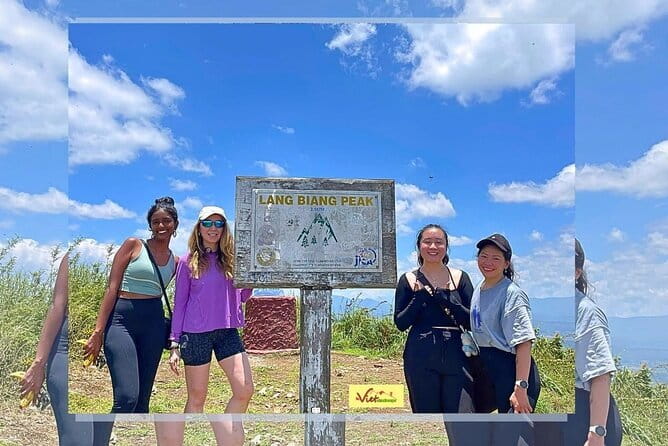
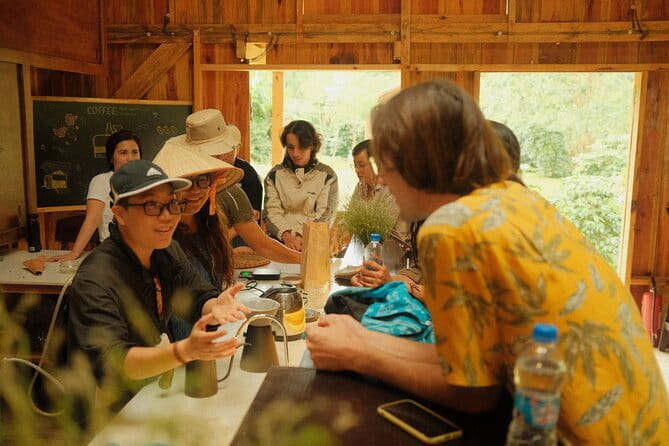
Once the beans are roasted, you brew and enjoy the coffee at the farm. This closes the loop nicely. You are not asked to imagine the result later. You taste the coffee in the same place where the beans were grown and roasted.
The tasting gives you a chance to consider how the earlier stages changed the cup. You can think back to the plantation, processing, and roasting while drinking the finished coffee. That connection is particularly useful if you are curious about why coffee has different aromas, textures, or flavors.
The experience does not specify the brewing method. Do not arrive expecting a particular style, such as espresso, pour-over, or Vietnamese phin coffee, unless the farm confirms it in advance. What is clear is that brewing and tasting form part of the workshop.
I like this ending because it gives the tour a natural finish. You learn, handle the beans, and then drink the result. It is more memorable than a standard plantation walk with no practical activity.
What the $9.89 price really gets you
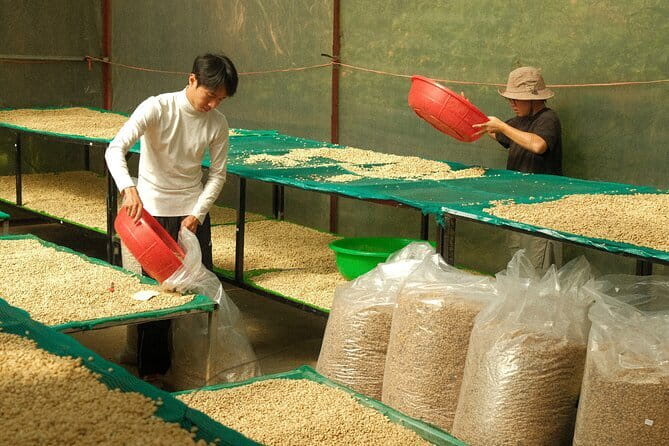
At $9.89 per person, this is inexpensive for a guided activity that combines a farm visit, production lesson, roasting session, brewing, and tasting. The price makes particular sense if you already plan to spend time in Da Lat and want a short activity with a clear local connection.
The value is not based on a long itinerary. It comes from the number of stages included in a compact visit and from the chance to roast your own coffee. A café tasting alone might be cheaper, but it would not show you the plantation or explain the production chain.
The price also suits first-time coffee enthusiasts who do not want to pay for an advanced course. You get enough information to understand the basics without committing half a day or more.
Still, budget carefully for any transport costs if pickup is not included in your booking. The farm is about 20 kilometers from central Da Lat, and the available information does not clarify the pickup zones or transfer price. That detail could affect the total cost.
Who will get the most from this experience
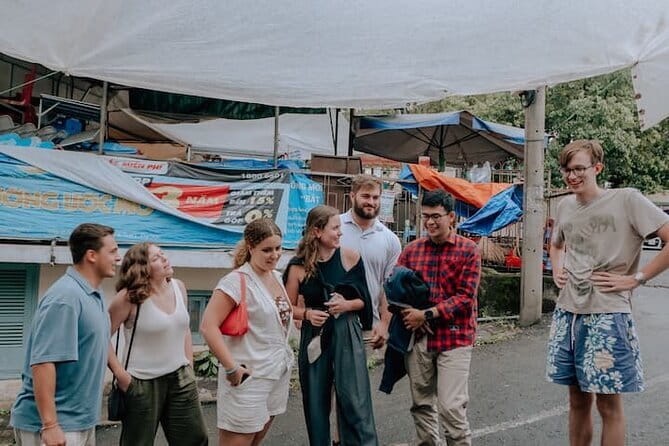
This tour is a strong choice for coffee enthusiasts who want more than a good cup. You will learn how coffee is grown, processed, roasted, and brewed, then take part in two of those steps yourself.
It also suits:
- Agriculture lovers: The plantation and seasonal harvesting connect the drink to farm work.
- Nature-focused visitors: You leave central Da Lat for a working Arabica farm.
- Short-stay visitors: The 1:30 pm start and 75-minute duration are easy to fit around other plans.
- Couples and small groups: The maximum of 10 people keeps the workshop manageable.
- Families with an interest in food production: The hands-on format can be more engaging than a lecture, though the tour does not state a minimum age.
You may want a different activity if you are looking for a long countryside outing, a broad sightseeing tour, or an advanced coffee certification class. The schedule is compact, and the focus stays tightly on coffee.
The November to January harvest option
The seasonal harvest period is one of the most distinctive details here. From November through January, you can join the team to pick coffee. That gives you a direct connection to the work introduced during the plantation visit.
Harvesting will appeal most to you if you want to take part in farm activity rather than only observe it. It also adds a seasonal reason to choose this tour during those months.
The available information does not say how long the harvesting lasts, what clothing is recommended, or how much picking you will do. Keep that in mind when planning. The stated tour duration remains about 1 hour and 15 minutes, so harvesting should be viewed as part of the visit rather than an all-day agricultural work session.
Outside the November to January window, you can still learn about the harvesting stage as part of the coffee process, but the hands-on picking option is not listed.
Practical limits to keep in mind
The tour has a lot packed into a short period. You will visit the plantation, learn about processing, roast, brew, and taste coffee within roughly 75 minutes. That is efficient, but it means explanations may stay at an introductory level.
The farm’s location is another point to plan around. Twin Beans Farm is outside central Da Lat, about 20 kilometers away. Pickup is offered, which may simplify the trip, but the supplied information does not give exact pickup terms. Confirm this before you rely on it.
The 1:30 pm start is fixed in the provided details. Make sure it fits your day, especially if you are arranging other activities or transport. Mobile tickets are offered, and booking confirmation arrives at the time of booking.
Free cancellation is available if you cancel at least 24 hours before the start time. Cancellations made less than 24 hours before the experience are not refunded, and changes inside that window are not accepted. The cut-off follows local time.
Should you book Twin Beans Farm?
Book this experience if you want a short, low-cost introduction to Da Lat coffee with real participation. The combination of plantation, processing, roasting, brewing, and tasting gives you more substance than a simple café visit. The small group limit and Jessie’s clear explanations add to the practical value.
The best time to go is November through January if coffee harvesting matters to you. At other times, the core farm-to-cup workshop still makes sense, especially for coffee drinkers, agriculture fans, and anyone who wants a simple activity outside central Da Lat.
Skip it if you need a long countryside tour, extensive transport details in advance, or advanced coffee training. For everyone else, $9.89 is a fair price for a focused farm visit that lets you taste the result of your own roasting work.
FAQ
Where is Twin Beans Farm located?
Twin Beans Farm is in Da Sar commune, Lac Duong District, Lam Dong province, about 20 kilometers from Da Lat center.
What time does the tour start?
The tour starts at 1:30 pm.
How long does the experience last?
The experience lasts approximately 1 hour and 15 minutes.
Can I roast my own coffee?
Yes. The experience includes a roasting and coffee tasting session, and you roast your own beans before brewing and drinking the coffee on site.
Is coffee harvesting available?
Yes. You can join the team for coffee harvesting during the November to January harvest period.
How many people can join the tour?
The activity has a maximum of 10 travelers.
Can I cancel for a full refund?
Yes, if you cancel at least 24 hours before the experience start time. Cancellations made less than 24 hours in advance are not refunded, and changes within that period are not accepted.
More Specialty Coffee Tours in Da Lat
- Cartagena: Colombian Specialty Coffee Tasting
★ 4.4 · 130 reviews - Private Coffee Roasting Class
★ 5.0 · 101 reviews - Coffee Experience from bean to cup
★ 5.0 · 71 reviews - Private coffee tour near Medellín, from bean to cup.
★ 5.0 · 60 reviews
More Specialty Coffee Tours in Vietnam
- Experience specialty coffee with sustainable coffee farmers
★ 4.9 · 91 reviews - Experience Making specialty coffee in Da Lat City
★ 5.0 · 3 reviews - Vietnamese Bread & Brew: Banh Mi Baking Class & Specialty Coffee
★ 5.0 · 76 reviews - Buon Ma Thuot: Coffee Farm Tour (Bean to Brew) with Pickup
★ 4.6 · 24 reviews
Just listed in Da Lat
- VIP Dalat 3 waterfalls – Datanla, Elephant Pongour & Coffee Tour★ 5.0 · 8 reviews
- Coffee – Wine – Tea: Dalat Treasures tour★ 3.5 · 5 reviews
- Experience Making specialty coffee in Da Lat City★ 5.0 · 3 reviews
- Coffee Class and DaLat Outskirt Tour★ 4.5 · 5 reviews
- Tea & Coffee Tour★ 4.8 · 5 reviews
- DALAT EASY RIDER GROUP TOUR – PONGOUR FALL – SILK- COFFEE..★ 5.0 · 6 reviews
- Dalat Group Easy Rider – Elephant Fall-Pagoda-Weasel Coffee…★ 5.0 · 7 reviews
- Dalat Countryside Motorbike Day Tour–Coffee Farms & Pagodas★ 5.0 · 53 reviews
Coffee Farm Tours, compared.
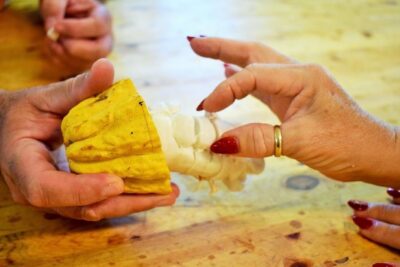
Award Winning Farm Tour: Coffee, Chocolate and Unique Gifts
Read our review →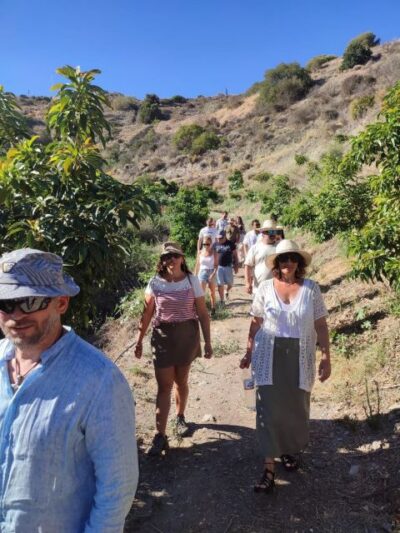
La Herradura Coffee Farm: tour in Europe’s only plantation
Read our review →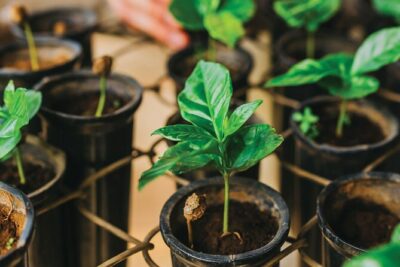
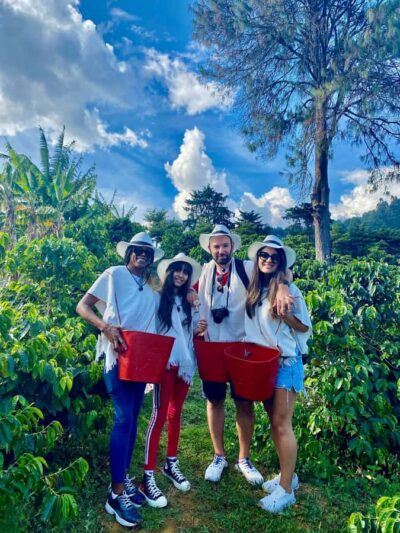
Medellín Coffee Farm Tour with Trolley and Cable Car Ride
Read our review →
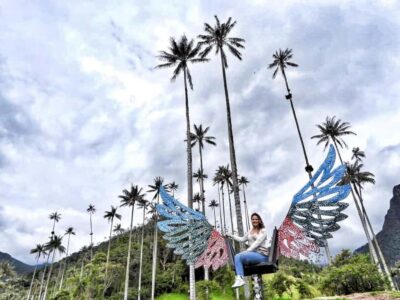
Private Cocora Valley, Salento & Coffee Farm Tour
Read our review →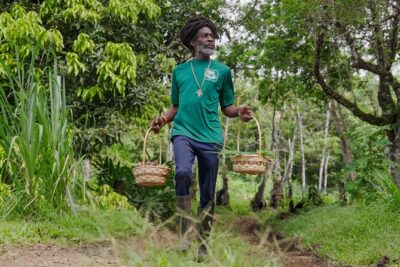
Liamuiga Natural Farm Tour – St.Kitts’ Coffee Farm
Read our review →