
REVIEW · BIG ISLAND OF HAWAII
Private Coffee Roasting Class
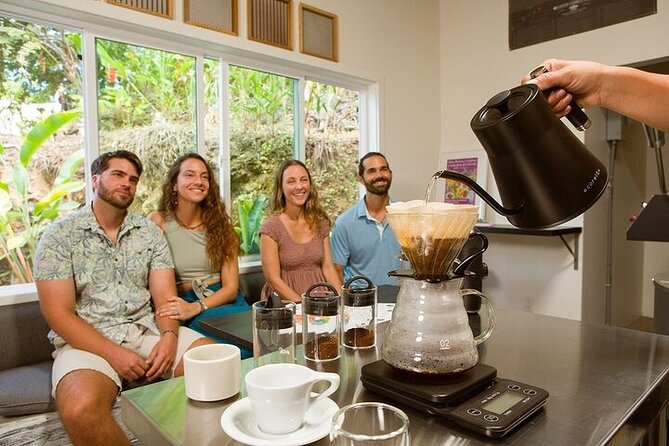
The most interesting part of this private Kona coffee class is that you do not just watch beans turn brown. You follow the process from green coffee to roasted beans, then handle the second batch yourself on a drum roaster. I like the small-group format and the clear, hands-on lesson. You can ask questions without competing with a busload of people.
I also like the two tasting opportunities: fresh coffee during the visit and a chance to sample all 12 coffees in the shop afterward. The main consideration is time. At about one hour, this is a focused roasting lesson, not a full farm tour or a long coffee plantation visit.
Key details before you book
- Two drum-roaster batches: The staff handles the first roast while explaining the basics, then you roast the second batch under supervision.
- Processing matters: You learn how different coffee-processing methods affect the final roasting process and cup.
- Private for up to six people: Your own group participates, making this a good fit for couples, families, or friends traveling together.
- Starts at 9:00 a.m.: The class begins at Hala Tree Coffee, 82-5966 Mamalahoa Highway in Captain Cook.
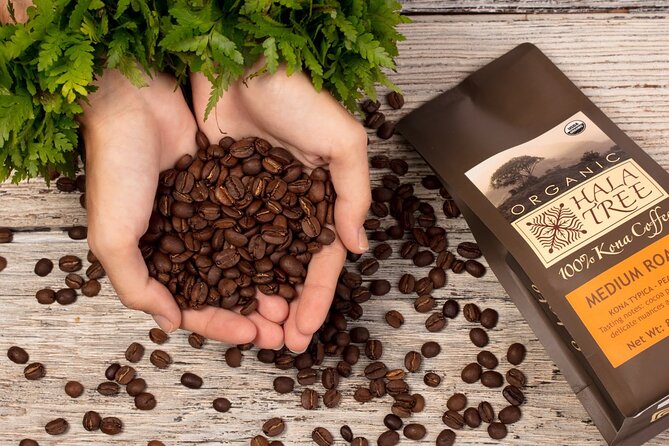
- Twelve coffees to sample and buy: The selection includes 100% Kona Coffee and other offerings available through the shop.
- Flexible booking terms: You can cancel for a full refund up to 24 hours before the start time.
Green beans, hot drums, and the Kona coffee story
Hala Tree Coffee places the lesson in the coffee-growing area around Captain Cook, on the Big Island’s Kona side. The address is on Mamalahoa Highway, and the class meets there at 9:00 a.m. The activity ends at the same spot, so you do not need to arrange a separate return transfer.
The class starts with the coffee bean in its raw, green form. That simple-looking bean is the starting point for the whole discussion. You learn that coffee processing does not end when the cherries are picked. Different methods affect what happens later in the roaster and help shape the taste in your cup.
I like this approach because it gives the hour a clear purpose. You are not only sampling a local product. You are learning why one coffee may roast or taste differently from another. The staff explains the basic roasting principles in plain terms, so the class should make sense even if you normally buy coffee without thinking about its origin or roast level.
The teaching also reaches back to the farm. One account of the class describes the lesson moving from seedlings in the nursery to the roasted bean and finally to a brewed cup. That broader view helps you see coffee as a crop and a craft, not just a hot drink served in a café.
More Specialty Coffee Tours in the USA
- Coffee Brewing Workshop
★ 5.0 · 28 reviews - New York City Specialty Coffee Tour
★ 5.0 · 17 reviews - Roasted in Seattle: Bean to Cup Coffee Tour
★ 5.0 · 15 reviews
The first roast: watch closely and ask questions
The first roast is performed on the drum roaster while the instructor explains each stage. This is the best time to settle into the terminology and watch how the beans change during the cycle.
You will learn the basic principles of roasting rather than being left to guess what is happening. The class focuses on how heat changes the beans, how the earlier processing method affects the roast, and how the finished coffee reaches the cup.
This part is useful for first-time coffee students because you can concentrate on the demonstration. You do not have to operate the machine and listen at the same time. It also gives experienced coffee drinkers a chance to ask more detailed questions about roasting choices and flavor.
The atmosphere appears to be part of the appeal. The setting is described as quiet and secluded, which can make the lesson feel more like a small working coffee operation than a crowded attraction. That may matter if you want a calm morning activity before the rest of your day on the Big Island.
The class is offered in English. If everyone in your group is comfortable following a spoken lesson in English, the format should be straightforward.
The second roast: your turn at the controls
The hands-on portion comes with the second batch. You take part in the roast under supervision, with the staff guiding you through the process and explaining what to watch for.
This is the detail that makes the experience more useful than a standard tasting. You can see the roasting principles in action and get a feel for how much attention the process requires. The instructor remains involved, so you are not expected to operate the equipment without help.
For a group of up to six, this private arrangement is a real advantage. Your friends or family can share the task and ask questions that fit your own interests. A coffee drinker may want to focus on flavor, while someone else may be more interested in the equipment or the farm-to-cup process.
The activity is not presented as a professional barista certification or advanced roasting course. Think of it as a compact introduction. You leave with a better sense of what happens between green beans and a finished roast, plus the memory of having taken part in one batch.
One practical point: the listed duration is about one hour, but an account of one visit describes an activity lasting roughly one hour and 45 minutes. Allow a little extra time if your schedule is tight, especially if you plan to taste and shop afterward. The advertised class itself is approximately one hour, but the full visit may take longer depending on questions, sampling, and shopping.
Sampling 12 coffees after the class
Once the roasting lesson is finished, you can sample and buy the coffees in the shop. The selection includes 12 coffees, with 100% Kona Coffee listed as the main offering.
This final stop is more than a gift-shop add-on. It lets you compare what you have just learned with actual cups. If the class has made you curious about roast style or processing, tasting several coffees gives you a practical way to notice differences.
You can also buy the coffee that was roasted or choose another option from the selection. One useful souvenir detail is that the product is easy to connect to the experience: you have watched the roast, learned how it works, and can take a bag home for another tasting.
A sample description from one visit refers to a Fall Roast that worked well for cool mornings in Melbourne. That points to a simple buying tip: ask which roast best matches the way you normally drink coffee, rather than choosing only by the Kona label. If you like a particular style, note the name before leaving.
The tasting is also a good reason not to rush away after the demonstration. Build a little time into your morning for the shop. The class price covers the private activity, but coffee purchases are an additional expense.
More Specialty Coffee Tours in Big Island:
- Cartagena: Colombian Specialty Coffee Tasting
★ 4.4 · 130 reviews - Coffee Farm Tour with Roasting & Tasting Workshop – Da Lat
★ 5.0 · 126 reviews - Experience specialty coffee with sustainable coffee farmers
★ 4.9 · 91 reviews - Vietnamese Bread & Brew: Banh Mi Baking Class & Specialty Coffee
★ 5.0 · 76 reviews
Why the private format matters at $60
The price is $60 per group, not $60 per person, for up to six people. That makes the value much better for a full group. Six people would pay about $10 each before any coffee bought in the shop. For two people, the per-person cost is higher, but the private attention can still make the fee reasonable if you want a hands-on lesson rather than a quick public tasting.
The private format is especially helpful for mixed-interest groups. One person can ask about farming, another about roasting, and another about flavor without feeling that the entire class is waiting. You also avoid being placed with strangers.
This is not the right value calculation if you only want to drink Kona coffee. You can find coffee in many places on the island. The fee pays for access to the roasting process, instruction, use of the drum roaster, and a private session.
I would book it for a small group that wants an activity with some substance. It works well for coffee drinkers, curious families, and anyone who likes seeing how a local product is made. It is less suited to someone who wants a large farm walk, a long plantation tour, or a broad history lesson about Kona agriculture. Those elements are not part of the stated one-hour format.
The experience is booked an average of 28 days ahead, so do not leave it until the last morning of your trip if this is important to you. The class is available by mobile ticket, and confirmation is provided when you book.
A calm 9:00 a.m. start in Captain Cook
The early start shapes the whole outing. At 9:00 a.m., you can make this your first activity of the day and still have time afterward for other plans around the Kona area.
You need to arrive at 82-5966 Mamalahoa Highway in Captain Cook. The available details do not include hotel pickup or transportation, so plan to make your own way to the meeting point. Since the experience ends there, you can continue by car or move on to another activity from the same area.
The location is described as quiet and secluded. That gives the class a slower feel, but it also means you should check your route and arrival time before leaving. A precise meeting point matters more for a private appointment than for a large attraction with a prominent entrance.
The class is short enough for children or adults with limited patience, though the material centers on roasting and tasting rather than a separate child-focused program. Families should decide based on their children’s interest in coffee and their ability to take part in a one-hour lesson.
What the strongest praise tells you
The most consistent strengths are the clear instruction, the friendly teaching style, and the chance to take part. The class is repeatedly described as educational, understandable, fun, and personable.
That combination is important. Coffee subjects can become technical fast, but this experience appears designed to keep the basic ideas accessible. You learn enough to understand the roast without needing prior knowledge.
The hands-on element gets the most practical emphasis. You do not merely watch a staff member operate the roaster. You take charge of the second roast with guidance. That small responsibility gives the lesson a stronger memory than a standard explanation.
The coffee itself is another major draw. The samples are fresh from the farm, and the finished flavors are a central part of the visit. You can take home some of the coffee, which extends the experience beyond the Big Island.
The setting also receives praise for being quiet and attractive. I would keep expectations in the right range, though. The information supports a roasting class with a farm connection and a pleasant setting. It does not promise a long walk through every part of the plantation or a full agricultural tour.
A few limits to keep in mind
The experience is private, but the information does not name individual guides. You will be taught by the Hala Tree Coffee team, including the owner or staff members involved in the roasting demonstration.
The tour is offered in English only. That is fine for most English-speaking groups, but you should consider the language of instruction when booking.
The stated duration is approximately one hour. Since the class includes two roasts, explanations, samples, and an optional shop visit, your actual time may run longer. Do not schedule another appointment immediately afterward.
The activity is focused on coffee. If you do not drink coffee, the tasting and buying portion will have less appeal. The processing and roasting lesson can still be interesting, but the strongest reason to book is a genuine interest in Kona coffee.
Cancellation is free if you cancel at least 24 hours before the local start time. A cancellation made less than 24 hours before the experience, or a last-minute change, is not accepted for a refund.
Should you book the Hala Tree Coffee class?
Book this if you want a small, hands-on Kona coffee experience rather than a quick tasting. The private group limit, two roasts, clear instruction, and 12 coffees in the shop give the $60 group price solid value, especially for four to six people.
I would make it a morning stop for coffee drinkers, couples, and families who enjoy learning by doing. It is also a good choice if you want a quieter activity in Captain Cook and a souvenir you can actually use at home.
Skip it if you want a full plantation walk, a long cultural program, or a broad sightseeing tour. This is a compact roasting lesson with tasting and shopping afterward. For the right audience, that narrow focus is exactly what makes the hour worthwhile.
FAQ
How much does the private coffee roasting class cost?
The price is $60 per group of up to six people. Coffee purchased from the shop is not included in that group price.
How long does the class last?
The listed duration is approximately one hour. Allow extra time if you plan to sample and shop afterward, since one account describes the full activity as lasting about one hour and 45 minutes.
What time does the experience start?
The class starts at 9:00 a.m.
Where does the coffee class meet?
It meets at Hala Tree Coffee, 82-5966 Mamalahoa Highway, Captain Cook, Hawaii 96704. The activity ends back at the meeting point.
Do I get to roast coffee myself?
Yes. The staff conducts the first roast and explains the basic roasting principles. You take part in the second roast under supervision.
Can I cancel for a full refund?
Yes. You can cancel at least 24 hours before the local start time for a full refund. Cancellations or changes made less than 24 hours before the start time are not accepted for a refund.
Just listed in Big Island
- Kona Shore Excursion: Sea Turtles, Historic Kona & Coffee★ 4.5 · 324 reviews
- Private Big Island Tour:Coffee, Beaches,Volcanos & Waterfall★ 5.0 · 7 reviews
- Coffee Brewing Workshop★ 5.0 · 28 reviews
- Kona Coffee Farm Tour from Tree to Tasting Room★ 5.0 · 36 reviews
- Hala Tree Coffee Farm Tour★ 5.0 · 44 reviews
- Private Big Island Tour: Coffee, Beaches, Volcanos, Waterfalls★ 5.0 · 54 reviews
- Big Island: Coffee, Black Sand, Volcano and Waterfall Tour★ 4.9 · 57 reviews
- Kona Tour: Bee Farm, Kona Coffee, and National Historical Parks★ 4.5 · 78 reviews
Specialty Coffee and Roastery Tours, compared.
Coffee Farm Tour with Roasting & Tasting Workshop – Da Lat
Read our review →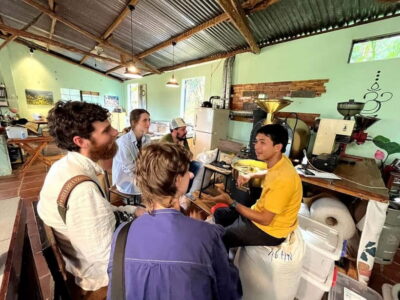
Experience specialty coffee with sustainable coffee farmers
Read our review →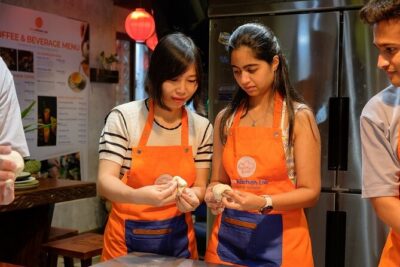
Vietnamese Bread & Brew: Banh Mi Baking Class & Specialty Coffee
Read our review →
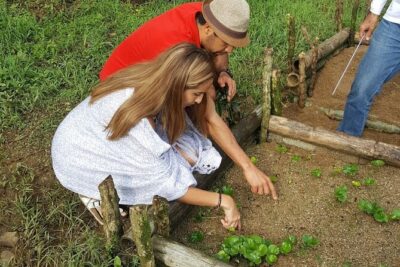
Private coffee tour near Medellín, from bean to cup.
Read our review →
Santo Domingo Small Group Walking Tour: Beer and Specialty Coffee
Read our review →
Lists this coffee tour turns up in