
REVIEW · DA NANG
Da Nang Coffee Making and Banh Mi Class
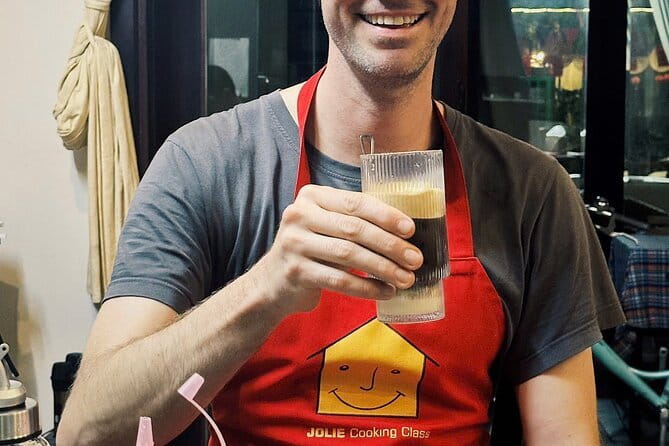
Vietnamese coffee and banh mi are two of Da Nang’s most useful food lessons. This three-and-a-half-hour class near Dragon Bridge lets you make both yourself, then sit down and enjoy the results in a local family setting.
I like the clear focus: you learn several coffee styles, including coconut coffee and salted coffee, then prepare and assemble a banh mi. I also like the small group, capped at 12 people, which gives the class a more personal feel than a large cooking demonstration.
The one drawback is that this is not a full Vietnamese cooking course. You work mainly on coffee, fillings, and sandwich assembly, so anyone hoping to prepare a long list of dishes may find the scope limited.
Key Points at a Glance
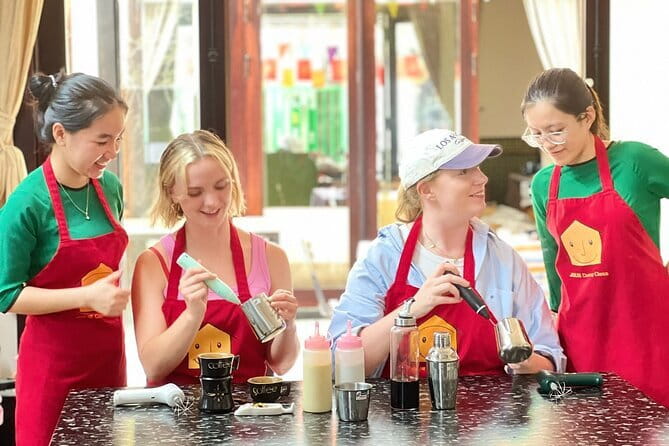
- Coconut and salted coffee: You make and taste two distinctive Vietnamese coffee styles, not just a standard black coffee.
- Hands-on banh mi assembly: You prepare fillings, learn how flavors work together, and build your own sandwich with prepared bread.
- Small group setting: The class accepts no more than 12 people, so the session should feel manageable and social.
- Friendly teaching for children: The class has worked well for a 10-year-old and a 13-year-old, making it a practical family activity.
- Near Dragon Bridge: The meeting point at Jolie Cooking Class is easy to pair with time around the Son Tra area and central Da Nang.
- Good value at $35: Coffee, food, ingredients, equipment, instruction, and tasting are included, while transportation is not.
Why Coffee and Banh Mi Make a Smart Da Nang Class
A food class can be a pleasant way to spend an afternoon, but the best ones also give you something useful to take home. This one does that through two everyday Vietnamese favorites.
Coffee is not a side note here. You learn traditional local brewing methods and taste the coffee you make. The session also introduces styles with very different character, such as coconut coffee and salted coffee. That matters because Vietnamese coffee culture is not limited to the strong, sweet drink many visitors first try at a cafe.
The banh mi portion gives you a second way to understand local food. Rather than simply eating a finished sandwich, you work with the fillings, consider how flavors balance, and assemble the bread yourself. You get to decide how much of each ingredient belongs in your sandwich, which makes the meal feel personal.
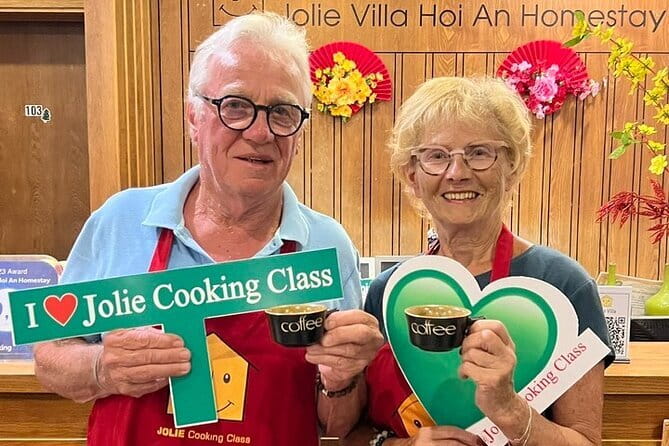
I also appreciate the setting. The class takes place in a cozy local space connected with a family environment, rather than in a large formal kitchen. That can make the afternoon feel less like a performance and more like a relaxed food lesson.
More Coffee Making Classes in Vietnam
- Hanoi Coffee Workshop: Taste Salt, Coconut and Egg Coffee
★ 5.0 · 1,286 reviews - Hanoi: Salt Coffee Workshop Awake Your Senses With 6 Brews
★ 5.0 · 792 reviews - Da Nang Coffee Making Workshop
★ 4.9 · 543 reviews
Meeting at Jolie Cooking Class Near Dragon Bridge
You meet at Jolie Cooking Class at 14 An Trung Đông 6, An Hải Bắc, Sơn Trà, Đà Nẵng 55000. The class ends at the same location, so there is no complicated route between activities.
The address is near public transportation and close to Dragon Bridge. That makes it practical to combine the class with sightseeing in central Da Nang. You can plan the class as a stand-alone afternoon, or fit it into a day that includes the riverfront and Son Tra area.
Pick-up and drop-off are not included. You need to make your own way to the meeting point, so check the address before setting out and allow enough time to arrive. Since the activity lasts about three hours and 30 minutes, you should also avoid booking it too close to another fixed tour or departure.
The meeting point is worth noting when comparing food classes. A lower price elsewhere may not include ingredients or the final meal, while a class farther from your base may require extra transport. Here, the central location helps keep the plan simple, but transport remains your responsibility.
Starting With Vietnamese Coffee Brewing
The coffee lesson comes first. You learn how to brew Vietnamese coffee using classic methods, then taste the cup you have prepared.
The exact order of coffee styles can vary, but the class includes more than one preparation. The most specific examples connected with the session are coconut coffee and salted coffee. Both are useful contrasts: one adds a creamy coconut element, while the other brings a salty note to the drink.
This progression is especially helpful because each coffee builds on what you have already learned. You are not simply handed several cups and told which one is which. The method, ingredients, and flavor differences become easier to understand as the class moves along.
The coffee segment should suit curious drinkers, people who want a simple food activity, and anyone who has already become interested in Vietnamese cafe culture. It also works for younger participants. The teaching has been suitable for children aged 10 and 13, and the instructors were praised for being patient and clear with them.
Hanna is one of the instructors associated with the class. She is noted for making the session fun and informative while explaining the coffee styles in a patient way. If you enjoy asking questions as you work, the small-group format should give you a better chance to interact than a crowded demonstration.
Coconut Coffee and Salted Coffee Are the Highlights
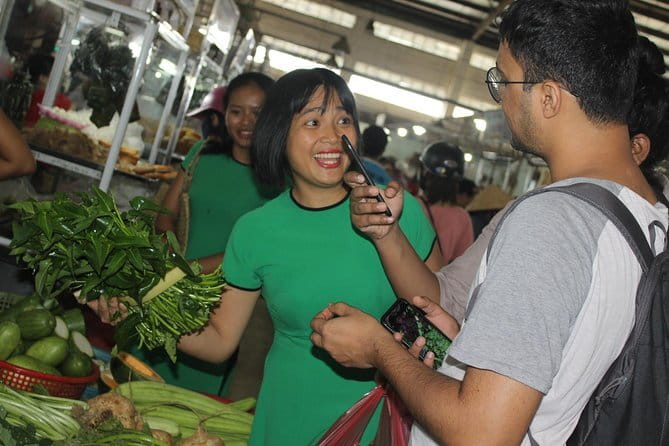
Coconut coffee and salted coffee are the most distinctive parts of the beverage lesson. They give you a reason to take the class even if you already know how to make ordinary coffee at home.
Coconut coffee is a useful introduction to the sweeter, richer side of Vietnamese cafe drinks. Salted coffee offers a different balance, showing how a small savory note can change a familiar drink. You taste what you make, so the lesson stays tied to real flavor rather than theory.
The class is not only about copying a recipe. You learn how different Vietnamese coffees relate to one another and how one preparation leads into the next. That makes the lesson more memorable and gives you a better chance of repeating the drinks after your holiday.
Still, you should keep your expectations realistic. The information provided does not promise a detailed history of coffee farming, roasting, or regional production. The focus is practical preparation and tasting, not an advanced coffee certification course.
Still in Vietnam, but a different cup:
- Hanoi Coffee Experience: 6 Brews, 9 Recipes & 3 Liquor Tastings
★ 5.0 · 2,945 reviews - Hanoi: Master the Art of 4-6 Signature Vietnameses Coffees
★ 5.0 · 517 reviews - Egg coffee & Course on 4 traditional types of Viet coffee
★ 4.9 · 487 reviews - Hanoi: Vietnamese Street Food Tour with Egg Coffee
★ 4.9 · 315 reviews
Preparing Banh Mi Fillings and Building Your Sandwich
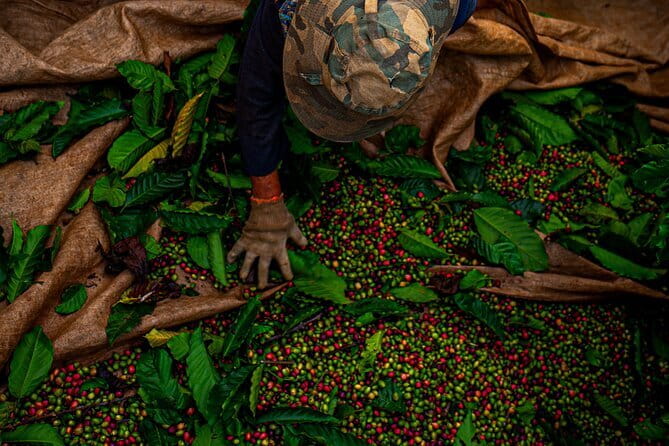
After the coffee session, you move to the food portion. You work with the key banh mi ingredients, prepare the fillings, and assemble the sandwich using prepared bread.
This is a good format for a short class. Making bread from scratch would take more time and change the focus. Using prepared bread lets you spend your energy on the fillings and the way everything comes together.
The important lesson is balance. A banh mi is not just bread with random ingredients tucked inside. You learn how the main flavors fit together, then create your own version. Some people prefer a fuller sandwich, while others want the bread and fillings in equal measure. The assembly step gives you room to make that choice.
All ingredients and cooking equipment are provided. That is a real part of the price, since you do not need to shop for supplies or bring tools with you. At the end, you eat the coffee and banh mi you prepared during the class.
I would not book this experience expecting a complete recipe for every possible banh mi style. The description promises fillings, flavor balance, and assembly, not a long series of separate dishes. For a focused class, that is a sensible limit.
A Small Group That Works for Families
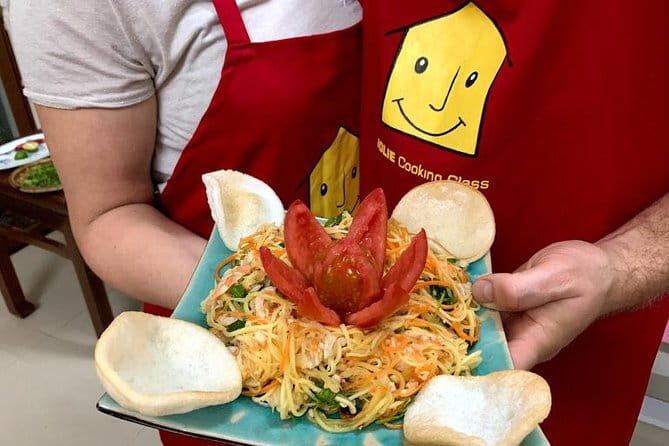
The group size is limited to 12 people. That is large enough for a social afternoon, but small enough to avoid the feel of a cooking show where you only watch from the back.
A small group can make a practical difference during hands-on work. You can follow the instructor’s steps, handle the ingredients, and ask for help without competing with a room full of participants. The family setting also fits the tone of the class, which is designed to be relaxed and easy to follow.
The class has been a good fit for older children and teenagers. The combination of mixing, brewing, tasting, and assembling food gives younger participants several short tasks instead of one long technical lesson. Parents should still judge the activity based on their own children, but the available feedback supports it for ages 10 and 13.
Couples, solo participants, and small groups of friends should also find the format workable. You get a meal at the end, but the main point is taking part. If you prefer a quiet private lesson, the small-group setup may not be ideal, since the experience is social by design.
What $35 Includes and What It Does Not
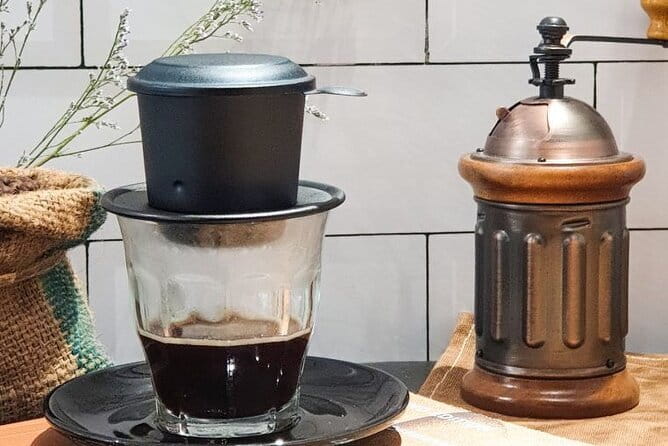
The price is $35 per person. For a three-hour-30-minute class, that is reasonable if you value instruction and a meal rather than simply buying coffee and banh mi at a cafe.
Your fee includes the coffee-making session, banh mi fillings and assembly, ingredients, equipment, coffee tasting, banh mi tasting, and the small-group format. You are paying for food, supplies, teaching, and time in a local kitchen space.
That makes the cost easier to judge. If you only want to eat a banh mi and drink coffee, a cafe will cost less. If you want to understand how the drinks are made, handle the ingredients, and take part in the preparation, the class offers more for the money.
Transportation is not included. You need to reach the meeting point in Son Tra and return from there. The class does not include hotel pick-up or drop-off, so add your local transport cost when planning your budget.
It is booked, on average, 11 days in advance. That does not guarantee it will sell out, but it is a useful planning clue. If the time suits your itinerary, booking ahead is sensible, particularly if you need a certain afternoon or are traveling as a family.
Timing the Class Around a Da Nang Afternoon
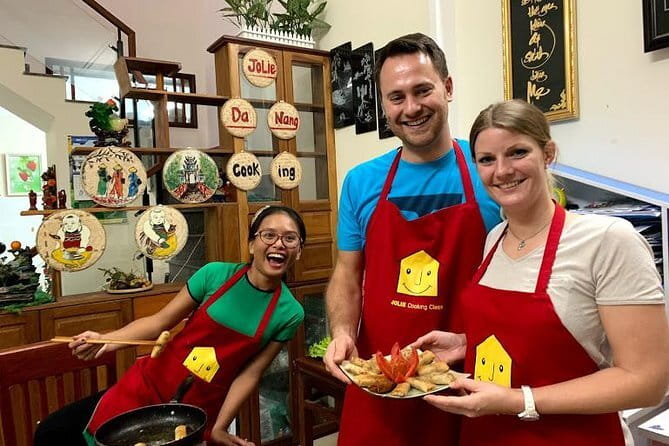
The duration is about three hours and 30 minutes. That is long enough for the coffee and banh mi lessons to feel substantial, but short enough to fit into a day of sightseeing.
Because the class ends where it begins, you can plan an easy before-and-after schedule. Meet near Dragon Bridge, take the class, then continue with your own Da Nang plans. You should not count on using the class as a quick stop between tightly timed attractions.
The afternoon format is also useful for hot or rainy weather. A hands-on indoor food activity gives you a change from walking outside, though the supplied details do not promise a fully enclosed itinerary beyond the class setting itself.
You receive confirmation at booking, and the ticket is mobile, so you can keep the reservation on your phone. Free cancellation is available until 24 hours before the start time. Cancellations made inside that window are not refunded, and changes then are not accepted. The cut-off follows local time in Da Nang.
Who Should Book This Experience
I would recommend this class to you if you want a practical introduction to two familiar Vietnamese foods without committing to a full-day cooking course.
It is particularly well suited to:
- Coffee drinkers who want to try coconut and salted coffee
- First-time visitors looking for a food activity near central Da Nang
- Families with older children or teenagers
- Couples and friends who enjoy preparing a meal together
- Solo participants who like a friendly small-group setting
- Anyone who wants a class with food and drinks included
You may want to skip it if you already make Vietnamese coffee and banh mi regularly, or if you are looking for a broad lesson covering several cooked dishes. The class is focused, and that is both its strength and its limit.
The current score is 5/5 from 11 ratings, with 100 percent recommending it. The strongest praise centers on the instructors, the patient teaching, and the chance to make unusual coffee styles. Those points match what matters most here: the activity is participatory, family-friendly, and centered on food you can understand by preparing it yourself.
The Final Call on Jolie Da Nang Cooking Class
I think this is a good-value afternoon for visitors who want more than a food tasting but less than a demanding cooking school. The combination of Vietnamese coffee, coconut coffee, salted coffee, and banh mi gives the class a clear identity.
Book it if you want a friendly lesson near Dragon Bridge, appreciate a small group, and like the idea of eating what you prepare. It is also a smart choice for families with older children, since the coffee styles and sandwich assembly provide variety.
Skip it if you need hotel transport, a private class, or a long menu of cooked dishes. For everyone else, $35 buys a useful local food experience, a filling tasting, and a few recipes and ideas worth carrying into the rest of your time in Vietnam.
FAQ
Where does the Da Nang coffee and banh mi class meet?
The class meets at Jolie Cooking Class, 14 An Trung Đông 6, An Hải Bắc, Sơn Trà, Đà Nẵng 55000, Vietnam.
Where does the activity end?
The activity ends back at the same meeting point.
How long does the class last?
The class lasts approximately three hours and 30 minutes.
What coffee styles can I make?
You learn to brew Vietnamese coffee using traditional local methods. Coconut coffee and salted coffee are specifically included among the styles taught and tasted.
Do I make the banh mi from scratch?
You prepare and assemble the fillings, then build your sandwich using prepared bread.
Are ingredients and equipment included?
Yes. The class includes all ingredients and cooking equipment needed for the coffee and banh mi activities.
Is transportation included?
No. Pick-up and drop-off are not included. You need to make your own way to and from the meeting point.
How many people can join the class?
The class has a maximum of 12 participants.
Can I cancel for a full refund?
Yes, if you cancel at least 24 hours before the experience starts. Cancellations made less than 24 hours in advance are not refunded.
Just listed in Vietnam
- Half Day Tour Van Phuc Silk Village and Train Street Coffee★ 5.0 · 3 reviews
- Private Hanoi City Tour with Transfer, Lunch and Egg Coffee★ 4.5 · 5 reviews
- Hanoi Coffee Classes★ 5.0 · 2 reviews
- Da Nang Coffee Making and Vietnamese Home Cooking Class★ 5.0 · 7 reviews
- VIP Dalat 3 waterfalls – Datanla, Elephant Pongour & Coffee Tour★ 5.0 · 8 reviews
- Coffee – Wine – Tea: Dalat Treasures tour★ 3.5 · 5 reviews
- [Free E-sim] Da Nang Coastal Charm Half Day Cafe Tour★ 5.0 · 11 reviews
- Experience Making specialty coffee in Da Lat City★ 5.0 · 3 reviews
Coffee Making Classes, compared.
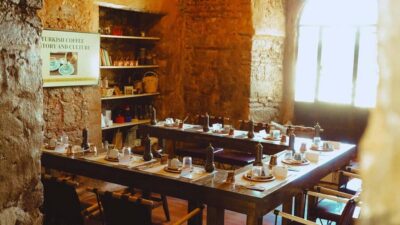
Turkish Coffee Making and Fortune Telling Workshop
Read our review →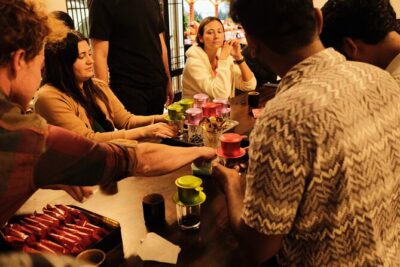
Hanoi Coffee Workshop: Taste Salt, Coconut and Egg Coffee
Read our review →
Salt Coffee Workshop Awake Your Senses With 6 Brews
Read our review →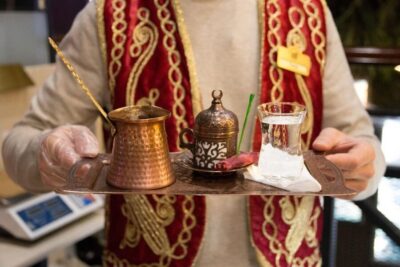

Turkish Coffee Making and Fortune Telling Workshop
Read our review →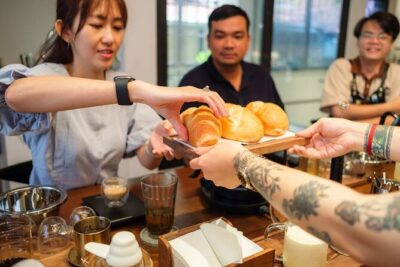
Fun & Easy Vietnamese Coffee Workshop in Hồ Chí Minh City
Read our review →
Irish Coffee Masterclass at the Irish Whiskey Museum
Read our review →Lists this coffee tour turns up in