
REVIEW · CENTRAL VIETNAM
Hoi An:Coffee Making Class (Coffee: egg, Salt, Coconut, …)
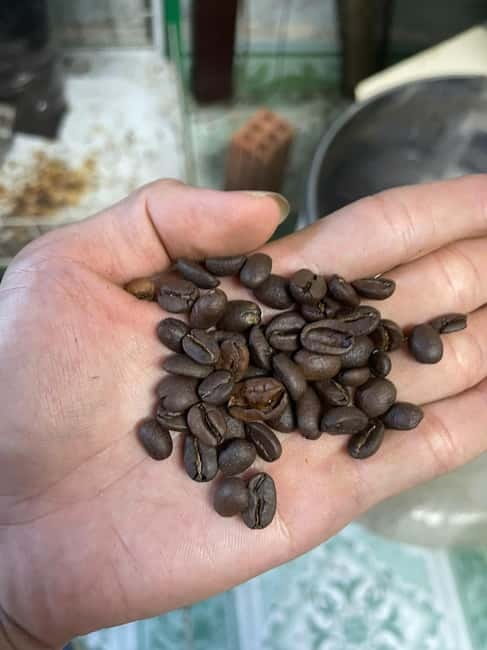
Hoi An’s coffee culture makes more sense once you see what goes into the cup. In this one-hour class, you visit a local roastery, hear how Vietnamese coffee grew into a daily ritual, and make your own drink from a choice of phin filter, egg, salt, or coconut coffee. I like the hands-on format and the chance to compare several very different styles, not just drink one prepared for you.
I also like that the class connects coffee to the country’s cafés, farming, roasting, and sustainability efforts. The main drawback is time: one hour gives you a lively introduction, not a full roasting course. You also need to arrange your own way to the roastery, since hotel pickup and drop-off are not included.
Key points to know before booking
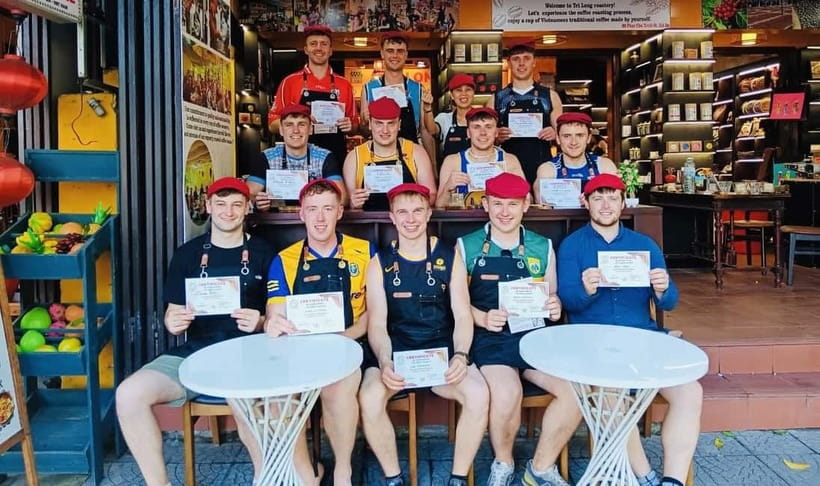
- Four classic coffee styles: Choose from phin filter, egg, salt, or coconut coffee for your own preparation and tasting.
- A local roastery setting: Learn in the place where coffee is roasted, rather than only hearing a café-side explanation.
- Crop-to-cup context: Your guide explains how Vietnamese coffee moves from growing and roasting to brewing and serving.
- A cup you make yourself: The final drink is prepared by you, then enjoyed in a comfortable setting with music.
- Good value at $16: Ingredients, equipment, the roastery visit, and an English-speaking coffee specialist are included.
- Easy to fit into Hoi An plans: The class lasts one hour, is wheelchair accessible, and allows cancellation up to 24 hours ahead.
Why Hoi An coffee deserves an hour of your time
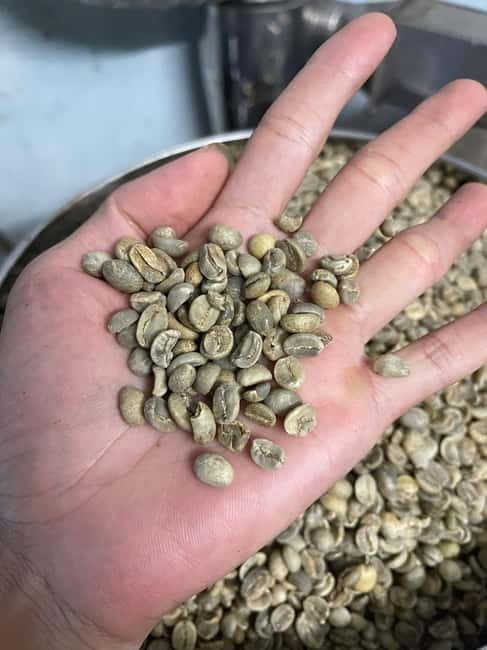
Vietnamese coffee is not one single drink. It is a family of preparations shaped by strong beans, slow brewing, sweet additions, and café habits that are now part of everyday life.
This class gives you a useful introduction without asking you to spend half a day on a formal workshop. You learn about coffee from crop to cup, then put that explanation to work with your own hands. For me, that is the right balance for a short activity in Hoi An.
The setting also matters. A local roastery gives the session more substance than a standard café order. You can connect the aroma of roasted beans with the finished drink, and the guide can explain how roasting and brewing affect the result.
The class also touches on quality and sustainability. The information provided does not give a detailed sustainability lecture, so you should not book this expecting a technical farming seminar. Still, it is useful to hear how care for the beans and the roasting process affects what reaches your table.
More Coffee Making Classes in Vietnam
- Hanoi Coffee Workshop: Taste Salt, Coconut and Egg Coffee
★ 5.0 · 1,286 reviews - Hanoi: Salt Coffee Workshop Awake Your Senses With 6 Brews
★ 5.0 · 792 reviews - Da Nang Coffee Making Workshop
★ 4.9 · 543 reviews
Starting at the local roastery
The experience begins at a local coffee roastery in Hoi An. Since there is no hotel transfer, you need to make your own way there and allow enough time to arrive before the chosen start time.
The exact meeting address and start times are not provided here, so check the booking details before you set out. That small bit of planning matters in Hoi An, where a short distance on a map can take longer on foot or by local transport.
Once you arrive, the roastery becomes both classroom and tasting room. You are not simply handed a drink and told what is in it. The equipment and ingredients are supplied, and the English-speaking coffee specialist guides you through the process.
The atmosphere sounds intentionally relaxed. You finish with music playing in a comfortable setting, which gives the activity a pleasant café feel rather than the pressure of a strict cooking lesson.
Learning the story behind Vietnamese coffee
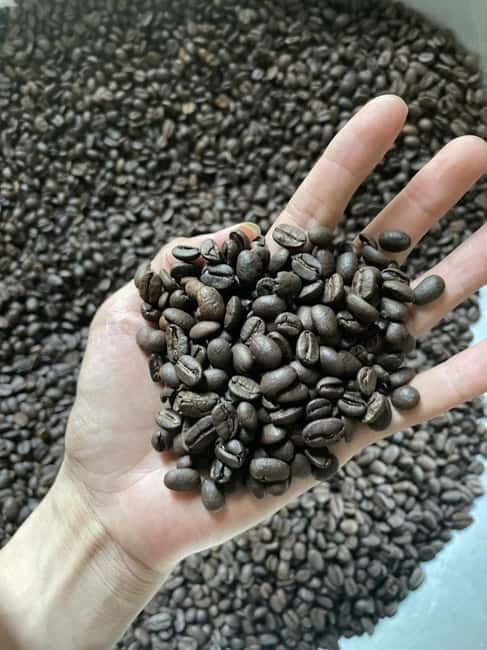
The opening explanation covers the history and culture of Vietnamese coffee, including the role of popular cafés in Vietnam. This is important because coffee here is more than a morning caffeine stop. Café habits are tied to social life, conversation, and a slower way of taking a break.
You also learn how coffee moves from crop to cup. That phrase is not just decoration. It helps you understand why the bean, roast, grind, filter, and added ingredients all shape the final drink.
The guide is described as a coffee expert or specialist, and the live tour is conducted in English. That makes the class suitable for you if you want context as well as a recipe. It is also a good choice if you have been ordering Vietnamese coffee but have never understood how it is prepared.
Do not expect a long lecture on every coffee-growing region or a full professional barista qualification. The class lasts one hour, so the information is likely to be focused and practical. You get enough background to make sense of the drinks you see around Vietnam, then move quickly to the part where you take control.
Choosing between phin, egg, salt, and coconut coffee
The most appealing part is choosing a traditional coffee style to make and taste. Each option offers a different experience, so your choice depends on what you want to learn.
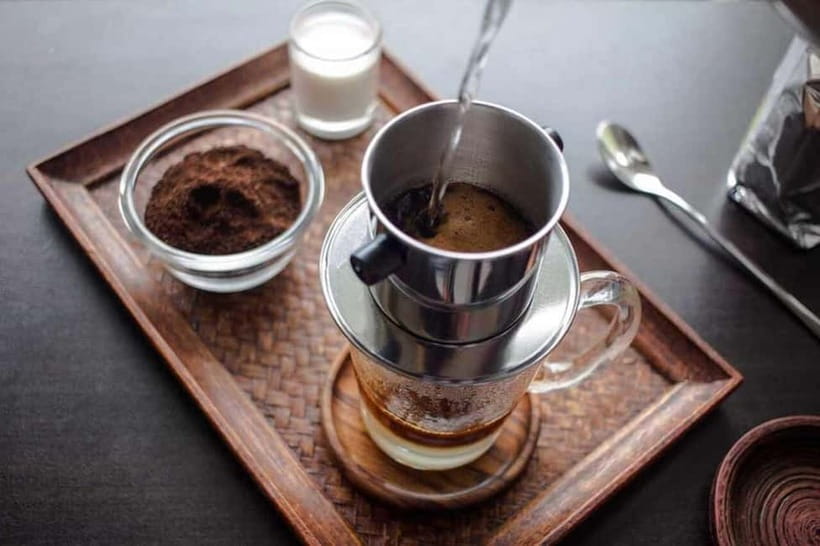
Phin filter coffee is the best place to start if you want to understand a basic Vietnamese brewing method. The metal phin filter sits over the cup and lets coffee pass through slowly. It gives you a direct look at the brewing process and helps explain why Vietnamese coffee is often served strong and concentrated.
Egg coffee is the more unusual choice. The name alone makes it a fun option for anyone who wants something beyond a standard black coffee. The class lets you learn how this style is made rather than simply ordering it and wondering what is in the creamy topping.
Salt coffee is a smart pick if you want a memorable contrast. The salt changes the taste of the coffee and can soften the bitterness. It was singled out as a favorite in the available feedback, so it is a sensible choice if you enjoy trying local specialties that are not obvious from a menu.
Coconut coffee brings a different texture and flavor to the cup. Choose it if you prefer a sweeter, more dessert-like direction. It also shows how Vietnamese cafés use familiar local ingredients to create drinks that feel distinctive without requiring complicated equipment.
You may want to split the choices with a companion if you are taking the class together, but the supplied details only confirm that you choose a type to prepare and taste. Do not assume that every participant receives all four drinks. The class is designed around making and tasting a selected traditional coffee.
Still in Vietnam, but a different cup:
- Hanoi Coffee Experience: 6 Brews, 9 Recipes & 3 Liquor Tastings
★ 5.0 · 2,945 reviews - Hanoi: Master the Art of 4-6 Signature Vietnameses Coffees
★ 5.0 · 517 reviews - Egg coffee & Course on 4 traditional types of Viet coffee
★ 4.9 · 487 reviews - Hanoi: Vietnamese Street Food Tour with Egg Coffee
★ 4.9 · 315 reviews
The hands-on part: from ingredients to your cup
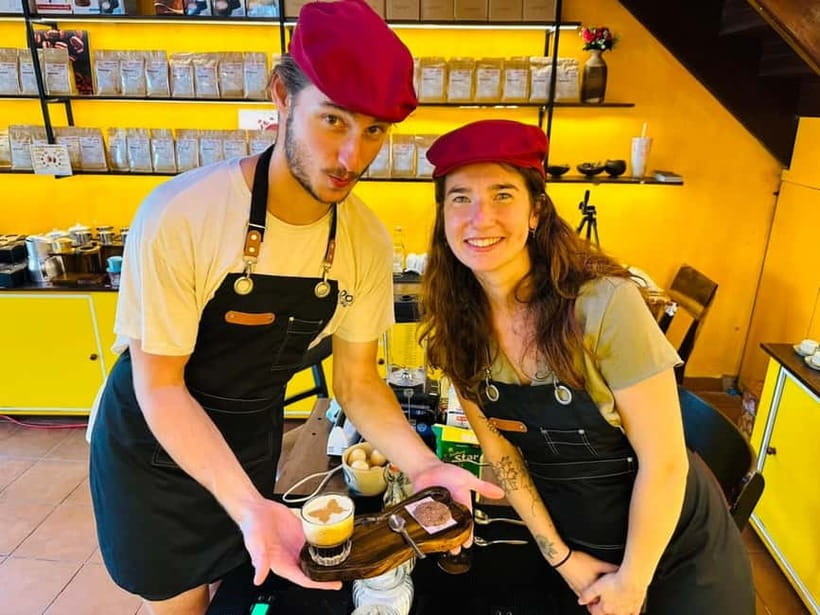
The value of this activity comes from doing the work yourself. All ingredients and equipment are included, so you do not need to bring supplies or prior coffee skills.
Your guide takes you through the chosen preparation, explains what you are doing, and helps you connect each step to the finished flavor. The practical lesson is likely to be simple enough for a beginner, but still interesting if you already enjoy coffee.
Wear comfortable clothes. That is a small but useful tip, since you will be handling ingredients and equipment rather than sitting through a talk. Bring curiosity and a willingness to taste something different. The activity is not presented as a formal cooking course, so an open attitude matters more than technical ability.
The final reward is a cup you made yourself. That gives the class a clear finish: learn the background, prepare the drink, then sit down and enjoy it. The music and comfortable atmosphere help turn the last few minutes into a proper café break.
Is $16 a fair price?
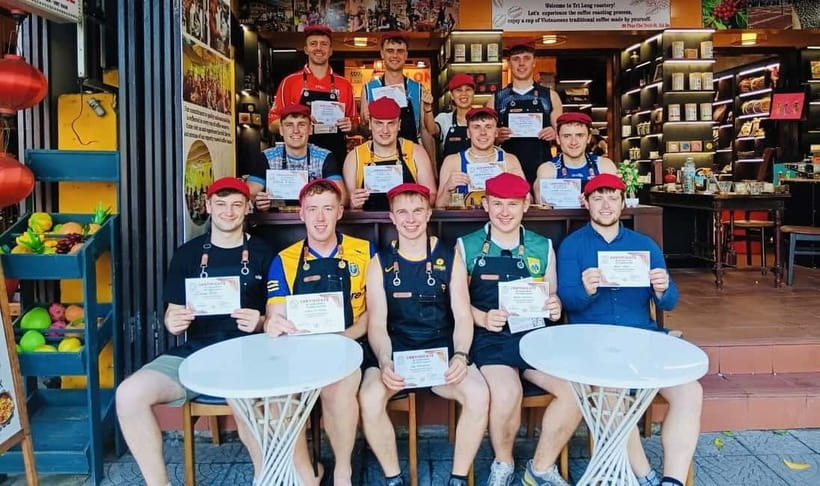
At $16 per person, this is fairly priced for a short Hoi An activity. You are paying for more than a single coffee. The fee covers the local roastery experience, all ingredients, all equipment, hands-on preparation and tasting, and an English-speaking coffee specialist.
The value is strongest if you are curious about Vietnamese coffee and would otherwise spend several separate café visits trying to understand the choices. The class gives you a guided explanation and a chance to make one drink in the same hour.
The value is weaker if you only want a quick cup of coffee. Hoi An has plenty of cafés, and buying a drink will cost less than joining a class. You should book this for the process and the cultural context, not simply for refreshment.
Meals and other drinks are not included. That is not a major issue for a one-hour class, but plan to eat separately and do not expect a wider tasting menu unless the provider confirms one.
Who will enjoy this class most?
I would recommend it to coffee drinkers who want a short, practical activity between Hoi An sightseeing stops. It also suits first-time visitors to Vietnam who keep seeing phin, egg, salt, and coconut coffee on menus and want to know what they are ordering.
It is a good fit for couples, friends, and families who enjoy making something together. The activity is also wheelchair accessible, which makes it easier to include in a mixed group with different mobility needs.
You do not need to be a coffee expert. In fact, beginners may get the most from the crop-to-cup explanation and the guided preparation. If you already work with coffee professionally, the one-hour format may feel too light, since the available details do not promise advanced roasting or brewing instruction.
This is also not the best choice if you dislike sweet drinks, creamy toppings, or unusual flavor combinations. You can choose a more direct phin filter style, but the class is built around exploring Vietnamese preparations, not serving only plain black coffee.
Planning the class around your Hoi An day

Because the activity lasts one hour, it fits neatly into a larger day. You could schedule it before lunch, in the afternoon, or at another available starting time. Check availability for the exact session you want.
The absence of hotel pickup means you have one extra planning task. Confirm the roastery location, decide how you will get there, and leave a little spare time. The experience itself is short, but arriving late could cut into the explanation and hands-on work.
The flexible booking terms are useful when your Hoi An schedule is still changing. You can reserve now and pay later, and cancellation up to 24 hours before the activity gives you a full refund. That makes this easier to fit around weather, day trips, or changing plans.
The tour is conducted in English. If you need another language, the supplied information does not confirm that one is available. Ask before booking rather than assuming.
My take on the coffee choices
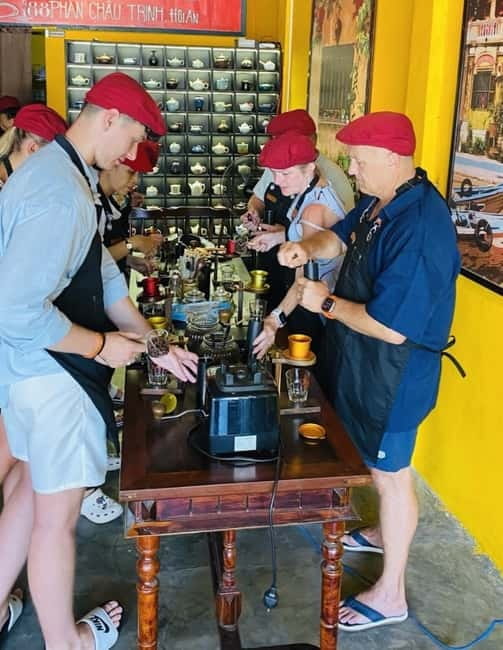
If I had to choose one drink, I would start with salt coffee because it offers the clearest surprise. It is familiar enough to be drinkable, but different enough to make the class feel worthwhile.
Choose phin filter coffee if your priority is learning the basic method. Pick egg coffee if you want the most distinctive presentation, and choose coconut coffee if you prefer a sweeter, softer drink.
The best option depends on your taste, but none of the choices is a bad fit for the class. The point is to compare the preparation and understand how Vietnamese coffee culture turns a strong brew into several very different café drinks.
Should you book this Hoi An coffee class?
Book it if you want a compact cultural activity with real participation, especially if you have been curious about egg, salt, or coconut coffee. At $16, it offers solid value for an hour of guided learning, ingredients, equipment, and a drink you prepare yourself.
Skip it if your only goal is to buy coffee, or if you need hotel transport and do not want to arrange your own route to the roastery. For most coffee-curious visitors, though, this is an easy way to add a local flavor to a Hoi An itinerary without giving up half a day.
FAQ
How long does the Hoi An coffee-making class last?
The class lasts one hour. Check availability for the specific starting times offered on your chosen date.
How much does the coffee class cost?
The listed price is $16 per person.
Which Vietnamese coffees can I make?
You can choose from Vietnamese phin filter coffee, egg coffee, salt coffee, or coconut coffee for hands-on preparation and tasting.
Is coffee-making equipment provided?
Yes. All ingredients and equipment needed for the coffee activity are included.
Is the class taught in English?
Yes. The activity includes a live English-speaking tour guide and coffee specialist.
Is hotel pickup included?
No. Hotel pickup and drop-off are not included, so you need to arrange your own transportation to and from the local roastery.
Can I cancel for a refund?
Yes. You can cancel up to 24 hours in advance for a full refund.
Is the coffee class wheelchair accessible?
Yes. The activity is listed as wheelchair accessible.
Just listed in Vietnam
- Tea & Coffee Tour★ 4.8 · 5 reviews
- Tam coc Daily Egg Coffee Class★ 4.4 · 8 reviews
- Saigon Unseen: Culture, Coffee, & Hidden Gems Motorbike Tour★ 5.0 · 13 reviews
- Shake & Savor: Coffee-Themed Cocktails from Việt Nam★ 4.9 · 4 reviews
- NYNA Coffee Culture- Egg Coffee/Salted Coffee/Coconut Coffee★ 5.0 · 4 reviews
- Hoi An Coffee Roastery Experience: Brew & Taste Like a Local★ 5.0 · 3 reviews
- Hoi An: Hand-on Making Vietnamese Coffee Class & Culture★ 4.7 · 9 reviews
- Ho Chi Minh City: Vietnamese Specialty Coffee Journey★ 5.0 · 4 reviews
Coffee Making Classes, compared.
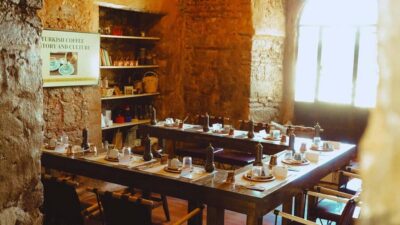
Turkish Coffee Making and Fortune Telling Workshop
Read our review →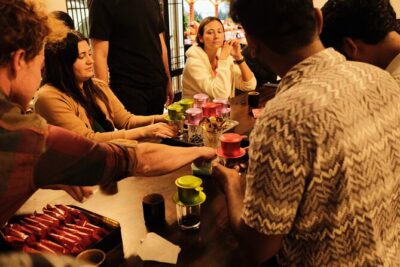
Hanoi Coffee Workshop: Taste Salt, Coconut and Egg Coffee
Read our review →
Salt Coffee Workshop Awake Your Senses With 6 Brews
Read our review →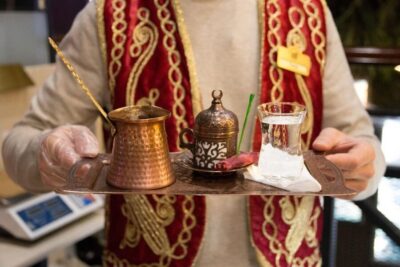

Turkish Coffee Making and Fortune Telling Workshop
Read our review →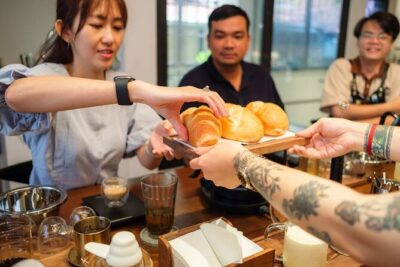
Fun & Easy Vietnamese Coffee Workshop in Hồ Chí Minh City
Read our review →
Irish Coffee Masterclass at the Irish Whiskey Museum
Read our review →Lists this coffee tour turns up in