
REVIEW · HOI AN
Experience Making & Tasting Vietnamese Coffee in Hoi An
Hoi An’s coffee culture is best understood one cup at a time, and this small workshop takes you from green beans to four finished drinks. You’ll learn the story of Vietnamese coffee, watch beans roast, and make the famous egg coffee said here to date from 1946.
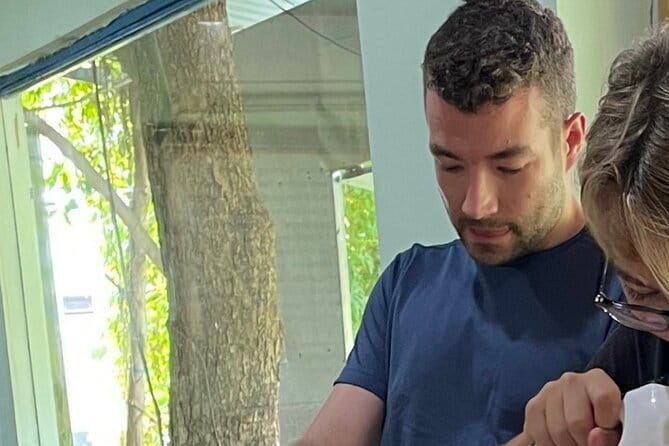
I like the hands-on format, since you do not simply watch a demonstration. I also like the personal touch: guide Văn leads the class, and the workshop is connected with a charity where people with disabilities help explain and demonstrate the process. The main drawback is simple: hotel transfers are not included, so you must reach Sua Vegan Restaurant yourself.
Key points to know before booking

- Four coffees in two hours: Make and taste phin coffee, egg coffee, coconut coffee, and espresso.
- A small class: The group is limited to 10 people, which should allow more direct help at the coffee station.
- A local coffee lesson: Learn how Robusta and Arabica differ, along with the development of Vietnam’s coffee industry.
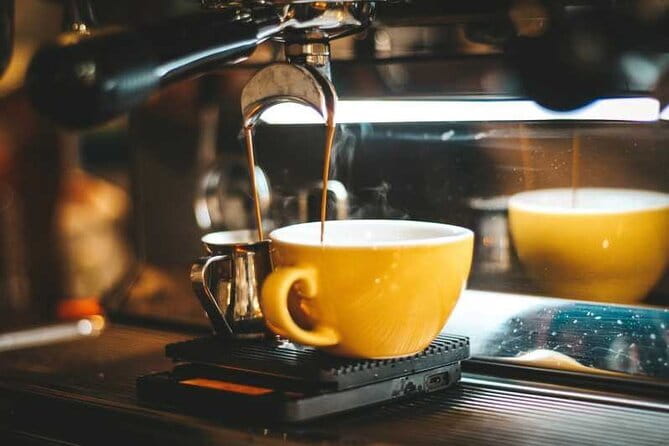
- More than a tasting: You roast coffee, handle the equipment, and prepare the drinks yourself.
- A social purpose: The workshop is presented by people with disabilities through a charity setting, adding a human element to the class.
- A practical souvenir: You receive a Hoi An lantern, and seasonal fruit is served during the session.
Starting with tea at Sua Vegan Restaurant
The class begins at Sua Vegan Restaurant on Đường Lê Hồng Phong Nối Dài in Hoi An. This is both the meeting point and the place where the workshop takes place, so you do not need to follow a guide through several city stops.
You are asked to meet at the coffee shop and restaurant rather than wait for a hotel pickup. That matters in Hoi An, where many visitors stay in the old town or nearby areas and may assume transport comes with every activity. It does not here. Plan your own way to the meeting point and keep the mobile ticket available.
The first cup is not coffee. You begin with welcome tea, a calm way to settle in before the practical work starts. It also gives the coffee specialist time to introduce the session and explain what you will make.
The class lasts about two hours. That is long enough to cover four drinks without turning the experience into a full-day food course. You should still expect a busy schedule, especially if everyone is making each drink rather than simply watching one person at the front.
More Coffee Tastings in Vietnam
- Hoi An Coffee Tasting And Old Town Discovering Tour
★ 5.0 · 4 reviews - Hanoi Coffee Experience: 6 Brews, 9 Recipes & 3 Liquor Tastings
★ 5.0 · 2,945 reviews - Da Nang Cooking Class with Coffee Tasting and Market Visit
★ 5.0 · 310 reviews
Understanding Robusta and Arabica in Vietnam
The coffee lesson begins with the two main types of Vietnamese coffee: Robusta and Arabica. This is useful context because Vietnamese coffee is often reduced to one idea, a strong, sweet drink served over ice or condensed milk.
Robusta and Arabica are different beans with different qualities. The class teaches you how to tell them apart, giving you a better basis for understanding the coffee in your cup. The point is not to turn you into a professional taster. It is to help you notice why one Vietnamese coffee can taste and feel different from another.
You also hear about the history and development of Vietnam’s coffee industry. This gives the drinks a setting beyond the usual café stop. Coffee is not just a modern refreshment here. It is part of daily life and a major part of the country’s food culture.
I especially like this part because it comes before the recipes. You first learn what the beans are and how coffee developed, then you see how those beans become several different drinks. That makes the later tasting more useful.
Watching the beans roast
The roasting demonstration is one of the workshop’s more distinctive features. You get to watch the process rather than receive a finished bag of coffee with no explanation.
Roasting helps connect the lesson’s history and bean comparison with the coffee you eventually drink. It shows that the flavor in your cup begins well before water passes through a filter or foam is spooned onto a drink.
The supplied information does not specify the roasting equipment, roast profile, or whether each participant roasts a personal batch. You should therefore think of this as a demonstration within a hands-on workshop, not a dedicated professional roasting course.
That distinction helps set fair expectations. If your main interest is becoming a specialty coffee roaster, this two-hour activity is likely too short. If you want to understand the basics and watch part of the process before preparing four drinks, it fits well.
Making traditional phin coffee
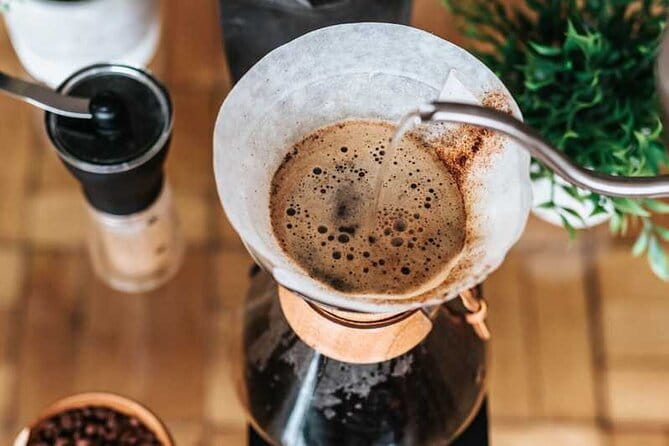
The first drink is cà phê phin, traditional Vietnamese drip coffee. The phin is a small metal filter placed over a cup. Water passes slowly through the coffee, creating the measured, patient rhythm that sets this drink apart from a quick machine-made cup.
You learn how to use the equipment and then taste the result. The important value here is repetition: you are not only shown the filter, you use it yourself. That makes it easier to recognize the method later when you see phin coffee served in Hoi An cafés.
The class includes all ingredients and equipment. You do not need to bring coffee tools or prepare anything in advance. The group size is limited to 10, which is helpful in a practical class because crowded work surfaces can make small demonstrations hard to follow.
The final flavor depends on the beans, preparation, and the drink’s additions. The workshop lets you experience the coffee at close range, rather than judging Vietnamese coffee from a single café order made by someone else.
More Vietnamese Coffee Experiences in Hoi An:
- Hoi An: Hands-on Vietnamese Coffee Making Class with Long
★ 4.8 · 66 reviews - Hoi An: Vietnamese Coffee Making Course
★ 4.9 · 25 reviews - Authentic Vietnamese Coffee Making Experience in Hoi An
★ 5.0 · 13 reviews - Hoi An: Hand-on Making Vietnamese Coffee Class & Culture
★ 4.7 · 9 reviews
Preparing the famous egg coffee
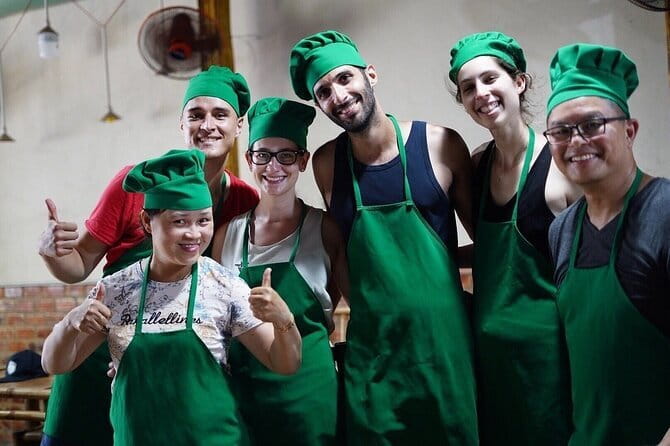
Cà phê trứng, or egg coffee, is the session’s headline drink. The workshop presents it as a Vietnamese specialty first invented in 1946 in Hoi An. You learn how the drink is prepared and then taste your own version.
Egg coffee is interesting because it changes the texture as much as the flavor. The coffee is paired with a creamy egg mixture, creating a drink that feels closer to a dessert than a plain black brew. Making it yourself helps explain why the topping has such a strong role in the finished cup.
The exact recipe and quantities are not provided, so you should not expect a fixed formula to take home. What you do receive is a practical introduction to the method, plus the chance to compare egg coffee with the other drinks made during the class.
This is a good choice for curious eaters who normally take coffee with milk or sugar. If you prefer only plain black coffee, egg coffee may be the least familiar of the four. That is also why it is worth trying here, where the specialist can explain the process as you make it.
Mixing coconut coffee and making espresso
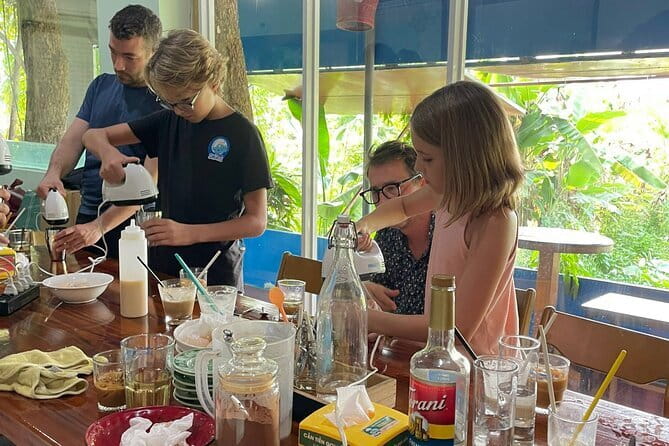
Cà phê dừa, or coconut coffee, adds another kind of contrast. Instead of the egg mixture, coconut brings a different sweetness and texture to the coffee. The workshop allows you to prepare and taste it yourself, so you can compare it with the richer egg version.
Coconut coffee also shows how Vietnamese cafés use familiar local ingredients to create modern drinks. It is not simply a standard black coffee served in a different cup. It has its own taste and presentation, and it gives the class a wider range than four variations on the same recipe.
The fourth drink is espresso coffee. This may sound less traditionally Vietnamese than phin coffee, but it gives you a useful comparison with a fast, machine-made preparation. Placing espresso beside phin, egg, and coconut coffee lets you see how the same broad subject can include both old and newer café styles.
The class calls all four signature Vietnamese coffee types. The exact equipment used for espresso is not specified, so you should treat this as a preparation and tasting lesson, not a barista certification course.
A coffee class with a social purpose
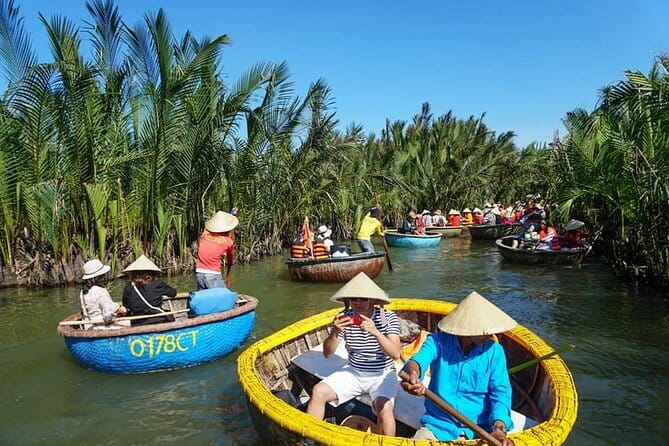
One meaningful feature of this experience is its connection with a charity. The class is explained and demonstrated by people with disabilities, with steps shown on a board as well as demonstrated in person.
That arrangement gives the workshop a human side that a standard café tasting may not have. You are learning coffee while supporting a setting built around participation and employment. The activity remains focused on coffee, but the way the lesson is delivered gives it added purpose.
The guide Văn is specifically identified with the class and is described as someone who knows the subject well and enjoys passing it on. That matters in an activity based on explanation. A good coffee workshop needs more than ingredients. It needs a person who can make the differences between beans, techniques, and drinks clear.
Still, keep the scale in mind. This is a small Hoi An workshop, not a formal school with a large staff or a long professional syllabus. Its strength is direct contact, simple instruction, and making several drinks in one sitting.
Seasonal fruit and a Hoi An lantern
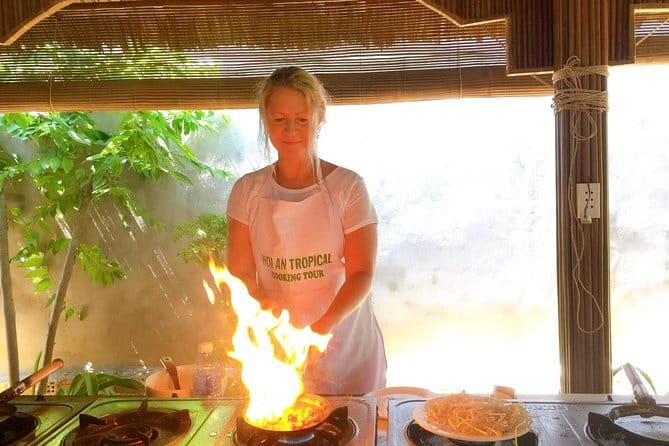
Seasonal fruit is served during the experience. It gives you a break from the coffee and adds a fresh element to a tasting built around sweet, creamy, and roasted flavors.
You also receive a lantern as a souvenir. This is a particularly fitting keepsake in Hoi An, where lanterns are closely associated with the city’s visual identity. It is more memorable than a generic branded item, though the exact lantern style and size are not specified.
These extras do not justify the price on their own. Their value is in rounding out the workshop. Tea starts the session, fruit gives you a pause, and the lantern gives you something tangible to take away after the coffee is finished.
Is $30 good value for two hours?
The price is $30 per person. For that amount, you receive a coffee specialist, welcome tea, ingredients, equipment, four preparations, four tastings, seasonal fruit, and a lantern souvenir.
The strongest value comes from the number of drinks you make. A normal café crawl could let you order several coffees, but it would not teach you how the beans differ, show you roasting, or let you prepare the drinks yourself. This is an activity rather than four separate café purchases.
The small maximum of 10 also supports the price. A very large group would make hands-on instruction less useful. With fewer people, you have a better chance of seeing the demonstrations and getting help with each recipe.
The price is less attractive if you only want to drink coffee. Hoi An has many cafés, and buying one or two local drinks costs less than a workshop. You are paying for instruction, participation, ingredients, and the social setting, not just caffeine.
Hotel pickup and drop-off are not included. Since the activity ends back at the same meeting point, add the cost and time of reaching Sua Vegan Restaurant when planning your budget. The mobile ticket makes entry simple, but it does not replace transportation.
Who will enjoy this Hoi An coffee workshop?
I would recommend this experience to anyone who likes food classes, local drinks, or short cultural activities that fit neatly into a Hoi An itinerary. It is especially useful if you want something more active than a café visit but less demanding than a full cooking course.
Coffee fans will appreciate the comparison between Robusta and Arabica, the roasting demonstration, and the chance to use a phin. People who do not know much about Vietnamese coffee can also enjoy it because the class starts with basic context and moves into practical recipes.
It suits couples, friends, and small family groups who enjoy tasting several things together. The 10-person limit should make it a more personal class than a large demonstration.
You may want to skip it if you dislike coffee, egg-based toppings, coconut flavors, or guided group activities. You should also avoid booking it if you need hotel transport included or want a long, technical roasting course.
Confirmation is received when you book. Service animals are allowed, and the meeting point is near public transportation. The activity is listed with free cancellation up to 24 hours before the local start time. Changes or cancellations made less than 24 hours before the start are not accepted for a refund.
Should you book this coffee experience?
Book it if you want to understand Vietnamese coffee by making it yourself. The best parts are the four-drink format, the phin and egg coffee lessons, the bean comparison, and the personal teaching style associated with Văn and the charity setting.
Do not book it simply because you want the cheapest cup of coffee in Hoi An. This is a short class, and you must arrange your own way to the meeting point. But at $30, it offers fair value for a hands-on lesson, four tastings, fruit, tea, and a lantern souvenir. For coffee-curious visitors, it is a useful and enjoyable way to spend two hours.
FAQ
Where does the coffee experience begin?
The experience begins at Sua Vegan Restaurant Hoi An on Đường Lê Hồng Phong Nối Dài, Phường Cẩm Phổ, Hội An, Quảng Nam 560000, Vietnam.
Where does the activity finish?
It finishes back at the same meeting point where it begins.
How long does the workshop last?
The activity lasts approximately two hours.
How much does the experience cost?
The listed price is $30 per person.
Is hotel pickup included?
No. Hotel pickup and drop-off are not included.
How many people can join the activity?
The group has a maximum of 10 travelers.
Which Vietnamese coffees will I make?
You will make and taste cà phê phin, cà phê trứng, cà phê dừa, and espresso coffee.
Are ingredients and equipment provided?
Yes. All ingredients and equipment needed to make the coffee are included.
Is a guide or coffee specialist included?
Yes. A coffee expert or specialist leads the experience. Guide Văn is associated with the class.
What is included besides the coffee?
The experience includes welcome tea, seasonal fruit, and a lantern souvenir. A mobile ticket is also available, and confirmation is received at the time of booking.
More Eating and Drinking in Hoi An
- Vienna for Food Lovers: Cafés, Markets & Austrian Cuisine
★ 5.0 · 1,063 reviews - Hanoi: Vietnamese Street Food Tour with Egg Coffee
★ 4.9 · 315 reviews - Hungry in Vienna? A Food Lover’s Coffee & Market Walk
★ 4.9 · 276 reviews - Poás Volcano and Coffee Tour with Tasting and La Paz Falls
★ 4.0 · 137 reviews
More Coffee Tastings in Hoi An
- Medellin: Coffee Tour with Transport, Snacks and Tastings
★ 4.7 · 1,357 reviews - Seattle Coffee Tour: Capitol Hill Cafes, Tastings & Local Stories
★ 5.0 · 489 reviews - Buggy Ride Into the jungle with cave coffee & chocolate tasting
★ 5.0 · 465 reviews - Private Walking Tour, Food Tasting and Bosnian Coffee in Sarajevo
★ 5.0 · 255 reviews
Just listed in Hoi An
- Vietnamese Coffee Making Class in Hoi An★ 5.0 · 4 reviews
- Hoi An Vietnamese Coffee Workshop: Hands-On Brewing Class★ 5.0 · 3 reviews
- Authentic Vietnamese Coffee Making Experience in Hoi An★ 5.0 · 13 reviews
- Vietnamese Egg Coffee Making Course in Hoi An★ 3.5 · 2 reviews
- Hoi An Coffee Making Workshop★ 5.0 · 7 reviews
- Hoi An Coffee Tasting And Old Town Discovering Tour★ 5.0 · 4 reviews
- Coffee Making and Banh Mi Class Hoi An★ 5.0 · 5 reviews
- Farming- Market- Coffee- Cooking (JHA1)★ 5.0 · 9 reviews
Vietnamese Coffee Experiences, compared.

Salt Coffee Workshop Awake Your Senses With 6 Brews
Read our review →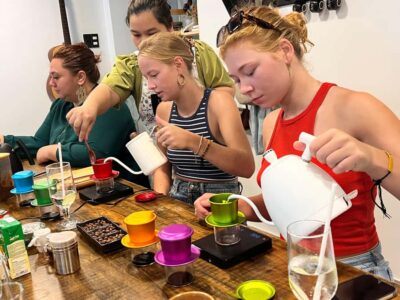
Egg coffee & Course on 4 traditional types of Viet coffee
Read our review →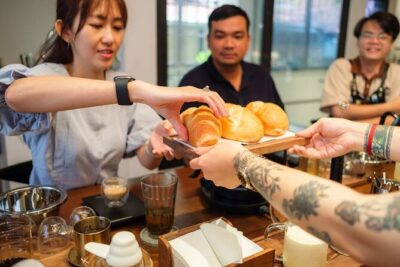
Fun & Easy Vietnamese Coffee Workshop in Hồ Chí Minh City
Read our review →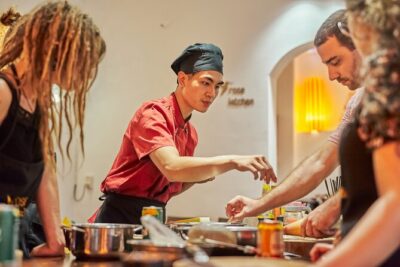
Hanoi Cooking Class: Pho/Bun Cha/Banh Xeo…+Free Egg/Salt Coffee
Read our review →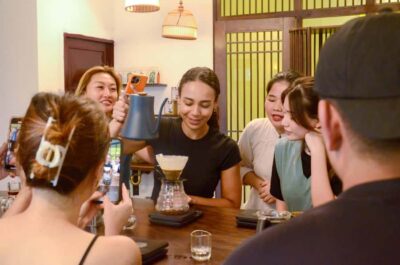
Vietnamese Coffee Workshop with 6 Brews and 8 Recipes
Read our review →
Vietnamese Coffee & Culture Exploration in Hồ Chí Minh City
Read our review →
Hanoi Coffee Workshop: Master 6 Signature Vietnamese Coffee
Read our review →
Hands-on Vietnamese Coffee Making Class with Long
Read our review →Lists this coffee tour turns up in