
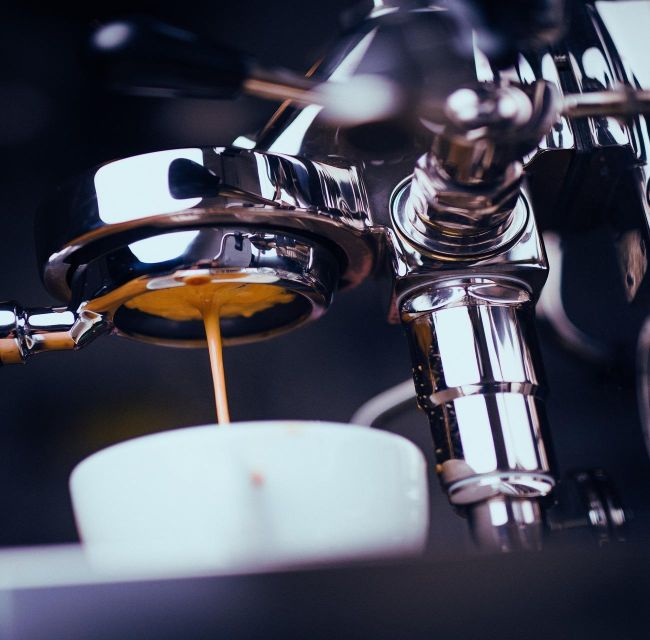
REVIEW · CENTRAL VIETNAM
Hoi An: Hand-on Making Vietnamese Coffee Class & Culture
Vietnamese coffee is not just a drink here. It is a slow ritual, a café habit, and a lesson in local taste. This one-hour class lets you move beyond simply ordering a cà phê sữa đá and learn how several traditional styles are made, from the patient phin filter to sweet egg coffee.
I like the direct, hands-on format, and I like that you visit a small-batch roastery rather than sitting through a standard café demonstration. The friendly setting, useful coffee background, and chance to drink what you make give the hour a good mix of learning and doing.
The main drawback is the short length. You will get a focused introduction, not a full barista course, and the class is not suitable for children under 10. No individual guide name is provided, so you book the coffee specialist and English-speaking host as a team rather than a named personality.
Key Points
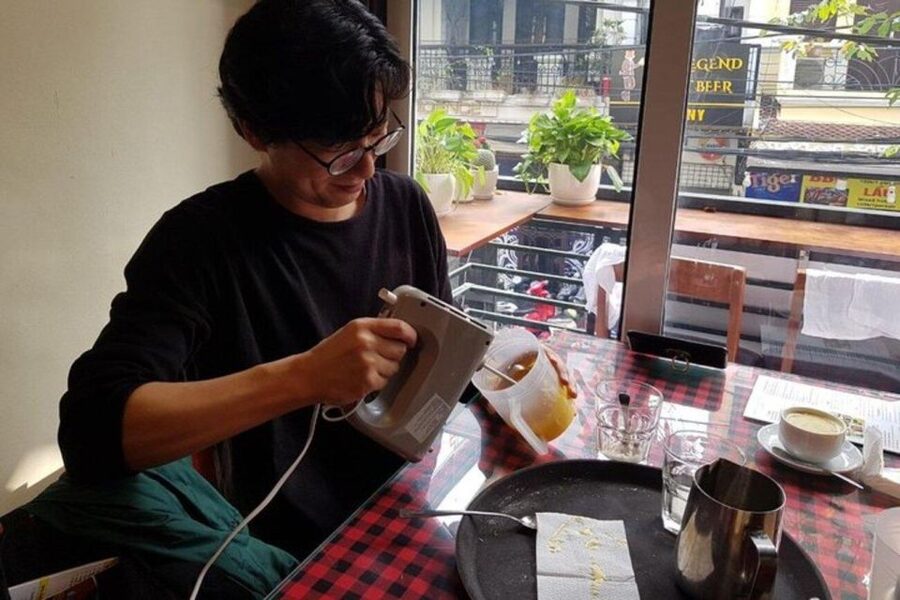
- Choose your coffee style: Make and taste phin filter coffee, egg coffee, salt coffee, or coconut coffee.
- Learn the crop-to-cup story: Hear how Vietnamese coffee moves from growing regions to local cafés and your cup.
- Visit a working local roastery: The focus is on small-batch roasted beans and careful preparation.
- Keep the group small: The class is limited to 10 participants, which gives you room to follow along.
- Finish with your own drink: Enjoy the coffee you make while listening to music in a comfortable setting.
- Pay $15 for a focused hour: The price includes ingredients, equipment, the roastery visit, instruction, and tasting.
Why this one-hour class is worth your time
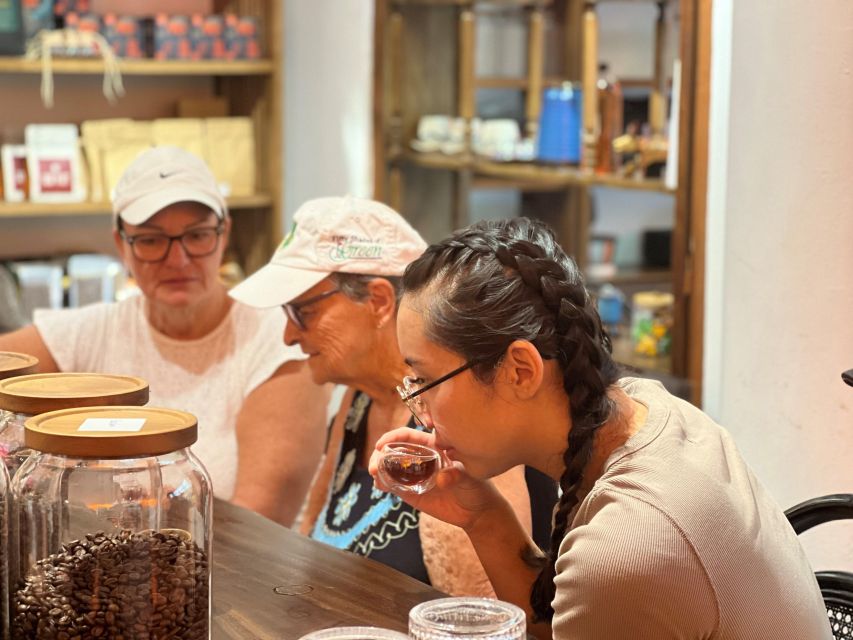
Hoi An has no shortage of attractive cafés, but ordering coffee and understanding coffee are two different things. This class gives you a practical way to connect the drink in your cup with Vietnam’s coffee-growing regions, roasting habits, and café culture.
At $15 per person, the experience is priced as a short cultural activity rather than a full meal or a long workshop. That matters because you are paying for the ingredients, equipment, specialist instruction, roastery visit, and tasting. If you already know how to make Vietnamese coffee, the value may feel modest. If the phin filter or egg coffee is new to you, the chance to prepare several traditional styles makes the hour more worthwhile.
The strongest part is the balance between explanation and action. You are not expected to sit quietly while someone else works. You hear the story behind Vietnamese cafés, then take part in making a traditional drink yourself.
A 4.7 rating from nine verified bookings supports the idea that the class delivers what it promises. The most consistent praise centers on actually making the coffee, the cozy atmosphere, and the friendly mix of information and practice. That is the right standard to use here: this is a pleasant introduction, not a professional coffee-training session.
More Coffee Making Classes in Vietnam
- Hoi An: Hands-on Vietnamese Coffee Making Class with Long
★ 4.8 · 66 reviews - Hoi An: Vietnamese Coffee Making Course
★ 4.9 · 25 reviews - Coffee Class & Basket Boat Experience or Lantern Class -optional
★ 5.0 · 18 reviews
Arriving at 88 Phan Chau Trinh Street
The meeting point is at 88 Phan Chau Trinh Street in Hoi An. Hotel pickup and drop-off are not included, so you need to make your own way there and return on your own.
That arrangement keeps the cost down and suits anyone already spending time in central Hoi An. Before booking, check the meeting point against your accommodation and planned sightseeing. A one-hour class can be easy to fit into a busy day, but only if you allow enough time to reach the roastery.
The activity has a separate entrance for participants, so you can go directly to the experience rather than dealing with a long general queue. The venue is wheelchair accessible, which is useful for visitors who need step-free access. The supplied information does not describe the exact interior layout, so anyone needing specific access arrangements should confirm details before arrival.
The host or greeter speaks English, and the listed activity language is English. No other language is promised.
Starting with Vietnam’s coffee culture
The class begins with an introduction to the local roastery and the beans used there. You hear about small-batch roasting and the coffee-growing regions of Vietnam, then get a wider explanation of how coffee fits into popular cafés and daily life.
This opening gives the tasting some context. Vietnamese coffee is often associated with strong brewed coffee and sweetened condensed milk, but the country’s café menu is more varied than that familiar combination. Egg, salt, and coconut coffee each change the texture and flavor in a different way.
The instructor also explains the path from crop to cup. That phrase is useful here because it connects several stages that are often invisible when you order a drink: growing, sourcing, roasting, brewing, and serving.
I appreciate this part because it helps you notice the difference between a bean and a finished café drink. The class also presents quality and sustainability as part of the roastery’s approach. The information is broad rather than technical, so you should not expect a detailed lecture on farming methods or roasting science. You will, however, leave with a clearer sense of why roasting and preparation affect the final cup.
Choosing between four traditional coffees
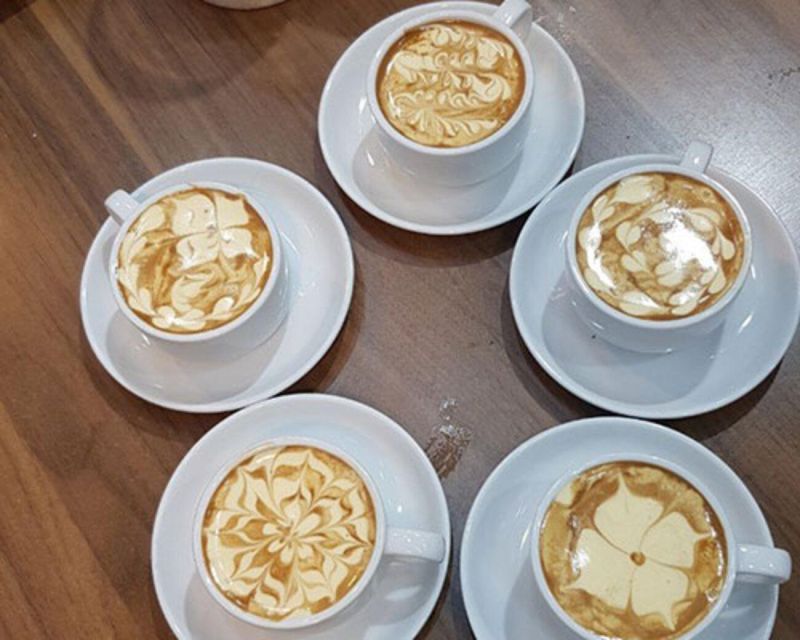
You can choose one style of traditional Vietnamese coffee to make and taste. The listed options are phin filter coffee, egg coffee, salt coffee, and coconut coffee.
More Vietnamese Coffee Experiences in Hoi An:
- Authentic Vietnamese Coffee Making Experience in Hoi An
★ 5.0 · 13 reviews - Vietnamese Coffee Making Class in Hoi An
★ 5.0 · 4 reviews - Hoi An Vietnamese Coffee Workshop: Hands-On Brewing Class
★ 5.0 · 3 reviews - Exploring Vietnamese Coffee Culture, Coffee Making in Hoi An
★ 3.7 · 3 reviews
Phin filter coffee
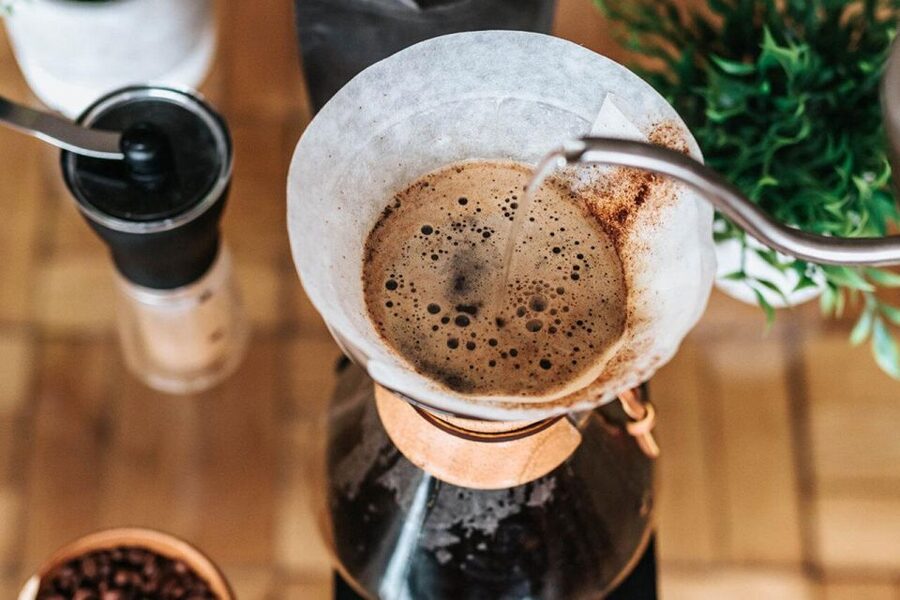
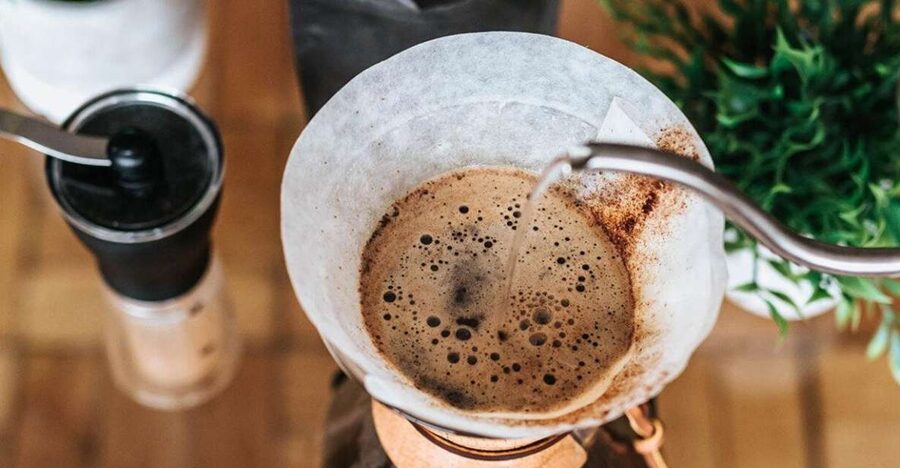
The phin is the classic Vietnamese brewing device. It sits over the cup and lets hot water pass slowly through ground coffee. This method rewards patience and makes the brewing process visible.
For many visitors, this is the most useful choice because the phin is closely tied to the way Vietnamese coffee is served at home and in cafés. You can watch the coffee drip, learn the basic process, and then taste the result. It is a better cultural lesson than simply receiving a finished drink at a café table.
Egg coffee
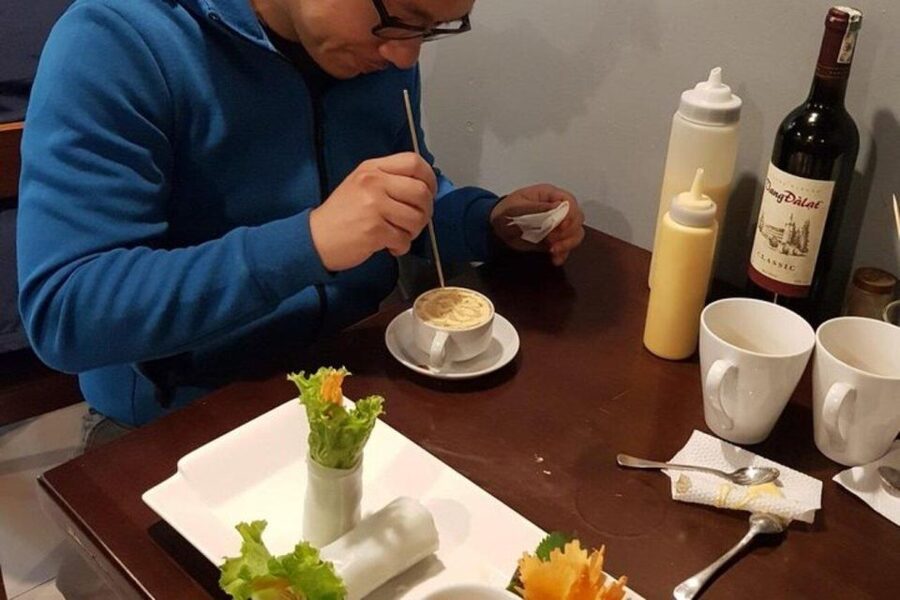
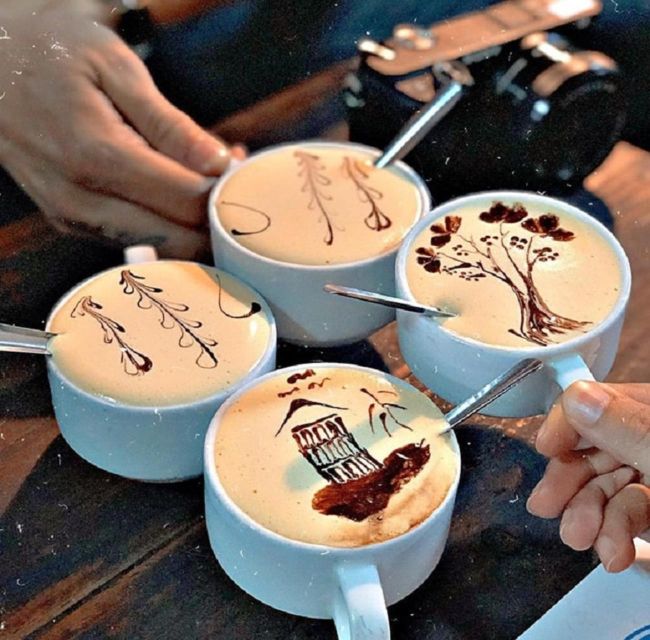
Egg coffee is known for its creamy topping and sweet character. It offers a very different experience from a plain brewed coffee, so it suits you if you enjoy dessert-like drinks or want to try one of Vietnam’s more distinctive café creations.
The class lets you take part in making it rather than treating it as a mystery topping. Since the session lasts only an hour, the instructor will likely keep the method focused and approachable rather than turning it into a detailed pastry lesson.
Salt coffee
Salt coffee may sound unusual if you have not encountered it before. A small amount of salt can change how you perceive bitterness and sweetness, giving the drink a different balance from standard Vietnamese coffee.
This is a good pick if you want to try something less familiar. It also makes the class more than a basic brewing demonstration, since you can compare how a small ingredient changes the drink.
Coconut coffee
Coconut coffee brings a sweeter, softer profile to the cup. It is a good choice if you prefer a cold or creamy-style coffee drink, though the supplied information does not specify the exact preparation or temperature.
The useful point is choice. You are not locked into one recipe, and the menu gives you several ways to find a style that suits your taste.
The hands-on part makes the hour count
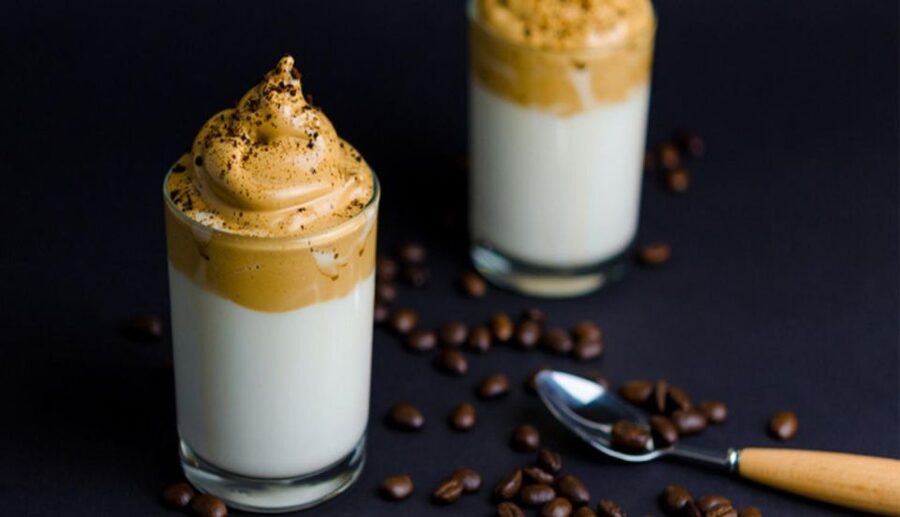
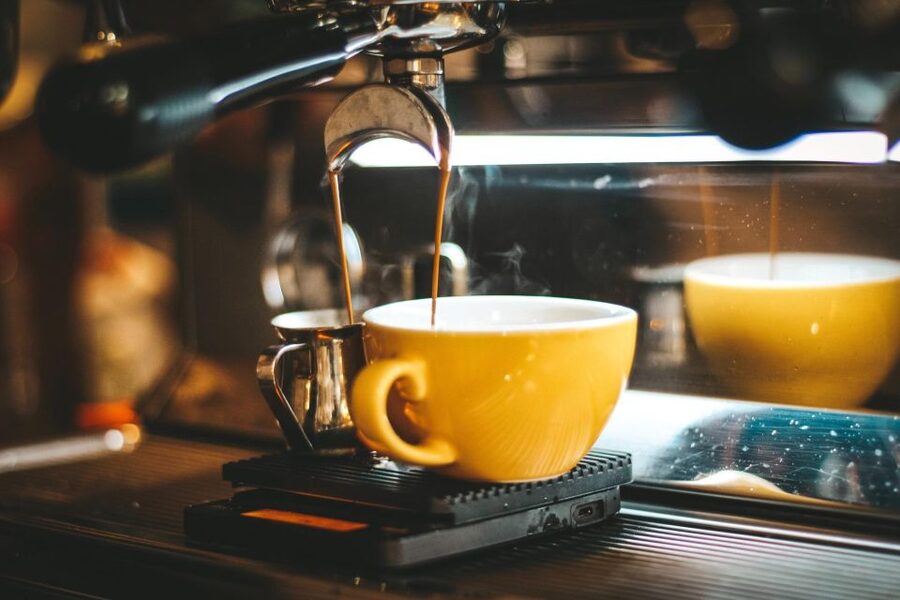
The experience includes all ingredients and equipment, so you do not need to bring coffee tools or supplies. The coffee specialist guides you through the preparation, and you make the drink yourself before tasting it.
That practical element is the reason I would choose this class over a simple coffee tasting. You can ask questions while working, see the equipment in use, and understand the order of the steps. It also gives you a better chance of repeating the method later, especially if you choose phin coffee and want to buy a filter in Vietnam.
The class is limited to 10 participants. That is small enough to keep the session personal without making it feel like a private lesson. A small group also helps when you need to watch a demonstration or get help with the equipment.
Still, keep your expectations sensible. One hour does not leave much room for long individual coaching, multiple full recipes, or detailed tasting comparisons. You are learning one selected style, with cultural context around it. The class is practical and friendly, but not designed for aspiring café professionals.
A comfortable finish with your own coffee
After making the drink, you sit down and enjoy it. Music plays in the background, and the setting is described as comfortable and cozy.
This ending matters because it gives the experience a proper pause. You are not rushed out immediately after the demonstration. You get to taste the result and think about the preparation while enjoying the atmosphere of the roastery.
The strongest feedback about the class focuses on this simple pleasure: making the coffee and then drinking it. That may sound basic, but it is the part that turns a talk into an activity. You have a clear result in front of you, and the drink has a personal connection because you prepared it.
The setting also makes the class a useful break from sightseeing. Hoi An can fill a day with walking, shopping, and visits to historic buildings. A quiet coffee hour gives you a change of pace without taking half a day.
What the $15 price really covers
The $15 cost is reasonable if you want an accessible introduction to Vietnamese coffee. You receive the roastery visit, ingredients, equipment, English-language guidance, coffee preparation, and tasting in a one-hour session.
The value is strongest for first-time visitors to Vietnam or anyone who enjoys food and drink activities. You are paying for a compact cultural lesson with something to consume at the end, not merely for a cup of coffee.
The value is weaker if you are mainly looking for a relaxing drink. A normal Hoi An café will cost less, and you can spend longer there. This class earns its price through participation and explanation.
Meals and other drinks are not included. Personal expenses and anything not specifically listed are also your responsibility. Plan to eat separately, and do not assume you will receive several additional beverages beyond the coffee you prepare.
Who should book this experience
I would recommend the class to coffee drinkers who want to understand Vietnamese café customs instead of only taking photos of attractive drinks. It also suits curious food lovers, couples, solo visitors, and small groups who prefer a short activity with a clear start and finish.
It is particularly good for you if:
- You have never used a Vietnamese phin filter.
- You want to try egg, salt, or coconut coffee.
- You enjoy activities where you make something yourself.
- You want a one-hour break that fits around sightseeing.
- You prefer a small group to a large demonstration.
- You want a local roastery setting rather than a generic café stop.
It may not suit you if you dislike sweet coffee styles, already have strong coffee-making skills, or want a long technical workshop. Children under 10 cannot join, so families with younger children need another plan.
The activity is wheelchair accessible, but the information does not give detailed measurements or facilities. If you need a particular arrangement, confirm it before booking.
Timing, flexibility, and practical planning
The duration is one hour, with starting times subject to availability. That makes it easy to place before lunch, between sightseeing stops, or later in the day when you want a calmer activity.
You can cancel up to 24 hours in advance for a full refund. The reserve-now-and-pay-later option also helps if your Hoi An schedule is still changing. These policies are useful in a destination where weather, day trips, and transport plans can shift.
Because the experience is short, arriving at the correct address matters. There is no hotel transfer included, and the class will not function as a general Hoi An walking tour. You are meeting at the roastery for coffee, so plan your route in advance.
Should you book the Hoi An coffee class?
Book it if you want a hands-on introduction to Vietnamese coffee with a small group, an English-speaking specialist, and a choice of four traditional styles. The practical format, cozy setting, and chance to drink what you make are the main reasons to go.
Skip it if you want a full meal, a long roasting lesson, or a broad tasting flight. At $15, the class is fairly priced for one focused hour, but its value depends on your interest in coffee culture.
For most first-time visitors, I think it is an easy activity to add to a Hoi An itinerary. You learn something specific, make a local drink, and leave with a better idea of why Vietnamese coffee culture is worth paying attention to.
FAQ
Where does the coffee class meet?
The meeting point is 88 Phan Chau Trinh Street in Hoi An, Central Vietnam.
How much does the experience cost?
The price is $15 per person.
How long does the class last?
The class lasts one hour.
What types of Vietnamese coffee can I make?
You can choose phin filter coffee, egg coffee, salt coffee, or coconut coffee.
Are ingredients and equipment included?
Yes. The experience includes all ingredients and equipment needed to make the coffee.
Is the coffee specialist English-speaking?
Yes. The host or greeter and the listed activity language are English.
How many people can join the group?
The activity is limited to 10 participants.
Can children join the class?
Children under 10 are not suitable for this activity.
Can I cancel or pay later?
You can cancel up to 24 hours in advance for a full refund. You can also reserve now and pay later.
More Coffee Making Classes in Hoi An
- Hoi An Buffaloes Riding/Coracle Boat Tour/Coffee Class with Lunch
★ 4.5 · 15 reviews - Hoi An Coffee Making Workshop
★ 5.0 · 7 reviews - Coffee Making and Banh Mi Class Hoi An
★ 5.0 · 5 reviews - Hoi An:Coffee Making Class (Coffee: egg, Salt, Coconut, …)
★ 5.0 · 5 reviews
Just listed in Hoi An
- Vietnamese Coffee Making Class in Hoi An★ 5.0 · 4 reviews
- Hoi An Vietnamese Coffee Workshop: Hands-On Brewing Class★ 5.0 · 3 reviews
- Authentic Vietnamese Coffee Making Experience in Hoi An★ 5.0 · 13 reviews
- Vietnamese Egg Coffee Making Course in Hoi An★ 3.5 · 2 reviews
- Hoi An Coffee Making Workshop★ 5.0 · 7 reviews
- Hoi An Coffee Tasting And Old Town Discovering Tour★ 5.0 · 4 reviews
- Coffee Making and Banh Mi Class Hoi An★ 5.0 · 5 reviews
- Experience Making & Tasting Vietnamese Coffee in Hoi An★ 5.0 · 2 reviews
Vietnamese Coffee Experiences, compared.

Salt Coffee Workshop Awake Your Senses With 6 Brews
Read our review →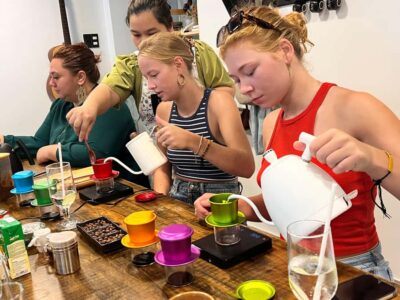
Egg coffee & Course on 4 traditional types of Viet coffee
Read our review →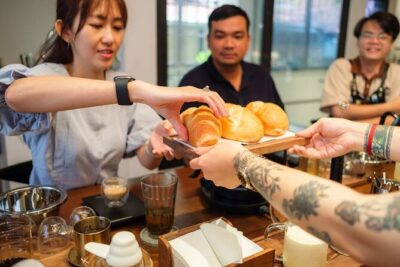
Fun & Easy Vietnamese Coffee Workshop in Hồ Chí Minh City
Read our review →
Hanoi Cooking Class: Pho/Bun Cha/Banh Xeo…+Free Egg/Salt Coffee
Read our review →
Vietnamese Coffee Workshop with 6 Brews and 8 Recipes
Read our review →
Vietnamese Coffee & Culture Exploration in Hồ Chí Minh City
Read our review →
Hanoi Coffee Workshop: Master 6 Signature Vietnamese Coffee
Read our review →
Hands-on Vietnamese Coffee Making Class with Long
Read our review →Lists this coffee tour turns up in