REVIEW · HONSHU
Discover Coffee Experience Latte Art Workshop at Tokyo
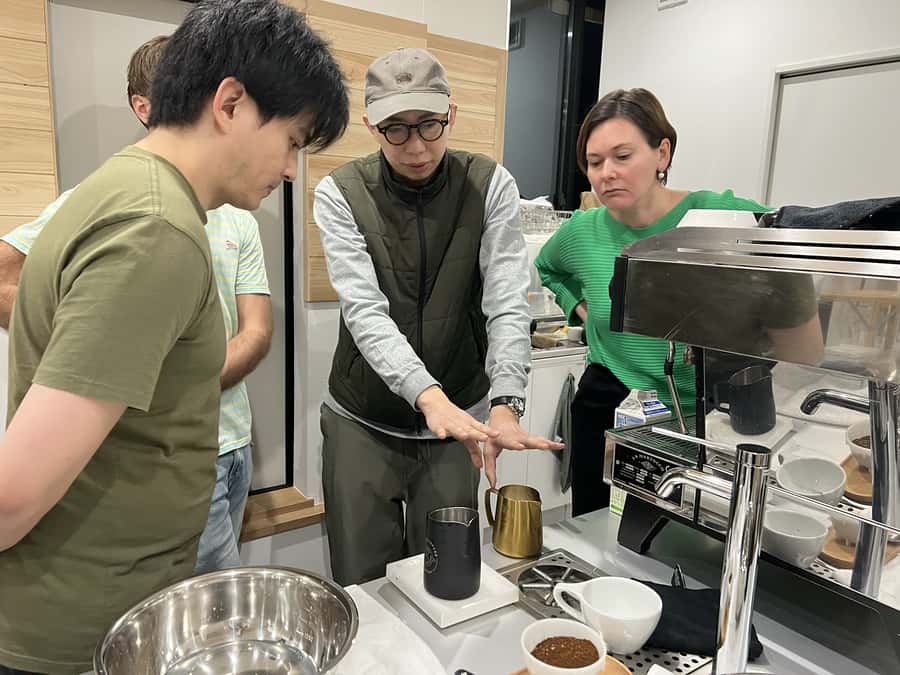
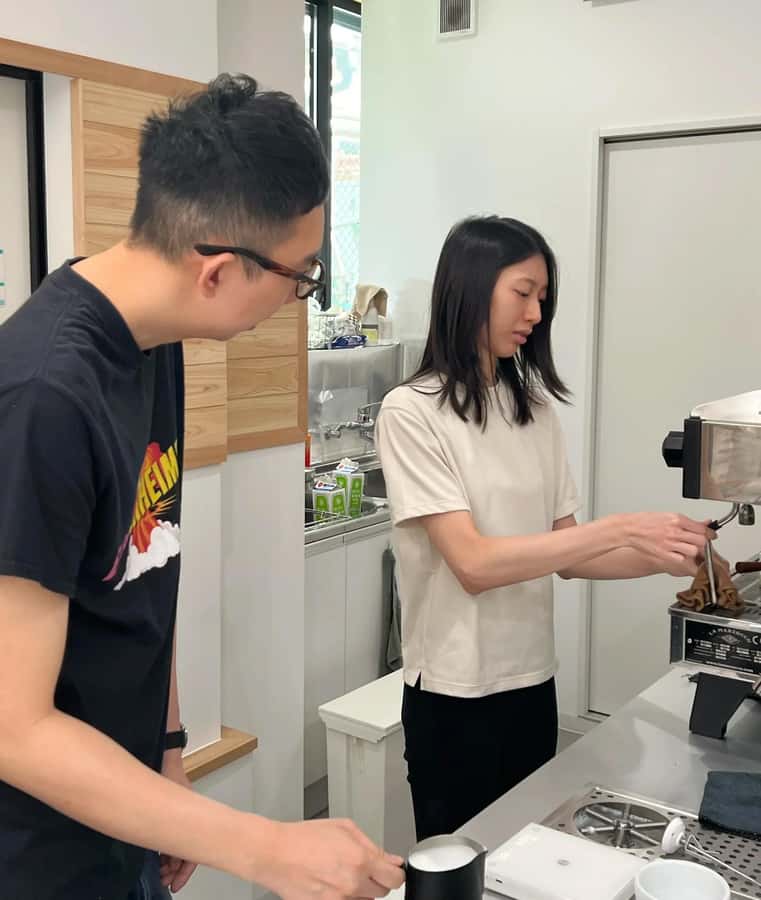
The most interesting part of this Tokyo workshop is its tiny class size. With no more than four people, you get real time at the espresso machine rather than a quick demonstration from the sidelines. I like the hands-on practice and the chance to work on both the coffee and the milk, since a pretty pattern is only half the job.
I also like the quiet, focused setting at Tasse Coffee Roastery and the patient teaching style reported by participants who worked with Wing. The main consideration is the $96 price for 90 minutes. That is a serious cup of coffee money, so this makes the most sense if you want a practical skill, not just a drink and a photo.
Key points at a glance
- A maximum of four participants: Expect personal attention and room to ask basic questions.
- Milk texture comes first: You learn to create smooth, silky milk before attempting designs.
- Professional espresso equipment: The workshop gives you direct practice instead of a purely visual lesson.
- Classic designs are central: Heart and tulip pours are covered, with rosetta and more advanced patterns introduced as appropriate.
- You taste your own work: The session connects appearance with flavor, texture, and espresso quality.
- Three language options: Instruction is available in English, Japanese, and Chinese.
A small Tokyo class built around real practice
Many coffee classes show you how latte art works, then hand you a drink and send you on your way. This one is arranged differently. The group is limited to four people, which matters because latte art depends on small movements that are hard to see from across a counter.
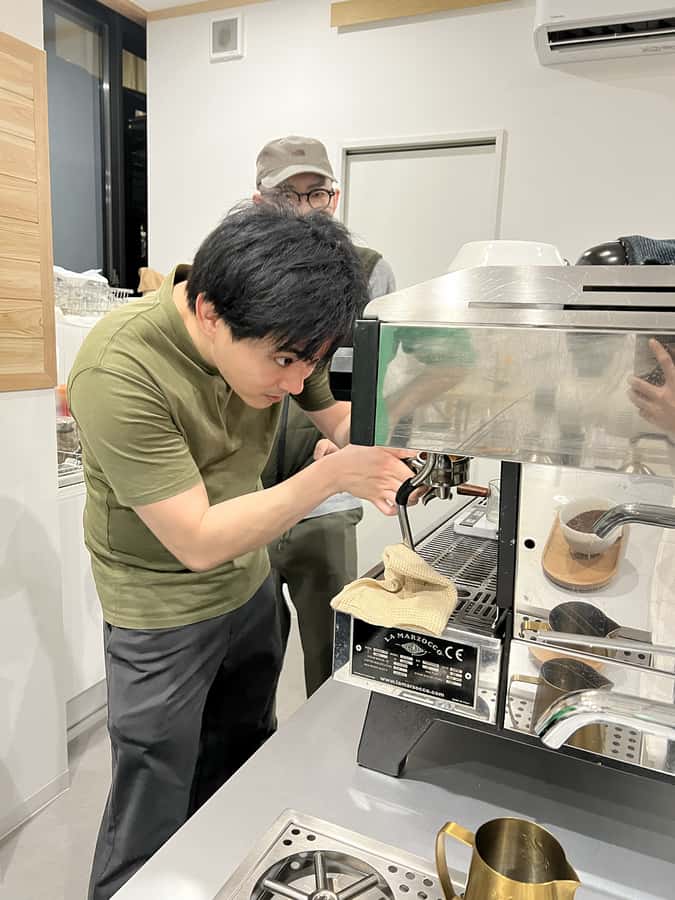
You work with professional espresso machines and tools while the instructor takes you through each stage. The course begins with a short look at espresso making, then shifts to the part most beginners find tricky: turning steamed milk into a smooth, pourable texture.
That order is sensible. You cannot make a clean heart with dry foam, big bubbles, or milk that has been heated too far. The pattern begins with the texture, not the final wrist movement.
The setting is Tasse Coffee Roastery Shop in central Tokyo. Your meeting point is the front door. The shop is described as modern and calm, so the workshop should suit you if you prefer a focused coffee lesson over a loud, crowded activity.
More Coffee Tours in the world:
- Hanoi Coffee Experience: 6 Brews, 9 Recipes & 3 Liquor Tastings
★ 5.0 · 2,945 reviews - Medellin: Coffee Tour with Transport, Snacks and Tastings
★ 4.7 · 1,357 reviews - Istanbul: Turkish Coffee Making and Fortune Telling Workshop
★ 4.9 · 1,308 reviews
What happens during the 90-minute session
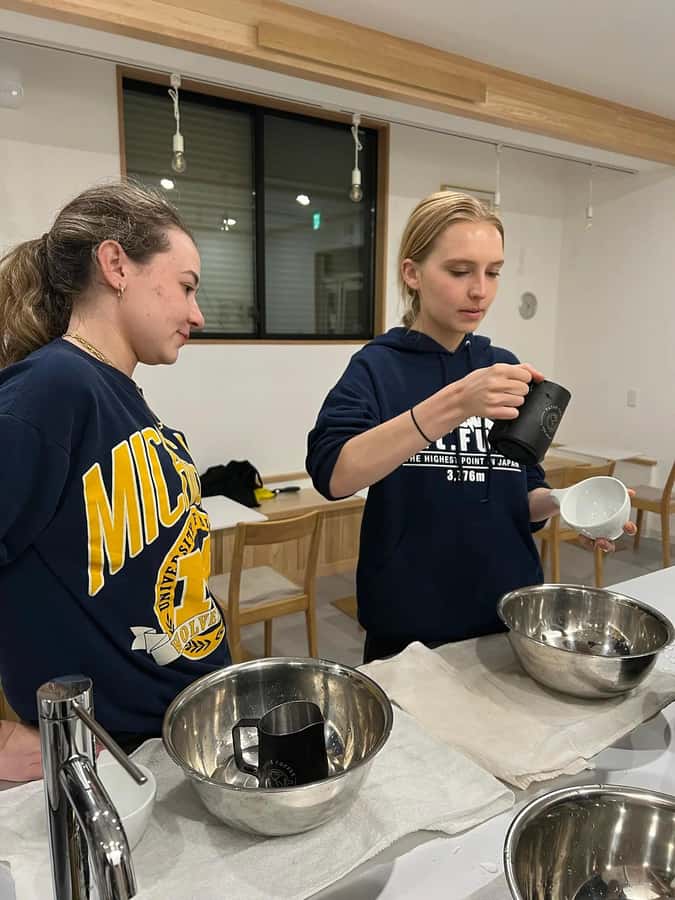
The full experience lasts 90 minutes. That is enough time for a structured introduction and hands-on practice, though it is not a long professional barista course.
Espresso basics before the artwork
The first section gives you a short introduction to espresso. You are not signing up for a full espresso certification class, but this part helps explain why the base drink matters.
Latte art sits on top of espresso, so its flavor and surface affect the result. A good pour needs a suitable coffee base, and the workshop links espresso preparation with the finished latte rather than treating the design as a separate trick.
This is useful for beginners who know the word latte art but have never used a commercial espresso machine. You get the basic context before handling the milk pitcher.
Learning silky milk texture
Milk texturing is the technical heart of the class. You learn how to steam milk until it becomes smooth enough to pour, with a fine texture rather than large, loose bubbles.
The instructor covers the role of milk texture in both taste and appearance. This is an important distinction. A latte can look attractive yet taste flat or feel foamy. The workshop asks you to pay attention to both the surface design and the drink itself.
You will likely spend much of your attention on the steam wand, pitcher angle, and movement of the milk. The supplied information does not promise a fixed number of drinks, so you should think of the session as guided practice rather than a guaranteed sequence of finished cups.
Still in the world, but a different cup:
- Hanoi Coffee Workshop: Taste Salt, Coconut and Egg Coffee
★ 5.0 · 1,286 reviews - Vienna for Food Lovers: Cafés, Markets & Austrian Cuisine
★ 5.0 · 1,063 reviews - Big Island Highlights: Coffee, Volcano, Black Sands & Waterfall
★ 5.0 · 1,054 reviews - Hanoi: Salt Coffee Workshop Awake Your Senses With 6 Brews
★ 5.0 · 792 reviews
Moving from basic pours to patterns
Once the milk is ready, the class introduces the basic pouring movements used to form latte art. The heart is the natural starting point because it teaches control, placement, and the final cut through the milk.
The tulip adds another layer. It requires you to place one shape into another, so it helps you understand how flow and timing change the design. Rosetta patterns are also included in the course description, along with more advanced designs when appropriate.
Do not expect every participant to leave producing a perfect café rosetta. Latte art takes repetition. The value here is learning the mechanics, receiving corrections, and understanding what to adjust on your next attempt.
Practice with individual feedback
The practice section is where the small group earns its keep. You get time with the equipment and direct feedback instead of simply watching a barista’s hands.
One participant described Wing as patient and said the experience suited coffee lovers. Another appreciated being able to ask questions tailored to a complete lack of previous knowledge. That detail matters. A beginner-friendly class should let you stop and ask why the milk is behaving differently, why a heart spreads, or how the pour changes when the pitcher moves closer to the coffee.
Instruction is offered in English, Japanese, and Chinese. If you are booking from overseas, English instruction removes one common worry. Still, latte art is partly visual and physical, so watching the instructor closely will be as important as following verbal explanations.
Why the tasting matters
At the end, you taste and assess your creations. This is more useful than it may sound.
Latte art is often treated as decoration. Here, the tasting connects the pattern to the actual drink. You consider flavor and texture, not only the shape on top. The class also includes instruction on subtle differences in the drinks you make.
That tasting gives you a better way to judge progress. A smoother pour should usually produce a more pleasant mouthfeel, while poorly textured milk can make the drink seem heavy or thin. You do not need to become a coffee expert in one session, but you leave with a clearer idea of what to notice.
I especially like this part because it keeps the workshop from becoming a purely photographic activity. You are learning to make a drink that works, not just a heart that looks good for a few seconds.
What the small group changes
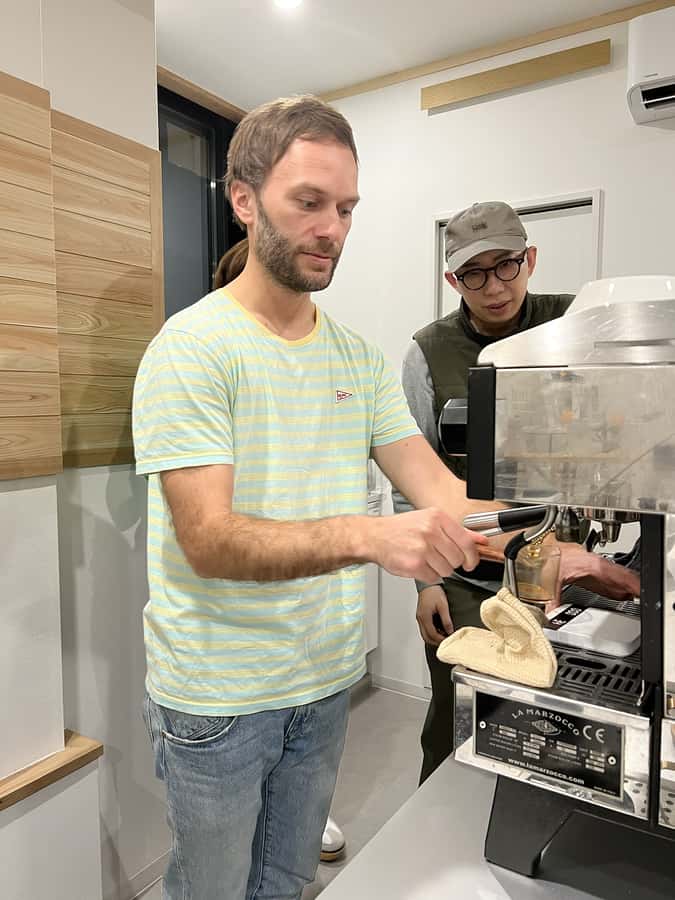
A four-person limit is one of the strongest features of this experience. In a larger class, you might spend most of the time waiting for a machine or trying to see a demonstration over someone’s shoulder.
Here, the instructor can watch how you hold the pitcher and respond to your specific questions. That is particularly helpful if you have no prior coffee experience. A small group also makes it easier to compare techniques without turning the session into a lecture.
The tradeoff is simple: a smaller class usually costs more per person. At $96, this is priced as a specialist activity rather than a casual coffee stop. You are paying for instruction, equipment, materials, tasting, and personal attention.
The price is easier to justify if you already enjoy specialty coffee, want to repeat the skill at home, or are looking for an indoor Tokyo activity with a clear focus. It is harder to justify if you only want to drink a latte or take a quick break between sightseeing stops.
Who will get the most from this workshop
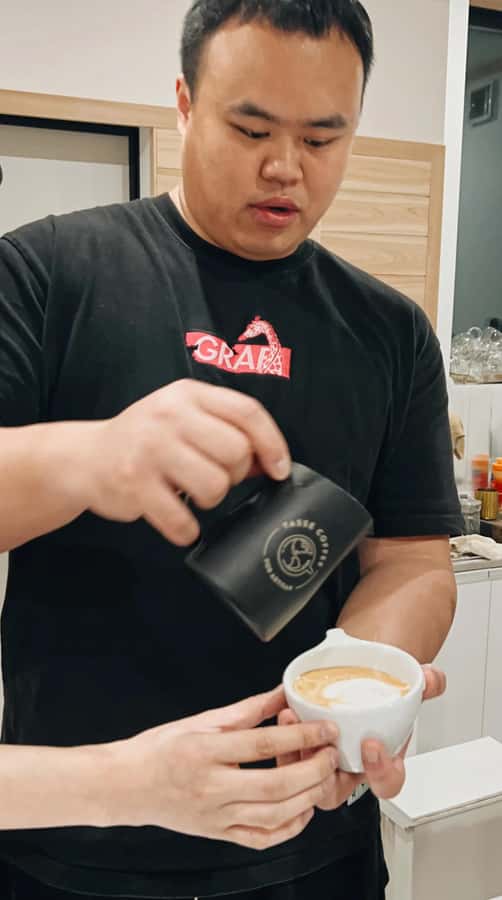
This experience fits several types of people:
- Coffee beginners: You can ask basic questions without feeling lost in a large class.
- Home coffee makers: Milk texturing and pouring practice can improve what you make in your own kitchen.
- Specialty coffee fans: The tasting section gives you more language for judging texture and flavor.
- Couples or small groups: With only four places, friends can share the activity while still getting individual help.
- Visitors seeking a slower Tokyo activity: The calm coffee-shop setting offers a break from packed sightseeing schedules.
It may be less suitable if you dislike structured instruction or want a relaxed café visit with no practical work. This is a workshop, so expect to pay attention, handle equipment, and repeat techniques under guidance.
The practical details that matter
The workshop lasts 90 minutes, and starting times depend on availability. Check the available time before booking so it fits your Tokyo plans.
Meet at the front door of Tasse Coffee Roastery Shop. The supplied details do not give a more specific station direction, so make sure you have the shop name and meeting point ready before setting out.
All fees and taxes are included. You do not need to budget for a separate workshop charge after booking. The activity also allows free cancellation up to 24 hours before the start time, with a full refund, and you can reserve now and pay later. Those terms are useful when your Tokyo schedule is still changing.
The class is available in English, Japanese, and Chinese. The group remains limited to four participants, which makes language choice even more useful because you can ask questions without fighting through a crowd.
What you should know before booking
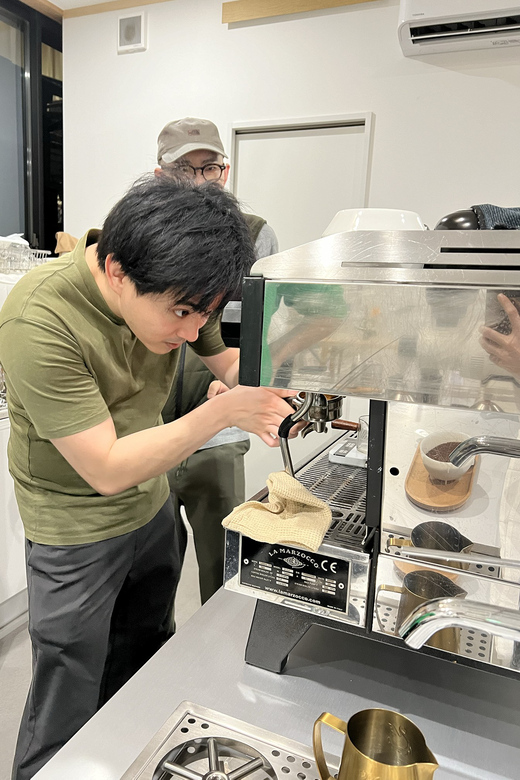
Bring curiosity, not an expectation of instant mastery. Latte art looks simple in a finished cup, but the milk texture and pouring angle take practice.
If you have never steamed milk before, the first attempt may feel awkward. That is normal for this type of workshop. The useful question is not whether your first heart looks perfect, but whether you understand what changed between one attempt and the next.
It is also worth wearing something you are comfortable working in. The supplied details do not state a dress code or provide information about protective clothing, so you should not assume special clothing is supplied.
The course description includes heart, tulip, and rosetta patterns, plus advanced designs when suitable. Your actual results will depend on your starting experience, the time available, and how quickly you handle the equipment. The clearest promise is instruction and practice, not professional-level latte art in one visit.
Is the $96 cost fair?
The answer depends on what you are buying. If you compare it with the price of a café latte, $96 looks high. If you compare it with a private-style lesson for a maximum of four people, access to professional machines, tasting, and instruction in three languages, the value is more reasonable.
The strongest part of the price is personal feedback. A video can show you how to steam milk, but it cannot tell you exactly why your foam is too airy or why your pour broke apart. A crowded class may offer the same problem in reverse, with too little time at the machine.
You should book if you want to learn a repeatable technique and enjoy the process of making coffee. If you only want a memorable drink in Tokyo, spend less at a good café instead.
Should you book the Tasse Coffee Roastery workshop?
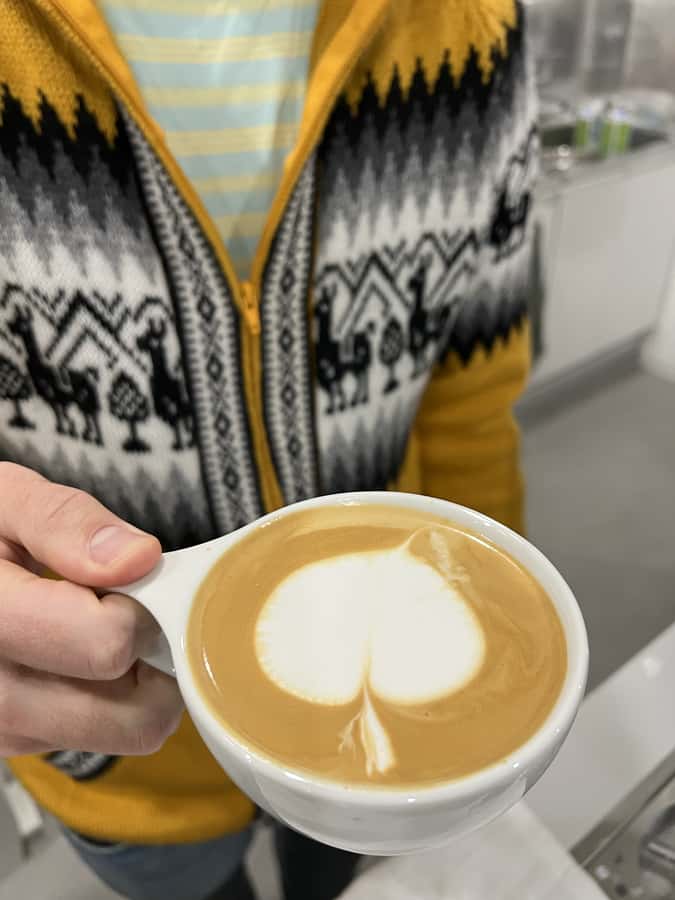
I would book this for a coffee enthusiast, a curious beginner, or anyone who wants a compact Tokyo activity with genuine participation. The four-person limit, patient guidance from Wing, and focus on both milk texture and flavor make it more useful than a quick latte art demonstration.
I would skip it if $96 feels too steep for a 90-minute class, or if you want a broad coffee tour rather than one concentrated skill. For the right person, though, this is a practical souvenir: you take home an understanding of how to make smoother milk, pour a basic design, and judge the drink beyond its appearance.
FAQ
Where does the latte art workshop take place?
The workshop takes place at Tasse Coffee Roastery Shop in Tokyo. The meeting point is the front door.
How long does the workshop last?
The experience lasts 90 minutes, or one and a half hours.
How much does the workshop cost?
The listed price is $96 per person.
How many people can join the class?
The group is limited to four participants.
Which languages are available?
Instruction is available in English, Japanese, and Chinese.
Will I use professional coffee equipment?
Yes. The workshop includes hands-on practice with professional espresso machines and tools.
What latte art designs are covered?
The class covers classic heart and tulip designs. Rosetta and more advanced patterns are also included when appropriate.
Does the workshop include espresso instruction?
Yes. You receive a brief overview of espresso making and how it pairs with latte art.
Can I taste the latte I make?
Yes. The experience includes tasting and evaluation of your creations, including their flavor and texture.
Can I cancel for a refund?
You can cancel up to 24 hours in advance for a full refund.
Do I have to pay when I book?
No. The activity offers a reserve-now, pay-later option, so you can keep your plans flexible.
Just listed in the world
- Fairview Coffee Farm Day Tour in Nairobi with Pickup★ 4.6 · 3 reviews
- DALAT EASY RIDER GROUP TOUR – PONGOUR FALL – SILK- COFFEE..★ 5.0 · 6 reviews
- Dublin Food & Drink Walking Tour & Jameson Irish Coffee Demo★ 4.4 · 5 reviews
- Turkish Coffee Fortune Ceremony★ 5.0 · 3 reviews
- Discover Japanese Coffee Brewing Experience at Tokyo★ 4.9 · 8 reviews
- Dalat Group Easy Rider – Elephant Fall-Pagoda-Weasel Coffee…★ 5.0 · 7 reviews
- Da Nang: Egg, Salt, & Coconut Coffee Making Class★ 5.0 · 4 reviews
- Danang: Vietnamese Coffee Class with 5 Unique types★ 5.0 · 2 reviews
Coffee Tours, compared.
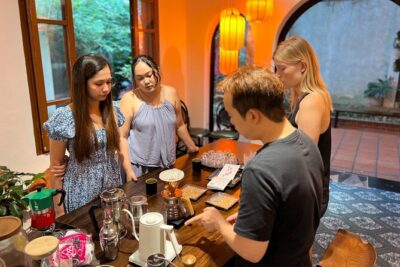
Hanoi Coffee Experience: 6 Brews, 9 Recipes & 3 Liquor Tastings
Read our review →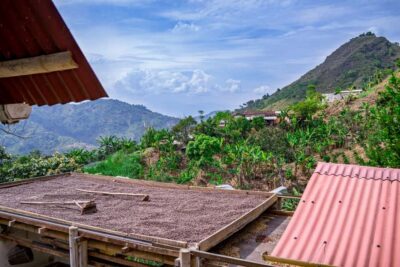
Coffee Tour with Transport, Snacks and Tastings
Read our review →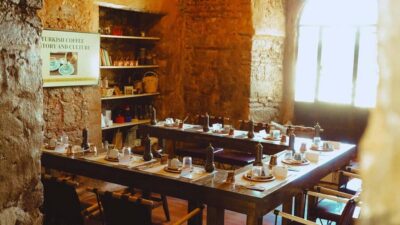
Turkish Coffee Making and Fortune Telling Workshop
Read our review →
Hanoi Coffee Workshop: Taste Salt, Coconut and Egg Coffee
Read our review →
Vienna for Food Lovers: Cafés, Markets & Austrian Cuisine
Read our review →
Salt Coffee Workshop Awake Your Senses With 6 Brews
Read our review →