
REVIEW · HONSHU
Discover Japanese Coffee Brewing Experience at Tokyo
Japanese coffee culture gets wonderfully hands-on at Tasse Coffee Roastery. In two hours, you move from bean selection and cupping to three brewing methods, including the elegant siphon and the distinctly Japanese kyūsu teapot. You are not just drinking coffee. You are learning how water, heat, timing, and technique change the cup.
I especially like the guided tasting, which teaches you to notice aroma, acidity, body, and aftertaste, and the private format, which gives you room to ask questions. The main consideration is the price: at $116 per person, this is a serious coffee workshop rather than a quick tasting. It is also limited to people age 16 and older.
Key points
- Three brewing methods in one session: Practice siphon, kyūsu, and hand-drip coffee instead of watching a single demonstration.
- Cupping before brewing: Learn to compare beans by aroma, acidity, body, and finish.
- Private instruction: The format allows focused help from English and Japanese-speaking coffee professionals.
- A quiet Tokyo setting: Natural wooden tones create a calm break from the city outside.
- Coffee culture with practical use: You leave with techniques you can apply to future brewing, not just background facts.
A Tokyo coffee workshop built around technique
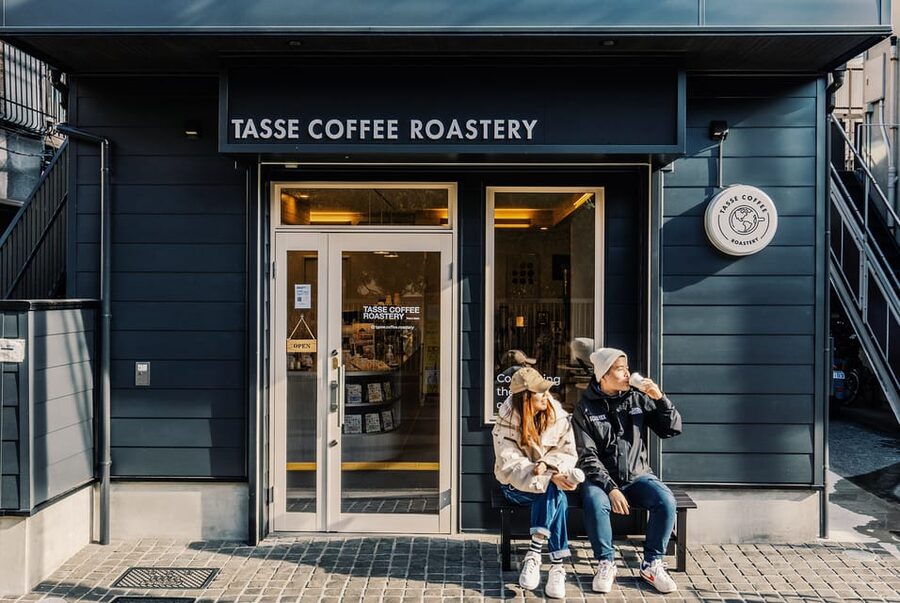
Tasse Coffee Roastery offers a focused look at a part of Japan that many visitors miss. Japan is famous for careful preparation, and coffee fits that character well. The workshop shows how attention to beans, water temperature, pouring, and equipment can change the result in your cup.
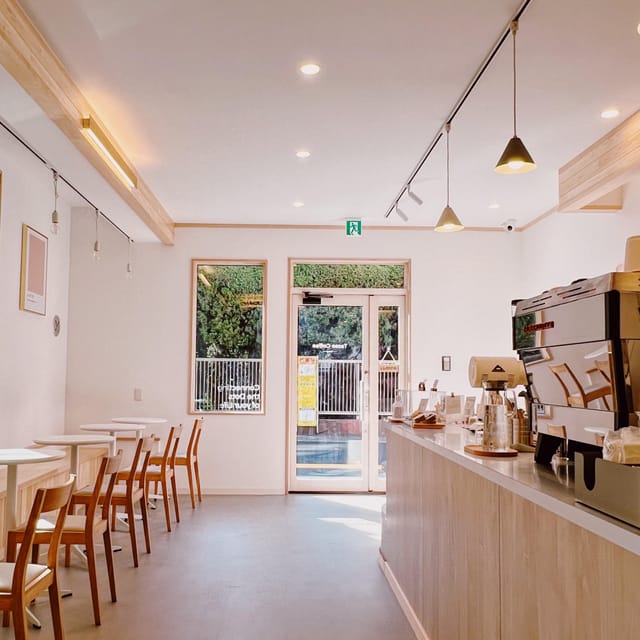
You spend two hours in a roastery with soothing natural wood tones. That setting matters. Coffee instruction can become rushed or noisy when it is packed into a busy café, but this workshop is designed for learning. The private group format should make it easier for you to stop, ask questions, and repeat a technique when your first pour is not quite right.
The instructors teach in English and Japanese. That makes the session useful for international visitors, and it also gives Japanese residents a chance to study a familiar drink in English. One Japanese participant described that language option as unusual and valuable, which tells you something important about the format: this is not just a tourist demonstration.
More Specialty Coffee Tours in the world:
- Cartagena: Colombian Specialty Coffee Tasting
★ 4.4 · 130 reviews - Coffee Farm Tour with Roasting & Tasting Workshop – Da Lat
★ 5.0 · 126 reviews - Private Coffee Roasting Class
★ 5.0 · 101 reviews
Starting with beans, roasts, and Japan’s coffee tradition
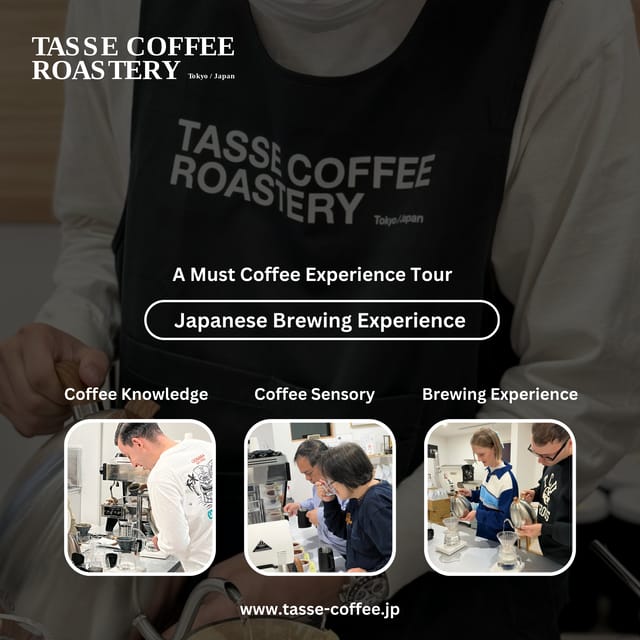
The opening section covers basic coffee knowledge and the place of coffee in Japan. You learn about different beans and roast levels, then follow the path from farm to cup.
This portion gives the rest of the workshop a purpose. Without it, brewing can feel like a set of disconnected hand movements. Once you understand how the bean and roast affect flavor, the later tasting comparisons make more sense.
You should expect an introduction rather than a full academic course in coffee production. The session has only two hours, and much of that time is reserved for practical brewing. Still, the opening provides useful tools for understanding what is in your cup and why one blend behaves differently from another.
The discussion of selection is also practical. Coffee does not begin with a dripper or siphon. It begins with the bean, its roast, and the way those choices shape aroma and taste. If you are new to specialty coffee, this part helps you avoid treating every dark roast or light roast as the same thing.
Cupping teaches you how to taste coffee
The cupping exercise is one of the most useful parts of the workshop. You sample different coffees and learn a basic vocabulary for describing what you notice.
The instructor guides you through aroma, acidity, body, and aftertaste. These terms can sound fussy at first, but they are simply ways to organize your impressions. Aroma covers what you smell. Acidity describes the lively, bright quality in some coffees. Body refers to weight or texture in the mouth. Aftertaste is what remains once you swallow.
This is a good place to slow down. Many people drink coffee quickly and decide only whether they like it. Cupping asks you to compare. You may notice that one blend feels light and crisp while another feels heavier or lingers longer.
The value here is not learning a list of fashionable coffee words. It is learning how to pay attention. Once you can identify a coffee’s body or finish, you can make better choices at a café or roastery later in your trip.
The tasting also gives you a reference point for the brewing exercises. You are not sampling coffee in isolation. You are preparing to see how the same or similar beans can taste different when brewed with different methods.
Siphon brewing brings theater to the table
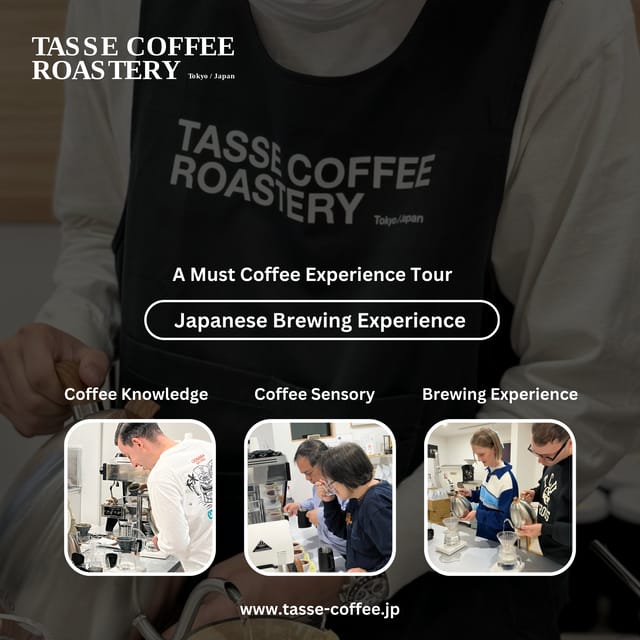
The siphon is the most visually engaging method in the workshop. It uses glass chambers, heat, and pressure to move water through the coffee. The process has a graceful, almost laboratory-like quality, but the instructor keeps the focus on flavor rather than spectacle.
You learn about the siphon’s place in Japanese coffee culture, watch a demonstration, and then practice the technique. The equipment itself is part of the appeal. Coffee preparation becomes something you can see clearly, from the movement of water to the final separation of brewed coffee.
Siphon brewing is worth trying because it shows how equipment affects the cup. Heat control, timing, and the movement of water all play a role. The result can feel different from a hand-drip brew, even when the beans are similar.
There is a practical catch. Siphon brewing requires more equipment and attention than a basic pour-over. You probably will not use it every morning unless coffee is a serious hobby. That does not make the exercise less valuable. It lets you understand a traditional Japanese brewing style without having to buy the full setup before deciding if it suits you.
More Brewery Stops in the world:
- Istanbul: Turkish Coffee Brewing on Sand + Gift Set
★ 4.9 · 49 reviews - Coffee Brewing Workshop
★ 5.0 · 28 reviews - Medellin: Avoeden Café Coffee Brewing Workshop
★ 5.0 · 12 reviews - Antalya: Turkish Coffee Brewing on Sand & Fortune Telling
★ 4.9 · 7 reviews
Kyūsu coffee gives a Japanese teapot a new job
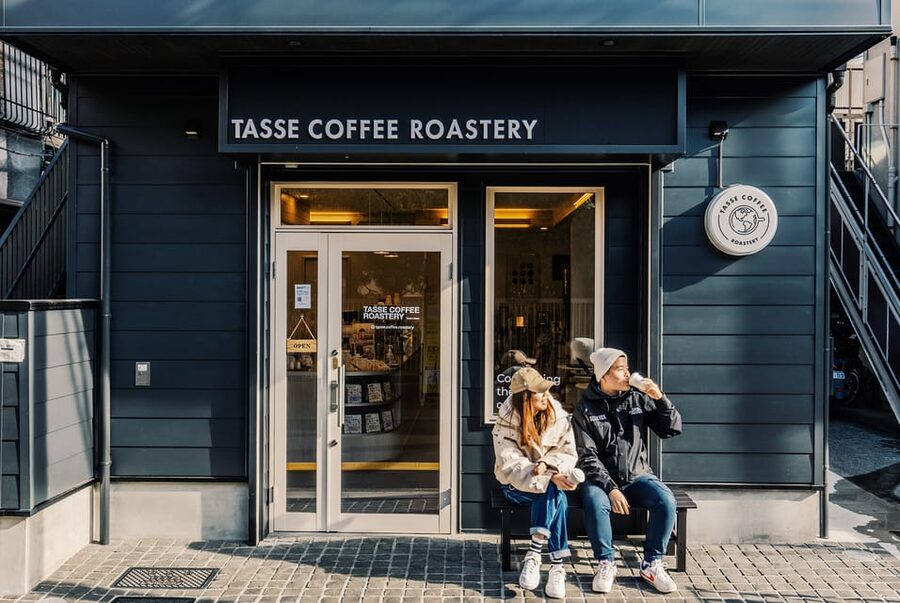
The kyūsu is a traditional Japanese teapot, usually associated with tea. Here it is adapted for coffee. That pairing makes this one of the workshop’s most distinctive sections.
You learn how to brew coffee in a kyūsu and compare the result with the other methods. The point is not that the teapot is automatically better. The point is to see what changes when coffee meets a vessel designed around controlled pouring and careful preparation.
This method connects coffee with Japanese habits of hospitality and craft without pretending that coffee is tea. The kyūsu remains a useful brewing tool in its own right, while the workshop explains how to adjust your technique for coffee.
For you, the comparison is the key. A brewing method is not only a piece of equipment. It shapes the pace of preparation and the way water meets the grounds. The kyūsu offers a different experience from the more theatrical siphon and the more familiar hand drip.
If you want a souvenir with a strong connection to Japanese coffee culture, this is the technique to remember. The workshop does not say that you must purchase a kyūsu, but it gives you a reason to notice how Japanese vessels can be used beyond their traditional purpose.
Hand-drip practice gives you the most useful takeaway
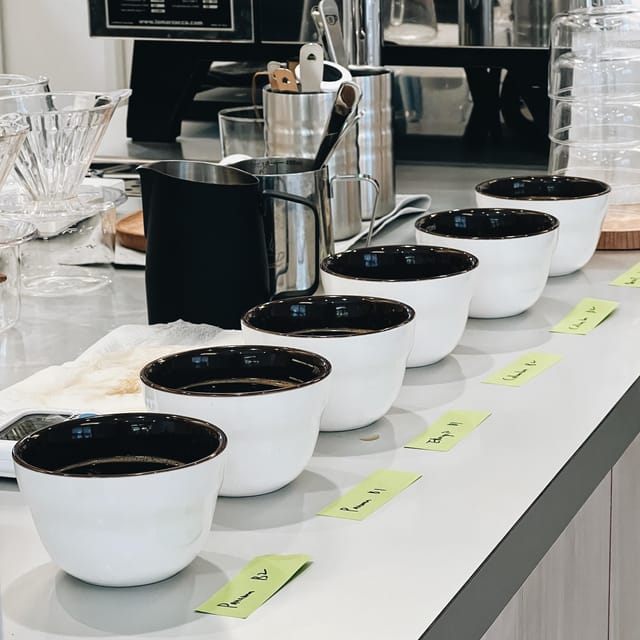
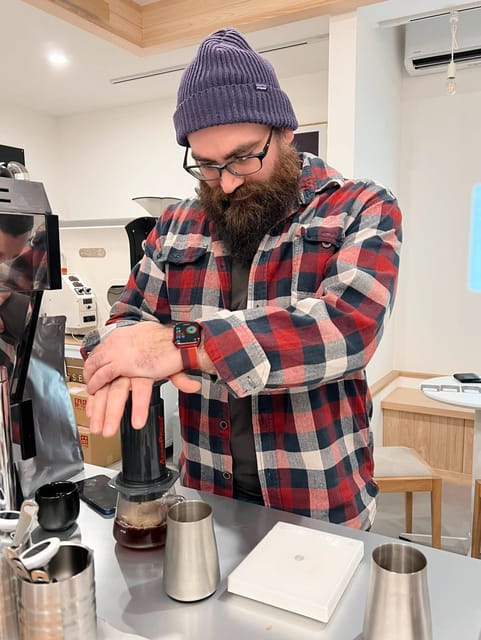
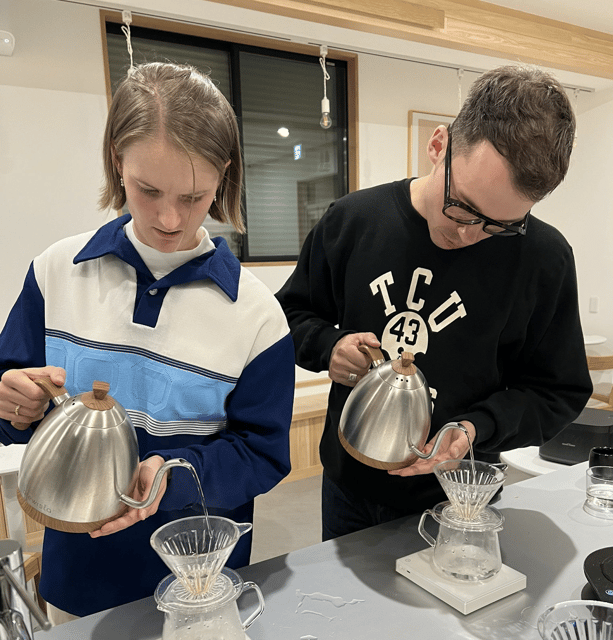
The hand-drip session is likely to be the most immediately useful part for many people. You practice pouring water over coffee grounds and work on the details that control the final cup.
Water temperature and pouring technique receive special attention. These are small changes, but they matter. Pour too quickly and the coffee may not extract in the same way as a slower, more controlled brew. Use water at a different temperature and the balance can shift again.
The important point is that you get hands-on practice. You are not standing behind a counter watching a barista do everything. You have a chance to make the pour yourself, taste the result, and compare it with other brews.
One participant specifically valued learning how to hand drip and prepare coffee by hand. That makes sense. Of the three methods, hand drip is the easiest to carry into your own kitchen because it requires less specialized equipment than a siphon.
Still, this is a workshop, not a barista certification course. In two hours, you will get an introduction and practice the basic movements. You should not expect mastery after one session. The real benefit is a better understanding of what to repeat at home.
Comparing the cups is where the workshop comes together
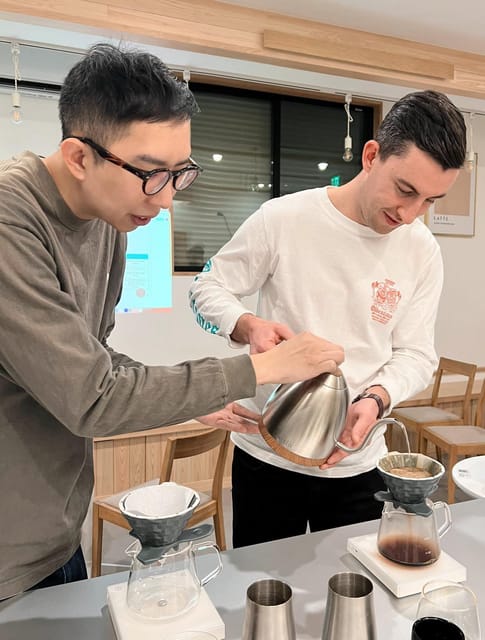
The tasting comparisons tie the session together. You taste coffee prepared in different ways and consider what has changed.
This is more useful than tasting one excellent cup and being told that the method is special. A comparison gives you evidence. You can think about aroma, body, acidity, and finish while the differences are fresh in your mind.
The workshop also includes various coffee blends and premium beans. The exact coffees can vary, so you should think of this as a guided tasting rather than a fixed menu. That flexibility is helpful because the focus remains on learning how to evaluate coffee, not simply checking off a particular bean.
For beginners, the tasting removes some of the mystery from specialty coffee. For experienced home brewers, it offers a chance to test familiar ideas through Japanese methods. The session can serve both groups, though serious coffee hobbyists should ask questions freely to get the most from the private format.
What the $116 price includes
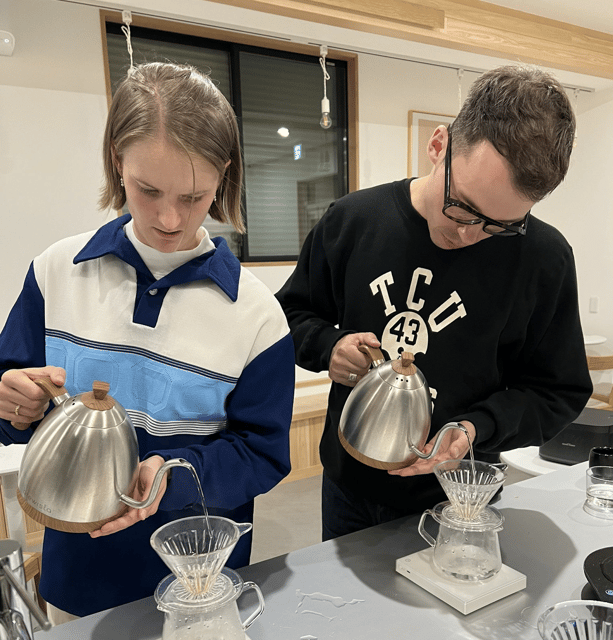
At $116 per person, the workshop costs more than a standard coffee tasting or café visit. The price makes more sense when you consider what is included: expert instruction, coffee education, a cupping session, three hands-on brewing methods, premium beans, equipment, beverage samples, and taxes.
The private group format is the biggest value factor. A large public class might offer the same outline but less time for individual help. Here, you can ask about a pouring problem, compare your cup with the instructor’s, or return to a point you did not understand.
The price is easiest to justify if you already care about coffee, want practical instruction, or are looking for a small, specialized activity in Tokyo. It is harder to justify if you simply want to drink a good cup in a pleasant room. A café can do that for far less.
The optional coffee tasting kit may appeal to you if you want to continue the activity after the workshop. It is not included in the listed price, so treat it as an extra purchase rather than part of the core experience.
Who will get the most from this two-hour session
This workshop suits adults and older teenagers, but children under 16 are not accepted. It is a good fit for:
- Coffee drinkers who want to improve their brewing at home
- Visitors curious about Japanese coffee culture
- People interested in traditional equipment such as siphons and kyūsu
- Couples or private groups who prefer focused instruction
- Japanese residents who want an English-language coffee lesson
- Visitors looking for a calm indoor activity in Tokyo
It may not suit you if you dislike tasting several coffees, prefer a quick café stop, or have no interest in preparing coffee yourself. The hands-on format is the point, so passive spectators may find the pace less appealing.
You should also keep your expectations sensible. The workshop gives you strong fundamentals and practical comparisons. It does not turn you into a professional barista in one afternoon.
Timing, language, and booking flexibility
The activity lasts two hours, with starting times available according to the booking calendar. That makes it easy to place alongside other Tokyo plans, though you should allow yourself enough breathing room to arrive ready to concentrate.
Instruction is available in English and Japanese. Since the class covers tasting vocabulary and technical steps, clear language matters. If you are booking for a mixed-language private group, confirm that the selected language suits everyone in your party.
You can cancel up to 24 hours in advance for a full refund, and the reserve-now, pay-later option lets you hold a place without paying immediately. These terms are useful when your Tokyo schedule is still shifting.
Should you book the Tasse Coffee Roastery workshop?
Book it if you want more than a coffee break. The strongest reasons are the three brewing methods, the cupping exercise, and the chance to practice rather than simply watch. The private setting and bilingual instruction add real value, especially if you want to ask detailed questions.
Skip it if $116 feels too high for a two-hour activity or if you would rather spend your Tokyo budget on a broad food tour. This is a focused class for people who care about coffee and want to understand the choices behind each cup.
For the right person, it is a thoughtful, practical way to spend two hours in Tokyo. You leave with a clearer palate, a better grasp of Japanese coffee traditions, and hand-drip skills you can use long after the trip.
FAQ
Where does the coffee workshop take place?
The workshop takes place at Tasse Coffee Roastery in Tokyo, on Honshu, Japan.
How long does the experience last?
The workshop lasts two hours.
What brewing methods will I learn?
You will practice Japanese-style siphon brewing, coffee preparation with a kyūsu teapot, and hand-drip brewing.
Is coffee tasting included?
Yes. The experience includes a cupping exercise, several coffee blends, beverage samples, and comparisons of different brews.
Is the workshop available in English?
Yes. Instruction is available in English and Japanese.
Is this a private activity?
Yes. The activity is offered as a private group experience with a limited number of participants for more personal instruction.
Can children join the workshop?
No. The experience is not suitable for children under 16.
Just listed in the world
- Vietnamese Coffee 101 Workshop★ 5.0 · 11 reviews
- Vietnamese Coffee Making Class in Hoi An★ 5.0 · 4 reviews
- Yerevan: Private Coffee Tour with 2 Café Stops★ 5.0 · 2 reviews
- Turkish Coffee and Traditional Turkish Dessert Cooking★ 4.6 · 8 reviews
- Ubud: Waterfall, Holy Water Temple,Swing&coffee plantation★ 5.0 · 9 reviews
- Vancouver: Street Art & Craft Coffee Walking Tour w/ Tasting★ 4.8 · 11 reviews
- The Colors of Coffee in the Farms of Coatepec★ 5.0 · 3 reviews
- Vienna: Guided Viennese Coffee-House Tour★ 5.0 · 2 reviews
Specialty Coffee and Roastery Tours, compared.
Coffee Farm Tour with Roasting & Tasting Workshop – Da Lat
Read our review →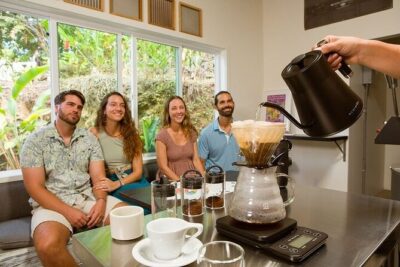
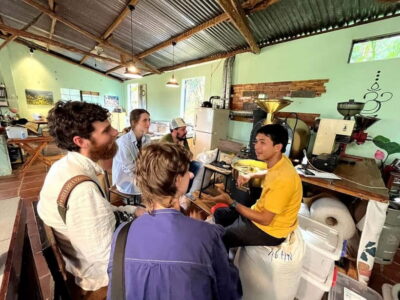
Experience specialty coffee with sustainable coffee farmers
Read our review →
Vietnamese Bread & Brew: Banh Mi Baking Class & Specialty Coffee
Read our review →
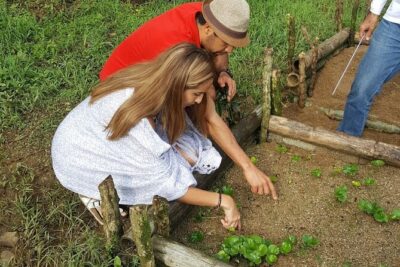
Private coffee tour near Medellín, from bean to cup.
Read our review →
Santo Domingo Small Group Walking Tour: Beer and Specialty Coffee
Read our review →Lists this coffee tour turns up in