
REVIEW · HONSHU
Tokyo’s Neighborhood Digs: Coffee, Records & Vintage Vibes
Tokyo’s alternative neighborhoods tell a more personal story than the usual postcard sights. This four-hour tour moves from Shimokitazawa’s vintage shops to Kichijoji’s independent cafes, Koenji’s creative streets, and Nakano Broadway’s anime and retro stores. You get a look at how music, fashion, coffee, and pop culture shape modern Tokyo.
I especially like the mix of neighborhoods, since each stop has a clear identity rather than offering four versions of the same shopping street. I also like that coffee and public transit are included, and that guides such as Ryuhki and Hiro are prepared to adjust the route to your interests. The main drawback is the pace: four districts in four hours means focused stops, not a leisurely afternoon in each area.
Key points at a glance
- Shimokitazawa begins the tour with vintage clothing, records, and postwar neighborhood stories.
- Kichijoji includes coffee at an independent local cafe and a look at Tokyo’s relaxed side.
- Koenji brings indie boutiques, changing social norms, and a more experimental style scene.
- Nakano Broadway is the best stop for anime, manga, vintage cameras, and retro collectibles.
- Public transit and coffee are included, but your shopping budget is not.
- Expect plenty of walking, with comfortable shoes essential and no wheelchair access.
Four neighborhoods, four different versions of Tokyo
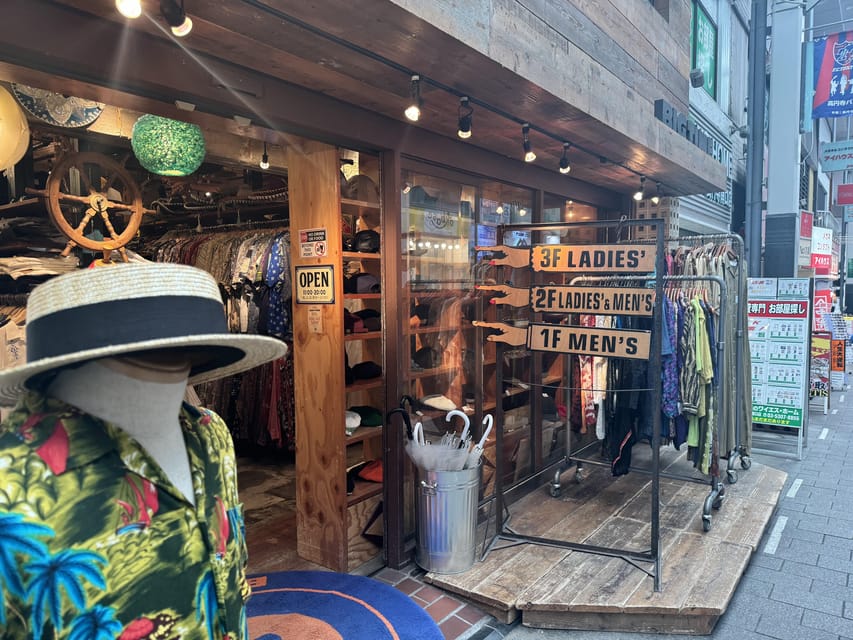
The appeal here is not ticking off famous monuments. It is seeing how Tokyo changes from one station area to the next, often within a short transit ride. Shimokitazawa feels tied to vintage clothing and independent artists. Kichijoji offers coffee and a calmer pace. Koenji leans toward indie fashion and creative expression. Nakano turns pop culture into a collector’s market.
That variety gives the tour a useful shape. You are not simply shown shops. You are given a way to read the city through its neighborhoods, from postwar change to the economic bubble era and its lasting effect on Japanese entertainment.
The tour lasts four hours, with roughly one hour in Shimokitazawa, one hour in Kichijoji, 40 minutes in Koenji, and 40 minutes in Nakano. Those timings make sense if you want an introduction rather than a full shopping day. They also mean you should arrive ready to keep moving.
Your meeting point is the Odakyu Line East Exit at Shimokitazawa Station. Since stations in Tokyo can have several exits and large crowds, check the exact meeting instructions before setting out. Starting at the station keeps the opening simple, and the included transit helps connect the four districts without leaving you to work out the route alone.
More Coffee Tours in the world:
- Hanoi Coffee Experience: 6 Brews, 9 Recipes & 3 Liquor Tastings
★ 5.0 · 2,945 reviews - Medellin: Coffee Tour with Transport, Snacks and Tastings
★ 4.7 · 1,357 reviews - Istanbul: Turkish Coffee Making and Fortune Telling Workshop
★ 4.9 · 1,308 reviews
Shimokitazawa: vintage clothes and postwar change
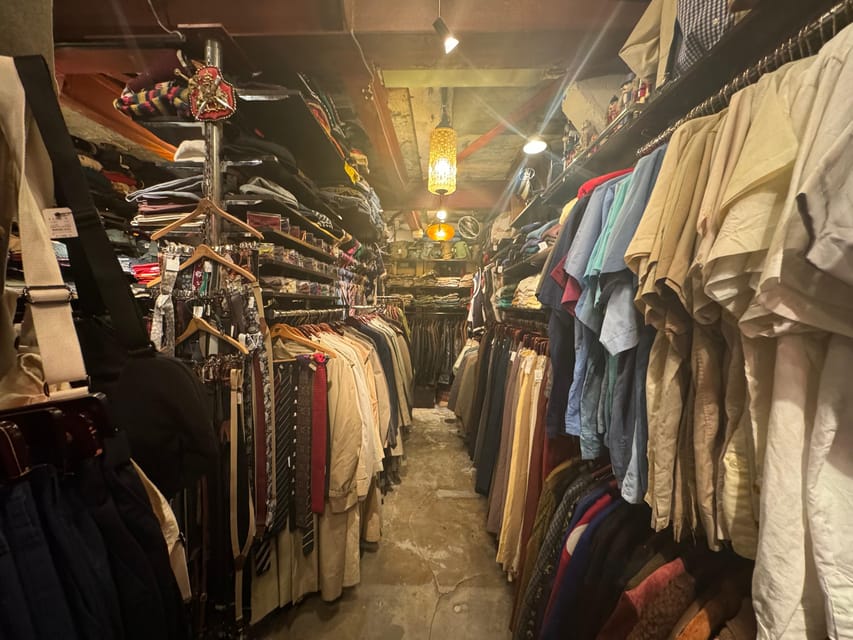
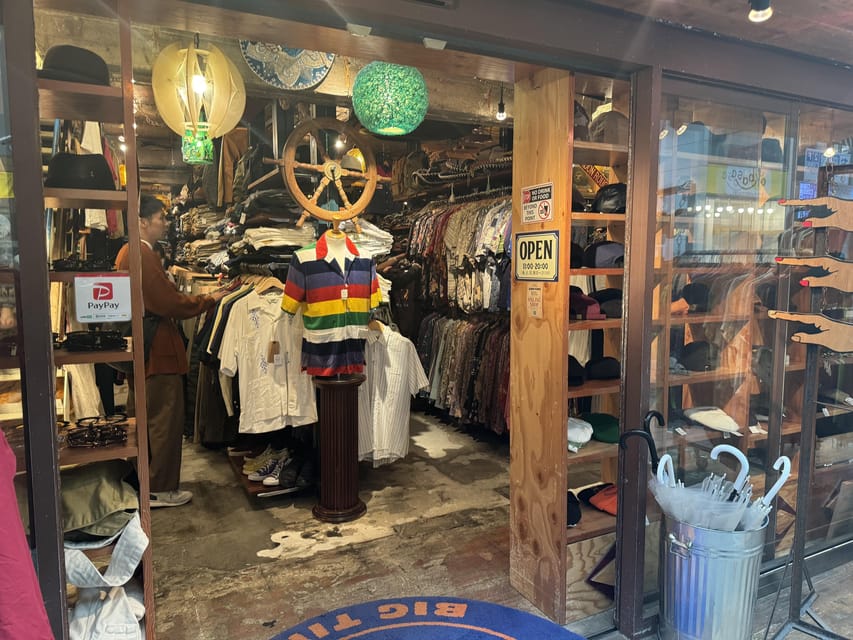
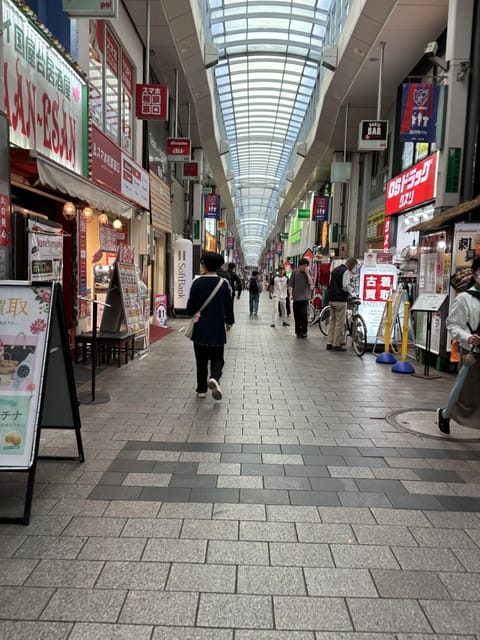
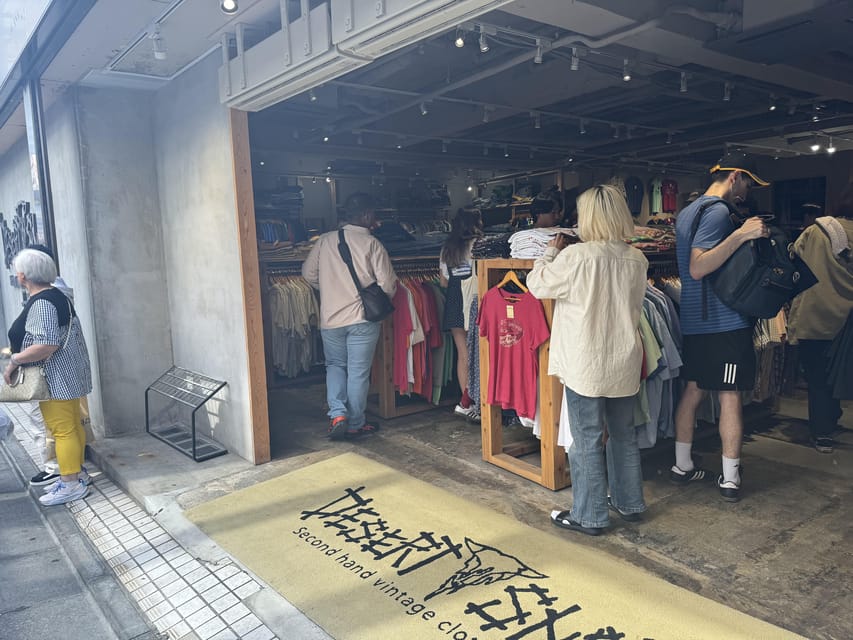
Shimokitazawa is the strongest opening stop for anyone drawn to secondhand fashion, music, and independent creative scenes. The streets are maze-like, and the pleasure comes from seeing what catches your eye in small shops rather than moving through a single polished retail center.
You can browse vintage clothing and look for records or other unusual finds while your guide explains how the district changed after the war. Its later rise as a home for independent artists helps explain why the area feels less formal than Tokyo’s major shopping zones.
I like this part because the shopping has a story behind it. A vintage jacket, record, or small object is not just a purchase. It becomes a prompt to talk about changing tastes, postwar growth, and the people who made this neighborhood a creative center.
The practical catch is that vintage shopping is personal. You may find exactly what you want, or you may find nothing worth carrying for the rest of the afternoon. Personal shopping is not included in the $83 price, so set a separate budget if you hope to buy clothing, records, or other items.
Do not expect a long, slow browse of every shop. The scheduled hour is enough to get a feel for the area and identify places worth returning to later. If vintage shopping is your main goal, note the shops that interest you and come back after the tour.
Kichijoji: local coffee and a slower Tokyo rhythm
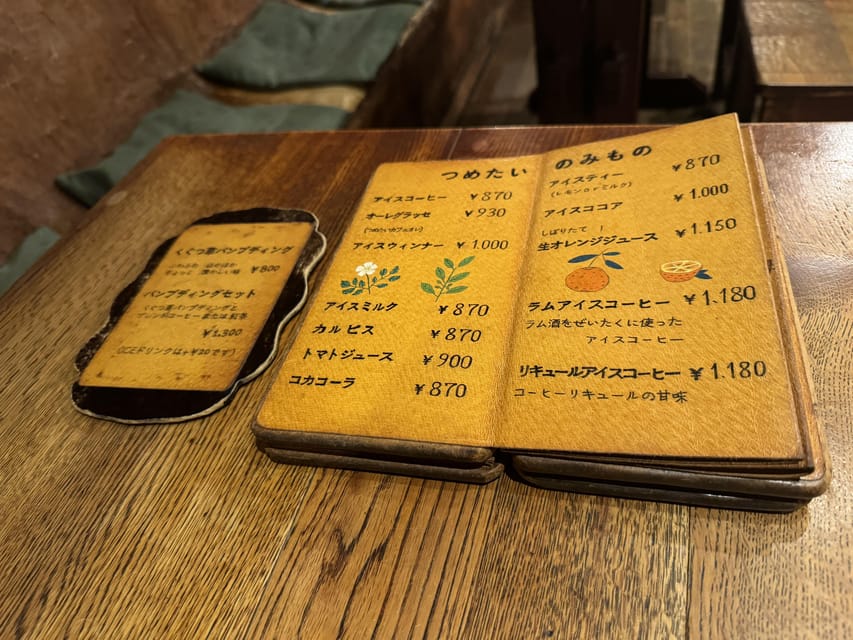
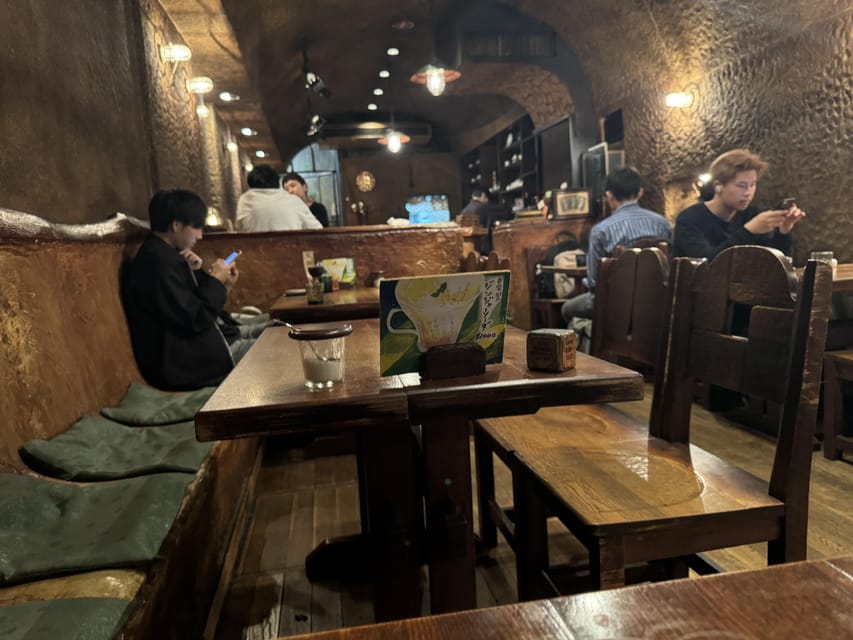
Kichijoji changes the mood. After the tighter streets and secondhand focus of Shimokitazawa, you move into a neighborhood known here for its independent cafes and more relaxed subculture scene. The included coffee is a useful pause, not just a free drink.
You will visit a local cafe and try locally roasted coffee while discussing how the neighborhood developed its present character. The tour also connects Kichijoji’s architecture and atmosphere to Japan’s economic bubble era, giving you a little context for why some parts of Tokyo feel polished while others retain a looser, more local tone.
For me, the coffee stop adds balance to the tour. Shopping can become tiring, especially when you are comparing racks of clothing or scanning shelves of collectibles. Sitting down with a cup gives you time to reset and ask your guide about the city.
The cafe choice and coffee style are not specified in advance, so do not book this expecting a formal tasting or a detailed lesson in brewing. Think of it as a local cafe visit woven into a neighborhood walk. If you care greatly about coffee, tell your guide. The tour is available as a private or small-group experience, and the route may be adjusted around your interests.
Kichijoji also gives you a chance to see Tokyo outside the loudest commercial centers. The point is not a major sight. It is the everyday character of the neighborhood, its independent businesses, and the way a former economic period still influences the streets you see today.
Koenji: independent style and changing social rules
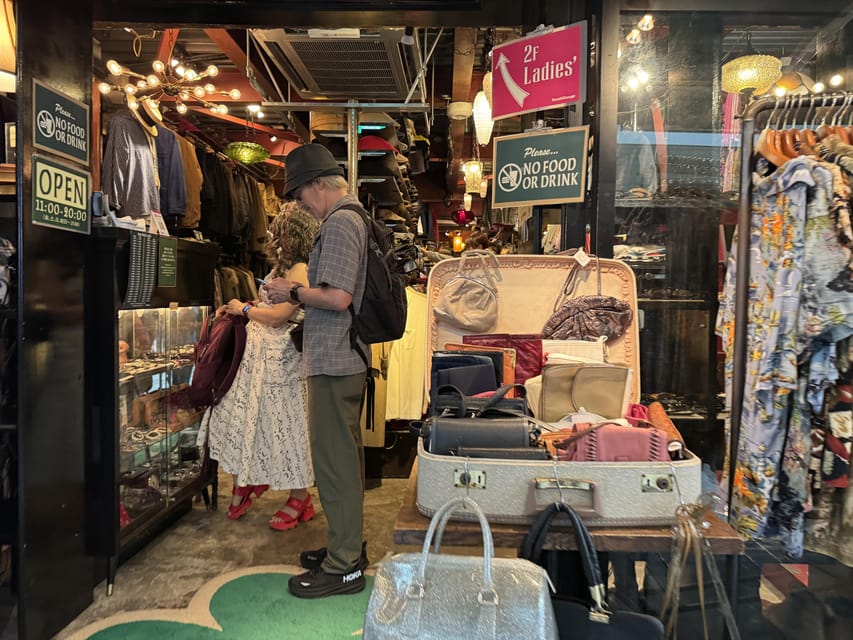
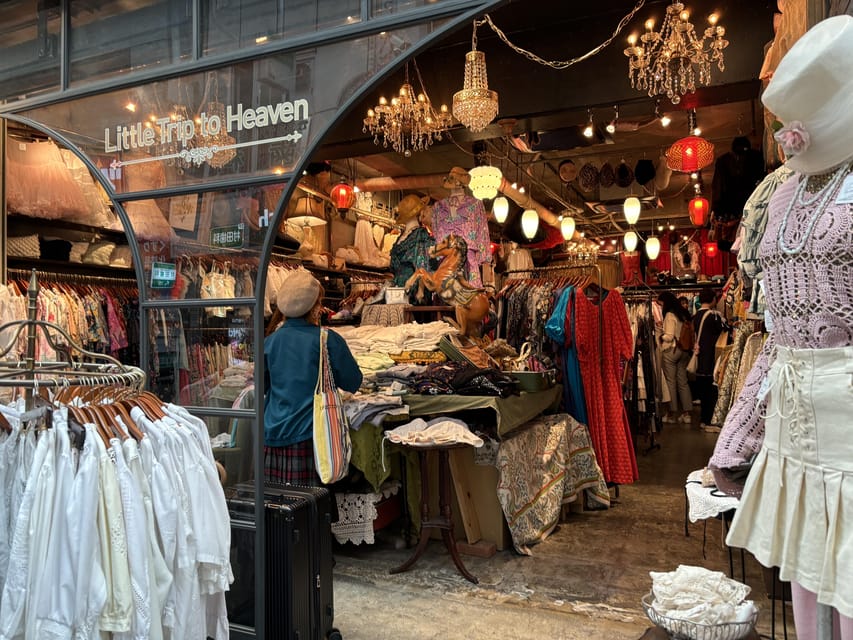
Koenji is the shortest stop, with about 40 minutes set aside for guided sightseeing and shopping. It is also one of the most socially interesting parts of the tour. The district is presented as a creative meeting point, with indie boutiques and streets that reflect current Tokyo style.
You will navigate its maze-like roads and look at clothing and shops that represent the city’s newer fashion movements. The guide also discusses changing social attitudes that made tattoo parlors more accepted in this part of Tokyo. That detail gives the stop more depth than a quick look at trendy storefronts.
I would treat Koenji as a sample rather than a full retail session. Forty minutes can introduce you to the area, but it is not enough to browse every boutique or make thoughtful purchases. If you are drawn to its style, ask your guide which streets or shops deserve a return visit.
This stop may suit you if you want to see how Tokyo’s creative identity keeps changing. It is less about famous brands and more about small businesses, independent taste, and the social shifts behind them. The guide’s explanation matters here, since the streets alone cannot tell you why the neighborhood developed its particular reputation.
Still in the world, but a different cup:
- Hanoi Coffee Workshop: Taste Salt, Coconut and Egg Coffee
★ 5.0 · 1,286 reviews - Vienna for Food Lovers: Cafés, Markets & Austrian Cuisine
★ 5.0 · 1,063 reviews - Big Island Highlights: Coffee, Volcano, Black Sands & Waterfall
★ 5.0 · 1,054 reviews - Hanoi: Salt Coffee Workshop Awake Your Senses With 6 Brews
★ 5.0 · 792 reviews
Nakano Broadway: anime, manga, cameras, and collector culture
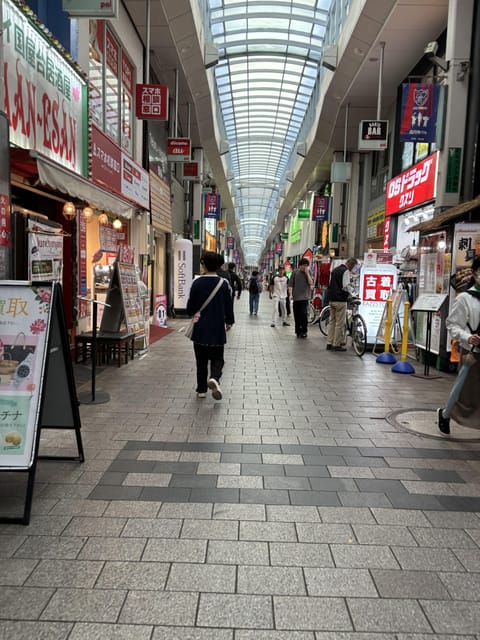
Nakano Broadway is the tour’s most focused stop for Japanese pop culture. Its rows of shops offer anime, manga, vintage cameras, and other collector items. Even if you do not plan to buy anything, the concentration of specialized stores makes the area worth seeing.
Your guide connects the merchandise to the economic bubble era and explains how that period affected anime and manga, now central parts of Japanese entertainment. This is a helpful way to look beyond the character goods themselves. You can see how collecting, nostalgia, and commercial culture meet in one compact shopping complex.
I like Nakano Broadway because it gives the tour a clear finish. Shimokitazawa shows personal style through vintage goods. Koenji shows current independent fashion. Nakano shows how Japanese pop culture becomes a serious market for collectors.
The downside is that the selection can feel overwhelming if you are not already interested in anime, manga, cameras, or retro games. You may also find prices vary widely, and the tour does not cover purchases. Bring a spending limit and remember that a small item is easier to carry than an impulse buy made early in the day.
The 40-minute visit is enough to see the character of the place and locate categories that interest you. If you are a serious collector, you will probably want to return with more time. The guide can help you understand what you are looking at, which is particularly useful when shelves contain unfamiliar series or older Japanese items.
What the $83 price includes
At $83 per person, this is not a bargain-priced station walk. The value depends on how much help you want with Tokyo’s neighborhoods and transit. You are paying for a live English-speaking guide, transportation during the tour, coffee, and a route linking four districts that would take more planning to arrange on your own.
The strongest value comes from the interpretation. Without a guide, you can visit Shimokitazawa, Kichijoji, Koenji, and Nakano, but you may experience them as unrelated shopping areas. The tour connects them to postwar change, the bubble era, fashion, coffee, tattoo culture, anime, and manga.
The experience is also available privately or in a small group. That matters because the neighborhoods reward questions. Ryuhki was able to make changes for one booking and shared personal information about the city, culture, people, and shops. Hiro was described as warm and personable, with a useful eye for shopping and restaurant areas. Guide quality can vary by assignment, but these details suggest that the human side of the tour is a major part of its value.
You should not count your purchases in the price. Clothing, records, anime goods, cameras, and other finds are extra. If you are mainly looking for a shopping guide and cultural context, the price can be fair. If you want a full day of shopping with time to compare prices, you may prefer to use this tour as an introduction and return to your favorite district alone.
Walking, timing, and what to bring
You will do a fair amount of walking on streets, through shopping areas, and between stops. Wear comfortable shoes. This is not a good choice if mobility is a serious concern, and it is not suitable for wheelchair users.
Bring water, sunscreen, and a camera. Flash photography is not allowed, and smoking is not allowed during the activity. These rules are easy to follow, but they matter in small stores where space may be tight and merchandise can be delicate.
The four-hour length works well early in a Tokyo stay. It can help you learn which neighborhoods deserve a second visit, especially if you are interested in vintage clothing, independent coffee, indie fashion, or pop culture. It is less suitable if you want a slow, unplanned day with long cafe breaks.
The route also requires a little mental flexibility. You move through four districts, and each one has a different purpose. Try not to judge the tour by how many shops you enter. Its real benefit is learning what makes each area worth revisiting.
Who will get the most from this tour
I would recommend this experience to you if you enjoy local shopping districts more than major landmarks. It is a good fit for visitors who want to see Tokyo’s creative side, especially those interested in secondhand clothing, records, coffee, tattoos, anime, manga, cameras, and retro games.
It also suits first-time visitors who find Tokyo’s rail system intimidating. With transit included and a guide leading the way, you can cover four areas without spending your morning studying routes and station maps.
The private or small-group format is useful for couples, friends, or families with a shared interest in Japanese pop culture. Tell the guide what you care about at the start. The tour can be more useful when your interests are clear, and the experience with Ryuhki shows that changes to the route may be possible.
I would hesitate to book it if you have limited walking ability, dislike shopping, or want grand historical attractions. The history here is neighborhood history and social context, not a tour of temples, castles, or museums. Also think twice if you need a fixed, highly detailed shop list. The experience has room for personal guidance and changing interests.
Should you book Tokyo’s Neighborhood Digs?
Book it if you want a compact introduction to Tokyo’s independent neighborhoods and prefer a guide who can explain the culture behind the storefronts. The combination of Shimokitazawa vintage finds, Kichijoji coffee, Koenji style, and Nakano pop culture gives you a useful cross-section of the city.
The best reason to go is the human guidance. Ryuhki and Hiro are named examples of guides who brought warmth, local suggestions, and flexibility to the experience. The main limitation is time, since four districts in four hours means you will sample each one rather than master it.
For most people, I would use this as a first look. Mark the shops and streets that interest you, then return later with your own time and shopping budget. That approach makes the $83 fee easier to justify and turns a short tour into a practical map for the rest of your Tokyo stay.
FAQ
Where does the tour meet?
Meet at Shimokitazawa Station, at the Odakyu Line East Exit.
How long does the experience last?
The tour lasts four hours. Starting times vary, so check availability when booking.
Which neighborhoods does the tour visit?
It visits Shimokitazawa, Kichijoji, Koenji, and Nakano.
Is coffee included?
Yes. Coffee at a local cafe is included.
Is public transportation included?
Yes. Transit during the tour is included.
What language is the tour offered in?
The live tour guide speaks English.
Is the tour suitable for wheelchair users?
No. The activity is not suitable for wheelchair users or people with mobility impairments. Comfortable walking shoes are recommended.
Just listed in the world
- Vietnamese Coffee 101 Workshop★ 5.0 · 11 reviews
- Vietnamese Coffee Making Class in Hoi An★ 5.0 · 4 reviews
- Yerevan: Private Coffee Tour with 2 Café Stops★ 5.0 · 2 reviews
- Turkish Coffee and Traditional Turkish Dessert Cooking★ 4.6 · 8 reviews
- Ubud: Waterfall, Holy Water Temple,Swing&coffee plantation★ 5.0 · 9 reviews
- Vancouver: Street Art & Craft Coffee Walking Tour w/ Tasting★ 4.8 · 11 reviews
- The Colors of Coffee in the Farms of Coatepec★ 5.0 · 3 reviews
- Vienna: Guided Viennese Coffee-House Tour★ 5.0 · 2 reviews
Japan Coffee Tours, compared.
Tokyo Akihabara Anime Manga Video Games and Maid Cafe Tour
Read our review →
Discover Japanese Politics Over a Coffee in Tokyo
Read our review →
Private Akihabara Retro Tokyo Anime Game Maid Cafe Tour w/ pickup
Read our review →
Discover Japanese Coffee Brewing Experience at Tokyo
Read our review →
Best of Downtown Tokyo: Nature, Coffee, & Japanese Sweets Tasting
Read our review →
Discover Coffee Experience Latte Art Workshop at Tokyo
Read our review →Lists this coffee tour turns up in