
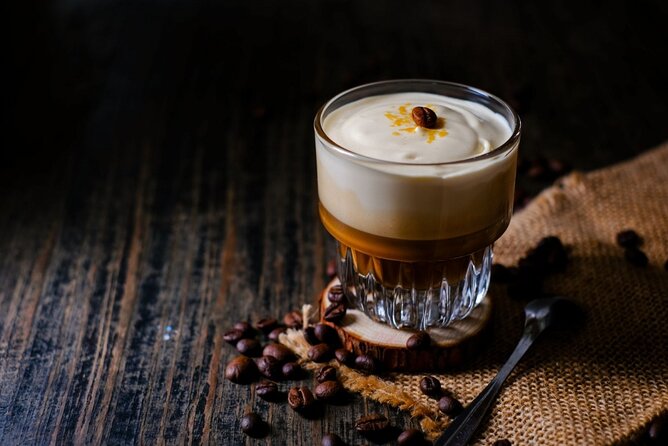
REVIEW · CENTRAL VIETNAM
Da Nang Coffee Making Workshop
Vietnamese coffee is not just a morning drink. It is a slow ritual, a sweet treat, and a useful window into local food culture. This Da Nang workshop shows you how to make four familiar styles: phin coffee, egg coffee, salt coffee, and coconut coffee. You prepare each drink yourself, then sit down and enjoy the results.
I like the hands-on format and the clear recipes you can take home. I also like the choice of a 90-minute coffee class or a longer version with lunch and Vietnamese cooking. The main caution is caffeine: one session can mean several strong coffees, so do not arrive on an empty stomach if coffee affects you quickly.
Key points at a glance
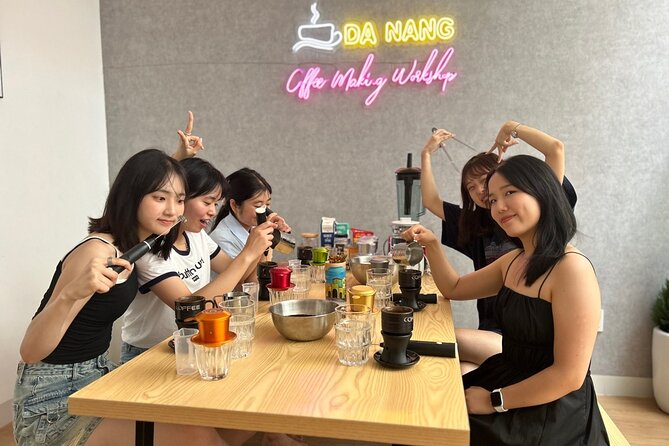
- Four Vietnamese coffee styles: Make phin drip coffee, egg coffee, salt coffee, and coconut coffee.
- Jane is a popular guide: She is described as funny, patient, clear, and easy to follow. Viet also leads some sessions.
- Three formats: Choose the 90-minute coffee class, a 2.5-hour class with lunch, or a four-hour coffee and cooking class.
- Useful take-home skill: You learn methods that do not require an expensive machine, and recipes may be sent as a PDF.
- Good rainy-day activity: The workshop takes place indoors in a clean, modern learning space.
- Important food note: The menu contains eggs and milk, though a dairy-free alternative was provided for at least one participant.
Why Vietnamese coffee makes a good Da Nang activity

Da Nang has plenty of beaches, viewpoints, seafood restaurants, and day trips. A coffee workshop gives you something different: a quiet, social activity where you learn a skill rather than simply visit another sight.
The subject also fits Vietnam well. Coffee is part of daily life here, and the drinks have a character that goes beyond a standard cup of brewed coffee. Vietnamese coffee is often strong and dark, then softened or transformed with condensed milk, whipped egg, coconut, or a small amount of salt.
The class explains how Vietnamese coffee developed, where the beans come from, and what makes the drinks different from coffee styles elsewhere. You are not expected to arrive with technical coffee knowledge. The instructions are designed for beginners, and the practical part begins quickly.
I think this works especially well during a free morning or afternoon in Da Nang. It is also a sensible backup for wet weather. Several people found the indoor class a good way to fill a rainy day, and the 90-minute length is long enough to feel worthwhile without taking over your schedule.
More Coffee Making Classes in Vietnam
- Hanoi Coffee Workshop: Taste Salt, Coconut and Egg Coffee
★ 5.0 · 1,286 reviews - Hanoi: Salt Coffee Workshop Awake Your Senses With 6 Brews
★ 5.0 · 792 reviews - Fun & Easy Vietnamese Coffee Workshop in Hồ Chí Minh City
★ 5.0 · 293 reviews
Starting with the traditional phin filter
The first coffee is usually Vietnamese black drip coffee made with a phin, the small metal filter used across Vietnam. It is a simple tool, but it produces a slow, concentrated brew and gives you a feel for the basic technique.
You learn how to prepare the coffee, position the filter, add hot water, and allow the drink to drip. This is the foundation for the other recipes. Once you understand the phin, you can see how the same strong coffee is used in sweeter and creamier drinks.
The phin is also the most useful item to copy at home. It is small, inexpensive, and does not need electricity. The class is therefore more practical than a tasting session. You leave with a method you can repeat in your own kitchen.
Do not expect a large café-style cup. Vietnamese coffee is concentrated, and the portion sizes in the class are manageable but potent. One person calculated that drinking every coffee could amount to roughly six shots of caffeine. You can pace yourself, share, or leave some unfinished if needed.
Egg coffee, salt coffee, and coconut coffee
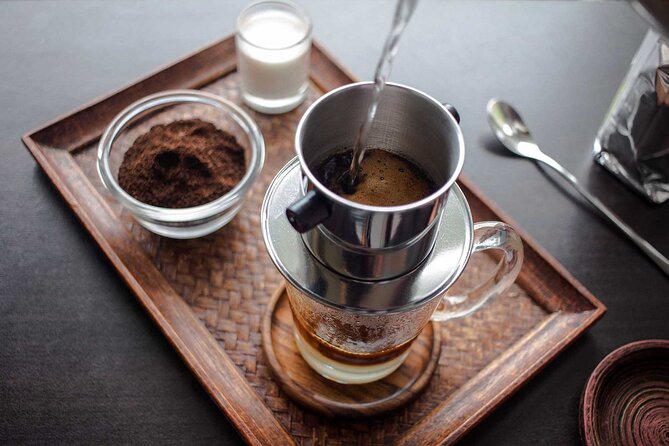
After the phin coffee, the workshop moves into the drinks that make Vietnamese coffee so distinctive.
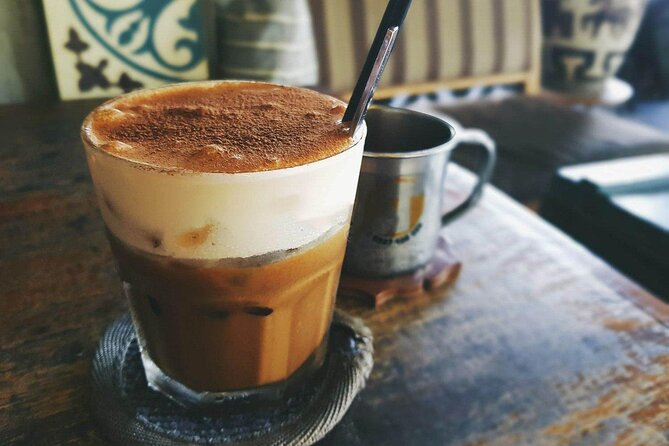
Egg coffee uses a creamy egg mixture to create a soft, dessert-like topping over strong coffee. The contrast is the point: bitter coffee below, sweet and airy cream above. You learn how to prepare the mixture and how to combine it with the coffee rather than simply receiving a finished drink.
Salt coffee may sound odd if you have not tried it. The small salty note helps balance sweetness and brings out the coffee flavor. It is one of the most interesting recipes in the class because it shows how a tiny change can alter the whole cup.
Coconut coffee is cooler and sweeter in style, with coconut adding a smooth tropical note. It is likely to appeal to people who usually find black coffee too forceful. The four drinks give you a useful range, from direct and bitter to creamy, sweet, and refreshing.
The classes are hands-on. You follow each stage, prepare your own drinks, and taste them as you go. That makes it easier to remember the recipes than if an instructor simply demonstrated everything at the front of the room.
The guide makes the difference
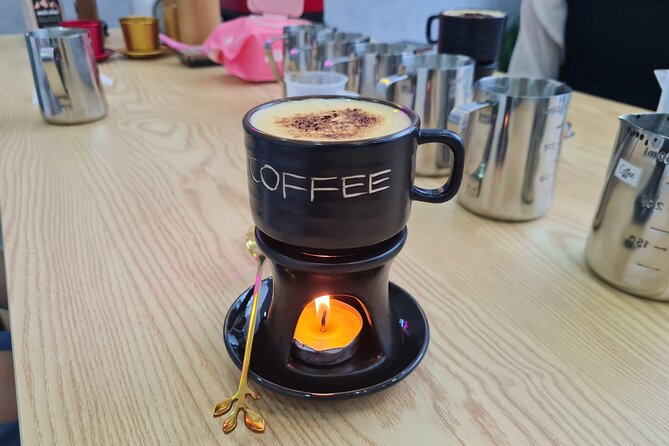
The main guide named in the experience is Jane. She is repeatedly described as funny, friendly, patient, and clear in English. Those traits matter here because coffee preparation involves small steps, and a rushed explanation could leave you unsure about what to do next.
Jane also adds stories about coffee regions, beans, drink origins, and Vietnamese coffee culture. Her humor keeps the session light, while her explanations give the recipes some context. I would expect the tone to be informal rather than a formal lecture.
Some sessions may be led by Viet. One account describes Viet explaining each step in detail and keeping the activity enjoyable. Since the instructor can vary, you should treat Jane as the best-known guide rather than a guarantee for every departure.
The group can be small, which helps. You get more room to ask questions and less chance of standing behind someone during the preparation. It also makes the experience social without requiring you to arrive with a group. Solo visitors can easily join in, and the activity gives you a natural way to talk with other participants.
Still in Vietnam, but a different cup:
- Hanoi Coffee Experience: 6 Brews, 9 Recipes & 3 Liquor Tastings
★ 5.0 · 2,945 reviews - Hanoi: Master the Art of 4-6 Signature Vietnameses Coffees
★ 5.0 · 517 reviews - Egg coffee & Course on 4 traditional types of Viet coffee
★ 4.9 · 487 reviews - Hanoi: Vietnamese Street Food Tour with Egg Coffee
★ 4.9 · 315 reviews
Choosing the right length
There are three formats, and this is where planning matters.
The 90-minute coffee class
The shortest option runs at 10:00 a.m., 1:00 p.m., or 3:30 p.m. You make four types of Vietnamese coffee and drink them during a 90-minute session.
This is the best choice if you want a focused introduction or have other plans in Da Nang. It also avoids the fatigue that can come with a long cooking lesson. A 90-minute class gives you enough time to learn the recipes without turning coffee into your entire day.
The 2.5-hour class with lunch
The lunch option meets at noon or 2:30 p.m. You eat before the coffee class, which is a smart arrangement given the amount of caffeine involved.
Lunch includes fresh spring rolls, crispy Vietnamese pancakes, and mango salad with shrimp and pork. A vegetarian option is available. This package makes sense if you want a meal as well as the coffee lesson, especially if you are looking for a simple half-day activity.
Keep in mind that the listed menu includes eggs and milk. Tell the provider about dietary needs in advance. At least one participant with lactose intolerance received an alternative, but the available substitutions are not specified.
The four-hour cooking and coffee class
The longest option begins at 9:30 a.m. and combines Vietnamese cooking with the coffee workshop. The menu changes by day.
On Monday, Wednesday, and Friday, you may prepare Quang noodles, fish sauce chicken wings, green papaya salad with shrimp, and deep-fried spring rolls.
On Tuesday, Thursday, Saturday, and Sunday, the menu includes beef noodle soup, crispy Vietnamese pancakes, green mango salad with shrimp, and fresh spring rolls.
This is the strongest option for anyone who wants more than coffee. It gives you a broader look at Vietnamese food and provides a fuller meal, but it also takes four hours. If your Da Nang schedule is tight, the shorter class is the better value in time.
What the $17 price really gets you
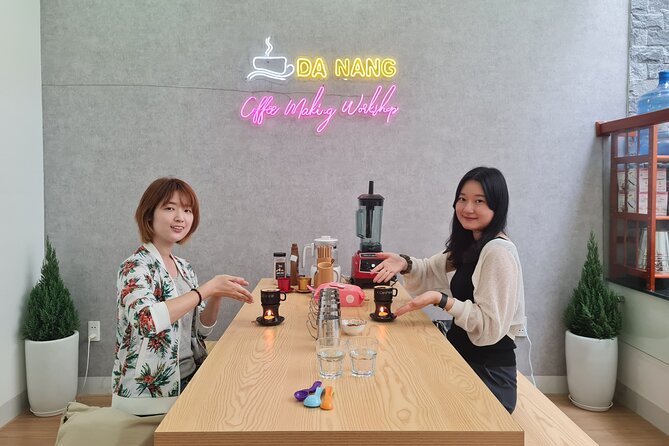
At $17 per person, the coffee-only workshop is reasonably priced for a guided cultural activity. You receive the coffee-making tools during the class, ingredients for four drinks, instruction in English, and the chance to drink what you prepare.
The real value is the repeatability. A café visit gives you one drink. This class gives you four recipes and a method you can use later. Several participants received a PDF with the instructions, which makes it easier to remember the quantities and steps after returning home.
The price becomes harder to judge if you only want to taste coffee. You can buy Vietnamese coffee drinks cheaply in Da Nang. This is worth booking because you want the process, the stories, and the chance to make the drinks yourself.
The lunch and cooking versions offer more food and more time, but the supplied price is specifically listed as $17 per person and may apply to the basic activity. Check the current price for your chosen package before paying.
A clean indoor setting and practical details
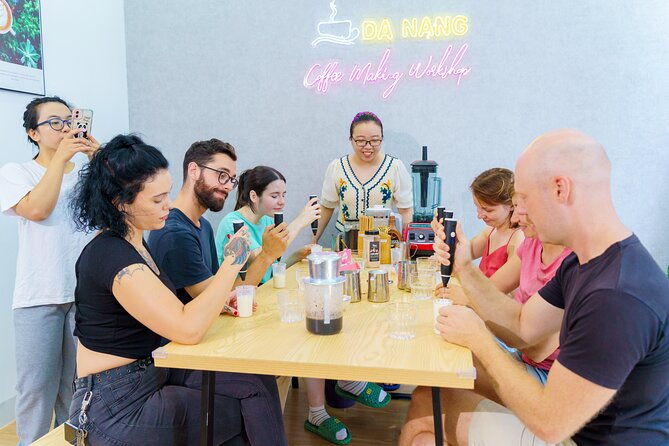
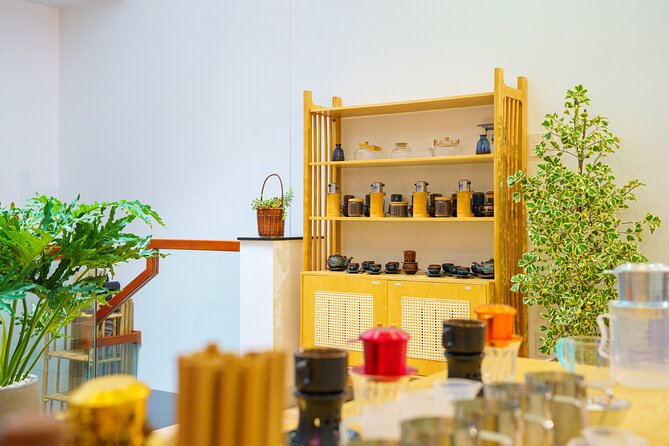
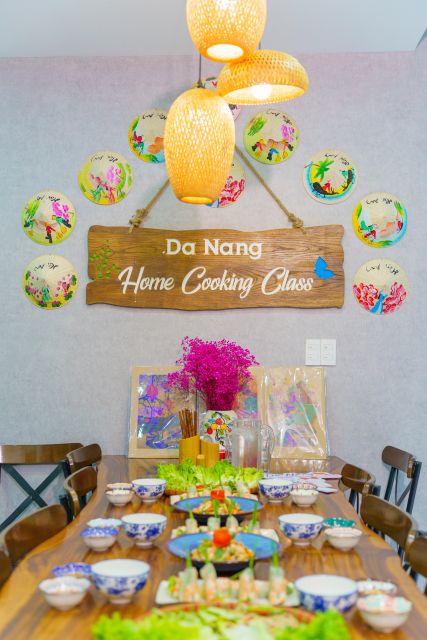
The learning space is described as clean, modern, and well organized. That matters when you are handling eggs, milk, coffee, and shared tools. The setting is intended for participation rather than a polished café performance.
Pickup and drop-off are not included, so you need to make your own way to the meeting point. The exact address is not provided in the supplied details, so confirm it before you set out and allow time to arrive.
The instructor language is English. The activity is listed as wheelchair accessible, and small groups are available. As with any accessible activity, it is sensible to confirm the exact setup if you need specific equipment or assistance.
Free cancellation is available up to 24 hours before the activity for a full refund. You can also reserve now and pay later, which helps if your Da Nang plans may shift.
Who will enjoy this workshop most
I would recommend the class to coffee drinkers, curious food lovers, solo visitors, couples, and anyone who wants a cultural activity that does not require a full day.
It is a particularly good fit if you:
- Want to learn something you can repeat at home
- Prefer small-group activities
- Need an indoor plan for a rainy day
- Enjoy sweet, creamy, or unusual coffee drinks
- Want to combine food and coffee in one outing
- Are traveling without an expensive coffee machine
It may be less suitable if you avoid caffeine, eggs, or milk, unless the provider can offer suitable alternatives. The workshop also involves several drinks, so people who are sensitive to caffeine should plan to taste rather than finish every cup.
Families with older children may enjoy the hands-on format, but the supplied information does not specify a minimum age. Ask before booking if age matters for your group.
Tips for getting the most from the class
Eat something beforehand, especially if you plan to drink all four coffees. The coffee is strong, and the recipes are not all light breakfast drinks.
Bring a way to save the recipes. A PDF may be provided, but keeping the instructions on your phone is useful once you are back home and trying to recreate the drinks.
Ask questions about the phin filter and the coffee-to-water balance. Those details are the most useful part for home brewing. The egg, salt, and coconut versions are fun, but the phin is the tool you are most likely to use often.
If you have dietary restrictions, mention them before the session. The menu contains eggs and milk, and a dairy-free alternative has been provided in at least one case, though it should not be assumed for every booking.
For the easiest schedule, choose the 90-minute class. For a fuller food experience, choose the lunch package. For the broadest introduction to Vietnamese cooking, take the four-hour option.
Should you book the Da Nang Coffee Making Workshop?
Yes, if you want more than a café stop. At $17 for the basic class, you get four drinks, equipment, instruction, cultural background, and recipes that can be used at home. The guides, especially Jane, are praised for clear English, humor, and patient teaching.
I would choose the 90-minute class for most visitors. It is compact, practical, and leaves room for the beach or another Da Nang plan. Pick the lunch or cooking version if food is as important to you as coffee.
The only serious concerns are the caffeine level and the egg and milk in the menu. Plan around those, and this is an easy, affordable way to understand why Vietnamese coffee is such an important part of daily life.
FAQ
How long does the Da Nang Coffee Making Workshop last?
The coffee-only class lasts 90 minutes. The coffee and lunch option lasts 2.5 hours, while the coffee and cooking class lasts four hours.
How much does the workshop cost?
The listed price is $17 per person. Check the current price for the lunch or cooking package when you choose your option.
Which coffees will I make?
You will learn to make Vietnamese phin coffee, egg coffee, salt coffee, and coconut coffee.
Is lunch included?
Lunch is included with the coffee-making class and lunch option. The menu includes fresh spring rolls, crispy Vietnamese pancakes, and mango salad with shrimp and pork. A vegetarian option is available.
Is the workshop taught in English?
Yes. The instructor and guide speak English.
Is hotel pickup included?
No. Pickup and drop-off are not included, so you must arrange your own transportation to the meeting point.
Can I cancel the booking?
You can cancel up to 24 hours in advance for a full refund. Reserve now and pay later is also available.
Just listed in Vietnam
- HCM: Egg Coffee Class with local Instructor & Snack★ 4.7 · 8 reviews
- Hanoi Private Walking Tour with Egg Coffee Making Experience★ 5.0 · 90 reviews
- From Egg Coffee to Street Brews: Hanoi Walking Tour★ 5.0 · 4 reviews
- Coffee Making and Cooking Class★ 5.0 · 12 reviews
- Walking Tour in Hanoi Old Quarter with Street Food & Coffee★ 5.0 · 4 reviews
- Amazing Coffee full-day tour in Buon Ma Thuot – Daklak★ 5.0 · 5 reviews
- Buon Ma Thuot: Bean to Brew Coffee Farm Tour with Tasting★ 4.3 · 11 reviews
- Buon Ma Thuot: Specialty Coffee Tour and Brewing Experience★ 5.0 · 2 reviews
Coffee Making Classes, compared.
Turkish Coffee Making and Fortune Telling Workshop
Read our review →
Hanoi Coffee Workshop: Taste Salt, Coconut and Egg Coffee
Read our review →
Salt Coffee Workshop Awake Your Senses With 6 Brews
Read our review →
Turkish Coffee Making and Fortune Telling Workshop
Read our review →
Fun & Easy Vietnamese Coffee Workshop in Hồ Chí Minh City
Read our review →
Irish Coffee Masterclass at the Irish Whiskey Museum
Read our review →
Vietnamese Coffee Workshop with 6 Brews and 8 Recipes
Read our review →Lists this coffee tour turns up in