
REVIEW · CENTRAL VIETNAM
Hoi An Coffee Roastery Experience: Brew & Taste Like a Local
Vietnamese coffee is not just a strong drink served over ice. At Trí Long Coffee, you’ll see how beans are roasted in small batches, then use fresh coffee to make two local specialties. The best parts are the live roasting demonstration and the chance to prepare both a familiar Phin coffee and a more unusual Egg, Coconut, or Salt Coffee.
I like that the class explains the full coffee journey, from farming and trade to roasting and brewing. I also like the compact one-hour format, which fits neatly into a morning or afternoon in Hoi An. The main drawback is that the café can be quite noisy, so this is better for hands-on learning than for a quiet coffee tasting.
Key points to know before you book
- Four Vietnamese coffee styles: Choose two drinks from Phin Filter, Egg, Coconut, and Salt Coffee.
- Small-batch roasting: Watch the beans crack, smell the changing roast, and learn how heat affects taste.
- Two cups included: You make and drink both coffees during the workshop.
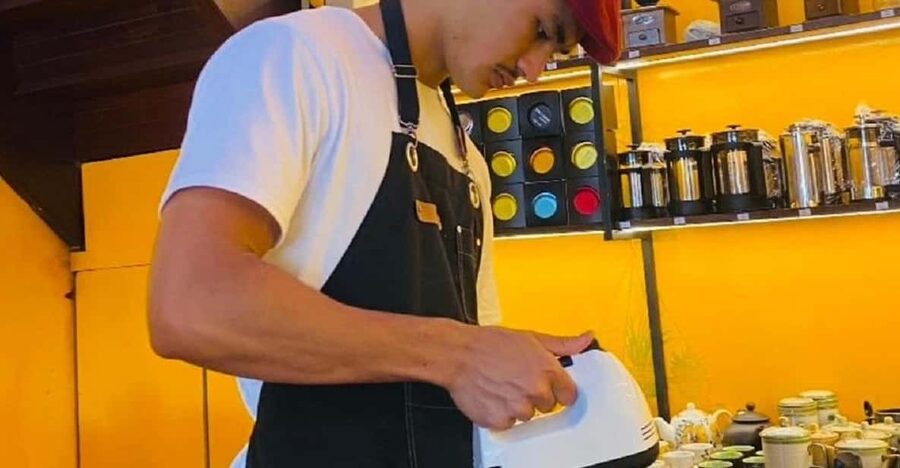
- Central meeting point: Find the guide outside Trí Long Coffee at 88 Phan Châu Trinh Street, marked by a red hat.
- Useful in bad weather: The class is indoors and wheelchair accessible.
- One small caution: The café may be noisy, which can make conversation harder at times.
Coffee culture begins at 88 Phan Châu Trinh Street
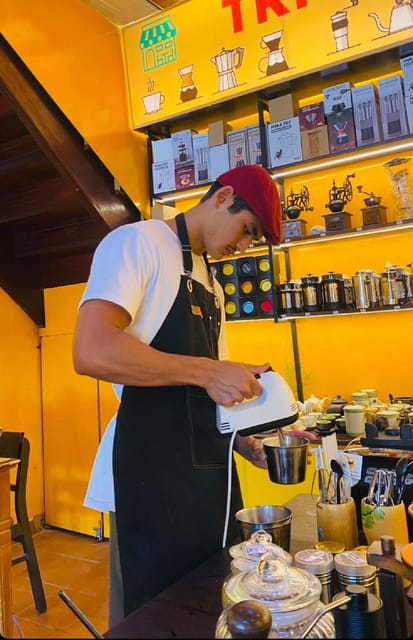
Your hour starts at Trí Long Coffee, at 88 Phan Châu Trinh Street in central Hoi An. Look for the guide outside the shop wearing a red hat. The location is easy to reach in the city center, and you should arrive about five minutes early so the class can begin on time.
There is no hotel pickup or drop-off, so plan your own way to the meeting point. That is not much of a burden here. The central location makes this an easy add-on before a walk through Hoi An’s old town, a market visit, or an evening meal.
The host speaks English and leads the session as a coffee specialist. No previous brewing skill is needed. You do not need to know the difference between a light roast and a dark roast, or understand why Vietnamese coffee is often served with sweetened condensed milk. The class starts at the beginning and builds from there.
The setting is a working local roastery and café, not a formal cooking school. That matters. You are close to the equipment, the beans, and the daily coffee trade. You may hear normal café sounds around you, though one important consideration is that the space can be loud. If you want a hushed tasting room, this is not that sort of place.
More Specialty Coffee Tours in Vietnam
- Coffee Farm Tour with Roasting & Tasting Workshop – Da Lat
★ 5.0 · 126 reviews - Experience specialty coffee with sustainable coffee farmers
★ 4.9 · 91 reviews - Vietnamese Bread & Brew: Banh Mi Baking Class & Specialty Coffee
★ 5.0 · 76 reviews
From Vietnamese coffee farms to the roasting drum
The first part explains how coffee became part of Vietnamese life. You’ll hear about the early coffee trade and the growth of drinks that now define café culture across the country.
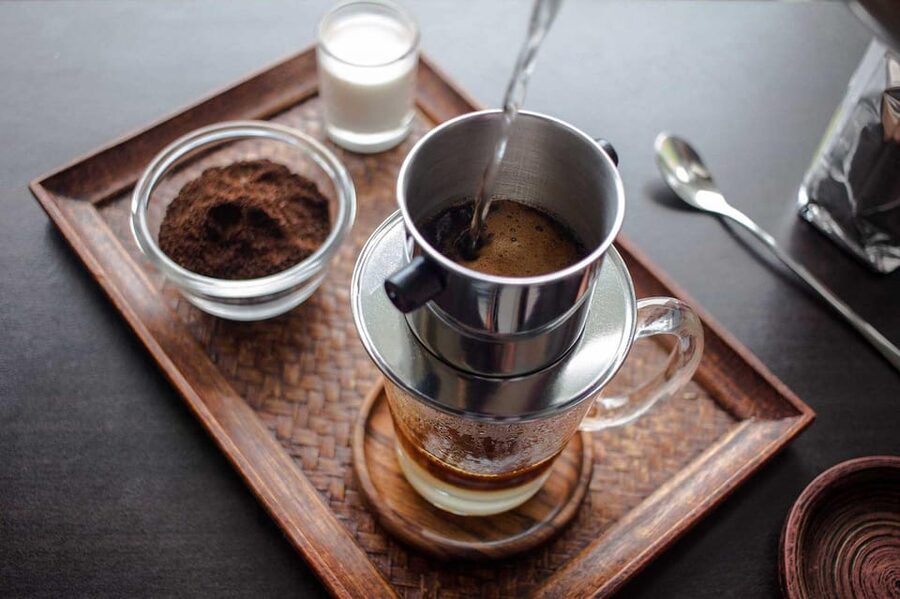
Vietnam’s coffee identity is closely linked with bold flavors and strong brewing methods. The coffee is often made with a metal Phin Filter, a small brewer that sits directly over your cup. It produces coffee slowly, drop by drop. The result is concentrated, fragrant, and well suited to milk, ice, or sweet ingredients.
This introduction gives the drinks some needed context. Egg Coffee is not simply coffee with an attractive topping. Coconut Coffee is not just a sweet iced drink. Salt Coffee has a special connection to Central Vietnam and shows how a small change in ingredients can alter the balance of a cup.
I appreciate this part because it helps you taste with a little more purpose. You begin to notice sweetness, bitterness, aroma, acidity, and body instead of treating every coffee as the same dark brew.
Watching fresh beans change in the roastery
The roasting demonstration is the most distinctive part of the experience. You’ll watch the local team roast beans in small batches and learn why roast level affects the final drink.
You may feel the warmth from the roasting drum and hear the beans crack as they heat. Those sounds are useful clues. The beans change in color, aroma, and texture as the roast progresses, and the roaster must judge when to stop to keep the desired balance.
The class connects the roasting process to what ends up in your cup. A particular roast can bring out more sweetness, acidity, aroma, or body. That explanation is practical because you can taste the result soon afterward, rather than hearing a long technical talk with no way to connect it to a drink.
Small-batch roasting also gives the session a more personal feel. You are not just looking at sealed bags on a shelf. You are seeing the work behind the beans and learning how a roaster shapes flavor through heat and timing.
The roasting area may be warm, so comfortable clothing is a sensible choice. The indoor setting helps on rainy days and keeps the class running when Hoi An’s weather is too hot or wet for an outdoor activity.
Making two Vietnamese coffees from four choices
After the roasting demonstration, you choose two drinks from four options. This is where the class becomes hands-on.
More Specialty Coffee Tours in Hoi An:
- Cartagena: Colombian Specialty Coffee Tasting
★ 4.4 · 130 reviews - Private Coffee Roasting Class
★ 5.0 · 101 reviews - Coffee Experience from bean to cup
★ 5.0 · 71 reviews - Private coffee tour near Medellín, from bean to cup.
★ 5.0 · 60 reviews
Phin Filter coffee
The traditional Phin Filter is the most direct choice. You use the small metal filter to brew fresh coffee in the Vietnamese style. The process is simple, but the pacing is part of the appeal. The coffee takes time to drip, giving you a chance to watch the brewing and understand why the finished drink is so concentrated.
Choose this if you want the classic foundation of Vietnamese coffee. It is also the best option if you plan to buy a handmade Phin or Vietnamese ground coffee later and want to know how to use it.
Egg Coffee
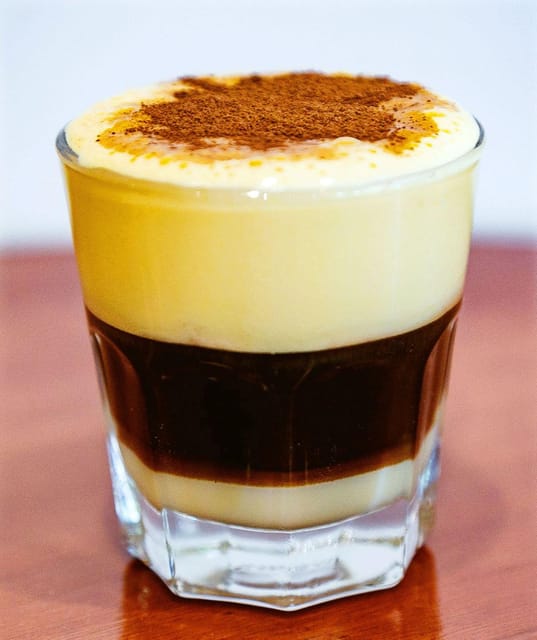
Egg Coffee is one of Vietnam’s most famous specialty drinks. The creamy egg mixture adds a soft texture and sweetness to the powerful coffee underneath.
Making it yourself helps explain why the drink works. The coffee brings strength and bitterness, while the egg mixture gives it a dessert-like finish. It is a good pick if you enjoy creamy drinks or want the most memorable photograph of the four choices.
Coconut Coffee
Coconut Coffee brings a cooling, aromatic note to the cup. The combination of coffee and coconut gives you a gentler route into Vietnamese café culture if straight black coffee feels too intense.
Choose it if you prefer a sweeter, smoother drink. The coconut element also makes this a useful comparison with Egg Coffee, since both soften the coffee but in different ways.
Salt Coffee
Salt Coffee is the most unusual choice and a fitting one for a Hoi An class in Central Vietnam. A small amount of salt can change how you perceive bitterness and sweetness. It does not simply make the drink salty.
This option suits curious drinkers who want to try a local specialty that may not appear on every café menu at home. It also gives the instructor a good chance to explain how minor changes in a recipe can produce a very different flavor.
Why making the coffee matters
You do more than watch. The class provides the ingredients and equipment, and the instructor guides you through each drink. You make two cups yourself, selecting from the four signature styles.
That hands-on element is the main reason I see value in this activity. A standard café stop might give you one drink in ten minutes. Here, you learn how the drink is made, handle the tools, and understand the ingredients before sitting down to enjoy it.
The session is also short enough to stay focused. One hour does not allow for a long farm visit or an advanced roasting course, but it gives you a clear look at the process without taking half a day from sightseeing.
The two-cup format is useful. You can compare styles instead of trying one coffee and guessing how the others differ. For example, you might choose Phin and Egg Coffee to compare the basic brew with a creamy variation, or select Coconut and Salt Coffee for two less familiar flavors.
Vegan and non-dairy options are available for selected coffee types. Ask the instructor about your choices at the start, since the available adjustments depend on the drink you select.
A cozy coffee break, with some café noise
Once your drinks are ready, you enjoy them in the coffee shop. The room has local music and a casual Hoi An atmosphere. This is a good moment to slow down and compare the aroma, texture, sweetness, and strength of your two cups.
The setting is cozy rather than polished or formal. That suits the subject. Vietnamese coffee is part of ordinary daily life, and the café setting keeps the experience connected to that habit.
Still, expect background sound. One visitor specifically found the café too loud, and that is worth taking seriously if you have hearing difficulties or prefer quiet instruction. The noise does not remove the value of the class, but it may mean you need to listen closely or ask the guide to repeat a point.
I would book this for the activity and the coffee, not for an elegant lounge atmosphere. If you want a peaceful place to read while sipping a drink, visit a café separately. If you want to roast, brew, taste, and ask questions, the noise is a smaller concern.
Browsing beans, filters, and Hoi An gifts
After the workshop, you can look around the shop’s souvenir area. It carries roasted beans, ground coffee, cocoa, local ceramics, handmade filters, and Hoi An-inspired gifts.
This section adds practical value because you can continue the experience at home. A handmade Phin Filter is the most useful purchase if you enjoyed the traditional brewing method. Coffee beans or ground coffee make sense if you want to repeat the recipe, while ceramics offer a less perishable reminder of Hoi An.
You do not have to buy anything. Personal purchases are not included in the $16 price, so treat the souvenir area as an optional stop, not part of the required cost.
The coffee you take home will depend on your own equipment and storage, but the class gives you enough background to choose with more confidence. You will know whether you prefer a bold Phin brew, a creamy Egg Coffee, a coconut-based drink, or the unusual Salt Coffee.
Is $16 good value for one hour?
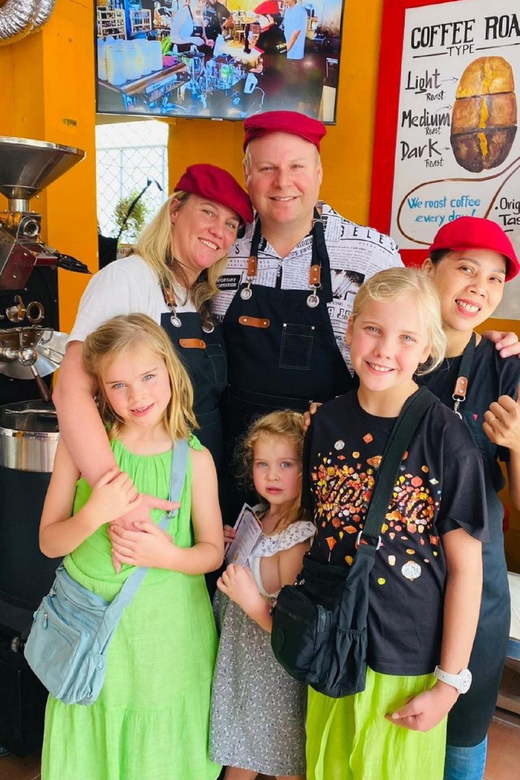
At $16 per person, this is a reasonably priced short activity. The fee includes the roastery visit, an English-speaking coffee expert, all brewing equipment, all ingredients, and two cups that you make yourself.
The value depends on what you want from a coffee experience. You are not paying for transport, a meal, or an extended farm tour. You are paying for access to a local roastery, a live roasting demonstration, instruction, and two prepared drinks.
That package compares well with simply ordering two specialty coffees, especially if you care about how they are made. It is less attractive if you only want a quick drink and have no interest in roasting or brewing.
The one-hour length is a strength for most Hoi An itineraries. You can fit it between sightseeing stops without giving up a full morning. Families and mixed-age groups may also find the format manageable because the class is suitable for all ages and requires no previous experience.
The highest praise this experience earns is for its clear, detailed explanation of how coffee is made. That is where the price makes the most sense. You get a process lesson, not just a tasting.
Who should book this coffee workshop?
I would recommend it to coffee drinkers who want a local angle without committing to a long course. It is especially useful for you if you are curious about the Phin Filter, want to try Salt Coffee, or would like to understand why Egg Coffee has become so well known.
It also suits families, couples, and solo visitors. You can take part at any age, and the instructor handles the technical steps. The indoor location makes it a practical backup when rain disrupts outdoor plans.
People with dietary preferences should ask about non-dairy choices before selecting their drinks. The activity offers vegan and non-dairy options for selected coffees, but not every recipe is necessarily adaptable in the same way.
I would hesitate only if you dislike strong coffee, do not want a hands-on activity, or need a quiet environment for conversation. The café can be noisy, and the experience is built around tasting and making coffee rather than sitting in silence.
Should you book it?
Book this workshop if you want more than a caffeine stop in Hoi An. For $16, you get a clear look at small-batch roasting, an English-language lesson, two hands-on drinks, and a chance to try coffee styles that are difficult to understand from a menu alone.
Choose Phin and Egg Coffee for a classic introduction. Pick Coconut and Salt Coffee for a more unusual tasting. Arrive five minutes early, wear comfortable clothes for the warm roasting area, and keep your expectations focused on authentic instruction rather than a quiet café setting.
FAQ
Where does the Hoi An coffee workshop meet?
Meet outside Trí Long Coffee at 88 Phan Châu Trinh Street in central Hoi An. The guide wears a red hat.
How long does the coffee experience last?
The workshop lasts one hour.
What drinks can I make?
You can choose two of four drinks: traditional Phin Filter coffee, Egg Coffee, Coconut Coffee, or Salt Coffee.
Are two coffees included?
Yes. You make and enjoy two cups during the workshop.
Is the activity suitable for beginners?
Yes. The class is suitable for all ages, and no previous coffee-making experience is required.
Is the workshop held indoors?
Yes. The activity takes place indoors, making it suitable for sunny or rainy weather.
Is the experience wheelchair accessible?
Yes, the activity is wheelchair accessible.
Are vegan or non-dairy options available?
Yes, vegan and non-dairy options are available for selected coffee types.
What does the $16 price include?
The price includes the roastery tour, English-speaking coffee specialist, ingredients, equipment, hands-on instruction, and two coffees you make yourself. Hotel transport, meals, extra drinks, and personal purchases are not included.
Just listed in Hoi An
- Vietnamese Coffee Making Class in Hoi An★ 5.0 · 4 reviews
- Hoi An Vietnamese Coffee Workshop: Hands-On Brewing Class★ 5.0 · 3 reviews
- Authentic Vietnamese Coffee Making Experience in Hoi An★ 5.0 · 13 reviews
- Vietnamese Egg Coffee Making Course in Hoi An★ 3.5 · 2 reviews
- Hoi An Coffee Making Workshop★ 5.0 · 7 reviews
- Hoi An Coffee Tasting And Old Town Discovering Tour★ 5.0 · 4 reviews
- Coffee Making and Banh Mi Class Hoi An★ 5.0 · 5 reviews
- Farming- Market- Coffee- Cooking (JHA1)★ 5.0 · 9 reviews
Specialty Coffee and Roastery Tours, compared.
Coffee Farm Tour with Roasting & Tasting Workshop – Da Lat
Read our review →
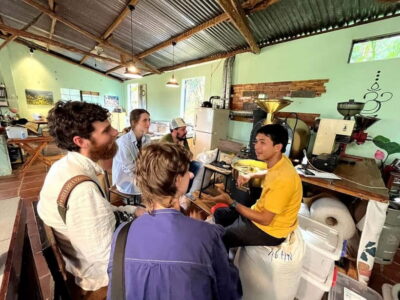
Experience specialty coffee with sustainable coffee farmers
Read our review →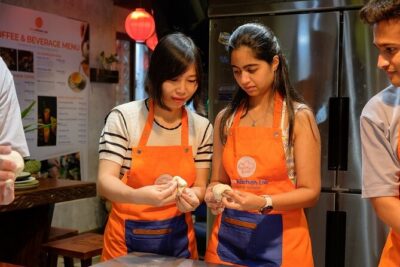
Vietnamese Bread & Brew: Banh Mi Baking Class & Specialty Coffee
Read our review →
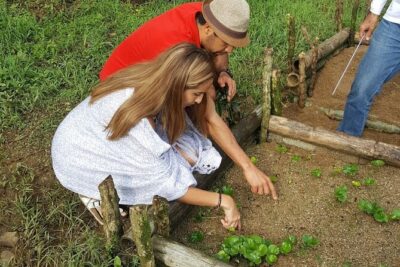
Private coffee tour near Medellín, from bean to cup.
Read our review →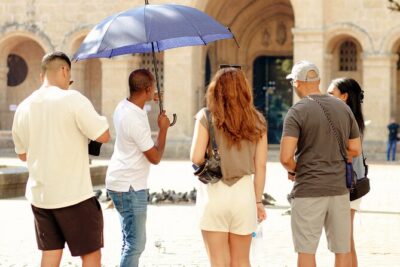
Santo Domingo Small Group Walking Tour: Beer and Specialty Coffee
Read our review →Lists this coffee tour turns up in