
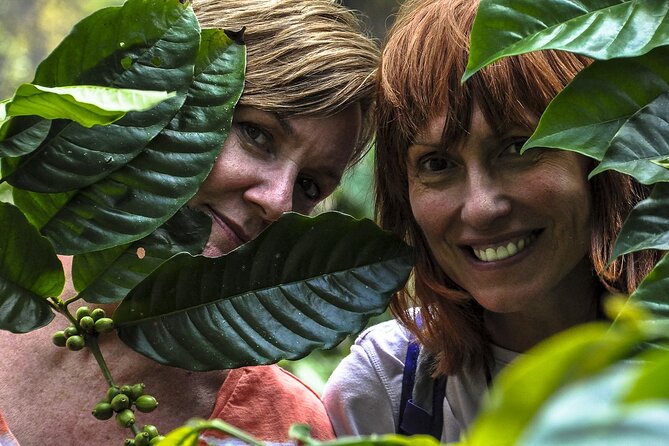
REVIEW · KARNATAKA
Classic Coorg Coffee Plantation experience
Coorg’s coffee story begins under native Western Ghats trees, not in a factory. This short tour takes you along a plantation trail, explains how coffee plants grow from nursery seedlings to picked beans, then brings you to the host’s house for a tasting. Shade-grown coffee is the main attraction here, with Arabica and Robusta both part of the story.
I like two things right away: the tour is led by a local farmer with more than 20 years of cultivation experience, and the private format means your group is not mixed with strangers. At $11.33 per person, it is an inexpensive way to connect a cup of Coorg coffee with the soil, trees, and work behind it.
The main drawback is the modest setup. One critical account described the plantation as basic and without much infrastructure. You should book this for a hands-on farm explanation, not for a polished visitor center, long tasting session, or elaborate attraction.
Key points at a glance
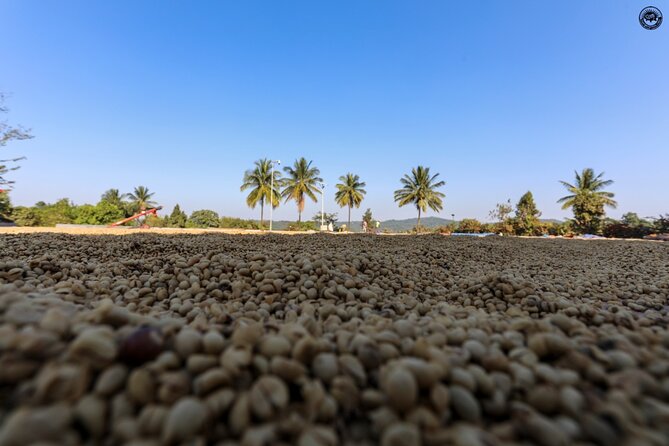
- A short plantation walk: Follow the coffee plant’s path from nursery seedling to field-grown plant and picked bean.
- A farmer-led experience: Your guide has more than 20 years of coffee cultivation experience.
- Coffee under native trees: Learn why Coorg coffee is shade grown beneath Western Ghats trees.
- Arabica and Robusta explained: Compare the two coffee varieties grown in the region and learn about local blends.
- Private for your group: Only your party participates, with the activity beginning and ending in Madikeri.
- Good value at $11.33: The price covers the guided experience and coffee or tea, but not private transportation.
Why Coorg coffee is worth understanding
Coorg, also called Kodagu, is one of India’s major coffee-growing areas. It is especially known for mild coffee, and the region’s beans are exported around the world, including to Europe.
The setting matters. Coffee here is grown beneath native trees of the Western Ghats, a region recognized as a United Nations biodiversity hotspot. That means the coffee plant is part of a larger growing system rather than a crop planted in an open, treeless field.
I like this kind of explanation because it gives you something useful to notice after the tour. When you drink Coorg coffee, you can think about the shade, the surrounding native trees, and the different stages of cultivation instead of treating the cup as an anonymous product.
The experience also introduces the two main varieties grown in Coorg: Arabica and Robusta. You should not expect a technical coffee-school lesson at this price, but you will get the basic distinction between the varieties and a chance to connect them with the finished drink.
Coffee cultivation was first introduced to the region by the British and later became a commercial crop for local Coorg communities. That short history helps explain why coffee is now so closely tied to the area’s identity and rural economy.
More Coffee Farm Tours in the world:
- Award Winning Farm Tour: Coffee, Chocolate and Unique Gifts
★ 5.0 · 484 reviews - La Herradura Coffee Farm: tour in Europe’s only plantation
★ 4.8 · 430 reviews - Big Island: Volcanoes, Waterfalls, & Coffee Farm Day-Trip
★ 4.9 · 414 reviews
The plantation walk, from seedling to picked bean
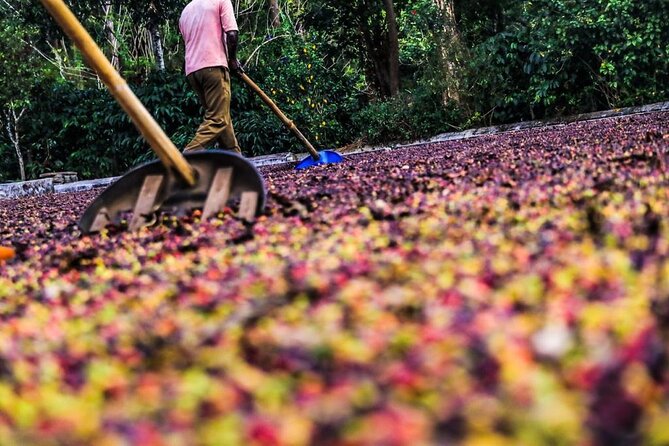
The tour begins in Madikeri, Karnataka, and moves into a plantation walk. The walk is the working heart of the experience, so I would pay close attention here rather than treating it as a quick stroll before the tasting.
You learn about coffee plants at the nursery stage, including how seedlings are raised before they are planted in the plantation. From there, the guide explains how the plants grow and what happens when the beans are ready to be picked.
The route is described as a short walk, not a long hike. The full activity lasts about one hour, and the plantation portion may take roughly half of that time. If you want a detailed account of every production stage, this limited duration is worth keeping in mind.
Still, a short walk can be enough to make the process clear. You see that coffee does not begin with roasting or brewing. It starts with a young plant, careful cultivation, and the seasonal work of picking. That basic sequence is the most useful lesson for anyone who has never visited a coffee-growing area.
The plantation does not have a large infrastructure setup. That can be a weakness if you expect signs, displays, paved paths, or a formal visitor complex. I would treat the simple setting as part of the trade-off: less polish, but a closer look at a working agricultural space.
The host’s house and the coffee tasting
After the plantation walk, the tour ends at the host’s house, described as an experience center. This is where the bean-to-cup explanation becomes more practical.
You learn about different blends and taste the coffee flavors associated with Coorg. Coffee and/or tea is included, so you do receive a drink as part of the visit. The available information does not specify the number of samples, the exact brewing method, or the food served with the drink, so it is best to expect a simple tasting rather than a full coffee-pairing event.
I like the change of setting. The plantation shows you where the crop grows, while the house gives you a place to discuss how blends affect the final cup. Together, the two parts create a clear one-hour structure: about 30 minutes outside and about 30 minutes in the experience center.
The host’s house also keeps the activity connected to the people who grow the crop. You are not simply looking at coffee plants and then buying a packaged souvenir. You are hearing about cultivation from someone whose work is tied to the plantation.
If coffee tasting is your main reason for booking, set your expectations carefully. The experience promises tasting and information about blends, but not a professional cupping class. Its value lies in the connection between farm and cup.
What the private format changes
This is a private tour, so only your group participates. That is a useful feature for couples, families, and small groups who prefer to ask questions without a larger audience.
A private format can also make a basic tour feel more personal. If you want to ask how Arabica differs from Robusta, why coffee is grown under shade, or how seedlings reach the plantation, you can shape the conversation around your interests.
The information provided does not name the farmer or guide. What is known is that the tour is conducted by a local farmer with more than 20 years of cultivation experience. That practical background is more important here than a polished guiding style, since the subject is the work of growing coffee.
The private arrangement does not mean private transportation is included. You are responsible for reaching the meeting point in Madikeri, and the activity ends back there. Plan the tour as a short local stop rather than a full-day outing with transfers.
More Coffee Tours in the world:
- Hanoi Coffee Experience: 6 Brews, 9 Recipes & 3 Liquor Tastings
★ 5.0 · 2,945 reviews - Medellin: Coffee Tour with Transport, Snacks and Tastings
★ 4.7 · 1,357 reviews - Istanbul: Turkish Coffee Making and Fortune Telling Workshop
★ 4.9 · 1,308 reviews - Hanoi Coffee Workshop: Taste Salt, Coconut and Egg Coffee
★ 5.0 · 1,286 reviews
Is $11.33 good value?
At $11.33 per person, I see this as a low-cost introduction to Coorg’s coffee culture. The price covers about an hour of guided time, a plantation walk, an explanation of coffee cultivation, a visit to the host’s house, and coffee or tea.
The value is strongest if you are already in Madikeri and can reach the start point easily. Since private transportation is not included, the final cost depends on how you get to Madikeri and the meeting point. The experience itself remains inexpensive, but it is not a transport-inclusive excursion.
The price also reflects the simple nature of the activity. You are paying for access, explanation, and tasting, not for a large attraction with extensive facilities. If you judge value by authenticity and subject knowledge, the tour makes sense. If you expect a highly developed plantation complex, the cost may not change your disappointment.
I would also consider the one-hour duration. It is long enough to add meaning to your visit to Coorg without taking half a day. At the same time, it leaves little room for a slow walk, extended questions, or a broad coffee seminar.
Who will enjoy this experience most?
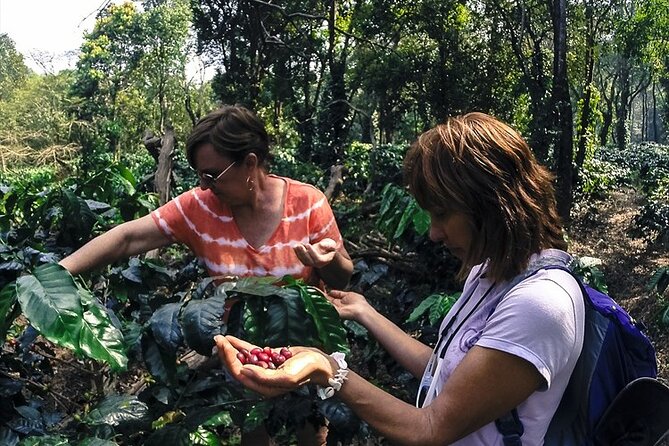
I would recommend it to anyone who wants a quick introduction to Coorg coffee and has not visited a plantation before. It works especially well for people who enjoy local food and drink stories, small private activities, and direct contact with farming traditions.
It also suits a busy itinerary. You can fit the experience into a morning or afternoon without giving up most of your day. The mobile ticket makes access simple after booking, and confirmation is provided at the time of booking.
Families may appreciate the short format, though the available information does not describe specific child facilities or accessibility arrangements. Anyone with mobility concerns should ask the operator before booking, since the experience includes a walk through a plantation and no detailed path information is provided.
Coffee specialists may find the visit too basic. There is no stated information about roasting, grinding, brewing equipment, harvest dates, processing methods, or a formal sensory scorecard. If you want technical coffee training, this is probably not the right choice.
What to expect from the simple setting
One account described the tour as disappointing because the plantation had little infrastructure and the explanation felt basic. That criticism is useful because it sets a clear boundary around the experience.
You should expect a farm visit, not a museum. The plantation may not have extensive signs or built facilities. Much of the quality depends on how clearly the farmer explains the plants and how willing you are to ask questions.
I would arrive with a few questions ready:
- How long do seedlings remain in the nursery?
- What is the main difference between Arabica and Robusta in this plantation?
- Why are native trees kept above the coffee plants?
- How are the beans picked?
- Which blend will you taste at the house?
These questions can help you get more from the 30-minute plantation walk and 30-minute experience-center visit. The operator’s response to the critical account pointed out that the full one-hour program was provided, including time in both locations. That suggests the main issue is not the advertised length, but the level of detail you expect during that time.
Timing, weather, and cancellation
The tour normally lasts about one hour, starts in Madikeri, and returns to the same meeting point. It is best treated as a scheduled local activity, not a transfer service.
Good weather is required. If poor weather forces cancellation, you are offered another date or a full refund. The experience also requires a minimum number of participants, and if that minimum is not met, you are offered another date or experience, or a full refund.
You can cancel for a full refund up to 24 hours before the start time. Cancellations or changes made less than 24 hours before the activity are not accepted for a refund. The cut-off follows local time, so check the start time carefully if your plans are changing.
Should you book the Classic Coorg Coffee Plantation experience?
Book it if you want a short, affordable, private introduction to coffee cultivation in Coorg. The strongest reasons are the farmer-led format, the explanation of shade-grown coffee, the look at nursery plants and picked beans, and the tasting at the host’s house.
Skip it if you want a polished plantation attraction, extensive infrastructure, or a long technical coffee class. The experience is simple, and one hour leaves limited time for detailed instruction.
My practical advice is to book this as a focused add-on to a Madikeri visit. Arrive curious, ask specific questions, and judge the value by the connection between plantation and cup. At $11.33, it is a sensible choice for understanding where Coorg coffee comes from, as long as you do not expect a major attraction or private transport.
FAQ
Where does the coffee plantation experience start?
The experience starts in Madikeri, Karnataka, at the listed meeting point.
Where does the activity end?
The activity ends back at the meeting point in Madikeri.
How long does the tour last?
The tour lasts approximately one hour.
Is the tour private?
Yes. Only your group participates in the private activity.
What is included in the price?
Coffee and/or tea is included.
Is private transportation included?
No. Private transportation is not included.
Can I cancel for a full refund?
Yes. You can cancel at least 24 hours before the experience start time for a full refund. Cancellations or changes made less than 24 hours before the start time are not accepted for a refund.
Just listed in the world
- Vietnamese Coffee 101 Workshop★ 5.0 · 11 reviews
- Vietnamese Coffee Making Class in Hoi An★ 5.0 · 4 reviews
- Yerevan: Private Coffee Tour with 2 Café Stops★ 5.0 · 2 reviews
- Turkish Coffee and Traditional Turkish Dessert Cooking★ 4.6 · 8 reviews
- Ubud: Waterfall, Holy Water Temple,Swing&coffee plantation★ 5.0 · 9 reviews
- Vancouver: Street Art & Craft Coffee Walking Tour w/ Tasting★ 4.8 · 11 reviews
- Coffee pleasure walking tour★ 5.0 · 12 reviews
- The Colors of Coffee in the Farms of Coatepec★ 5.0 · 3 reviews
Coffee Farm Tours, compared.
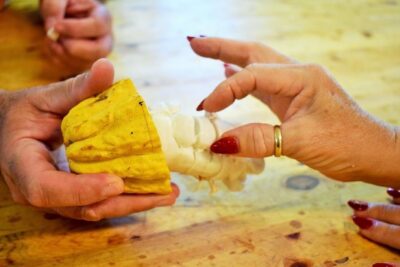
Award Winning Farm Tour: Coffee, Chocolate and Unique Gifts
Read our review →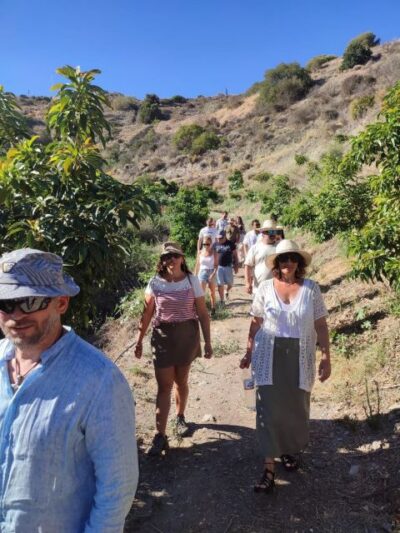
La Herradura Coffee Farm: tour in Europe’s only plantation
Read our review →
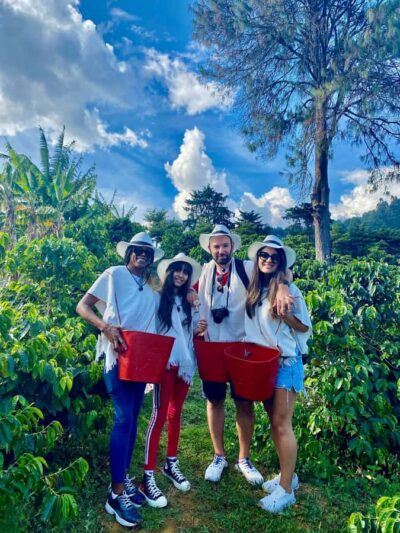
Medellín Coffee Farm Tour with Trolley and Cable Car Ride
Read our review →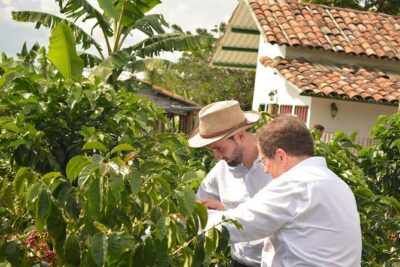
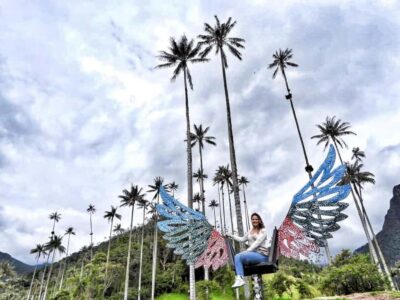
Private Cocora Valley, Salento & Coffee Farm Tour
Read our review →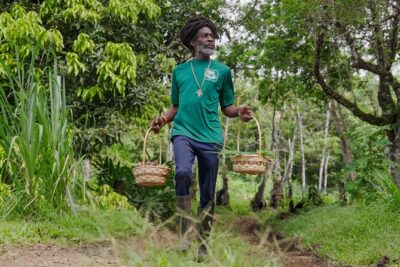
Liamuiga Natural Farm Tour – St.Kitts’ Coffee Farm
Read our review →
Lists this coffee tour turns up in