
REVIEW · NORTHERN THAILAND
Chiangmai Coffee Farm Tour
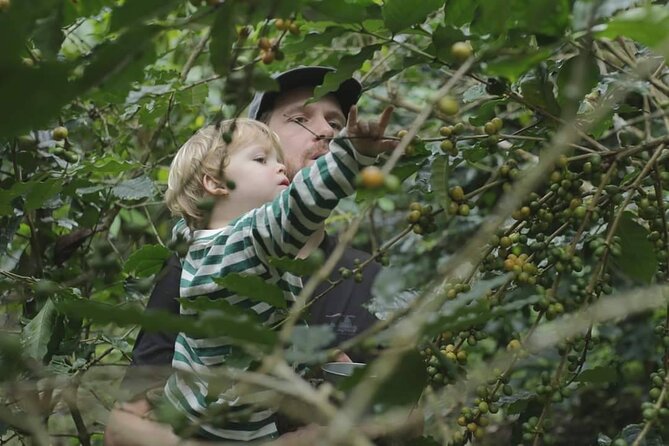
The most memorable part of this half-day outing is that you do not just drink coffee, you follow it from cherry to cup. At the farm, you pick coffee fruit, see how it is processed, roast your own beans, brew them, and finish by planting a coffee tree. That hands-on chain gives the day more purpose than a simple plantation visit.
I like the unusual welcome drink, coffee flower tea, and the chance to make a small souvenir from dried cherries. I also like the quiet ride into the Doi Saket countryside, where the journey passes local villages and Doi Saket Hot Springs. The main drawback is the drive: the farm is about an hour from Chiang Mai’s old city, and the program may change with the season or weather.
Key points before you book
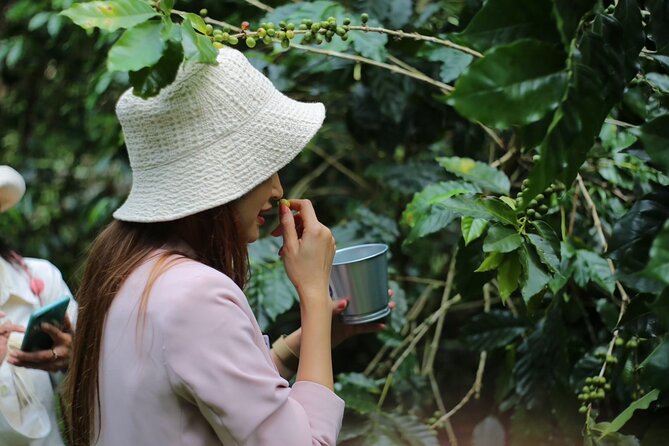
- Coffee from fruit to finished drink: Pick cherries, learn about processing, roast beans, and brew your own coffee.
- A mountain farm outside Chiang Mai: The organic plantation is about one hour from the old city in the Doi Saket area.
- Coffee flower tea at arrival: The welcome drink gives you a taste of the coffee plant beyond its beans.
- A tree-planting finale: You finish by planting coffee trees, a simple activity with a lasting connection to the farm.
- Small-group format: The tour accepts a maximum of 12 people, which suits a practical, hands-on lesson.
- Hotel pickup at 8:30 a.m.: Transport, insurance, and pickup are included, with the outing lasting about five and a half hours.
Why this coffee farm visit is worth your morning
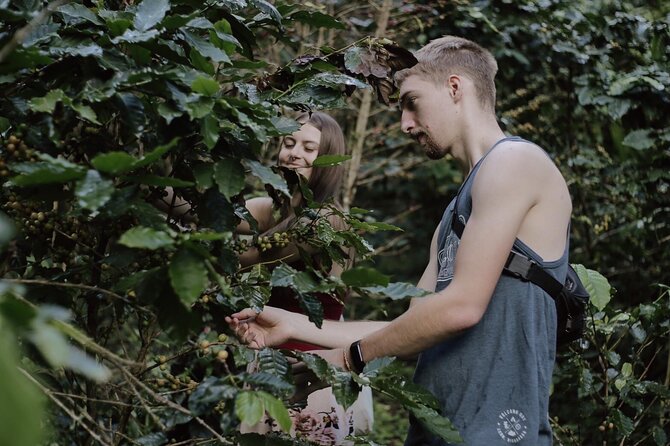
Coffee tours can be a little thin. You walk through rows of plants, hear a few facts, drink a cup, and leave. This Chiangmai Coffee Farm Tour aims for more. It asks you to handle the crop at several stages, so you understand the work behind a drink that usually arrives in a paper cup without much explanation.
The farm grows coffee organically in the mountains near Doi Saket. That setting matters. You are not visiting a city café with a decorative plant or two. You are going to a working farm where the coffee is grown, processed, roasted, and brewed in the same general place.
At $58.41 per person, this is not the cheapest way to spend a morning in Chiang Mai. The value comes from the amount packed into the outing: transport from the city, several practical activities, drinks, insurance, and a small group capped at 12. If you only want a good cup of coffee, visit a café. If you want to understand how coffee is made and spend time in the countryside, the price makes more sense.
More Coffee Farm Tours in the world:
- Award Winning Farm Tour: Coffee, Chocolate and Unique Gifts
★ 5.0 · 484 reviews - La Herradura Coffee Farm: tour in Europe’s only plantation
★ 4.8 · 430 reviews - Big Island: Volcanoes, Waterfalls, & Coffee Farm Day-Trip
★ 4.9 · 414 reviews
The ride from Chiang Mai to Doi Saket
Pickup is arranged at your hotel lobby at 8:30 a.m. A company staff member drives the van, so you do not need to arrange your own transport to the farm. The drive takes about an hour from Chiang Mai’s old city, making this a half-day trip rather than a quick stop near the center.
The route passes through the Chiang Mai countryside, where you can see local ways of life outside the city. You also pass Doi Saket Hot Springs along the way. The information provided does not describe a scheduled stop there, so treat it as a roadside sight rather than a separate hot-spring visit.
That hour in the van is part of the trade-off. It adds travel time, but it also takes you away from the traffic and cafés of central Chiang Mai. If you have only one day in the city, you may prefer to stay closer to town. With a few days available, the rural setting gives the tour a useful change of pace.
Pickup details should be confirmed after booking. The meeting point is listed as PangHai-So, 44 5, Tambon Thep Sadet, Amphoe Doi Saket, Chiang Mai 50220, and the activity ends back at the meeting point. Pickup is offered, but the exact return arrangement is best checked when your booking is confirmed.
Starting with coffee flower tea
Arrival begins with a welcome drink made from coffee flowers. This is a good opening because it introduces a part of the plant many coffee drinkers never encounter. Most people know the bean, but not the flower or the fruit around it.
The tea also sets the tone for the visit. This is not only a tasting session focused on strong roasted coffee. You get a wider look at the plant and the farm’s work. The drink may be especially interesting if you are already curious about coffee production, but it also works for anyone who wants a gentle introduction before the hands-on activities begin.
The farm’s setting adds to this first stop. The plantation is described as a beautiful organic farm in the mountains, and the morning begins in a place where coffee is grown with care. Exact scenery can change with weather and season, so do not expect the same appearance at every time of year.
Picking coffee cherries from the plant
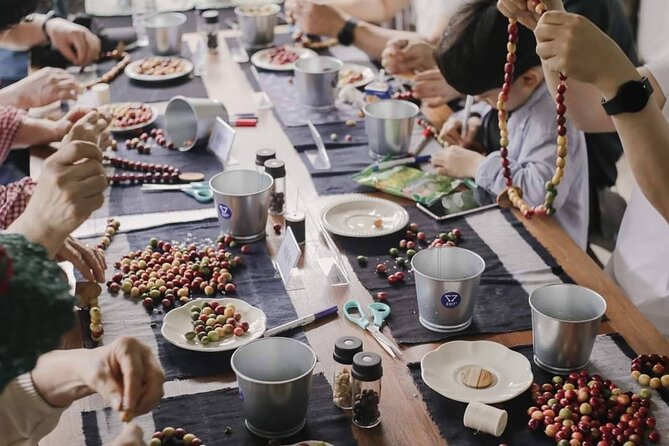
The next step is collecting coffee cherries. This is a simple activity, but it helps you see the crop as fruit rather than as a dry brown bean. The cherries are the starting point for everything that follows.
Seasonal timing matters here. The program notes that activities may change depending on the season and conditions. That means the amount of ripe fruit available for picking can vary. You should view the cherry-picking portion as a practical introduction, not a guarantee of a large harvest or a long session in the rows.
Still, the activity has real value. You get a direct sense of where coffee begins, and you can connect the fruit you handle with the processing lesson that comes after. It is also a better fit for people who enjoy doing something with their hands rather than listening to a long explanation.
More Coffee Tours in the world:
- Hanoi Coffee Experience: 6 Brews, 9 Recipes & 3 Liquor Tastings
★ 5.0 · 2,945 reviews - Medellin: Coffee Tour with Transport, Snacks and Tastings
★ 4.7 · 1,357 reviews - Istanbul: Turkish Coffee Making and Fortune Telling Workshop
★ 4.9 · 1,308 reviews - Hanoi Coffee Workshop: Taste Salt, Coconut and Egg Coffee
★ 5.0 · 1,286 reviews
Seeing how coffee is processed
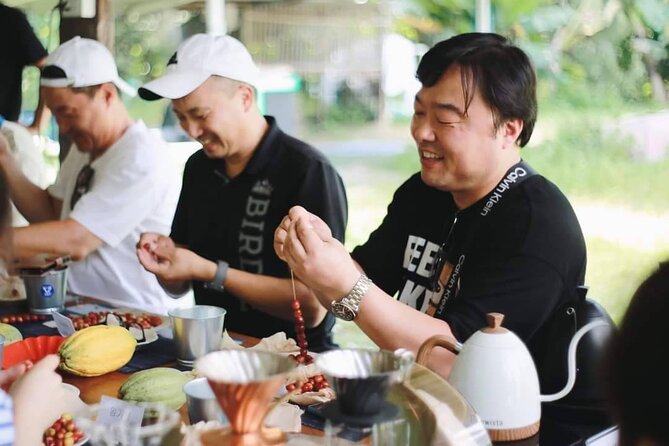
After picking, you learn about coffee processing. This is the bridge between the fruit on the plant and the beans used for roasting. The details provided do not specify every method used at the farm, so you should expect an explanation of the farm’s process rather than a technical course covering every coffee-growing region.
That limitation is worth noting for serious coffee professionals. If you already know a great deal about washed, natural, or honey processing, the lesson may feel introductory. For most people, though, this part gives useful context. It explains why coffee from different places, farms, and methods can taste so different.
The tour also turns dried coffee cherries into souvenirs. The activity is small, but it makes good use of a part of the crop that many visitors would otherwise ignore. You leave with something connected to the farm, not just another generic item from a gift shop.
Roasting your own coffee beans
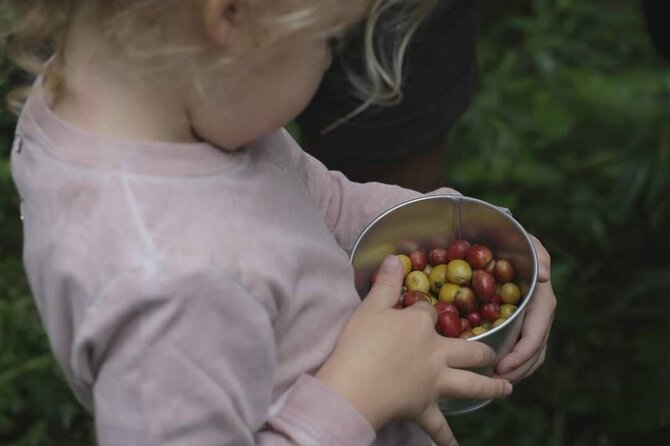
Roasting is likely the most engaging part of the day for anyone who enjoys coffee. You get to roast your own beans and watch the flavor begin to develop through heat. The supplied information does not state what equipment you will use or how much coffee each person roasts, so do not expect a full professional roasting workshop.
What you can expect is a practical lesson in how roasting changes the character of coffee. The amount of roast affects aroma and taste, and the experience gives you a clearer reason why two cups made from the same type of bean can seem different.
This activity also requires patience. A handmade cup will not necessarily taste like the carefully calibrated coffee from a specialty shop. That is part of the point. You are learning through the process, and the finished drink carries the small satisfaction of having prepared it yourself.
Brewing and drinking fresh farm coffee
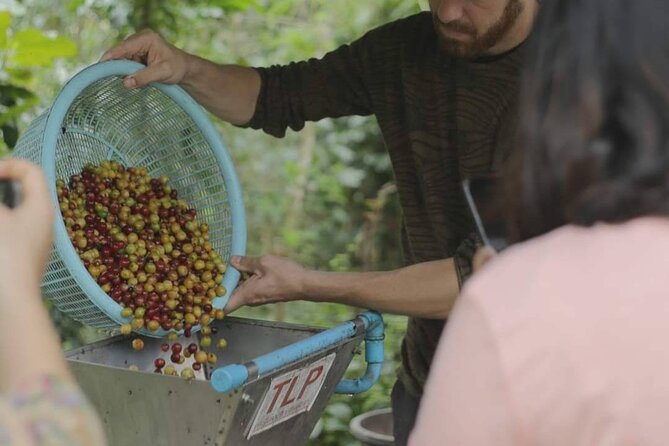
Once the beans are roasted, you brew coffee with the beans you worked on. This creates a direct connection between the activity and the reward. You are not simply handed a cup at the end. You have seen the cherries, learned about processing, roasted the beans, and then tasted the result.
The tour also serves fresh coffee from the farm. That gives you a chance to compare the drink you helped prepare with coffee made by the people who run the plantation. The available details do not identify the brewing method, so expectations should stay practical rather than technical.
This is where the outing works best for coffee lovers. You can pay attention to how roasting and brewing affect flavor, as one useful account of the activity points out. You do not need advanced tasting skills. Even noticing that one cup smells or tastes different from another is enough to make the lesson useful.
An organic meal is also associated with the experience details. Since the main description does not spell out the menu or serving time, confirm the food arrangements if that matters to your planning. Do not book this as a fine-dining event. Think of the meal as a welcome part of a farm visit.
Planting a coffee tree before you leave
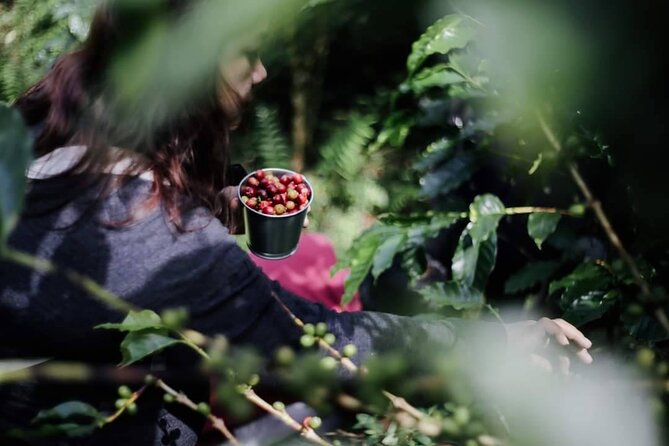
The final activity is planting coffee trees. It is a fitting ending because it looks ahead rather than only explaining what has already happened. You have seen the fruit, learned about its processing, and made coffee. Now you take part in the beginning of the cycle.
Planting a tree will not transform your understanding of coffee on its own, but it gives the day a clear closing moment. It also helps the farm visit feel connected to cultivation rather than just consumption. If you enjoy hands-on activities with a visible result, this will probably be one of the most satisfying parts.
The exact tree-planting conditions depend on the farm and the season. The program may replace activities when conditions require it, so keep that in mind when you book. The tree-planting activity is included in the stated program, but no tour can guarantee identical farm work throughout the year.
Group size, timing, and practical comfort
The maximum group size is 12 people. That is small enough to keep the activities manageable and to give the day a more personal feel than a large coach tour. It also means the experience depends on the pace of the group. A group of 12 may take longer to complete each roasting or brewing step than a smaller private visit.
The total duration is about five hours and 30 minutes, including the journey from Chiang Mai. The farm itself does not receive the entire block of time. That is important if you are comparing this with a short city coffee class.
Pickup, mobile ticketing, and insurance are included. Confirmation is sent within 48 hours of booking, subject to availability. Free cancellation is available until 24 hours before the start time for a full refund. Cancellations or changes made inside that window are not refunded or accepted, and poor weather can lead to a new date or a full refund.
Because the program depends on weather and farming conditions, keep your schedule flexible. The experience is not a good choice if you need every step to run to a fixed timetable.
Who will get the most from this farm visit
I would choose this tour for coffee drinkers who want more than a tasting. It suits people who enjoy learning by doing, especially those who like to pick, roast, brew, and make a small item by hand.
It also works well for visitors who want a countryside outing without committing to a full-day trek. The farm is about an hour from Chiang Mai, and the activities are centered on coffee rather than strenuous outdoor travel.
Families may enjoy the variety, though the provided information does not give age rules or accessibility details. Check those points before booking if they are important for your group. The same applies to dietary needs, since the food details are not fully specified.
This is less suitable for someone who wants a quick activity near the old city, a highly technical barista course, or a guaranteed schedule unaffected by weather. The trip has a relaxed farm rhythm, and that includes some uncertainty.
Should you book the Chiangmai Coffee Farm Tour?
Book it if you like coffee, want to see rural Chiang Mai, and prefer a hands-on outing to a passive sightseeing stop. The strongest parts are the full coffee journey, the coffee flower tea, the chance to roast and brew your own beans, and the tree planting at the end.
At $58.41, the tour is a fair value when you use the included pickup, transport, insurance, drinks, farm activities, and small-group limit. It is not the best choice for a budget-conscious visitor who only wants caffeine, and the hour-long drive each way may feel excessive for a short itinerary.
My practical advice is to reserve it when you have a flexible morning and at least one extra day in Chiang Mai. That gives you room for weather changes and lets you enjoy the countryside without watching the clock. For a coffee-minded visitor, this is a useful, friendly way to understand what happens before the first sip.
FAQ
How long does the Chiangmai Coffee Farm Tour last?
The activity lasts approximately five hours and 30 minutes, including the visit to the farm and the associated travel.
How far is the coffee farm from Chiang Mai?
The farm is about one hour from Chiang Mai’s old city by van.
Is hotel pickup available?
Yes. Pickup is arranged from the hotel lobby at 8:30 a.m. A company staff member drives the van.
What activities are included?
The program includes coffee flower tea, picking coffee cherries, learning about coffee processing, making souvenirs from dried cherries, roasting coffee, brewing the roasted beans, drinking fresh farm coffee, and planting coffee trees.
How many people can join the tour?
The maximum group size is 12 people.
Does the tour include insurance?
Yes. Insurance is included in the program.
Does the tour stop at Doi Saket Hot Springs?
The route passes Doi Saket Hot Springs, but the provided information does not state that the tour includes a scheduled stop there.
Can I cancel for a full refund?
Yes. You can cancel at least 24 hours before the start time for a full refund. Cancellations or changes made less than 24 hours before the start time are not accepted or refunded. If poor weather cancels the activity, you can receive a different date or a full refund.
Just listed in the world
- Vietnamese Coffee 101 Workshop★ 5.0 · 11 reviews
- Vietnamese Coffee Making Class in Hoi An★ 5.0 · 4 reviews
- Yerevan: Private Coffee Tour with 2 Café Stops★ 5.0 · 2 reviews
- Turkish Coffee and Traditional Turkish Dessert Cooking★ 4.6 · 8 reviews
- Ubud: Waterfall, Holy Water Temple,Swing&coffee plantation★ 5.0 · 9 reviews
- Vancouver: Street Art & Craft Coffee Walking Tour w/ Tasting★ 4.8 · 11 reviews
- The Colors of Coffee in the Farms of Coatepec★ 5.0 · 3 reviews
- Vienna: Guided Viennese Coffee-House Tour★ 5.0 · 2 reviews
Coffee Farm Tours, compared.
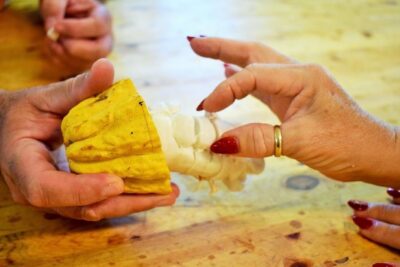
Award Winning Farm Tour: Coffee, Chocolate and Unique Gifts
Read our review →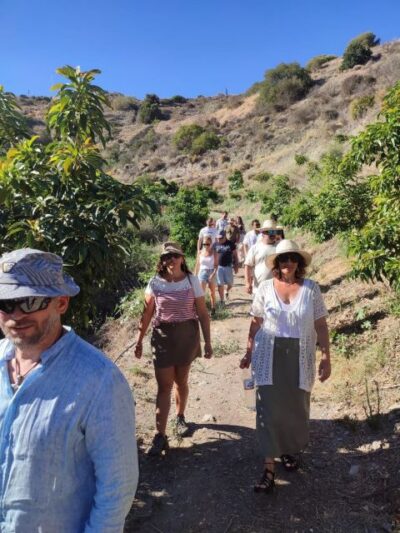
La Herradura Coffee Farm: tour in Europe’s only plantation
Read our review →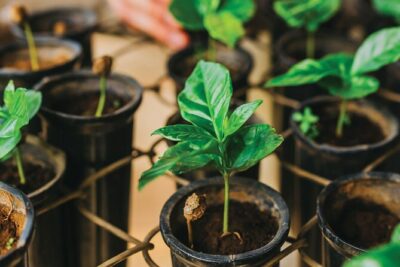
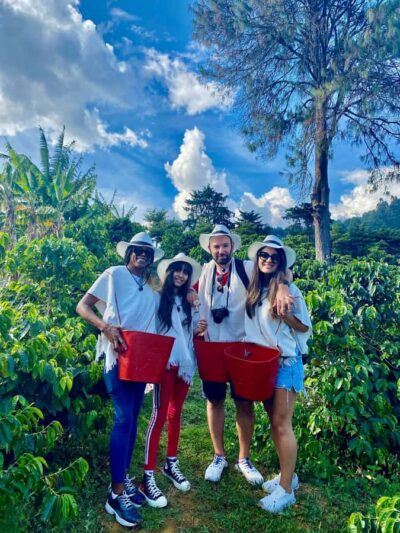
Medellín Coffee Farm Tour with Trolley and Cable Car Ride
Read our review →
Private Cocora Valley, Salento & Coffee Farm Tour
Read our review →
Liamuiga Natural Farm Tour – St.Kitts’ Coffee Farm
Read our review →
Lists this coffee tour turns up in