
REVIEW · GRAN CANARIA
Explore Gran Canaria’s Coffee at Finca Los Castaños
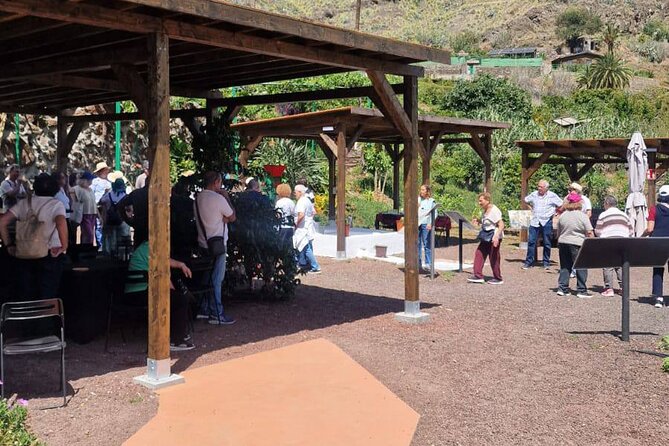
Gran Canaria’s Agaete Valley is an unusual place to learn about coffee. Here, a small traditional farm grows coffee among tropical fruit trees, giving you a close look at how beans move from plant to cup in a European setting. I like the relaxed pace and the chance to taste coffee roasted on the farm, not just hear a sales pitch.
I also like the personal scale. Laura is named as a guide, and the visit can include coffee trees, fruit crops, homemade marmalades, and a look at the work behind the beans. The main thing to consider is the weather: rain can interrupt the outdoor portion, and one poorly organized visit involved a long wait with little more than a coffee tasting.
Key points to know before you book
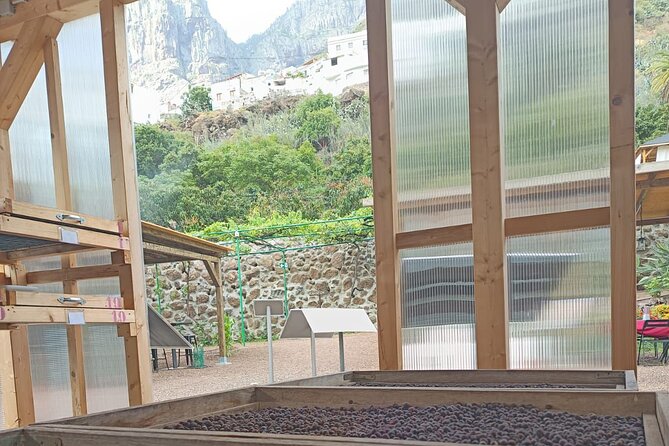
- Coffee grown in Europe: See coffee plants, harvesting, drying, and roasting in one small farm setting.
- Agaete Valley scenery: The setting is a major part of the experience, with tropical crops and mountain surroundings.
- Laura may guide the visit: Her explanations and warm approach are central to the farm’s personal feel.
- Coffee and jam tasting included: Expect freshly roasted coffee, with crackers and homemade jams mentioned as tasting accompaniments.
- Short and easy to fit into a day: The visit lasts about 40 minutes to one hour, though weather or delays may affect the pace.
- Small-farm atmosphere: This is a quiet alternative to a large commercial attraction, but the shop prices may feel high.
A coffee farm in the Agaete Valley
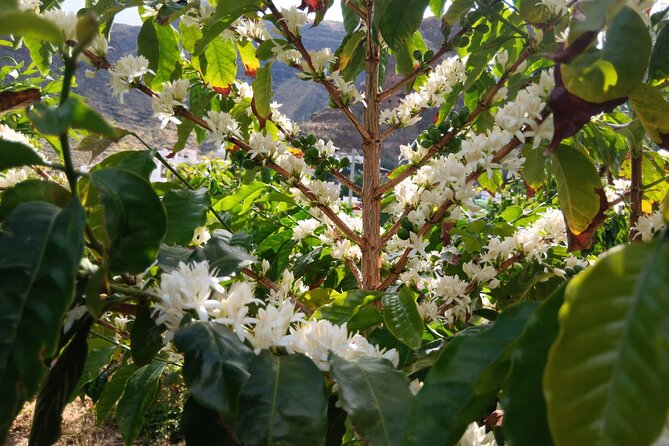
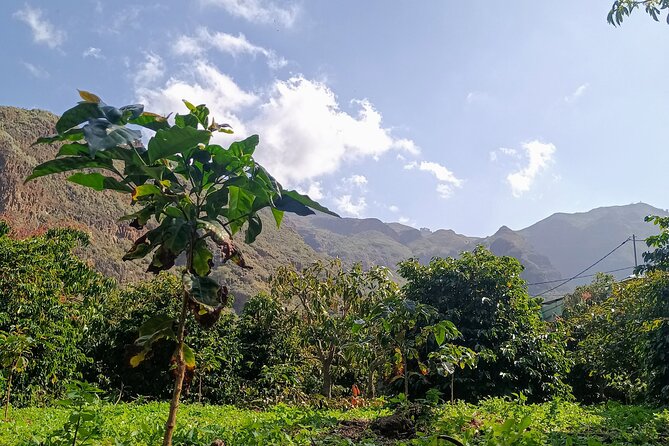
Finca Los Castaños sits in Gran Canaria’s Agaete Valley, a part of the island known for its dramatic scenery and subtropical agriculture. The farm is surrounded by coffee plants and other crops, so the visit is about more than coffee alone. You get a glimpse of how a small agricultural property works in a warm valley environment.
The setting gives the tour much of its appeal. I would not book this only for a tasting in a room. The real point is seeing the plants and the farming conditions, then connecting that work with the drink in your cup.
Coffee cultivation in Europe is unusual enough to make this a worthwhile stop for anyone curious about food production. The farm shows the full path from plant to roasted bean, including harvesting, drying, and roasting. That practical sequence helps you understand why small-batch coffee can take so much time and care.
The visit also touches on climate change and the difficulties it creates for coffee production. That is a useful addition because it places the farm’s work in a wider context. You are not simply being shown an exotic crop. You are also hearing about the challenges of growing it in a changing climate.
More Coffee Farm Tours in the world:
- Award Winning Farm Tour: Coffee, Chocolate and Unique Gifts
★ 5.0 · 484 reviews - La Herradura Coffee Farm: tour in Europe’s only plantation
★ 4.8 · 430 reviews - Big Island: Volcanoes, Waterfalls, & Coffee Farm Day-Trip
★ 4.9 · 414 reviews
What happens during the 40-minute to one-hour visit
The visit is described as a guided walk through the farm, followed by a tasting and time in the shop. The exact order can depend on the weather and the day’s conditions, so I would keep your schedule a little flexible.
You can expect to see the coffee plants and the surrounding fruit crops first, or at least during the outdoor part of the visit. The guide explains how coffee is cultivated and how the cherries are harvested. From there, the tour covers drying and roasting, giving you the basic production story without requiring a full morning.
This is a short experience, and that is both a strength and a limit. At roughly 40 minutes to one hour, it works well as part of a day exploring the valley. You can learn something specific without committing half a day to a formal agricultural tour.
The trade-off is that the visit may feel brief if you want a highly technical lesson about coffee varieties, processing methods, or farming equipment. The available information points to an educational introduction rather than an advanced coffee course.
Meeting Laura and the personal side of the farm
Laura is identified as one of the guides, and her approach seems to shape the visit. The best version of this experience is personal and unhurried, with someone explaining the farm’s coffee, fruit, and daily challenges in a direct way.
That small-farm character is important. You are not moving through a large factory with a scripted demonstration. The appeal comes from seeing a real agricultural setting and hearing about coffee as a crop with its own needs and personality.
English is available for at least some tours. French may not be available, so French-speaking visitors should confirm language arrangements before booking if that matters to them. The experience is also described as suitable for most people, and service animals are allowed.
One practical warning deserves attention. A rainy visit became disjointed, with waiting between the tasting and the outdoor portion. The problem was not simply the rain. The schedule and communication also seemed unclear. If the forecast is poor, ask at the start what will happen if the outdoor walk must be delayed or shortened.
From coffee plant to roasted bean
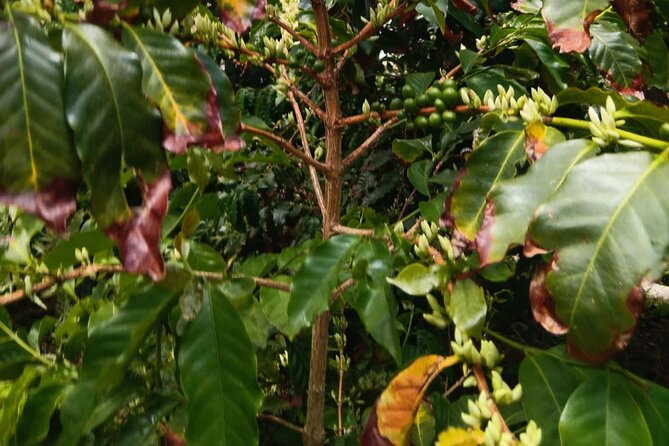
The most useful part of the farm visit is the chance to connect each stage of production. Coffee is often presented as a finished drink, but here you can see the crop before it becomes a roasted bean.
The tour covers:
- Growing coffee plants in the Agaete Valley
- Harvesting the coffee crop
- Drying the beans
- Roasting the coffee
- Tasting the finished drink
That order gives you a simple framework for understanding what you are seeing. You may also see other fruit growing on the property, which makes the farm feel like a working mixed-crop garden rather than a single-purpose plantation.
The coffee story is especially useful for visitors who have toured major coffee regions elsewhere and want to compare conditions. Gran Canaria is not the first place most people associate with coffee, so the visit offers an unexpected agricultural angle on the island.
I also appreciate that the climate discussion is part of the explanation. Coffee growing depends on particular conditions, and the farm can show how local agriculture faces pressure from weather changes. It adds substance to what could otherwise be a quick tasting stop.
More Coffee Tours in the world:
- Hanoi Coffee Experience: 6 Brews, 9 Recipes & 3 Liquor Tastings
★ 5.0 · 2,945 reviews - Medellin: Coffee Tour with Transport, Snacks and Tastings
★ 4.7 · 1,357 reviews - Istanbul: Turkish Coffee Making and Fortune Telling Workshop
★ 4.9 · 1,308 reviews - Hanoi Coffee Workshop: Taste Salt, Coconut and Egg Coffee
★ 5.0 · 1,286 reviews
The tasting: coffee, crackers, and homemade jams
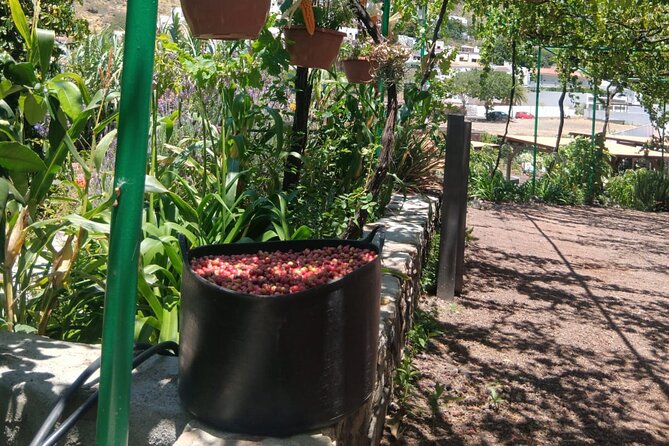
The tasting is included in the price and is one of the clearest reasons to book this experience. You receive coffee or tea, with freshly roasted coffee highlighted as part of the visit.
The food element appears simple. Expect coffee with crackers and homemade jams, rather than a full meal. Several combinations of coffee and jams may be offered, though the exact selection is not specified. Homemade marmalades are associated with the tasting, and fruit grown on the farm may also be available.
This is a pleasant way to finish the tour because it lets you judge the result of the farming and roasting process. You can taste the coffee after learning how it was produced, which makes the cup more meaningful than a standard café stop.
Do not book this expecting lunch. Lunch is not included, and the tasting should be treated as a small snack. If you are hungry, plan another meal separately.
The tasting may also be the main part of the visit in bad weather. That can work well if the farm team explains the change clearly. If the outdoor tour is postponed, ask whether the tasting is the full alternative or whether the walk will resume later.
The farm shop and the cost of local products
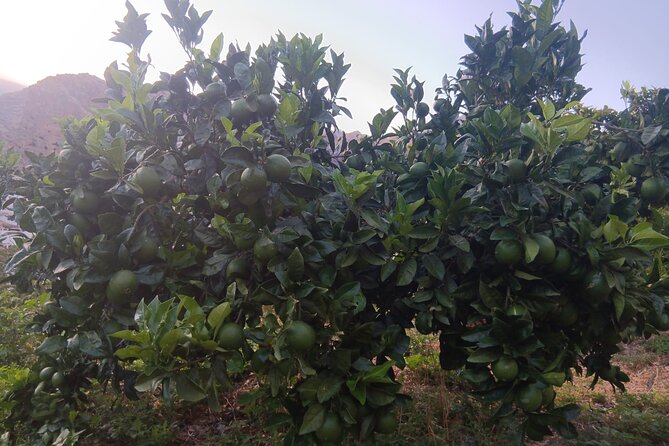
At $23.66 per person, the tour sits in the affordable range for a guided food and agriculture experience. I think the price is reasonable if you value the farm visit, the explanation, and the tasting together. It is less compelling if you see it only as a cup of coffee and a few crackers.
The shop adds another part to the experience. You can browse local coffee, fruit, jams, and other artisanal products after the tour. Buying something is optional, so you can enjoy the visit without adding to the cost.
Shop prices may feel steep compared with supermarket products. A 125-gram pack of coffee was reported at 12.50, and a starter was noted at 15. Those prices may reflect small-scale production and local ingredients, but you should treat the shop as a place to buy a specialty souvenir, not as a bargain stop.
I like the option because it supports the farm directly and gives you a way to take the experience home. Still, compare prices before buying several items. The tour price itself can offer fair value even if the retail products do not suit every budget.
Handling rain and keeping expectations realistic
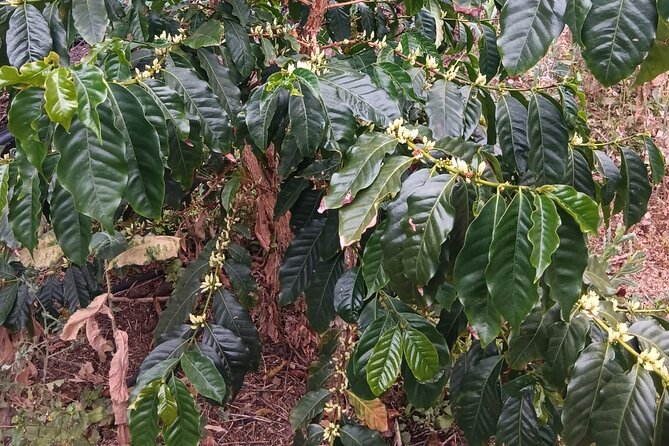
The Agaete Valley setting is a major attraction, but an outdoor farm visit is vulnerable to weather. Rain can make paths uncomfortable and can change the order of the tour. A heavy shower caused one visit to become mostly a tasting and waiting experience.
That does not mean you should avoid the tour in uncertain weather. It does mean you should check the forecast and avoid pairing the visit with a tightly timed activity immediately afterward. A little flexibility will make the day easier.
I would also ask the guide what the plan is if rain begins. Clear instructions matter on a short tour. If you know whether the group will wait, taste first, or continue indoors, you can make a better decision about staying.
The farm’s small scale can be an advantage, but it can also mean that the schedule is less polished than at a major attraction. Most of the positive impressions come from the personal welcome, the setting, and the explanation. The main negative experience involved weak communication and extended waiting, so good timing and clear updates matter.
Who will enjoy this experience most
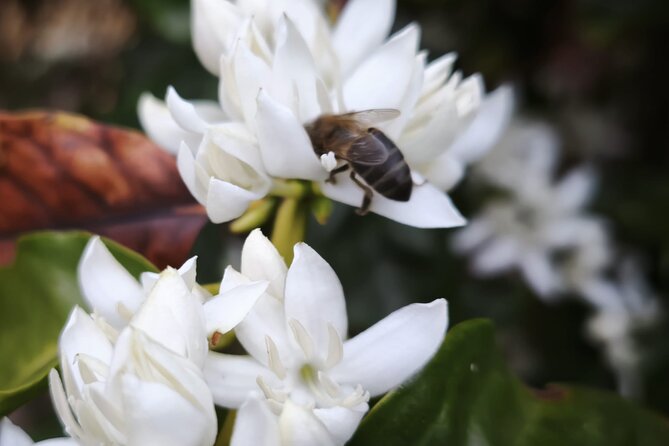
I would recommend Finca Los Castaños to coffee drinkers, food-focused visitors, families, and anyone looking for a quieter change from the busy resort areas in southern Gran Canaria. The tour is short enough for children, and the farm team has been described as patient with young children.
It also suits visitors who prefer small-scale, local experiences over large commercial attractions. You get coffee, tropical crops, and a rural setting in one stop. The tour can add a distinctly agricultural side to an island holiday.
This may not be the best choice if you want a long plantation walk, a substantial meal, or a formal coffee-tasting class. It is also not ideal if you need French-language guiding or have a strict schedule on a rainy day.
The mobile ticket makes booking simple, and confirmation is received at the time of booking. The farm is near public transportation, and most people can take part. Those details make it fairly easy to add to a day in the Agaete area, though the information provided does not specify the exact transport route or meeting procedure.
Is Finca Los Castaños worth booking?
Book it if you want to see how coffee is grown in Gran Canaria, enjoy a scenic farm setting, and taste coffee with homemade jams in a small, personal setting. The $23.66 price is fair when you count the guided visit and tasting, especially for a short stop in the Agaete Valley.
Skip it if you are mainly seeking a full meal, a long technical workshop, or guaranteed outdoor touring in poor weather. Before booking, check the forecast and confirm the language if you need French.
For most coffee lovers and families, I would make this a good-value add-on to a day in the valley. Just allow a little extra time, and remember that the farm shop is for specialty purchases rather than bargain shopping.
FAQ
How much does the Finca Los Castaños coffee tour cost?
The tour costs $23.66 per person.
How long does the experience last?
The visit lasts approximately 40 minutes to one hour.
What is included in the price?
Coffee and/or tea are included, along with admission to the guided farm visit.
Is lunch included?
No. Lunch is not included in the experience.
What will I see at the coffee farm?
You will see coffee cultivation in the Agaete Valley and learn about harvesting, drying, and roasting. The property also contains tropical fruit crops.
Is a tasting included?
Yes. The experience includes coffee or tea, and the tasting may also include crackers and homemade jams or marmalades.
Can I buy coffee or local products afterward?
Yes. You have time to browse the farm shop, which sells coffee and artisanal products. Fruit and homemade jams are also associated with the farm.
Can I cancel for a full refund?
Yes. You can cancel at least 24 hours before the experience start time for a full refund. Cancellations or changes made less than 24 hours before the start time are not accepted for a refund.
Just listed in the world
- Half Day Tour Van Phuc Silk Village and Train Street Coffee★ 5.0 · 3 reviews
- Private Hanoi City Tour with Transfer, Lunch and Egg Coffee★ 4.5 · 5 reviews
- Hanoi Coffee Classes★ 5.0 · 2 reviews
- Private Traditional Coffee And Dessert Making Activity★ 5.0 · 2 reviews
- Private Abu Dhabi City Tour with Gold Coffee at Emirates Palace★ 5.0 · 2 reviews
- Private Abu Dhabi City tour with Gold Coffee at Emirates Palace★ 5.0 · 6 reviews
- Dubai Skyline Jet Ski Tour + FREE PICS,VIDS & COFFEE★ 5.0 · 4 reviews
- Cigar, Coffee and Mofongo Tour in Dominican Republic★ 5.0 · 3 reviews
Coffee Farm Tours, compared.
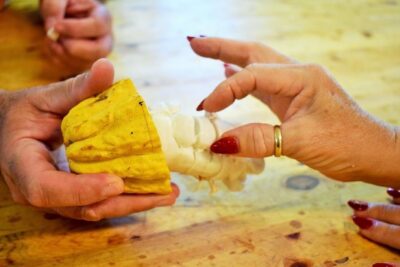
Award Winning Farm Tour: Coffee, Chocolate and Unique Gifts
Read our review →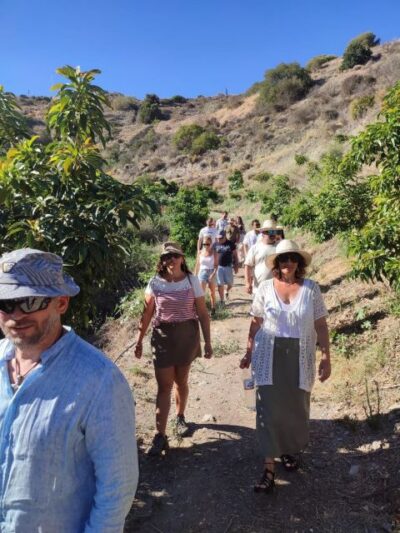
La Herradura Coffee Farm: tour in Europe’s only plantation
Read our review →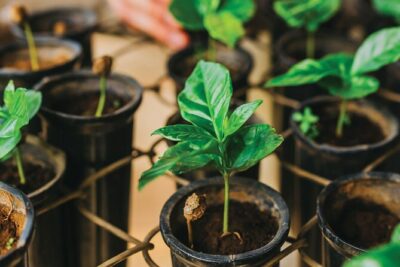
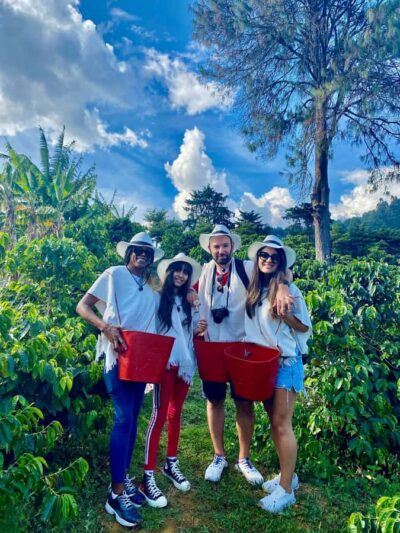
Medellín Coffee Farm Tour with Trolley and Cable Car Ride
Read our review →
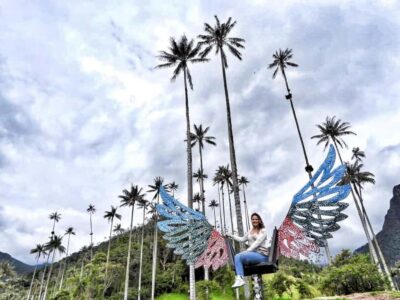
Private Cocora Valley, Salento & Coffee Farm Tour
Read our review →
Liamuiga Natural Farm Tour – St.Kitts’ Coffee Farm
Read our review →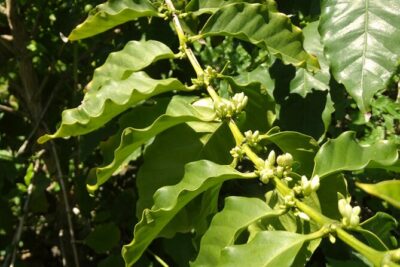
Lists this coffee tour turns up in