REVIEW · BEIJING
Beijing Hutong Breakfast & Coffee Tour
Beijing’s old lanes make the best setting for a breakfast tour. This outing takes you from sesame balls and wontons to jianbing, temple music, traditional courtyards, and coffee in a lane where old and new Beijing meet. I like the way food and daily life share equal billing here, rather than treating the hutongs as scenery alone.
I also like the small-group format, advertised at fewer than 12 people, and the smart morning timing. You get a useful look at local life before the day heats up. Guides named Coco and Wendy have led particularly warm and enjoyable outings. The main consideration is pace: three and a half to four hours of walking, food stops, and cultural visits can feel full, especially if you prefer a slow breakfast.
Key points to know before booking
- Breakfast starts with old Beijing comfort food: Try crisp sesame balls with red bean filling and delicate wontons in hot broth.
- Shijia and Dongtangzi hutongs show different sides of local life: One focuses on courtyard homes and neighborhood routines, while the other carries links to notable historical figures.
- The Chaoyangmen local market adds everyday Beijing flavor: Jianbing and ordinary market life make this more than a sightseeing walk.
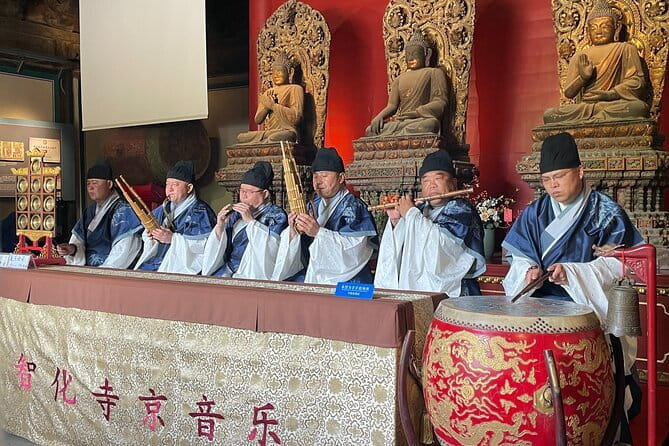
- Zhihua Temple may include Beijing temple music: If timing allows, you can hear a tradition that combines Buddhist, court, and folk elements.
- The route ends with coffee in Xizongbu Hutong: It is a pleasant final stop after a morning of savory and sweet snacks.
- The $75 price buys a packed half-day: Breakfast, snacks, drinks, coffee or tea, guiding, and a small-group walk are included.
Why this morning route works so well
Many Beijing tours focus on grand sights: the Forbidden City, the Great Wall, the Temple of Heaven. This one takes a smaller view. You see the city through breakfast counters, alley entrances, courtyard walls, market stalls, and neighborhood temples.
That is the appeal. The hutongs are not just old streets to photograph. They are places where people still shop, chat, sit outside, and move through ordinary routines. A food tour gives you a reason to pause and notice those details.
The route lasts about three and a half to four hours and begins at 8:30 am. That start matters. Breakfast foods are best in the morning, and the lanes feel more connected to daily life before the day gets crowded. You finish at Xizongbu Hutong, rather than returning to the starting point, so plan your next activity from the eastern part of central Beijing.
The route is offered as a small-group tour of fewer than 12 people, though the stated maximum is 20. That distinction is worth noting when you book. A genuinely small group should make it easier to hear stories in narrow lanes and gather around food stops, but the final group size can depend on the departure.
More Coffee Tours in the world:
- Hanoi Coffee Experience: 6 Brews, 9 Recipes & 3 Liquor Tastings
★ 5.0 · 2,945 reviews - Medellin: Coffee Tour with Transport, Snacks and Tastings
★ 4.7 · 1,357 reviews - Istanbul: Turkish Coffee Making and Fortune Telling Workshop
★ 4.9 · 1,308 reviews
Sesame balls and wontons on Dengshikou Avenue
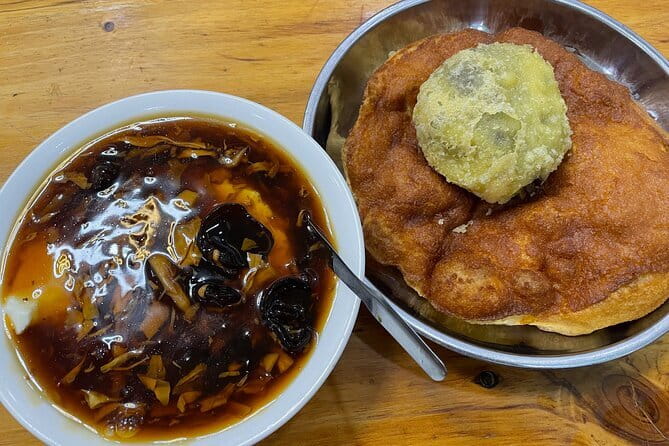
The first stop sets the tone. You begin at an eatery near Dengshikou Avenue with a traditional Beijing breakfast.
The sesame balls are golden and crisp outside, with sweet red bean paste inside. They offer a simple contrast of texture: a firm shell followed by a soft, sweet center. The wontons go in the opposite direction, with thin wrappers, generous filling, and a warm broth.
I like this opening because it gives you cultural context through taste. These are not elaborate restaurant dishes. They are familiar foods tied to morning routines and family memory. A guide can explain what you are eating while you sample it, which is more useful than being handed a long list of dish names later.
The scheduled stop lasts about 30 minutes. That is enough time for a proper taste, though not for lingering over a long breakfast. If you like to photograph food, ask before handling dishes and keep the group’s pace in mind.
Breakfast is included, along with bottled water. The inclusion of food takes some pressure off ordering in an unfamiliar setting, especially if you do not read Chinese. Still, breakfast preferences can vary, so this tour may suit you better if you are willing to try sweet and savory foods rather than expecting a Western breakfast.
Shijia Hutong and the shape of old Beijing
After breakfast, the route moves into Shijia Hutong. This lane is known for traditional siheyuan, the courtyard homes that helped define old Beijing neighborhoods.
The value here is architectural and social. From the lane, you can see how homes face inward around shared courtyards, creating a different sense of space from a modern apartment block. The tour also draws attention to ordinary scenes: older residents sitting near their doors, neighbors talking, and children using the alley as part of their daily world.
That human detail matters. Beijing’s hutongs are often presented as preserved relics, but they remain lived-in areas. You should expect a real neighborhood rather than a museum display. That also means being respectful. Keep voices down near homes, do not photograph people closely without permission, and remember that the route passes through private residential space.
The stop lasts about 25 minutes. It is short, but the guide’s stories should help you understand why these lanes matter in Beijing’s transformation. The tour does not ask you to admire walls without context. It connects the physical layout to the community that once formed around it and still survives in parts of the city.
Jianbing at the Chaoyangmen local market
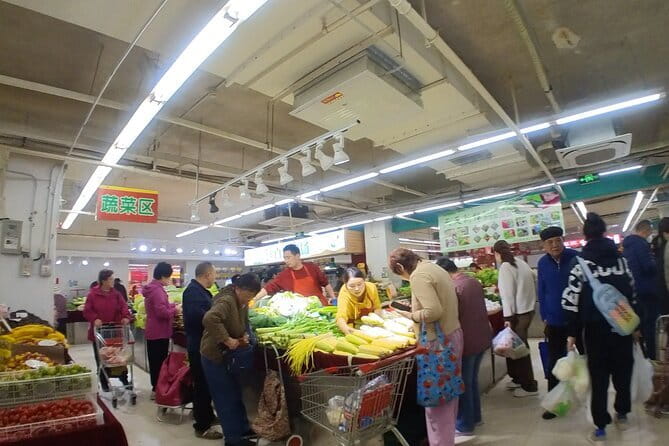
The next stop brings you to the Chaoyangmen local market around Dafangjia Hutong and Nanxiaojie South Road. This is where the tour shifts from old courtyards to practical daily shopping.
You can see fresh produce and everyday goods, then taste jianbing, Beijing’s much-loved savory crepe. Jianbing is a useful street-food introduction because it is made for quick morning eating and carries the energy of a local market. It also gives you another texture and flavor after the sweet sesame ball and soup-filled wonton.
The scheduled market visit is only about 15 minutes. That makes it a tasting stop, not a full market tour. You may have enough time to watch the food being prepared and get a quick look at the stalls, but do not expect a leisurely browse or a shopping trip.
I see this as one of the most valuable parts of the route. Monumental Beijing can tell you about emperors and official power. A neighborhood market tells you what people buy for breakfast and home life. This is the point where the tour feels most grounded in the present.
Still in the world, but a different cup:
- Hanoi Coffee Workshop: Taste Salt, Coconut and Egg Coffee
★ 5.0 · 1,286 reviews - Vienna for Food Lovers: Cafés, Markets & Austrian Cuisine
★ 5.0 · 1,063 reviews - Big Island Highlights: Coffee, Volcano, Black Sands & Waterfall
★ 5.0 · 1,054 reviews - Hanoi: Salt Coffee Workshop Awake Your Senses With 6 Brews
★ 5.0 · 792 reviews
Quiet time at Zhihua Temple
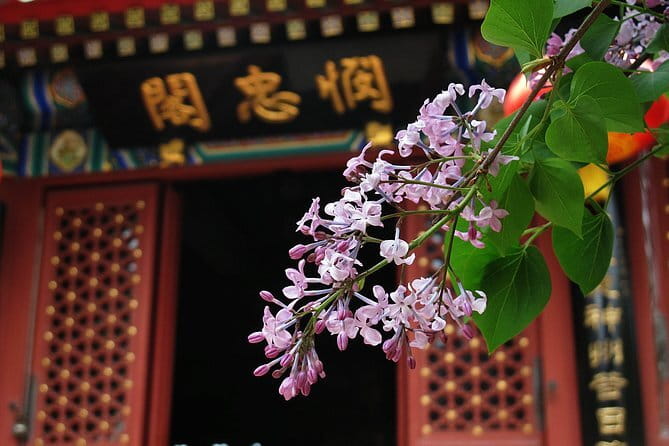
Zhihua Temple offers a sharp change of mood. Hidden in Lumicang, this ancient Buddhist temple provides a quiet pause between food stops and hutong walks.
The temple is known for Ming Dynasty murals, Buddhist objects, and distinctive architecture. You enter from the city into a more peaceful setting, with incense and chanting replacing the noise of the streets. The stop is scheduled for about 40 minutes and admission is included.
The possible highlight is Beijing temple music. If the timing works, you may hear this old musical tradition, described as a living remnant of ancient Chinese music. Its sources include imperial court music, Buddhist practice, and folk traditions. It is an unusual addition to a food-and-walking tour, and one of the experiences that gives the morning more depth.
The words if timing permits are important. Do not book this tour solely on the assumption that a performance will happen. The temple visit itself is part of the route, while the music depends on timing and circumstances.
You should also treat the temple as a place of worship and heritage. Dress and behave respectfully, and follow any instructions about where you may walk or take photographs. The quiet setting makes this a good moment to slow down before the second half of the route.
Dongtangzi Hutong and the people behind the lane
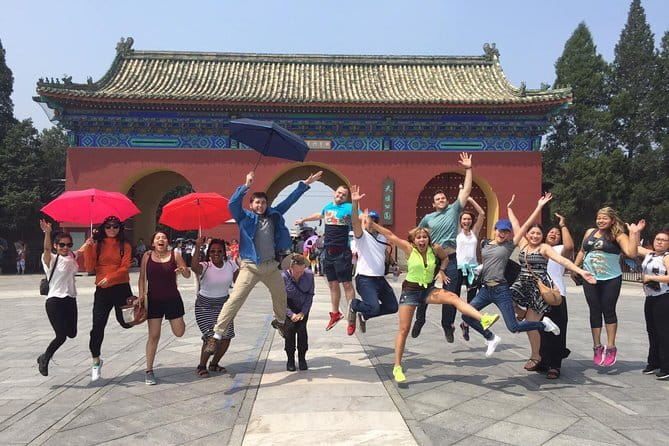
The longest walk comes in Dongtangzi Hutong, with about an hour set aside for the visit.
This lane has connections to several notable figures, including Wu Lien-teh and Cai Yuanpei. Their former residences give the route a link to modern Chinese history and intellectual life. The point is not simply to tick off famous names. It is to see how important people once lived and worked in the same narrow urban fabric that still contains ordinary homes.
The buildings have weathered over time. That is part of their appeal, but it also means you should not expect a polished historic district at every turn. Some stretches may feel plain or worn. A good guide makes the difference by explaining who lived there and why the location matters.
Because this is the longest portion of the tour, comfortable walking shoes are sensible. The route combines several short stops with steady movement through lanes, and the full morning may feel tiring if you have just arrived in Beijing or have mobility concerns. The supplied information says most people can participate and that the route is near public transportation, but it does not give detailed accessibility information.
Traditional sweets on Huguosi Hutong Snack Street
Huguosi Hutong brings the tour back to food. Here you can sample classic Beijing snacks such as wandouhuang, ludagun, and aiwowo.
These sweets are useful for understanding how broad Beijing snack culture can be. Wandouhuang is made with mung beans. Ludagun uses glutinous rice, and aiwowo is another sweet rice cake. The names may be unfamiliar, but the guide can help connect each item to its ingredients, texture, and place in local food traditions.
The stop lasts about 20 minutes, so think of it as a tasting rather than a full meal. By this point, you will already have eaten breakfast and jianbing. That is good news if you enjoy sampling many small foods, but less ideal if you prefer one large meal or have a limited appetite in the morning.
I like the order of the food stops. You begin with warm breakfast items, move to a savory street crepe, then finish the edible portion with traditional sweets. The progression keeps the morning interesting without making the tour depend on a single dish.
Coffee in Xizongbu Hutong
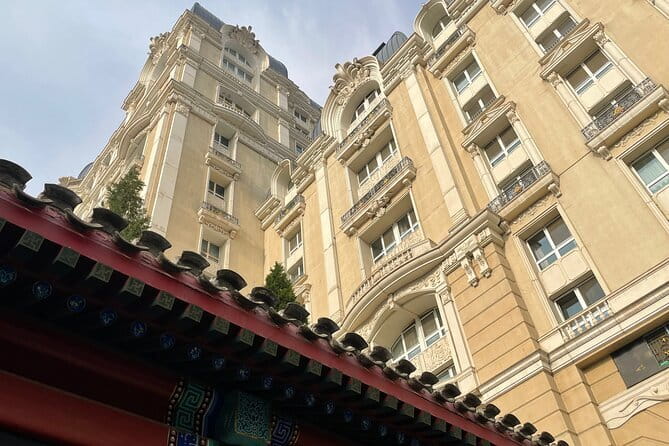
The final stop is Xizongbu Hutong, where the traditional lanes meet a more modern cafe culture. You finish with coffee or tea at 10000 cafe.
This is a smart ending. After several hours of walking, talking, tasting, and looking at old buildings, a seated drink gives you time to collect your thoughts. It also shows that hutongs are not frozen in the past. Modern cafes can occupy the same lanes as old courtyard homes, creating a clear link between Beijing’s neighborhood traditions and its present-day lifestyle.
The coffee stop lasts about 20 minutes. It is not a long cafe visit, but it provides a clean finish to the route. If you are looking for a tour that ends beside a major monument or returns to the starting point, this arrangement may be less convenient. If you want to continue exploring central Beijing afterward, the one-way route can work well.
Is $75 a fair price?
At $75 per person, this is not a cheap breakfast. You are paying more than the cost of buying a few local snacks on your own. The value depends on how much you want the interpretation and route planning.
The price includes breakfast at two or three food stops, bottled water, additional food and drinks as listed, coffee or tea, admission to Zhihua Temple, and guiding. You also get a planned route through several hutongs, a market, a temple, a snack street, and a cafe. Recreating that morning independently would require finding each stop, deciding what to order, and arranging the route between them.
For me, the price makes the most sense for a first Beijing visit, a short stay, or anyone who wants help navigating local food without spending time decoding menus. It is less compelling if you already know the hutongs well or mainly want a large breakfast for the lowest possible cost.
The small-group format improves the value. Stories are easier to follow, and food stops are less awkward when a guide can explain what is being served. The exact group size remains the main practical variable, since the tour is described as fewer than 12 people but also carries a maximum of 20.
Who should book this Beijing morning tour?
I would recommend it to you if you want an introduction to Beijing that mixes food, architecture, local routines, and cultural sites. It works especially well for curious eaters who like trying several small dishes instead of sitting down to one formal meal.
It also suits anyone who wants a softer alternative to a major-sights schedule. The route has historical content, but it does not ask you to spend the whole morning inside a large palace or museum. The hutongs provide a more personal look at how neighborhoods function.
You may want to skip it if you need a fully flexible morning, dislike walking, or have strict dietary requirements that have not been discussed with the provider. The supplied details do not specify vegetarian, allergy-friendly, or other food substitutions.
The tour needs good weather and a minimum number of participants. If poor weather or low enrollment cancels it, you are offered another date or a full refund. You can also cancel for a full refund up to 24 hours before the 8:30 am start time. Changes or cancellations inside that window are not accepted for a refund.
Should you book it?
Book this tour if you want a practical introduction to old Beijing through breakfast and neighborhood life, not just a checklist of famous sights. The best parts are the mix of food stops, the courtyard lanes, the market, and the chance to hear temple music if the timing allows.
The $75 cost is fair for the amount included, but only if you value a guide and a carefully arranged route. If that sounds like your kind of morning, the tour gives you a strong first look at Beijing’s hutongs, with coffee waiting at the end.
FAQ
How long does the Beijing Hutong Breakfast & Coffee Tour last?
The tour lasts approximately three and a half to four hours. It begins at 8:30 am.
Where does the tour start?
The meeting point is 5 Deng Shi Kou Da Jie, Dong Cheng Qu, Beijing, China 100006.
Where does the tour end?
The tour ends at Xizongbu Hutong, near 10000 cafe, in Dong Cheng Qu.
What food and drinks are included?
The experience includes breakfast at two or three food stops, bottled water, food and drinks as listed, and coffee or tea. Foods include sesame balls, wontons, jianbing, and traditional Beijing snacks such as wandouhuang, ludagun, and aiwowo.
How large is the tour group?
It is described as a small-group tour with fewer than 12 people. The stated maximum is 20 participants.
Can I cancel for a refund?
Yes. You can cancel at least 24 hours before the local start time for a full refund. Cancellations or changes made less than 24 hours before the start are not refunded or accepted.
Just listed in the world
- Vietnamese Coffee Making Class in Hoi An★ 5.0 · 4 reviews
- Yerevan: Private Coffee Tour with 2 Café Stops★ 5.0 · 2 reviews
- Vietnamese Coffee 101 Workshop★ 5.0 · 11 reviews
- Turkish Coffee and Traditional Turkish Dessert Cooking★ 4.6 · 8 reviews
- Ubud: Waterfall, Holy Water Temple,Swing&coffee plantation★ 5.0 · 9 reviews
- Vancouver: Street Art & Craft Coffee Walking Tour w/ Tasting★ 4.8 · 11 reviews
- The Colors of Coffee in the Farms of Coatepec★ 5.0 · 3 reviews
- Vienna: Guided Viennese Coffee-House Tour★ 5.0 · 2 reviews
Tours, compared.
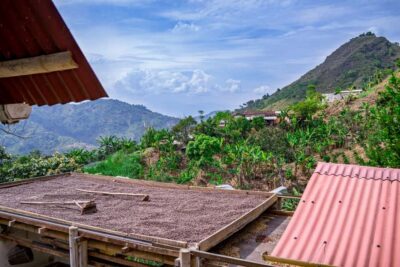
Coffee Tour with Transport, Snacks and Tastings
Read our review →
Materuni Waterfalls, coffee tour & Kikuletwa Hot Springs
Read our review →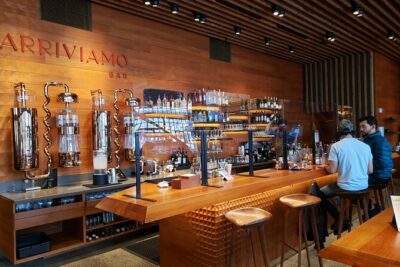
Seattle Coffee Tour: Capitol Hill Cafes, Tastings & Local Stories
Read our review →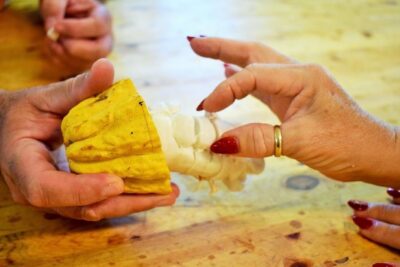
Award Winning Farm Tour: Coffee, Chocolate and Unique Gifts
Read our review →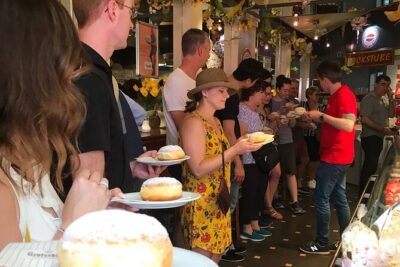
Vienna Coffee, Cake & Pastries Tour with Local Stories
Read our review →
La Herradura Coffee Farm: tour in Europe’s only plantation
Read our review →
Mercara Gold Coorg Coffee and Spice Estate Tour
Read our review →