REVIEW · KARNATAKA
Mercara Gold Coorg Coffee and Spice Estate Tour
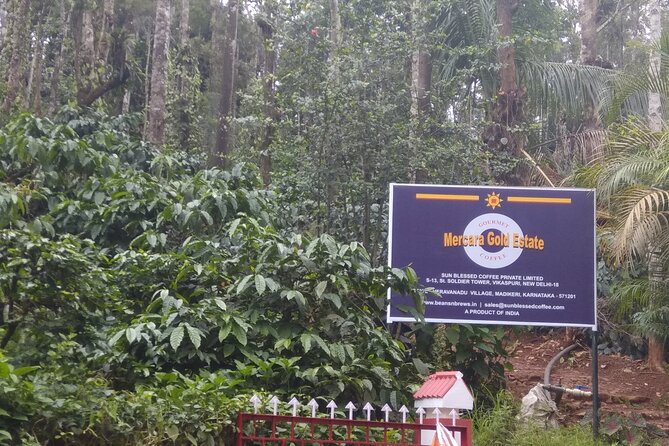
Mercara Gold Estate turns a morning cup of coffee into a walk through the whole process, from coffee plants and spice trees to processing, roasting, and the final pour. You will walk across a working plantation, visit the production area and World Coffee Museum, then finish at the café with estate coffee.
I like two things right away: the tour stays small, with no more than 12 people, and it goes beyond a simple plantation walk. You see the roasting and processing facility, and guides such as Salim and Murugesh have been praised for explaining the crops and coffee-making steps clearly.
The main caution is the terrain and the facilities. This is a walking tour on sloping ground, and one detailed account found the sitting area below average and the washroom in poor condition during construction. Wear proper shoes, and bring a raincoat even though umbrellas are provided.
Key points at a glance
- Coffee from plant to cup: You learn how coffee is grown, processed, roasted, and blended before tasting it.
- A working estate near Madikeri: Mercara Gold is about 8 kilometers from Madikeri, making it an easy addition to a Coorg sightseeing day.
- More than coffee: The walk includes spice and fruit crops, with explanations of the different plants growing around the estate.
- World Coffee Museum included: The museum adds context to the plantation visit and gives the tour another indoor stop.
- Private group format: Your party stays together, with a maximum group size of 12 people.
- Good value at $11: The price includes the estate tour, museum visit, and a cup of filter coffee, while shop purchases cost extra.
Starting at Mercara Gold Estate near Madikeri
The estate is at Katakeri, about 8 kilometers from Madikeri. The listed start time is 10 a.m., and the tour begins and ends at the Mercara Gold Estate Coffee Plantation.
This location works well if you are already staying in or around Madikeri. You will need to arrange your own way to the meeting point, since transport is not listed as part of the tour. The address is given as Unnamed Road, Katakeri, Karnataka 571201, so check your directions before setting out rather than relying on a last-minute search.
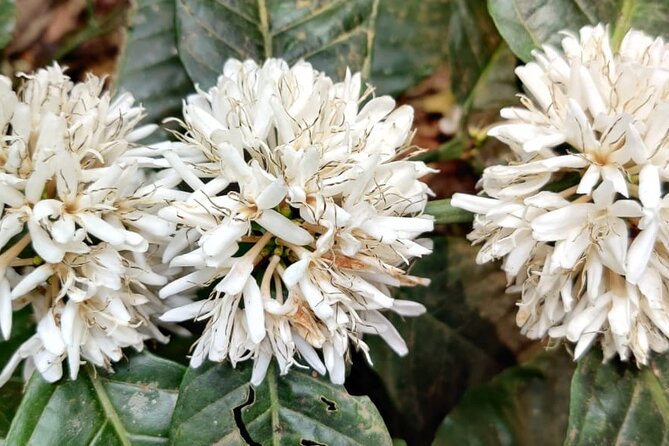
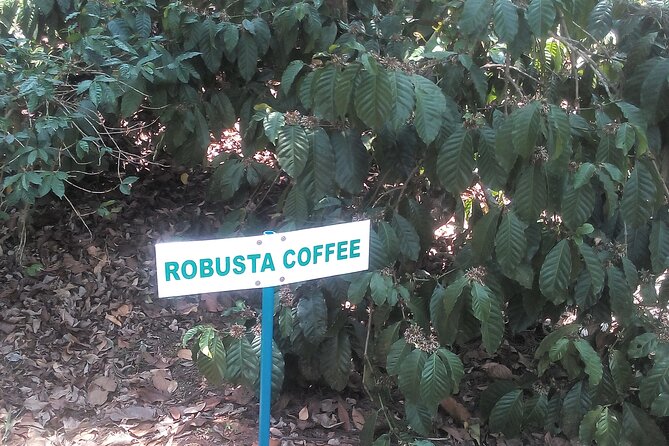
The setting is a planted estate rather than a formal museum alone. Trees and crops are laid out across the grounds, with coffee growing alongside spices and fruit. That mix gives the walk a useful sense of place. Coffee does not arrive in a packet by magic, and here you can connect the plant, the harvest, the processing room, the roast, and the drink.
The tour is private to your group, although the overall activity accepts up to 12 people. That is a good middle ground. You get a more personal visit than a large bus group, but the maximum is still large enough that the guide may need to keep the walk moving.
More Coffee Tours in the world:
- Hanoi Coffee Experience: 6 Brews, 9 Recipes & 3 Liquor Tastings
★ 5.0 · 2,945 reviews - Medellin: Coffee Tour with Transport, Snacks and Tastings
★ 4.7 · 1,357 reviews - Istanbul: Turkish Coffee Making and Fortune Telling Workshop
★ 4.9 · 1,308 reviews
Walking among coffee, spices, and fruit
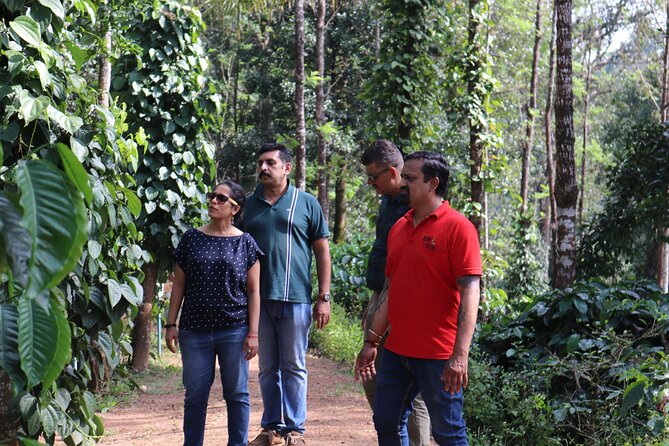
The first part is a guided walk through the estate. You will see coffee plants and other crops while the guide explains what is grown there and how the plants fit into the farm.
This part matters most if you want more than a tasting. Coffee plantations can look similar at first glance, especially if you are new to the crop. A guide helps you understand what you are seeing, then links the plants to the later stages of production.
The estate also grows spices and fruits, so the visit is not limited to coffee rows. Expect the guide to point out different plants and explain their uses or growing details. The information supplied for the tour does not list every spice or fruit by name, so do not book it expecting a fixed botanical checklist. The value is in seeing several crops together and asking questions as you walk.
The terrain is sloped. You should have a moderate level of physical fitness and wear comfortable walking shoes. This is not described as a difficult hike, but it is also not a flat, fully paved museum visit. Anyone with limited mobility should ask the operator about current walking conditions before booking.
Rain is a real consideration in Coorg. Umbrellas are available on wet days, which is a thoughtful touch, but the estate recommends wearing a raincoat as well. An umbrella helps while walking, but it does not keep your shoes, legs, or both hands dry. Comfortable footwear still matters in damp conditions.
Following the coffee into the processing unit
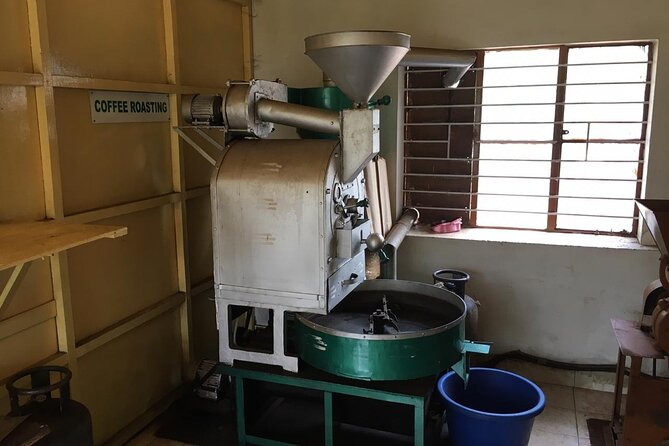
The tour continues to the estate’s coffee processing and roasting facility. This is where the visit becomes more useful than a standard garden stroll. You see how the beans move through production and how roasting affects the finished coffee.
The guide explains the process in practical terms, from the coffee crop to the roasted product. The tour description also refers to historic methods and boutique-style local roasting, with balanced blends produced at the estate. That gives you a chance to compare the farm’s approach with the mass-produced coffee you may know from home.
A guide-led visit is particularly helpful here. Machinery and roasting equipment can be hard to understand without context, and a good explanation shows why each stage matters. Salim has been praised for answering questions patiently, while Murugesh has been singled out for explaining the history of coffee growing and the different coffee varieties found at the estate.
Guide assignments can change, so you should not assume that a particular person will lead your tour. Still, the names give you a sense of the kind of interpretation available. If you care about coffee details, ask about the varieties, processing steps, and roasting choices rather than simply walking through the room.
You may also see how the estate prepares its own blends. The supplied information does not specify the exact roast profile or bean varieties used in every product, so the best approach is to treat this as an opportunity to ask questions. The tour gives you access to the process, but it is not advertised as a formal barista class or hands-on roasting workshop.
The World Coffee Museum adds useful context
The World Coffee Museum is included in the tour. It gives the plantation visit a wider frame, moving from one estate’s production methods to the broader story of coffee.
For a first-time coffee visitor, this is a useful addition. You can see the local growing operation, then place it within a larger coffee story before tasting the final drink. The museum also provides an indoor stop, which is welcome during rain or strong midday sun.
The available details do not describe the museum’s exact exhibits, size, or display languages. I would not book this expecting a large city museum. Think of it as a compact part of the estate visit that supports the plantation and roasting explanations.
One group had a chance to see both the production unit and a new coffee museum, with the staff staying late when the visit ran beyond café closing time. That suggests a flexible and friendly approach, although you should not count on late service as a standard feature. Start on time, and keep in mind that the planned visit lasts about two hours.
Still in the world, but a different cup:
- Hanoi Coffee Workshop: Taste Salt, Coconut and Egg Coffee
★ 5.0 · 1,286 reviews - Vienna for Food Lovers: Cafés, Markets & Austrian Cuisine
★ 5.0 · 1,063 reviews - Big Island Highlights: Coffee, Volcano, Black Sands & Waterfall
★ 5.0 · 1,054 reviews - Hanoi: Salt Coffee Workshop Awake Your Senses With 6 Brews
★ 5.0 · 792 reviews
Finishing with estate-fresh filter coffee
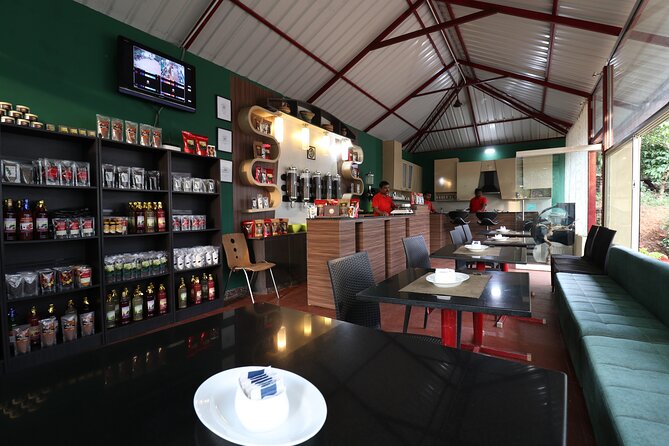
The walk ends at the estate café with a cup of filter coffee. This is a simple ending, but it completes the lesson nicely. After seeing the plants, processing area, and roasting operation, you taste the finished product while the details are still fresh.
The included drink is specifically listed as a cup of filter coffee. If you prefer another preparation or want a larger order, ask at the café, but additional drinks are not detailed here. The included cup is enough to give you a direct taste of the estate’s coffee without turning the tour into a full café visit.
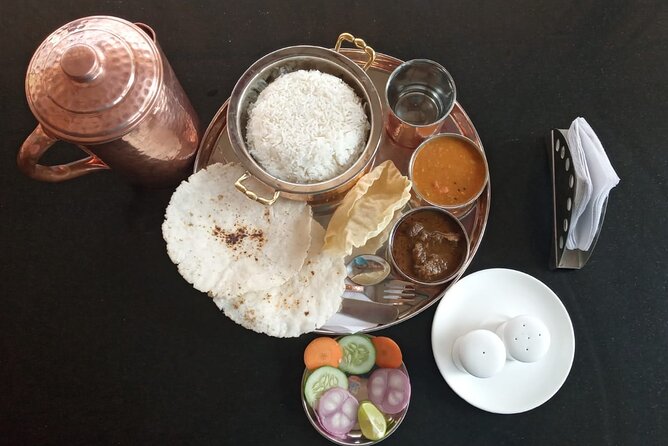
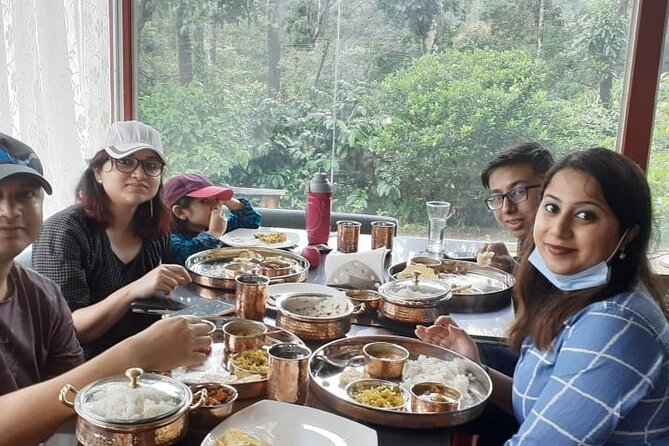
A Coorg-style lunch has also been enjoyed by at least one visitor, but lunch is not included in the stated package. Treat food beyond the included coffee as an extra purchase and confirm availability and price on the day.
The café and estate shop are separate parts of the experience. Retail purchases are not included, so budget extra if you want to take home coffee, spices, or other products. The shop can be useful for buying something tied directly to the visit, but you are under no obligation to purchase.
Is $11 good value for two hours?
At $11, this is strong value if you want a guided introduction to Coorg coffee. The fee includes the plantation walk, explanations of coffee and spice production, access to the processing and roasting facility, the World Coffee Museum, and a cup of filter coffee.
The value comes from the range of stops rather than the length. Two hours is enough for a focused visit, but not enough for a slow farm day or a detailed agricultural course. You get an overview of the estate’s crops and coffee production, then a tasting. For many visitors, that is the right amount of time between other Madikeri sights.
The private-group format improves the value. You are not simply following a large crowd from one sign to the next. With a maximum of 12 people, you have a better chance to ask about coffee varieties, spices, roasting, and the history of coffee growing.
There are limits. Retail products cost extra, transport is not listed, and the condition of the visitor facilities may vary. One detailed account raised concerns about the washroom and sitting area, while the estate explained that new washrooms were under construction and expected to be completed within two weeks of that response. Since facilities can change, check current conditions if this issue is important to you.
What to wear and how to plan the morning
Wear comfortable walking shoes with a good grip. The route includes sloping terrain, and rain can make a plantation path less pleasant underfoot.
A raincoat is a better choice than relying only on the estate’s umbrellas. The umbrellas are available during rain, but your own waterproof layer gives you more comfort and leaves your hands free. Coorg weather can change, so a small waterproof bag for your phone is sensible, though this is general preparation rather than an operator requirement.
The tour starts at 10 a.m. and lasts about two hours. Allow extra time to reach Katakeri, find the estate, and settle in before the start. Since the activity returns to the same meeting point, it is easy to plan another nearby stop afterward.
The activity allows service animals and is near public transportation, according to the supplied details. It is not described as wheelchair accessible, and the sloping terrain may be difficult for anyone who needs a flat route. If you have mobility concerns, contact the operator before booking.
You receive confirmation at booking, and the ticket is mobile. That makes the morning simple, especially if you are moving around Karnataka without a printed itinerary.
Who will enjoy this estate tour most?
I would choose this for coffee drinkers, curious food travelers, and anyone who wants a clear introduction to Coorg agriculture without giving up a full day. Families may also appreciate the mix of outdoor walking, machinery, museum displays, and a drink at the end.
It suits people who ask questions. The guide-led format means the quality of your visit will depend partly on how much you engage. Ask about the coffee varieties, the history of growing coffee, the processing stages, and the reasons behind the estate’s roasting methods.
It is less suited to anyone seeking a luxury plantation stay, a long scenic walk, or polished resort facilities. The focus is on the working estate and the production process. The facilities may feel basic, and the route includes slopes.
The high overall rating and 96 percent recommendation figure point to a consistently well-received activity, but you should still match it to your priorities. The strongest parts are the guide’s explanations, the chance to see the production unit, the museum, and the final coffee. The weaker points are the limited duration, extra cost for purchases, and possible maintenance issues around visitor facilities.
Should you book Mercara Gold Estate?
Book it if you want to understand how Coorg coffee moves from crop to cup, especially at a low price. The combination of a small group, working plantation, processing facility, World Coffee Museum, and included filter coffee gives you more substance than a quick garden walk.
I would be more cautious if you have difficulty walking on slopes or expect spotless, resort-level facilities. Bring good shoes and rain protection, and treat lunch and shopping as optional extras.
For most visitors based near Madikeri, this is an easy two-hour addition to a Coorg itinerary. The best reason to go is not simply the coffee at the end. It is the connection between the plants, the people explaining the work, the roasting room, and the cup in your hand.
FAQ
Where is Mercara Gold Estate located?
Mercara Gold Estate is in Katakeri, Karnataka, about 8 kilometers from Madikeri. The listed meeting point is Mercara Gold Estate Coffee Plantation on Unnamed Road, Katakeri, Karnataka 571201, India.
What time does the tour start?
The scheduled start time is 10 a.m.
How long does the coffee and spice estate tour last?
The tour lasts approximately two hours.
What does the $11 price include?
The price includes the Coorg Coffee and Spice Estate Tour with the World Coffee Museum, plus one cup of filter coffee.
Is the tour private?
The tour is restricted to your group, with a maximum of 12 travelers for the activity.
Does the tour include coffee tasting?
Yes. The tour ends at the café with a cup of estate-fresh filter coffee.
Are umbrellas available in the rain?
Yes. Umbrellas are provided on rainy days, but wearing a raincoat is also recommended.
Is the tour physically demanding?
The tour includes walking on sloping terrain, and a moderate level of physical fitness is recommended. Comfortable walking shoes are advised.
Can I buy coffee or spices at the estate?
Yes, retail purchases are available for an additional charge. They are not included in the tour price.
What happens if I need to cancel?
You can receive a full refund if you cancel at least 24 hours before the local start time. Cancellations or changes made within 24 hours are not refunded or accepted. If poor weather or an insufficient number of bookings causes the operator to cancel, you will be offered another date or experience, or a full refund.
Just listed in the world
- Vietnamese Coffee 101 Workshop★ 5.0 · 11 reviews
- Vietnamese Coffee Making Class in Hoi An★ 5.0 · 4 reviews
- Yerevan: Private Coffee Tour with 2 Café Stops★ 5.0 · 2 reviews
- Turkish Coffee and Traditional Turkish Dessert Cooking★ 4.6 · 8 reviews
- Ubud: Waterfall, Holy Water Temple,Swing&coffee plantation★ 5.0 · 9 reviews
- Vancouver: Street Art & Craft Coffee Walking Tour w/ Tasting★ 4.8 · 11 reviews
- The Colors of Coffee in the Farms of Coatepec★ 5.0 · 3 reviews
- Vienna: Guided Viennese Coffee-House Tour★ 5.0 · 2 reviews
Tours, compared.
Coffee Tour with Transport, Snacks and Tastings
Read our review →
Materuni Waterfalls, coffee tour & Kikuletwa Hot Springs
Read our review →
Seattle Coffee Tour: Capitol Hill Cafes, Tastings & Local Stories
Read our review →
Award Winning Farm Tour: Coffee, Chocolate and Unique Gifts
Read our review →
Vienna Coffee, Cake & Pastries Tour with Local Stories
Read our review →
La Herradura Coffee Farm: tour in Europe’s only plantation
Read our review →
Kona Shore Excursion: Sea Turtles, Historic Kona & Coffee
Read our review →