REVIEW · SARAJEVO CANTON
Sarajevo: City Tour with Bosnian coffee ritual ☕️
Sarajevo’s story is best understood over coffee, baklava, and a walk between houses of worship. This 210-minute tour moves from the Slavs and medieval Bosnian kingdom through Ottoman rule, Austro-Hungary, the World Wars, and Tito’s Yugoslavia, while keeping one foot in the city’s daily life.
I especially like the small group of no more than eight and the mix of major sights with hands-on stops. You get the Gazi Husrev-beg Mosque, Latin Bridge, City Hall, and Baščaršija, but you also watch a coppersmith work and taste food at local shops and the market.
The main consideration is pace. With many stops packed into three and a half hours, you should expect an overview rather than long museum visits or extended free time. The tour also focuses on central Sarajevo, so it is best for first-day orientation rather than a full look at the wider canton.
Key points to know before booking
- A compact route through several eras: Follow Sarajevo from the Bosnian kingdom and Ottoman period to Austro-Hungarian rule, the World Wars, and Yugoslavia.
- Traditional coffee is part of the lesson: Learn how Bosnian coffee is prepared, served, and woven into everyday social life.
- Food adds local flavor: Try baklava, another beloved Bosnian dessert, local cheeses, and cured meats.
- Copperwork is shown at the source: Visit a local workshop and watch traditional coppersmith techniques.
- Religious diversity is easy to see: The route includes a mosque, Jewish heritage, Catholic and Orthodox churches.
- Good value for a small group: At $38 per person, the price covers a guide, tastings, major landmarks, and an intimate group capped at eight.
Sarajevo’s story begins beside the Sacred Heart Cathedral
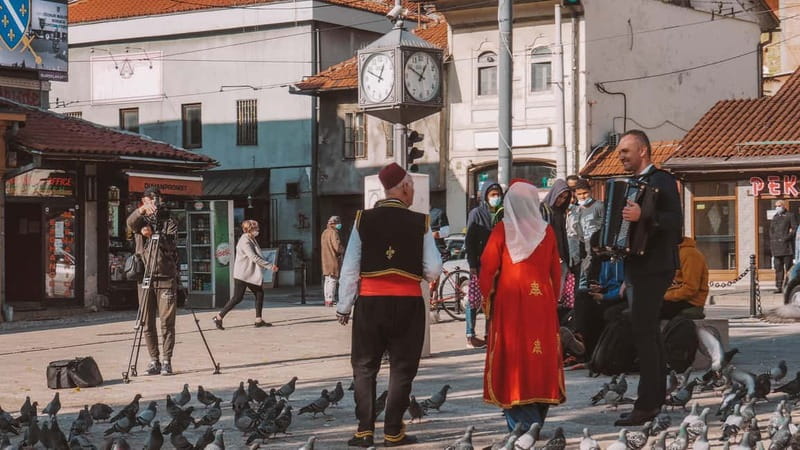
Meet your guide beside the statue of Pope John Paul II, next to the Sacred Heart Cathedral. This is a useful starting point because the route quickly places Sarajevo’s religious and political layers side by side.
The city is often called the Jerusalem of Europe, and this tour gives that nickname real meaning. You visit the Museum of the Jews of Bosnia and Herzegovina, Gazi Husrev-beg Mosque, the Cathedral Church of the Nativity of the Theotokos, and the Catholic cathedral area. You are not just looking at old buildings. You are seeing how several faith traditions have shaped one compact city.
The guide’s approach is designed to keep the history usable. Instead of burying you under dates, the tour connects landmarks to the people and events that gave them meaning. That is helpful in Sarajevo, where a single street can take you from Ottoman design to Austro-Hungarian architecture in a few steps.
You will hear about the Slavs, the medieval Bosnian kingdom, Ottoman rule, and the arrival of Austro-Hungary. The route then reaches the World Wars and the period of Tito’s Yugoslavia. This wide time span gives you a working map of the city before you explore more sites on your own.
More Coffee Ceremony Experiences in the world:
- Ethiopian Culinary Tour – Market, Food, Coffee Ceremony & more
★ 5.0 · 65 reviews - Ethiopian Culinary Tour – Market, Coffee Ceremony and More
★ 5.0 · 10 reviews - Lalibela: Churches Full-Day Private Tour w/Coffee Ceremony
★ 4.7 · 5 reviews
Jewish Sarajevo and the meeting of cultures
The Museum of the Jews of Bosnia and Herzegovina provides one of the tour’s most important historical stops. The visit helps explain the Jewish presence in Sarajevo and adds context to the city’s religious mix.
The tour then pauses at Sarajevo Meeting of Cultures. The name points to a clear visual change in the city, with Ottoman and Austro-Hungarian influences meeting within the central area. It is one of those places where the built environment explains Sarajevo better than a long lecture could.
I like this part because it gives you a simple way to read the city. Instead of treating Sarajevo as a collection of unrelated sights, you begin to notice how its different periods sit close together. Keep your eyes on details such as the change in architectural character as you move between areas.
The museum and culture stop are guided visits, not merely photo pauses. Still, the overall tour has many destinations, so do not expect a long, specialist museum session. If Jewish history is your main interest, you may want extra time elsewhere after the tour.
Gazi Husrev-beg Mosque and the Ottoman heart
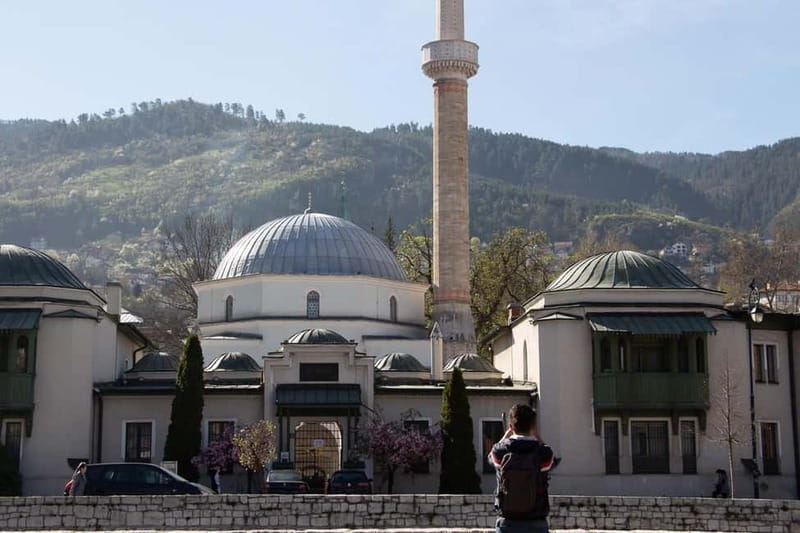
At Gazi Husrev-beg Mosque, the guide explains one of Sarajevo’s central Ottoman landmarks. This is a key stop for understanding the city’s Muslim heritage and the role of Ottoman rule in shaping the old center.
The visit is guided, so you get more than an exterior view. The mosque also helps prepare you for Baščaršija, the old bazaar district, where craft traditions and food culture continue to define the feel of central Sarajevo.
Dress and conduct should be respectful at any religious site. The supplied tour details do not give a specific dress code, so ask your guide if you are unsure before entering. Since this is a walking-focused central route with several religious buildings, comfortable clothing and shoes are sensible choices.
The mosque visit is valuable because it links the city’s architecture to its history. It is not presented as an isolated monument. It is part of a larger story that includes markets, coffee, copperwork, and daily social life.
Bakery treats and the food of the old city
A local bakery adds a simple but effective pause to the history. Food gives you a way to connect with Sarajevo beyond monuments, especially when the route introduces baklava and another well-loved Bosnian dessert.
The tour includes a sample of baklava from a traditional manufacturer. That detail matters because the tasting is tied to a local business rather than treated as a generic snack. You can pay attention to texture, sweetness, and the way the dessert fits into the city’s coffee ritual.
The food stops are samples, not a full meal. Food and drinks not specifically included in the experience cost extra, so do not book this as a substitute for lunch. If you have dietary restrictions, the supplied details do not promise alternatives, and you should ask before booking.
I like the balance here. A history tour can become tiring when every stop requires concentration. A bakery visit gives you a short sensory break while still adding cultural information.
More Coffee Tours in the world:
- Hanoi Coffee Experience: 6 Brews, 9 Recipes & 3 Liquor Tastings
★ 5.0 · 2,945 reviews - Medellin: Coffee Tour with Transport, Snacks and Tastings
★ 4.7 · 1,357 reviews - Istanbul: Turkish Coffee Making and Fortune Telling Workshop
★ 4.9 · 1,308 reviews - Hanoi Coffee Workshop: Taste Salt, Coconut and Egg Coffee
★ 5.0 · 1,286 reviews
Baščaršija and the craft of copper
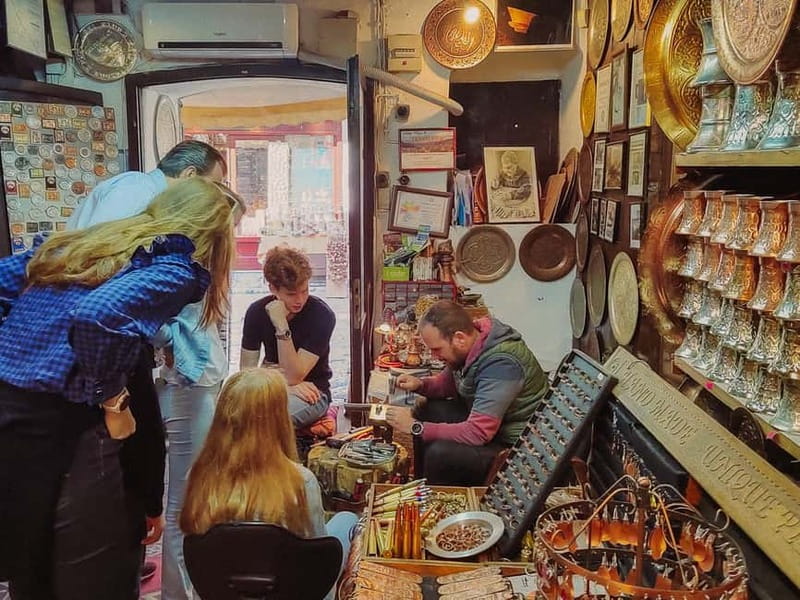
Baščaršija is where the tour’s historical and everyday sides meet. The old bazaar is guided rather than treated as unstructured shopping time, so you learn why the area matters while seeing how its commercial traditions continue.
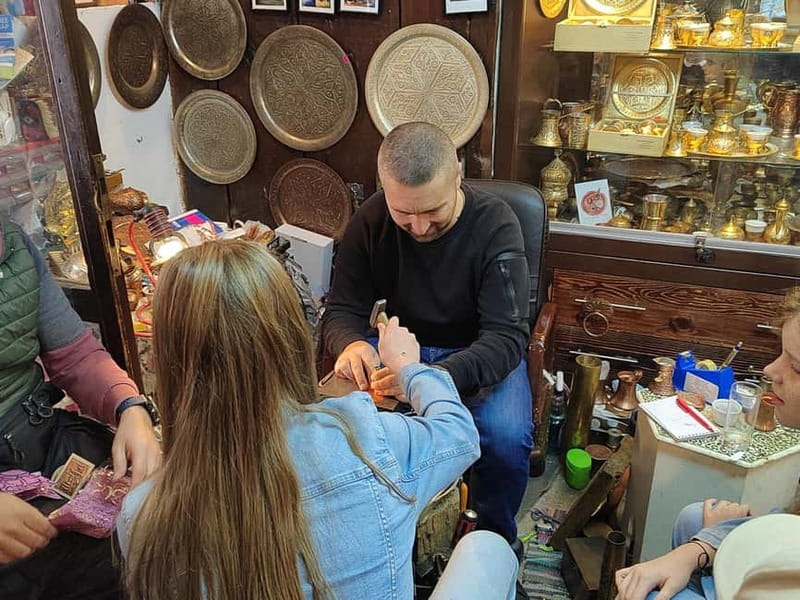
The route then reaches Kazandžiluk, the arts and crafts market associated with Sarajevo’s coppersmiths. A visit to a local workshop lets you watch a master at work and learn about techniques passed down through generations.
This is one of the most specific parts of the experience. You are not just told that copper is important in Sarajevo. You get to see the skill behind the finished objects. The sound and motion of the workshop can make the craft easier to remember than a display case would.
The practical point is that this is a demonstration and cultural visit, not a guaranteed shopping session. You may find copper items available, but the provided details do not promise particular products or prices. If you are interested in crafts, bring a little time and curiosity, but do not assume the workshop is a formal class.
Bosnian coffee, served the traditional way
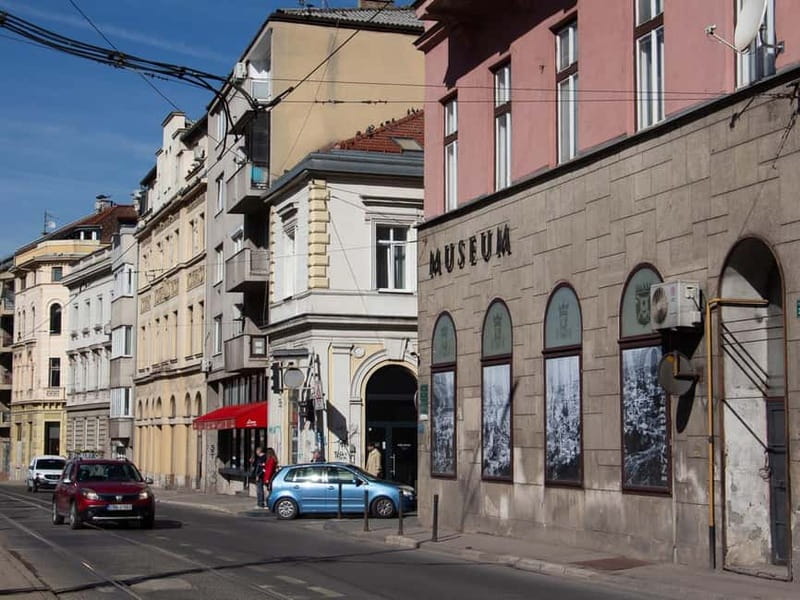
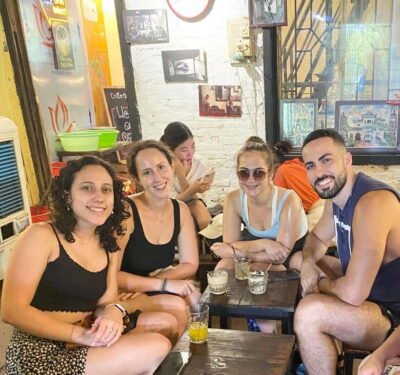
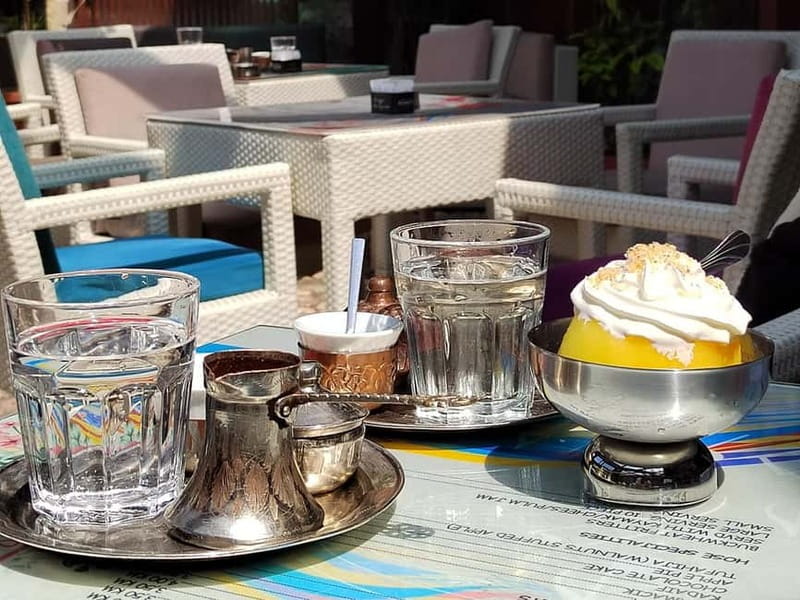
The coffee stop is the tour’s central cultural experience. At a local café, you receive a cup of Bosnian coffee prepared and served traditionally while the guide explains the ritual and the place coffee holds in Bosnian society.
The coffee is described as strong and sweet, and the tour presents it as something enjoyed at any time of day. This is not just a caffeine break. It is a chance to understand how a drink can support conversation, hospitality, and routine.
You also learn about three kinds of coffee people drink at home. The supplied details do not name or define those three types, so the guide’s explanation is the part to listen for. Ask questions if you want to understand how preparation and serving differ.
Baklava and a beloved Bosnian dessert accompany the coffee experience. That pairing makes sense: the sweetness helps balance strong coffee and gives you another taste of local food customs.
Coffee is a possible drawback for anyone who does not drink it or dislikes strong flavors. The tour does not promise an alternative drink, so ask the guide if that matters to you. For coffee drinkers, this is likely one of the most memorable stops because it turns a familiar beverage into a lesson in local life.
City Hall, Latin Bridge, and the Sarajevo story
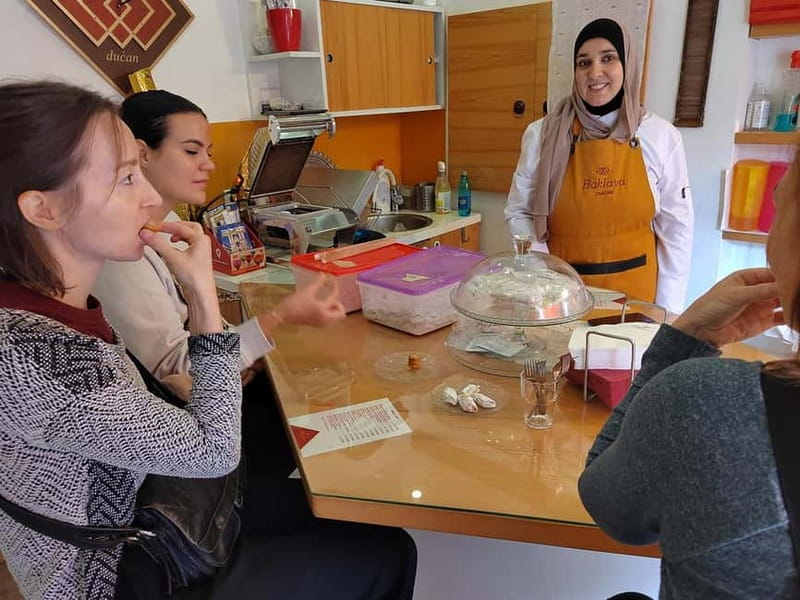
Sarajevo City Hall brings the Austro-Hungarian period into focus. The building is a guided stop, giving you a chance to connect the city’s later architectural style with the arrival of Austro-Hungary.
Latin Bridge adds another layer. It is one of Sarajevo’s best-known historic landmarks and belongs to the part of the route that moves from broad history into specific events and places. The guide can help connect the bridge to the city’s modern political story without making the entire tour about one date or incident.
The value here is the sequence. You have already seen Ottoman religious and commercial traditions. City Hall and Latin Bridge then help you understand later changes in power and architecture. The tour keeps shifting the lens, from faith to trade to politics.
Do not expect a long independent visit at every landmark. The itinerary contains many guided stops, and the stated duration is only 210 minutes. If you want extensive interior time at City Hall or a detailed study of the bridge area, plan a return visit.
Market flavors at City Market Hall
The City Market Hall gives the tour a more modern everyday setting. Here you receive samples of local cheeses and cured meats, which add savory flavors to the earlier sweets and coffee.
This tasting is included, but other food and drinks are not. The distinction is useful: the tour gives you several carefully chosen tastes, yet it is not an all-inclusive food tour. You can enjoy the samples and then decide if you want to return for a larger meal or further shopping.
Market tastings also help explain Sarajevo through products rather than dates. Cheese and cured meats tell you something about local eating habits, while the bakery and baklava stops show the sweeter side of the city’s food culture.
If you prefer monuments without food stops, this section may feel like a detour. I see it as a strength for most people because it breaks up the sightseeing and gives you practical ideas for what to seek out later.
Eternal Flame and the final church visits
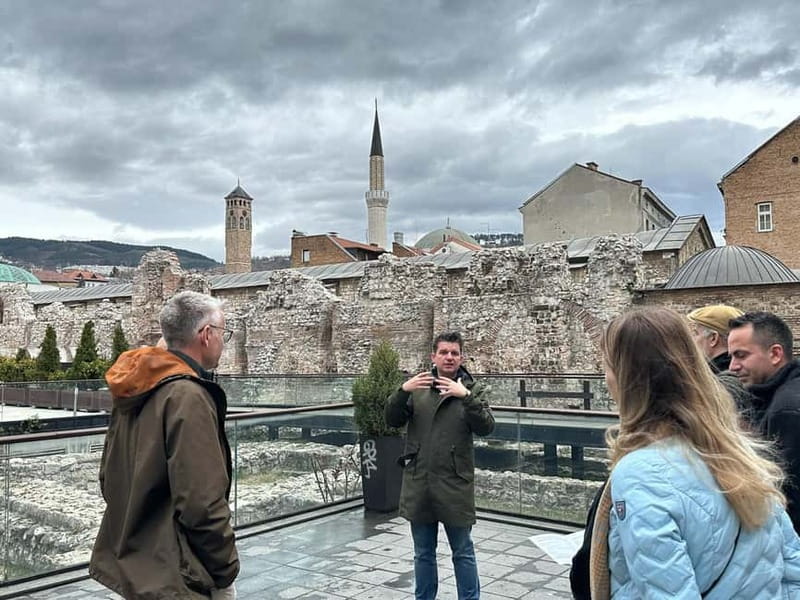
The Eternal Flame is another guided landmark on the route. Its name and purpose place it within Sarajevo’s remembrance of wartime history, adding another chapter after the Ottoman and Austro-Hungarian sections.
The route then returns toward the religious center near the Sacred Heart Cathedral and includes the Cathedral Church of the Nativity of the Theotokos. Ending with both Catholic and Orthodox sites reinforces the reason Sarajevo is described as the Jerusalem of Europe.
The final sequence works well as a recap. You have seen Islamic, Jewish, Catholic, and Orthodox connections across the city, along with commercial and craft traditions. The tour ends where it began, beside the Sacred Heart Cathedral, which makes the meeting point easy to recognize.
Because the tour contains so many subjects, the final stops may feel like a quick sweep rather than a full exploration. That is not a flaw if you want orientation. It is a limitation if you prefer one theme examined in great detail.
What $38 includes and what it does not
At $38 per person, the value depends on how much structure you want. The price includes a live guide, visits to major Sarajevo landmarks, a traditional Bosnian coffee, a coppersmith workshop visit, baklava, and samples of local cheeses and cured meats.
The group is limited to eight people. That cap matters because the route includes questions, food explanations, religious sites, and a workshop visit. A small group should make it easier to hear the guide and ask about details than a large bus tour would.
You are paying for a broad introduction rather than admission to a long list of paid museums. Food and drinks not named as included cost extra. The tour also does not promise private access, a full meal, transportation, or a specialist guide focused on one historical period.
For a first visit, I think the combination is sound. You get major landmarks and small cultural encounters in one booking. If you already know Sarajevo well, the coffee, copperwork, and food samples may still appeal, but the general overview may repeat places you have seen.
Timing, languages, and who should book
The experience lasts 210 minutes, or three and a half hours. That is long enough to cover the city center without taking up an entire day, but the number of stops means you should be ready for a steady pace.
Live guiding is available in English, German, Bosnian, Croatian, and Serbian. The supplied information does not name individual guides, so you should select the language that lets you follow historical explanations and ask questions comfortably.
This tour suits you best if you:
- Want a first look at Sarajevo’s central landmarks
- Like history explained through food, crafts, and daily customs
- Want to understand the city’s religious mix
- Prefer a group capped at eight people
- Enjoy guided structure rather than planning each stop yourself
You may want something else if you need long museum visits, extensive free time, a full food tour, or a detailed study of the wider Sarajevo Canton. The route is focused on the central city and its main cultural markers.
Free cancellation is available up to 24 hours before the tour for a full refund, and you can reserve now and pay later. Those terms are useful if your schedule is still shifting, but the key decision remains the tour’s pace and broad focus.
Should you book this Sarajevo city tour?
Book it if you want Sarajevo explained as a living city, not just a list of monuments. The strongest features are the small group, the traditional coffee ritual, the coppersmith workshop, and the mix of Jewish, Muslim, Catholic, and Orthodox landmarks.
I would choose it early in a Sarajevo stay. The route gives you enough background to make later visits to Baščaršija, the market, City Hall, or the religious sites more meaningful.
Skip it if you want a relaxed half-day with only two or three major attractions, or if food tastings and coffee are not part of your interests. For most first-time visitors, though, $38 is a fair price for a guided introduction that combines history, craft, and local flavor without taking the entire day.
FAQ
Where does the tour begin?
You meet the guide next to the statue of Pope John Paul II, beside the Sacred Heart Cathedral.
Where does the tour end?
The tour returns to the Sacred Heart Cathedral, the same general location as the starting point.
How long does the experience last?
The tour lasts 210 minutes, or three and a half hours.
What languages are available?
The live guide can lead the experience in German, English, Bosnian, Croatian, or Serbian.
How large is the group?
The tour is limited to a maximum of eight participants.
Is Bosnian coffee included?
Yes. The experience includes one cup of Bosnian coffee prepared and served traditionally.
What food samples are included?
The tour includes baklava from a traditional manufacturer, another Bosnian dessert, and samples of local cheeses and cured meats at the city market.
Is a coppersmith workshop visit included?
Yes. The route includes a visit to a local coppersmith workshop where you can watch traditional techniques.
Can I cancel for a full refund?
Yes. You can cancel up to 24 hours in advance for a full refund.
Just listed in the world
- Bali: Ubud Monkey Forest, Coffee Plantation, and Market Tour★ 5.0 · 5 reviews
- Chill coffee or meal break at illy Caffè in St.Mark’s Square★ 4.7 · 9 reviews
- Private Ubud Tour: Sacred Monkeys, Coffee, Temple, Waterfall★ 4.8 · 3 reviews
- Venice: Sunrise Walking Tour with Espresso★ 4.6 · 12 reviews
- Bali ,Tegallalang, Tirta Empul, Coffee, Lunch & Batur Hot Spring★ 4.0 · 2 reviews
- Mount Batur Sunrise Trekking (Private, Breakfast and Visiting coffee plantation)★ 5.0 · 27 reviews
- Venice Delights: Coffee & Food Experience Walking Tour★ 5.0 · 2 reviews
- Coffee Plantation and River with Waterfalls in Puerto Rico★ 4.5 · 9 reviews
Tours, compared.
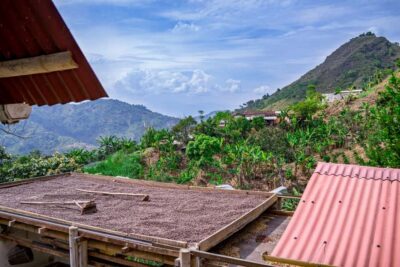
Coffee Tour with Transport, Snacks and Tastings
Read our review →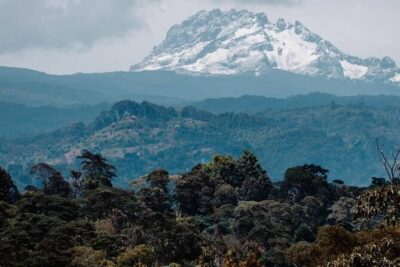
Materuni Waterfalls, coffee tour & Kikuletwa Hot Springs
Read our review →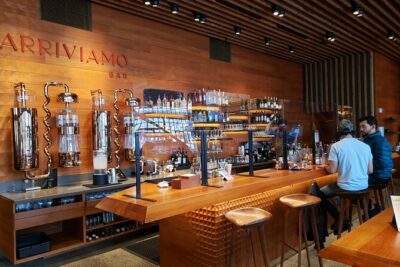
Seattle Coffee Tour: Capitol Hill Cafes, Tastings & Local Stories
Read our review →
Award Winning Farm Tour: Coffee, Chocolate and Unique Gifts
Read our review →
Vienna Coffee, Cake & Pastries Tour with Local Stories
Read our review →
La Herradura Coffee Farm: tour in Europe’s only plantation
Read our review →
Mercara Gold Coorg Coffee and Spice Estate Tour
Read our review →