

REVIEW · KIGALI PROVINCE
Kigali: Traditional Coffee Experience ( Bean to Brew)
The most interesting part of this Kigali experience is that you do not simply watch someone make coffee. You handle the process yourself, from opening the coffee fruit to roasting, pounding, brewing, and drinking the finished cup. The setting is Umurishyo Arts Gallery, a cultural center in the city, so the day connects coffee with music, crafts, traditional games, and local life.
I like the hands-on work and the chance to taste coffee you helped prepare. I also like the social purpose: the center supports local businesses, an NGO, and programs that help children return to school. The main consideration is that this is not always a visit to a large coffee plantation. Several parts take place at the urban cultural center, so confirm the exact field portion when you book.
Key points to know before you book

- You process the coffee yourself: Expect to open coffee fruit, work with the beans, roast them, pound them, and prepare a drink.
- The meeting point is a cultural center: Umurishyo Arts Gallery offers more than coffee, with crafts, music, dance, and traditional activities.
- Traditional and modern methods are included: You can compare the older style of roasting and pounding with a more modern approach.
- The tasting has local character: Try prepared coffee, including black coffee and coffee flavored with ginger, along with local blends.
- Guides speak three languages: Instruction is available in English, French, and Swahili.
- The price has a community angle: At $50 per person, part of the value comes from direct support for local work and social programs.
Starting at Umurishyo Arts Gallery in Kigali

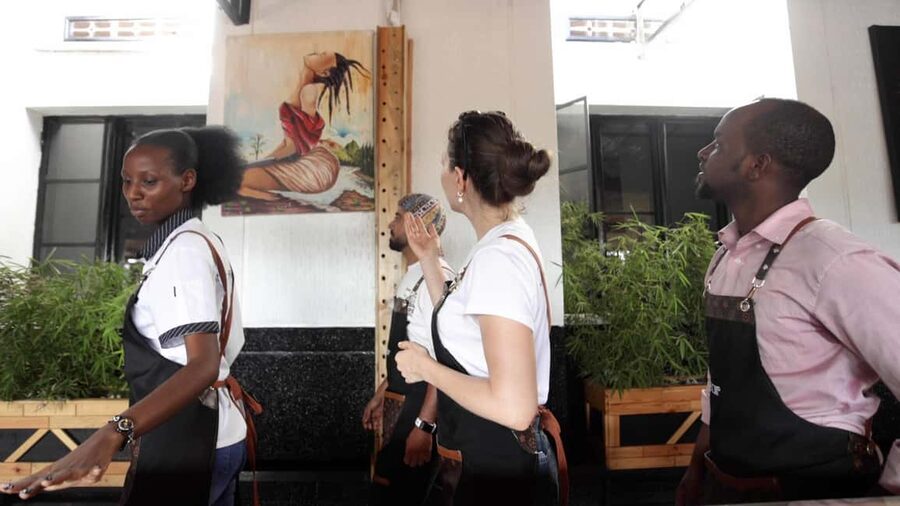
You meet at Umurishyo Arts Gallery, not at a standard tourist attraction or a large commercial roastery. That matters. The center gives the experience a more personal setting, with coffee sharing space with Rwandan art, handmade crafts, music, and cultural activities.
You may be welcomed with drums before the coffee work begins. This small touch sets the tone. You are not just being shown a product. You are being introduced to coffee as part of everyday culture and community life.
The operators use the center to support an NGO, and money earned through the venue helps fund local programs. Crafts sold there are made by children connected with those programs. You do not need to treat this as a donation visit, since you are receiving a structured activity, but your booking has a practical local benefit.
The center is also useful if you want more than a narrowly focused coffee lesson. Guides may explain traditional life, music, dances, and local customs as you move through the session. One guide, Chaplan, has also shown participants around Kimironko Market, though you should not assume that market visit is part of every booking.
More Specialty Coffee Tours in the world:
- Cartagena: Colombian Specialty Coffee Tasting
★ 4.4 · 130 reviews - Coffee Farm Tour with Roasting & Tasting Workshop – Da Lat
★ 5.0 · 126 reviews - Private Coffee Roasting Class
★ 5.0 · 101 reviews
From coffee fruit to usable beans
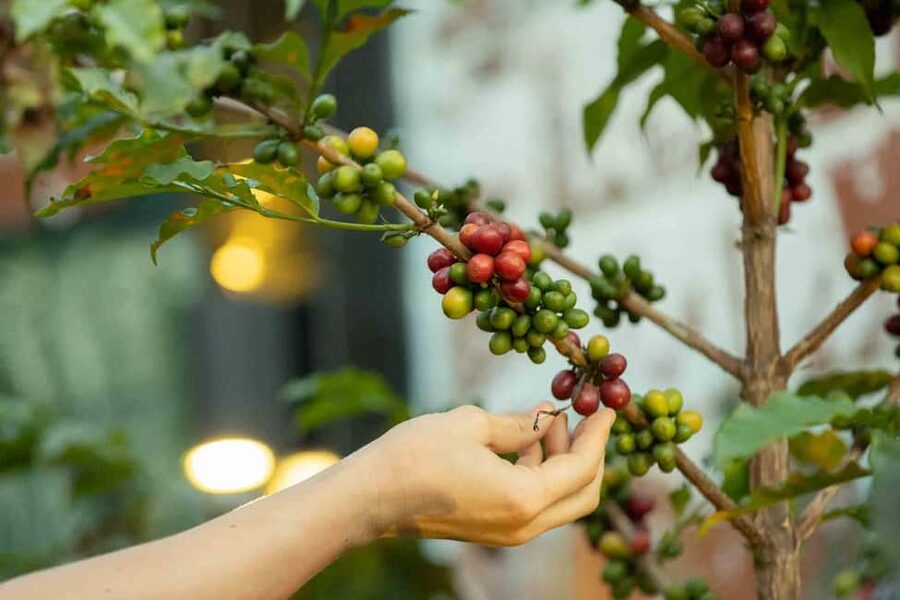
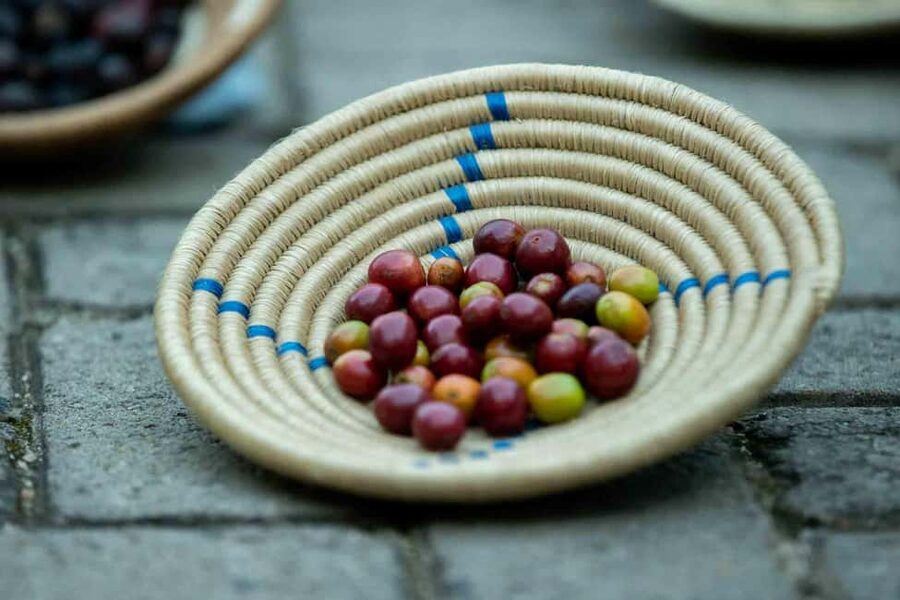
The coffee story begins with the fruit, not the roasted bean in your hotel breakfast cup. At the start, you learn how coffee is cultivated and how farmers handle the crop. The focus is on the steps that are easy to miss when coffee reaches a café already ground and packaged.
Some descriptions of the activity present a coffee-field visit, and one participant was taken to pick fresh beans. Other accounts make clear that the main setting is the cultural center in the city rather than a drive to a large plantation. The exact arrangement can vary, so ask at booking whether your session includes an outdoor picking segment or demonstrates the early stages at Umurishyo Arts Gallery.
That uncertainty is worth noting, but it does not make the activity less useful. At the center, you can still see and take part in the full chain of work. You get a better sense of how much labor sits behind one pot of coffee.
The guides explain Rwanda’s coffee story and the sustainable methods used by local communities. The instruction is designed for beginners. You do not need prior coffee knowledge, and the guides are described as patient with people working through the process for the first time.
Opening, cleaning, and preparing the coffee
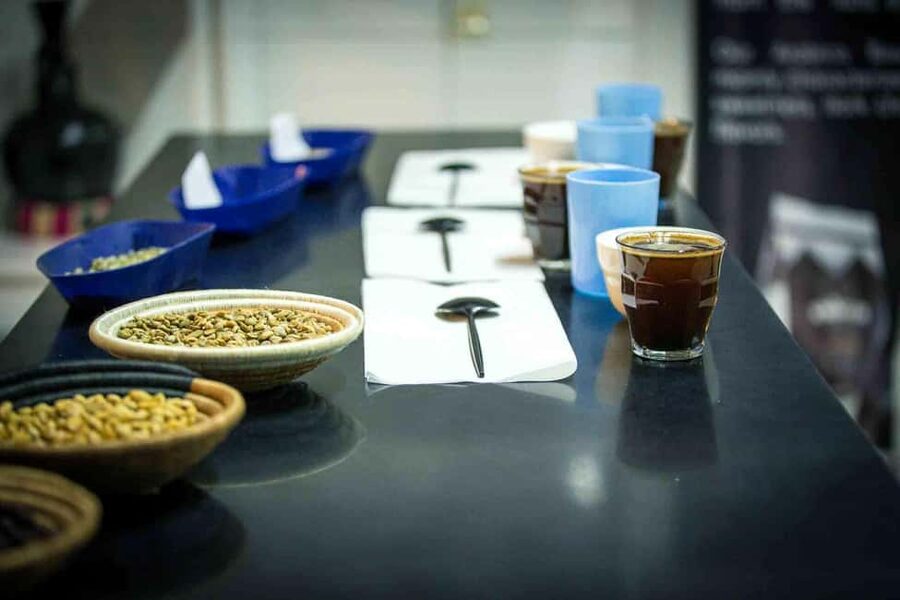
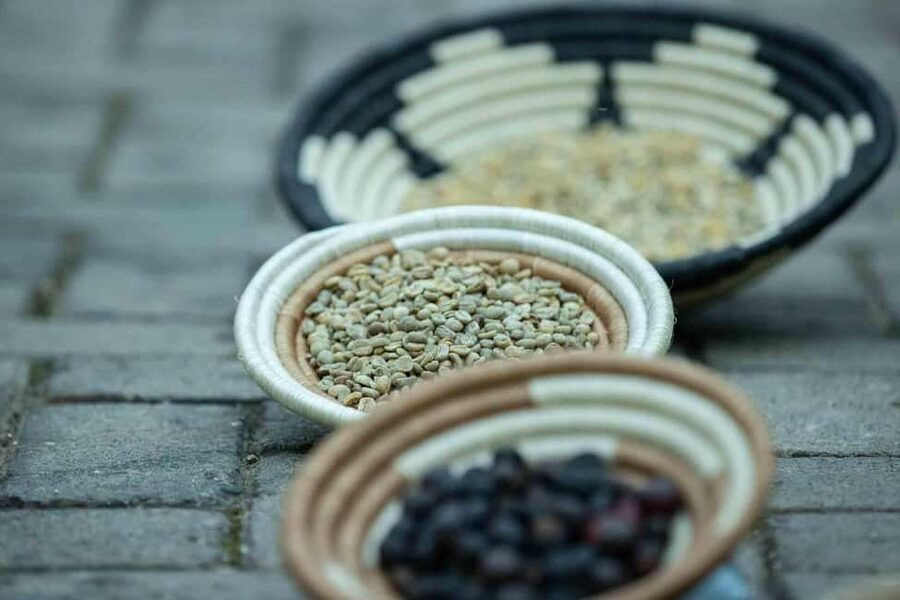
The most tactile part begins when you work with the coffee fruit itself. You may open the fruit and handle the beans before they are roasted. This is a simple but revealing stage, since it shows how far the raw product is from the dark, fragrant coffee served in a cup.
The process can be slower than you expect. That is part of the point. Coffee making here is not a quick demonstration with a button press. You take part in a chain of small jobs, and the guide explains what each step does.
You may also pound the coffee by hand. This traditional method gives the session a physical side, and it helps you understand older ways of preparing coffee before modern equipment became common. If you are tempted to hang back, roll up your sleeves and join in. The activity is built around participation, not passive watching.
The work also creates room for conversation. Guides such as Deborah, Gilbert, John, and Chaplan have led sessions, and the teaching style can vary by person. The strongest part of the experience is the one-on-one explanation while you are actually handling the coffee.
Comparing traditional and modern roasting
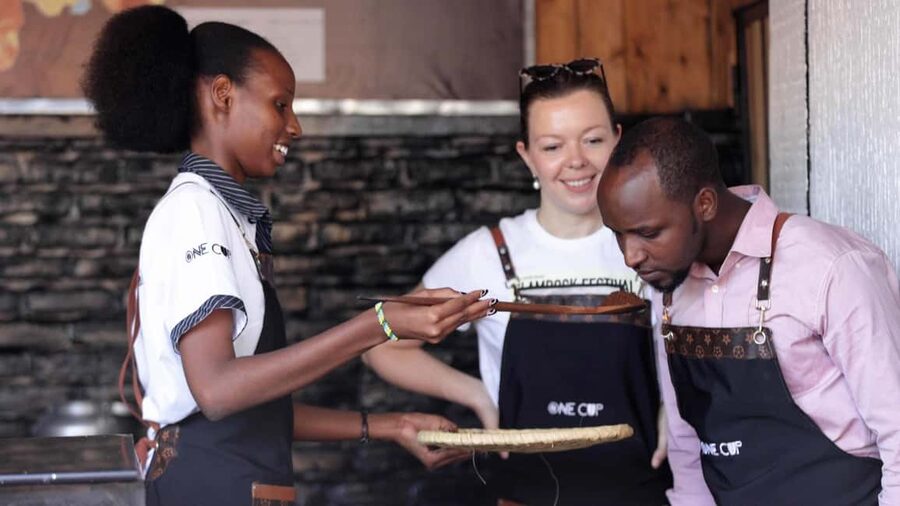
Roasting is the central lesson. You take part in both a traditional method and a more modern method, then see how each changes the beans. The older approach connects coffee to household skills and local customs. The modern approach shows how roasting can be controlled with different tools and techniques.
You are not only told that roasting affects flavor. You can watch the beans change and then taste the result. The guide points out the details as the work continues, helping you connect smell, color, texture, and flavor.
The traditional method also adds a sense of place. It is easy to visit a polished coffee shop and forget the work that came before the machine. Here, the roasting and pounding make the process visible and physical.
The session is not described as a professional barista class, so do not book it expecting advanced espresso training or a technical lesson in café equipment. It is better suited to people who want a cultural introduction to coffee making and a chance to produce something with their own hands.
More Coffee Tours in the world:
- Hanoi Coffee Experience: 6 Brews, 9 Recipes & 3 Liquor Tastings
★ 5.0 · 2,945 reviews - Medellin: Coffee Tour with Transport, Snacks and Tastings
★ 4.7 · 1,357 reviews - Istanbul: Turkish Coffee Making and Fortune Telling Workshop
★ 4.9 · 1,308 reviews - Hanoi Coffee Workshop: Taste Salt, Coconut and Egg Coffee
★ 5.0 · 1,286 reviews
Brewing and the Kigali tasting
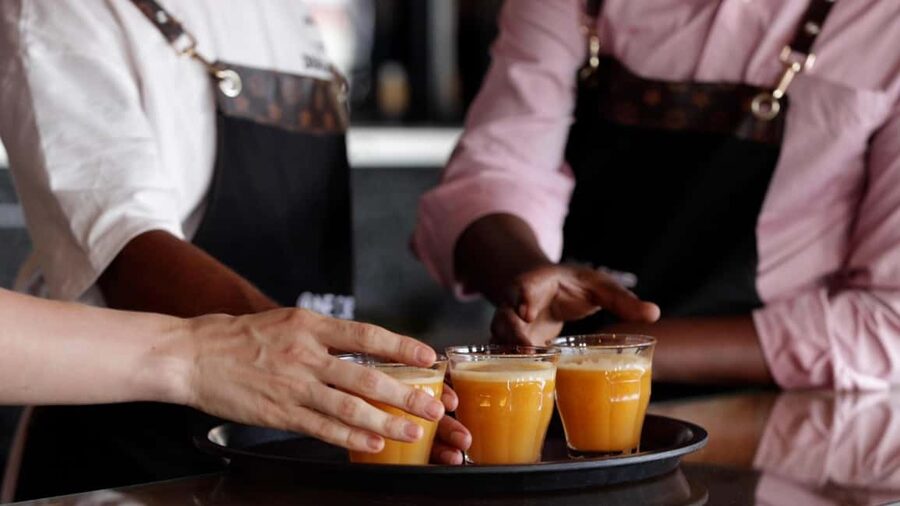
The final reward is the cup. After the beans have been prepared, you brew and taste the coffee in the center’s café setting or another part of the Kigali coffee experience. The key pleasure is knowing that you helped move the beans through the process.
Expect more than one style of drink. Black coffee is included, and ginger coffee may also be served. The ginger version gives you a useful comparison, since the flavor changes when a familiar drink is prepared with a local twist.
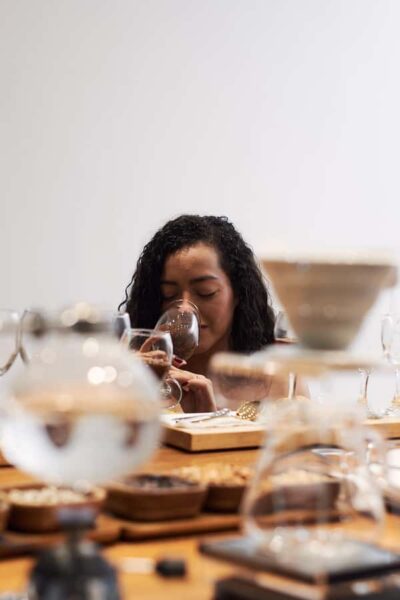
You may sample different local blends and talk with the guide about what you are tasting. The point is not a formal tasting exam. You do not need to identify every flavor. Instead, notice how the roast and preparation affect the drink, then ask questions while the coffee is still fresh in your mind.
A certificate may be provided at the end. It is a small souvenir rather than a professional qualification, but it gives the experience a pleasant finish. You leave with a story, a new appreciation for the work behind the drink, and possibly a better idea of how you prefer your coffee.
The cultural side is not filler
Coffee is the main subject, but the surrounding cultural activities are a real part of the value. You might learn about traditional music and dance, see local crafts, or play Igisoro, a traditional Rwandan game. These additions help place the coffee session in a wider setting.
One participant even stayed longer to play football at the center. That is not a promised part of the schedule, but it shows the relaxed social atmosphere the venue can offer. Your own session may remain tightly focused on coffee, especially if timing is limited.
The craft work has a direct connection to the center’s social aims. Items sold there are made by children supported through the program. If you want to buy something, personal spending is not included in the $50 price, but it gives you a way to support the work beyond the activity fee.
This is where the experience differs from a standard tasting. You are not only comparing cups. You are meeting people connected to the work and learning how a local cultural center uses tourism to help fund community programs.
How long the activity takes and what the price covers
The advertised duration is between 150 minutes and three hours. That is a useful range to keep in mind when planning a Kigali day. A shorter session may suit you if you have other appointments, while a longer visit gives more room for questions, tasting, and cultural activities.
At $50 per person, the cost is higher than simply ordering coffee at a Kigali café. You are paying for instruction, equipment, preparation, tasting, and time with local guides. The price also includes the coffee-field or coffee-source explanation, hands-on traditional and modern roasting, local tasting, and cultural context.
I consider the price reasonable if you want an activity rather than a drink. The value is strongest for people who take part fully. If you only want to sit and taste coffee, you can find less expensive ways to do that. If you want to understand the work behind the cup and support a local center, the fee makes more sense.
Transportation to the meeting point is not included. Plan your own way to Umurishyo Arts Gallery and allow enough time to arrive ready for the session. Personal purchases, such as crafts, are also extra.
Who will enjoy this coffee experience most
I would choose this for coffee lovers, curious first-time visitors to Rwanda, and anyone who prefers small-scale cultural activities over a large packaged attraction. It also works well for people who enjoy learning by doing.
Families and groups with mixed interests may find the cultural center helpful because coffee is only one part of the setting. Music, crafts, games, and conversation can give non-coffee drinkers something to enjoy, though the core activity still revolves around preparing and tasting coffee.
The experience is available in English, French, and Swahili. That makes it easier to ask questions and follow the practical steps, especially during roasting and pounding.
People with food allergies should not book this activity. The supplied information specifically lists food allergies as a reason the experience may not be suitable. If you have another dietary concern, ask before reserving rather than assuming the tasting can be adjusted.
A few practical tips for a better visit
Wear something you do not mind using during hands-on work. The process includes opening coffee fruit, roasting, and pounding, so you will enjoy it more if you are ready to participate instead of guarding your clothes.
Ask at the start how much time you will have for the cultural center beyond the coffee session. The total duration can reach three hours, but the balance between coffee, tasting, and other activities may differ.
If visiting a plantation is important to you, confirm the details before paying. This experience clearly covers the coffee process, but the city-based setting is central, and the field element may not mean a long farm excursion.
Try both black coffee and ginger coffee if offered. The contrast makes the tasting more useful, and it gives you a better sense of how preparation changes the final drink.
Do not rush the manual steps. The opening, roasting, and pounding are the parts that turn a simple tasting into a real activity. You will learn more by taking your time than by trying to finish quickly.
The guides can teach in English, French, or Swahili, and guide names may vary by date. Deborah, Gilbert, John, and Chaplan have all led sessions. If you have a language preference, state it when booking.
Should you book the Kigali coffee experience?
Book it if you want to make coffee, not just drink it. The strongest reasons are the full bean-to-cup process, the friendly instruction, the local cultural setting, and the clear connection to community programs.
Think twice if your main goal is a plantation tour, a professional barista course, or a quick café tasting. The activity takes place largely at Umurishyo Arts Gallery, and its strength is the blend of coffee, culture, and conversation.
For $50, I see this as a worthwhile Kigali activity for curious coffee drinkers who value direct local contact. Free cancellation up to 24 hours before the activity and the option to reserve now and pay later make planning easier, but the real decision comes down to one question: do you want to take part in the work behind Rwanda’s coffee? If yes, this is a good pick.
FAQ
Where does the coffee experience meet?
The meeting point is Umurishyo Arts Gallery in Kigali Province, Rwanda.
How long does the activity last?
The duration is listed as 150 minutes to three hours. Starting times depend on availability.
How much does the experience cost?
The price is $50 per person.
What coffee-making steps are included?
You can learn about the process from coffee fruit to cup, take part in traditional and modern roasting, pound the coffee, and prepare and taste the finished drink.
Is a coffee-field visit included?
The experience includes a guided look at the coffee-growing process, but the main setting is Umurishyo Arts Gallery in the city. Some sessions may include picking fresh coffee beans, so confirm the exact field portion when booking.
Which languages do the guides speak?
Instruction is available in English, French, and Swahili.
Is transportation included?
No. Transportation to Umurishyo Arts Gallery is not included.
Can I cancel for a full refund?
Yes. You can cancel up to 24 hours in advance for a full refund.
Can I reserve now and pay later?
Yes. The booking option allows you to reserve your place and pay nothing at the time of booking.
Just listed in the world
- Bali: Ubud Monkey Forest, Coffee Plantation, and Market Tour★ 5.0 · 5 reviews
- Chill coffee or meal break at illy Caffè in St.Mark’s Square★ 4.7 · 9 reviews
- Private Ubud Tour: Sacred Monkeys, Coffee, Temple, Waterfall★ 4.8 · 3 reviews
- Venice: Sunrise Walking Tour with Espresso★ 4.6 · 12 reviews
- Bali ,Tegallalang, Tirta Empul, Coffee, Lunch & Batur Hot Spring★ 4.0 · 2 reviews
- Mount Batur Sunrise Trekking (Private, Breakfast and Visiting coffee plantation)★ 5.0 · 27 reviews
- Venice Delights: Coffee & Food Experience Walking Tour★ 5.0 · 2 reviews
- Melbourne Brunch & Coffee Iconic Laneway Degraves Espresso★ 5.0 · 2 reviews
Specialty Coffee and Roastery Tours, compared.
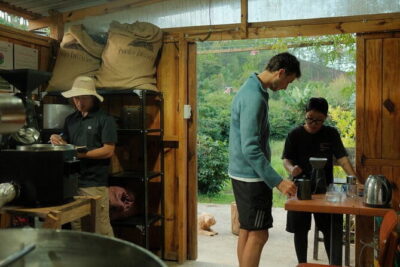
Coffee Farm Tour with Roasting & Tasting Workshop – Da Lat
Read our review →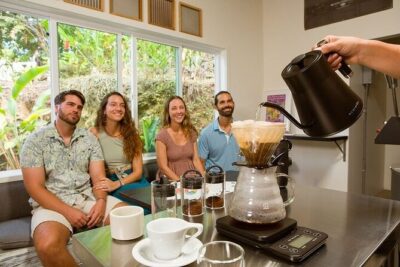
Experience specialty coffee with sustainable coffee farmers
Read our review →
Vietnamese Bread & Brew: Banh Mi Baking Class & Specialty Coffee
Read our review →
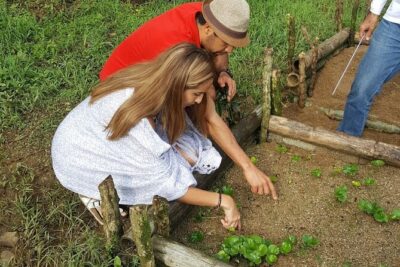
Private coffee tour near Medellín, from bean to cup.
Read our review →
Santo Domingo Small Group Walking Tour: Beer and Specialty Coffee
Read our review →Lists this coffee tour turns up in