
REVIEW · JAVA
Jakarta :Volcano, HotSpring, Tea Factory, RiceField, &Coffee
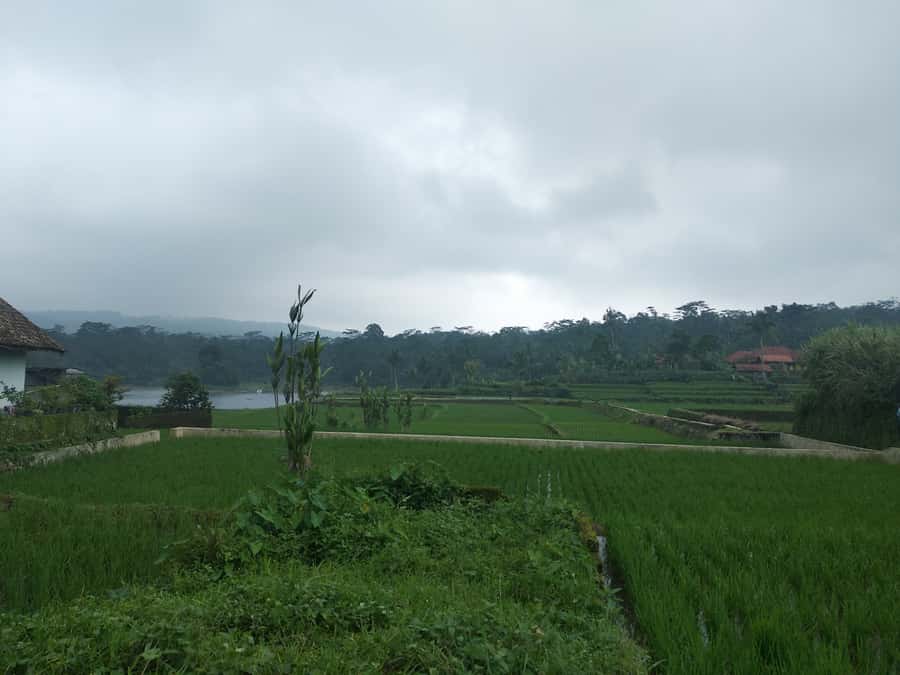
Tangkuban Perahu is the star of this day, but the road there gives you just as much to notice: rice fields, rubber trees, tea farms, and highland villages slipping past the car window. At the crater, you can smell sulfur and watch white fumes rise from the earth, then continue to a tea factory and a warm spring.
I like the way this trip connects everyday West Java with its famous sights. The pineapple tasting and rice-field stop show you local work and food, while the tea visit explains how leaves become black tea. I also like that it is private, so your guide can adjust the pace and answer your questions.
The main drawback is the long day. Road time, traffic, and several stops make this a full 12-hour outing, and the crater walk can be tiring. Rain may also prevent the walk to the bottom of the volcano, while the tea factory may not run its full process on Mondays.
At a glance
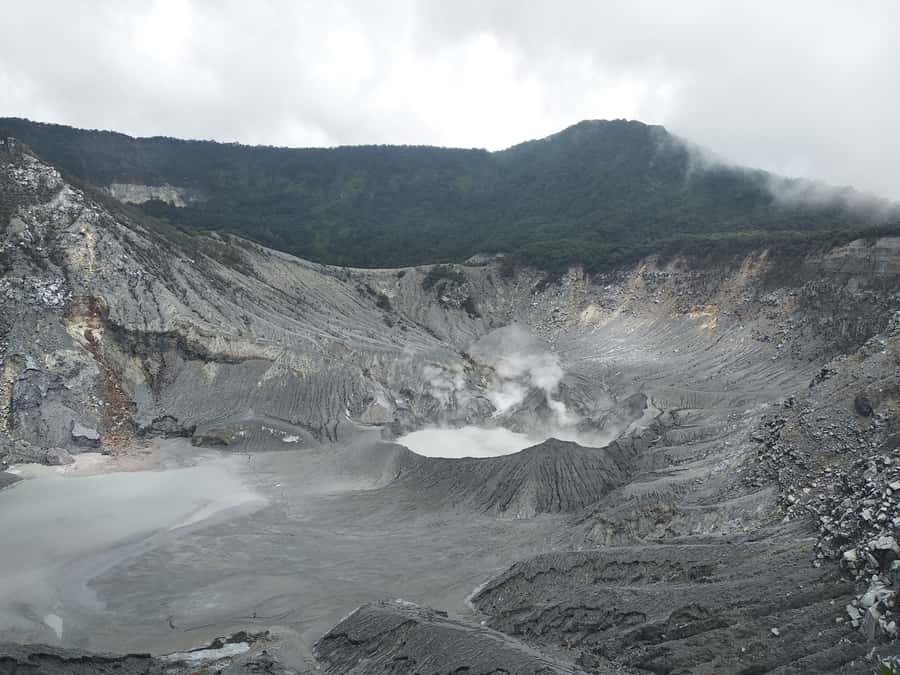
- Tangkuban Perahu crater: Walk beside an active West Java volcano, smell sulfur, and see fumes rising from the crater.
- Tea from leaf to package: Visit Kebun Teh Ciater and its factory for a guided look at black-tea production, with tea to drink.
- Local fruit and farming: Taste fresh Subang pineapples and stop at rice fields to watch farmers at work.
- Luwak coffee: Learn how this costly Indonesian coffee is made, with the coffee drink itself paid separately.
- Private 12-hour outing: Travel by private car with Jakarta hotel pickup, an English-speaking guide, tolls, parking, and entry fees included.
- A gentle finish: Soak your feet in the sulfur-rich waters of Sari Ater before the drive back.
A full day from Jakarta into West Java
This is a countryside and volcano day rather than a quick sightseeing trip. You leave Jakarta for Bandung Regency and Subang Regency, trading city streets for farms, plantations, villages, and cooler highland air.
The private format matters here. You are not sharing the car with another booking, so you can ask for more explanation at a farm stop, spend longer taking photos, or keep moving if a short stop has given you enough. Guides such as Neti have been praised for explaining Indonesian culture and history clearly, keeping conversation going during the drive, and adjusting plans when weather changes.
Your guide waits at your hotel lobby or apartment entrance. Cruise passengers can meet the guide at the Tanjung Priok passenger terminal arrival gate, where the guide will hold a sign with your name. Pickup and drop-off inside Jakarta are included, along with a private car, driver, tolls, parking, and mineral water.
The day costs $123 per person. That is not a bargain-priced city outing, but the price covers a private vehicle, guide service, two major entry tickets, fruit tasting, and the tea-factory visit. Lunch and the Luwak coffee drink are extra, so the final cost will be a little higher. For a small private group wanting to leave Jakarta without arranging several separate rides, the price can make sense.
More Coffee Tours in the world:
- Hanoi Coffee Experience: 6 Brews, 9 Recipes & 3 Liquor Tastings
★ 5.0 · 2,945 reviews - Medellin: Coffee Tour with Transport, Snacks and Tastings
★ 4.7 · 1,357 reviews - Istanbul: Turkish Coffee Making and Fortune Telling Workshop
★ 4.9 · 1,308 reviews
Pineapples and rice fields near Subang
The first food stop is Fruit Paradise, where you get about 15 minutes for a break, photos, and a taste of local fruit. West Java is known for its pineapples, and this is a useful stop because you are not simply seeing the fruit in a market. You get to try it fresh and connect the food with the farming country around Subang.
Do not expect a long plantation tour here. The stop is short, so treat it as an introduction and a chance to stretch your legs. Local snacks or a food-market visit may also be part of the pause.
The road then continues through Subang Regency, with another short stop for photos and views. You pass rice fields, rubber plantations, tea plantations, and small villages in the highland area.
The rice-field stop is one of the most grounded parts of the day. You can get closer to local farmers and see ordinary agricultural work rather than only visiting polished attractions. Conditions depend on the season and the activity taking place that day, but the point is to see how rural life fits into the area.
Bring your camera, but also give yourself time to watch. A few minutes beside a field can tell you more about the region than another roadside photo.
Walking through Kebun Teh Ciater
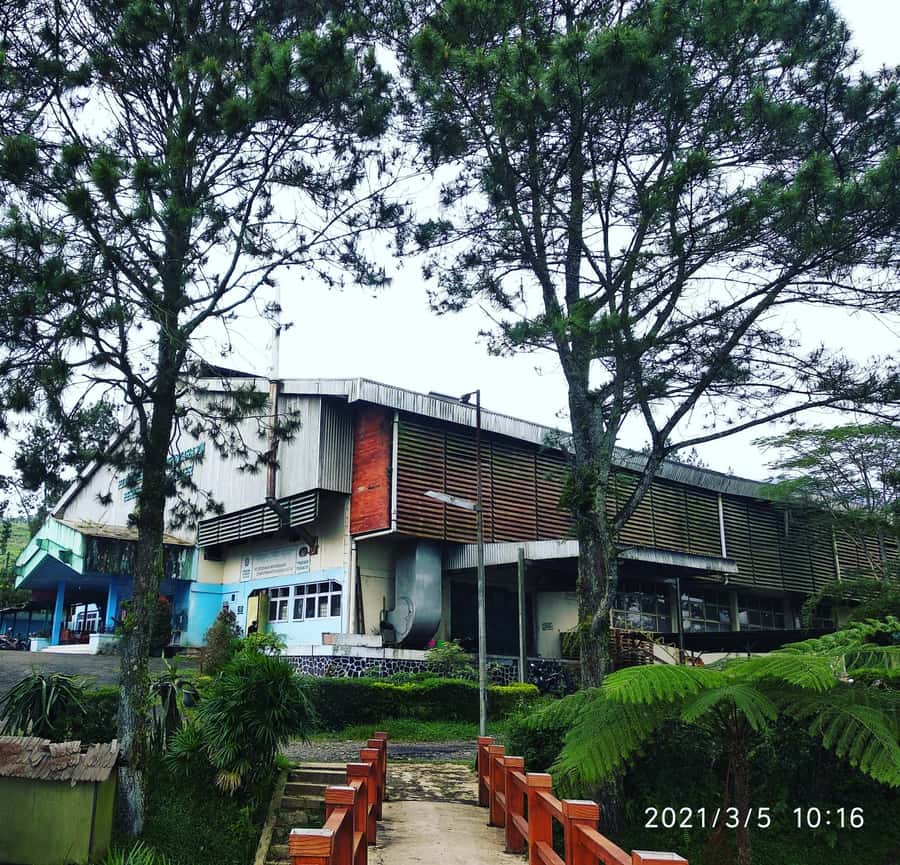
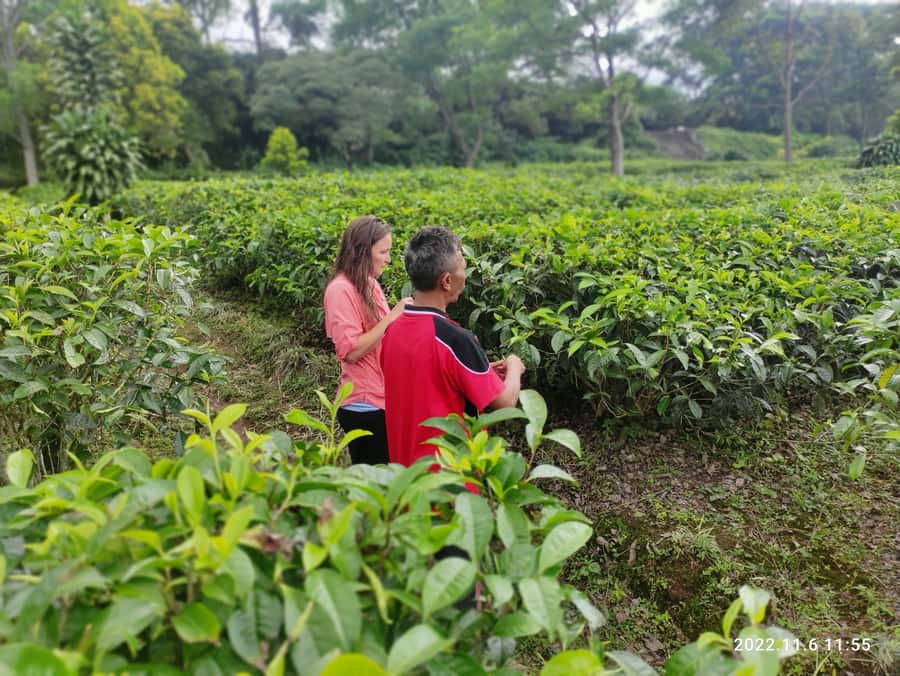
The tea stop lasts about an hour and combines a plantation visit with a factory tour. At the plantation, you can walk among the tea plants and look across the valley. The setting gives you a welcome change from the enclosed car after the morning drive.
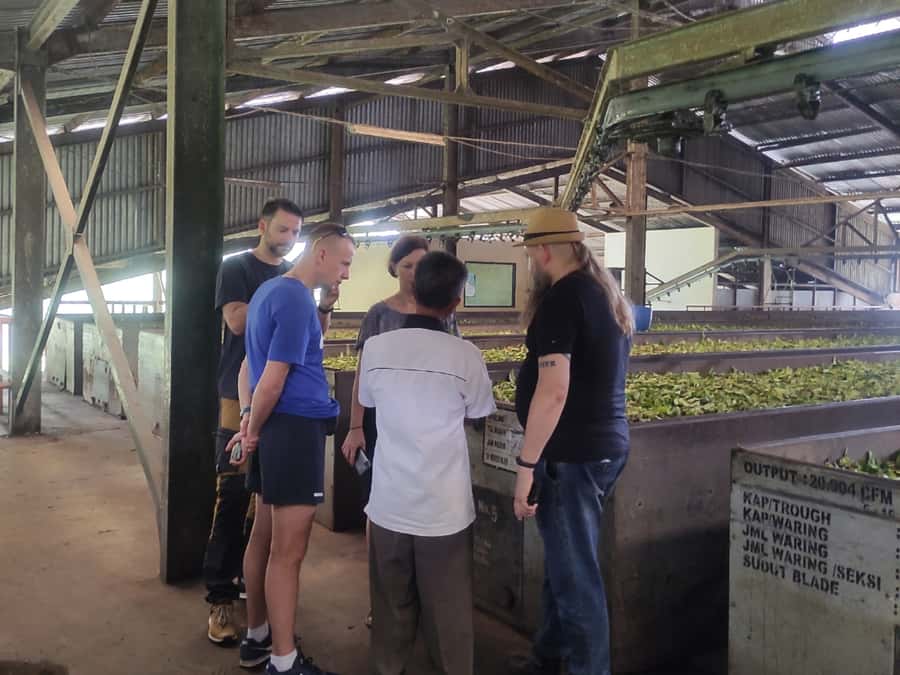
Inside the factory, an officer explains how black tea is made, starting with leaf picking and continuing through processing and packaging. This is the kind of stop that rewards questions. Ask about the stages you see, how the leaves change, and what separates fresh leaves from the tea that ends up in a packet.
Tea is included, and you can drink as much as you like during the visit. That small detail makes the stop practical as well as scenic. You get a warm drink, a guided explanation, and time outside among the plants.
There is one important timing note. The tea factory will not have its process running every Monday. You may still visit the plantation, but the full factory explanation may not be available then. If the production stages are a major reason for booking, avoid Monday if your schedule allows.
Tangkuban Perahu and the sulfur crater
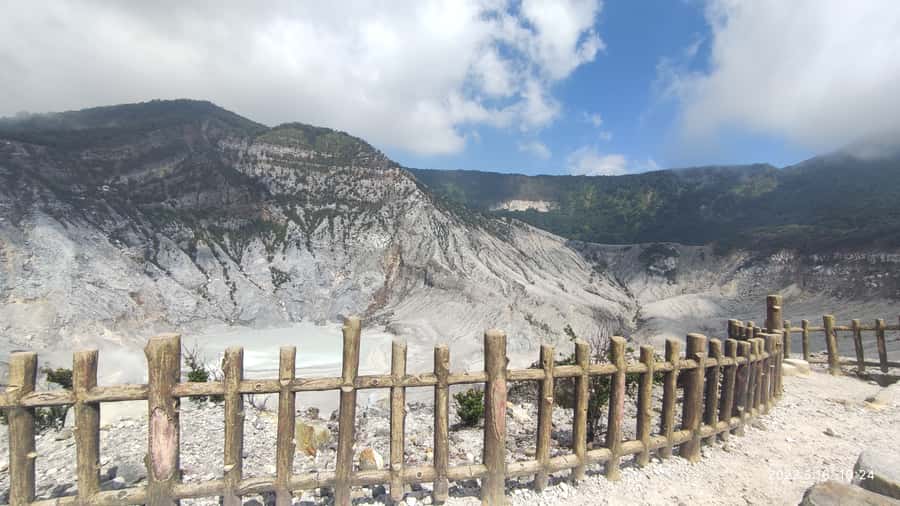
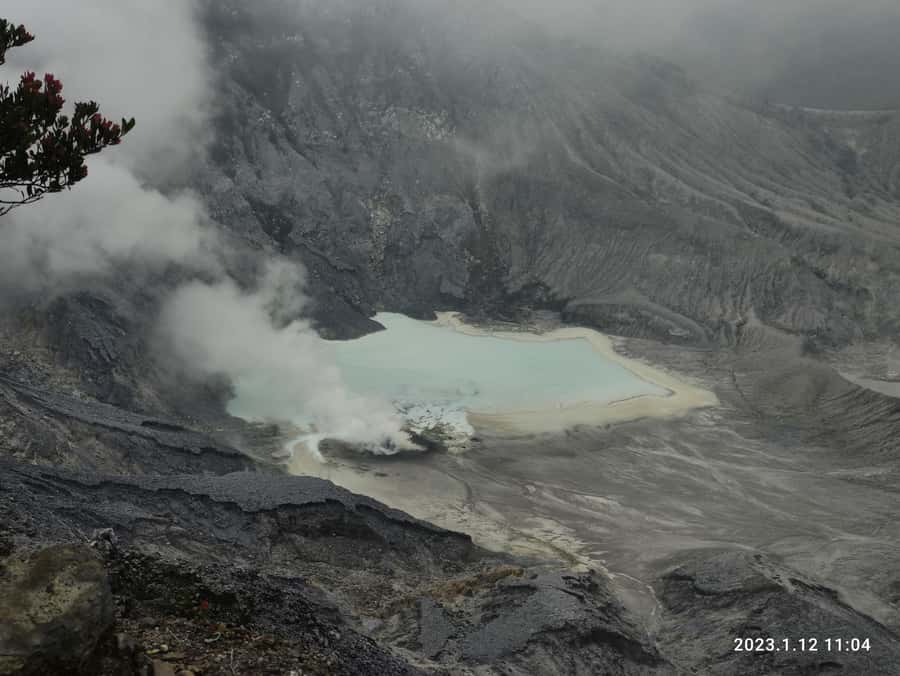
Tangkuban Perahu is the dramatic center of the outing. The volcano is active, and the main crater gives you a direct look at West Java’s volcanic ground. You walk along the crater edge, smell sulfur, and watch fumes rise from below.
The standard visit lasts about 80 minutes. That is enough for the main crater walk and photos, but it is not an open-ended mountain excursion. Wear proper shoes, especially if you want to take the longer route toward the bottom.
The optional crater trek is about 3 kilometers round trip. It offers a closer view of the crater and a stronger sense of the volcanic setting, but it also adds effort to an already long day. Comfortable shoes are essential. A jacket is useful too, since the highland stop may feel cooler than Jakarta.
Weather controls this part of the visit. If rain and thunder make the lower route unsafe, you will stay on the main crater path. This is a sensible restriction, but it means you should not book the tour expecting a guaranteed trek to the crater floor.
The volcano is also a place where respiratory comfort matters. The sulfur smell can be strong, and the activity is not suitable for people with respiratory issues or altitude sickness. It is not suitable for wheelchair users because of the walking and uneven outdoor conditions.
Still in the world, but a different cup:
- Hanoi Coffee Workshop: Taste Salt, Coconut and Egg Coffee
★ 5.0 · 1,286 reviews - Vienna for Food Lovers: Cafés, Markets & Austrian Cuisine
★ 5.0 · 1,063 reviews - Big Island Highlights: Coffee, Volcano, Black Sands & Waterfall
★ 5.0 · 1,054 reviews - Hanoi: Salt Coffee Workshop Awake Your Senses With 6 Brews
★ 5.0 · 792 reviews
Lunch in Lembang, then a Luwak coffee lesson
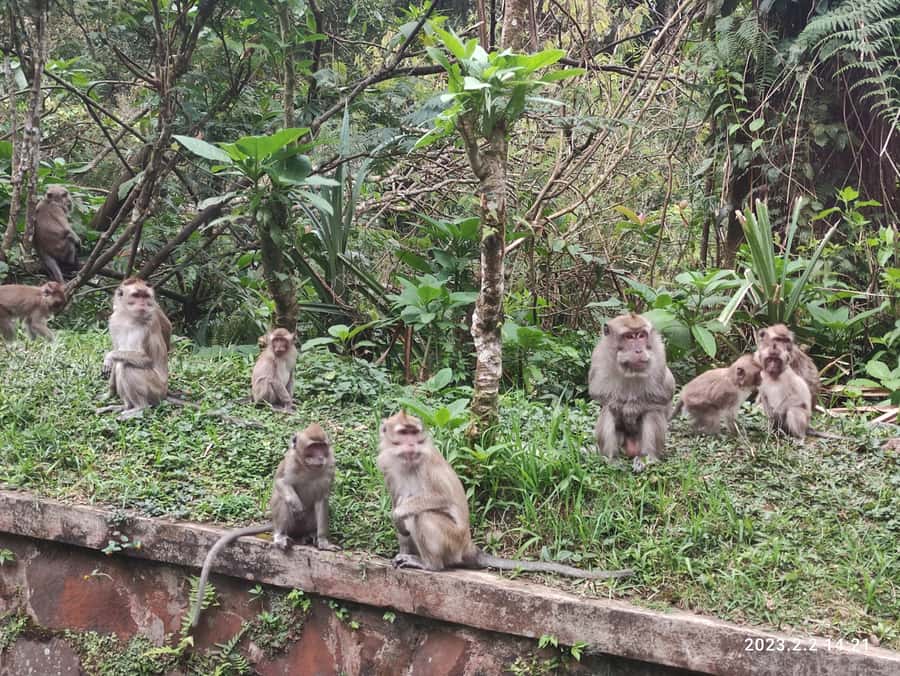
Lunch is scheduled in Lembang for about 70 minutes at an Indonesian restaurant. Lunch is not included, so keep cash available and ask your guide about the available choices. The stop gives you a proper break before the coffee visit and the hot spring.
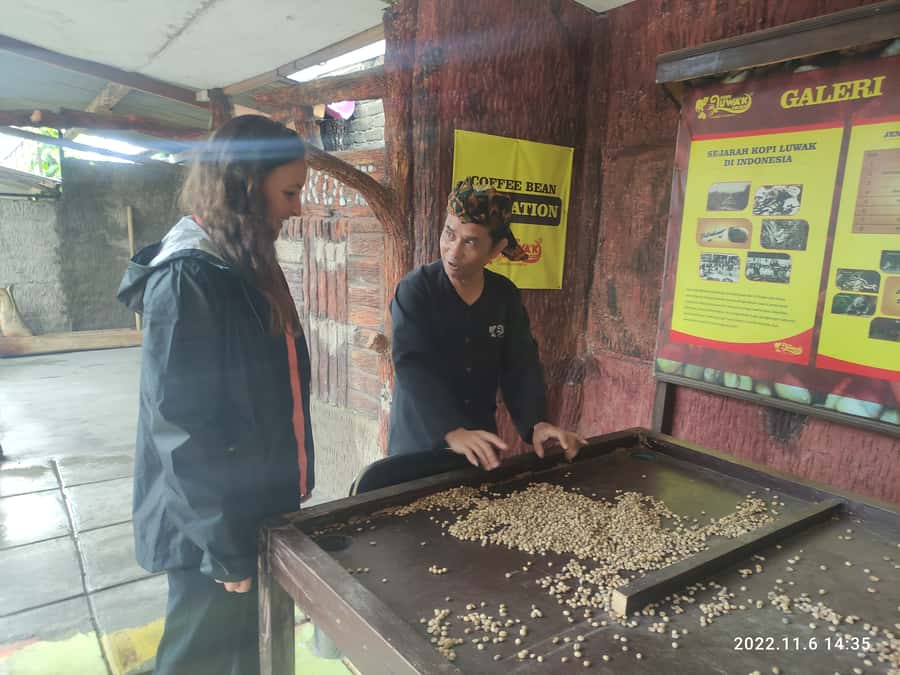
Next comes Kopi Luwak Cikole, where you spend about an hour learning how Luwak coffee is produced and tasting the coffee. Luwak coffee is one of Indonesia’s most expensive specialties, so this stop gives you context for its reputation rather than asking you to accept a high price without explanation.
The coffee drink itself is not included in the tour price. You can decide on the spot if you want to pay for it. That is useful for anyone who wants to learn about the process but does not want an additional drink.
The coffee stop also works as a weather backup. On a rainy day, a guide may shift the order of stops so you can spend time indoors and return to Tangkuban Perahu when the crater is clearer. Neti, one of the guides associated with this experience, has been praised for making that kind of practical adjustment rather than letting bad weather spoil the main sight.
Sari Ater’s sulfur-rich water
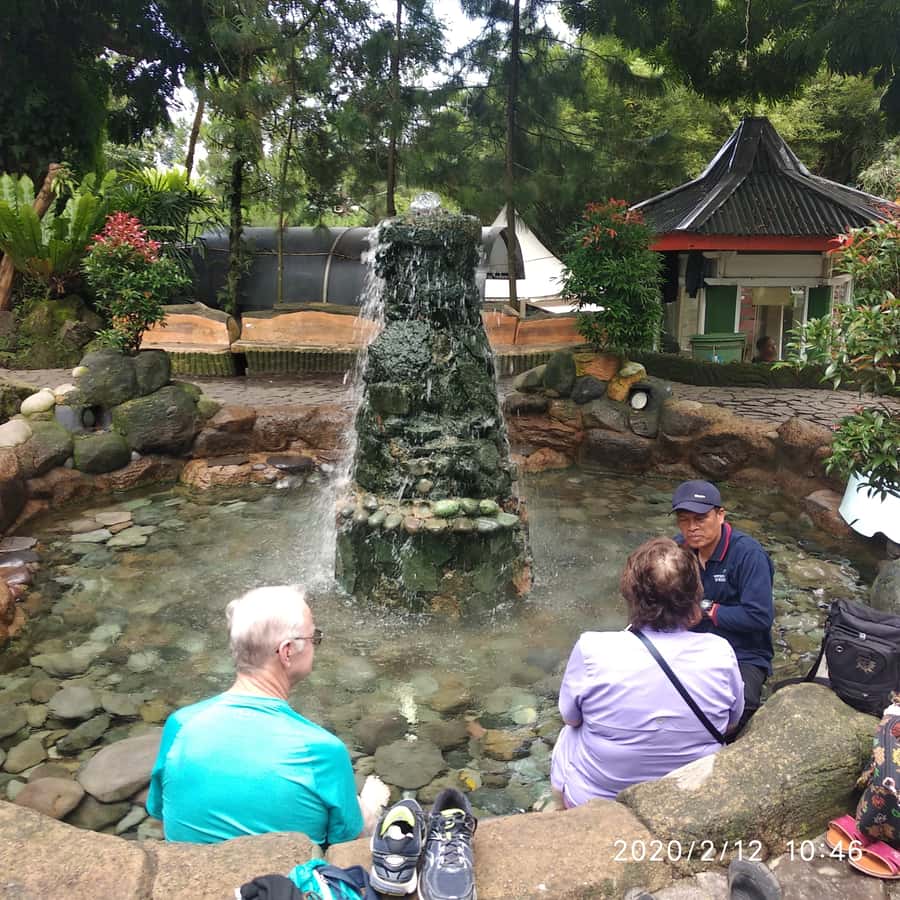
The final major stop is Sari Ater Hot Spring Water. You have about 40 minutes to walk around and soak your feet in the warm sulfur water before starting the return journey.
This is best viewed as a relaxing finish, not a long spa session. Forty minutes gives you time to cool down after the volcano walk, sit beside the water, and let your feet recover. Bring a towel and comfortable clothes. If you plan to do more than a foot soak, be prepared for a wet change of clothes.
The sulfur content gives the water its distinctive character, and the stop fits the day well. You have seen volcanic activity at Tangkuban Perahu, then finish by sitting in naturally warm water from the same volcanic region.
The road time and the private-car advantage
The full schedule runs for 12 hours, and the route includes about three hours of travel between Jakarta and Bandung, with the return to Jakarta included in the long day. Traffic can affect the timing, so you should not plan an evening appointment immediately after the tour.
The private car makes the road time easier to handle. You can talk with the guide, stop for photos, and keep your belongings with you. The driver is an important part of the experience as well. Fandi and other named drivers have been praised for patient driving and attention to passenger comfort, while guide Neti has been noted for keeping the trip lively during long stretches on the road.
That said, a private car does not remove the distance. If you dislike long drives, this may feel like too much time in transit for one volcano and a few rural stops. If your main goal is to get out of Jakarta and see the countryside, the journey becomes part of the value.
What to bring and how to prepare
Wear comfortable shoes, not sandals, if you plan to take the crater route. The volcano involves walking, and the longer option covers about 3 kilometers round trip.
Pack a jacket, towel, camera, comfortable clothing, and cash. Cash is useful for lunch, personal expenses, and the Luwak coffee drink. Mineral water and fruit tasting are included, but you should still carry what you need for a 12-hour day.
Avoid alcohol and drugs, and do not bring pets. People with respiratory issues, altitude sickness, or limited mobility should choose a different outing.
The trip runs in English with a live guide. Guides may explain local history, farming, tea production, and coffee in more detail if you ask. This is not a silent transport service, so take advantage of the long drive by asking about the villages, crops, and daily life you see along the road.
Should you book this West Java day trip?
Book it if you want a broad introduction to West Java in one private day. The combination is unusually varied: pineapple, rice farming, tea production, a volcano, Luwak coffee, and a hot spring. It gives you both famous scenery and ordinary rural life.
I would especially recommend it for first-time visitors based in Jakarta who want to see more of Java without organizing transport between several sites. The flexibility of a private guide is useful when rain affects the volcano, and the English explanations add real value at the tea factory and coffee stop.
Skip it if you want a slow day, a serious mountain hike, or a long spa visit. The route is busy, the road time is substantial, and lunch and coffee cost extra. Check the weekday carefully if the tea-making process matters to you, and remember that the lower crater walk depends on weather.
With a good pair of shoes, a flexible attitude, and a willingness to spend much of the day on the road, this is a practical way to trade Jakarta’s city pace for West Java’s farms, plantations, and volcanic highlands.
FAQ
How long does the tour last?
The tour lasts 12 hours, including pickup from Jakarta, the West Java visits, and drop-off back in Jakarta.
Is hotel pickup and drop-off included?
Yes. Pickup and drop-off are included for hotels and apartments inside Jakarta. Cruise passengers can meet the guide at the Tanjung Priok passenger terminal arrival gate.
Is this a private tour?
Yes. The booking is for a private group, and it is not combined with other participants.
Is lunch included?
No. Lunch at an Indonesian restaurant in Lembang is not included, so bring cash for the meal.
Is Luwak coffee included in the price?
No. The Luwak coffee drink is paid separately. The visit includes time to learn how the coffee is produced and to take part in the coffee-tasting stop.
Can I walk to the bottom of Tangkuban Perahu crater?
You may be able to take a roughly 3-kilometer round-trip walk to the bottom of the crater. The route depends on weather, and rain with thunder may limit you to the main crater path.
Does the tea factory operate every day?
The tea factory does not have its production process running every Monday. You can still visit the tea plantation, but the full factory process may not be available that day.
What should I bring?
Bring comfortable shoes, a towel, a camera, a jacket, comfortable clothing, and cash. Comfortable shoes are particularly important if you want to walk toward the bottom of the crater.
Just listed in the world
- Bali: Ubud Monkey Forest, Coffee Plantation, and Market Tour★ 5.0 · 5 reviews
- Chill coffee or meal break at illy Caffè in St.Mark’s Square★ 4.7 · 9 reviews
- Private Ubud Tour: Sacred Monkeys, Coffee, Temple, Waterfall★ 4.8 · 3 reviews
- Venice: Sunrise Walking Tour with Espresso★ 4.6 · 12 reviews
- Bali ,Tegallalang, Tirta Empul, Coffee, Lunch & Batur Hot Spring★ 4.0 · 2 reviews
- Mount Batur Sunrise Trekking (Private, Breakfast and Visiting coffee plantation)★ 5.0 · 27 reviews
- Venice Delights: Coffee & Food Experience Walking Tour★ 5.0 · 2 reviews
- Coffee Sensory Training in Ljubljana★ 5.0 · 4 reviews
Indonesia Coffee Tours, compared.
Mount Batur Sunrise Trekking (Private, Breakfast and Visiting coffee plantation)
Read our review →
Volcano, Hot Spring, Tea Factory, rice fields and Coffee Tour
Read our review →
Batur 4WD Jeep Sunrise and Kintamani Cafe Hopping
Read our review →
Jatiluwih Rice Terraces, Sangeh Forest & Coffee Tour
Read our review →
Ubud Monkey Forest, Coffee Plantation, and Market Tour
Read our review →
Private Ubud Tour: Sacred Monkeys, Coffee, Temple, Waterfall
Read our review →Bali ,Tegallalang, Tirta Empul, Coffee, Lunch & Batur Hot Spring
Read our review →Lists this coffee tour turns up in