
REVIEW · JAKARTA
Volcano, Hot Spring, Tea Factory, rice fields and Coffee Tour
The most striking stop is Tangkuban Perahu, an active West Java volcano where you can smell sulfur and watch fumes rise from the crater. The route then moves through rice fields, tea country, village life, coffee production, and a hot spring, giving you several sides of the countryside beyond Jakarta.
I like the private air-conditioned transport, especially for a day that can last 10 to 12 hours. I also like the mix of stops: the tea factory explains a real local industry, while the rice-field visit puts you closer to farmers and everyday food production. Guides including Erni and Neti have been especially attentive with families.
The main drawback is simple: there is a lot of road time. You should also budget separately for lunch and the $3 luwak coffee tasting, and anyone prone to altitude sickness should think carefully before booking.
Key points to know before booking
- Tangkuban Perahu volcano: See sulfur fumes rising from an active crater in West Bandung.
- Private day trip: Only your group takes part, with pickup, private transport, parking, bottled water, and entrance fees included.
- Tea factory visit: Learn how black tea moves from freshly picked leaves through factory processing, then walk among the tea plants.
- Local food and farming: Meet farmers at rice fields and taste pineapple or another seasonal fruit at a Subang market.
- Luwak coffee stop: Learn how one of Indonesia’s most expensive coffees is produced, with tasting priced at $3 per person.
- Long but flexible outing: Plan on 10 to 12 hours, with the comfort of a private guide and driver rather than a large coach.
Why this day trip works beyond the volcano
Many day trips from Jakarta promise a quick look at nature, then spend the rest of the day moving between standard stops. This one has a wider purpose. You see a volcano, but you also learn where rice, tea, fruit, and coffee fit into life in West Java.
The trip reaches Bandung and Subang Regency, areas known here for volcanic ground, plantations, farming villages, and hot mineral water. That variety gives the day more substance than a single sightseeing stop. You get views from the road, short walks, explanations from local staff, and time to try local products.
The private format matters. You are not tied to a large group, and the guide can pay attention to your group’s pace and needs. That helped families on the tour, including one with a three-year-old child. Guides Erni and Neti were singled out for being friendly, careful, and accommodating, while driver Affandi was praised for a safe and pleasant journey.
Still, do not mistake private transport for a quick trip. Jakarta traffic and the distance into West Java make this a full day. The stops are fairly short, but the driving between them can add up. If you prefer a relaxed morning with one major attraction, this itinerary will feel packed. If you want several different experiences in one outing, the long ride is part of the tradeoff.
More Hot Spring Stops in the world:
- Materuni Waterfalls, coffee tour & Kikuletwa Hot Springs
★ 5.0 · 643 reviews - Medellin: Coffee Tour and Wellness Spa
★ 4.8 · 209 reviews - Materuni waterfalls coffee tour & Chemka hot springs Day trip
★ 5.0 · 131 reviews
Tangkuban Perahu and its sulfur crater
Tangkuban Perahu is the day’s natural headline. The volcano sits in West Bandung Regency and remains active, so the crater area can show visible fumes. You may also notice the sulfur smell, which gives the stop a stronger sense of place than a distant mountain viewpoint.
The name means upside-down boat and comes from local legend. That small piece of context helps explain why this is more than a photo stop. You are seeing a volcano tied to local storytelling and the geography of the region.
The visit lasts about one hour, and the admission ticket is included. That is enough time to see the crater area and take in the volcanic setting, but it is not an extended hike or a full mountain trek. The tour is better suited to people who want a close look at an active volcanic site without planning a demanding outdoor day.
You should follow the guide’s instructions around the crater and take the sulfur fumes seriously if you are sensitive to strong smells. The tour specifically warns against booking if you have altitude sickness. That warning is worth noting even though the visit is short.
For families, this stop can be memorable. One child on the tour kept talking about the day afterward, and the volcanic fumes provide a clear, physical detail that children often remember. Keep expectations practical, though. Weather, visibility, and activity at the crater can affect what you see.
Rice fields, farmers, and the food on your plate
The rice-field stop in Subang is only about 20 minutes, but it adds useful context. You can see paddy plants, meet farmers, and learn how rice becomes a main food for people in Indonesia. The goal is not a long farm workshop. It is a short chance to get closer to ordinary agricultural work.
I like this part because it connects the countryside to meals you will eat throughout Indonesia. From Jakarta restaurants to simple village kitchens, rice is central to daily food. Seeing the plants in the field makes that familiar staple less abstract.
The stop also gives you fresh air and views across the paddies and village. The tour description mentions local activities at the fields and contact with farmers, so this is the place to ask questions through your guide. Your time is limited, but even a brief visit can be more meaningful than looking at plantations from a vehicle window.
You should wear shoes that can handle uneven ground and accept that conditions may vary. The information does not promise a formal walk through the fields, and the visit is designed as a short roadside or village stop rather than a half-day agricultural program.
A Subang fruit market and seasonal tasting
At Fruit Paradise, you stop for about 15 minutes at a local fruit market. The featured fruit is a special pineapple from West Java, although another seasonal fruit may be available instead.
This is a small stop, but it keeps the tour connected to local produce. You can buy fruit, taste it, and see what is being sold in the area rather than only visiting attractions built for sightseeing. The short timing means you should not expect a long market visit or a cooking lesson.
The fruit purchase is not listed as included, so plan to pay for anything you choose to buy. Your guide can help explain what is in season, but the stated experience is centered on tasting and shopping, not a formal guided market tour.
More Coffee Tours in the world:
- Hanoi Coffee Experience: 6 Brews, 9 Recipes & 3 Liquor Tastings
★ 5.0 · 2,945 reviews - Medellin: Coffee Tour with Transport, Snacks and Tastings
★ 4.7 · 1,357 reviews - Istanbul: Turkish Coffee Making and Fortune Telling Workshop
★ 4.9 · 1,308 reviews - Hanoi Coffee Workshop: Taste Salt, Coconut and Egg Coffee
★ 5.0 · 1,286 reviews
Luwak coffee at KLC Cafe and Resto
The coffee stop introduces you to a traditional coffee pilot project in West Java. You learn how luwak coffee is made and why it is considered one of the world’s most expensive coffees. The visit lasts around one hour, and the explanation is included.
The tasting is not included. It costs $3 per person, a modest extra charge, but you should know about it before the day begins. The tour includes bottled water and tea at the factory, but luwak coffee has its own fee.
This stop is useful if you are curious about Indonesian coffee production and want more than a café break. You can ask how the coffee is prepared and why it commands such a high price. The information provided does not specify an animal welfare policy or the exact tasting format, so anyone booking mainly for ethical coffee education should ask the operator for more detail before going.
KLC Cafe and Resto also gives you a natural pause between the volcano and tea factory. Because the day is long, that hour can feel welcome. It is one of the few stops where you can sit, listen, and enjoy a drink rather than remain outdoors.
Inside the Ciater tea factory
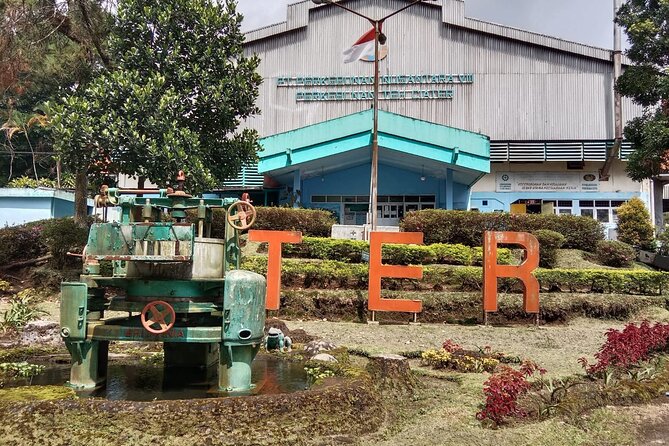
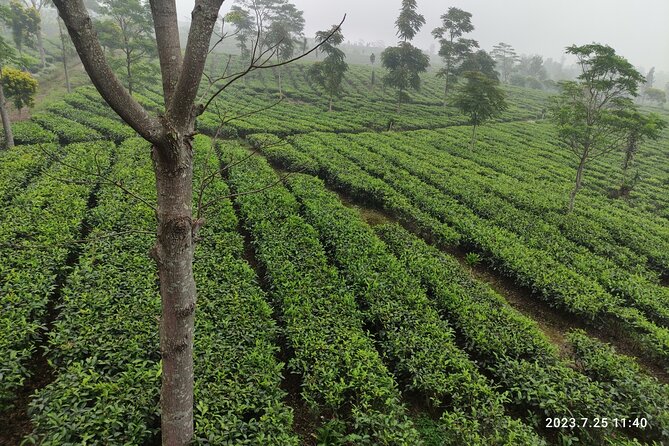
The tea plantation and factory in Subang is the strongest educational stop after the volcano. At Kebun Teh Ciater, you learn how black tea is produced, from the leaves through the factory process. The visit includes a factory tour and a tea drink.
You also walk through the plantation and see the valley views. The combination matters. A factory alone can feel technical, while a plantation alone can leave you wondering what happens after the leaves are picked. Here, the two parts connect the crop to the finished drink.
The stop lasts about one hour, and the entrance ticket is included. The tour is run at a government tea factory, which gives the visit a working-industry angle rather than a purely decorative garden experience.
This is a good stop for anyone who drinks tea and wants to understand the steps behind black tea production. It also gives you a change of pace from the volcanic crater. You are not simply photographing tea plants. You are seeing how an important West Java product is handled.
The plantation walk may involve uneven ground, and the itinerary does not promise a long trek. Comfortable shoes are sensible. The valley views are a pleasant bonus, but the main value is the factory explanation.
Sari Ater hot spring: a short volcanic soak
The final major stop is Sari Ater, one of West Java’s popular hot springs. Its sulfur water comes from the volcano and contains minerals. You can use the pool or simply soak your feet for about 45 minutes.
This is a smart ending for a long day on the road. A full-body soak may appeal to you, but the itinerary also makes clear that foot soaking is an option. That makes the stop easier for people who do not want to change clothes or spend much time in a public pool.
The water can smell sulfurous, as you would expect from a volcanic spring. The stop is designed for relaxation, not a spa treatment, and the included admission covers entry rather than private facilities or treatments.
Bring what you need for your preferred kind of soak. The supplied details do not specify changing-room arrangements, towel rental, or swimwear requirements, so ask the provider if those details matter to you. The safe choice is to confirm before departure rather than assume the hot spring works like a hotel spa.
Price, transport, and what you receive
The price is $130 per person. For a private 10 to 12-hour outing from Jakarta, that can be reasonable if you value convenience and a broad itinerary. You are paying for private transportation, an air-conditioned vehicle, parking, entrance tickets, bottled water, pickup, the tea factory visit, and tea.
The private format is the biggest value point. You avoid joining a large group, and a guide can respond to your group’s needs. That was particularly useful for families, and the positive feedback about punctual pickups, careful driving, and accommodating guides supports the practical value of the arrangement.
Lunch is not included. You should also add $3 per person if you want to taste the luwak coffee. Fruit purchases at the market are extra as well. These are not large costs, but the base price is not the final spending figure.
The tour is often booked about 13 days ahead, so planning early is sensible if your Jakarta dates are fixed. Confirmation is provided at booking, and free cancellation is available up to 24 hours before the local start time. Changes or cancellations inside that window are not accepted for a refund.
The tour has a 4.8 rating from 25 reviews and a 96 percent recommendation rate. Those figures point to a well-received experience, but the praise is most useful when you know what it focuses on: friendly guides, careful drivers, punctual service, family support, and the variety of stops.
Who should book this West Java outing
I would choose this tour if you want to see several parts of West Java in one day and prefer a private vehicle. It suits couples, families, and small groups that value a guide who can adjust to their needs.
It is especially good for you if you enjoy:
- Volcanoes and geothermal features
- Tea and coffee production
- Farming villages and rice fields
- Short outdoor stops rather than long hikes
- A private day with pickup from Jakarta
- Local fruit and agricultural products
I would hesitate if you dislike long drives, want a slow schedule, or plan to spend most of the day at one attraction. The itinerary includes six stops, but some last only 15 to 20 minutes. You see a broad range of places, not a single site in great depth.
Altitude sickness is another clear consideration. The operator does not recommend the experience for people with altitude sickness. If you are unsure, ask for medical advice before booking.
Should you book it?
Book this tour if your ideal Jakarta side trip combines nature, food, farming, and local industry. Tangkuban Perahu supplies the big visual moment, while the rice fields, tea factory, coffee project, fruit market, and Sari Ater hot spring give the day more local detail.
Skip it if you want minimal time in the car or a quiet, unhurried schedule. The long road day is the price of reaching all these stops, but the private transport, included admissions, attentive guide service, and wide range of experiences make $130 a fair choice for many small groups.
FAQ
How long is the tour from Jakarta?
The tour lasts approximately 10 to 12 hours.
Is pickup included?
Yes. Pickup is offered, and the tour uses private transportation in an air-conditioned vehicle.
Is this a private tour?
Yes. Only your group takes part in the activity.
What is included in the price?
The price includes bottled water, private air-conditioned transportation, parking fees, entrance tickets, the tea factory tour, and a tea drink.
Is lunch included?
No. Lunch is not included in the tour price.
How much does the luwak coffee tasting cost?
The luwak coffee tasting costs $3 per person and is not included in the tour price.
Just listed in the world
- Vietnamese Coffee 101 Workshop★ 5.0 · 11 reviews
- Vietnamese Coffee Making Class in Hoi An★ 5.0 · 4 reviews
- Yerevan: Private Coffee Tour with 2 Café Stops★ 5.0 · 2 reviews
- Turkish Coffee and Traditional Turkish Dessert Cooking★ 4.6 · 8 reviews
- Ubud: Waterfall, Holy Water Temple,Swing&coffee plantation★ 5.0 · 9 reviews
- Vancouver: Street Art & Craft Coffee Walking Tour w/ Tasting★ 4.8 · 11 reviews
- The Colors of Coffee in the Farms of Coatepec★ 5.0 · 3 reviews
- Vienna: Guided Viennese Coffee-House Tour★ 5.0 · 2 reviews
Spa & Hot Springs, compared.
Materuni Waterfalls, coffee tour & Kikuletwa Hot Springs
Read our review →
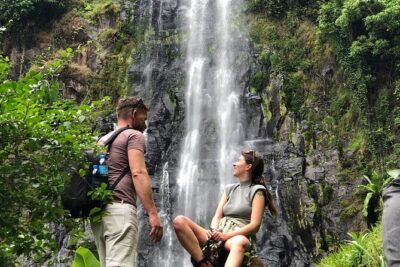
Materuni waterfalls coffee tour & Chemka hot springs Day trip
Read our review →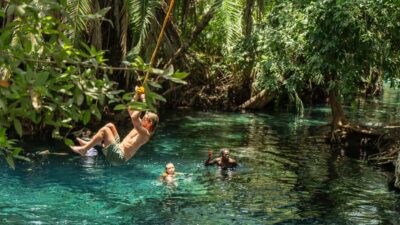
Arusha or Moshi : Hot Spring, Waterfall & Coffee Farm Tour
Read our review →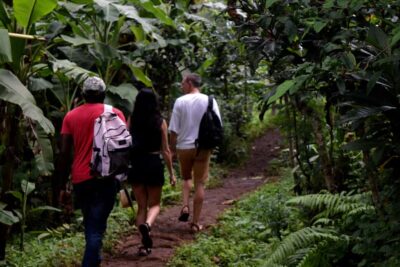
Materuni Waterfalls, Chemka Hot Springs, &/Or Coffee Tour
Read our review →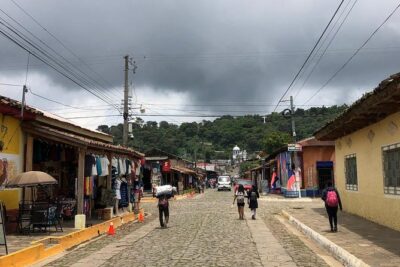
The Classic Ruta de las Flores : Towns, Coffee Tour & Hot Springs
Read our review →
Materuni waterfalls,coffee tour & Kikuletwa(Chemka)Hot Springs
Read our review →
Waterfall, coffee tour & hot springs – lunch and drinks included
Read our review →Lists this coffee tour turns up in