
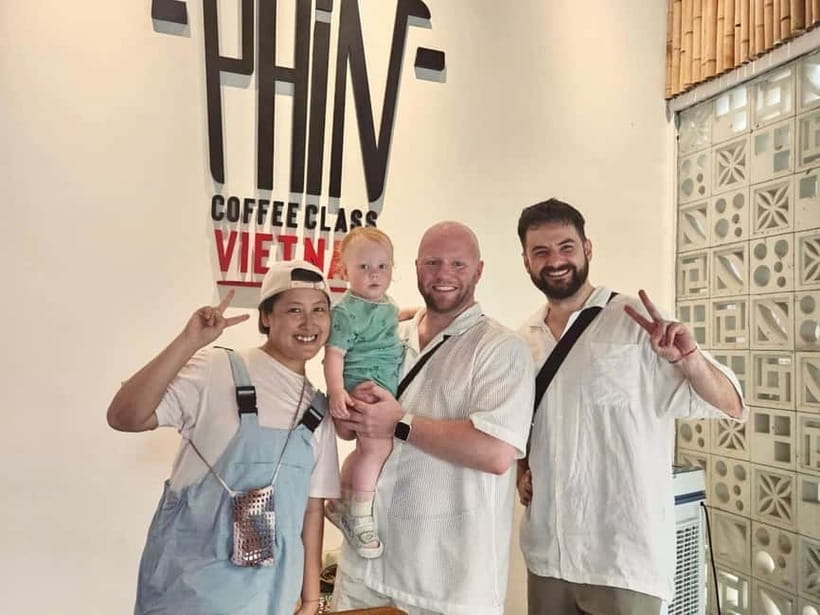
REVIEW · CENTRAL VIETNAM
Hue: Brew Egg, Salt & Coconut Coffee
Vietnamese coffee becomes much more interesting when you make it yourself. In this 90-minute Hue workshop, you use a traditional phin filter and bold Robusta beans to prepare four drinks: classic phin coffee, egg coffee, salt coffee, and coconut coffee.
I like the hands-on format, and I like that the class connects each recipe with Vietnamese coffee culture rather than treating the drinks as sugary novelties. The small group, limited to eight people, also gives you room to ask questions. The one drawback is practical: you prepare and taste a lot of coffee, so this may be too much for anyone sensitive to caffeine.
Key points at a glance
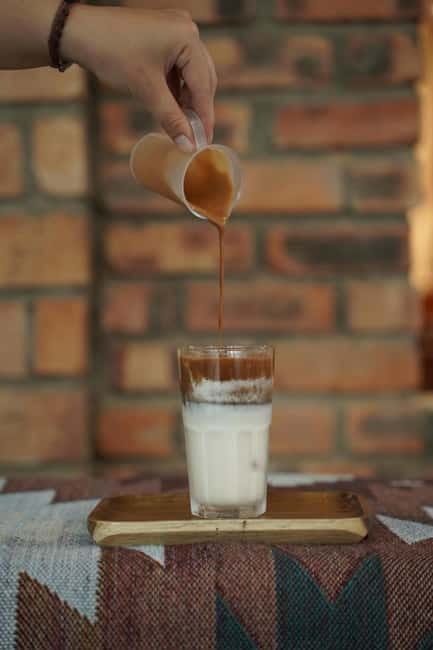
- Four drinks in one sitting: Make and taste phin, egg, salt, and coconut coffee.
- A local-led class: Hosts including Duck, Uyen, Daisy, and Annie explain the recipes in English or Vietnamese.
- Small groups: With no more than eight participants, the workshop feels personal and gives you time to practice.
- Recipes for home: Take away written instructions, and you can buy a phin filter if you want to continue the ritual.
- Good rainy-day plan: The indoor class works well when Hue’s weather turns wet or when you want a break from sightseeing.
Starting in a Hue alley near Hoàng Quốc Việt Street
The meeting point is easy to miss if you are looking only for a large storefront. Enter alley number 1 on Hoàng Quốc Việt Street, walk about 50 meters, and look for the Huế Experience signboard.
That small approach suits the class. This is not a grand coffee museum or a staged show. You are heading to a cozy workshop where the focus is on tools, ingredients, conversation, and the slow drip of coffee through metal filters.
Plan to arrive with enough time to find the alley. The activity lasts 90 minutes, and the exact start time depends on availability when you book. The workshop is wheelchair accessible, which adds useful flexibility for people who need step-free access, though the meeting point is still worth checking carefully before you set out.
The class is limited to eight participants. That number matters. You are not watching a demonstration from the back of a crowded room. You get your own chance to handle the filter, mix ingredients, and ask why a recipe works the way it does.
More Vietnamese Coffee Experiences in Vietnam:
- Hanoi: Salt Coffee Workshop Awake Your Senses With 6 Brews
★ 5.0 · 792 reviews - Egg coffee & Course on 4 traditional types of Viet coffee
★ 4.9 · 487 reviews - Fun & Easy Vietnamese Coffee Workshop in Hồ Chí Minh City
★ 5.0 · 293 reviews
The phin filter and Vietnam’s bold Robusta beans
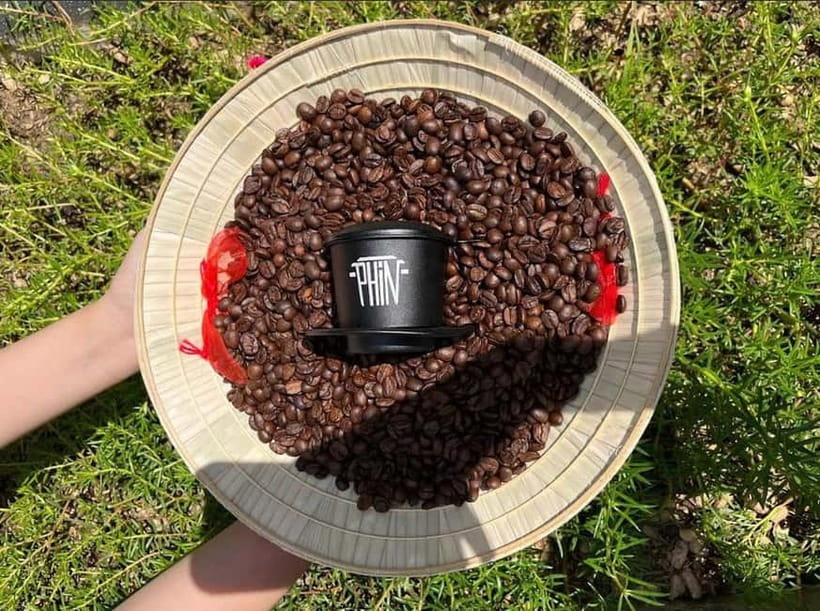
The session begins with an introduction to Vietnamese coffee, especially the Robusta beans that give these drinks their forceful character. Robusta tends to produce a strong, bitter cup, which is exactly what works with condensed milk, egg cream, salt, coconut, and ice.
The phin filter is the key piece of equipment. It is a small metal brewer that sits over your cup while hot water slowly passes through ground coffee. You control the process more than you might expect. The amount of coffee, the water, and the wait all affect the final drink.
I like this opening because it gives you a useful frame for everything that follows. Instead of simply tasting four fashionable drinks, you see how one strong coffee base can change when paired with different textures and flavors.
Your host demonstrates the basic method, then helps you make your own cup. Hosts named Duck, Uyen, Daisy, and Annie have led sessions at different times. The tone described by the experience is friendly and informal, with room for conversation and questions rather than a formal lecture.
First tasting: classic phin coffee
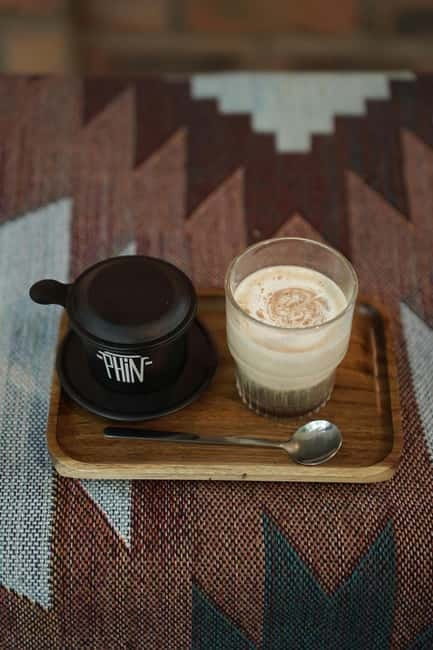
The classic phin is the starting point for understanding Vietnamese coffee. It is direct, dark, and slow brewed. You watch the coffee drip into the cup, which turns a quick morning drink into a small ritual.
This cup is also your reference point. Once you know the taste of the plain brew, you can better understand what the egg, salt, and coconut add. The coffee remains the backbone, even when the finished drink looks more like a dessert.
The class supplies the beans, filters, and other ingredients, so you do not need to bring equipment. Your host guides you through the process and lets you taste what you make.
For coffee drinkers, this is likely the most useful part of the workshop because the phin is the piece of Vietnamese coffee culture you can use again at home. One participant enjoyed the class enough to buy a filter for home use. That is a practical souvenir, not something that will sit forgotten in your luggage.
Second tasting: silky Vietnamese egg coffee
Egg coffee is the most unusual recipe for many people. The drink combines strong coffee with a sweet, creamy egg mixture. The result is soft and dessert-like on top, but the Robusta base keeps it from becoming simply a sweet milk drink.
Your host explains how to prepare the topping and how it changes the coffee’s texture. This is where the workshop format helps. You can see how the ingredients are combined, taste the result, and understand why the drink works.
Egg coffee also gives the class a cultural angle. It shows how Vietnamese coffee recipes have developed through local creativity and available ingredients. You are not just ordering a finished cup in a cafe. You are learning the method behind it.
The sweetness may not suit every palate, and you should not expect all four drinks to taste like standard black coffee. Still, the egg coffee is one of the main reasons to take the class. It is difficult to understand the appeal from a menu description alone.
More Coffee Tours in Vietnam:
- Hanoi Coffee Experience: 6 Brews, 9 Recipes & 3 Liquor Tastings
★ 5.0 · 2,945 reviews - Hanoi Coffee Workshop: Taste Salt, Coconut and Egg Coffee
★ 5.0 · 1,286 reviews - Da Nang Coffee Making Workshop
★ 4.9 · 543 reviews - Hanoi: Master the Art of 4-6 Signature Vietnameses Coffees
★ 5.0 · 517 reviews
Third tasting: Hue’s salt coffee style
Salt coffee sounds odd until you try it. A small amount of salt changes the balance of the drink, softening some bitterness and bringing out the coffee’s fuller taste. The goal is not to make a salty beverage. It is to use salt carefully as part of the recipe.
This is a particularly useful drink to learn in Hue because salt coffee is closely associated with the city’s cafe culture. The workshop gives you a chance to make it yourself rather than simply checking it off a drinks list.
Pay attention to the proportions. This is a recipe where a little ingredient can have a large effect. Your host handles the explanation and helps you through the process, so you do not have to guess.
Salt coffee is also a good test of your coffee habits. If you normally drink your coffee plain, you may find the combination surprising. If you enjoy unusual flavor pairings, it may be the drink you remember most clearly.
Fourth tasting: cold coconut coffee
Coconut coffee brings a different texture and temperature to the table. The creamy coconut element pairs with strong coffee, creating a cold drink that feels quite different from the hot phin and egg versions.
The change helps keep the tasting interesting. Four coffee drinks can become repetitive if they all taste alike, but the recipes are built around different combinations and textures. Coconut coffee gives you a lighter, cooler finish to the workshop.
You make this drink as part of the same guided process. The class provides the ingredients and tools, and you taste the finished cup after preparing it.
If you are not a committed coffee drinker, coconut coffee may be the easiest entry point. One person who normally does not drink much coffee still enjoyed the drinks, which makes sense: the coconut and other additions soften the power of the Robusta base.
A friendly class led by local hosts
The hosts are a major part of the experience. Duck is repeatedly described as funny, welcoming, and clear in her explanations. Uyen has also led sessions, with a warm teaching style and a knack for making the class feel relaxed. Daisy and Annie are other hosts named by past participants.
That variety means the precise personality of your session can change. The dependable feature is the format: an English-speaking local host leads the class, explains the coffee, and helps you through each recipe. Vietnamese is also available.
The best sessions seem to leave room for conversation about local life and coffee culture. This is useful in Hue, where food and drink often provide a more relaxed way into the city than a formal history talk.
Do not expect a professional barista qualification. You are learning practical home recipes, basic brewing, and the story behind familiar Vietnamese drinks. The tone is social and hands-on, with laughter and plenty of tasting.
Why the small group size matters
The group limit is eight participants, but some sessions may be smaller. One morning booking had only one participant, which created a more personal class. Another group included a family of five and still had enough space for questions and help.
A small class is valuable here because the brewing process is simple but easy to get slightly wrong. You need to see how the filter sits, how much water to use, and how the topping should look. In a large group, you might spend more time watching someone else make the coffee.
The format also suits couples, solo visitors, and families. Couples can share the tasting without needing to coordinate a separate cafe visit. Solo participants have a ready-made setting for conversation. Families can take part together, although younger children may not be able to enjoy the caffeine.
The workshop is also a sensible choice for a wet afternoon in Hue. One coffee enthusiast found it especially rewarding on a rainy day, and the indoor setting gives you a useful alternative to spending another hour under an umbrella.
The coffee tasting is generous, so pace yourself
You will make and taste four drinks. That sounds manageable until you remember that each recipe uses strong coffee and that some are sweet, creamy, or filling.
Come prepared to sample rather than finish every cup. One participant could not drink everything because the portions added up. Water is provided, which helps, but you should still pace yourself.
This is not a drawback for most coffee fans. It is part of the value. At $18 per person, you are not paying for one small cafe drink. You are getting several tastings, instruction, ingredients, equipment, and recipes to use later.
Still, consider the timing. A late class could leave you full of coffee near bedtime. If caffeine affects you strongly, an earlier session may be the wiser choice when available.
What you take home beyond the caffeine
The recipe handout is one of the strongest practical features. You leave with instructions for the four drinks, so the class does not end when you walk back onto Hoàng Quốc Việt Street.
That matters because the drinks can seem easy until you try to recreate them. The written recipes help you remember the ingredients, proportions, and sequence. You can also buy a phin filter for home use, giving you the main tool needed for the classic brew.
The handout turns the workshop into a skill rather than a one-time tasting. You might not find every ingredient easily at home, but the method is clear enough to try with Vietnamese coffee and suitable substitutes where needed.
It is also a better souvenir than another decorative item. A phin takes up little room, and each use can bring back the memory of Hue without requiring a special occasion.
Is $18 a fair price in Hue?
At $18, this is not the cheapest way to drink coffee in Vietnam. A cafe will cost much less, and you can order salt, egg, or coconut coffee without taking a class.
The value comes from the combination. You receive a 90-minute guided workshop, all ingredients and tools, four tastings, cultural background, personal instruction, drinking water, and recipes. The small group size makes the price easier to justify because you are paying for attention as well as beverages.
I would rate it as good value for anyone who wants to understand Vietnamese coffee and repeat the recipes at home. It is less compelling if you only want a quick drink or if you already know how to use a phin and make these four styles.
The ability to reserve now and pay later is useful if your Hue plans are still shifting. Free cancellation is available up to 24 hours in advance for a full refund, giving you some protection if your schedule changes.
Who should book this coffee workshop?
I would recommend it most strongly to coffee fans, curious eaters, and people who like practical cultural activities. You do not need specialist coffee skills. The class is built for beginners, and the host guides you through each stage.
It also works for people who do not usually drink coffee but want to understand why Vietnamese coffee is so distinctive. The egg and coconut versions are softer and sweeter, while the salt coffee offers an unusual local flavor.
Families should remember that four drinks can contain a lot of caffeine. The activity is wheelchair accessible, and the small group limit makes it easier to receive individual help.
I would skip it if you dislike strong coffee, sweet drinks, or hands-on activities. This is not a passive tasting where someone else does all the work. You will prepare the drinks, handle the ingredients, and spend much of the session drinking coffee.
Should you book it?
Book this workshop if you want a useful, social Hue experience that goes beyond ordering another drink. The best parts are the chance to compare four recipes side by side, the personal help from hosts such as Duck or Uyen, and the recipe handout that lets you continue at home.
Think twice if caffeine is a concern or if your idea of a holiday coffee is a quiet single cup. For everyone else, $18 buys a well-sized activity, especially on a rainy day or during a spare morning in Hue. Bring an appetite for tasting, and arrive ready to let the coffee drip slowly.
FAQ
How long does the Vietnamese coffee workshop last?
The workshop lasts 90 minutes.
How much does the experience cost?
The price is $18 per person.
Which Vietnamese coffees will I make?
You will make classic phin coffee, egg coffee, salt coffee, and coconut coffee.
Are the ingredients and equipment included?
Yes. The class includes all ingredients and tools for the four recipes, including traditional phin filters and Robusta beans.
Is coffee tasting included?
Yes. You will taste all four drinks that you prepare.
Who teaches the class?
An English-speaking local host leads the workshop. Hosts named for sessions include Duck, Uyen, Daisy, and Annie. Vietnamese instruction is also available.
How large is the group?
The activity is limited to eight participants.
Where is the meeting point?
Enter alley number 1 on Hoàng Quốc Việt Street and walk about 50 meters. The Huế Experience signboard marks the meeting point.
Can I take the recipes home?
Yes. A recipe handout is included.
Can I cancel my booking?
You can cancel up to 24 hours in advance for a full refund. The activity also offers reserve now and pay later booking.
Just listed in Vietnam
- From Egg Coffee to Street Brews: Hanoi Walking Tour★ 5.0 · 4 reviews
- Coffee Making and Cooking Class★ 5.0 · 12 reviews
- Walking Tour in Hanoi Old Quarter with Street Food & Coffee★ 5.0 · 4 reviews
- Hanoi Private Walking Tour with Egg Coffee Making Experience★ 5.0 · 90 reviews
- HCM: Egg Coffee Class with local Instructor & Snack★ 4.7 · 8 reviews
- Amazing Coffee full-day tour in Buon Ma Thuot – Daklak★ 5.0 · 5 reviews
- Buon Ma Thuot: Bean to Brew Coffee Farm Tour with Tasting★ 4.3 · 11 reviews
- Buon Ma Thuot: Specialty Coffee Tour and Brewing Experience★ 5.0 · 2 reviews
Vietnamese Coffee Experiences, compared.

Salt Coffee Workshop Awake Your Senses With 6 Brews
Read our review →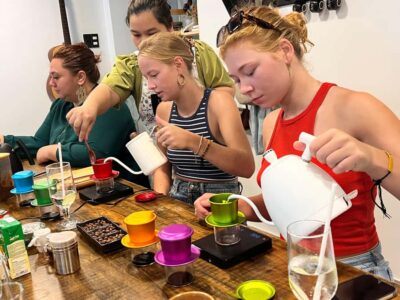
Egg coffee & Course on 4 traditional types of Viet coffee
Read our review →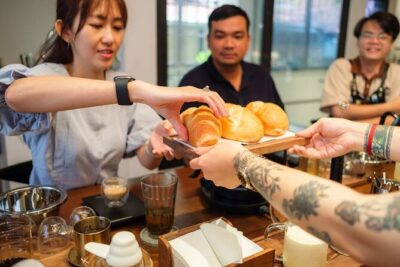
Fun & Easy Vietnamese Coffee Workshop in Hồ Chí Minh City
Read our review →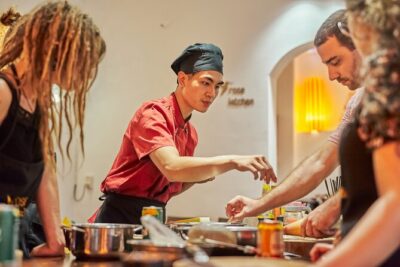
Hanoi Cooking Class: Pho/Bun Cha/Banh Xeo…+Free Egg/Salt Coffee
Read our review →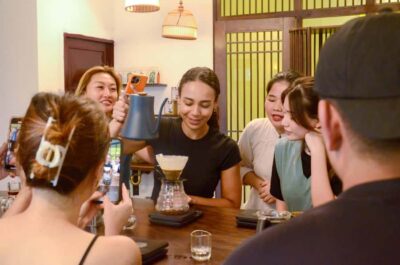
Vietnamese Coffee Workshop with 6 Brews and 8 Recipes
Read our review →
Vietnamese Coffee & Culture Exploration in Hồ Chí Minh City
Read our review →
Hanoi Coffee Workshop: Master 6 Signature Vietnamese Coffee
Read our review →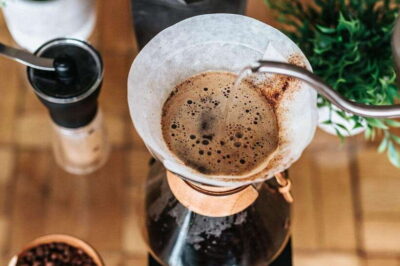
Hands-on Vietnamese Coffee Making Class with Long
Read our review →Lists this coffee tour turns up in