REVIEW · UGANDA
Coffee Tour Experience
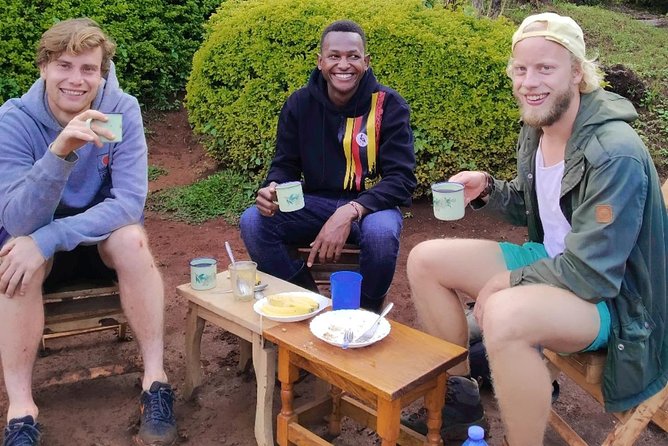
The best part of this Sipi coffee tour is that you do not simply watch a machine turn beans into a drink. You make the coffee yourself, pounding dry beans in a wooden mortar, roasting them in a saucepan over a small fire, then brewing the result. It is a hands-on look at an everyday crop grown on the slopes of Mount Elgon.
I like the village setting and the chance to compare red honey, yellow honey, natural, and semi-washed coffee. I also like the personal scale. William is praised for being friendly, punctual, and good at explaining local culture. The main consideration is that this is a simple community experience, not a polished plantation tour with a café, formal tasting room, or private transport included.
Key points to know before you book
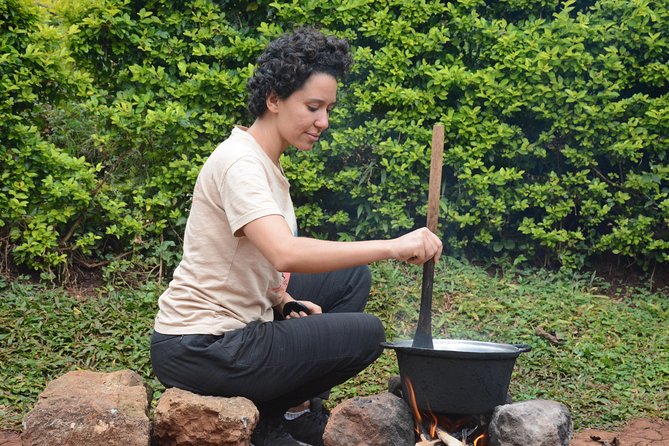
- You roast the beans yourself: The process uses a wooden mortar, a dry saucepan, and a small fire.
- Four coffee styles are available: You may encounter red honey, yellow honey, natural, and semi-washed coffee.
- The setting is near Sipi Falls: The farm is described as being just above the Sipi-Kapchorwa road.
- William is the named guide: He also leads other Sipi activities, including waterfall walks and abseiling.
- The tour is private: Only your group participates, with confirmation provided when you book.
- The price is $15 per person: Coffee or tea and all fees and taxes are included, but transport and accommodation are not.
Why this coffee experience feels different
Coffee tours can be oddly passive. You walk past rows of plants, hear a short explanation, and drink a cup at the end. This one offers a more direct connection between the crop and the drink.
You handle the dry beans. You pound them to remove the husks. You roast them over a small fire, then help prepare the coffee. That work takes time and effort, but it gives you a better sense of what coffee production means in a rural setting.
The process is also a useful reminder that coffee does not begin as a neat packet of brown grounds. The bean must be separated from its covering, dried or processed, roasted, ground, and brewed. Here, those steps are presented through local tools and methods rather than factory equipment.
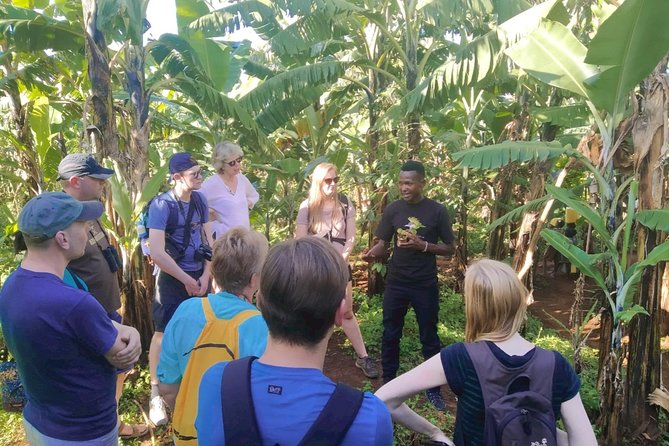
The setting matters, too. The experience takes place in a village area near Sipi Falls, in the Mount Elgon region of eastern Uganda. You are not only tasting a drink. You are learning about a cash crop that supports local households and has long been part of the area’s commercial life.
More Coffee Tours in the world:
- Hanoi Coffee Experience: 6 Brews, 9 Recipes & 3 Liquor Tastings
★ 5.0 · 2,945 reviews - Medellin: Coffee Tour with Transport, Snacks and Tastings
★ 4.7 · 1,357 reviews - Istanbul: Turkish Coffee Making and Fortune Telling Workshop
★ 4.9 · 1,308 reviews
Meeting William near Sipi Falls
The meeting point is Discover Sipi on the Mbale to Kapchorwa Road at Sipi Falls, in Tingey County, Kapchorwa District. The coffee farm used for the activity is described as a small farm just above the Sipi to Kapchorwa road.
That location is useful if you are already staying around Sipi Falls or passing through Kapchorwa. The experience ends back at the meeting point, so you do not need to arrange a separate return transfer for the activity itself.
William is the guide named in the available information. He has also led waterfall walks and abseiling trips in the Sipi area. His strengths, based on the way the activity is described, are punctuality, friendly service, local storytelling, and practical help during the day.
You should still confirm the exact meeting time when booking. The supplied duration is displayed as 1 day and 2 hours 30 minutes, but the practical coffee session is best understood as an experience lasting about two and a half hours. The unusual duration wording is worth checking before you set up other plans.
Beginning with Mount Elgon coffee
The opening explanation places coffee within the wider story of Ethiopia, Uganda, and the Mount Elgon area. The local account tells of coffee first being discovered in Ethiopia after a goat showed interest in the sweet substance inside the coffee fruit.
The story then moves to the way people used coffee fruits during difficult times and for leisure before missionaries and Indian merchants helped introduce wider commercial use. Missionaries also sent coffee to relatives as gifts.
You do not need to treat this opening as a formal academic lecture. Its value is that it connects the cup in front of you with movement across East Africa, changing trade, and local farming. It also gives the coffee a social context. The crop is not simply an export product. It has been part of family life, trade, hospitality, and income.
The Mount Elgon connection is central. Coffee is one of the main cash crops grown on the mountain’s slopes, so this is a practical way to learn about a product associated with the region. If you are interested in food, farming, or local livelihoods, this introduction adds useful depth to a short tour.
Pounding beans in a wooden mortar
The hands-on work begins with dry coffee beans and a wooden mortar. You pound the beans to remove the husks, using a process that is slower and more physical than modern milling.
This is the kind of small detail that makes the activity worthwhile. You feel the effort required before coffee becomes something you can roast and drink. It is also a chance to ask questions while working, rather than standing silently beside a guide.
Do not expect a perfectly controlled demonstration. A mortar, pestle, and fire create a more informal experience than a commercial coffee lab. That is part of the appeal, but it also means the pace may depend on your group, the guide, and the local setup.
The pounding stage is especially useful for children and anyone who likes practical activities. It turns a farming lesson into something you can understand through your hands. You may not produce a flawless batch on the first attempt, but that is not really the point.
Still in the world, but a different cup:
- Hanoi Coffee Workshop: Taste Salt, Coconut and Egg Coffee
★ 5.0 · 1,286 reviews - Vienna for Food Lovers: Cafés, Markets & Austrian Cuisine
★ 5.0 · 1,063 reviews - Big Island Highlights: Coffee, Volcano, Black Sands & Waterfall
★ 5.0 · 1,054 reviews - Hanoi: Salt Coffee Workshop Awake Your Senses With 6 Brews
★ 5.0 · 792 reviews
Roasting coffee over a small fire
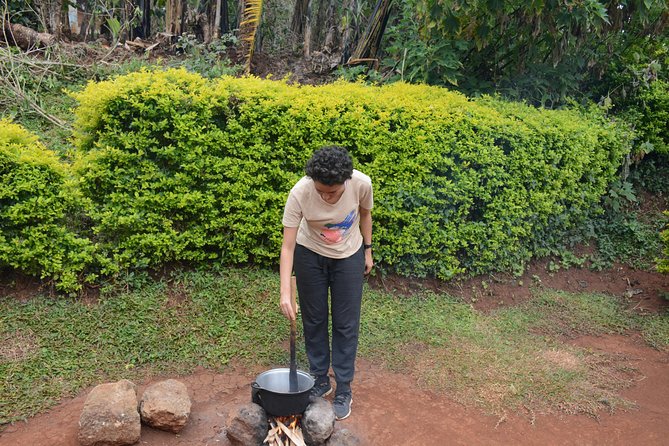
After the husks are removed, the beans are roasted in a dry saucepan over a small fire with limited firewood. This is a plain method, and it gives you a clear view of what roasting does.
You can watch the beans change in color and smell as heat develops their familiar coffee aroma. The saucepan method lacks the exact temperature control of a commercial roaster, so the final roast may not be uniform. Again, that is a consideration rather than a flaw. You are seeing a local, organic process rather than a factory production line.
Pay attention to the guide during this stage. The roast is where the character of the final drink begins to develop, and the timing affects the flavor. If you enjoy coffee, ask how the different processing styles change the beans before roasting.
The small fire also keeps the activity grounded in the village setting. You are not being shown an abstract process behind glass. The tools are simple, the work is visible, and the result depends on what you and the guide do together.
Comparing four coffee processing styles
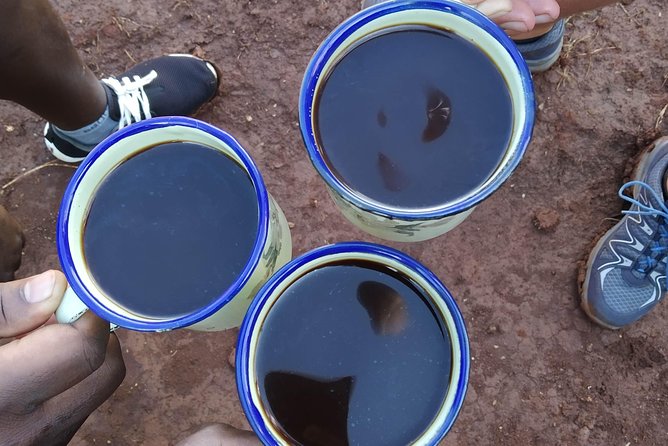
The experience offers four coffee options: red honey, yellow honey, natural, and semi-washed coffee. The information provided does not specify that every option is always available at every visit, so ask William what you can taste on your day.
These names refer to different ways of handling the coffee fruit and bean after harvesting. That makes the comparison useful, even if you are new to coffee terminology. You can ask about the difference between a coffee dried with more of its fruit attached, a fully natural process, and a semi-washed method.
The tour does not promise a formal tasting chart or expert cupping session. Instead, you get a chance to connect the processing method with the cup you drink. If you usually buy coffee without thinking about where it comes from, this can change how you taste it.
I would treat the tasting as an introduction, not a technical coffee course. The value is in the direct link between local farming, preparation, and drinking. You may come away with a better idea of which styles you prefer, even if the comparison is informal.
Brewing and drinking what you made
The final payoff is coffee or tea. Coffee is included in the price, and the wording also lists tea, which is useful if someone in your group does not drink coffee.
The drink has more meaning because you have taken part in the earlier steps. You have handled the beans, removed the husks, watched them roast, and helped prepare the grounds. Even a simple cup becomes a small lesson in labor and food production.
Do not book this expecting a luxury café experience. The attraction is not delicate table service or a long menu. It is the chance to drink coffee made through a local process, in the place where the crop is grown and prepared.
If you are a serious coffee enthusiast, you may want to ask detailed questions about roast level, drying time, and the exact processing method used that day. If you are simply curious, the basic sequence is enough to make the cup memorable.
How the $15 price works for you
At $15 per person, this is a low-cost activity, especially because all fees and taxes are included and coffee or tea is provided. The private format adds value. Your group is not combined with strangers, so you can ask questions at your own pace and spend more time on the parts that interest you.
The price does not include private transportation or accommodation. You need to reach Discover Sipi at the meeting point yourself, and you will need your own lodging in the Sipi Falls or Kapchorwa area.
That makes the tour a particularly good add-on if you are already nearby. It is less convenient if you are looking for a fully arranged day trip from another part of Uganda. You should also budget for your transport to the meeting point, since that cost is separate.
The activity is a good value for people who want local contact and a practical lesson rather than a large commercial attraction. It would be harder to justify for someone who only wants a quick cup of coffee and has no interest in how it is produced.
Combining the coffee tour with other Sipi activities
The coffee experience can fit well into a broader Sipi visit, but you should not assume that a waterfall hike is included. The coffee activity itself begins and ends at the Discover Sipi meeting point.
William also leads waterfall walks and abseiling in the area. One combined day described elsewhere included a morning waterfall hike followed by an afternoon coffee tour at a small farm above the road. Another experience paired coffee with abseiling.
That tells you the area can support a full day of activities, but you should book and confirm each part clearly. The coffee tour details do not promise a waterfall walk, a hike, abseiling, or a visit to a planted coffee tree.
One especially appealing detail is the chance to plant a coffee tree and return years later, but that comes from a separate account of the broader experience and is not listed as a guaranteed feature of this coffee tour. Ask before booking if tree planting matters to you.
Practical points for comfort and access
The activity requires no special technical ability. Most people can participate, and service animals are allowed. The meeting point is near public transportation, though private transportation is not included.
Because the experience uses a small fire and outdoor village tools, wear practical clothing and shoes. The provided information does not list a dress code, equipment list, or weather gear, so ask ahead if you have concerns about rain or outdoor conditions.
Good weather is required. If poor weather forces cancellation, you will be offered another date or a full refund. For your own cancellation, you must cancel at least 24 hours before the start time to receive a full refund. Cancellations made within 24 hours are not refunded, and changes inside that period are not accepted.
Confirmation arrives at the time of booking. Since this is a private activity, only your group participates, which can make the timing and explanations feel more personal.
Who should book the Sipi coffee tour?
I would choose this experience if you want a close look at local coffee production, enjoy simple hands-on activities, or are already visiting Sipi Falls. It suits couples, families, and small private groups that prefer conversation and participation over a formal presentation.
It is also a good choice for anyone who wants a gentle cultural activity alongside hiking or other outdoor plans. The price is modest, and the activity gives you something specific to do rather than another scenic stop.
I would hesitate if you expect polished facilities, private transport, advanced coffee training, or a guaranteed full-day itinerary. The setting is rural, the tools are basic, and the process may feel informal.
For most visitors based around Sipi Falls, the $15 cost makes this an easy activity to add. You get a local guide, a private group, hands-on preparation, several coffee styles to discuss, and a cup made through your own work.
FAQ
Where does the coffee tour start?
It starts at Discover Sipi on the Mbale to Kapchorwa Road at Sipi Falls, Tingey County, Kapchorwa District, Uganda.
Where does the activity end?
The activity ends back at the meeting point.
How long does the coffee tour last?
The duration is listed as 1 day and 2 hours 30 minutes. The coffee session is generally presented as taking about 2 hours and 30 minutes, so confirm the exact timing when booking.
How much does the experience cost?
The price is $15 per person.
Is coffee or tea included?
Yes. Coffee and/or tea is included.
Are taxes and activity fees included?
Yes. All fees and taxes are included.
Is transportation included?
No. Private transportation is not included. You need to arrange your own way to the Discover Sipi meeting point.
Is this a private tour?
Yes. Only your group participates.
Can I cancel for a full refund?
Yes, if you cancel at least 24 hours before the experience start time. Cancellations made less than 24 hours before the start time are not refunded. Poor weather may result in a different date or a full refund.
Should you book it?
Book this tour if you want to understand coffee by making it, not just drinking it. The wooden mortar, small fire, village farm, and choice of processing styles give the activity a clear local character.
The $15 price is fair, especially for a private group and an experience that includes coffee or tea and all fees. Just arrive with realistic expectations: this is an informal rural activity, not a high-end coffee school. If that sounds like the kind of experience you want near Sipi Falls, it is a sensible and worthwhile choice.
Just listed in the world
- Vietnamese Coffee 101 Workshop★ 5.0 · 11 reviews
- Vietnamese Coffee Making Class in Hoi An★ 5.0 · 4 reviews
- Yerevan: Private Coffee Tour with 2 Café Stops★ 5.0 · 2 reviews
- Ubud: Waterfall, Holy Water Temple,Swing&coffee plantation★ 5.0 · 9 reviews
- Vancouver: Street Art & Craft Coffee Walking Tour w/ Tasting★ 4.8 · 11 reviews
- Turkish Coffee and Traditional Turkish Dessert Cooking★ 4.6 · 8 reviews
- The Colors of Coffee in the Farms of Coatepec★ 5.0 · 3 reviews
- Vienna: Guided Viennese Coffee-House Tour★ 5.0 · 2 reviews
Tours, compared.
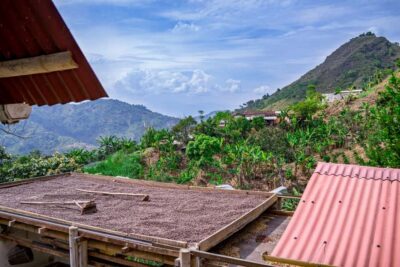
Coffee Tour with Transport, Snacks and Tastings
Read our review →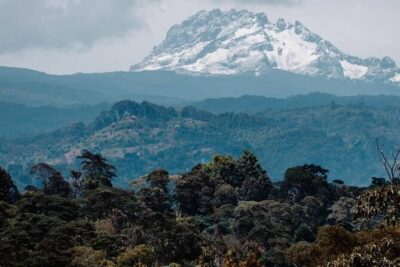
Materuni Waterfalls, coffee tour & Kikuletwa Hot Springs
Read our review →
Seattle Coffee Tour: Capitol Hill Cafes, Tastings & Local Stories
Read our review →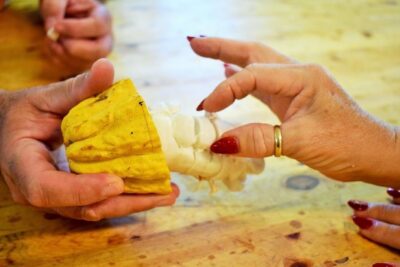
Award Winning Farm Tour: Coffee, Chocolate and Unique Gifts
Read our review →
Vienna Coffee, Cake & Pastries Tour with Local Stories
Read our review →
La Herradura Coffee Farm: tour in Europe’s only plantation
Read our review →
Mercara Gold Coorg Coffee and Spice Estate Tour
Read our review →