
REVIEW · SPLIT
Coffee, storytelling & walk – The best private tour of Split
Split makes a fine first impression from the Riva, but its real character appears inside the old palace walls. This private walk with Mirjana, a Split-born guide, brings the emperor’s world together with modern coffee habits, food customs, rakija, and stories about daily life.
I like the small private format, since you can ask questions and set the pace. I also like the coffee stop, which turns a standard history walk into a look at how locals use cafés as part of the day. The main consideration is time: at 75 to 90 minutes, this is a lively introduction, not a full tour of every corner of Diocletian’s Palace.
Key points to know before booking
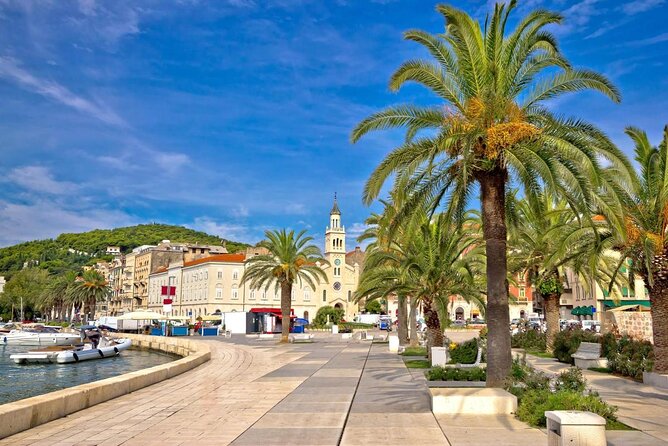
- Coffee is part of the story: You do not simply stop for a drink. Mirjana uses coffee customs to explain the local habit of slowing down and socializing.
- Mirjana is from Split: Her personal connection gives the walk a local voice alongside her work as a licensed guide and certified history interpreter.
- The route mixes major sights and side streets: You see Riva, the palace substructures, the Vestibule, Pjaca, the Temple of Jupiter, and the Golden Gate.
- The tour is private: Only your group participates, so questions and conversation are easier than on a large group walk.
- The visit is short and focused: Plan on 1 hour 15 minutes to 1 hour 30 minutes, with about 30 minutes devoted to coffee and local customs.
- The finish is practical for sightseeing: You end by the Golden Gate, near the statue of Grgur Ninski, in the heart of the old town.
Why coffee is the right way into Split
Many city tours begin with dates, rulers, and stonework. This one begins with a local habit: coffee time. That choice matters because coffee in Split is presented not as a quick caffeine stop, but as one of the important pauses in a local day.
Mirjana uses the drink to talk about living slowly, food, wine, and rakija. The result is a broader picture of Split than you get from a list of monuments. You learn how the old city fits into present-day life, not just how it looked under Emperor Diocletian.
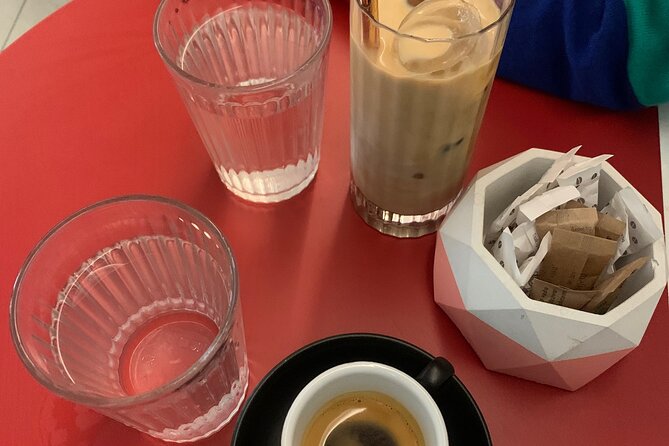
The specialty coffee stop lasts about 30 minutes, making it the longest part of the walk. Coffee or tea is included, and the setting near the Brass Gate is described as Mirjana’s favorite spot in town. You should not expect a formal tasting menu or a separate food tour. The value is in the conversation and the local context.
A small extra touch may appear along the way. One group enjoyed dark chocolate, and another used Mirjana’s suggestions to retrace the route to a favorite ćevapi spot. Those details are not fixed promises, but they show how the private format can lead to useful local recommendations.
More Private Coffee Bookings in the world:
- Private Walking Tour, Food Tasting and Bosnian Coffee in Sarajevo
★ 5.0 · 255 reviews - Salento: Private Cocora Valley, Salento & Coffee Farm Tour
★ 4.9 · 202 reviews - Private Coffee Roasting Class
★ 5.0 · 101 reviews
Starting by Riva Harbor and the Church of St. Francis
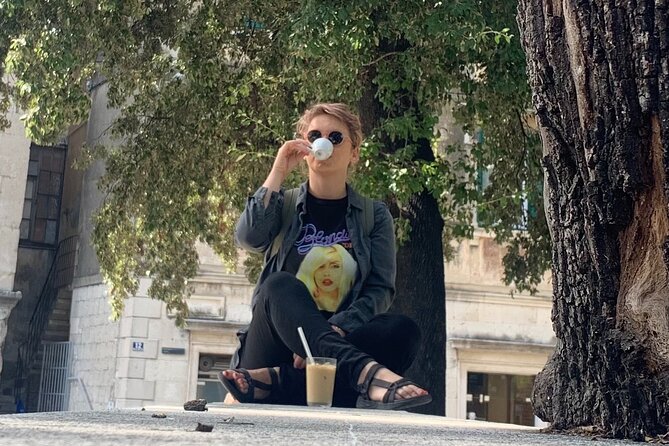
The official meeting point is the Church and Convent of St. Francis at Trg Franje Tuđmana 1. The experience then moves toward Riva Harbor, where the coffee-centered part of the walk begins.
Riva is Split’s waterfront promenade and an easy place to get your bearings. The tour allows about 20 minutes here. That is enough time for Mirjana to explain why coffee has such a strong place in the daily rhythm of the city and to set up the difference between seeing Split and understanding how people use it.
This opening works well if you have just arrived and want a quick orientation. You are close to the old center, and the walk soon leaves the waterfront for the ancient palace.
The start point and first activity are worth checking carefully on your booking confirmation. The supplied meeting information names St. Francis, while the first sightseeing stop is Riva Harbor. Since this is a walking tour, arrive ready to move rather than waiting for transport.
Entering Diocletian’s Palace through the substructures
From the Riva, you enter the antique part of Diocletian’s Palace through the palace substructures. This section lasts about 10 minutes and is included without a separate admission charge.
The substructures are especially useful because they show how the palace was built and how its lower levels relate to the rooms above. The setting also connects to modern popular culture: this is one of the areas associated with Game of Thrones filming in Split.
Do not book this short stop expecting a full archaeological visit with time for every passage. Instead, think of it as a compact introduction to the palace’s physical structure. Mirjana’s role is to connect the stonework to the emperor’s purpose and to the city that grew inside and around it.
For many people, this is the point where Split’s old center begins to make sense. The palace is not just a single building with a neat entrance. It is a working part of the city, with lanes, squares, homes, shops, and cafés occupying an imperial framework.
The Vestibule, where imperial and modern Split meet
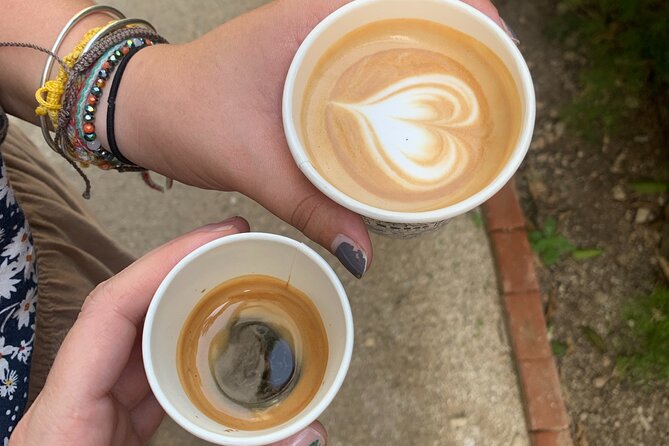
The Vestibule is another brief stop, planned for about 10 minutes. This round chamber was part of the palace’s ceremonial route, and it gives Mirjana a clear place to discuss Emperor Diocletian and present-day Split.
The strength of this stop is the contrast. You can stand in a space designed for an emperor and then hear how the area functions as part of a living city. That shift from ancient power to modern routine is central to the tour’s approach.
Mirjana is also described as a licensed tourist guide and certified history interpreter. Those credentials matter most here, where a good explanation needs both historical structure and a sense of place. Her style, based on the available comments, is conversational and playful rather than stiff. One particularly useful quality is her ability to offer new ways to look at familiar history.
The time limit keeps the visit moving. If you want a detailed account of imperial architecture, Roman administration, or every phase of the palace’s later development, you will need a longer specialist tour. If you want the main idea, a vivid story, and room for questions, the Vestibule does its job.
More Coffee Tours in the world:
- Hanoi Coffee Experience: 6 Brews, 9 Recipes & 3 Liquor Tastings
★ 5.0 · 2,945 reviews - Medellin: Coffee Tour with Transport, Snacks and Tastings
★ 4.7 · 1,357 reviews - Istanbul: Turkish Coffee Making and Fortune Telling Workshop
★ 4.9 · 1,308 reviews - Hanoi Coffee Workshop: Taste Salt, Coconut and Egg Coffee
★ 5.0 · 1,286 reviews
The Golden Gate and the statue of Grgur Ninski
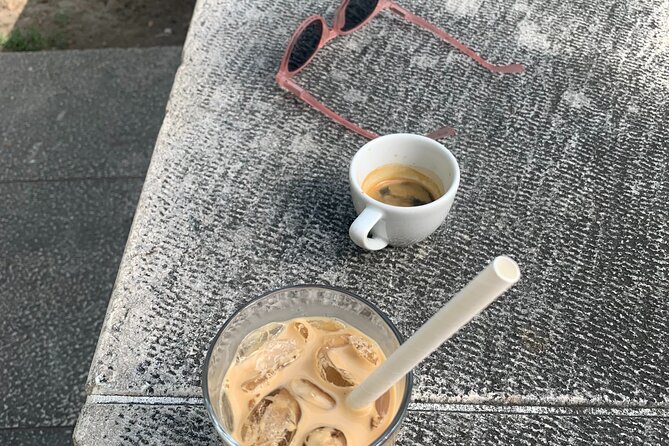
The Golden Gate is the main entrance to the Imperial Palace and one of the most recognizable points on the route. It is listed as a short 10-minute stop and is also close to the ending point.
The tour ends in front of the statue of Grgur Ninski, or Gregory of Nin. Mirjana explains the local wish-making custom connected with the statue. This is a useful final detail because it gives you something easy to remember and use after the tour.
The ending also puts you in a good position for further exploring. The Golden Gate is on the edge of the palace center, so you can continue into the old town, return to the Riva, or follow up on a café or food suggestion from Mirjana. The tour does not include transport, and none is needed for the listed route.
The opening information lists the end location as Dioklecijanova 7, with the Golden Gate area open from 6:00 AM to 8:00 PM every day during the stated operating period. Those hours refer to the location information, not necessarily to every possible tour start. Your confirmed booking time remains the important detail.
Pjaca and the view of everyday Split
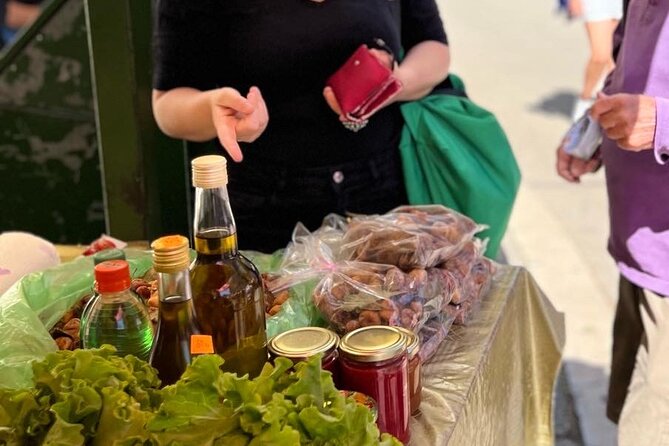
Pjaca, also called People’s Square, receives only about five minutes on the route. That sounds brief, but it serves a clear purpose. The square offers a chance to see Split’s public face, where historic buildings and ordinary city activity meet.
A short stop here is best treated as a viewpoint and orientation point, not a long architectural lesson. You can take in the square, hear why it matters, and then keep moving toward the palace’s older religious monuments.
This part may appeal most to you if you enjoy seeing how a city works between the headline sights. Split is not presented as a museum frozen in Roman times. The value comes from moving through its squares and lanes while Mirjana explains the links between the old structures and current customs.
The Temple of Jupiter and the local details in between
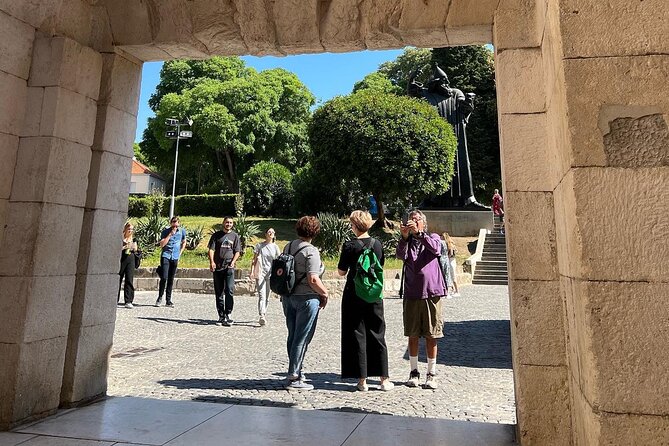
The Temple of Jupiter is an outside visit lasting about five minutes. That is enough to identify the monument and place it in the palace story, but not enough for an extensive examination of its architecture.
The temple stop is a reminder that the tour is designed as a sampler. You see several important points, but the route does not pause at each one for a long lecture. That balance helps the walk fit into a morning, afternoon, or port-day schedule, though anyone wanting detailed Roman religious history should choose a longer experience.
The short formal stops also leave room for the less formal material. Mirjana talks about local food, wine, and rakija production, and she brings in customs that may not be obvious from the stones around you. This is where the private setting earns its keep. You can ask what a local habit means, request a recommendation, or spend more time on a subject that interests your group.
What the private format changes
Only your group takes part in this activity. That is the clearest difference from a standard walking tour. You are not working around a large crowd or waiting for a guide to repeat the same point for several groups.
A private tour is especially useful for families, couples, and friends with different levels of interest in history. One person can ask about architecture while another asks about coffee or food, and Mirjana can adjust the conversation. The supplied comments also suggest that she takes photographs, which may be a welcome bonus, though photography should not be treated as a formal included service.
The private format does not mean the walk is entirely flexible. The experience still follows a short route and lasts roughly 75 to 90 minutes. The coffee stop takes about 30 minutes, so you should expect a blend of walking, standing, conversation, and sitting rather than a nonstop march.
Service animals are allowed, and the meeting area is near public transportation. Most people can participate. The provided information does not describe the route’s surface, stairs, or step-free access in detail, so contact the provider if those points matter to you.
Is $115.99 per person a fair price?
At $115.99 per person, this is not the cheapest way to see Split’s old town. The price makes the most sense if you value a private guide, a personal conversation, and coffee as part of the experience rather than as an incidental break.
You are paying for Mirjana’s guiding, her local perspective, a certified history interpretation, and a small-group setting. The listed stops themselves do not carry separate admission charges, and the tour does not include a major ticketed attraction. That means the value is in access to an informed local voice and in the way the places are connected.
For a solo visitor, the cost may feel high for a walk under 90 minutes. For a couple or small group, the private arrangement can be more reasonable, especially if you want to ask questions or avoid a large scheduled group.
Coffee or tea is included. Tips and any applicable fees or taxes are not included, so keep that in mind when working out your final cost. The tour is best value for someone who wants a warm introduction to Split’s past and present, not someone seeking a full archaeological tour or a long food crawl.
Who should book this Split walk?
I would recommend it to first-time visitors who want a clear introduction without spending half a day on a formal lecture. It also suits repeat visitors who have seen Diocletian’s Palace before but want local customs, side streets, and fresh stories.
It is a good match for you if:
- You enjoy history told through personal stories.
- You want a private guide instead of a large group.
- Coffee culture interests you as much as monuments do.
- You like short walks with time for conversation.
- You want suggestions for local food and further exploring.
- You appreciate a guide who can keep the tone relaxed and social.
I would be more cautious if your main goal is interior access, detailed archaeology, or a long visit inside the palace. The schedule touches many sites quickly, and the Temple of Jupiter is viewed from outside. You should also be ready for a walking route with standing time and a coffee stop, rather than a seat throughout.
Free cancellation is available if you cancel at least 24 hours before the start time. Changes or cancellations within 24 hours are not refunded, and poor weather or failure to reach the minimum number of participants can lead to a new date or a full refund.
Should you book Coffee, Storytelling & Walk?
Book it if you want Split explained by someone who has grown up there, and if a cup of coffee sounds like a better doorway into the city than a string of dates. Mirjana’s local connection, the private format, and the links between palace history and daily customs are the strongest reasons to choose it.
Skip it if you need a long, highly technical palace tour or if $115.99 feels too steep for a short introduction. For most people who want a personable first look at Split, the route offers a useful mix: Riva, imperial stonework, small squares, local habits, and a practical old-town finish by the Golden Gate.
FAQ
How long does the tour last?
The experience lasts approximately 1 hour 15 minutes to 1 hour 30 minutes.
Is the tour private?
Yes. Only your group participates in the private tour or activity.
Who leads the tour?
The tour is led by Mirjana, a local expert born and raised in Split. She is also a licensed tourist guide and certified history interpreter.
What is included in the price?
The price includes the guide, the private tour, coffee and/or tea, and the platform commission.
Are attraction admission tickets included?
The listed stops have no separate admission ticket charge. The experience does not identify an additional paid attraction admission.
Where does the tour start and finish?
It starts at the Church and Convent of St. Francis, Trg Franje Tuđmana 1, Split. It ends at the Golden Gate, in front of the statue of Grgur Ninski.
What is the cancellation policy?
You can cancel at least 24 hours before the start time for a full refund. Cancellations or changes made less than 24 hours before the start time are not refunded. If poor weather or minimum participation causes cancellation, you will be offered another date or a full refund.
Just listed in the world
- Bali: Ubud Monkey Forest, Coffee Plantation, and Market Tour★ 5.0 · 5 reviews
- Chill coffee or meal break at illy Caffè in St.Mark’s Square★ 4.7 · 9 reviews
- Private Ubud Tour: Sacred Monkeys, Coffee, Temple, Waterfall★ 4.8 · 3 reviews
- Venice: Sunrise Walking Tour with Espresso★ 4.6 · 12 reviews
- Bali ,Tegallalang, Tirta Empul, Coffee, Lunch & Batur Hot Spring★ 4.0 · 2 reviews
- Mount Batur Sunrise Trekking (Private, Breakfast and Visiting coffee plantation)★ 5.0 · 27 reviews
- Venice Delights: Coffee & Food Experience Walking Tour★ 5.0 · 2 reviews
- Intensive Old San Juan Opulent Coffee/Rum/Tastings Walking Tour★ 5.0 · 11 reviews
Private, compared.
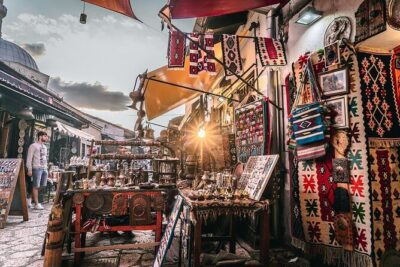
Private Walking Tour, Food Tasting and Bosnian Coffee in Sarajevo
Read our review →
Private Cocora Valley, Salento & Coffee Farm Tour
Read our review →
Coffee & Chocolate Private Tour in Medellin: Genuine Experience
Read our review →Hanoi Private Walking Tour with Egg Coffee Making Experience
Read our review →

Vienna Eats: Private Foodie Walk with Coffee & Markets
Read our review →