
REVIEW · MEDELLíN
Coffee & Chocolate Private Tour in Medellin: Genuine Experience
Coffee and chocolate are not just products here. On this private day trip north of Medellín, you follow both from plant to finished drink or treat, working beside small farming families rather than watching a polished demonstration. You will pick coffee beans, taste fresh cacao seeds, roast them over a wood fire, and make your own chocolate.
I like the private format, which gives your guide time to adjust the pace and explain the farming work in plain terms. I also like the handmade regional lunch, served at a farm with a mountain view, plus the simple pleasure of riding in an air-conditioned vehicle while someone else handles the road.
The main consideration is the steep 800-foot uphill trail to the coffee farm. It takes about 10 to 15 minutes and can be slippery when wet, so this is not the right pick if you need a completely flat outing. Good shoes with firm grip are important.
Key points to know before booking
- Two working farms: Visit separate coffee and cacao farms near Santo Domingo and Copacabana, with local families showing you their daily methods.
- Real hands-on work: Pick coffee, open cacao pods, remove husks, grind beans, and make chocolate with ingredients such as ginger, vanilla, salt, or lemon zest.
- Private attention: Your group has its own bilingual guide, with guides including Laura and Sara among the people who lead this experience.
- Mountain access: Hotel pickup and drop-off are included from El Poblado or Laureles, avoiding a meeting point and a long day of driving yourself.
- A proper farm lunch: Eat a traditional regional meal with fresh lemonade and broad views from the coffee property.
- Allow a full day: The outing lasts about 8 hours and 30 minutes, including the drive, farm visits, lunch, walking, and workshops.
Leaving Medellín for Santo Domingo
The day starts with pickup at your hotel or accommodation in El Poblado or Laureles. From there, the drive heads north of Medellín, taking about an hour to reach the rural area around Santo Domingo.
That transfer matters. You get a gradual change from city streets to mountain roads and countryside views without worrying about navigation or parking. Your private guide travels with you, so the drive can become part of the experience rather than dead time.
The vehicle is air-conditioned, and private transportation is included in the $179 per person price. That rate is not cheap compared with a basic group excursion, but it covers a full day, transport, a private guide, farm admission, lunch, and two substantial workshops. For a couple or small group that values flexibility, the cost is easier to justify.
The farms are not designed like large commercial attractions. You are visiting small working properties where coffee and cacao are grown and processed in modest, traditional settings. That means the experience feels personal, but it also means natural paths, basic farm areas, and hands-on work rather than polished visitor facilities.
More Coffee and Chocolate Tours in Colombia
- Santa Marta: Minca Coffee, Cocoa, & Waterfall Full-Day Trip
★ 4.6 · 102 reviews - Trekking History and Indigenous Heritage in Minca + Cacao & Coffee + Waterfall
★ 4.9 · 63 reviews - Minca: Full-Day Coffee and Cocoa Tour from Santa Marta
★ 4.5 · 61 reviews
The uphill walk to the coffee farm
You leave the vehicle at the cacao farm and walk uphill to the coffee property. The trail rises about 800 feet, or roughly 250 meters, and takes around 10 to 15 minutes on the way up. The return walk takes about 8 to 10 minutes.
The route is short, but the slope can be demanding. Take your time, stop for breath, and use the views as part of the outing. The path is natural ground, so wear trekking shoes or another pair with strong grip. Avoid smooth sandals, especially if rain has made the trail muddy.
This is one of the tour’s useful trade-offs. The lack of road access keeps the coffee farm away from heavy traffic and gives the setting a rural feel. In return, you need to be comfortable with a steep walk. Most people can take part, but the description is clear about the climb, and you should take it seriously when deciding.
Coffee from red fruit to fresh cup
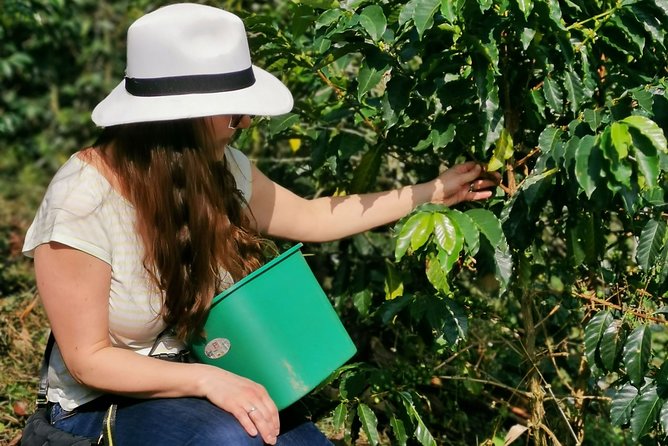
At the coffee farm, you are welcomed with a cup of Colombian coffee before the practical work begins. A coffee specialist explains Colombia’s coffee culture and the main stages between a coffee plant and your morning cup.
You then enter the plantation to pick beans by hand. The work continues with depulping, fermentation, and drying, using traditional artisanal methods. These steps help explain why coffee processing takes time and why the beans you buy have far more work behind them than most café menus suggest.
The experience does not stop at the plantation. You brew coffee using two traditional methods, giving you a chance to compare how preparation changes the final cup. You can also buy freshly roasted coffee from the farm, which is a useful option if you want a direct souvenir instead of another generic bag from a city shop.
I especially like this part for people who drink coffee every day but have never seen the early stages. Picking beans makes the process tangible. You also see that coffee farming is skilled manual work, not simply a scenic backdrop for a tasting.
A traditional lunch with a view
After the coffee activities, lunch is served at the farm. It is a regional meal prepared in a traditional home-style manner, with fresh farm-made lemonade and a view across the surrounding countryside.
The meal is included, and it gives the day a welcome pause before the cacao work. This is not a quick sandwich between scheduled stops. You have time to sit, eat, and enjoy the setting.
Breakfast is not included, so eat before pickup or arrange something easy for the morning. The day is long, and the uphill walk comes before lunch. Starting with some food in you will make the physical part more comfortable.
After lunch, you can purchase coffee roasted by the farm. Buying directly also gives you a practical way to support the small producers you have just met.
More Coffee and Chocolate Tours in Medellin:
- Award Winning Farm Tour: Coffee, Chocolate and Unique Gifts
★ 5.0 · 484 reviews - Buggy Ride Into the jungle with cave coffee & chocolate tasting
★ 5.0 · 465 reviews - ATV Adventure w/ Chocolate, Coffee & Cave Swim in Punta Cana
★ 5.0 · 178 reviews - Coffee & Chocolate Tour+Sloths Park & Llanos de Cortez Waterfall
★ 5.0 · 74 reviews
From cacao pod to raw seed
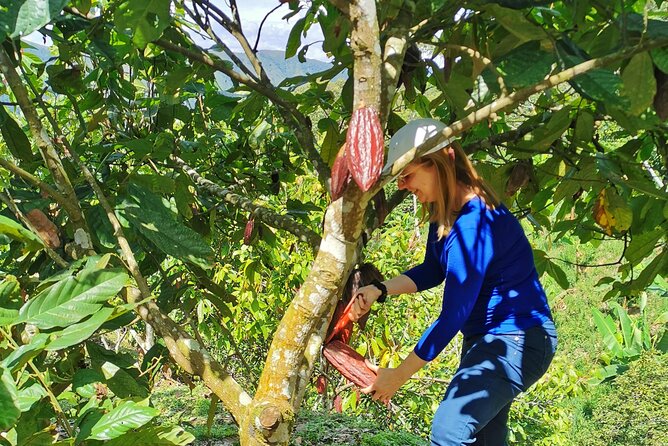
The cacao portion begins with a walk to the nearby cacao farm. The focus shifts from coffee preparation to the plant, care, and processing behind chocolate.
You learn about the worldwide development and production of chocolate, how to maintain a healthy cacao plantation, and common pests with sustainable ways to control them. The explanations connect farming decisions to the final flavor and quality of the chocolate.
You then walk through the plantation and harvest cacao pods. The farm also grows other local crops, so the setting is more than a single-purpose field. You see cacao in its natural growing environment and take part in the work rather than standing at the edge of a display plot.
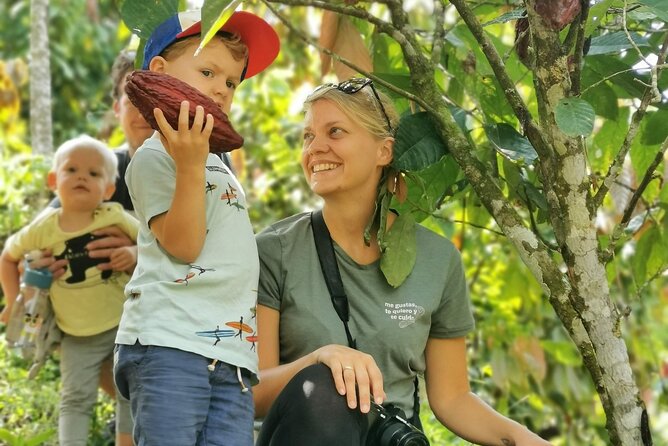
Back at the farm, you open the pods and remove the sweet raw seeds. You can taste them at this stage, before roasting changes their flavor. It is a small but useful lesson: the fresh pulp and seed do not taste like a finished chocolate bar.
Six days of fermentation in one afternoon
The full cacao process normally takes far longer than the tour itself. The seeds are placed in wooden boxes to ferment for six days, then dried for five to ten days in a solar greenhouse called a marquesina.
You will not wait through those full periods, of course. Instead, the farm explains the sequence and lets you handle the stages that can be completed during your visit. Seeing the boxes and drying setup helps you understand why good chocolate depends on careful timing before roasting even begins.
This section adds substance to what could otherwise be a simple tasting activity. You learn that flavor is built through farming, fermentation, drying, heat, and grinding. The process is gradual and physical, which makes the final chocolate feel earned.
Roasting cacao over a wood fire
The farm roasts the beans over a wood fire, giving the chocolate a mild smoky note. After cooling, you remove the husks by hand, using your nails, then grind the beans until friction warms the mixture and it begins to melt.
The technique is simple and direct. You are not using a modern factory line, and the work takes patience. The hands-on steps show why small-batch chocolate can taste and feel different from mass-produced bars.
This is also where the tour can get messy. You will be working with natural ingredients and basic tools, so wear clothes and shoes that suit a farm visit. Sunscreen and insect repellent are sensible additions, particularly because you will walk through plantation areas and woodland paths.
Making a chocolate bar your own
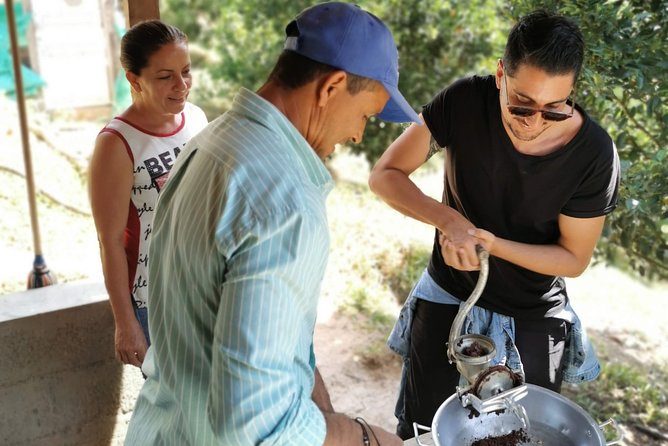
Once the cacao has been ground, you create your own chocolate mixture. The available flavor additions include powdered milk, vanilla, green pepper, salt, lemon zest, and ginger.
You can keep it simple or try a less familiar combination. The chocolate is then molded and chilled until set. This gives the workshop a personal finish: instead of leaving only with information, you make something based on your own taste.
The activity works well for families and mixed-age groups. Children aged 9 and 11 have enjoyed the day, but the hike and outdoor footing still need to be considered. Adults who want a quiet, polished tasting may find the manual husking and grinding more work than expected. That is part of the point, but it is worth knowing in advance.
Why the private guide matters
A private bilingual guide accompanies your group throughout the day. Guides named for this experience include Laura and Sara, both praised for their warmth, energy, and interest in Colombian agriculture and nature.
Your guide handles the timing, interpretation, farm introductions, and drive. Because the outing is private, you can ask more questions about coffee, cacao, local plants, or the farming families without trying to keep up with a large group.
The guide also helps connect the two farms. Without that bridge, the day could feel like two unrelated workshops. Instead, you can compare the labor, tools, growing conditions, and processing methods used for coffee and cacao.
The recorded rating is 5 out of 5 from 100 ratings, with 100 percent recommending the experience. The strongest praise centers on the guides, the welcome from the farm families, the food, and the feeling of spending time in a real rural setting rather than at a mass-market attraction. Those are exactly the features that define the day.
What the $179 price delivers
At $179 per person, this is a premium day trip. You are paying for private transportation, hotel pickup and drop-off, a private bilingual guide, entry to both farms, lunch, and an 8.5-hour schedule.
The value depends on what you want from a day outside Medellín. If your priority is the lowest possible price, a group trip may cost less. If you want someone else to drive, a guide who stays with your group, direct contact with small producers, and two detailed hands-on farm visits, the price is more reasonable.
I would also factor in the time saved. There is no need to arrange separate transport to rural properties, find the farms, or work out how to connect two activities in one day. You simply get picked up, spend the day with one guide, and return to your accommodation.
The coffee and chocolate purchases are extra. They are optional, but buying from the farms gives you a practical souvenir and a direct way to support the local producers.
Who should book this day trip
I would choose this experience if you want more than a tasting. It suits people who enjoy food production, farming, rural culture, photography, and light outdoor activity.
It is also a strong choice for couples, friends, families with older children, and solo visitors who prefer a personal guide. The private format makes it easier to move at your own pace and ask detailed questions.
You should think twice if you dislike uneven ground, steep short climbs, wood-fire work, or getting your hands dirty. The hike is not long, but it is real. Weather also matters, and the experience may be moved or refunded if poor conditions make it unsuitable.
Book at least a few weeks ahead if possible. The experience averages about 27 days of advance booking, which suggests that last-minute space may not always be available.
Should you book the coffee and chocolate tour?
Book it if you want to meet small farming families and understand the work behind two of Colombia’s best-known products. The combination of plantation walks, coffee brewing, a regional lunch, cacao processing, and homemade chocolate gives you a full day with plenty of variety.
Skip it if you want a flat, highly polished attraction or a short city activity. The trail is steep, the farms are modest, and the work is hands-on.
For most visitors who can manage the uphill walk, this is a well-balanced day outside Medellín. Laura or Sara can make the long drive and farm schedule feel easy, while the local hosts provide the part no city tasting can copy: direct contact with the people who grow and process the ingredients.
FAQ
How long does the coffee and chocolate tour last?
The experience lasts approximately 8 hours and 30 minutes, including transportation, the coffee farm visit, lunch, and the cacao activities.
Where does hotel pickup take place?
Pickup and drop-off are included from accommodations in El Poblado or Laureles.
Is the tour private?
Yes. Only your group participates, and you have a private bilingual guide.
How difficult is the walk to the coffee farm?
The trail rises about 800 feet, or 250 meters, and takes around 10 to 15 minutes uphill. The return takes about 8 to 10 minutes. The path can be steep and may be slippery when wet.
What should I wear for the hike and farm visit?
Wear trekking boots or shoes with good grip. Sunscreen and insect repellent are also useful because you will walk through plantation and natural areas.
Is lunch included?
Yes. A regional lunch and farm-made lemonade are included. Breakfast is not included.
Can I buy coffee or chocolate during the tour?
Yes. Freshly roasted coffee can be purchased at the coffee farm, and coffee and chocolate made by the farms may be available to take home.
What happens if the weather is poor?
The experience requires good weather. If it is canceled because of poor conditions, you can receive a full refund or choose a different date. You can also cancel up to 24 hours before the start time for a full refund.
More Cake and Pastry Stops in Medellin
- Vienna Coffee, Cake & Pastries Tour with Local Stories
★ 5.0 · 470 reviews - ATV OR BUGGY Ride Into the jungle with cave coffee & chocolate
★ 5.0 · 73 reviews - Monteverde Coffee, Chocolate and Night Tour
★ 4.5 · 61 reviews - Buggy Ride into the Jungle coffee , chocolate tasting Cenote
★ 5.0 · 52 reviews
Just listed in Medellin
- Medellin: Coffee Farm Tour & Spa with Overnight Glamping★ 4.5 · 3 reviews
- Medellin: Coffee and fruit tour★ 4.9 · 12 reviews
- Medellin: The Best Coffee Tasting Experience★ 5.0 · 5 reviews
- Medellin: Avoeden Café Coffee Brewing Workshop★ 5.0 · 12 reviews
- Guatape Coffee Villa including Rock Town & Waterfall★ 5.0 · 12 reviews
- Guatapé & Coffee Farm, all in one day★ 5.0 · 3 reviews
- From Medellin: Private Envigado Coffee Tour with Tastings★ 4.3 · 4 reviews
- Medellín: Coffee Tour Experience at a Coffee Farm★ 4.8 · 3 reviews
Coffee and Chocolate Tours, compared.
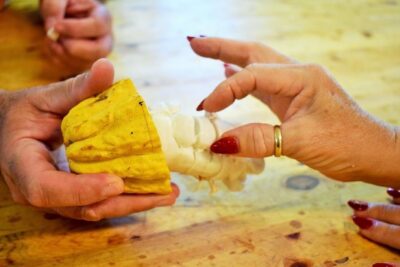
Award Winning Farm Tour: Coffee, Chocolate and Unique Gifts
Read our review →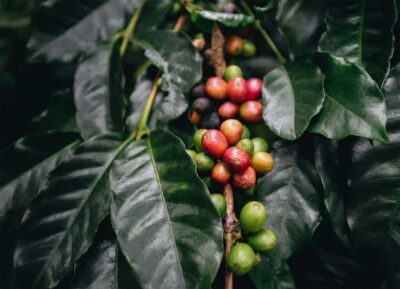
Santa Marta: Minca Coffee, Cocoa, & Waterfall Full-Day Trip
Read our review →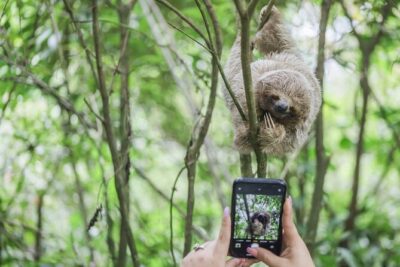
Coffee & Chocolate Tour+Sloths Park & Llanos de Cortez Waterfall
Read our review →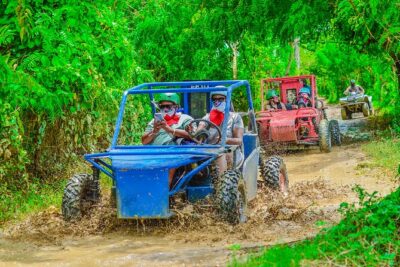
ATV OR BUGGY Ride Into the jungle with cave coffee & chocolate
Read our review →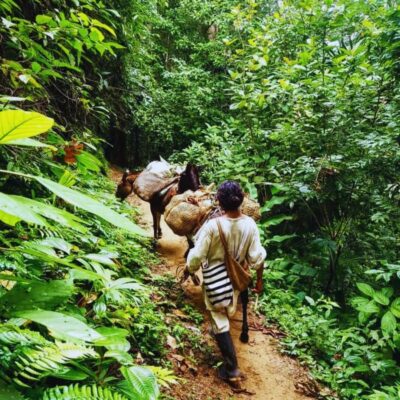
Trekking History and Indigenous Heritage in Minca + Cacao & Coffee + Waterfall
Read our review →
Minca: Full-Day Coffee and Cocoa Tour from Santa Marta
Read our review →

Buggy Ride into the Jungle coffee , chocolate tasting Cenote
Read our review →Lists this coffee tour turns up in