REVIEW · SHANGHAI
Shanghai Coffee & Breakfast Tour
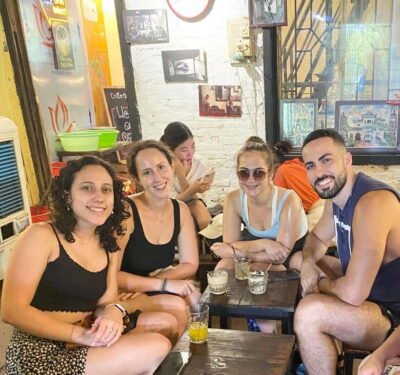
Shanghai’s best breakfast may be found in small street stalls, old neighborhood restaurants, and newer coffee shops rather than polished dining rooms. This three-hour morning walk takes you through the Wuding Road area and Old Shanghai, pairing local foods with a look at daily community life.
I like two things right away: the generous food plan, which covers 10 dishes plus two specialty coffees and tea, and the small group size of 10 people or fewer. Guides including Jia Chen and Anis add local history and neighborhood context. The main catch is that the route involves about 2 km of walking, and it is a poor fit for vegan or gluten-free diets.
Key points to know before booking
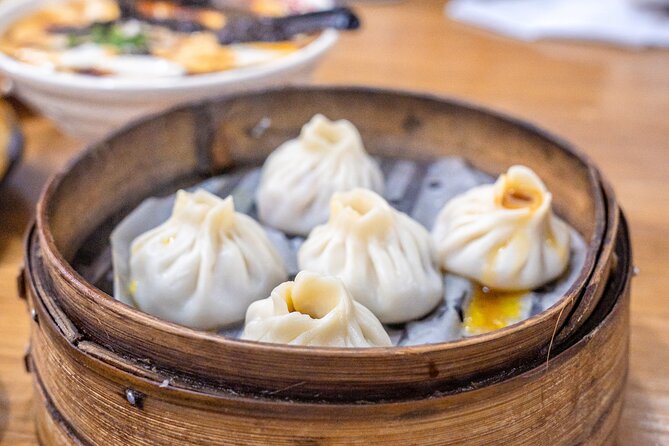
- Ten breakfast dishes at six food stops: Expect beef pancakes, savory crepes, doughnut sticks, and other popular morning foods.
- Coffee and local food share the route: You get two specialty coffee drinks, a pot of tea, and stops at modern cafes and traditional vendors.
- Small groups keep the walk personal: The maximum group size is 10, leaving room for questions and individual help.
- The route ends near Changping Road Subway Station: You finish about a 10-minute walk from the station, not back at the starting point.
- Xiahai Temple is included: Entrance is covered, adding a quiet cultural stop after the food crawl.
- Plan for a hearty meal: The included brunch is described as enough for breakfast and lunch, so arrive hungry.
Why this Shanghai breakfast walk works
I see this experience as a food tour with a neighborhood walk attached, not simply a list of tastings. You move through streets where breakfast is part of the daily routine, then pause to consider how Shanghai’s food culture is changing.
That contrast is the tour’s strongest idea. Shanghai has an active coffee scene, and the route brings modern coffee shops into the same morning as old-style street food. You may go from a savory pancake or crepe to a local-style coffee, then sit down for tea. That gives you a more useful picture of the city than a meal in one restaurant can provide.
The tour also aims beyond the most obvious sightseeing districts. The route is connected with Wuding Road, Old Shanghai, the French Concession area, and neighborhood communities. Exact stops can vary, but the emphasis is on local eateries and street vendors rather than famous landmarks.
Your guide matters here. Jia Chen is described as friendly and well informed, while Anis has been praised for offering plenty of local information and history. Since the group is capped at 10, you should have a reasonable chance to ask about dishes, customs, and the streets you are walking through.
More Coffee Tours in the world:
- Hanoi Coffee Experience: 6 Brews, 9 Recipes & 3 Liquor Tastings
★ 5.0 · 2,945 reviews - Medellin: Coffee Tour with Transport, Snacks and Tastings
★ 4.7 · 1,357 reviews - Istanbul: Turkish Coffee Making and Fortune Telling Workshop
★ 4.9 · 1,308 reviews
Starting at 8:30 am on Wuding Road
The morning begins at 8:30 am near a cosmetics shop in the Caojiadu area of Jing’an District. The meeting point is close to public transportation, but you need to allow extra time during rush hour. Shanghai traffic can slow a taxi or ride-hailing car, so I would favor the subway when practical and leave a cushion before the start.
The early hour is important. Breakfast stalls and small restaurants are doing their normal morning business, and the walk takes place before the heat and traffic build further. You will also want to eat lightly before arriving. The food provided later is substantial.
The starting details deserve careful attention because the tour does not include hotel pickup. Check the exact meeting instructions after booking, and do not assume the end point is the same as the start. The walk finishes on Changping Road, about 10 minutes from Changping Road Subway Station.
Six food stops and ten Shanghai breakfast dishes
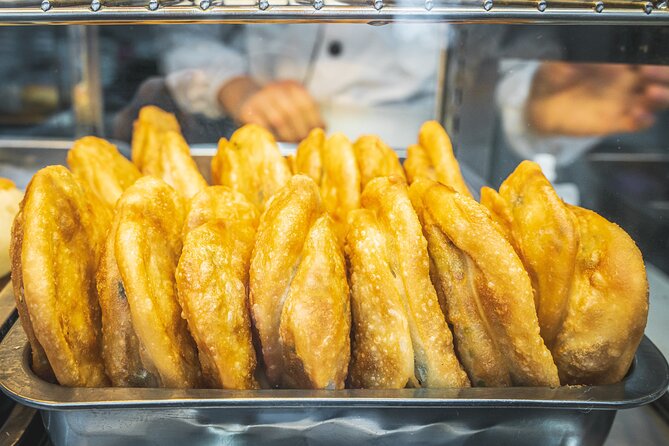
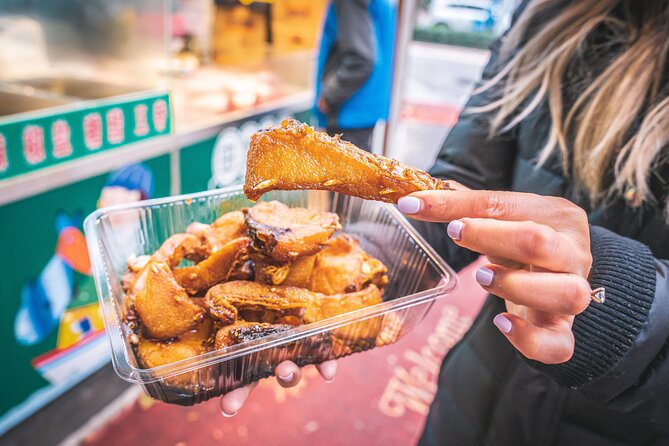
The food portion is the heart of the experience. You visit six eateries or food stalls and taste 10 different breakfast dishes. The supplied examples include beef pancakes, savory crepes, and doughnut sticks, all familiar parts of Shanghai’s morning food culture.
A food tour like this is useful because breakfast dishes can be difficult to order on your own. Signs may be hard to read, menus may not be in English, and portions at different stalls can make it difficult to sample much variety. Here, the guide handles the route and introduces the food as you go.
You should expect a mix of standing, walking, and eating at different stops rather than a long seated meal. That makes the morning feel active, but it may not suit you if you prefer a relaxed restaurant breakfast. The tradeoff is variety. Instead of committing to one dish, you get a broad taste of what people eat early in the day.
The included food is described as enough for breakfast and lunch. That is a useful detail for planning. You do not need to schedule a full lunch immediately afterward, though you may want a later meal if you have a large appetite or do not enjoy every dish.
The tour is not recommended for a vegan or gluten-free diet. Vegetarian food is available if you request it when booking. Because the menu includes dough-based foods and traditional preparations, you should explain dietary needs in advance rather than relying on adjustments during the walk.
From traditional stalls to Shanghai’s coffee scene
Coffee gives this experience a modern edge. Shanghai has a large coffee culture, and the route visits newer cafes alongside longtime local food businesses. You receive two specialty coffee drinks, plus a pot of tea at one of the seven food and drink stops.
The coffee component is not just a filler between breakfast dishes. It shows how the city’s morning habits now include both traditional foods and newer cafe styles. You might find local ingredients or Shanghai-inspired flavors in the coffee stops, but the exact drinks are not specified, so do not book expecting a particular beverage.
The seven-stop count includes more than the six food eateries. This is helpful when comparing the tour with a standard food walk, since the price includes both food and drinks. Bottled water is also included.
I like this balance because you can compare the pace of old and new Shanghai in one morning. Traditional breakfast is quick, practical, and filling. Coffee shops offer a different rhythm and a more contemporary setting. The guide’s explanations help connect the two instead of treating them as unrelated stops.
Still in the world, but a different cup:
- Hanoi Coffee Workshop: Taste Salt, Coconut and Egg Coffee
★ 5.0 · 1,286 reviews - Vienna for Food Lovers: Cafés, Markets & Austrian Cuisine
★ 5.0 · 1,063 reviews - Big Island Highlights: Coffee, Volcano, Black Sands & Waterfall
★ 5.0 · 1,054 reviews - Hanoi: Salt Coffee Workshop Awake Your Senses With 6 Brews
★ 5.0 · 792 reviews
Walking through Old Shanghai and local communities
The walking distance is about 2 km, which is manageable for most people but still worth taking seriously. Wear comfortable shoes. The route is meant to show community life, including older courtyard-style neighborhoods and ordinary streets rather than only major attractions.
The walking is valuable because food makes more sense when you see where it is sold and who is buying it. A breakfast pancake at a street stall is not just a dish to photograph. It is part of the morning routine, and the surrounding neighborhood gives the food a setting.
The route also brings you through an area associated with the French Concession. You should not expect a dedicated architecture tour, but the changing streetscape adds another layer to the morning. You are seeing a part of Shanghai where older local life and newer cafes operate close together.
This is a better choice for you if you enjoy walking at a steady pace and stopping often. It is less suitable if you want a single landmark-focused tour or a long, leisurely brunch. The experience asks you to keep moving, taste several small servings, and listen as the guide fills in the local details.
Xiahai Temple gives the tour a cultural finish
The morning ends with a visit to Xiahai Temple, with entrance included. After the food stops, this creates a welcome change of pace. You move from eating and street scenes to a place where you can pause and take in a different side of Shanghai.
The temple visit also keeps the tour from becoming a simple breakfast crawl. It adds cultural context and gives the guide another setting for explaining local traditions and neighborhood history. The provided details do not specify the length of the temple stop, so expect it to be one part of the final section rather than the entire afternoon.
Since the endpoint is near Changping Road Subway Station, the temple and final walk also leave you well placed to continue exploring Jing’an or return by public transportation. You will need to arrange your own onward travel.
A close look at the group size and guide
The maximum group size is 10. That is small enough to make a real difference on a food tour. At a busy stall, a large group can crowd the counter and make it hard to hear. With fewer people, the guide can explain what you are eating and answer questions without turning the morning into a lecture.
The guide is an English-speaking local, and the tour relies heavily on that person’s ability to explain both food and place. Jia Chen and Anis are names associated with especially strong guide experiences. If you are curious about ingredients, local habits, or the area’s history, ask questions as you walk.
The best value here comes from that combination of access and explanation. You could buy breakfast foods independently for less than $65, but you would not receive the same help finding six stops, ordering across 10 dishes, arranging specialty coffee, and understanding the neighborhood.
Is $65 a fair price?
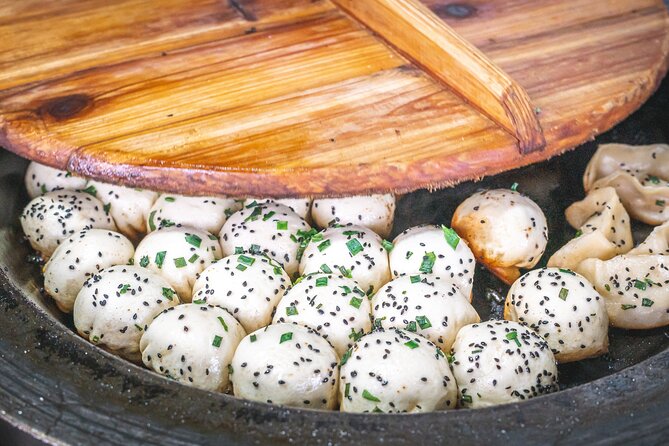
At $65 per person, this is not the cheapest way to eat breakfast in Shanghai. Local stalls are inexpensive, and you could certainly spend less by ordering one or two dishes on your own.
The value improves when you count what is included: over six food and coffee stops, a filling brunch, 10 different breakfast dishes, two specialty coffee drinks, a pot of tea, bottled water, a local English-speaking guide, a small group, and temple admission. You are paying for access, planning, translation, context, and variety as much as for the food itself.
I would consider the price fair for a first morning in Shanghai, especially if you want help getting comfortable with local food. It is also useful near the start of a longer stay because you can return to dishes or areas you liked.
The value is weaker if you already know Shanghai well, speak enough Chinese to order with ease, or only want a quick breakfast. It is also not the right purchase for someone who cannot eat wheat-based foods or animal products.
Weather, clothing, and practical planning
The tour operates in all weather conditions, so dress for the forecast. Bring comfortable walking shoes and plan for about 2 km on foot. Rain or heat can change how pleasant the street portions feel, even though the food stops and cafes provide breaks.
Bring your booking confirmation on your phone. The ticket is mobile, and confirmation is provided at booking. Advance signup and payment are required.
Most people can participate, but you should think about the pace and the mix of walking and eating before booking. Hotel pickup and drop-off are not included. Since the tour starts during the morning commute, allow extra time to reach the meeting point.
Free cancellation is available if you cancel at least 24 hours before the local start time. Changes or cancellations inside that window are not refunded. The tour also requires a minimum number of participants, so if it cannot operate for that reason, you are offered another date or experience, or a full refund.
Who should book this morning in Shanghai?
I would recommend it to first-time visitors who want a guided introduction to Shanghai food without spending a full day on a tour. It is also a good match for coffee drinkers, curious eaters, and anyone who prefers ordinary neighborhoods to major sightseeing stops.
Families with older children may enjoy the variety, though the tour still requires a steady 2 km walk and an openness to unfamiliar breakfast foods. Couples and solo visitors benefit from the small group, especially if they want conversation and local suggestions.
I would skip it if you need a vegan or gluten-free menu, dislike eating at several quick stops, or want a quiet sit-down brunch. I would also avoid scheduling a major activity immediately afterward. Three hours is the stated duration, but rush-hour traffic and the walking route make a little extra time sensible.
Final decision: book it for food, context, and variety
Book this tour if you want a practical introduction to Shanghai breakfast and a look at local streets that you might not find on your own. The strongest reasons are the 10 tastings, two specialty coffees, small group, and the mix of traditional stalls with newer cafes.
The tour is less about luxury and more about access. You pay $65 for a guided route, plenty of food, local explanation, and a temple visit. For a first or early morning in Shanghai, that is a useful package, provided you eat wheat and animal products, can walk 2 km, and make it to the 8:30 am start on time.
FAQ
How long does the Shanghai Coffee & Breakfast Tour last?
The tour lasts approximately three hours.
What time does the tour start?
The start time is 8:30 am.
Where does the tour begin?
It begins near a cosmetics shop in the Caojiadu area of Jing’an District, at the provided meeting point on Wubin South Road.
Where does the tour end?
The tour ends on Changping Road, about a 10-minute walk from Changping Road Subway Station.
How much walking is involved?
You should plan to walk about 2 km during the tour.
How many people can join the group?
The tour has a maximum of 10 participants.
How many food stops are included?
The experience includes six food stops and more than six food and coffee stops overall, with seven total stops described for the brunch and drinks.
What food and drinks are included?
The tour includes 10 breakfast dishes, two specialty coffee drinks, a pot of tea, bottled water, and enough food for breakfast and lunch. Examples include beef pancakes, savory crepes, and doughnut sticks.
Is a vegetarian option available?
Yes. A vegetarian option is available, but you should request it when booking.
Is the tour suitable for vegan or gluten-free diets?
The tour is not recommended for vegan or gluten-free diets.
Is entry to Xiahai Temple included?
Yes. Entrance to Xiahai Temple is included.
Is hotel pickup provided?
No. Hotel pickup and drop-off are not included.
What happens if I need to cancel?
You can receive a full refund if you cancel at least 24 hours before the experience start time. Cancellations or changes made less than 24 hours in advance are not refunded.
Does the tour operate in bad weather?
Yes. It operates in all weather conditions, so you should dress appropriately.
Just listed in the world
- Chill coffee or meal break at illy Caffè in St.Mark’s Square★ 4.7 · 9 reviews
- Private Ubud Tour: Sacred Monkeys, Coffee, Temple, Waterfall★ 4.8 · 3 reviews
- Venice: Sunrise Walking Tour with Espresso★ 4.6 · 12 reviews
- Bali ,Tegallalang, Tirta Empul, Coffee, Lunch & Batur Hot Spring★ 4.0 · 2 reviews
- Mount Batur Sunrise Trekking (Private, Breakfast and Visiting coffee plantation)★ 5.0 · 27 reviews
- Venice Delights: Coffee & Food Experience Walking Tour★ 5.0 · 2 reviews
- Bali: Ubud Monkey Forest, Coffee Plantation, and Market Tour★ 5.0 · 5 reviews
- Melbourne Brunch & Coffee Iconic Laneway Degraves Espresso★ 5.0 · 2 reviews
Tours, compared.
Coffee Tour with Transport, Snacks and Tastings
Read our review →
Materuni Waterfalls, coffee tour & Kikuletwa Hot Springs
Read our review →
Seattle Coffee Tour: Capitol Hill Cafes, Tastings & Local Stories
Read our review →
Award Winning Farm Tour: Coffee, Chocolate and Unique Gifts
Read our review →
Vienna Coffee, Cake & Pastries Tour with Local Stories
Read our review →
La Herradura Coffee Farm: tour in Europe’s only plantation
Read our review →
Mercara Gold Coorg Coffee and Spice Estate Tour
Read our review →