
REVIEW · CENTRAL VIETNAM
Exploring Vietnamese Coffee Culture, Coffee Making in Hoi An
Vietnamese coffee is not just a quick caffeine stop. It is a slow, hands-on ritual built around dark roasted beans, the small metal Phin filter, and flavors that can surprise first-time visitors. This two-hour Hoi An workshop lets you make two styles yourself, including Hanoi egg coffee, then sit down with the results.
I like the practical format and the small-group feel reported by one participant. I also like that the guide explains the full path from harvesting and roasting to brewing, so you understand why the final cup tastes the way it does. The main caution is simple: confirm the meeting point before setting out. One booking had trouble because the location had changed, and another person arrived to find the venue closed while waiting for a refund.
Key points
- Make two Vietnamese coffee styles: Prepare traditional black coffee and Hanoi egg coffee, rather than only watching a demonstration.
- Use a real Phin filter: Learn the slow drip method that gives Vietnamese coffee its familiar strength and character.
- Follow coffee from bean to cup: The session covers harvesting, roasting, flavor, and brewing.
- Taste your own work: Your finished drinks come with a cookie, plus Vietnamese tea at the start.
- Plan your arrival carefully: Hotel pickup is not included, and the meeting point should be checked before you leave.
- Expect a modest price: At $20 per person for two hours, the class offers good value if you want a skill-based food experience rather than a simple tasting.
Why Hoi An coffee deserves two hours
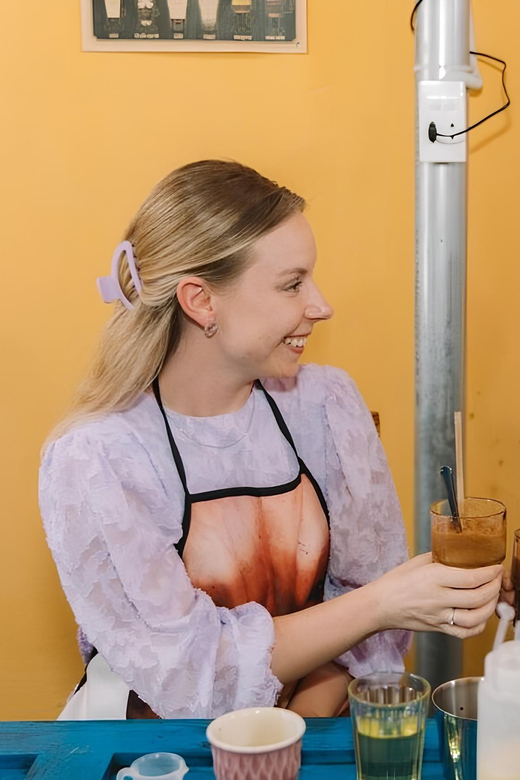
Hoi An is famous for old streets, lantern-lit evenings, and riverside cafés. Yet coffee is one of the easiest parts of daily Vietnamese life to miss if you only order a drink and move on. This workshop gives you time to understand the method behind the cup.
Vietnam grows a large amount of coffee, particularly robusta beans. In Vietnam, coffee is often roasted dark and brewed slowly through a Phin filter. The result can be powerful, bitter, sweet, creamy, or all four at once, depending on the recipe.
I like experiences that explain ordinary local habits without turning them into a lecture. Here, coffee becomes the subject, but the lesson also touches on farming, roasting, preparation, and the way flavors are shaped. You leave with something more useful than a photograph: a method you can try again at home.
The session lasts about two hours. That is long enough to cover the basics and prepare two drinks, but short enough to fit around a morning walk through Hoi An or an afternoon of sightseeing. Since hotel pickup and drop-off are not included, you need to reach the meeting point yourself.
More Coffee Making Classes in Vietnam
- Hoi An: Hands-on Vietnamese Coffee Making Class with Long
★ 4.8 · 66 reviews - Hoi An: Vietnamese Coffee Making Course
★ 4.9 · 25 reviews - Coffee Class & Basket Boat Experience or Lantern Class -optional
★ 5.0 · 18 reviews
Starting with tea and the story behind the cup
The class begins with Vietnamese tea and an introduction to the local coffee scene. This opening matters because it sets the pace. You are not rushed straight into a recipe. Instead, you get a little context before handling the tools.
Your guide speaks English or Vietnamese and explains the traditional approach to coffee making. Specific guide names are not provided, so you should not expect a named host to be guaranteed when you book. The important point is that the class has a live guide rather than an audio recording or a printed recipe alone.
The history portion focuses on how coffee is produced and prepared. You learn about harvesting, roasting, and the move from raw bean to brewed drink. That background helps you notice details that might otherwise pass by. Dark roasting, for example, is not just a color choice. It affects bitterness, aroma, and the strong flavor many people associate with Vietnamese coffee.
The tea also gives the class a gentle start. If you have been walking Hoi An’s streets in the heat, a calm drink before the coffee work can be welcome. This is a seated, social experience rather than a rapid succession of attractions.
Learning the Phin filter method
The Phin filter is the small metal brewer at the heart of the workshop. It sits directly over your cup and lets hot water pass slowly through ground coffee. There is no electric machine doing the work for you, and that is exactly why the lesson is useful.
You learn how the filter is placed and how the coffee is brewed. The slow drip encourages patience. It also shows you why Vietnamese coffee is usually served in smaller quantities than a large Western-style filter coffee.
I like this part because it gives you a clear skill to take home. A food tour can leave you with pleasant memories but no way to recreate the experience. The Phin method is different. Once you understand the basic process, you can share it with friends or family and turn the class into a small coffee ritual of your own.
The class supplies the ingredients and tools, so you do not need to bring brewing equipment. The provided setup also lets you focus on the technique rather than shopping for the right items before you begin.
Preparing traditional Vietnamese black coffee
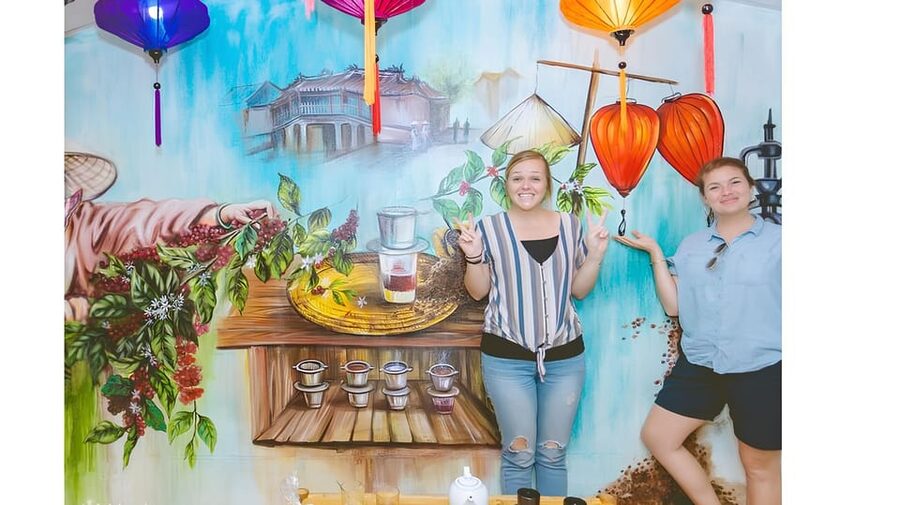
The first coffee style is the straightforward version: dark coffee brewed through the Phin filter. This is the best place to understand the basic balance of coffee, water, and sweetness.
The cup may be intense for anyone used to mild coffee. That is part of the lesson. Vietnamese coffee is often built around strong roasted beans, and it can be paired with sweetness to soften the edge. The workshop gives you the chance to taste the result immediately after preparing it.
That immediate tasting is valuable. You can connect each step with the flavor in your cup. If the coffee seems too strong, too bitter, or pleasantly bold, the guide can explain how the brewing method contributes.
One person who attended described the coffee as good and praised the pleasant staff. That is a useful sign for anyone looking for a friendly, low-pressure class. Still, the overall rating is 3.7 from three recorded ratings, so I would keep expectations measured. This is a small workshop focused on basic techniques, not a professional barista course or a full coffee farm visit.
More Vietnamese Coffee Experiences in Hoi An:
- Authentic Vietnamese Coffee Making Experience in Hoi An
★ 5.0 · 13 reviews - Hoi An: Hand-on Making Vietnamese Coffee Class & Culture
★ 4.7 · 9 reviews - Vietnamese Coffee Making Class in Hoi An
★ 5.0 · 4 reviews - Hoi An Vietnamese Coffee Workshop: Hands-On Brewing Class
★ 5.0 · 3 reviews
Making Hanoi egg coffee
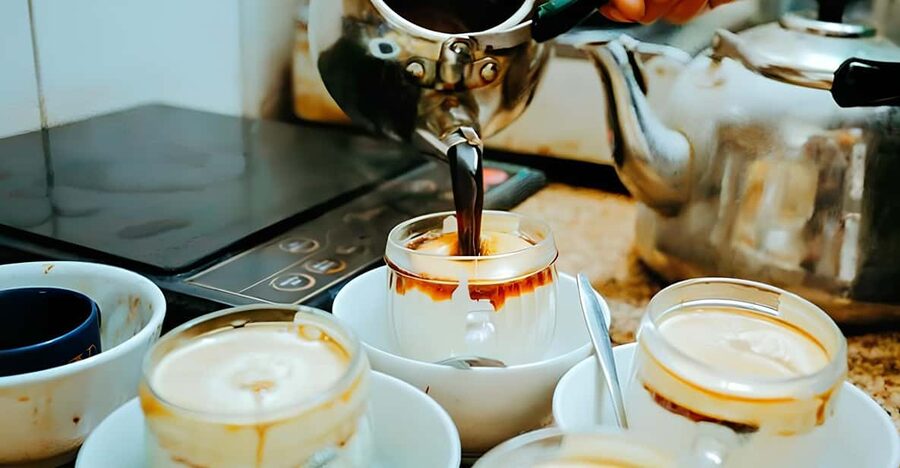
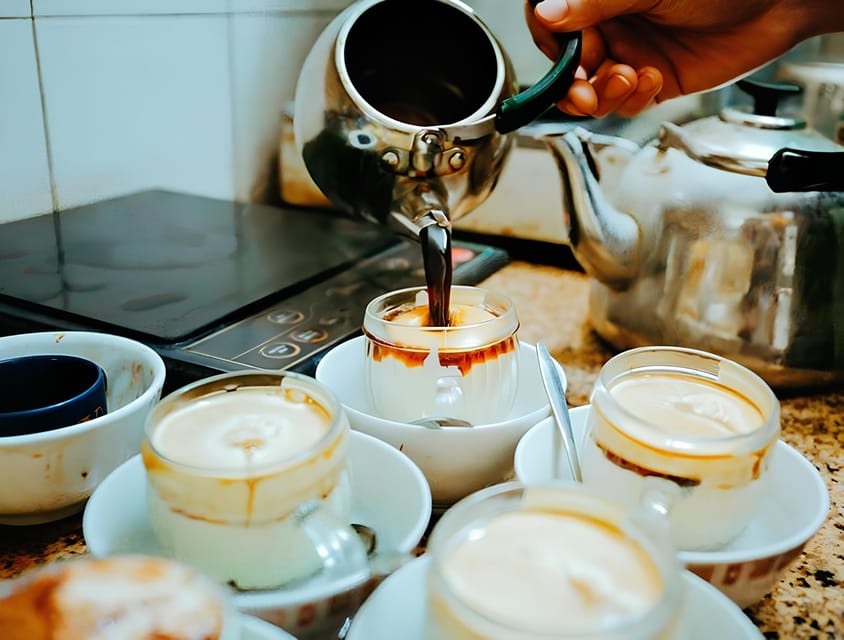
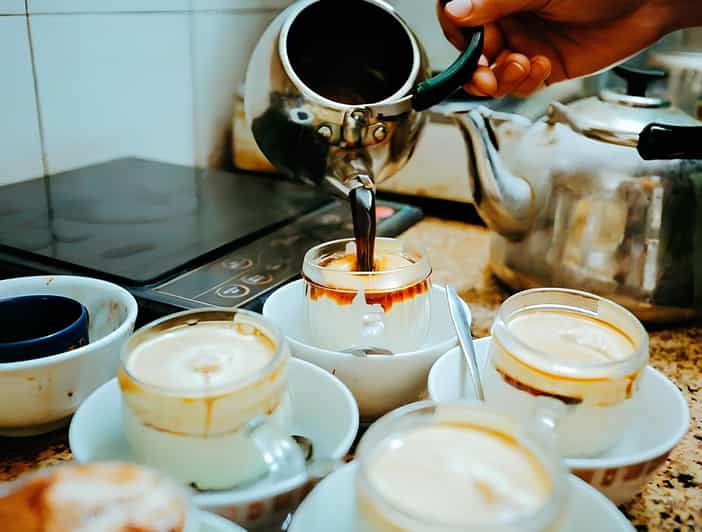
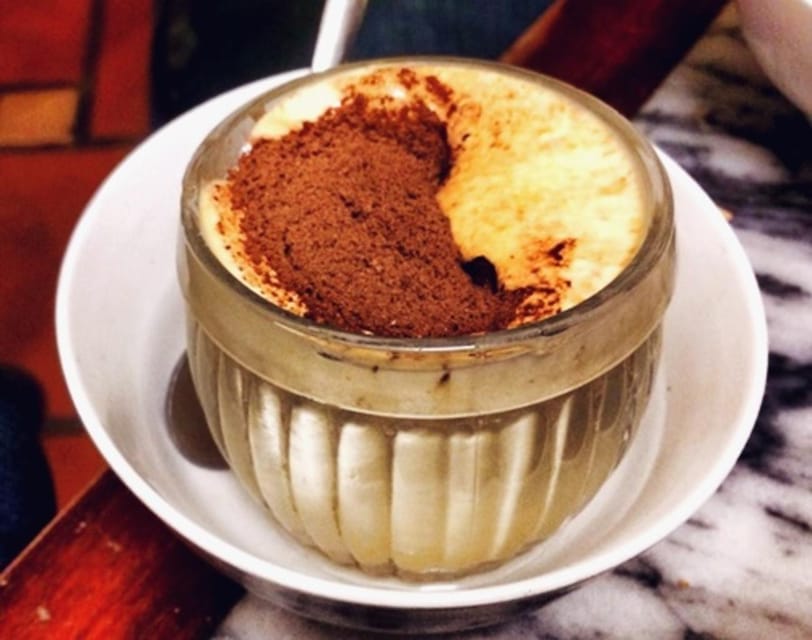
The second style is Hanoi egg coffee, one of Vietnam’s more unusual coffee drinks. It combines coffee with a creamy egg-based topping, creating a texture that is closer to a dessert than a plain black brew.
This is the more memorable part of the class for many people because it shows how far Vietnamese coffee can move from a standard cup. You learn the method, prepare the drink, and taste the contrast between the strong coffee below and the sweet, creamy layer above.
The recipe also gives the guide a chance to discuss flavor. Coffee culture is not only about caffeine. It is about texture, sweetness, aroma, and the pleasure of sitting with a drink. Egg coffee makes that clear in one spoonful.
You should come ready for a sweet coffee style as well as a strong one. If you prefer black coffee, the contrast may be the main appeal. If you already enjoy dessert drinks, this is likely the class’s most appealing recipe.
Finishing with coffee, cookies, and music
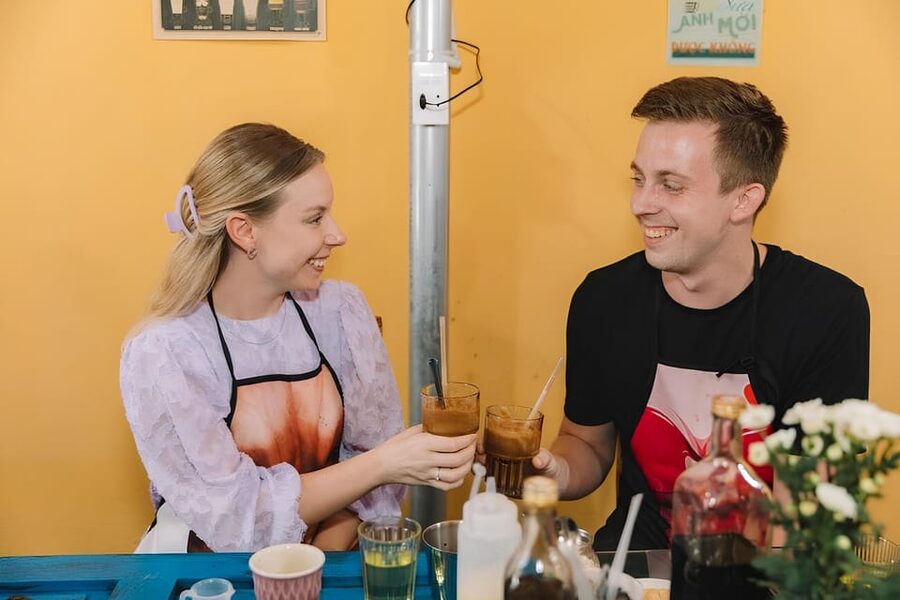
After the preparation, you sit down to enjoy the drinks you made. A cookie is included, adding a small snack to the tasting. Vietnamese tea and coffee are also part of the package, so the experience is not limited to the two recipes alone.
The setting is described as relaxed, with music playing during the final tasting. That makes the last part less like an exam and more like time in a café. You can enjoy the coffee while thinking about the process and comparing the two styles.
I appreciate this kind of ending because it gives the experience a natural finish. You do not simply make a drink and leave. You taste the result, have something sweet with it, and get a little time to enjoy the room.
Do not expect a large meal. The included cookie is a light accompaniment, not a substitute for lunch. If you book the class around a meal, allow time to eat elsewhere before or after.
What the $20 price really gives you
At $20 per person, the value comes from participation. You receive the class, ingredients, tools, coffee, Vietnamese tea, cookies, and a local guide. You also get two hours of instruction and the ability to repeat the techniques later.
That is a fair price if you want a focused cultural activity. You are paying for more than two drinks, but less than a full food tour or an extended coffee plantation excursion. The workshop makes sense for anyone who enjoys learning by doing.
The value is weaker if you only want to sample coffee. Hoi An has many cafés where you can order a drink for less. This class earns its price through the instruction, the equipment, and the explanation of how Vietnamese coffee is produced and brewed.
Small groups are another positive feature. One participant specifically noted the small-group format and friendly staff. A smaller class can make it easier to see the demonstration, ask questions, and handle the brewing steps without waiting through a large crowd.
Meeting point and timing deserve attention
The biggest practical concern is finding the venue. One person had difficulty because the meeting point had changed from the information they had received. They eventually found the place and enjoyed the class, but the problem could have caused a missed start.
I would check the meeting details shortly before leaving and keep the provider’s contact information available. Do not assume that an old map pin or earlier message is still correct.
There is also a more serious warning in the available booking record: one person arrived and found the venue closed, then waited for a refund. That does not tell you how often this happens, but it is enough reason to confirm the session before you set out.
The activity offers free cancellation up to 24 hours before the start for a full refund. You can also reserve now and pay later, which helps if your Hoi An schedule is still changing. These options add flexibility, but they do not replace checking the meeting location.
Who will enjoy this coffee class most
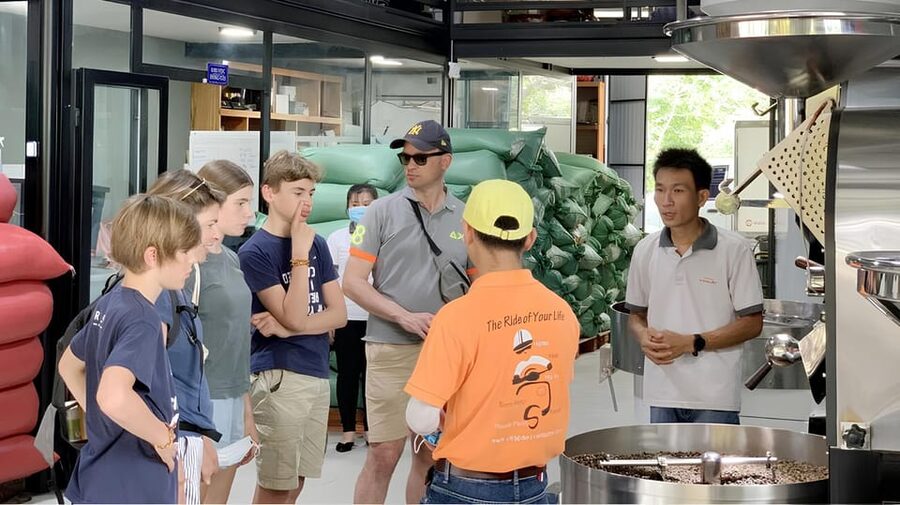
I would recommend this workshop to curious coffee drinkers, couples, families with older children, and anyone who likes food activities with a clear takeaway. You get to make the drinks yourself, and the recipes are distinctive enough to give the session a strong local identity.
It also suits people who want a break from sightseeing. Two hours in a calm room, with tea, music, and coffee, can be a useful change from walking in the sun.
The class may be less satisfying for serious coffee professionals. The information promises an introduction to harvesting, roasting, and brewing, but it does not describe advanced roasting instruction, formal tasting practice, or a visit to a farm. Think of it as an accessible cultural workshop.
It may also be a poor fit if your schedule is extremely tight. The stated length is two hours, and coffee preparation works best when you are not watching the clock.
How to prepare for the best session
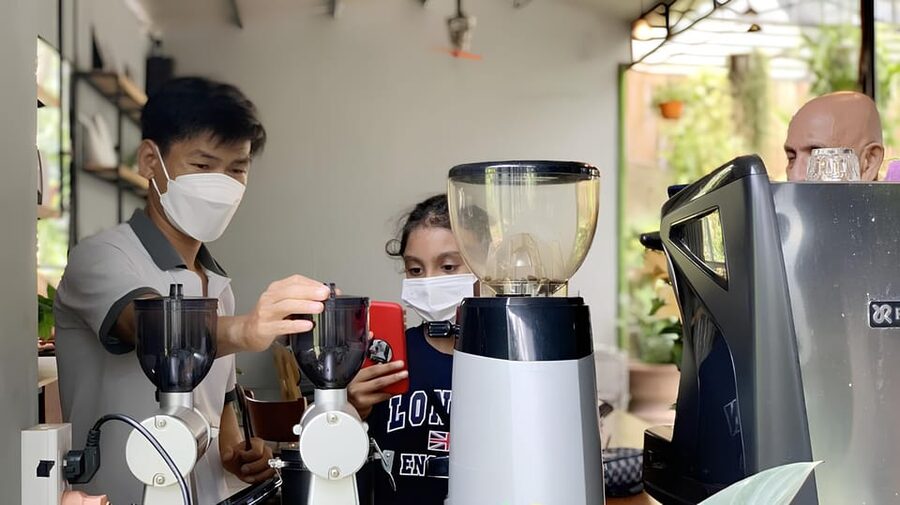
Before booking, decide what you want from the experience. If your goal is to learn a simple Vietnamese brewing method and taste two styles, the class has a clear appeal. If you want a detailed study of bean origins or professional roasting, you may need a more specialized activity.
Check the meeting point on the day of the class. Since transport is not included, plan your own route through Hoi An and leave enough time to deal with a changed location.
You do not need to bring coffee tools or ingredients. They are supplied as part of the class. You may want to bring a small notebook if you hope to repeat the recipes at home, though the activity description does not promise a printed recipe sheet.
Finally, keep an open mind about flavor. Traditional Vietnamese coffee can taste much stronger than a mild breakfast brew, and egg coffee is a sweet, creamy drink rather than a standard black cup.
Should you book Exploring Vietnamese Coffee Culture?
Book it if you want an affordable, hands-on introduction to Vietnamese coffee and like the idea of making your own drinks. The strongest features are the two contrasting recipes, the Phin filter lesson, the bean-to-cup explanation, and the small-group atmosphere.
I would be cautious if exact meeting details are unclear on the day, since location changes and one reported closure created real problems. Confirm before leaving, and avoid booking it in a schedule with no room for delay.
For most visitors, $20 is reasonable for two hours of instruction, ingredients, tools, tea, coffee, and a cookie. You are not buying a grand coffee expedition. You are buying a practical local lesson that gives you a new way to understand, taste, and prepare one of Vietnam’s most familiar daily drinks.
FAQ
Where does the coffee workshop take place?
The experience takes place in Hoi An, in Central Vietnam. The exact meeting point should be checked before you go because the location has changed for at least one booking.
How long does the activity last?
The coffee-making experience lasts two hours.
How much does the activity cost?
The listed price is $20 per person.
What coffee styles will I make?
You will make and taste two Vietnamese coffee styles, including traditional black coffee and Hanoi egg coffee.
Will I learn how Vietnamese coffee is produced?
Yes. The session covers the journey from harvesting and roasting to brewing, along with the stories behind the flavors.
What is a Phin filter?
A Phin filter is the traditional Vietnamese metal filter used to brew coffee slowly. The workshop teaches you how to use it.
Are ingredients and equipment included?
Yes. The coffee-making class includes the ingredients and tools needed for the activity.
Are tea and snacks included?
Yes. Vietnamese tea, coffee, and cookies are included.
Is hotel pickup and drop-off included?
No. You need to make your own way to the meeting point.
What languages does the guide speak?
The live guide can lead the activity in English or Vietnamese.
More Coffee Making Classes in Hoi An
- Hoi An Buffaloes Riding/Coracle Boat Tour/Coffee Class with Lunch
★ 4.5 · 15 reviews - Hoi An Coffee Making Workshop
★ 5.0 · 7 reviews - Coffee Making and Banh Mi Class Hoi An
★ 5.0 · 5 reviews - Hoi An:Coffee Making Class (Coffee: egg, Salt, Coconut, …)
★ 5.0 · 5 reviews
Just listed in Hoi An
- Vietnamese Coffee Making Class in Hoi An★ 5.0 · 4 reviews
- Hoi An Vietnamese Coffee Workshop: Hands-On Brewing Class★ 5.0 · 3 reviews
- Authentic Vietnamese Coffee Making Experience in Hoi An★ 5.0 · 13 reviews
- Vietnamese Egg Coffee Making Course in Hoi An★ 3.5 · 2 reviews
- Hoi An Coffee Making Workshop★ 5.0 · 7 reviews
- Hoi An Coffee Tasting And Old Town Discovering Tour★ 5.0 · 4 reviews
- Coffee Making and Banh Mi Class Hoi An★ 5.0 · 5 reviews
- Experience Making & Tasting Vietnamese Coffee in Hoi An★ 5.0 · 2 reviews
Vietnamese Coffee Experiences, compared.

Salt Coffee Workshop Awake Your Senses With 6 Brews
Read our review →
Egg coffee & Course on 4 traditional types of Viet coffee
Read our review →
Fun & Easy Vietnamese Coffee Workshop in Hồ Chí Minh City
Read our review →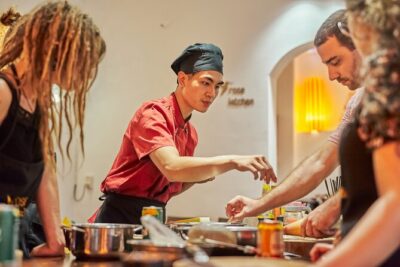
Hanoi Cooking Class: Pho/Bun Cha/Banh Xeo…+Free Egg/Salt Coffee
Read our review →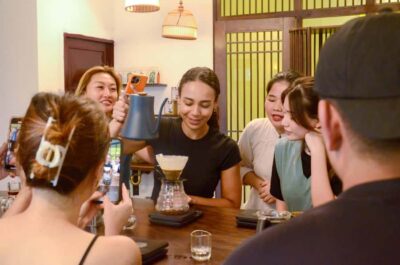
Vietnamese Coffee Workshop with 6 Brews and 8 Recipes
Read our review →
Vietnamese Coffee & Culture Exploration in Hồ Chí Minh City
Read our review →
Hanoi Coffee Workshop: Master 6 Signature Vietnamese Coffee
Read our review →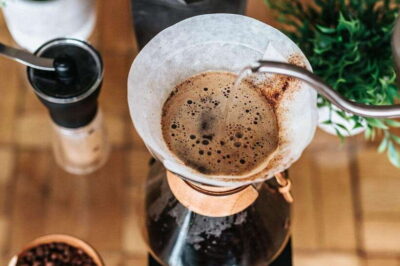
Hands-on Vietnamese Coffee Making Class with Long
Read our review →Lists this coffee tour turns up in