
REVIEW · CENTRAL KENYA
Nairobi: Fairview Coffee Estate Tour with Pickup
Fairview Coffee Estate gives you a close look at Kenyan coffee before it reaches your cup. You walk through the coffee rows, see how cherries are processed, then roast and grind your own beans over a traditional jiko. I especially like the hands-on roasting and the chance to taste several roast levels with a trained cupping host. I also like the calm green setting outside Nairobi, where coffee becomes a farm product rather than a café menu item.
The main drawback is the price structure. The tour costs $38 per person, but the $30 entry fee is not included, so check the final total before booking. Pickup also needs care: one booking had a 90-minute delay, which caused the group tour to be missed and led to an extra charge for a private visit.
Key points at a glance

- Roast your own beans over a traditional jiko: You handle the coffee through roasting, grinding, and bagging with local guidance.
- See SL28 and Ruiru 11 plants: The walk connects familiar coffee flavors with the specific varieties grown on the farm.
- Follow coffee through both mills: The wet and dry mills show what happens after cherries leave the branch.
- Taste coffee with a cupping host: Sampling different roast levels gives you a clearer sense of acidity, body, and flavor.
- Leave Nairobi for Kiambu’s highlands: The four-hour outing offers a peaceful change from city traffic and buildings.
- Plan for the separate entry fee: The advertised price does not cover the additional $30 admission charge.
A coffee farm within reach of Nairobi
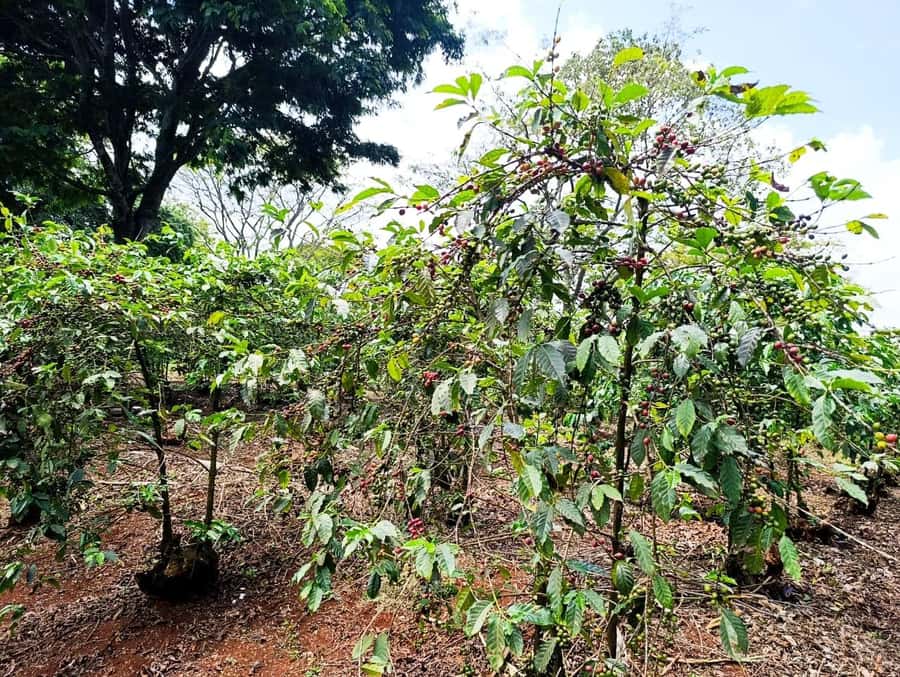
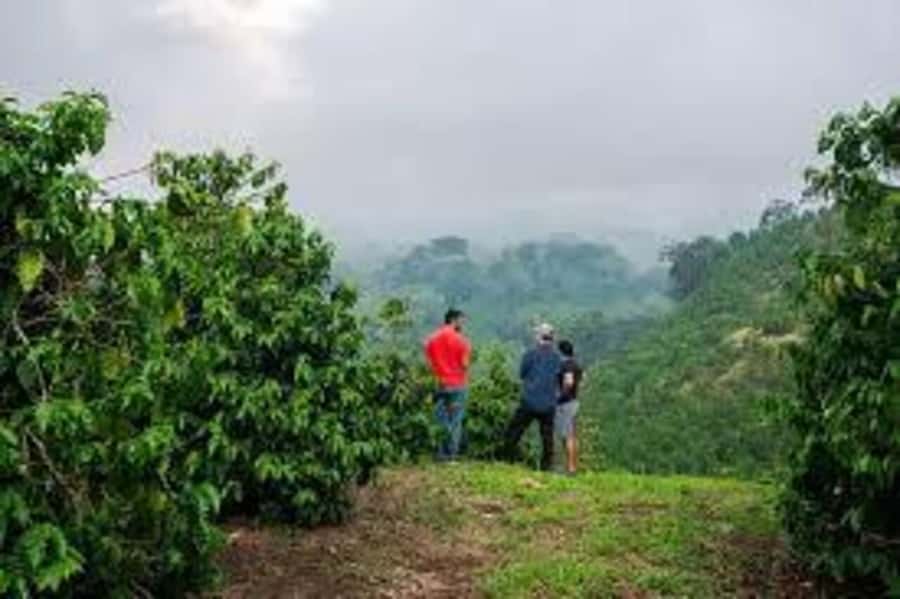
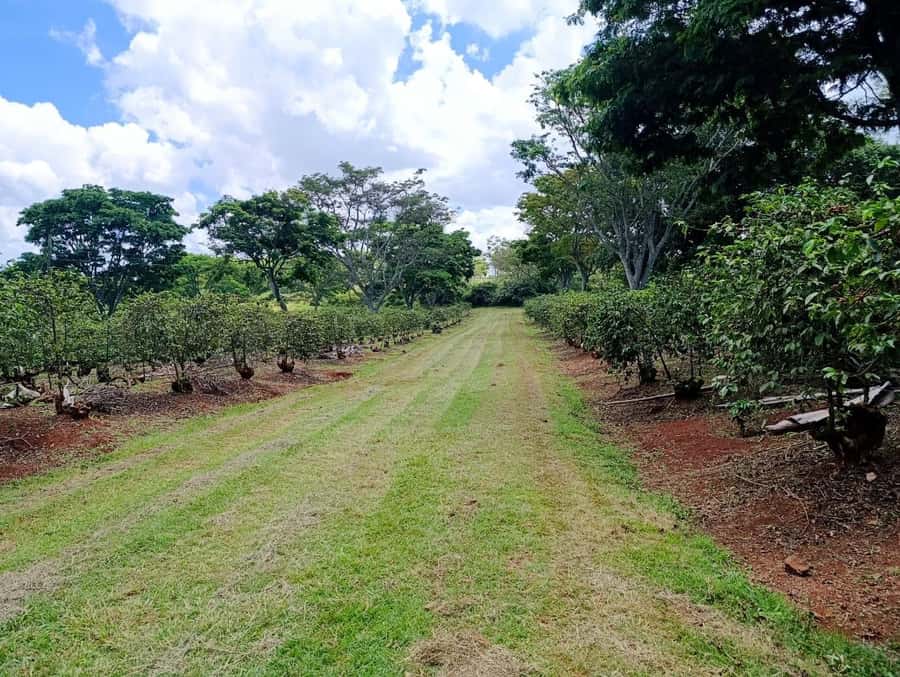
Fairview Coffee Estate sits in Kiambu, in the green highlands just outside Nairobi. The trip begins with pickup from listed areas including Kilimani, Kileleshwa, Parklands, Nairobi, Syokimau, Westlands, and Loresho.
That range of pickup points makes this a useful half-day option if you are staying in Nairobi and do not want to arrange a separate taxi to the farm. The experience lasts four hours, including the farm visit, factory tour, tasting, free time, and return transfer. The exact start time depends on availability, so check it before you commit to other plans.
I like this outing for the change of pace. Nairobi can be loud and crowded, while the estate offers rows of coffee plants, farm paths, open views, and time to slow down. You are not simply shown a bag of beans in a shop. You follow the product from plant to cup.
The moderate altitude matters. The farm sits at about 1,800 meters, so bring water, use sunscreen, and expect some walking. The paths are described as walkable, but sturdy shoes are the sensible choice.
More Coffee Farm Tours in Kenya:
- Nairobi Coffee Farm and Factory Tour
★ 5.0 · 87 reviews - Coffee Farm Tour (Fairview)
★ 4.8 · 71 reviews - Nairobi: Coffee Factory and Farm Tour with Transfer
★ 4.5 · 60 reviews
The welcome cup and local snacks
The visit begins with a fresh cup of coffee and local sweet bites. This is more than a polite greeting. It gives you a first taste before the guide explains how the same basic product changes through growing, processing, roasting, and brewing.
You also receive refreshments during the visit, with a final snack platter of local fruit, pastries, and fresh juice served on a scenic terrace. That food helps make the four-hour schedule feel like a complete outing rather than a factory inspection.
The opening coffee is also a useful reference point for the tasting later. Pay attention to what you notice at the beginning. After you see the roasting process and sample different roast levels, you may find yourself picking out flavors and textures you would normally overlook.
The supplied information does not promise a full meal. If you need lunch, plan around the tour and bring water. A separate booking had a return stop at a local restaurant that resulted in an unpleasant, overpriced meal, so I would not assume that an optional food stop arranged by a driver is part of the planned experience.
Walking through SL28 and Ruiru 11 coffee rows
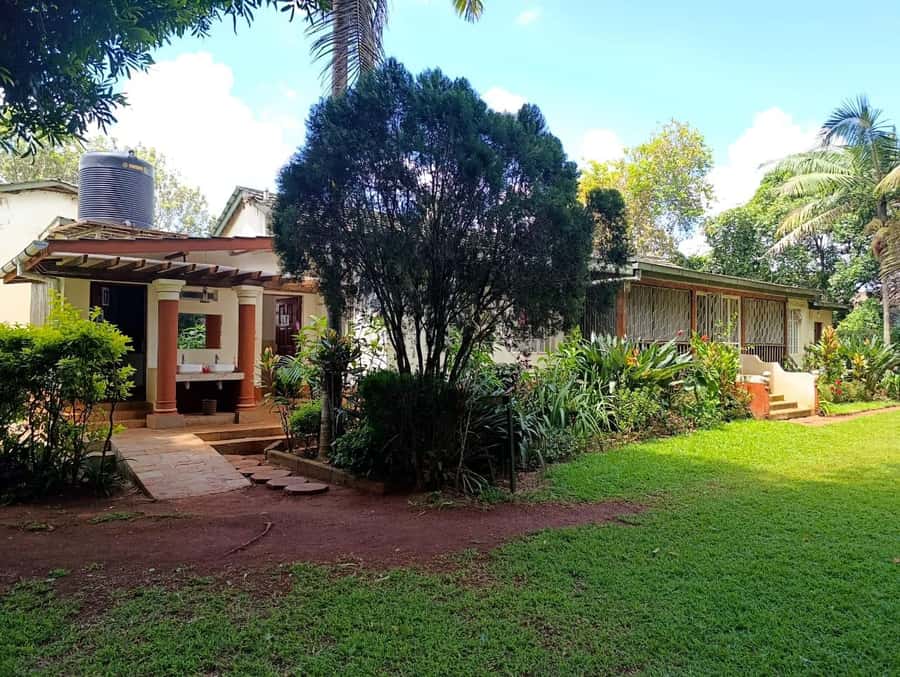
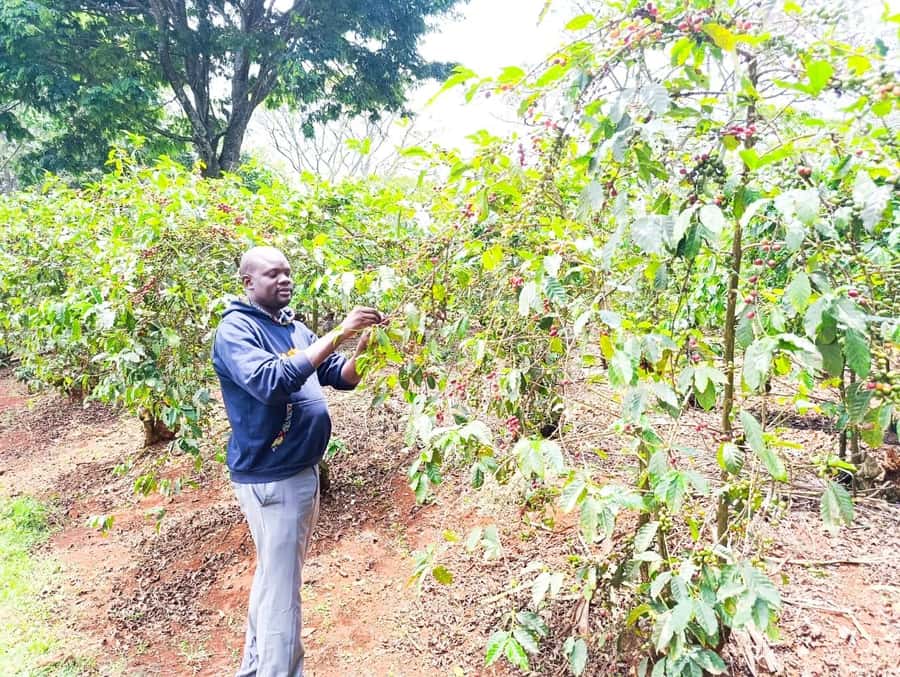
The farm walk introduces two Kenyan coffee varieties, SL28 and Ruiru 11. That detail gives the tour more substance than a general stroll through coffee plants.
The guide explains seedling propagation, soil care, and cherry selection. You learn that coffee quality begins well before roasting. The health of the plant, the condition of the soil, and the timing of picking all affect what eventually reaches the cup.
If cherries are in season, you may get a chance to handle the fruit. The best period for this is listed as April through June and October through December. Outside those months, you can still see the plants and learn about the process, but hands-on cherry work may not be available.
Look closely at the fruit and ask about selection. Coffee cherries do not all ripen at the same pace, and the farm walk helps explain why picking and sorting matter. This is where the tour connects farming decisions with the flavors you later taste.
The guide uses explanations, jokes, and games during the visit. That lighter approach is helpful if you are new to coffee. You do not need to arrive with a trained palate or technical knowledge. An English-speaking guide leads the experience, and James received particular praise for clear explanations of how the plantation works.
From cherry to bean at the wet and dry mills
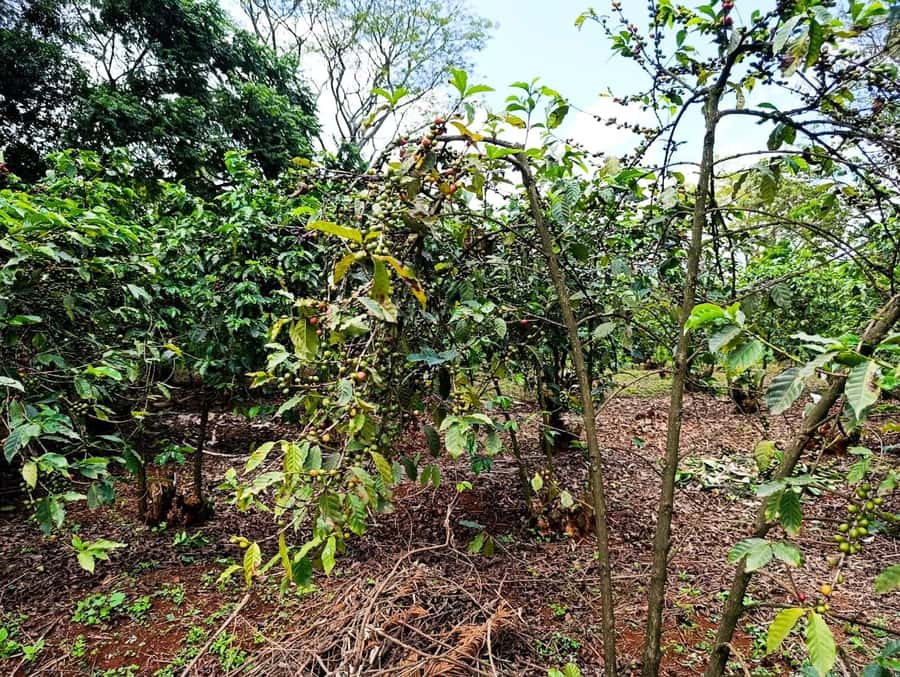
The wet mill and dry mill show the practical work between harvest and roasting. At the wet mill, coffee cherries are pulped, separating the outer fruit from the beans. Fermentation follows, then the beans are washed and prepared for drying.
The coffee is dried on raised beds. This step may look simple, but it is central to the final result. Drying affects the bean’s condition before it is stored, sorted, and prepared for roasting.
The dry mill gives you another part of the process. Here, the dried coffee is handled as a raw agricultural product before roasting turns it into something ready for brewing. Seeing both mills helps you understand why a coffee farm is also a processing operation.
I find this section useful because many coffee tastings skip everything that happens before the roaster. At Fairview, you can see the chain in order: plant, cherry, pulping, fermentation, drying, roasting, grinding, and tasting.
The tour includes a safety briefing, and paths are walkable. Wear shoes that can handle uneven farm surfaces, and do not rely on delicate sandals if you want to pay attention to the explanations instead of your footing.
More Coffee Tours in Kenya:
- Coffee Farm Village & Factory Half Day Tour with Pick-Up
★ 5.0 · 33 reviews - Nairobi: Guided Coffee Farm Tour with Tastings
★ 5.0 · 24 reviews - Coffee farm tour, coffee roasting and tasting experience
★ 5.0 · 20 reviews - Private Half-Day Tour in Fairview Coffee Farm from Nairobi
★ 5.0 · 13 reviews
Roasting beans over firewood
The most hands-on part takes place in a rustic roasting hut. You use a traditional jiko, a small charcoal or wood-burning stove, to roast your own beans with guidance from the local staff.
Roasting over firewood gives you a direct sense of how much work is involved in producing a cup of coffee. You watch the beans change color, smell the developing aroma, and learn that roasting is not simply a matter of turning a switch and waiting for a preset timer.
You then grind and bag the coffee. The activity is simple enough for beginners, but it also has a useful lesson: small changes in roast level can change the taste in the cup.
The workshop is not only for watching. You take part in the process, which makes it one of the better reasons to choose this visit over a standard coffee tasting. If you buy coffee or other items afterward, personal purchases are not covered in the tour price.
Cupping different roast levels
After the farm and roasting work, a certified cupping host leads a tasting. You sample different roast levels and learn how to compare them.
Cupping asks you to pay attention to scent, flavor, acidity, body, and finish. You do not need to use formal tasting terms, but slowing down helps. Smell the coffee first, take a small sip, and compare one roast with another rather than trying to judge each cup in isolation.
This section puts the earlier stops into context. The farm walk explains plant varieties and cherry selection. The mills explain processing. The jiko shows roasting. Cupping is where you see the combined result.
Kenyan coffee is often associated with bright, distinctive flavors, but the exact cup depends on the bean, processing method, roast, and preparation. The tasting gives you a chance to understand that coffee does not have one fixed taste.
If you normally drink coffee with milk or sugar, try the samples plain first. You can add what you like later, but the plain tasting makes differences between roast levels easier to notice.
A terrace finish with fruit and pastries
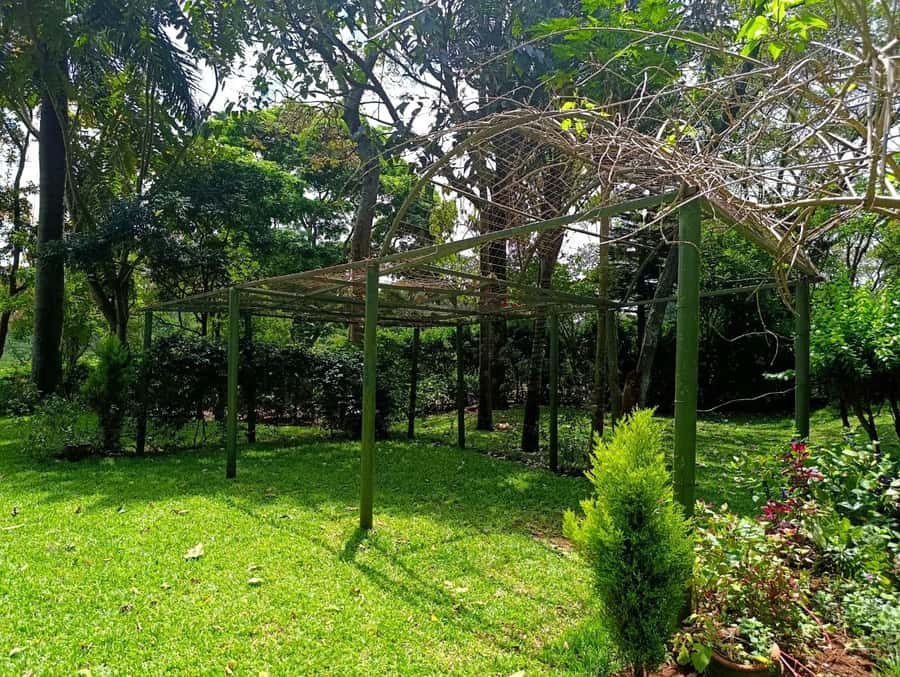
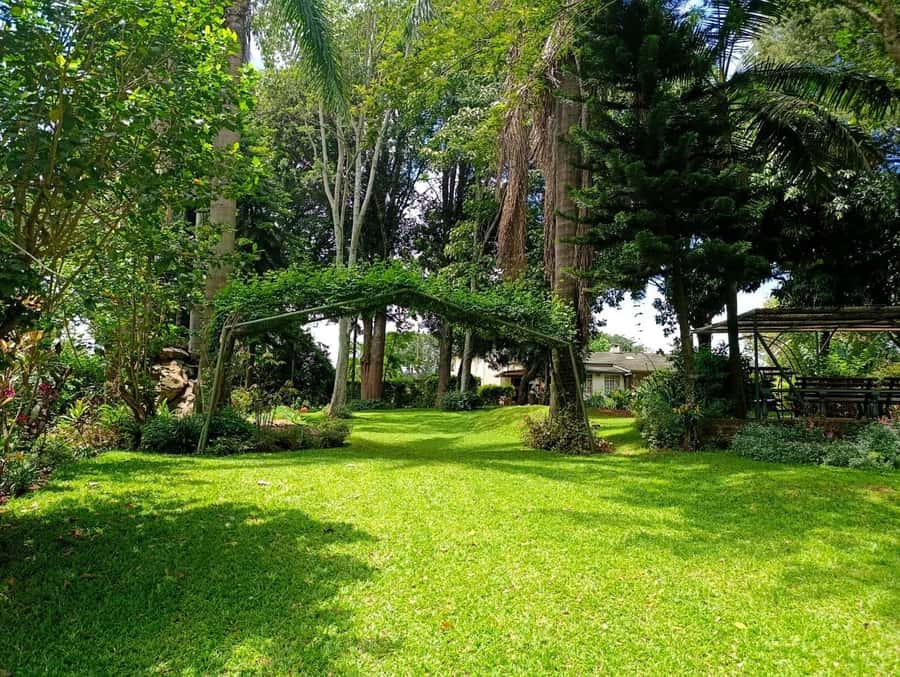
The visit ends with time on a scenic terrace, along with local fruit, pastries, and fresh juice. This provides a relaxed finish after the walking, mill tour, and roasting session.
The terrace is also a good place to ask final questions. You might want to know more about the varieties, the harvest seasons, or the coffee you roasted. The schedule includes free time and shopping, so you can look at available products without rushing straight back to the vehicle.
The refreshment platter is a snack, not a full lunch. Keep that in mind when planning the rest of your day, especially if pickup is early or traffic makes the return longer than expected.
What the $38 price really covers
At $38 per person, the outing has reasonable value if you want transport, a guided farm visit, a roasting workshop, a tasting, and refreshments in one package. The inclusion of pickup and drop-off from several Nairobi areas is useful because reaching Kiambu independently can add cost and planning time.
But the advertised price does not include the $30 entry fee. That is a large extra charge compared with the tour price, so the practical cost is closer to $68 per person before personal purchases.
You also receive a guided farm and factory tour, coffee tasting, roasting activity, snack platter, and refreshments. The value depends on how much you care about the process. If you only want to drink Kenyan coffee, a café tasting will cost less. If you want to see the farm and handle the beans yourself, this visit offers more.
Ask for a clear explanation of the entry charge when booking or before departure. One Japanese-speaking booking found the separate fee unexpected at the gate. It is easier to plan when you treat it as part of the total cost from the start.
Pickup matters more than it should
The tour includes pickup and drop-off, but transportation is the part that deserves the most caution. One booking experienced a 90-minute delay, missed the planned group visit, and faced a choice between waiting three hours or paying $20 more per person for a private tour.
That is not a minor inconvenience if you have evening plans, a flight, or another Nairobi activity. Confirm your pickup time and meeting point before the day begins, and keep the provider’s contact details handy.
The return ride also calls for sensible boundaries. A driver named Surfic received strong praise for being friendly, but another booking described an unwanted restaurant stop that became an expensive scam. I would stick to the planned route unless you have checked the restaurant and agreed on the price yourself.
These issues do not erase the value of the farm visit, but they do affect how carefully you should plan. Leave room in your schedule, carry water and a snack, and do not assume an unplanned meal stop is included or trustworthy.
Who will enjoy this farm visit most
I would recommend Fairview to coffee drinkers who want context behind the cup. It suits you especially well if you like practical demonstrations, gentle walking, food tastings, and a short escape from central Nairobi.
Families may enjoy the roasting, simple games, and chance to see coffee plants up close. The farm is listed as wheelchair accessible, although the paths and walking conditions are still worth confirming for your particular needs.
The visit is also a good fit for first-time coffee tasters. You do not need specialist vocabulary. The guide explains the process from the ground up, and the different roast samples give you a clear way to compare what you are drinking.
It may not suit you if you want a long agricultural tour, a full meal, or a tightly timed outing with no transport uncertainty. Four hours is enough for an introduction, but it is not an all-day study of Kenyan coffee.
For the fullest farm experience, choose April through June or October through December, when harvest activity is most likely. Outside harvest season, the mills, plants, roasting, and tasting remain the main attractions.
Booking advice for a smoother day
Wear sturdy, comfortable shoes. Bring sunscreen and water, and expect to walk outdoors at moderate altitude.
Keep your schedule flexible around the four-hour duration. The official time is clear, but a late pickup can affect the group schedule. If you have a flight, train, or fixed appointment, this is not the day to cut things close.
Check the full price, including the separate $30 entry fee. Also confirm the pickup point in one of the listed Nairobi neighborhoods: Kilimani, Kileleshwa, Parklands, Nairobi, Syokimau, Westlands, or Loresho.
The activity is conducted in English. Free cancellation is available up to 24 hours in advance, and you can reserve now and pay later, which helps if your Nairobi plans are still shifting.
Should you book Fairview Coffee Estate?
Book it if you want more than a cup of coffee. The farm walk, wet and dry mills, jiko roasting, and cupping session create a clear farm-to-cup story, while the terrace snacks keep the visit relaxed. James is specifically praised for explaining the plantation well, and the coffee tasting is the strongest part for anyone curious about roast levels and Kenyan varieties.
Think twice if the extra $30 entry fee changes your budget or if you need exact transport timing. Confirm the total price, pickup details, and return plan before you go.
For a coffee fan with half a day in Nairobi, Fairview offers a hands-on look at Kenyan coffee in a quiet highland setting. Just budget honestly and keep control of your return plans.
FAQ
Where is Fairview Coffee Estate located?
Fairview Coffee Estate is in Kiambu, in the central Kenyan highlands outside Nairobi.
How long does the coffee estate tour last?
The experience lasts four hours, including transport arrangements, the estate visit, guided activities, tasting, and free time.
What is included in the tour?
The tour includes a guided farm and factory tour, a hands-on coffee roasting workshop, a cupping and tasting session, a snack platter, refreshments, and pickup and drop-off from Nairobi.
Is the $30 entry fee included?
No. The $30 entry fee is listed separately and is not included in the tour price.
What coffee varieties can I see at the farm?
The farm walk includes SL28 and Ruiru 11 coffee varieties.
Can I roast my own coffee?
Yes. You roast beans over firewood using a traditional jiko, then grind and bag the coffee with local guidance.
What languages are available?
The tour is conducted in English with a live English-speaking guide.
When is the best time to visit?
The best time for harvest activity is April through June and October through December.
What should I bring?
Bring comfortable or sturdy shoes, sunscreen, and water. The farm sits at about 1,800 meters, so staying hydrated is important.
Just listed in Kenya
- Fairview Estate Coffee Farm Tour With Pick up★ 5.0 · 2 reviews
- Private Half-Day Tour in Fairview Coffee Farm from Nairobi★ 5.0 · 13 reviews
- Private Tour to Fairview Coffee Farm in Nairobi with Pickup★ 5.0 · 2 reviews
- Coffee Farm Half-Day Tour in Kenya★ 3.0 · 2 reviews
- Coffee Farm Tour (Fairview)★ 5.0 · 4 reviews
- Nairobi: Beads Factory Tour with Pickup & Coffee★ 5.0 · 7 reviews
- Fairview Coffee Estate Tour From Nairobi★ 5.0 · 3 reviews
- FAIRVIEW COFFEE FARM DAY TOUR★ 4.0 · 5 reviews
Coffee Farm Tours, compared.
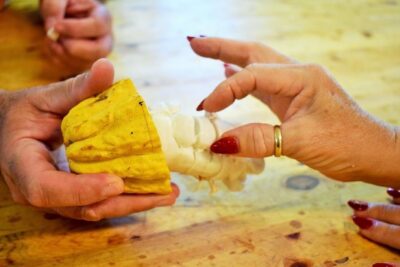
Award Winning Farm Tour: Coffee, Chocolate and Unique Gifts
Read our review →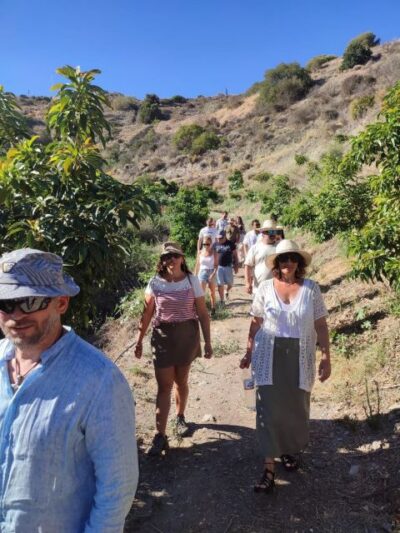
La Herradura Coffee Farm: tour in Europe’s only plantation
Read our review →
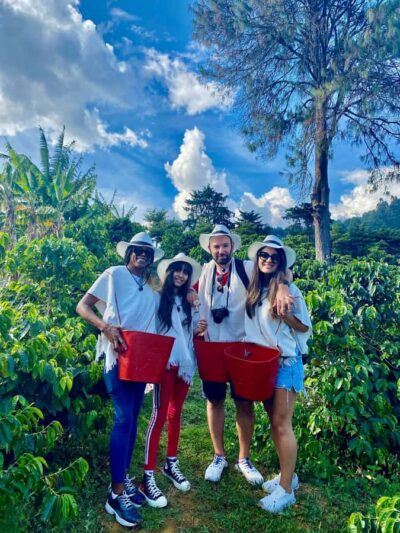
Medellín Coffee Farm Tour with Trolley and Cable Car Ride
Read our review →
Private Cocora Valley, Salento & Coffee Farm Tour
Read our review →
Liamuiga Natural Farm Tour – St.Kitts’ Coffee Farm
Read our review →
Lists this coffee tour turns up in