
REVIEW · CENTRAL KENYA
Nairobi: Guided Coffee Farm Tour with Tastings
Coffee here is more than a drink. On this three-hour outing from Nairobi, you follow the bean from coffee cherry on the plant to brewed cup, with time to smell, taste, and ask questions along the way. The hands-on tasting games make the technical side easier to grasp.
I like the included hotel transfers and the way guide Patrick Solomon turns the drive into part of the tour, adding Nairobi history, culture, restaurant tips, and even a few Swahili words. I also like the direct contact with coffee growing, including varieties, harvesting, drying, roasting, and flavor testing.
The main point to check is the price. The advertised rate is $27 per person, but the farm entry fee may cost an additional $30 for adults and $15 for children over seven if you choose an option without entry included. Ask before booking so the final cost is clear.
Key points at a glance
- Follow the coffee plant from cherry to cup: Learn about varieties, cultivation, harvesting, drying, roasting, and brewing.
- Patrick adds a Nairobi tour on the road: Transfers can include useful facts about the city, Kenya’s culture, and notable places.
- Taste coffee in a playful way: Smell-the-coffee games help you identify aromas and compare flavor profiles.
- Meet the people behind the crop: The farm visit gives you direct contact with growers and their working methods.
- A useful solo-traveler option: Private and small-group formats are available, with pickup and drop-off included.
- Bring walking shoes and sun protection: The tour takes place partly outdoors on a working farm.
From Nairobi streets to a working coffee farm
Your day begins with pickup in Nairobi. If you are staying at a hotel, wait in the lobby about 15 minutes before collection. Airport pickup is also available, with instructions to wait at the taxi area 15 minutes ahead of time.
The ride matters here. Patrick has become a major part of the experience, not simply the person behind the wheel. He uses the journey to explain Nairobi, Kenya’s past, local customs, and places you pass on the way. Past outings have also included small detours to show the United Nations headquarters, embassies, and other city sights.
That can make the transfer feel like a useful introduction to Nairobi. If this is your first day in the city, you can ask Patrick for ideas on food, sightseeing, and other activities. He has also helped visitors plan extra outings, including a giraffe center visit arranged in advance. Those extras are not part of the standard coffee tour, so confirm any added plans and costs before you set off.
The drive is also the least predictable part of the schedule. Nairobi traffic can affect how much time you spend at the farm, and the supplied itinerary gives only about 1.5 hours for the main guided sightseeing and tasting portion. The full activity lasts three hours, including transfers, so this is a focused introduction rather than a full-day agricultural visit.
More Coffee Farm Tours in Kenya:
- Nairobi Coffee Farm and Factory Tour
★ 5.0 · 87 reviews - Coffee Farm Tour (Fairview)
★ 4.8 · 71 reviews - Nairobi: Coffee Factory and Farm Tour with Transfer
★ 4.5 · 60 reviews
Walking among coffee varieties
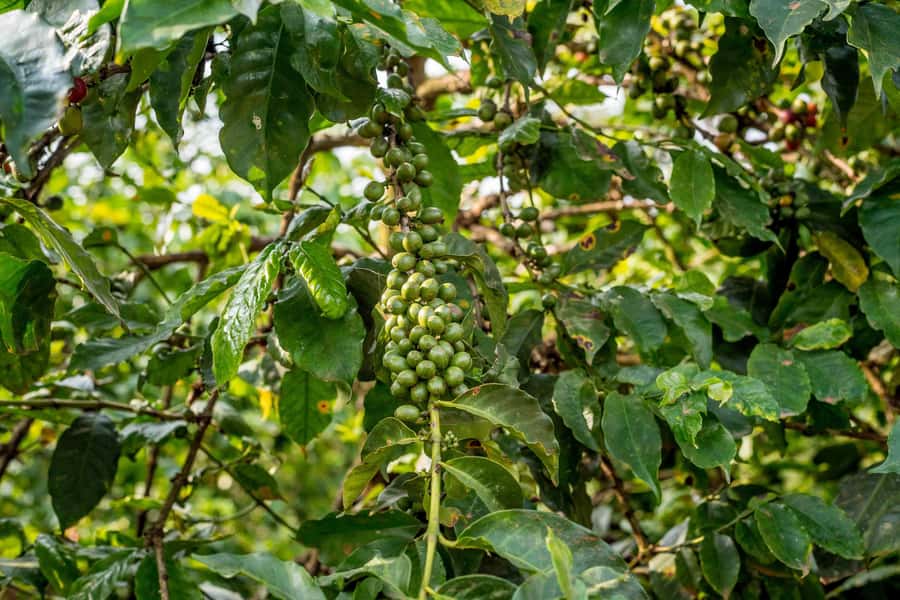
At the farm, the first lesson concerns the plants themselves. You learn about different coffee varieties and the advantages and disadvantages of each. This is useful because coffee is not one uniform crop. Plant type, growing conditions, cultivation choices, and later processing all affect the final drink.
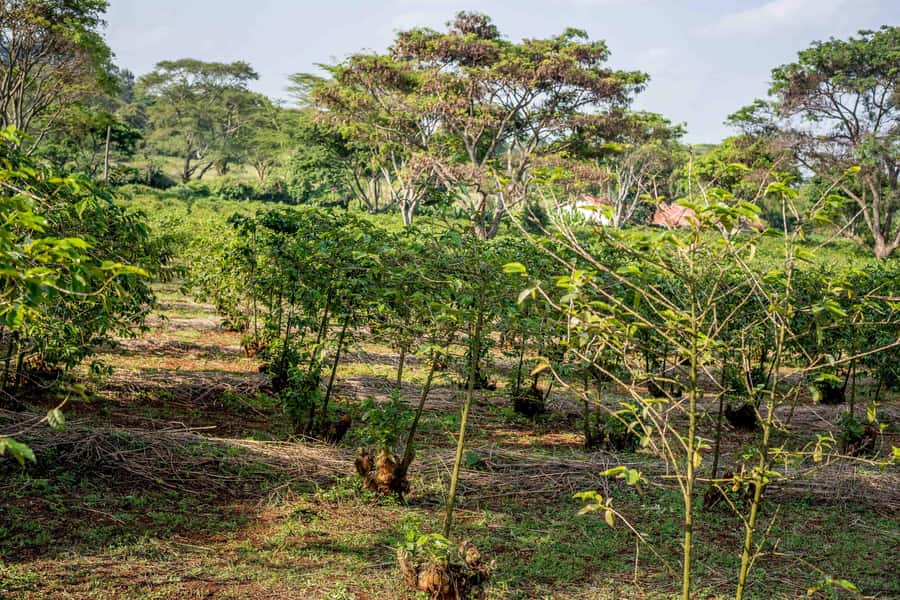
You walk through the plantation while learning how coffee is grown and cared for. The route is not just a photo stop beside a few plants. The aim is to show how farming decisions shape the crop before it reaches a mill, roaster, or café.
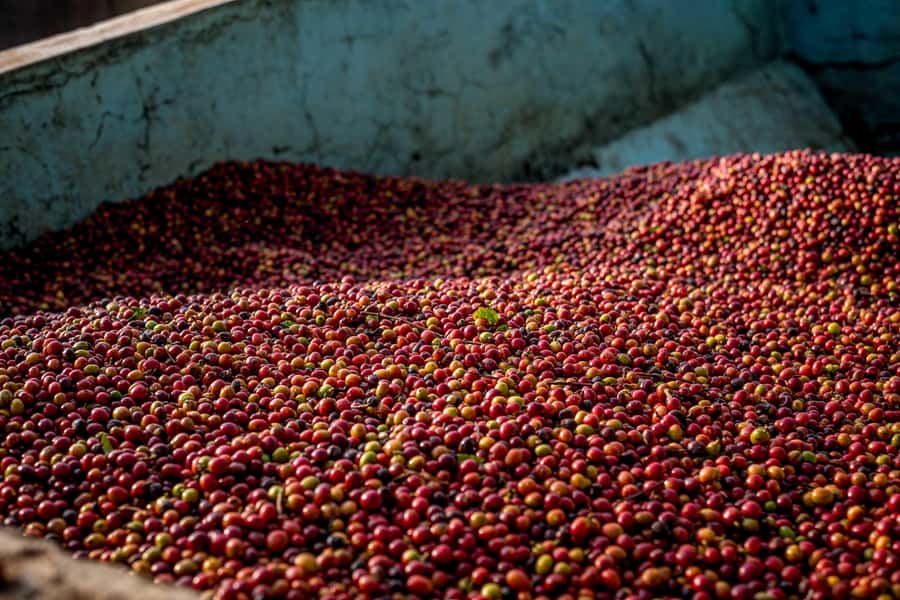
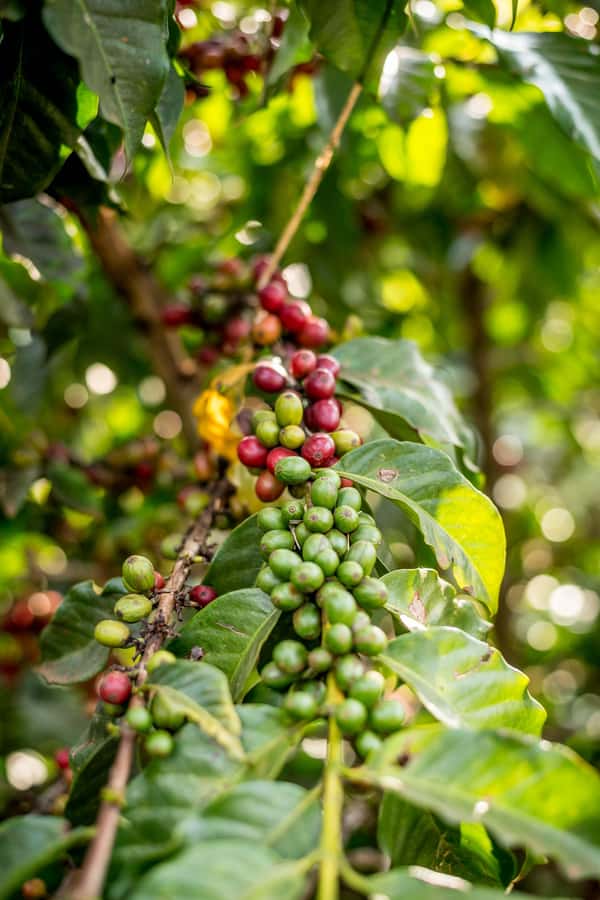
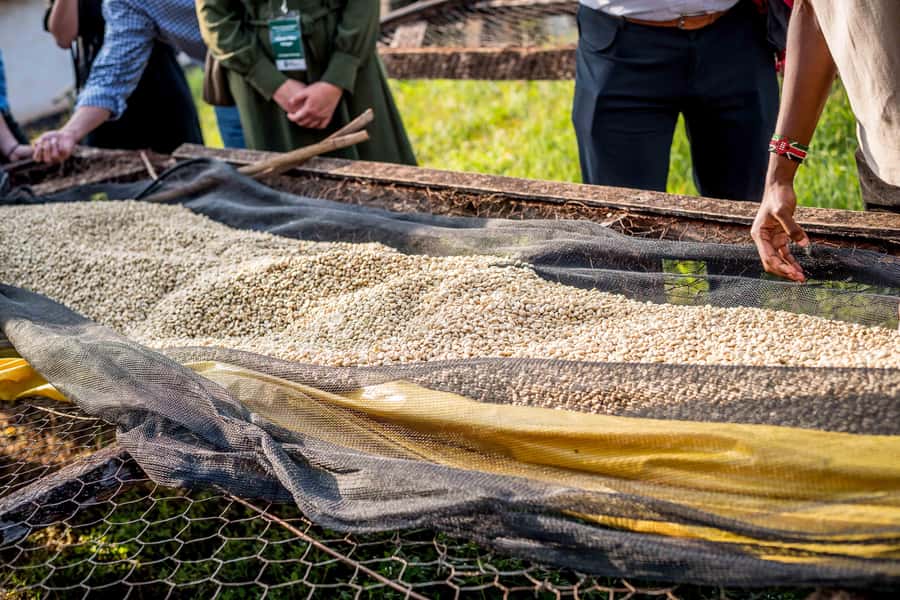
You can also expect explanations about harvesting coffee cherries. The cherries are the fruit that surrounds the coffee seed, and the tour connects that simple-looking fruit with the work that follows. You learn what happens after picking, including drying and other steps that prepare the beans for roasting.
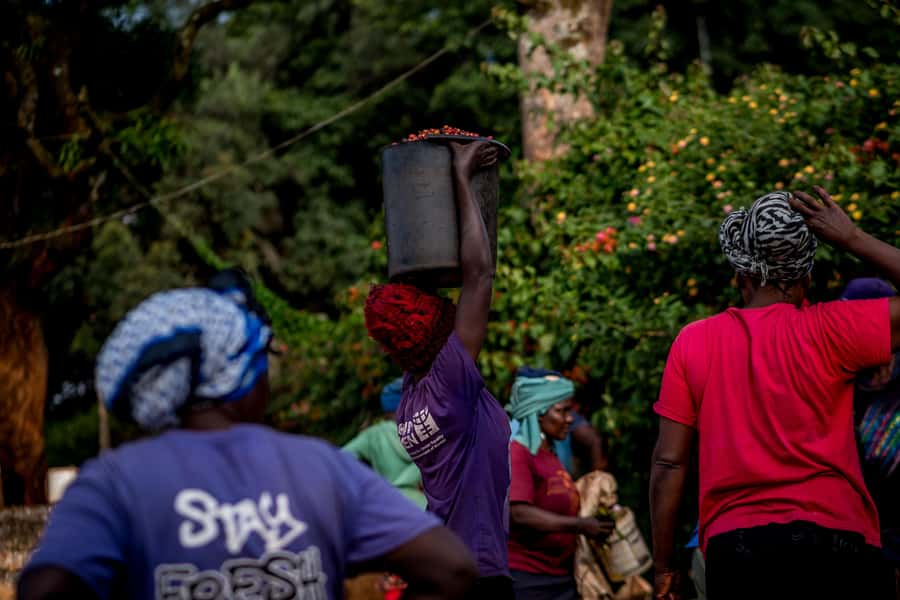
The farm setting gives this information more meaning than a standard tasting in a Nairobi café. You see where the process starts and can ask about farming techniques directly. The tour also includes interaction with farm workers, which helps connect the finished drink with the people who grow it.
Wear shoes that are comfortable for walking around a farm. A hat may be useful, especially if the weather is sunny. The experience is not suitable for people over 95, and the operator lists a weight limit of 209 pounds, or 95 kilograms. Hearing-impaired visitors should also note that the activity is conducted in English and depends heavily on spoken explanation.
From cherries to drying, roasting, and sale
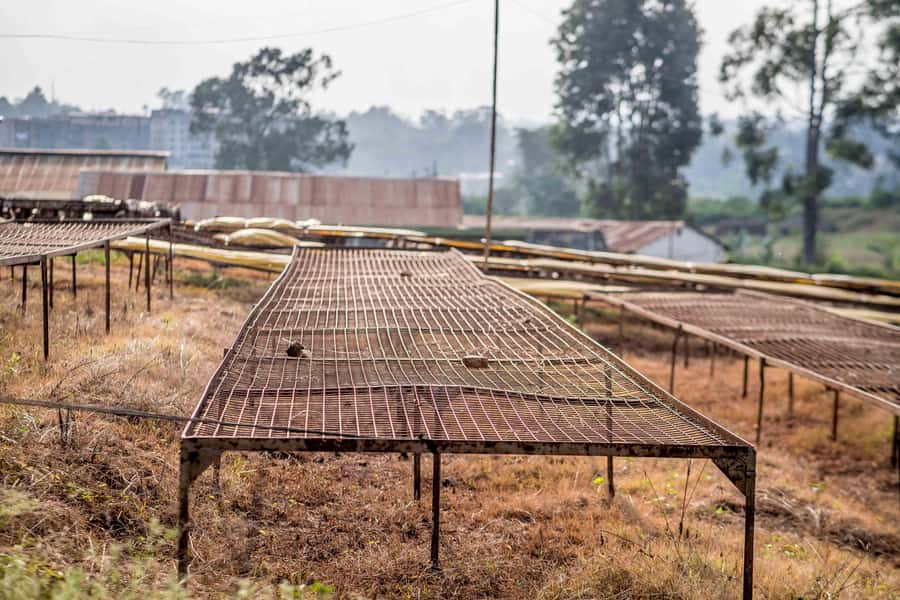
The strongest part of this experience is the link between farming and processing. You do not stop at learning how coffee grows. The explanations can extend to cross-pollination methods used to influence flavor, drying processes, roasting, and the way coffee is sold around the world.
That wider view helps you understand why two coffees can taste so different even when both come from the same general region. The variety of the plant matters, but so do cultivation, processing, roasting, and brewing. For someone who drinks coffee every morning, this is the part that changes how you think about the cup in front of you.
The level of detail can suit both casual drinkers and serious coffee fans. You will not need specialist knowledge to take part, and the guide explains the ideas in a practical way. At the same time, people who already enjoy coffee can ask about soils, flavor development, harvesting, and processing rather than receiving only a basic introduction.
Keep your expectations sensible. This is a three-hour farm experience, not a professional barista course or a full agricultural qualification. You will learn a great deal about the process, but the exact demonstrations and depth may depend on the farm staff, timing, and the group size.
Smell-the-coffee games and tasting
After the farm walk, you head to the liquor room for the tasting portion. Here, the tour becomes more playful. You take part in smell-the-coffee games designed to help you identify different aromas and distinguish flavor profiles.
Coffee tasting can sound formal, but this session is presented as an approachable activity. You are encouraged to smell, compare, guess, and discuss what you notice. You do not need a trained palate. The point is to learn how coffee professionals pay attention to scent, flavor, and texture.
The tasting also helps explain why coffee descriptions use words such as fruity, nutty, floral, or earthy. You may not identify every note correctly, and that is part of the fun. The activity gives you a way to compare coffees rather than simply being told that one is different from another.
This is also the part described as a coffee tasting competition. If you enjoy light competition, it adds energy to the session. If you prefer a quiet tasting, the private or small-group format may be the better choice.
Once the testing is finished, you receive a hot cup of coffee of your choice and a complimentary snack. Bottled water is also included. Food beyond the snack is not included, so do not treat this as a meal replacement.
More Coffee Tastings in Kenya:
- Coffee farm tour, coffee roasting and tasting experience
★ 5.0 · 20 reviews - Hanoi Coffee Experience: 6 Brews, 9 Recipes & 3 Liquor Tastings
★ 5.0 · 2,945 reviews - Medellin: Coffee Tour with Transport, Snacks and Tastings
★ 4.7 · 1,357 reviews - Seattle Coffee Tour: Capitol Hill Cafes, Tastings & Local Stories
★ 5.0 · 489 reviews
Why Patrick matters to the experience
The farm staff lead much of the coffee instruction, while Patrick adds context before, during, and after the visit. His role is especially useful for visitors who want more than a narrowly focused coffee lesson.
He explains Nairobi’s development, Kenyan culture, history, tribes, and daily life during the transfers. He also teaches a basic Swahili lesson, which is a small but welcome touch. You can ask him questions about the city and get practical suggestions for the rest of your stay.
Patrick has also been praised for confirming trips in advance, arriving on time, and helping solo visitors feel at ease. One particularly thoughtful detail is his response when a visitor felt unwell. He arranged water and cookies, stayed nearby, and later explained the parts of the coffee process that had been missed.
That level of personal attention is valuable, but you should remember that the farm guide and Patrick have different roles. Patrick may join parts of the coffee tour and add information, while a farm employee leads the technical farm content. The exact balance can vary.
Is $27 a good value?
At $27 per person, the experience looks reasonably priced for a three-hour private or small-group outing with hotel pickup, drop-off, a professional guide, farm access when included, the guided visit, tasting, coffee, snack, bottled water, Wi-Fi, and small Kenyan merchandise giveaways.
The value depends on the entry-fee option. If your booking does not include farm entry, the stated fee is $30 for adults and $15 for children over seven, payable by cash or card. That can make the actual cost much higher than the headline price, so check the booking choice carefully.
For comparison within your own itinerary, this tour also saves you from arranging separate transport to a farm and back. Patrick’s Nairobi commentary gives the transfer extra value, especially if you are new to the city. You may come away with both a coffee lesson and a useful orientation to Nairobi.
The included snack is modest, and lunch is not provided. If you need a substantial meal, plan one before or after the outing. Also remember that the three-hour duration includes transport, so the farm portion is not an all-day visit.
Who will enjoy this coffee tour most?
I would recommend it to coffee drinkers who want to understand the work behind their daily brew. It is also a good fit for solo visitors, couples, and small groups who prefer personal conversation over a large coach outing.
It suits first-time visitors to Nairobi because Patrick can add city and cultural context. The farm walk, basic Swahili lesson, tasting games, and Kenyan gift giveaways also make it broader than a technical coffee demonstration.
You may want a different experience if you are looking for a full meal, a long agricultural workshop, or a quiet café tasting with no walking. The tour also has clear limitations for people with the listed age, weight, or hearing restrictions.
Book with comfortable shoes, a hat if needed, and enough time in your schedule for Nairobi traffic. If the farm entry fee is not included in your chosen option, carry a payment method accepted by the farm. Alcohol and drugs are not allowed.
Should you book it?
Book this tour if you want a friendly, practical introduction to Kenyan coffee and would value a guide who can also explain Nairobi. The combination of farm walking, processing lessons, tasting games, a hot cup, and hotel transport makes it easy to fit into a city stay.
I would be more cautious if your main goal is a full-day farm visit or a formal coffee qualification. Check the entry-fee wording before paying, and confirm any extra sightseeing requests with Patrick in advance.
For most coffee lovers, especially solo visitors and first-time Nairobi guests, this is a worthwhile half-day addition. You leave with a better sense of how much work sits behind a simple cup, plus a few ideas for seeing more of the city.
FAQ
How long does the coffee farm tour last?
The activity lasts three hours, including pickup and drop-off from Nairobi.
Where does pickup take place?
Pickup is available in Nairobi. Hotel visitors should wait in the lobby 15 minutes before pickup. Airport visitors should wait at the taxi area 15 minutes before pickup.
What language is the tour conducted in?
The live tour guide speaks English. A basic Swahili language lesson is also included.
Is hotel transportation included?
Yes. Hotel pickup and drop-off are included. Airport pickup instructions are also provided.
Is the farm entry fee included?
It depends on the option selected when booking. If you choose an option without entry included, the stated fee is $30 for adults and $15 for children over seven, payable by cash or card.
What does the coffee tasting include?
You take part in coffee tasting activities and smell-the-coffee games, learn to distinguish flavors, and finish with a hot cup of coffee of your choice and a complimentary snack.
Is food included?
A complimentary snack is included, but additional food is not included.
Can I book a private tour?
Yes. Private and small-group options are available.
Can I cancel the booking?
You can cancel up to 24 hours in advance for a full refund. Reserve now and pay later is also available.
Just listed in Kenya
- Fairview Estate Coffee Farm Tour With Pick up★ 5.0 · 2 reviews
- Private Half-Day Tour in Fairview Coffee Farm from Nairobi★ 5.0 · 13 reviews
- Private Tour to Fairview Coffee Farm in Nairobi with Pickup★ 5.0 · 2 reviews
- Coffee Farm Half-Day Tour in Kenya★ 3.0 · 2 reviews
- Coffee Farm Tour (Fairview)★ 5.0 · 4 reviews
- Nairobi: Beads Factory Tour with Pickup & Coffee★ 5.0 · 7 reviews
- Fairview Coffee Estate Tour From Nairobi★ 5.0 · 3 reviews
- FAIRVIEW COFFEE FARM DAY TOUR★ 4.0 · 5 reviews
Coffee Farm Tours, compared.
Award Winning Farm Tour: Coffee, Chocolate and Unique Gifts
Read our review →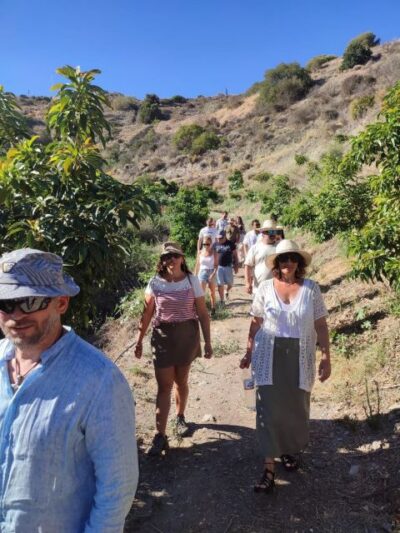
La Herradura Coffee Farm: tour in Europe’s only plantation
Read our review →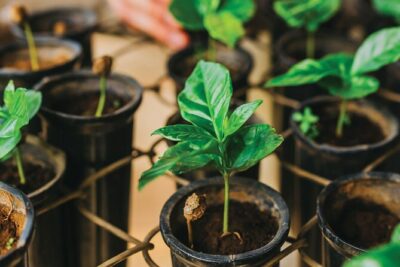
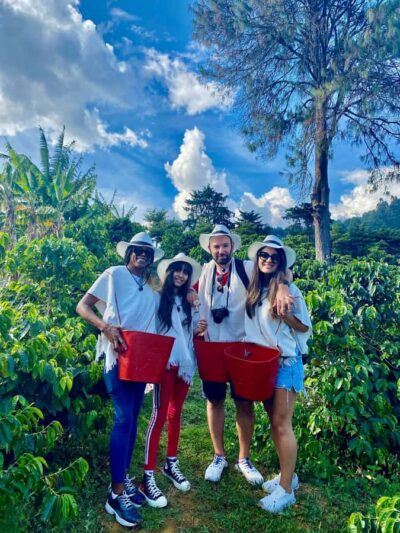
Medellín Coffee Farm Tour with Trolley and Cable Car Ride
Read our review →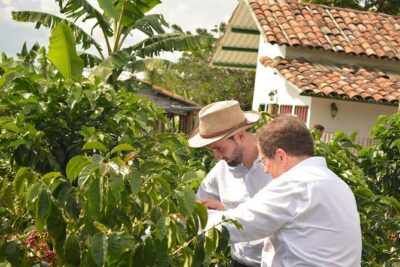
Private Cocora Valley, Salento & Coffee Farm Tour
Read our review →
Liamuiga Natural Farm Tour – St.Kitts’ Coffee Farm
Read our review →
Lists this coffee tour turns up in