
REVIEW · CENTRAL VIETNAM
Da Nang: Egg, Salt, & Coconut Coffee Making Class
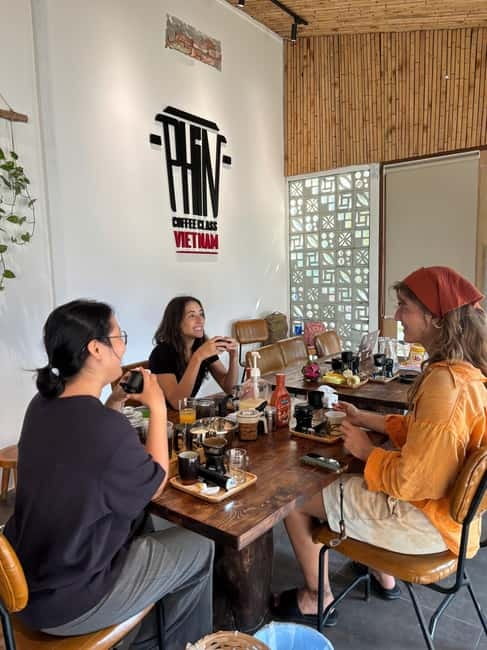
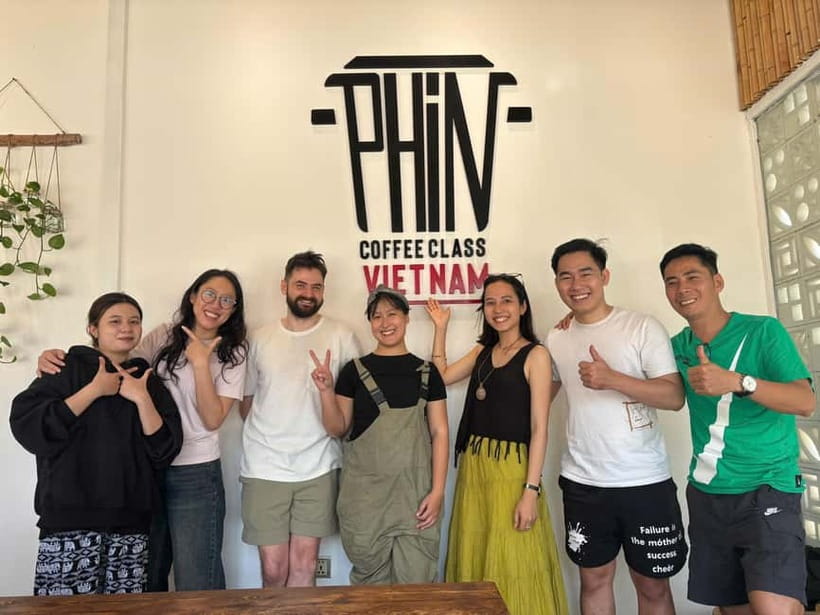
Vietnamese coffee is not just strong coffee with condensed milk. In this 90-minute Da Nang class, you make egg, salt, and coconut coffee yourself, using the slow-drip phin filter that gives Vietnamese coffee its familiar character. I like the hands-on format and the chance to taste three very different drinks in one sitting. I also like the local touch: guides such as Duck, Daisy, and Annie explain both the brewing and the coffee customs behind it.
The main consideration is the caffeine. Three drinks can leave you very alert, especially if you take the suggested morning class before sightseeing. The workshop costs $18, which is fair for the instruction, ingredients, equipment, recipes, and tasting, but coffee lovers wanting only a quick cup will find a normal café stop cheaper and faster.
Key points at a glance
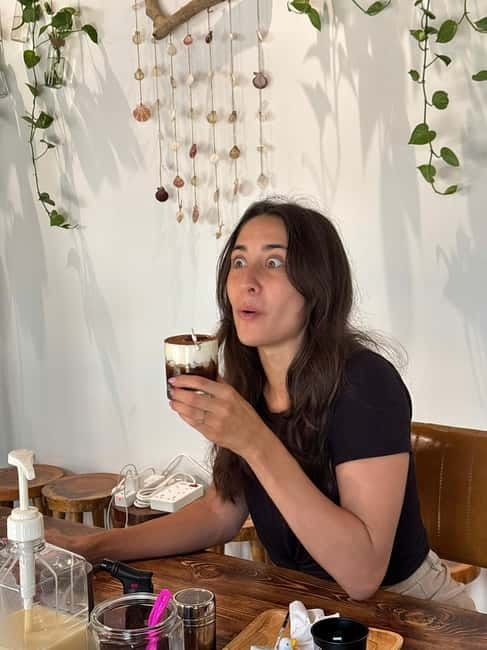
- Three drinks in one class: Make egg coffee, salt coffee from Hue, and chilled coconut coffee.
- The phin filter is the star: Learn Vietnam’s slow-drip brewing method rather than simply watching a demonstration.
- English-speaking local instruction: Hosts including Duck, Daisy, and Annie lead recent sessions in a friendly, clear style.
- A useful morning activity: The class lasts 90 minutes and can give you a serious caffeine boost before exploring Da Nang.
- A pleasant setting: The second-floor room has Indochine-style décor, plants, and a bright, clean feel.
- Good value at $18: Equipment, ingredients, three tastings, recipes, cultural context, and free photos are included.
Why this Da Nang coffee class works
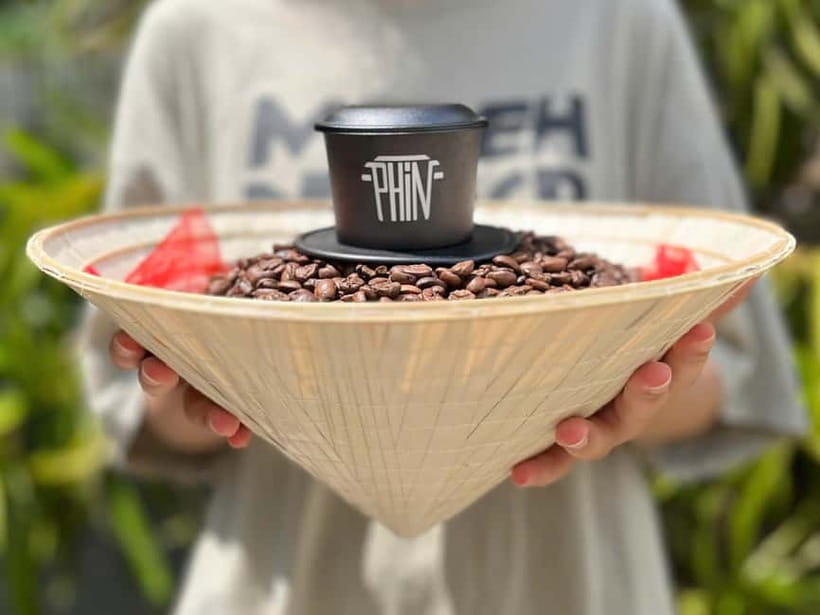
I like this experience because it turns a familiar café drink into a small cultural lesson. You do not simply sit down and receive a pretty cup. You handle the filter, follow the process, and see how Vietnamese coffee changes when it meets egg, salt, or coconut.
That difference matters in Vietnam. Robusta beans are known for their strong, full flavor, and the phin filter extracts the coffee slowly. The result is not a light, quick brew. It is concentrated, aromatic, and well suited to sweet or creamy additions.
You also get three drinks with three different personalities. Egg coffee feels close to a dessert, salt coffee has a savory edge that may surprise you, and coconut coffee is cold, sweet, and tropical. The tasting makes the class more useful than a single-drink workshop because you can compare the flavors and decide what you want to order later in Da Nang or elsewhere in Vietnam.
More Coffee Making Classes in Vietnam
- Hanoi Coffee Workshop: Taste Salt, Coconut and Egg Coffee
★ 5.0 · 1,286 reviews - Hanoi: Salt Coffee Workshop Awake Your Senses With 6 Brews
★ 5.0 · 792 reviews - Da Nang Coffee Making Workshop
★ 4.9 · 543 reviews
Finding the second-floor meeting point
The class takes place on the second floor of the coffee shop. Look for the entrance and go upstairs, where the guide waits at the second-floor entrance to greet you.
The room is described as warm and cozy, with Indochine-style decoration. Plants and bright, clean surroundings give it a relaxed feel rather than a formal classroom mood. That setting suits the activity. Coffee making is social and tactile, and the space is designed for sitting, preparing, tasting, and chatting.
The location is described as easy to find, but the supplied details do not include a street address or transport directions. Check the confirmed booking information carefully before setting out. Once you reach the coffee shop, the guide should be easy to identify at the top of the stairs.
Starting with tea, beans, and the phin
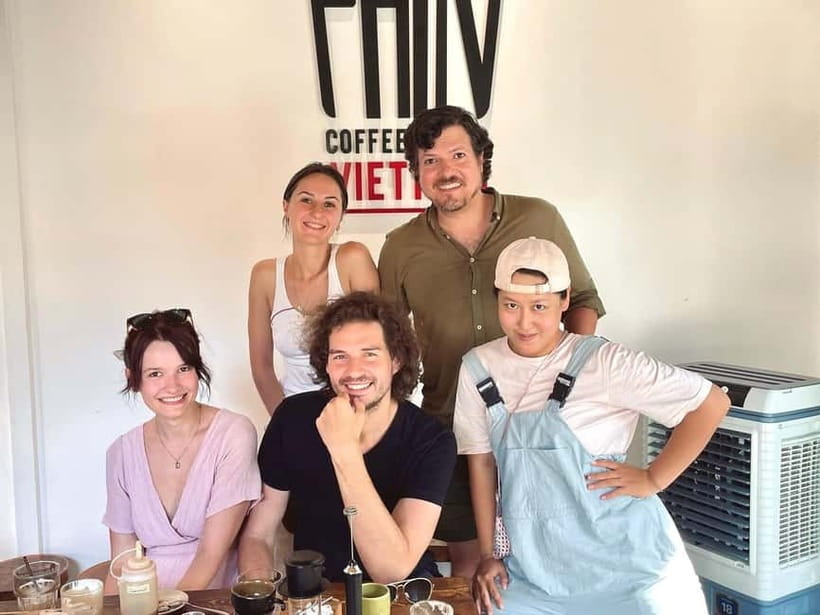
The class begins with a welcome and iced tea. This is a small touch, but it gives you time to settle in before the coffee arrives.
Your English-speaking guide introduces Vietnam’s coffee culture, with attention to robusta beans and the phin filter. The phin is a compact metal brewer placed over a cup. Hot water passes slowly through the coffee grounds, producing a concentrated drink without the speed or machinery of an espresso setup.
I find this introduction important because the phin is not just a tool. It shapes the rhythm of Vietnamese coffee. You watch, wait, and let the drink form gradually. That slow process is part of the appeal, especially for anyone used to pressing a button and receiving coffee in seconds.
The guide also explains the basic method before you begin. No previous coffee-making experience is required, and the equipment and ingredients are supplied. That makes the class a sensible choice for beginners, couples, solo visitors, or small groups who want an activity that does not demand special skills.
Making egg coffee, the dessert-like drink
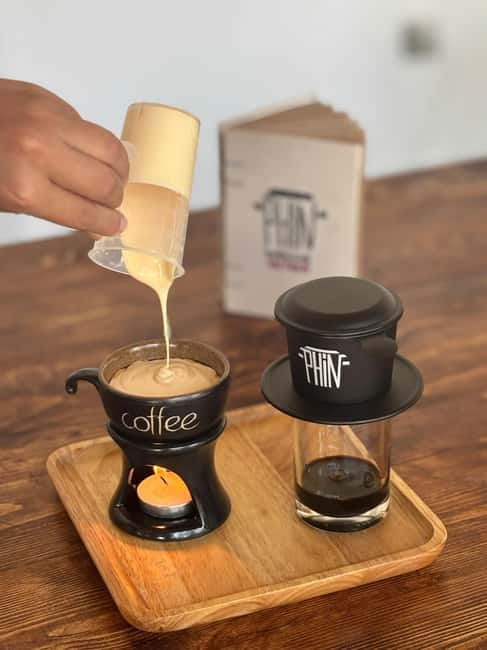
Egg coffee is usually the most immediately surprising of the three. The coffee remains strong underneath, but the topping gives it a creamy, smooth texture and a sweet finish. It can feel more like a small dessert than an ordinary morning drink.
You prepare it during the workshop rather than only sampling a finished cup. The hands-on element helps you understand the balance between the bold coffee and the rich topping. Your presentation may not look as polished as the guide’s, but that is not the point. The important part is learning the method and tasting the result.
This is a good first drink because it shows how Vietnamese coffee can be softened without losing its strength. If you prefer sweet drinks or enjoy dessert-style café menus, egg coffee may be your favorite.
If you like black coffee with little or no sweetness, it may seem heavy. The class lets you try it in a small tasting setting, so you can make your own judgment without committing to a full café order.
More Vietnamese Coffee Experiences in Vietnam:
- Egg coffee & Course on 4 traditional types of Viet coffee
★ 4.9 · 487 reviews - Fun & Easy Vietnamese Coffee Workshop in Hồ Chí Minh City
★ 5.0 · 293 reviews - Hanoi Cooking Class: Pho/Bun Cha/Banh Xeo…+Free Egg/Salt Coffee
★ 5.0 · 267 reviews - Hanoi: Vietnamese Coffee Workshop with 6 Brews and 8 Recipes
★ 5.0 · 237 reviews
Preparing salt coffee from Hue
Salt coffee is the most distinctive part of the tasting for many people. It comes from Hue, the former imperial city in central Vietnam, and adds a light savory note to the coffee.
The salt is not meant to make the drink taste like seawater. Used in the right balance, it can temper bitterness and bring out the sweetness and depth of the coffee. That makes this drink a useful lesson in how a tiny ingredient can shift the whole cup.
I especially like that the salt coffee connects the Da Nang class to another central Vietnamese city. You are not just learning a fashionable café recipe. You are also getting a small taste of regional coffee culture.
This is the drink to watch if you are curious about unusual flavors. It may become your favorite, but it is also the one most likely to divide personal preferences. The class gives you a chance to try it before seeking it out elsewhere.
Mixing chilled coconut coffee
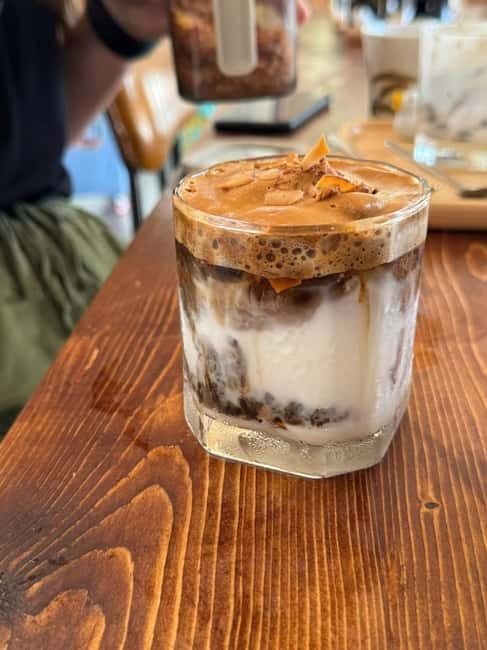
Coconut coffee takes the bold phin brew in a cooler direction. Coconut adds natural sweetness and a tropical quality, while the chilled serving makes it feel refreshing.
This drink may be the easiest choice in warm Da Nang weather. It has the familiar strength of Vietnamese coffee, but the coconut softens the edge and gives it a smoother, more relaxed profile.
The contrast with the egg and salt versions is useful. Egg coffee is creamy and dessert-like. Salt coffee is balanced and slightly savory. Coconut coffee is cool, sweet, and tropical. By the end, you have a better sense of which flavors appeal to you and which Vietnamese coffee styles you might order during the rest of your trip.
The guides and the learning style
The class is taught in English by local instructors. Recent sessions have been led by Duck, Daisy, and Annie. Their roles go beyond showing you how to pour water through a filter. They explain the drinks, answer questions, and connect the brewing process to Vietnam.
Daisy is described as particularly informed about coffee and local recommendations. Duck received praise for explaining each type of coffee clearly and keeping the session enjoyable. Annie’s class was also noted for its welcoming approach and the easygoing nature of the workshop.
I would not treat those names as a guarantee that one particular person will lead your session. The guide depends on the schedule. Still, the named instructors give you a sense of the personal style on offer: local, conversational, and focused on helping beginners get the process right.
The relaxed setting is helpful if you feel awkward about making coffee in front of others. You can follow along at your own pace, and an imperfect-looking cup is still likely to taste good. The class is about learning the process, not producing café competition art.
What the $18 price includes
At $18 per person, the class offers solid value if you want an activity rather than a simple drink purchase.
Your fee covers:
- An English-speaking local guide
- The hands-on brewing session
- Phin filters and other equipment
- All ingredients
- Egg, salt, and coconut coffee
- An introduction to Vietnamese coffee culture
- Recipes to take home
- A tasting session
- Free photos taken during the class
The recipes improve the value because they give you a way to repeat the experience later. You can return home with more than a memory and a caffeine buzz. You also have instructions for trying the drinks again.
The price is less compelling if you dislike coffee, avoid sweet drinks, or have no interest in learning a brewing method. In that case, a café visit may suit you better. For someone who enjoys coffee and wants a structured cultural activity, $18 is a reasonable spend for 90 minutes.
Timing, caffeine, and planning your day
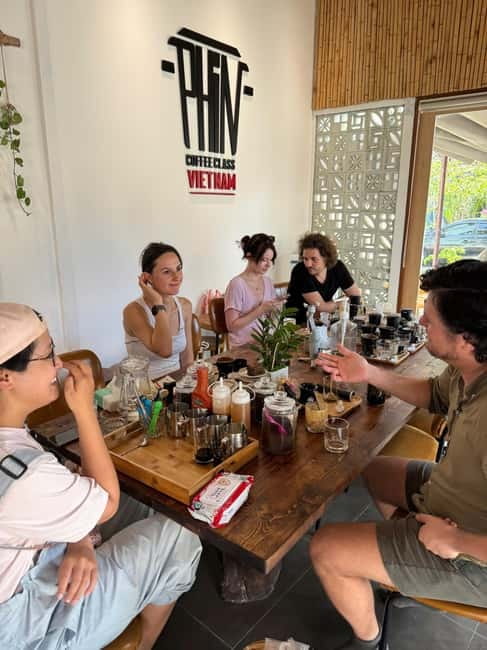
The class lasts 90 minutes, and starting times depend on availability. The morning session can work well before a day of sightseeing because you will leave fully awake. It can also be a poor choice if you are sensitive to caffeine or prefer a slow, quiet start.
Three coffee drinks in one class is generous. You do not need to finish every cup if you know caffeine affects you strongly, but the supplied details do not specify serving sizes or whether alternatives are available. Keep that uncertainty in mind when planning.
The activity suits a day when you want a break from temples, beaches, markets, or other scheduled sightseeing. It is indoors, social, and compact. You do not need to devote half a day to it, yet it still gives you a clear connection to local food and drink culture.
Who should book this experience
I would recommend the class to coffee drinkers, curious beginners, and anyone who wants a practical cultural activity in Da Nang. It works especially well for couples and solo visitors because the brewing process gives you an easy topic to share with others.
It is also a good fit for people who like taking skills home. The recipes and phin method may inspire you to recreate the drinks later, even if your first attempt looks less polished than the guide’s.
Families or groups should note that the class is beginner-friendly, but the supplied information does not give a minimum age or child pricing. Ask before booking if those details matter for your group.
I would be more cautious about booking if you do not drink coffee, avoid dairy or egg, or want an activity with extensive sightseeing. This is a focused workshop centered on three coffee drinks. Its strength is that focus.
Practical booking notes
You can cancel up to 24 hours before the activity for a full refund. You can also reserve now and pay later, which helps if your Da Nang plans are still shifting.
The activity is conducted in English. All equipment and ingredients are provided, so you do not need to bring brewing gear. The meeting point is the second floor, and the guide waits at the entrance to welcome you.
Because the class includes tasting and recipes, you should allow the full 90 minutes rather than treating it as a quick stop. Check the available start times when booking and leave enough time to reach the coffee shop without rushing.
Should you book the Da Nang coffee class?
Book it if you want to understand Vietnamese coffee by making it yourself. The three-drink format gives you variety, the phin filter adds a useful local skill, and the $18 price includes the ingredients, instruction, recipes, tasting, and photos.
The best reason to choose it is the balance of fun and substance. You get a pleasant indoor activity, but you also learn why Vietnamese coffee tastes so strong and how egg, salt, and coconut change it.
Skip it if you want only a quick coffee or if three caffeinated drinks sound like too much. For everyone else, this is a compact, friendly way to begin understanding Da Nang through one of Vietnam’s most familiar daily rituals.
FAQ
Where does the coffee-making class meet?
The meeting point is on the second floor of the coffee shop. The English-speaking guide waits at the entrance to the second floor and greets participants as they arrive.
How long does the activity last?
The class lasts 90 minutes.
How much does the class cost?
The listed price is $18 per person.
Which coffee drinks will I make?
You will make egg coffee, salt coffee, and coconut coffee.
Do I need previous coffee-making experience?
No. The class is beginner-friendly, and the guide provides the equipment and ingredients.
What language is the class taught in?
The class is taught in English by an English-speaking local guide.
What is included in the price?
The price includes the guide, hands-on phin brewing, ingredients, equipment, three coffee drinks, a cultural introduction, a tasting session, recipes to take home, and free photos.
Can I cancel or pay later?
You can cancel up to 24 hours in advance for a full refund. The activity also offers reserve now and pay later booking.
Just listed in Vietnam
- Vietnamese Coffee 101 Workshop★ 5.0 · 11 reviews
- Vietnamese Coffee Making Class in Hoi An★ 5.0 · 4 reviews
- Hoi An Vietnamese Coffee Workshop: Hands-On Brewing Class★ 5.0 · 3 reviews
- Authentic Vietnamese Coffee Making Experience in Hoi An★ 5.0 · 13 reviews
- Vietnamese Egg Coffee Making Course in Hoi An★ 3.5 · 2 reviews
- Hoi An Coffee Tasting And Old Town Discovering Tour★ 5.0 · 4 reviews
- Coffee Making and Banh Mi Class Hoi An★ 5.0 · 5 reviews
- Hoi An Coffee Making Workshop★ 5.0 · 7 reviews
Vietnamese Coffee Experiences, compared.

Salt Coffee Workshop Awake Your Senses With 6 Brews
Read our review →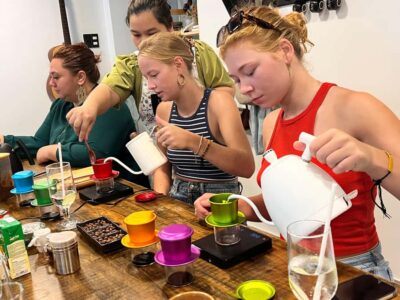
Egg coffee & Course on 4 traditional types of Viet coffee
Read our review →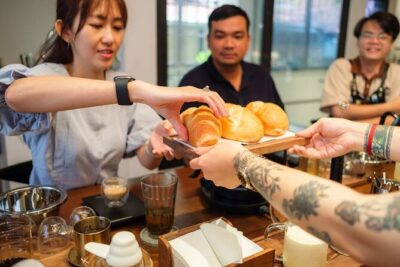
Fun & Easy Vietnamese Coffee Workshop in Hồ Chí Minh City
Read our review →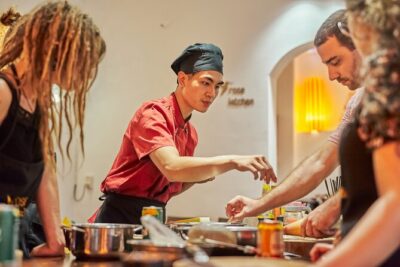
Hanoi Cooking Class: Pho/Bun Cha/Banh Xeo…+Free Egg/Salt Coffee
Read our review →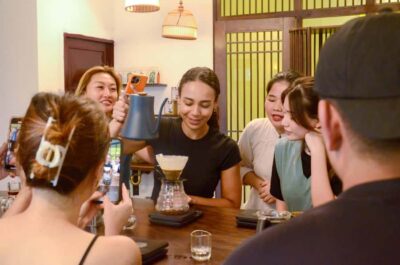
Vietnamese Coffee Workshop with 6 Brews and 8 Recipes
Read our review →
Vietnamese Coffee & Culture Exploration in Hồ Chí Minh City
Read our review →
Hanoi Coffee Workshop: Master 6 Signature Vietnamese Coffee
Read our review →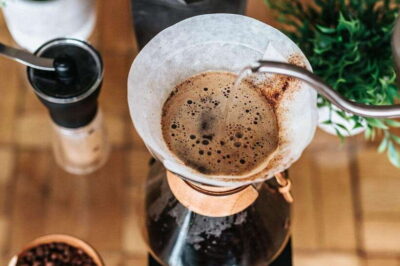
Hands-on Vietnamese Coffee Making Class with Long
Read our review →Lists this coffee tour turns up in