
REVIEW · DA LAT
Experience Making specialty coffee in Da Lat City
The most interesting part of this Da Lat coffee experience is that the beans come from the host’s own farm. You do not simply drink a cup and hear a short sales pitch. You compare coffee shaped by different processing methods, roast levels, and brewing styles, then make a traditional phin coffee yourself.
I like two things in particular. First, you taste coffee without anything mixed in, including sour, sweet, and fruity notes that can be lost in darker commercial blends. Second, the session stays small, with a maximum of 10 people, so the owner can explain the beans and answer questions. The main drawback is the short one-hour length. You get a useful introduction, but not a full farm day or long coffee course.
Key points
- Coffee from the owner’s farm: Taste Arabica and Robusta grown and processed by the host.
- Three processing examples: Compare natural-process Robusta with washed and natural-process Arabica.
- Hands-on roasting: Roast your own beans and see how light, medium, and dark roasting affect the cup.
- Several brewing methods: Taste coffee prepared in different ways before making a Vietnamese phin.
- Small-group setting: The activity accepts no more than 10 people.
- Da Lat setting: Finish with your own cup of phin coffee while looking over the city.
Coffee from the farm, not just another café tasting
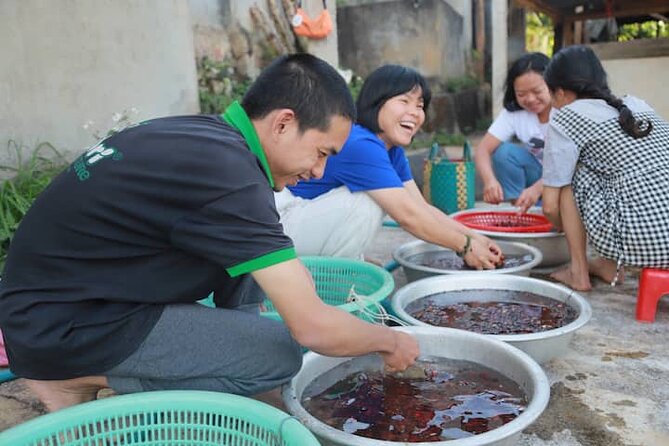
Da Lat is closely linked with coffee growing, but a café drink alone does not always show you what local beans can taste like. This session gives you a clearer connection between the farm, the bean, the roast, and the final cup.
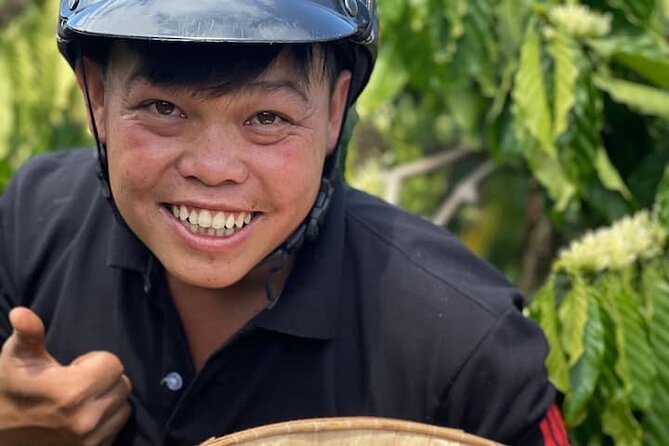
You meet at HuyEco Coffee Farm, at Hẻm 29 Đường 3/4, in Ward 3 of Da Lat. The host is a sustainable coffee farmer and also operates the coffee shop where the activity takes place. That matters because the explanation begins with coffee he produces himself, rather than with a generic lesson disconnected from local cultivation.
The focus is on five types of Vietnamese coffee from the farm. The supplied details identify Arabica and Robusta, along with three named examples: Vietnamese Robusta made with the natural process, Vietnamese Arabica made with the washed process, and Vietnamese Arabica made with the natural process.
The wording suggests that the full tasting includes five styles, while these three are the clearest examples provided. You should expect a comparison of several coffees rather than a single house blend, but the exact names of all five are not specified.
More Specialty Coffee Tours in Vietnam
- Coffee Farm Tour with Roasting & Tasting Workshop – Da Lat
★ 5.0 · 126 reviews - Experience specialty coffee with sustainable coffee farmers
★ 4.9 · 91 reviews - Vietnamese Bread & Brew: Banh Mi Baking Class & Specialty Coffee
★ 5.0 · 76 reviews
What natural and washed processing do to flavor
Coffee processing begins after the cherries are picked. The method used to remove or dry the fruit affects the taste before roasting even starts. This experience lets you compare those differences in the cup.
Natural-process coffee is dried with more of the fruit around the seed. Washed coffee is processed with the fruit removed before drying. The session does not promise a technical lecture of a fixed length, but its central purpose is to show how these choices control flavor.
The natural-process Robusta and the two Arabicas give you a useful starting point. You may notice that one coffee tastes more fruity or sweet, while another seems sharper, cleaner, or more direct. The point is not to decide that one process is always better. It is to see that the same country, and even the same farm, can produce very different results.
That lesson is useful when you order coffee elsewhere in Vietnam. If a menu mentions natural or washed processing, you will have a better idea of what the words mean. You can also ask more useful questions about what is in your cup.
The host’s explanations are one of the strongest parts of the experience. The owner is described as able to answer questions about the beans, drying methods, cultivation, and roasting. That makes this a good choice if you want conversation rather than a rehearsed tasting with no room for follow-up.
A small coffee garden adds context
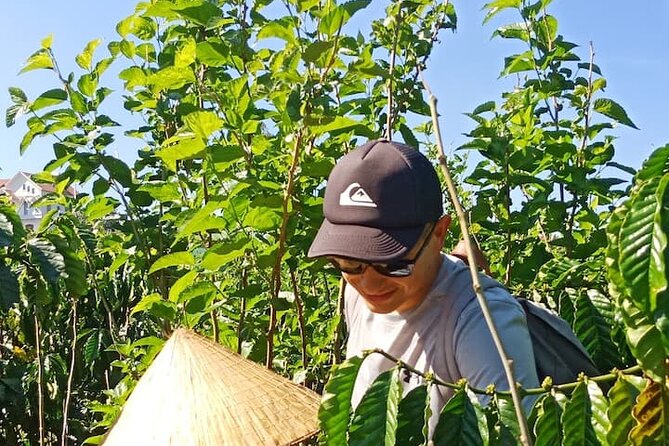
The session includes time to see the coffee plants in the garden. This is a modest but important part of the visit. Before tasting the finished bean, you can connect the drink on your table with the plant that produced it.
You should not expect a long walk through a large plantation. The experience lasts about one hour, and the meeting point is the coffee farm and shop in Da Lat. Still, seeing the plants helps explain why a farm-to-cup lesson feels different from a standard café stop.
The sustainable, human-scale nature of the farm also gives the visit a personal feel. The host handles cultivation, processing, roasting, and brewing as part of one connected chain. That makes it easier to ask how a decision at one stage affects the next.
For coffee beginners, the garden makes the lesson less abstract. For serious coffee drinkers, it gives you a chance to ask about how the farm works. The supplied details do not specify the size of the garden, the season, or whether you will see ripe cherries, so keep your expectations focused on a short introduction rather than a full agricultural tour.
Roasting your own beans
The hands-on roasting is the activity’s most practical feature. You do not only taste finished samples. You roast coffee yourself and see how the beans change as the roast develops.
The session covers light, medium, and dark roast styles. These labels are familiar, but tasting them side by side is often more useful than reading about them. A lighter roast can preserve more of the bean’s original character, while a darker roast can create a stronger, heavier profile. The experience is designed to show you those changes directly.
Your role is active but controlled. You will roast the beans yourself, with the owner explaining the process. The information does not specify the roasting equipment or whether every participant roasts a separate batch, so do not book this expecting a full professional roasting course.
What you do get is a clear lesson in cause and effect. A bean does not taste the same simply because it comes from the same farm. Roast level can change how you experience sweetness, acidity, fruit, and bitterness.
If you usually add milk or sugar to Vietnamese coffee, this tasting may also reset your expectations. The host’s aim is to serve coffee without anything mixed in, so the differences between samples remain easier to notice.
More Specialty Coffee Tours in Da Lat:
- Cartagena: Colombian Specialty Coffee Tasting
★ 4.4 · 130 reviews - Private Coffee Roasting Class
★ 5.0 · 101 reviews - Coffee Experience from bean to cup
★ 5.0 · 71 reviews - Private coffee tour near Medellín, from bean to cup.
★ 5.0 · 60 reviews
Comparing brewing methods before the phin
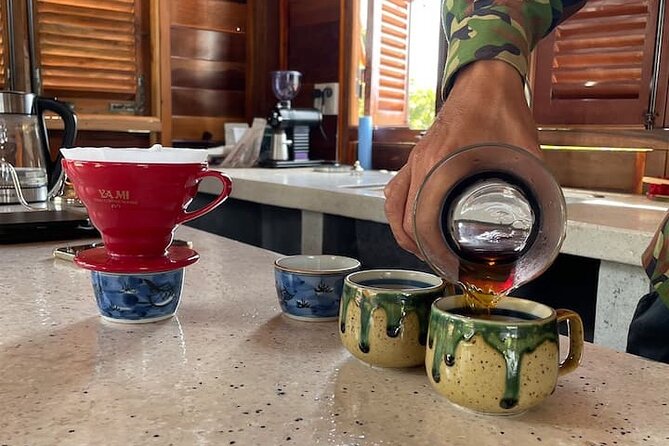
Roasting is only part of the story. The session also uses different brewing techniques, allowing you to see how the same coffee can change again after it leaves the roaster.
The exact brewing methods are not listed by name, apart from the traditional Vietnamese phin prepared at the end. That means you should expect a comparison of brewing styles without assuming a specific menu of equipment or methods.
This is valuable because people often blame the bean for a flavor they dislike when the real difference comes from roasting or brewing. A careful tasting can show why one coffee feels lighter in one preparation and stronger in another.
The final step is making your own cup with a traditional phin while watching the city. The phin is a small Vietnamese metal filter that sits over the cup and lets water pass slowly through the coffee. It is a simple method, but it is central to the country’s everyday coffee culture.
Making the drink yourself turns the tasting into something you can repeat after the tour. You leave with a better sense of how much coffee and water to use, how long the brew takes, and why the finished cup may taste bold. The supplied details do not mention condensed milk, so the confirmed activity is a phin coffee made as part of the session, with no promise of a separate milk-coffee preparation.
A clear one-hour plan
The experience lasts approximately one hour, so the pacing should be brisk. A likely flow is:
- Introduction to the farm and the coffee plants
- Explanation of the Arabica and Robusta beans
- Discussion of natural and washed processing
- Tasting of the farm’s coffee styles
- Roasting beans in light, medium, and dark styles
- Sampling coffee through different brewing techniques
- Making a traditional phin coffee while looking over Da Lat
The exact order may vary, but the session moves from plant and processing to roasting, brewing, and drinking. That structure makes sense. You first learn where the coffee comes from, then see how human choices shape its taste.
One hour is enough for a focused introduction. It is also the main limit. If you want long farm walks, detailed agricultural instruction, or a slow professional cupping session, this will feel too short. If you have only a morning or afternoon in Da Lat and want an activity with more substance than a café visit, the length works well.
The small-group limit of 10 helps protect the hands-on quality. With a large crowd, roasting and questions could become rushed. A maximum of 10 gives the owner a better chance to explain the differences and respond to individual interests.
The $21 price and what you receive
At $21 per person, this is not the cheapest way to drink coffee in Da Lat. You can buy a local cup for far less. The value comes from the teaching and participation, not from the amount of coffee alone.
You are paying for access to coffee from the host’s farm, a guided explanation of cultivation and processing, multiple tastings, roasting practice, several brewing techniques, and your own phin preparation. The session also gives you direct contact with a sustainable producer rather than a standard café employee reading from a menu.
I think the price is reasonable for coffee drinkers who want to understand what they are tasting. It is less compelling if you only want a quick caffeine stop or prefer sweetened Vietnamese coffee without discussing beans and roast levels.
The five-coffee comparison is especially useful. Buying separate cups around town would not necessarily let you compare processing and roasting in such a controlled way. The activity gives you a common setting where the differences are easier to notice.
Still, the price does not include a full-day farm visit, a large meal, transportation, or a stated take-home bag of beans. Those extras are not promised, so judge the value on the one-hour lesson and tasting alone.
Who will enjoy this Da Lat experience
This is a good match for you if you:
- Drink coffee black or want to learn how to taste it without additives
- Are curious about the difference between Arabica and Robusta
- Want to understand natural and washed processing
- Prefer meeting a local producer to visiting a standard café
- Like hands-on activities, especially roasting and brewing
- Have only about an hour available
- Want a small-group experience with room for questions
It can also suit a couple or small group with mixed coffee experience. A beginner can follow the basic explanations, while an experienced drinker can ask about processing, roast control, and brewing.
It may not suit you if you dislike strong coffee flavors, have no interest in tasting several unsweetened styles, or expect a large plantation tour. The garden visit is part of the setting, but the main event is the coffee lesson.
Families should consider the short format and the roasting activity before booking. The provided information does not state a minimum age, child policy, or accessibility details, so those points should be confirmed with Happy Tour if they matter to your plans.
Meeting at HuyEco Coffee Farm
The meeting point is HuyEco Coffee Farm, Hẻm 29 Đường 3/4, Phường 3, Đà Lạt, Lâm Đồng 66000, Vietnam. The activity ends at the same place.
This is a self-contained visit. No pickup or transport is included in the supplied details. You should plan to reach the coffee shop at the stated meeting point on your own and allow enough time to find the address.
The mobile ticket is useful for keeping the booking on your phone. Confirmation is provided at booking, and the small maximum group size makes it worth reserving ahead if your schedule is tight.
The city view at the final phin step adds a pleasant close to the lesson. It is not presented as a sightseeing tour, so keep the view as a bonus rather than the reason to book. The real draw is the coffee and the owner’s explanation.
Cancellation and practical planning
You can cancel for a full refund up to 24 hours before the experience begins. Cancellations made less than 24 hours before the start time are not refunded, and changes within that period are not accepted.
The cut-off uses Da Lat local time. That detail matters if you are booking from another time zone or changing plans near the deadline.
Wear something suitable for a casual coffee-farm setting. The supplied details do not state a dress code, special equipment requirement, or accessibility information. Since you will roast beans and take part in brewing, arrive ready to participate rather than simply sit and watch.
Should you book the coffee experience?
Book it if you want to understand why Vietnamese coffee can taste sour, sweet, fruity, bold, or bitter without relying on added ingredients. The mix of farm-grown beans, processing comparisons, self-roasting, brewing practice, and a final phin cup gives the hour a clear purpose.
I would especially recommend it to coffee drinkers who have already visited several cafés in Vietnam but have not tasted local beans in a focused comparison. The owner’s practical explanations and willingness to answer questions add real value.
Skip it if you want a long farm excursion, a full meal, or a quick sweet coffee. At $21, the activity earns its price through education and hands-on work. For the right person, that is a fair trade for one focused hour in Da Lat.
FAQ
Where does the coffee experience take place?
It takes place at HuyEco Coffee Farm, Hẻm 29 Đường 3/4, Phường 3, Đà Lạt, Lâm Đồng 66000, Vietnam.
How long does the activity last?
The experience lasts approximately one hour.
How much does the experience cost?
The listed price is $21 per person.
How many people can join?
The activity accepts a maximum of 10 travelers.
Which types of coffee are included?
The session explores five types of Vietnamese coffee from the host’s farm, including Arabica and Robusta. The named examples are natural-process Vietnamese Robusta, washed-process Vietnamese Arabica, and natural-process Vietnamese Arabica.
Will I roast coffee myself?
Yes. You will roast coffee beans yourself and taste coffee prepared with light, medium, and dark roast levels.
Will I make Vietnamese phin coffee?
Yes. The session ends with you making your own traditional phin coffee while watching the city.
Where does the activity end?
It ends back at the HuyEco Coffee Farm meeting point.
Can I cancel for a full refund?
Yes. You can cancel at least 24 hours before the experience start time for a full refund. Cancellations or changes made less than 24 hours before the start time are not accepted, and the amount paid is not refunded.
Just listed in Da Lat
- VIP Dalat 3 waterfalls – Datanla, Elephant Pongour & Coffee Tour★ 5.0 · 8 reviews
- Coffee – Wine – Tea: Dalat Treasures tour★ 3.5 · 5 reviews
- Coffee Class and DaLat Outskirt Tour★ 4.5 · 5 reviews
- Tea & Coffee Tour★ 4.8 · 5 reviews
- DALAT EASY RIDER GROUP TOUR – PONGOUR FALL – SILK- COFFEE..★ 5.0 · 6 reviews
- Dalat Group Easy Rider – Elephant Fall-Pagoda-Weasel Coffee…★ 5.0 · 7 reviews
- Dalat Countryside Motorbike Day Tour–Coffee Farms & Pagodas★ 5.0 · 53 reviews
- Dalat: MOTORBIKE TOUR TO PONGOUR FALLS- SILK- COFFEE FARM★ 4.9 · 52 reviews
Specialty Coffee and Roastery Tours, compared.
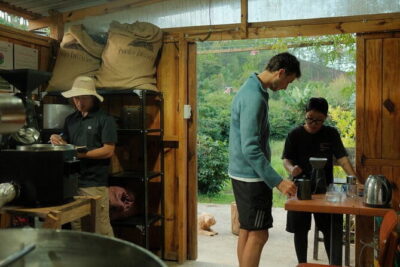
Coffee Farm Tour with Roasting & Tasting Workshop – Da Lat
Read our review →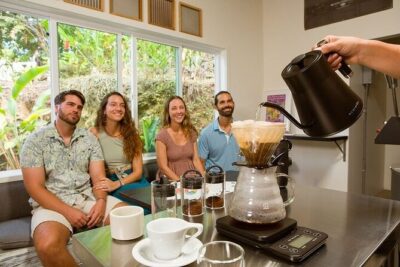
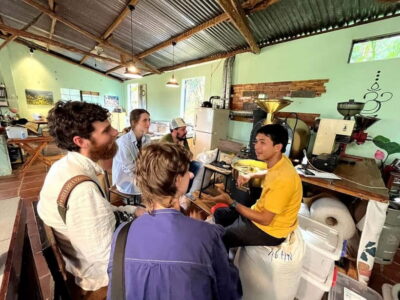
Experience specialty coffee with sustainable coffee farmers
Read our review →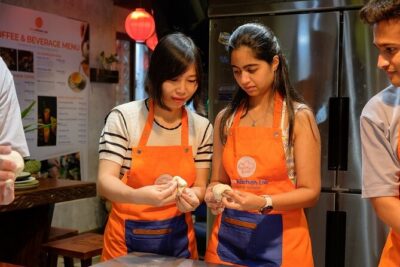
Vietnamese Bread & Brew: Banh Mi Baking Class & Specialty Coffee
Read our review →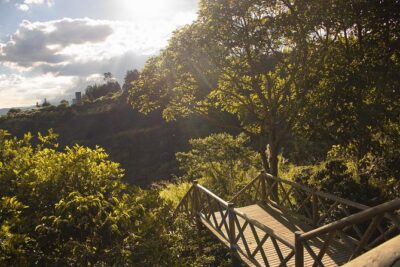
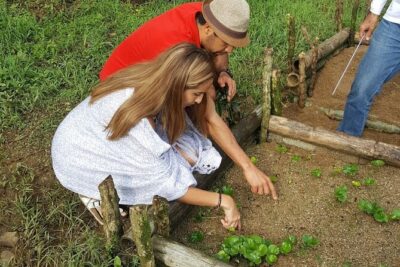
Private coffee tour near Medellín, from bean to cup.
Read our review →
Santo Domingo Small Group Walking Tour: Beer and Specialty Coffee
Read our review →Lists this coffee tour turns up in