
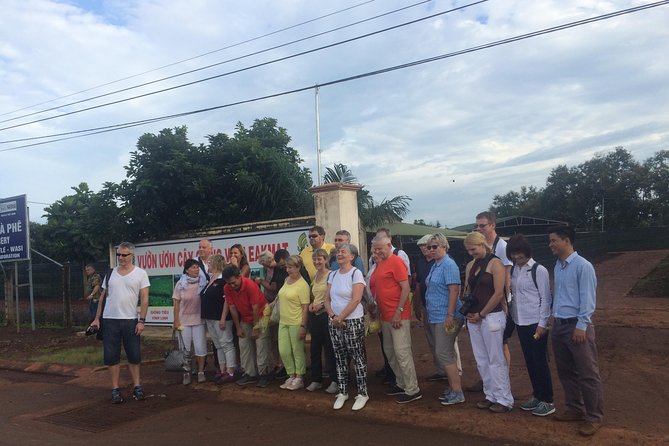
REVIEW · BUON MA THUOT
Amazing Coffee full-day tour in Buon Ma Thuot – Daklak
Dak Lak coffee is more than a drink here. This full-day outing follows the bean from young coffee plants and working farms to civet care, coffee trees, factory processing, and the regional coffee trade. Guide Do brings a personal touch to the subject, and he also has a small plantation of his own.
I like the chance to compare Arabica, Robusta, and Cherry coffee trees in one day, and I like that the tour explains both wet and dry processing instead of stopping at a tasting. The main drawback is timing: the experience is advertised at 6 to 9 hours, while one itinerary section lists four hours, so ask for the exact schedule before you go.
Key points to know before booking
- Guide Do makes coffee personal: He shares his experience with Dak Lak coffee and his own small plantation.
- See several stages of production: The day covers nurseries, plantations, factories, farmer purchases, and processing.
- Civet coffee is part of the story: You learn how civets are raised and cared for, and see coffee gardens where they eat beans in season.
- Harvesting is seasonal: Picking coffee with local people is available from October through December.
- Lunch and transport are included: The price covers an air-conditioned vehicle, bottled water, lunch, entrance fees, and taxes.
- The day requires some stamina: A moderate level of physical fitness is advised, and groups can reach 30 people.
A practical introduction to Buon Ma Thuot coffee
Buon Ma Thuot is the main starting point for this experience, and the tour gives you a useful way to understand why coffee matters so much in Dak Lak. You are not simply taken to a café for a quick cup. You follow the crop through several stages, with explanations about the local coffee industry along the way.
The day begins at 8:00 in the morning. From there, the route heads toward coffee farms, plantations, factories, and related sites. Exact stops can vary because not every location can be displayed in the standard booking details, so ask the company for the final route if you want a precise plan.
That uncertainty is worth noting, but it also reflects the working nature of the tour. Coffee farms and processing sites do not operate like museum rooms with fixed opening times. The most useful part of the day is seeing how coffee is bought from farmers and handled after harvest.
More Full-Day Trips in Vietnam:
- Santa Marta: Minca Coffee, Cocoa, & Waterfall Full-Day Trip
★ 4.6 · 102 reviews - Full-Day Adventure with ATV, Party Boat, Snorkel & Coffee Tasting
★ 5.0 · 93 reviews - Minca: Full-Day Coffee and Cocoa Tour from Santa Marta
★ 4.5 · 61 reviews
Starting at the Eakmat plant nursery
The first named stop is the Eakmat Institute, also identified as the Dak Lak Seedling Plant Nursery. This gives you a look at the early stage of production, before coffee trees reach a plantation.
A nursery visit is valuable because it puts the crop in context. Coffee does not begin as a sack of beans or a polished package. It begins as a carefully raised plant, and the health and type of that plant affect the crop later.
The available information does not specify how long you spend at the nursery or which displays are included. Treat it as an introduction rather than a major sightseeing stop. The real value comes from connecting the plants here with the mature trees you see later at Trung Nguyen Coffee Village and on coffee farms.
Learning how civet coffee is produced
At Kien Cuong Civet Coffee, you learn how civets are raised and cared for. You may also see coffee gardens where the animals eat the beans during the coffee season.
This is one of the more unusual parts of the tour, and it gives you a chance to ask direct questions about a coffee style that is often surrounded by mystery and marketing. The important point is that the visit focuses on the animals, their care, and the coffee process, not just on tasting an expensive product.
You should approach this stop with an open but attentive mind. Animal care is central to the experience, so pay close attention to the explanation of how the civets are kept and fed. The tour information does not provide a detailed welfare standard or a full description of the facilities, so it is sensible to judge the conditions you see for yourself.
This stop may appeal most to people who want to understand unusual coffee production rather than simply collect another café photograph. If civet coffee is your main interest, ask in advance how much time is allocated to Kien Cuong and what you will be able to see.
Comparing Arabica, Robusta, and Cherry trees
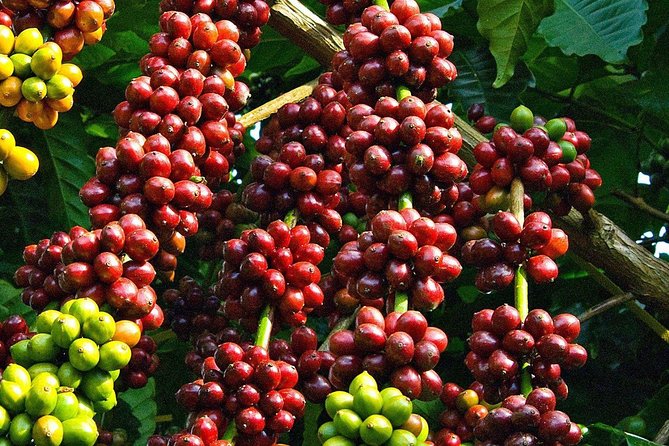
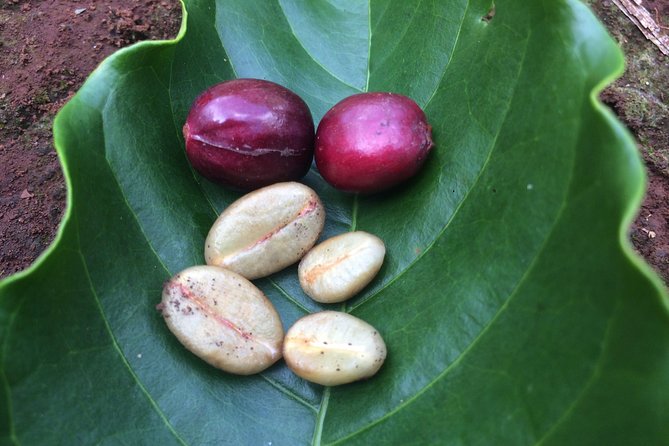
Trung Nguyen Coffee Village is listed as the place to see different coffee varieties, including Arabica, Robusta, and Cherry. That comparison helps explain why coffee can taste and grow differently from one plant to another.
Arabica and Robusta are familiar names to most coffee drinkers, but seeing the trees makes the distinction more concrete. Cherry coffee is also included in the tour’s description, giving you another local point of comparison.
The stop is not presented as a formal tasting class, so do not assume you will receive a detailed professional tasting session. Its strength is visual and practical. You can connect the beans you know from café menus with the plants growing in Dak Lak soil.
The coffee village also helps break up the factory visit that follows. After seeing living trees, you move into the commercial side of the industry, where the crop is purchased, processed, and prepared for use.
More Coffee Tours in Vietnam:
- Hanoi Coffee Experience: 6 Brews, 9 Recipes & 3 Liquor Tastings
★ 5.0 · 2,945 reviews - Hanoi Coffee Workshop: Taste Salt, Coconut and Egg Coffee
★ 5.0 · 1,286 reviews - Hanoi: Salt Coffee Workshop Awake Your Senses With 6 Brews
★ 5.0 · 792 reviews - Da Nang Coffee Making Workshop
★ 4.9 · 543 reviews
Seeing how farmers’ coffee reaches the factory
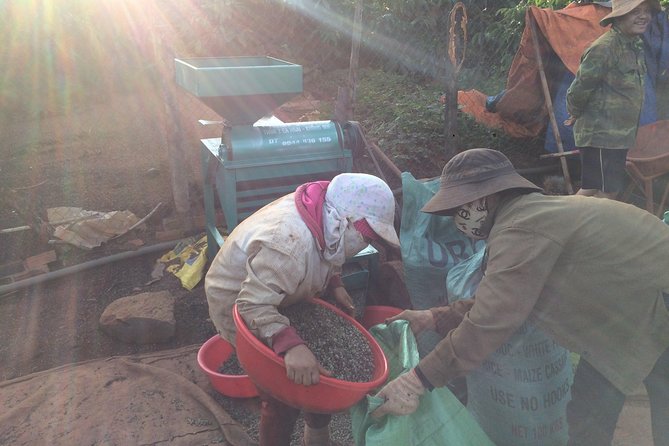
The factory visit is one of the strongest parts of the day for anyone who wants more than a surface-level coffee stop. You learn how coffee beans are bought from farmers and how the beans are processed after purchase.
The tour covers both wet and dry processing, two terms that matter because post-harvest handling affects the final coffee. Seeing these methods explained at the factory gives you a better sense of the work between picking and roasting.
The description does not promise a roasting demonstration, a tasting flight, or a chance to operate machinery. What it does offer is a look at the route from farmer to processed bean. That is a useful distinction when you compare this tour with a café-focused activity.
I especially like this part because it connects agriculture with business. Coffee is not only about the tree or the cup. Farmers sell the crop, factories sort and process it, and the final product depends on several steps that are easy to miss when you only visit a coffee shop.
Seasonal harvesting from October through December
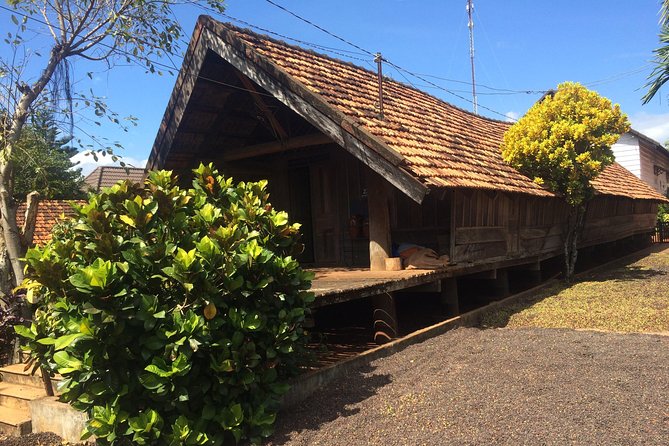
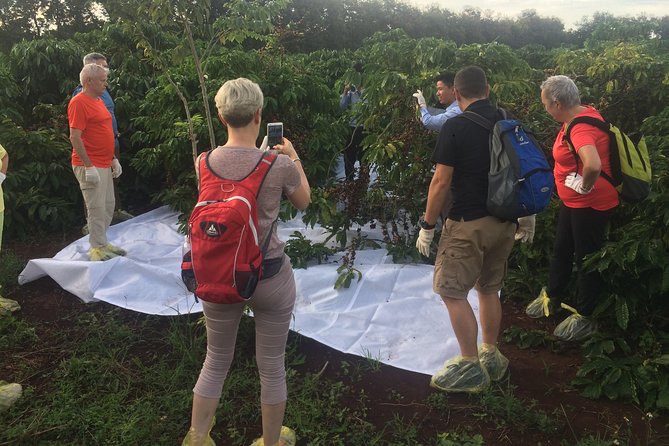
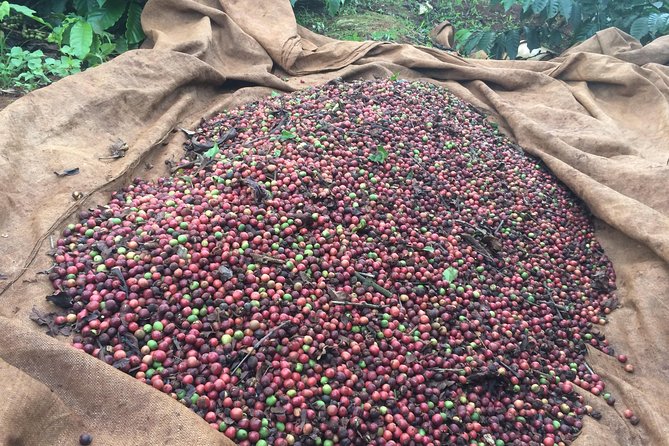
If you visit between October and December, you may be able to harvest coffee beans with local people. This is a seasonal activity, not a guaranteed feature throughout the year.
That timing matters. If picking coffee is the main reason you want to book, plan your visit within those months and confirm the activity before paying. Outside the harvest period, the tour can still cover farms, plants, civet coffee, and factory processing, but you should not expect to pick beans.
Harvesting also adds a physical element to the day. The tour advises a moderate level of fitness, and walking around farms or working among coffee plants may require more energy than a café visit. Wear practical clothing and shoes suitable for outdoor ground, though the available information does not specify a dress code.
The harvest option is also the most direct way to connect with local agricultural work. It turns coffee from an object you observe into a crop you handle, even if only for part of the day.
Lunch, transport, and the real value of $86
The price is $86 per person. That is not a low-cost café outing, but the value becomes clearer when you consider what is covered: lunch, bottled water, an air-conditioned vehicle, all fees and taxes, and the full route through coffee-related sites.
Pickup is offered, which can make a difference in Buon Ma Thuot if you do not have your own transport. The group may include up to 30 people, so the experience is not guaranteed to feel private or highly tailored. Group discounts may help if you are booking with several people.
The air-conditioned vehicle is a practical benefit in a full day that may last 6 to 9 hours. You will be moving between different sites, and having transport arranged keeps the day focused on coffee rather than navigation.
Drinks beyond bottled water are not included, and personal expenses, tips, dinner, and accommodation are also excluded. Lunch is included, but the available details do not specify the menu or dietary choices. If food restrictions matter to you, contact the operator before booking.
My view is that the price is reasonable for someone who wants a guided look at the coffee industry rather than a single plantation visit. It is less attractive if you only want to sample local coffee or spend a relaxed morning in cafés.
How the timing affects your day
The published duration is approximately 6 to 9 hours, with an 8:00 departure. One part of the schedule lists four hours, which likely refers to a portion of the route or a particular activity, but the information does not explain the difference.
That matters if you are arranging a bus, flight, another tour, or an evening meal. Give yourself plenty of room after the tour. I would not book a tight onward connection based on the shortest timing.
The order of the stops may also change. The route is described as including the nursery, coffee farms and plantations, Kien Cuong Civet Coffee, Trung Nguyen Coffee Village, a coffee factory, lunch, and seasonal harvesting. Since some locations cannot be displayed in the standard tour information, contact CHD Travel Co., Ltd. for the complete route.
The experience is best suited to someone who can let the day unfold. It is not designed for a quick, tightly timed photo stop at one attraction.
Group size, fitness, and who will enjoy it most
The maximum group size is 30 people. That is a moderate-sized group for a vehicle-based day, but it means you should not expect the close attention of a private guide at every stop.
The tour is a good match for:
- Coffee drinkers who want to understand production, not just taste the finished drink
- Visitors interested in Dak Lak agriculture and local industry
- People who want to compare several coffee varieties
- Anyone visiting during October to December who hopes to help with harvesting
- First-time visitors who prefer arranged transport between scattered sites
It may be less suitable if you want a quiet, private plantation visit, a specialist tasting course, or a fixed schedule with no timing uncertainty. It is also not ideal for anyone who struggles with moderate physical activity.
Service animals are allowed, and the tour is near public transportation. Those details may help with planning, but they do not provide a full accessibility assessment. Ask the operator about the vehicle, walking distances, and site conditions if you have specific mobility needs.
What guide Do adds to the experience
Guide Do is the one named guide connected with this experience. His role is important because coffee production can become a dry list of plant names and factory steps without a person to tie it together.
Do is described as passionate about coffee, and he owns a small plantation. That personal connection should make the explanations more grounded, especially when you ask about growing coffee, working with farmers, or the difference between a commercial factory and a small farm.
You should still ask questions. The tour covers a wide subject in one day, so you may need to guide the conversation toward what interests you most. Ask about the coffee trees, farm work, wet and dry processing, civet care, and the seasonal harvest.
The strongest human element here is not a staged performance. It is the chance to hear about Dak Lak coffee from someone who works with the crop directly.
Booking, confirmation, and cancellation
Confirmation is sent within 48 hours of booking, subject to availability. That means you should not assume the reservation is final instantly, especially if your travel plans are close to the tour date.
The experience is commonly booked about 12 days ahead, so advance planning is sensible. Mobile tickets are accepted, and pickup is offered. Group discounts may be available for larger bookings.
You can cancel for a full refund if you do so at least 24 hours before the start time. Cancellations made within 24 hours are not refunded, and changes inside that period are not accepted. The cut-off follows local time in Buon Ma Thuot.
Should you book this Dak Lak coffee tour?
Book it if you want the full coffee chain in one day: nursery, trees, civet coffee, farmer purchasing, factory processing, and possibly harvest work. The included lunch, water, transport, and fees make the $86 price easier to justify, particularly if you would otherwise need to arrange several separate visits.
The tour is especially appealing from October through December, when harvesting may be available. Guide Do’s personal connection to coffee is another reason to choose it, especially if you prefer practical stories over a simple sightseeing loop.
Think twice if you want a small private group, a formal tasting course, or a guaranteed four-hour schedule. Before booking, confirm the exact duration, pickup details, seasonal harvesting, food arrangements, and the full list of stops. For a broad, hands-on introduction to Dak Lak coffee, this is a useful and well-focused day.
FAQ
Where does the tour take place?
The tour takes place in Buon Ma Thuot, in Vietnam’s Dak Lak Province.
How long does the coffee tour last?
The experience lasts approximately 6 to 9 hours. One listed part of the schedule is described as four hours, so confirm the complete timing with the operator.
What time does the tour begin?
The departure is scheduled for 8:00 in the morning.
Is pickup available?
Yes. Pickup is offered, although the provided information does not specify the exact pickup locations.
What is included in the price?
Lunch, bottled water, an air-conditioned vehicle, all fees, and taxes are included.
Are drinks included?
Bottled water is included. Other drinks and personal expenses are not included.
Can I harvest coffee beans during the tour?
Harvesting with local people is available seasonally from October through December. Confirm availability for your date.
How large can the group be?
The tour can have a maximum of 30 people. Group discounts are offered.
What is the cancellation policy?
You can receive a full refund if you cancel at least 24 hours before the start time. Cancellations and changes made within 24 hours are not accepted for a refund.
Just listed in Vietnam
- Hanoi Private Walking Tour with Egg Coffee Making Experience★ 5.0 · 90 reviews
- HCM: Egg Coffee Class with local Instructor & Snack★ 4.7 · 8 reviews
- From Egg Coffee to Street Brews: Hanoi Walking Tour★ 5.0 · 4 reviews
- Coffee Making and Cooking Class★ 5.0 · 12 reviews
- Walking Tour in Hanoi Old Quarter with Street Food & Coffee★ 5.0 · 4 reviews
- Buon Ma Thuot: Bean to Brew Coffee Farm Tour with Tasting★ 4.3 · 11 reviews
- Buon Ma Thuot: Specialty Coffee Tour and Brewing Experience★ 5.0 · 2 reviews
- Hanoi: Hands-On 5 Vietnamese Coffees & 3 Local Wines Tasting★ 5.0 · 14 reviews
Full-Day, compared.
Santa Marta: Minca Coffee, Cocoa, & Waterfall Full-Day Trip
Read our review →
Full-Day Adventure with ATV, Party Boat, Snorkel & Coffee Tasting
Read our review →
Minca: Full-Day Coffee and Cocoa Tour from Santa Marta
Read our review →
Full-Day Private Coffee Tour in Cocora Valley and Salento
Read our review →
Chiang Mai Coffee Full Day Tour: Trek, Brew & Roast Journey.
Read our review →
From Antigua or Guatemala : Coffee & Culture Full-Day Tour
Read our review →
Churches Full-Day Private Tour w/Coffee Ceremony
Read our review →
Lists this coffee tour turns up in