
REVIEW · CENTRAL KENYA
Nairobi: Coffee farm tour with pick up
Kenyan coffee makes more sense when you see it at the source. At Fairview Estate, you walk among coffee plants, watch beans move through sorting, roasting, and grinding, then taste the finished drink with the hills and greenery spread around you. The visit is a useful half-day look at both farming and the business of making specialty coffee.
I like the farm-to-cup sequence and the chance to taste citrus, berry, and chocolate notes with guidance instead of simply drinking a cup and guessing. I also like the estate setting, where you can sit with freshly brewed coffee and look across the grounds. The main caution is the price: the advertised $36 does not include a listed $35 farm fee, so you should confirm the full amount before paying.
Key points to know
- Fairview Estate shows the full coffee process, from cultivation and sorting to roasting and grinding.
- A 9:00 AM Nairobi pickup is included, along with return transport to your Nairobi location.
- Douglas and Hortensia are names to look for, with Douglas praised for safe, patient driving and Hortensia for clear explanations and humor.
- The coffee tasting is guided, with attention to citrus, berry, and chocolate flavors.
- The estate patio gives you a pleasant pause, with views of hills and open greenery.
- Check the extra charge carefully, since the $35 farm fee is listed separately from the $36 tour price.
From Nairobi streets to Fairview Estate
The morning begins with pickup from your location in Nairobi at 9:00 AM. That convenience matters. You avoid arranging a separate taxi, finding the estate yourself, and sorting out transport after the visit. Drop-off is also included, so the tour can fit neatly into a Nairobi stay.
The weak point is communication. One pickup was reported as 45 minutes late, with no useful explanation, and the delayed arrival meant missing the first 20 minutes of the tour. That is not a small nuisance when the visit is only a half-day experience. If your driver is late, contact the provider rather than simply waiting, and keep your phone available on the morning of the tour.
The drive itself is transport rather than a sightseeing program. You should not expect extra stops or a wider Nairobi excursion. The value of the pickup comes from ease, not from a full day of guided touring between the city and the farm.
A good day begins with a prompt departure. The experience is best suited to a morning when you have no tight appointment afterward. Exact end times are not provided, and driving time can vary, so leave some room in your schedule.
More Coffee Farm Tours in the world:
- Award Winning Farm Tour: Coffee, Chocolate and Unique Gifts
★ 5.0 · 484 reviews - La Herradura Coffee Farm: tour in Europe’s only plantation
★ 4.8 · 430 reviews - Big Island: Volcanoes, Waterfalls, & Coffee Farm Day-Trip
★ 4.9 · 414 reviews
Walking among the coffee plants
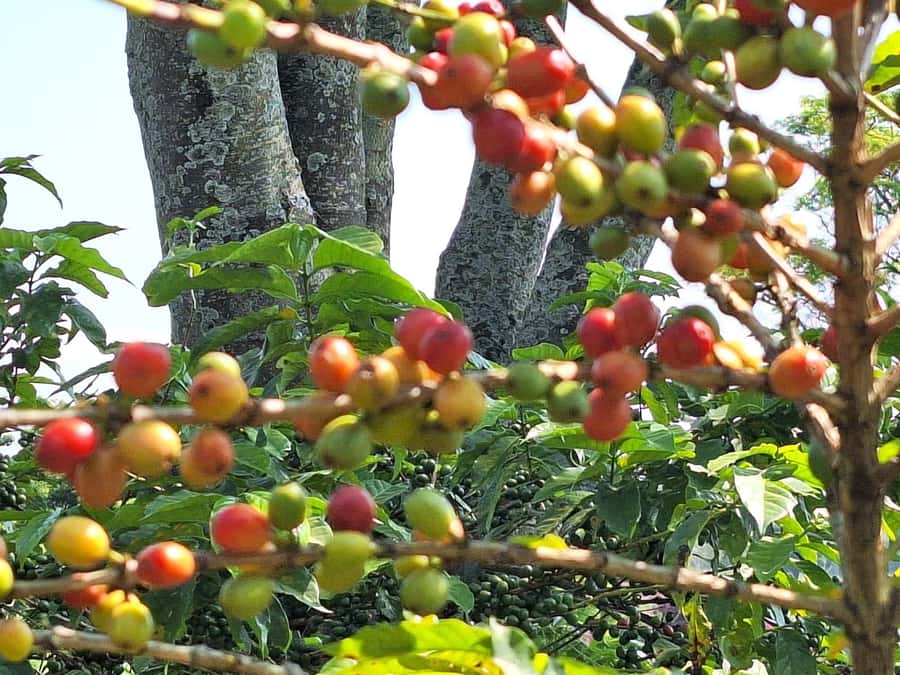
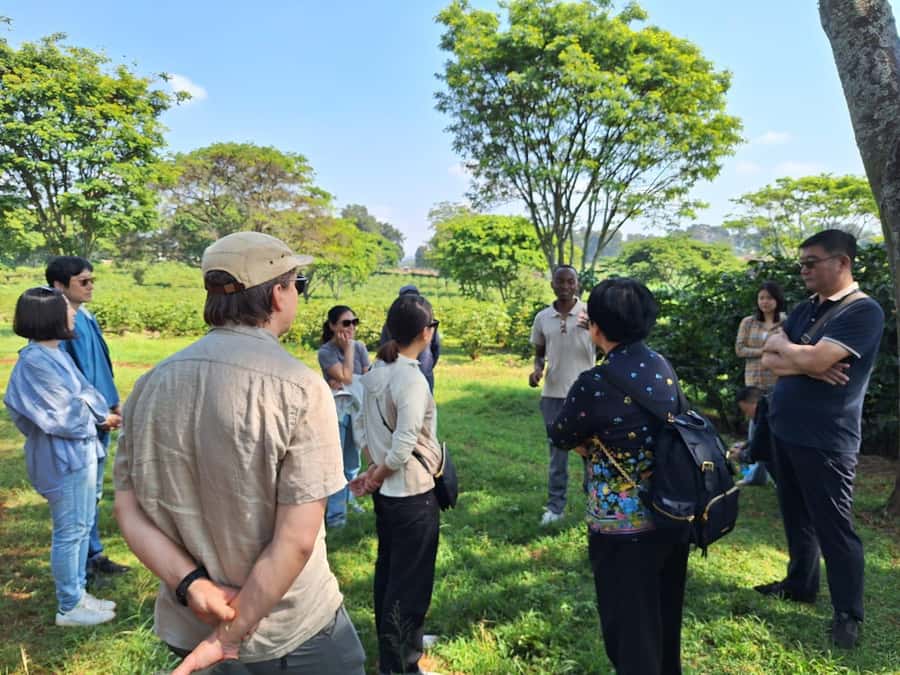
At the estate, a professional guide leads you through the coffee fields. This is where the tour moves beyond a simple tasting. You see where the beans begin and learn how farmers care for the plants while trying to protect the soil and wider environment.
The walk is described as leisurely, which makes it suitable for people who want an informative outing rather than a strenuous hike. You get the basic story of how coffee is grown, with attention to sustainable farming practices and the work required before a bean ever reaches a grinder.
The wording about giant beans refers to the coffee plantation, not oversized coffee beans. Expect rows of coffee plants and an explanation of cultivation, not a wildlife walk or a botanical garden tour.
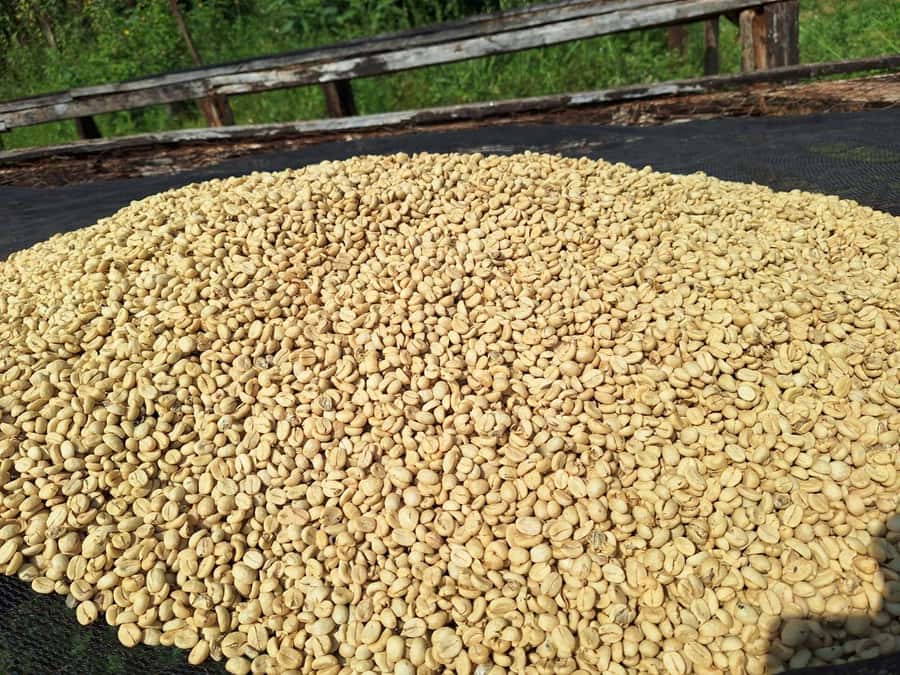
The farming section is especially useful if coffee usually reaches you as a sealed bag on a shop shelf. You can connect the final taste with the earlier stages of production: plant care, harvesting, sorting, processing, and roasting. The tour does not provide a detailed list of every farming method or the exact coffee varieties, so you should treat it as a clear introduction rather than a technical agriculture course.
Guide quality matters here. Hortensia is specifically praised for making the plantation visit interactive, using humor, and giving each person attention. That kind of approach can turn a short walk into a friendly lesson instead of a string of facts. Douglas is also praised for being informative, safe, and patient, although his role is described mainly in connection with driving and overall support.
Inside the processing center
The factory visit follows the crop from the field into production. You see coffee beans sorted, processed, roasted, and ground in an ultra-modern center. This gives the tour a useful two-part rhythm: first the agricultural side, then the machinery and decisions that shape the final drink.
Sorting is not just a visual step. It helps show that coffee quality depends on separating beans and handling them carefully before roasting. The roasting stage is where the smell becomes part of the experience, and the grinding stage brings the beans close to the form you recognize at home.
The equipment is described as meeting Latin American quality and specialty coffee standards. That tells you the factory aims for controlled production rather than a small improvised setup. Still, the tour information does not give a detailed equipment list, production volume, or a full technical explanation of roasting temperatures. Expect a guided look at the process, not professional barista training.
I like this part because it helps explain why coffee from the same broad region can taste different depending on how it is processed and roasted. You get to see that the farm is only one part of the story. The factory gives context to the tasting that follows.
The factory may be the most appealing stop for anyone interested in coffee-making equipment. It also provides a welcome change from the outdoor walk if the weather is less comfortable. No separate factory fee is identified in the information provided, but the farm charge should be clarified before the visit.
Tasting citrus, berry, and chocolate notes
The tasting session is guided rather than left to chance. You receive coffee and learn to notice flavors described as citrus, berry, and chocolate. These terms can sound fussy until someone gives you a way to compare them. Here, the guide helps connect aroma and taste with Kenyan coffee production.
You do not need a trained palate. Start by smelling the cup, then take a small sip and let the flavor settle. Try to decide if the coffee feels bright and citrus-like, fruitier and berry-like, or smoother with a chocolate impression. You may not identify every note, but the exercise gives you a better way to describe what you like.
One coffee drink is included, along with bottled mineral water. The tasting is not presented as a meal, so do not count on it to replace lunch. Lunch is specifically excluded, as are personal expenses. If you need more food during the outing, plan for that separately, though no meal details are provided.
The information does not specify how many coffees you taste, the roast levels, or whether different brewing methods are used. That means you should expect an introduction to Kenyan coffee rather than a formal professional tasting with a large flight of samples.
This stop is still valuable because it turns the earlier explanations into something you can judge for yourself. The best coffee lesson is not memorizing production terms. It is learning what a coffee’s aroma, acidity, fruit character, and sweetness feel like in the cup.
More Coffee Tours in the world:
- Hanoi Coffee Experience: 6 Brews, 9 Recipes & 3 Liquor Tastings
★ 5.0 · 2,945 reviews - Medellin: Coffee Tour with Transport, Snacks and Tastings
★ 4.7 · 1,357 reviews - Istanbul: Turkish Coffee Making and Fortune Telling Workshop
★ 4.9 · 1,308 reviews - Hanoi Coffee Workshop: Taste Salt, Coconut and Egg Coffee
★ 5.0 · 1,286 reviews
Coffee with a view at the estate patio
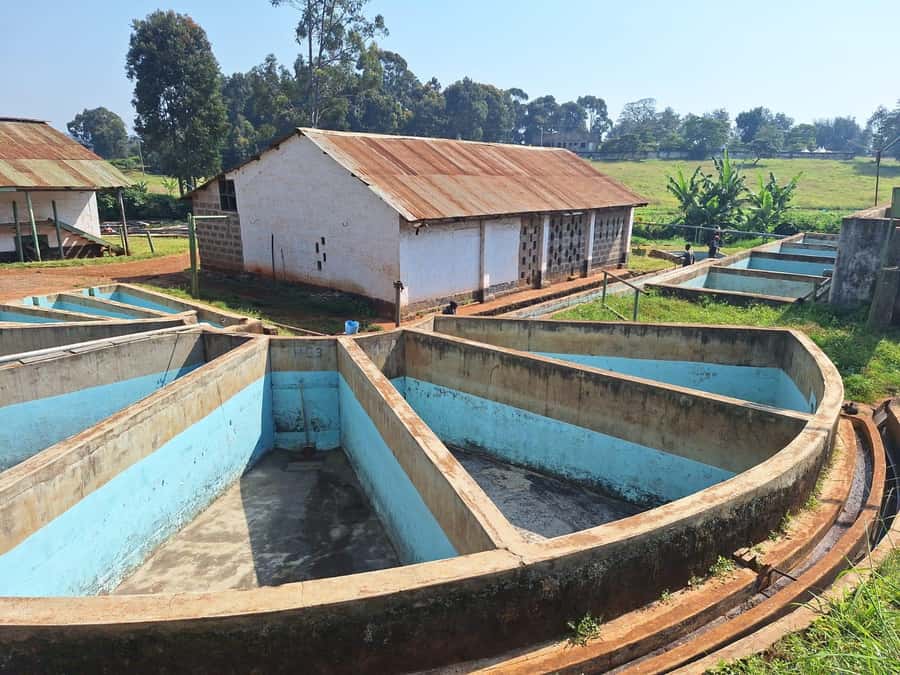
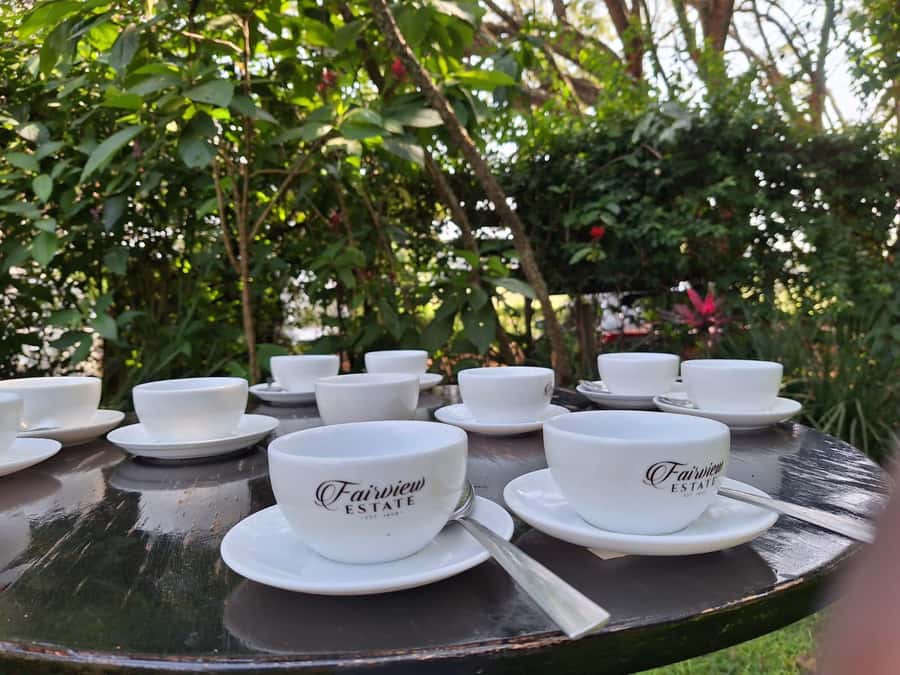
After the farm and factory sections, you can sit with freshly brewed coffee on the patio. The setting includes views of hills and open greenery, giving the tour a quiet pause between the educational parts and the shop visit.
This is one of the more appealing details for me. A coffee farm visit should allow time to enjoy coffee without being hurried from one explanation to the next. The patio stop gives you a chance to take in the setting, finish your drink, and let the information from the tour settle.
The scenery is described in broad terms, so do not expect a specific viewpoint, mountain panorama, or formal garden. You get hills and estate greenery, which should be enough to make the coffee break feel different from one taken in a Nairobi café.
If you have limited time in Nairobi, this pause helps the outing feel like a small change of pace rather than just a factory tour. If you are mainly interested in production machinery, you may find the patio stop less important. For most people, though, it is a pleasant part of the visit and one of the reasons the experience works well as a gentle half-day activity.
The shop and what you can take home
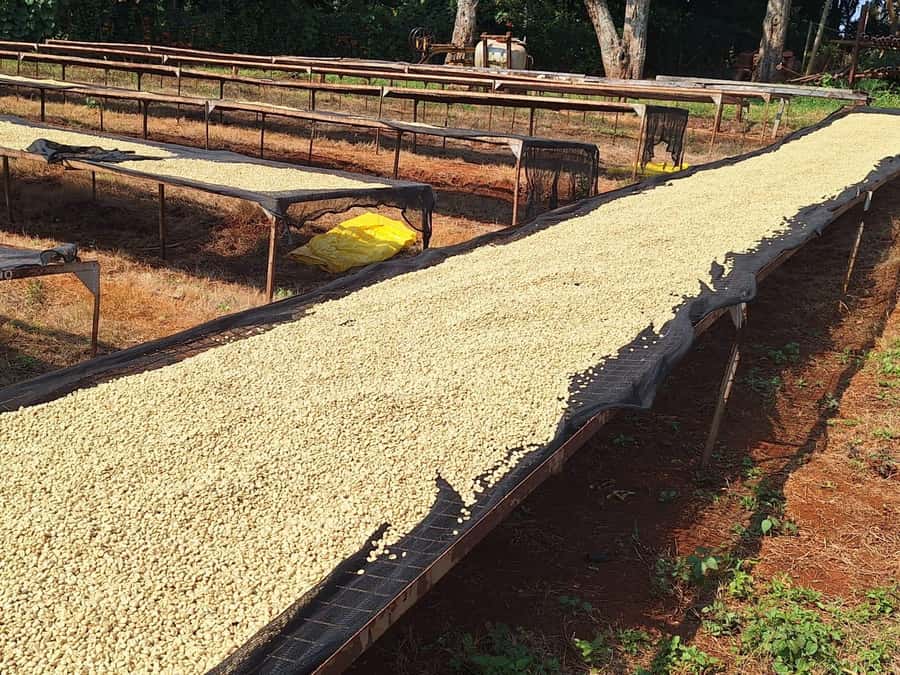
The final stop is the on-site shop. You can look for premium coffee products and locally crafted merchandise, either for yourself or as gifts. The shop gives you a practical reason to visit the estate after the tasting: you can buy the coffee you just learned about rather than relying on a vague memory of the flavor.
The information does not list prices, product sizes, roast choices, or specific craft items. Treat the shop as an optional purchase stop, not part of the guaranteed value of the tour. You should be able to browse without buying, though personal purchases are not included in the tour price.
Coffee bought at the source can also make the tasting more useful. If you find a cup you like, ask which product matches it. The available details do not confirm how much advice the shop staff provide, so do not assume you will receive a full coffee-buying consultation.
The shop is best for people who want a small, practical souvenir. It is less important if you are traveling light or already have more coffee than you can carry home.
What the $36 price really means
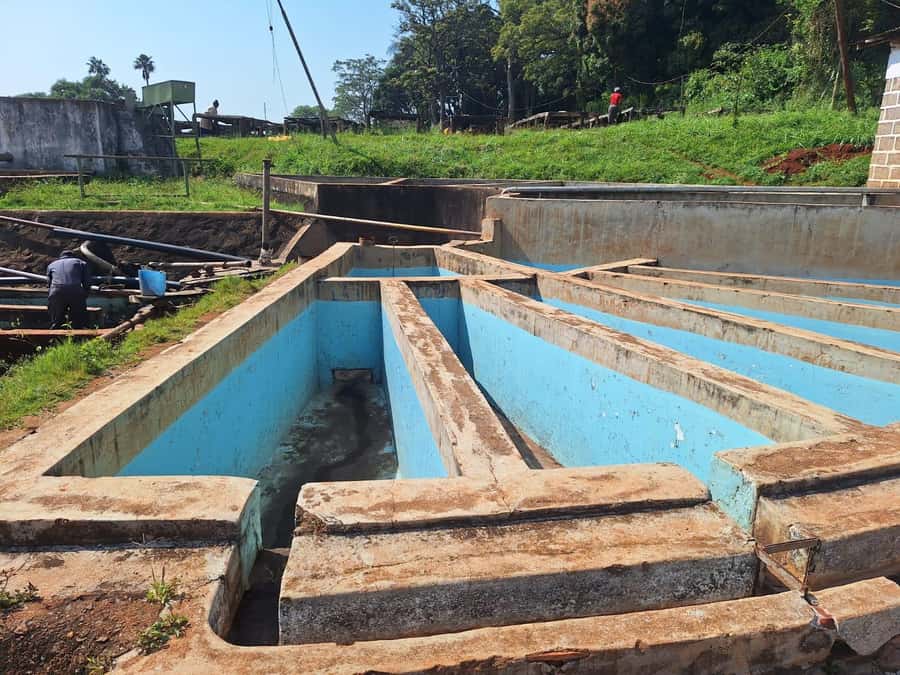
The advertised price is $36 per person, but the cost needs careful checking. A separate farm tour fee of $35 is listed as not included. If both figures apply, your basic cost becomes $71 before lunch, shopping, or other personal expenses.
There is also a reported case in which a traveler paid $60 for the tour and then an additional $30, while the farm visit itself was not included in the first payment. That makes the pricing especially important to clarify. The supplied information contains different figures, so I would not book without asking the provider for the complete per-person total in writing.
At $36 with transport, guiding, coffee, and water included, the experience could be reasonable for someone who values convenience. At $71 or more, the value depends on how much you want the pickup, return ride, and private arrangement. If you can reach Fairview Estate independently and join the farm tour there, that may cost less, but the separate local admission price and transport arrangements are not supplied here. You cannot make a fair comparison without confirming those details.
The highly praised guiding adds value. Douglas is credited with safe driving and patience, while Hortensia is praised for making the farm section friendly and interactive. Good explanations can make a modest outing worthwhile, but they do not erase an unclear fee structure.
The best question to ask before booking is simple: What is the final total, including the farm tour fee, transport, guide, and coffee? Also ask if the payment covers the complete estate visit. This prevents the unpleasant surprise of arriving and being asked for another charge.
Who will enjoy this half-day outing
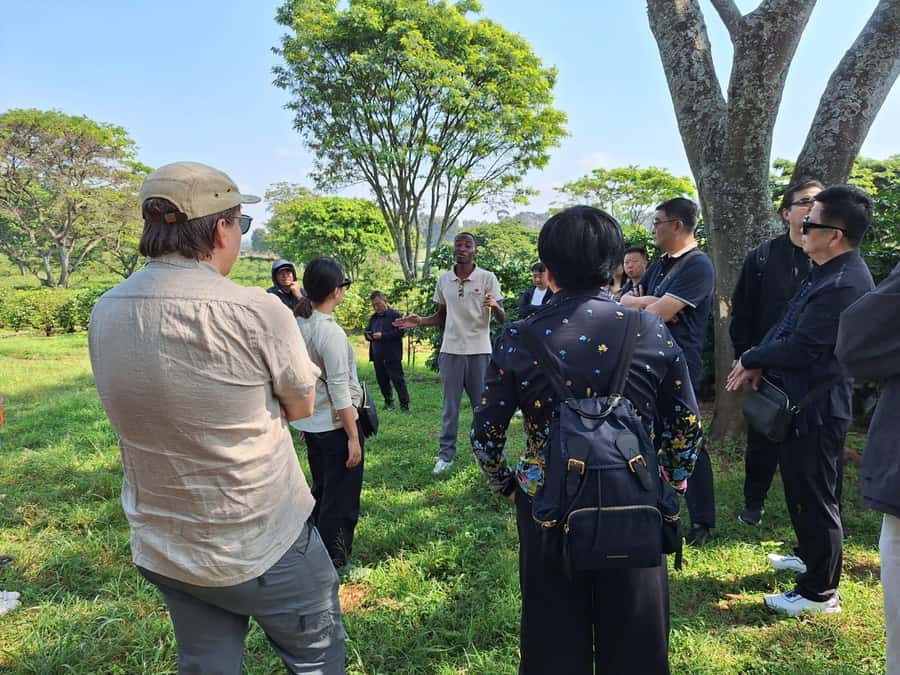
I would recommend the experience to coffee drinkers who want to connect a cup with its source. It also suits first-time visitors to Nairobi who want a calm activity outside the city without committing to a full-day safari or a long cultural program.
It is a good fit for:
- People interested in farming and food production
- Coffee drinkers who want a guided tasting
- Couples and small groups seeking a slower morning
- Visitors who value hotel pickup and return transport
- Anyone who enjoys buying locally produced coffee or gifts
It may be less suitable if you want a full Nairobi sightseeing day, a detailed coffee certification course, or a large tasting flight. It is also not the right choice if you have a firm afternoon appointment and cannot allow for a late pickup or an uncertain return time.
English is the stated tour language. No group size is provided, so you should ask if you want a private visit or need to know how many people will share the guide.
Booking advice and practical expectations
Reserve and pay later is offered, which helps if your Nairobi plans are still moving. You can cancel up to 24 hours in advance for a full refund, according to the supplied terms. Those policies are useful, but the price question matters more than flexible payment here.
Bring an interest in coffee, a phone for contacting the driver, and enough time for the outing to run beyond the neat schedule suggested by a 9:00 AM pickup. Bottled water is included, but lunch is not.
The tour is not sold as a luxury estate day or a major sightseeing expedition. Its strength is focus. In a few hours, you get the coffee plant, the factory, the tasting cup, the patio, and the shop. That clear sequence gives you a better understanding of Kenyan coffee than a café stop alone.
Should you book Fairview Estate?
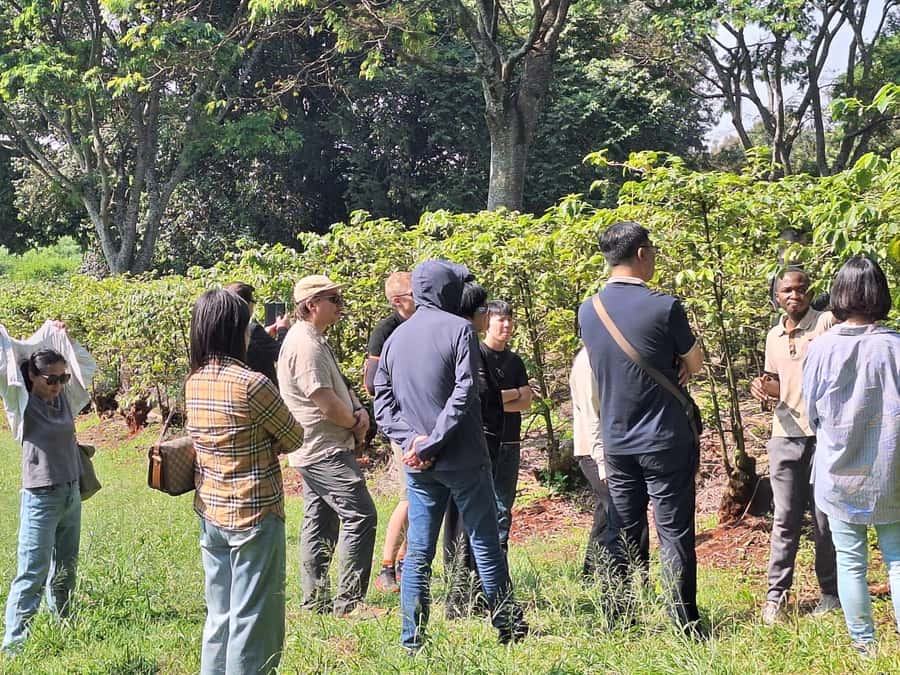
Book this tour if you want a guided coffee introduction with Nairobi pickup, a walk through the fields, a look at roasting and grinding, and time to taste the result. The strongest part is the combination of an informative farm visit and a friendly tasting, especially if Hortensia leads the plantation section or Douglas handles the day’s transport.
Do not book until you confirm the final cost. The $36 price and separate $35 farm fee create a major value question, and the additional charge described in one account makes clear communication essential. If the full price is acceptable and you have a flexible morning, Fairview Estate offers a pleasant, useful half-day. If the total feels too high, arranging your own ride and joining the estate visit separately may be worth investigating.
FAQ
Where does the coffee farm tour take place?
The tour takes place at Fairview Estate in central Kenya, outside Nairobi.
What time is pickup?
Pickup is scheduled for 9:00 AM from your location in Nairobi.
Is pickup and drop-off included?
Yes. Pickup and drop-off from your Nairobi location are included.
What does the farm visit include?
A professional guide leads you through the coffee fields and explains how the beans are grown, including sustainable farming practices.
Can I see coffee being processed?
Yes. The factory visit includes the sorting, processing, roasting, and grinding stages.
Is coffee tasting included?
Yes. A coffee drink and a guided tasting session are included.
What flavor notes will I learn about?
The tasting discusses citrus, berry, and chocolate notes in Kenyan coffee.
Is lunch included?
No. Lunch is not included in the tour price.
Is the farm tour fee included in the $36 price?
The supplied information lists a $35 farm tour fee as not included, so you should confirm the complete price before booking.
What language is the tour conducted in?
The tour is conducted in English.
Can I cancel for a full refund?
You can cancel up to 24 hours in advance for a full refund, according to the stated cancellation terms.
Are coffee products available to buy?
Yes. The estate has an on-site shop selling coffee products and locally crafted merchandise.
Just listed in the world
- Bali: Ubud Monkey Forest, Coffee Plantation, and Market Tour★ 5.0 · 5 reviews
- Chill coffee or meal break at illy Caffè in St.Mark’s Square★ 4.7 · 9 reviews
- Private Ubud Tour: Sacred Monkeys, Coffee, Temple, Waterfall★ 4.8 · 3 reviews
- Venice: Sunrise Walking Tour with Espresso★ 4.6 · 12 reviews
- Bali ,Tegallalang, Tirta Empul, Coffee, Lunch & Batur Hot Spring★ 4.0 · 2 reviews
- Mount Batur Sunrise Trekking (Private, Breakfast and Visiting coffee plantation)★ 5.0 · 27 reviews
- Venice Delights: Coffee & Food Experience Walking Tour★ 5.0 · 2 reviews
- Coffee & Waterfalls Tour: from the mountains to the cup★ 5.0 · 5 reviews
Coffee Farm Tours, compared.
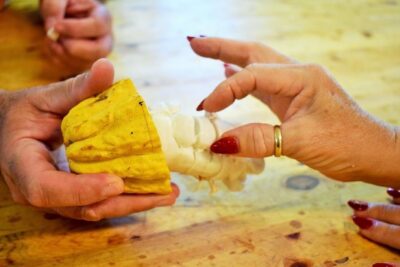
Award Winning Farm Tour: Coffee, Chocolate and Unique Gifts
Read our review →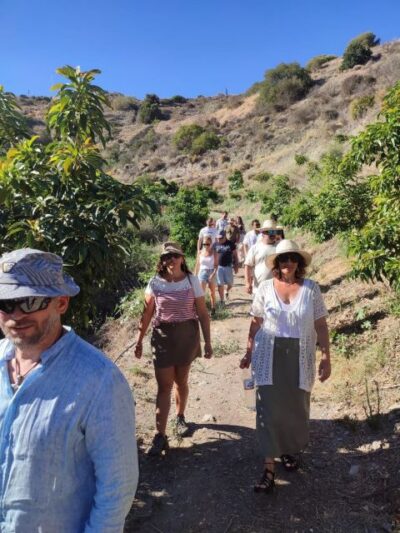
La Herradura Coffee Farm: tour in Europe’s only plantation
Read our review →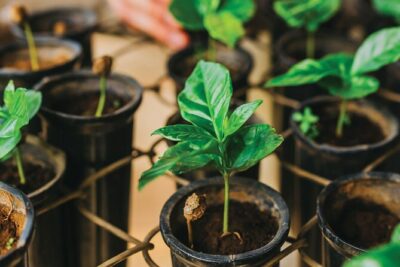
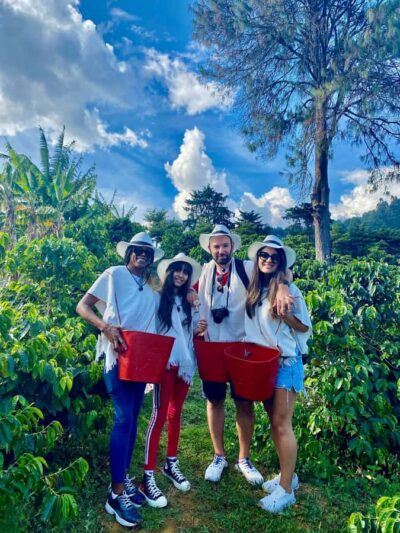
Medellín Coffee Farm Tour with Trolley and Cable Car Ride
Read our review →
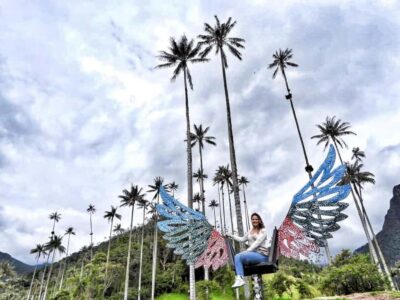
Private Cocora Valley, Salento & Coffee Farm Tour
Read our review →
Liamuiga Natural Farm Tour – St.Kitts’ Coffee Farm
Read our review →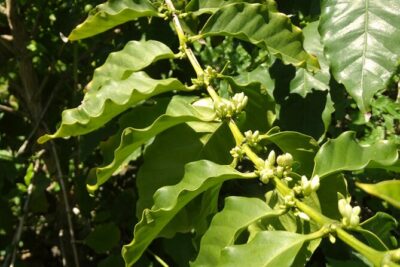
Lists this coffee tour turns up in