
REVIEW · NORTHERN VIETNAM
Hanoi Egg Coffee Class
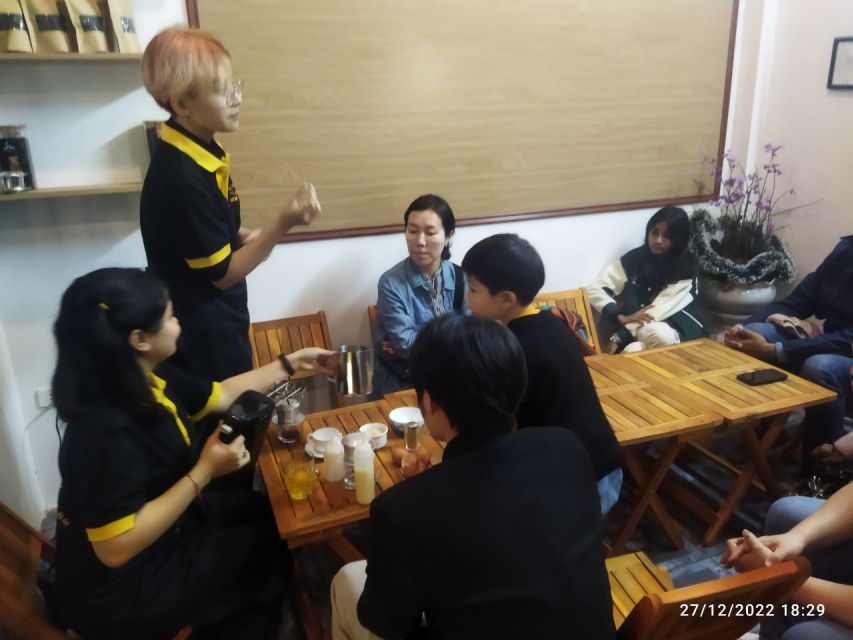
Hanoi’s famous egg coffee is part dessert, part coffee, and entirely worth understanding at the source. This small class at Cafe Minh takes you off the noisy Old Quarter streets and into a practical lesson on the phin filter, condensed milk, whipped egg, and the coffee habits that shape daily life in Vietnam.
I like the $12 price and the chance to make several drinks rather than simply order one. I also like the personal feel: guides such as Hai, Ha, Lena, Ashley, and Chloe have taught one-person sessions as well as small groups, leaving plenty of room for questions and conversation.
The main consideration is caffeine. Three or four strong Vietnamese coffees can leave your heart racing, especially if you are not used to robusta beans. Also, some parts of the process may be demonstrated rather than handled by you, and one person noted that a few utensils needed better cleaning.
Key points before you book
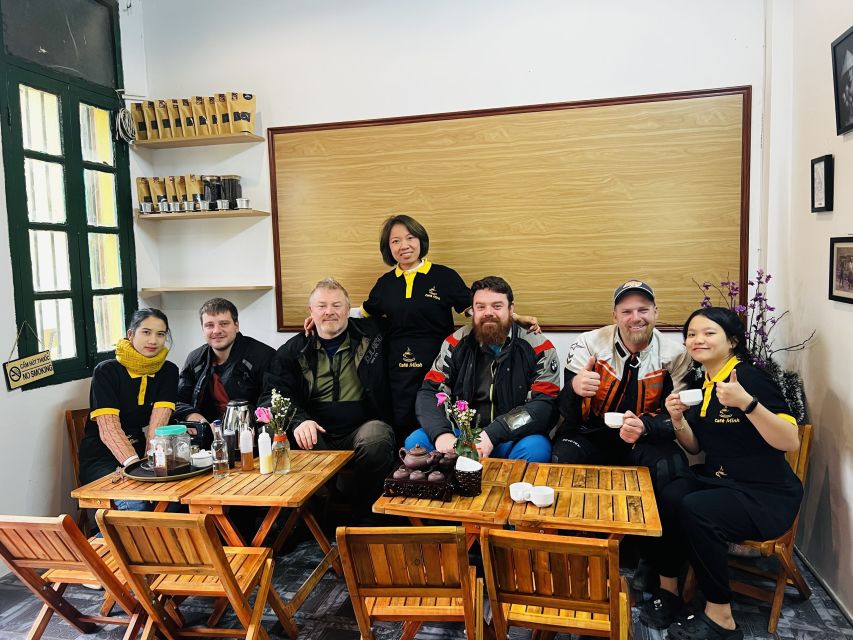
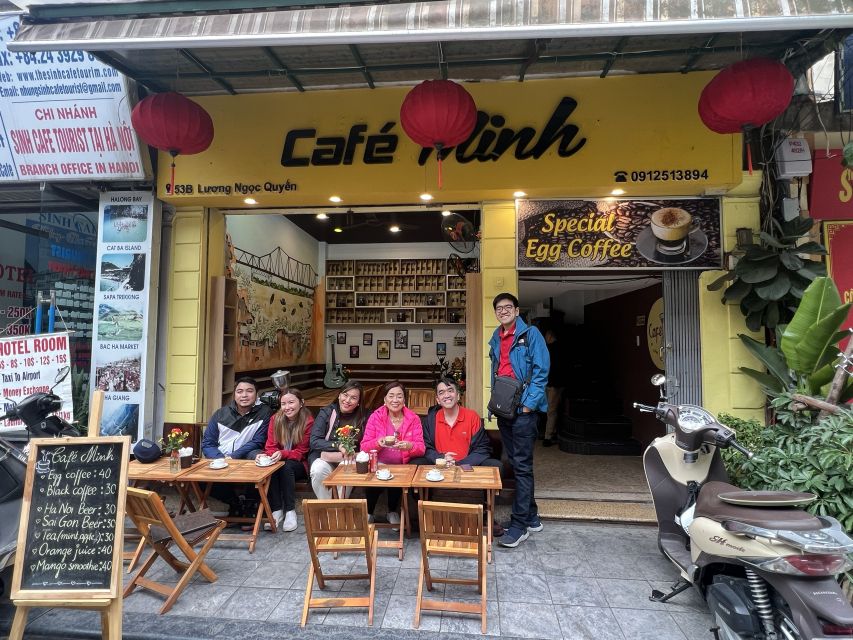
- The class is at Cafe Minh: You meet at 53 Lương Ngọc Quyến Street, only a few meters from Ta Hien Beer Street in Hanoi’s Old Quarter.
- You may prepare several coffees: Depending on the option, lessons can include egg, salt, coconut, black, white, brown, Hanoi-style milk, and Saigon-style milk coffee.
- The teaching is personal: Private and small-group formats are available, and quiet time slots may become one-on-one lessons.
- You learn more than recipes: The class covers Vietnamese coffee culture, brewing methods, history, and useful Vietnamese words.
- You can repeat the experience at home: Ingredients and equipment are supplied, and digital recipes or take-home brewing materials may be available.
- Allow one to four hours: Many sessions last around one to two and a half hours, but check the selected time before booking.
Why Hanoi egg coffee deserves a class
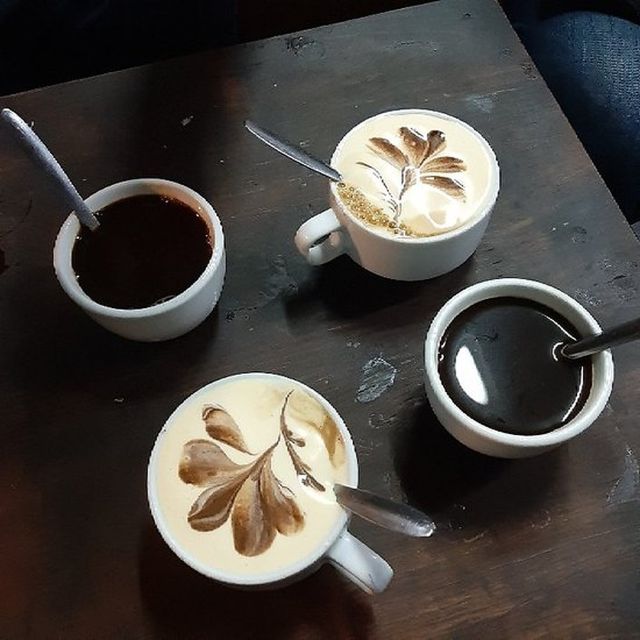
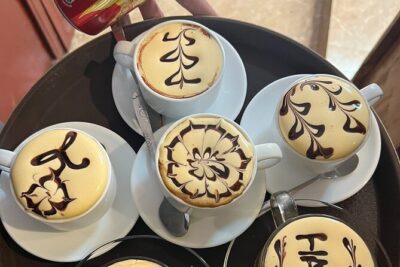
Egg coffee is easy to misunderstand from a menu. It sounds unusual, and it is, but the drink is less strange than the name suggests. Strong Vietnamese coffee sits beneath a sweet, creamy egg mixture that can feel closer to custard than to milk foam.
The skill lies in balance. The coffee needs enough strength to cut through the sweetness, while the egg topping needs the right texture. A weak brew or loose topping can make the drink flat. A well-made version is thick, warm, sweet, and deeply coffee-flavored.
That is why I prefer this kind of class to simply ordering egg coffee at a cafe. You see how much work goes into the topping, and you gain a better sense of why the drink became such a Hanoi classic. The process also gives you something useful to take home, instead of only a photograph and a sugar rush.
The lesson begins with an introduction to Vietnamese coffee and its place in local culture. Your teacher then presents the ingredients and equipment before guiding you through each stage. The instruction is aimed at beginners, and the guides named in the feedback, including Hai, Ha, Lena, Ashley, Ruby, Chloe, and Paul, are repeatedly described as patient, friendly, and clear in English.
More Coffee Making Classes in Vietnam
- Hanoi Coffee Workshop: Taste Salt, Coconut and Egg Coffee
★ 5.0 · 1,286 reviews - Hanoi: Salt Coffee Workshop Awake Your Senses With 6 Brews
★ 5.0 · 792 reviews - Da Nang Coffee Making Workshop
★ 4.9 · 543 reviews
Finding Cafe Minh near Ta Hien Beer Street
Cafe Minh is at 53 Lương Ngọc Quyến Street, close to Ta Hien Beer Street. This puts the class in a convenient part of the Old Quarter, but the meeting point can vary according to the option you reserve, so check your confirmation carefully.
The location is useful for a morning activity or a break from sightseeing. You are near food stalls, old streets, and the beer garden area, yet the class itself is described as being away from direct traffic. Afterward, you can continue exploring on foot rather than arrange a separate ride across town.
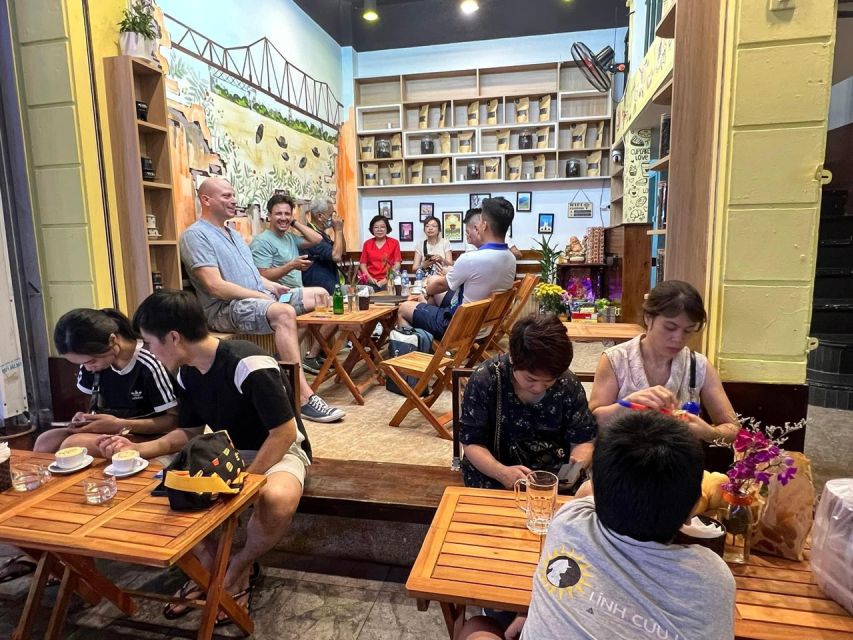
The cafe has a balcony and an open front sidewalk area where you can sit with your finished drinks. That matters because the tasting is part of the lesson. You can compare the coffees while the techniques are still fresh in your mind.
The setting is simple rather than formal. If you want a polished cooking school with a large demonstration kitchen, this is not that. The appeal is the small cafe atmosphere and the chance to talk directly with the teacher.
What happens during the coffee lesson
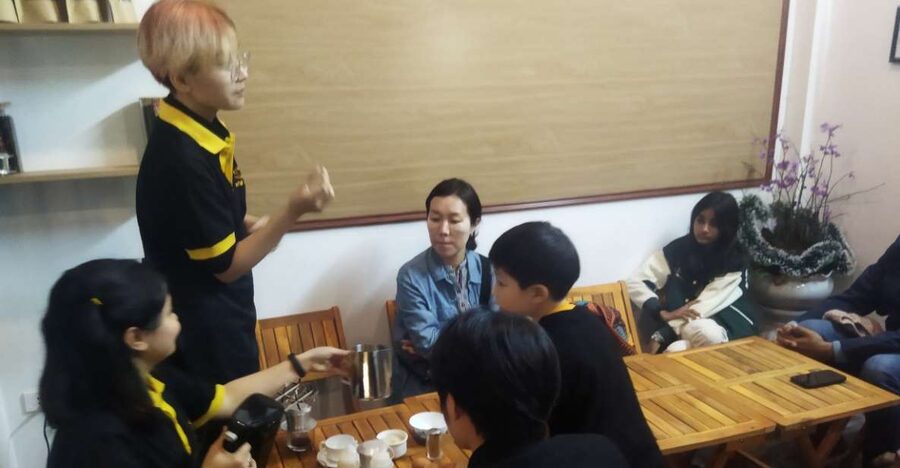
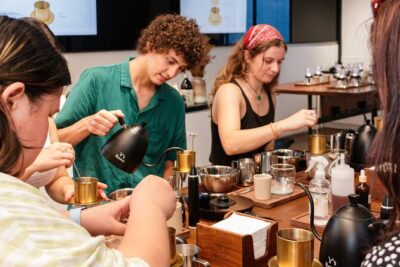
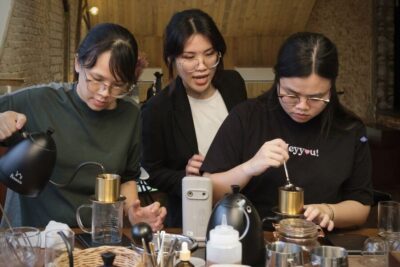
Your teacher starts with coffee culture, history, and the basic tools. The traditional phin filter is central to Vietnamese coffee making. It is a small metal brewer that sits over the cup and lets the coffee drip slowly.
You learn how the filter is arranged, how the coffee is prepared, and how condensed milk changes the drink. The pace is designed to let you follow each stage, although your exact amount of hands-on work can vary by teacher and class.
Several sessions include four drinks. One common set is egg coffee, black coffee, white coffee, and brown coffee. In practical terms, the names can be easier to remember than complicated cafe menus: black coffee is coffee without milk, while the white and brown versions use condensed milk in different ways.
Other sessions focus on three specialty coffees, especially egg, salt, and coconut coffee. The options do not appear to be identical every time, so check what your chosen class includes if one particular recipe matters to you.
The most highly praised part is the teaching. Guides are described as funny, patient, and good at explaining both the recipe and the wider culture. Some also offer suggestions for local food and cafes, which can make the class useful at the start of a Hanoi visit.
Making egg, salt, and coconut coffee
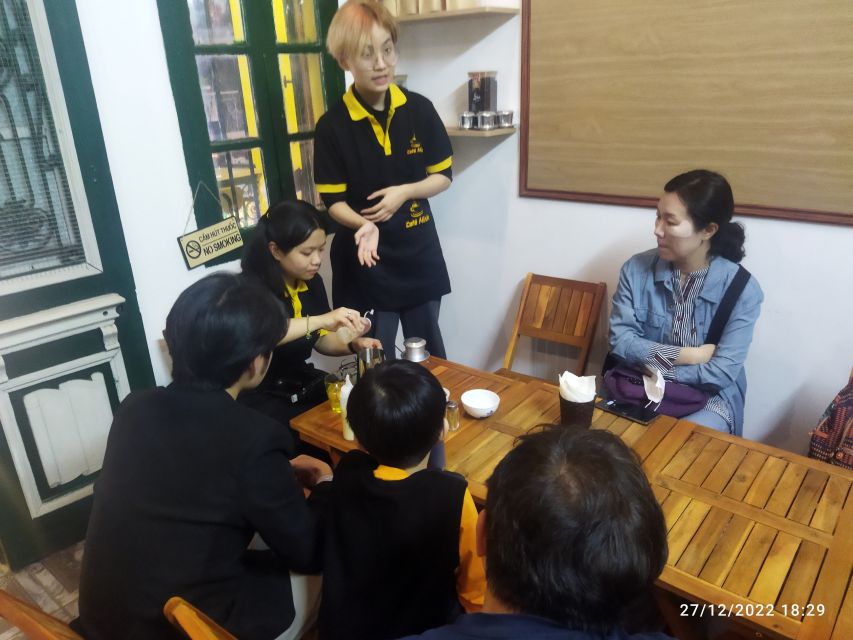
The egg coffee is the centerpiece. You prepare the coffee base with a phin filter, then work on the sweet egg mixture. The recipe takes more effort than ordering a cup, but that work is exactly what makes the drink worth studying.
Salt coffee is a surprising contrast. A small amount of salt can sharpen the coffee and soften excessive sweetness. Coconut coffee brings a different texture and flavor, often making the lesson feel more like a tasting session than a single-recipe workshop.
The menu of recipes can include Hanoi-style and Saigon-style milk coffee as well. The Hanoi version is described as espresso-strength coffee with condensed milk and a few small details that affect the final result. The Saigon version is sweeter and includes three secret drops, according to the class description.
Do not expect every participant to produce cafe-perfect drinks on the first try. One person specifically wished for more hands-on time with steps such as whipping the egg and coffee. The class still gives you a workable method, but some stages may be shown by the teacher while you watch closely.
That is worth knowing if you want a serious barista workshop. This experience is better suited to learning accessible home recipes and understanding the drinks you order around Vietnam.
More Egg Coffee Experiences in Vietnam:
- Egg coffee & Course on 4 traditional types of Viet coffee
★ 4.9 · 487 reviews - Hanoi: Vietnamese Street Food Tour with Egg Coffee
★ 4.9 · 315 reviews - Ha Noi Egg Coffee Class
★ 5.0 · 227 reviews - Decadent Vietnamese “Egg Coffee” Workshop in Hồ Chí Minh City
★ 5.0 · 150 reviews
The coffee culture lesson adds real value
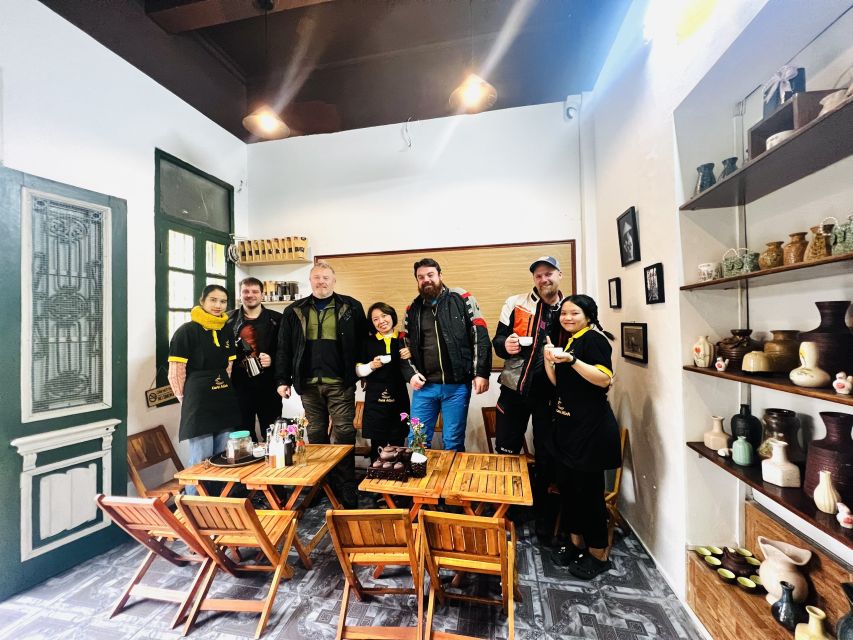
The history section helps explain why coffee feels so central in Vietnam. You are not only learning a sweet recipe. You are learning why slow brewing, condensed milk, and cafe time matter in everyday life.
The teachers also explain coffee preparation and local habits in plain English. Several participants praised the guides for adding stories about Hanoi, Vietnam, and the Vietnamese language. The result is a cultural conversation wrapped around a practical recipe.
I especially like this balance. A food class can become mechanical if the teacher only lists ingredients and steps. Here, the history and conversation give the coffee a local setting. You may leave knowing a few Vietnamese words, local cafe suggestions, and more about how to order and compare drinks.
The English standard varies by instructor but is generally described as strong. Ha, Lena, Hai, Ashley, and Chloe are all singled out for clear explanations or good communication. In a small class, you can slow down and ask for a step to be repeated.
How long the class takes
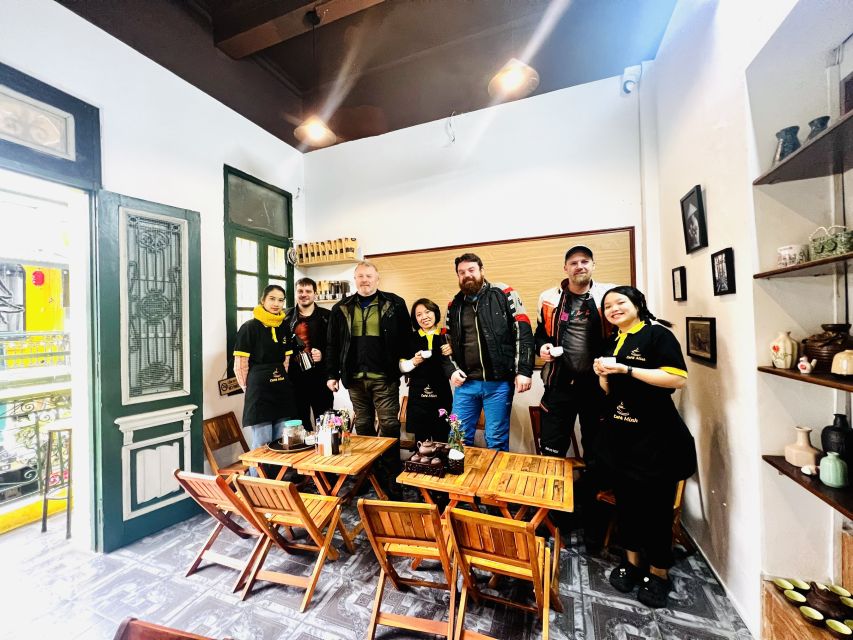
The advertised duration ranges from one to four hours, which is a broad spread. Many experiences described by participants lasted about one hour, two and a half hours, or several hours, depending on the format and recipes.
A one-hour session can still be worthwhile if you want a quick introduction and a few basic coffees. Longer sessions give you more time to taste, ask questions, and discuss Hanoi beyond the cup. If you have a tight sightseeing schedule, confirm the expected duration before selecting a time.
Private and small-group options are available. A quiet booking may turn into a private lesson without changing the basic activity. That can be a pleasant surprise, especially if you want direct instruction or are traveling alone.
The class is not suitable for people with mobility impairments, according to the activity information. Pets are not allowed. The practical setup involves sitting, preparing ingredients, and working with cafe equipment, so contact the operator if you need specific access information.
Is $12 good value?
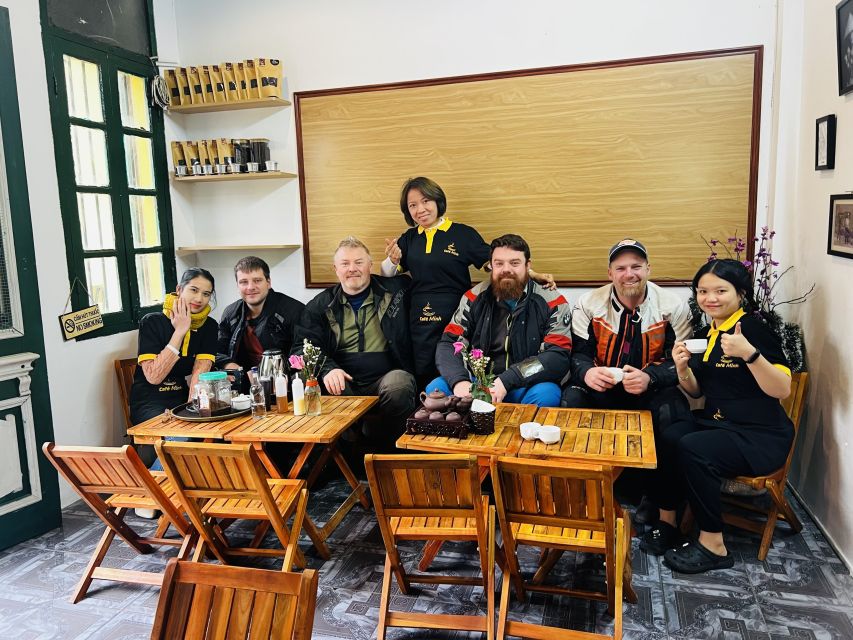
At $12 per person, this is one of the easier Hanoi activities to recommend on price alone. You are paying for an English-speaking teacher, ingredients, equipment, several drinks, and a small gift. You also receive skills you can use again instead of paying only for a single finished beverage.
The value improves if you are curious about Vietnamese coffee or plan to buy beans and a phin filter. The cafe can supply materials for home use, and some sessions include a digital recipe book. One person received a phin filter as a gift, while another used the instructions later to make salt and coconut coffee at home.
The price is less compelling if you dislike sweet coffee or cannot tolerate caffeine. You may taste several strong drinks in one sitting, and the condensed milk and egg recipes are not light refreshments. Share carefully, drink slowly, and consider asking about the number of samples if you are sensitive to caffeine.
A small gift is listed as included, but one participant did not receive one. I would treat it as a pleasant extra rather than the reason to book.
Who will enjoy this class most
This class suits coffee fans, curious eaters, solo visitors, couples, and families with older children or teenagers. A teenager enjoyed the activity, and the format is interactive enough to keep you involved without requiring previous cooking or coffee experience.
It is also a smart rainy-day option. You stay indoors, learn something tied directly to Hanoi, and finish with drinks you made yourself. It works well early in a visit because the guides may suggest cafes, food spots, and sights for the rest of your stay.
I would choose a private or small-group session if you want detailed guidance. This is particularly useful if egg coffee is the main reason you are booking. If you simply want to taste the drinks and hear a little local background, a shorter group lesson should be enough.
Coffee purists should set their expectations correctly. This is not a technical espresso course, and the class does not promise professional latte art or advanced extraction theory. It is a friendly introduction to Vietnamese brewing and specialty cafe drinks.
Useful booking advice for Hanoi
Choose a time when you can stay afterward for a relaxed tasting. The balcony and sidewalk seating make the comparison part more enjoyable, and rushing straight to the next attraction would cut short one of the better social parts of the experience.
If you want a specific menu, ask before booking. Some sessions teach three drinks, some four, and the recipes can range from egg, black, white, and brown coffee to egg, salt, and coconut coffee. The description also mentions Hanoi-style and Saigon-style milk coffee.
Check the meeting point on your confirmation because it may vary by option. The main location is Cafe Minh at 53 Lương Ngọc Quyến Street, near Ta Hien Beer Street.
You can cancel up to 24 hours before the activity for a full refund, and the reserve-now, pay-later option keeps you from paying at the time of booking. Those terms are helpful if your Hanoi schedule is still moving around.
Should you book the Hanoi Egg Coffee Class?
Book it if you want a low-cost, hands-on way to understand one of Hanoi’s most distinctive drinks. The strongest reasons are the personal teaching, the cultural conversation, and the chance to make several recipes rather than only taste one.
I would be less enthusiastic if you want every step to be fully hands-on or if you avoid sweet drinks and caffeine. Still, at $12, the risk is small. Pick a longer private or small-group session if you want more time with the egg mixture, and confirm the exact coffee menu before you go.
For most visitors, this is a useful Old Quarter stop: short enough to fit around sightseeing, local enough to feel connected to Hanoi, and practical enough to repeat at home.
FAQ
Where is the Hanoi Egg Coffee Class held?
The main location is Cafe Minh at 53 Lương Ngọc Quyến Street in Hanoi’s Old Quarter, only a few meters from Ta Hien Beer Street.
How much does the class cost?
The listed price is $12 per person.
How long does the activity last?
The stated duration ranges from one to four hours. Check the available starting time and selected option for the expected length.
Which coffees can I learn to make?
Recipes may include egg coffee, salt coffee, coconut coffee, black coffee, white coffee, brown coffee, Hanoi-style milk coffee, and Saigon-style milk coffee. The exact selection depends on the option booked.
Is the class taught in English?
Yes. English-speaking teachers are included, and instruction is available in English and Vietnamese.
Is this a private class?
Private and small-group options are available. A quiet time slot may also become a one-person lesson.
Are ingredients and equipment included?
Yes. Ingredients and equipment for the class are included.
Is a gift included?
A small gift is listed as included. Take-home materials may also be available for purchase at the cafe.
Can I cancel for a full refund?
Yes. You can cancel up to 24 hours in advance for a full refund.
Is the class suitable for people with mobility impairments?
The activity is listed as not suitable for people with mobility impairments. Pets are also not allowed.
Just listed in Vietnam
- Hanoi Private Walking Tour with Egg Coffee Making Experience★ 5.0 · 90 reviews
- HCM: Egg Coffee Class with local Instructor & Snack★ 4.7 · 8 reviews
- From Egg Coffee to Street Brews: Hanoi Walking Tour★ 5.0 · 4 reviews
- Coffee Making and Cooking Class★ 5.0 · 12 reviews
- Walking Tour in Hanoi Old Quarter with Street Food & Coffee★ 5.0 · 4 reviews
- Amazing Coffee full-day tour in Buon Ma Thuot – Daklak★ 5.0 · 5 reviews
- Buon Ma Thuot: Bean to Brew Coffee Farm Tour with Tasting★ 4.3 · 11 reviews
- Buon Ma Thuot: Specialty Coffee Tour and Brewing Experience★ 5.0 · 2 reviews
Egg Coffee Experiences, compared.
Hanoi Coffee Workshop: Taste Salt, Coconut and Egg Coffee
Read our review →
Egg coffee & Course on 4 traditional types of Viet coffee
Read our review →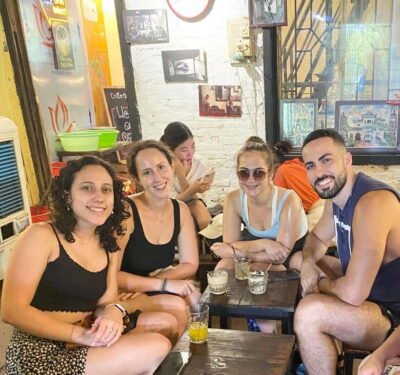
Decadent Vietnamese “Egg Coffee” Workshop in Hồ Chí Minh City
Read our review →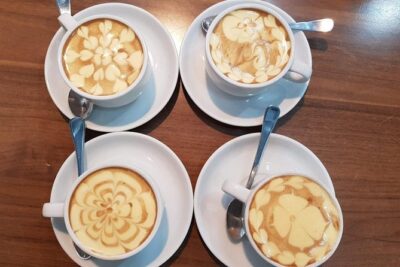
Techniques & Secrets Behind the Famed Vietnamese Egg Coffee
Read our review →Hanoi Private Walking Tour with Egg Coffee Making Experience
Read our review →Lists this coffee tour turns up in