
REVIEW · CENTRAL VIETNAM
Hoi An: Vietnamese Coffee Making Course
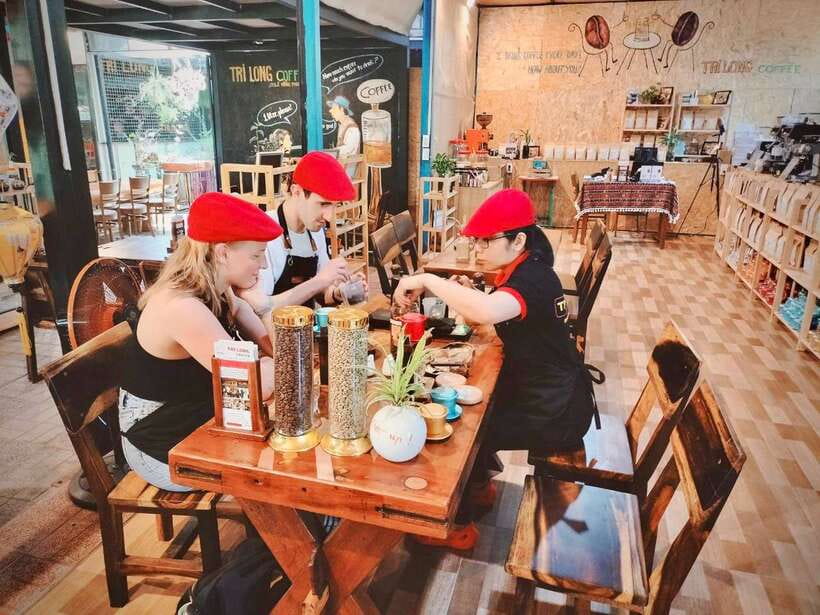
Hoi An’s coffee culture makes more sense once you have made a cup yourself. At Tri Long Coffee, you learn how beans change during roasting, then prepare a Vietnamese coffee using the slow-dripping Phin filter. You can also choose a sweeter egg or coconut version, or try salt coffee, a surprisingly good way to soften bitterness.
I like two things here. First, the class is genuinely hands-on rather than a quick demonstration. Second, at $22 for 90 minutes, it gives you a useful taste of local food culture without taking half a day. The main consideration is that the exact number of coffee sessions depends on the option you choose, so check the booking details before paying.
Key points at a glance
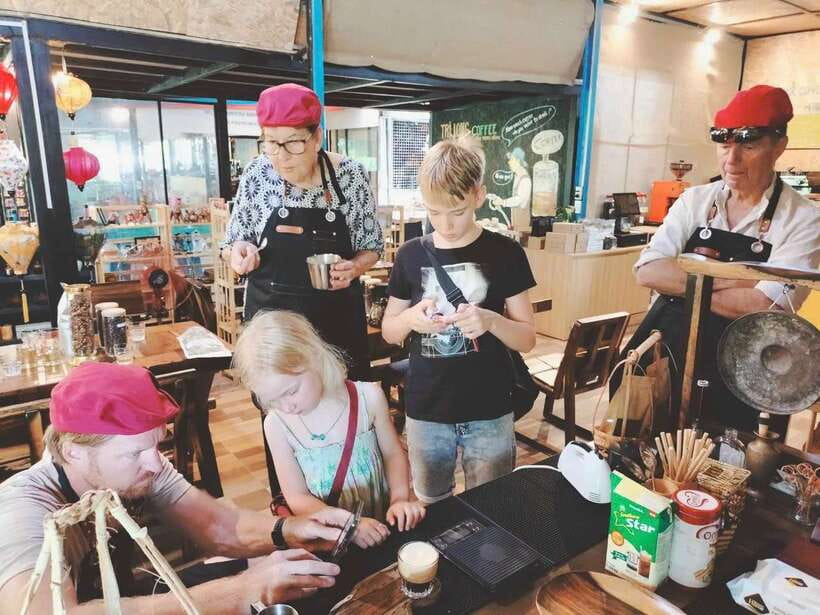
- Make coffee instead of only watching: You work with the ingredients and tools during the class.
- Choose your Vietnamese style: Options include Phin filter, egg, coconut, and salt coffee.
- See how roasting changes flavor: The instructor explains raw beans, roast levels, aroma, and taste.
- Meet at Tri Long Coffee: The class takes place in downtown Hoi An, with no hotel transfer included.
- Good value for a short activity: The 90-minute session costs $22 per person and includes coffee, water, ingredients, and equipment.
- Useful for solo visitors and groups: Private groups are available, and the English-language instruction suits international visitors.
Why Hoi An coffee deserves an hour and a half
Coffee in Vietnam is not just a morning pick-me-up. It is a social habit, a slow ritual, and a showcase for local preferences. Strong coffee is often balanced with condensed milk, coconut, egg, or even a little salt. This class lets you taste those choices while showing you how they are made.
I like the setting in principle because it keeps the experience close to everyday Hoi An life. You meet at Tri Long Coffee in the city, rather than being driven to a distant farm or resort. That makes the class easy to fit around an afternoon walk through town, an evening meal, or a visit to the lantern-lit center.
The activity lasts 90 minutes. That is long enough to explain the basics and let you prepare coffee yourself, but short enough for a hot afternoon when you would rather not commit to a full-day food tour. You should arrive ready to take part, not simply sit with a finished drink.
More Coffee Making Classes in Vietnam
- Hanoi Coffee Workshop: Taste Salt, Coconut and Egg Coffee
★ 5.0 · 1,286 reviews - Hanoi: Salt Coffee Workshop Awake Your Senses With 6 Brews
★ 5.0 · 792 reviews - Da Nang Coffee Making Workshop
★ 4.9 · 543 reviews
Starting with roasted beans and changing flavors
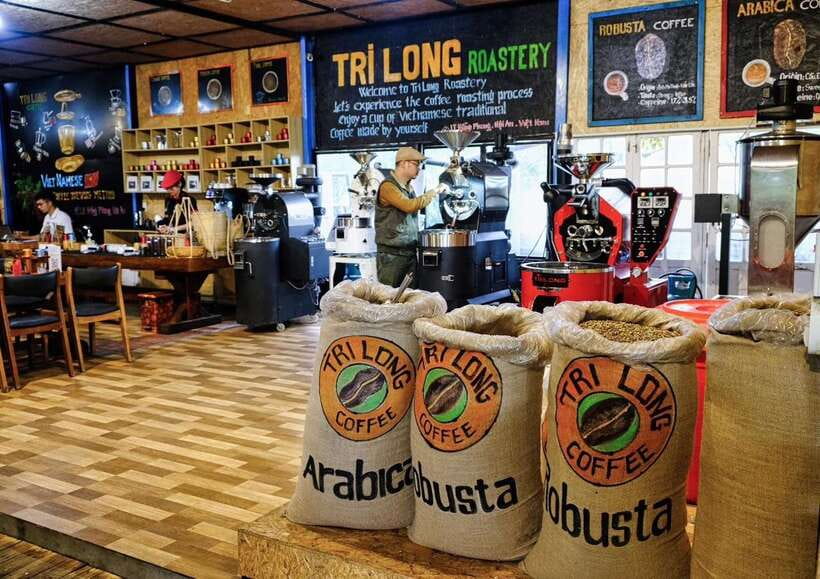
The first part looks at coffee before it reaches your cup. You learn what happens as raw beans are roasted, including how different roast levels affect color, aroma, strength, and taste. This is a useful introduction because it explains why two cups made from the same plant can taste quite different.
The roasting demonstration also gives the rest of the class some context. When you later taste a bold Phin coffee or a creamy egg coffee, you have a better sense of what comes from the bean and what comes from the added ingredients.
You should not expect a full professional barista qualification in 90 minutes. The course is aimed at curious beginners as well as coffee fans, so the instruction stays practical. You get enough information to understand the process and repeat parts of it at home, without turning the session into a technical lecture.
The emphasis on professionally roasted beans is important. Good coffee cannot be rescued by a clever topping alone. The beans provide the base, and the roasting demonstration helps you notice the difference between a pleasant roasted aroma and a drink that is simply bitter.
Using the traditional Vietnamese Phin filter
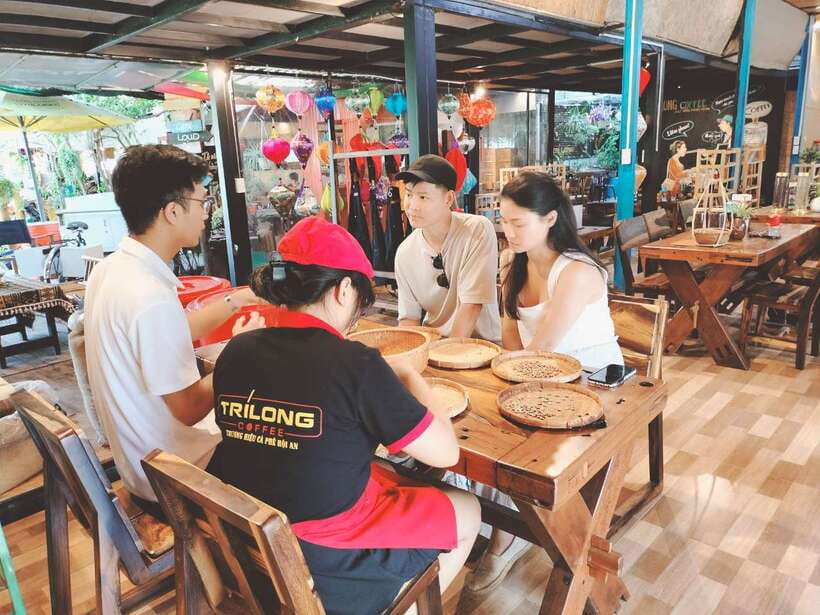
The Phin is the small metal filter that sits directly over your cup. Coffee grounds go inside, water is added, and the brew drips slowly through the filter. The method is simple, but the pace is part of its appeal. You are not pressing a button and moving on.
The instructor shows you how this traditional filter produces a concentrated, full-bodied cup. The result often has a firm bitterness balanced by sweetness, especially when condensed milk is part of the preparation. The class focuses on the technique as well as the taste, so you can understand why Vietnamese coffee is often stronger and slower than a standard drip coffee.
This is probably the most useful session if you want to bring a piece of Hoi An home. A Phin filter is small, inexpensive, and easier to pack than most coffee equipment. The lesson gives you a method you can repeat after your holiday, provided you can find suitable coffee and condensed milk.
Allow a little patience here. Slow coffee is the point. If you expect an instant drink, the dripping process can feel long. If you enjoy watching a drink develop and then tasting the result, it becomes one of the calmer parts of the class.
Choosing between egg, coconut, and salt coffee
Your choice of coffee style shapes the character of the class. You can select egg coffee, coconut coffee, salt coffee, or the traditional Phin coffee, depending on the option available when you book.
More Vietnamese Coffee Experiences in Vietnam:
- Egg coffee & Course on 4 traditional types of Viet coffee
★ 4.9 · 487 reviews - Fun & Easy Vietnamese Coffee Workshop in Hồ Chí Minh City
★ 5.0 · 293 reviews - Hanoi Cooking Class: Pho/Bun Cha/Banh Xeo…+Free Egg/Salt Coffee
★ 5.0 · 267 reviews - Hanoi: Vietnamese Coffee Workshop with 6 Brews and 8 Recipes
★ 5.0 · 237 reviews
Egg coffee
Egg coffee is one of Vietnam’s most distinctive drinks. Egg yolks, condensed milk, sugar, and coffee are combined into a thick, smooth topping. The result is closer to a coffee dessert than a plain black brew.
You watch the instructor prepare the creamy mixture, then take part in making it. The sweetness can be quite pronounced, so this choice suits you if you enjoy custard-like drinks and dessert coffee. If you prefer a clean, bitter cup, egg coffee may feel heavy.
Still, it is worth trying at least once in Hoi An. The technique is unusual, and the ingredients show how Vietnamese coffee culture developed its own answers to strong local brews.
Coconut coffee
Coconut coffee adds a nutty, tropical note to the drink. It is a natural choice for a warm Central Vietnam afternoon, particularly if you like sweet or creamy coffee.
The appeal is not just the flavor. You also learn how another ingredient changes the texture and aroma of the coffee. Coconut can make a strong brew feel smoother and more refreshing, though it may cover some of the bean’s sharper flavors.
Salt coffee
Salt coffee is the most curious option, and it deserves a fair chance. A small amount of salt can reduce the impression of bitterness and bring out other flavors in the coffee. The goal is not to make the drink taste salty. It is to create a better balance.
This is a good choice if you want something different from the usual sweet coffee. It also gives the instructor a chance to explain the basic idea behind the combination, rather than presenting it as a novelty with no reason behind it.
Traditional Phin coffee
Choose the Phin session if your priority is learning the core Vietnamese coffee method. You will get the clearest look at the brewing process and the relationship between coffee, water, time, and sweetness.
If you have enough time and your booking option permits it, preparing more than one style makes the differences easier to notice. The published activity options include two, three, or four sessions, so review the exact selection before booking.
What the hands-on format adds
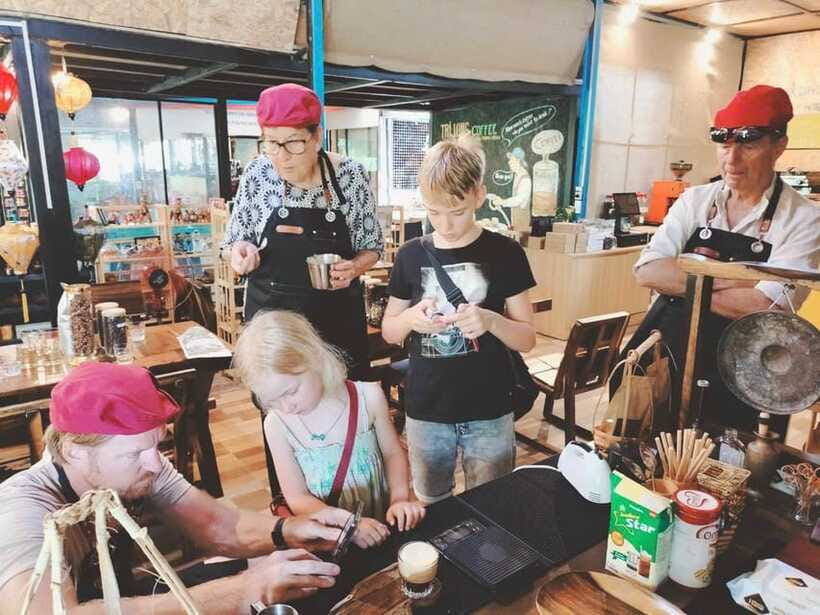
The best part of this activity is the chance to make the drink yourself. You handle the ingredients and tools, follow the preparation steps, and taste the result at the end. That gives you a better memory of the coffee than simply receiving a finished cup.
The included equipment and ingredients also keep the lesson straightforward. You do not need to bring anything apart from your interest and perhaps a way to take notes. Water is included, and you receive a cup of coffee made by yourself.
The supplied class feedback also indicates that recipes are provided at the end. That is a useful touch, especially for egg and coconut coffee, where proportions matter more than you might expect. Ask for clarification during the class if you want to repeat the recipe at home.
Some participants have made two coffees of their choice during the session. Since the activity information also describes different numbers of sessions, I would treat this as an option-dependent detail rather than a guarantee. Check the specific booking choice so you know exactly what is included.
How the $22 price compares
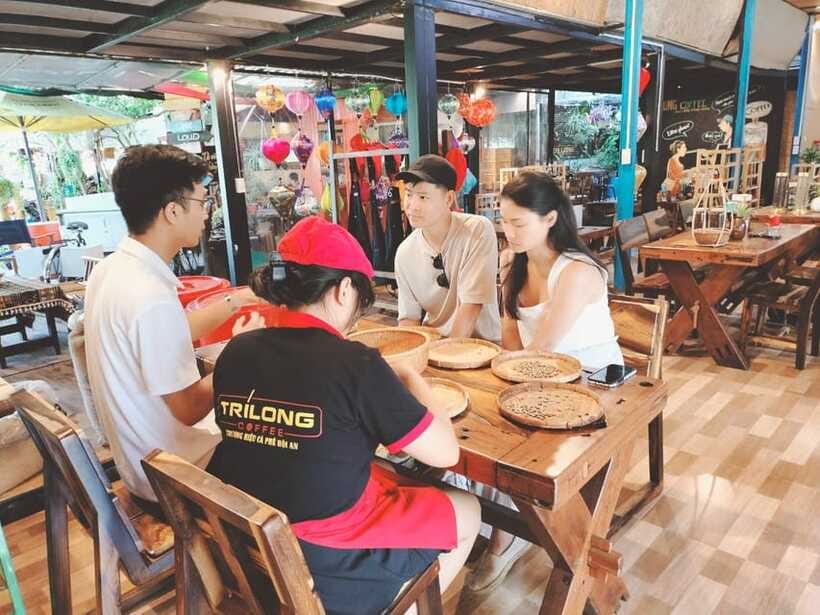
At $22 per person, this is not the cheapest way to drink coffee in Hoi An. A local café will sell you a cup for far less. The value comes from the instruction, the ingredients, the use of the tools, and the chance to prepare several styles under guidance.
The price makes more sense if you want an activity rather than a drink. You are paying for 90 minutes of structured time, an English-speaking instructor, and a lesson you can repeat at home. Recipes and the chance to buy beans afterward add practical value for people who want to continue the habit.
I would consider it good value for a solo visitor because the class fills a short gap without requiring a larger group. It also works well for couples and friends who want a shared activity that is quieter than a cooking class with many dishes.
The value is weaker if you already know how to roast coffee, use a Phin, and make the three specialty drinks. In that case, the class may repeat familiar material. For a beginner, though, the hands-on format makes the price reasonable.
Who will enjoy this class most
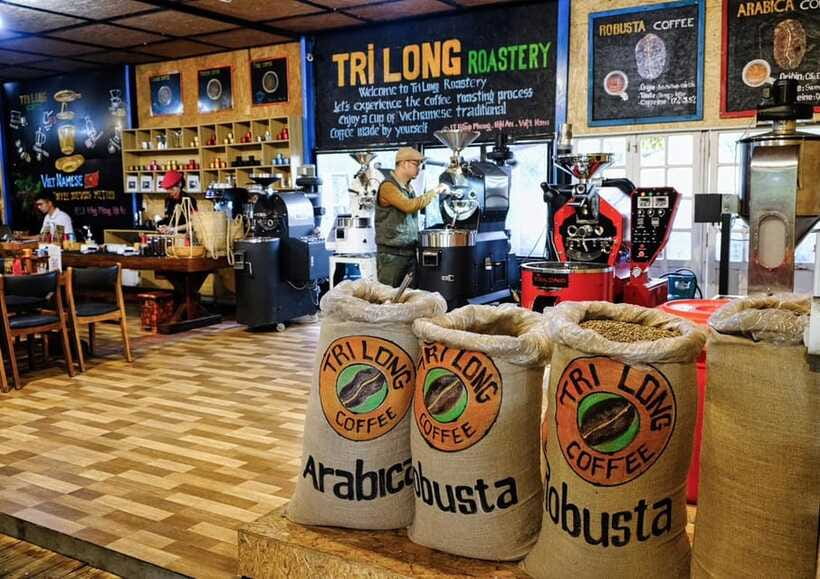
You should consider booking this experience if you:
- Like coffee and want to understand how Vietnamese styles are made.
- Prefer a small, focused activity to a long sightseeing program.
- Want a practical souvenir skill rather than another object in your luggage.
- Enjoy sweet coffee, creamy drinks, or unusual flavor combinations.
- Are traveling alone and want an easy activity in central Hoi An.
- Want an indoor plan for a hot or rainy part of the day.
It is also a good match for people who do not normally drink strong black coffee. Egg and coconut coffee offer a softer entry point, while salt coffee shows how a small ingredient can alter the drink without making it sugary.
You may want to skip it if you dislike coffee, do not want sweet drinks, or expect a full tour of coffee farms and production areas. The class is based in downtown Hoi An and focuses on preparation, roasting, and tasting. It is not a plantation visit.
Timing, meeting point, and group choices
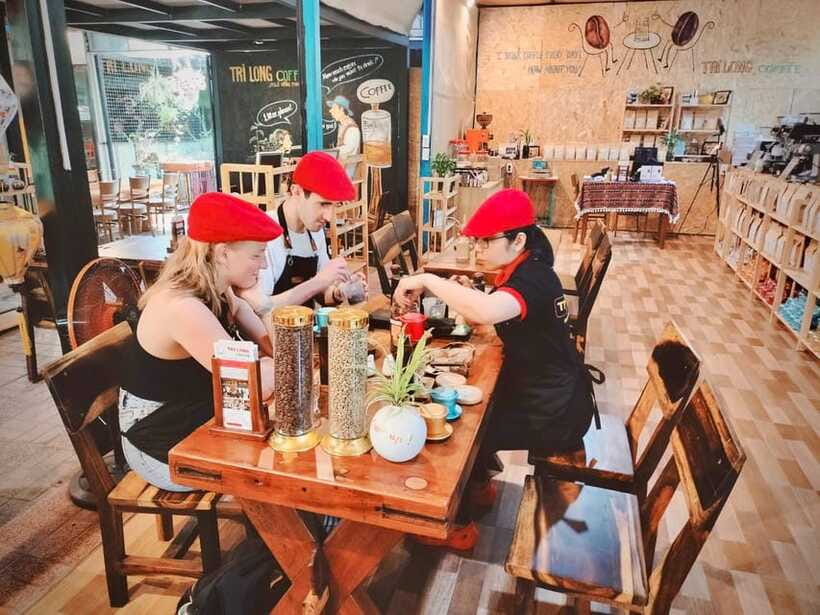
The meeting point is Tri Long Coffee in Hoi An city. Hotel pickup and drop-off are not included, so you need to make your own way there. This is easy to plan if you are already staying or sightseeing in central Hoi An, but less convenient if you are based well outside town.
The instructor speaks English. That matters here because the class depends on understanding steps, proportions, and the reasons behind each method. Private groups are available, which can be useful if you want to choose the pace and coffee styles with your own companions.
The activity lasts 90 minutes, and starting times depend on availability. Build a little space around the appointment rather than scheduling it between two fixed activities with no margin. Coffee preparation has a slower rhythm, and you will want time to finish your drink.
Cancellation is flexible: you can cancel up to 24 hours in advance for a full refund. You can also reserve now and pay later, which helps if your Hoi An plans are still shifting.
Small details that improve the experience
Check which coffee sessions are included before you confirm the reservation. The choices may include two, three, or four parts, and the price or booking format may depend on that selection.
If you want the strongest sense of Vietnamese coffee culture, include the Phin filter even if egg, coconut, or salt coffee sounds more exciting. The specialty drinks are memorable, but the Phin is the foundation.
Take note of the ingredient amounts, especially if you hope to repeat the drink at home. A small change in condensed milk, egg mixture, coconut, or salt can shift the balance quickly.
You can also ask about the roasted beans used in class. The activity centers on professionally roasted coffee, and buying beans afterward may help you recreate the experience. Do not buy more than you can use, since freshly roasted coffee is best treated as a consumable rather than a decoration.
Should you book the Hoi An coffee class?
I would book this class if you want a short, hands-on look at a distinctly Vietnamese part of daily life. The best reasons are the choice of coffee styles, the practical Phin lesson, and the chance to leave with recipes you can use later.
I would be more cautious if you want a farm visit, a long roasting workshop, or a broad food tour. This is a focused downtown class, not a full coffee-production excursion.
For $22, the experience offers a pleasant balance of learning and tasting. Choose the Phin for the most useful lesson, egg or coconut for a sweet treat, and salt coffee if you want the most unusual cup. Check the number of sessions included, arrive at Tri Long Coffee on time, and you should get a compact introduction to Hoi An’s coffee traditions.
FAQ
Where does the coffee class take place?
The class takes place at Tri Long Coffee in Hoi An city. The instructor welcomes you at the café.
How long does the activity last?
The coffee-making class lasts 90 minutes.
How much does the experience cost?
The listed price is $22 per person.
What coffee styles can I choose?
You can choose from Vietnamese Phin filter coffee, egg coffee, coconut coffee, and salt coffee.
Is the coffee class taught in English?
Yes. The instructor speaks English.
Do I make the coffee myself?
Yes. The class includes a cup of coffee made by yourself, along with the ingredients and tools needed for the activity.
Is water included?
Yes. Water is included.
Is hotel pickup included?
No. Hotel pickup and drop-off are not included. You meet at Tri Long Coffee in Hoi An city.
Are private groups available?
Yes. A private group option is available.
Can I cancel the booking?
You can cancel up to 24 hours in advance for a full refund. You can also reserve now and pay later.
Just listed in Vietnam
- HCM: Egg Coffee Class with local Instructor & Snack★ 4.7 · 8 reviews
- From Egg Coffee to Street Brews: Hanoi Walking Tour★ 5.0 · 4 reviews
- Coffee Making and Cooking Class★ 5.0 · 12 reviews
- Walking Tour in Hanoi Old Quarter with Street Food & Coffee★ 5.0 · 4 reviews
- Hanoi Private Walking Tour with Egg Coffee Making Experience★ 5.0 · 90 reviews
- Amazing Coffee full-day tour in Buon Ma Thuot – Daklak★ 5.0 · 5 reviews
- Buon Ma Thuot: Bean to Brew Coffee Farm Tour with Tasting★ 4.3 · 11 reviews
- Buon Ma Thuot: Specialty Coffee Tour and Brewing Experience★ 5.0 · 2 reviews
Vietnamese Coffee Experiences, compared.

Salt Coffee Workshop Awake Your Senses With 6 Brews
Read our review →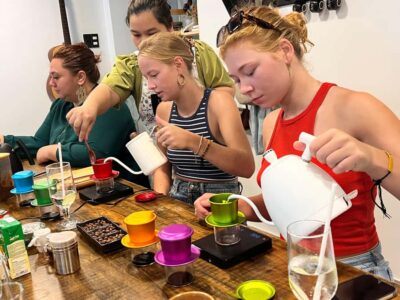
Egg coffee & Course on 4 traditional types of Viet coffee
Read our review →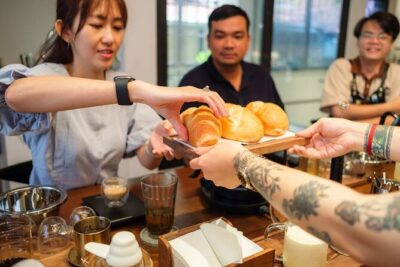
Fun & Easy Vietnamese Coffee Workshop in Hồ Chí Minh City
Read our review →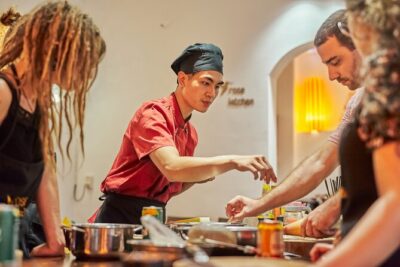
Hanoi Cooking Class: Pho/Bun Cha/Banh Xeo…+Free Egg/Salt Coffee
Read our review →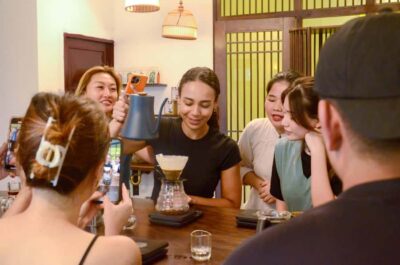
Vietnamese Coffee Workshop with 6 Brews and 8 Recipes
Read our review →
Vietnamese Coffee & Culture Exploration in Hồ Chí Minh City
Read our review →
Hanoi Coffee Workshop: Master 6 Signature Vietnamese Coffee
Read our review →
Hands-on Vietnamese Coffee Making Class with Long
Read our review →Lists this coffee tour turns up in