
REVIEW · CENTRAL VIETNAM
Hoi An: Hands-on Vietnamese Coffee Making Class with Long
The clever part of this Hoi An class is that you do not just drink Vietnamese coffee, you learn how to make it. At Tri Long Coffee, instructor Long explains the path from coffee crop to cup, then guides you through two traditional drinks such as phin filter coffee, egg coffee, salt coffee, or coconut coffee.
I like the small-batch roastery setting and the useful take-home recipe cards. I also like the friendly, patient teaching style, which gives you time to make the drinks instead of rushing through a demonstration. The main thing to consider is the short one-hour format: it is enough for a focused introduction, but not a full coffee workshop.
Key points at a glance

- Make two Vietnamese coffee styles: Choose from phin filter, egg, salt, and coconut coffee.
- Meet at a working local roastery: Tri Long Coffee is at 88 Phan Chau Trinh Street in central Hoi An.
- Learn the story behind the cup: Long covers Vietnamese coffee culture, café traditions, and the route from crop to cup.
- Take the recipes home: Recipe cards let you try the drinks again after your trip.
- Pay $15 for a compact class: Ingredients, equipment, coffee tasting, and the coffee specialist are included.
- Plan for a short, seated class: The activity lasts one hour and is not suitable for wheelchair users or people with mobility impairments.
Why Vietnamese coffee deserves a hands-on lesson
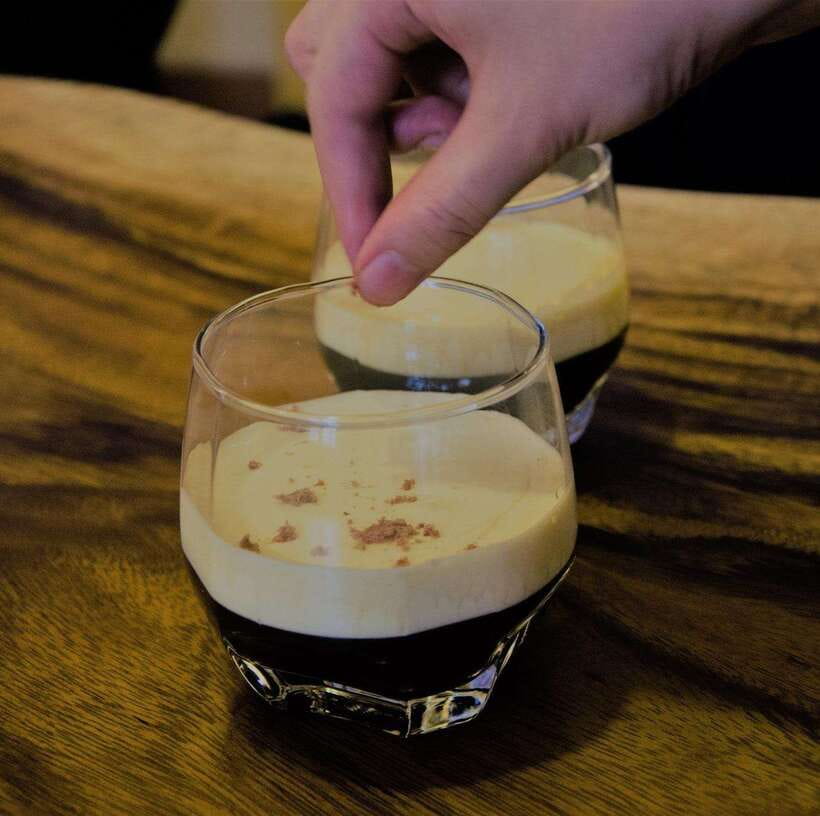
Vietnamese coffee is not simply regular coffee served over ice. The brewing gear, sweeteners, textures, and serving traditions give each drink its own character. A phin filter produces a slow, concentrated brew. Egg coffee turns coffee into something closer to a soft dessert. Salt coffee uses a small salty note to soften bitterness, while coconut coffee adds a cool, creamy element.
I find a class like this useful because the drinks can look simple after they reach the table. The trick is in the order of ingredients, the brewing method, and the balance of flavors. Watching someone make a coffee is helpful. Making it yourself is what gives you a fair chance of repeating it at home.
The class also places coffee in a Vietnamese setting rather than treating it as a stand-alone recipe. Long talks about popular cafés in Vietnam and their connection to the country’s history and culture. That context matters. You begin to understand why coffee is such a central part of daily life, not just a caffeine stop between sightseeing visits.
More Coffee Making Classes in Vietnam
- Hanoi Coffee Workshop: Taste Salt, Coconut and Egg Coffee
★ 5.0 · 1,286 reviews - Hanoi: Salt Coffee Workshop Awake Your Senses With 6 Brews
★ 5.0 · 792 reviews - Da Nang Coffee Making Workshop
★ 4.9 · 543 reviews
Arriving at Tri Long Coffee on Phan Chau Trinh Street
The meeting point is Tri Long Coffee, 88 Phan Chau Trinh Street, in Hoi An. You arrange your own way there, since hotel pickup and drop-off are not included. The address is worth saving before you set out, particularly if you are walking from another part of town.
The class takes place in a local coffee roastery rather than a large cooking school. That gives the activity a more personal feel. The focus is the coffee itself, with small-batch roasted beans and equipment set out for practical use.
The room is described as comfortable, with music playing while you enjoy the finished drinks. This is not a sightseeing tour with several stops. You arrive, settle in, and spend the hour learning, preparing, and tasting.
Small groups can make a real difference here. One booking resulted in a one-on-one class because no other participant had booked that time. Another small group received a private-style lesson and made several typical Vietnamese drinks. Group size can change with the booking schedule, so you should not assume a private class, but a quiet session is possible.
Long’s crop-to-cup introduction
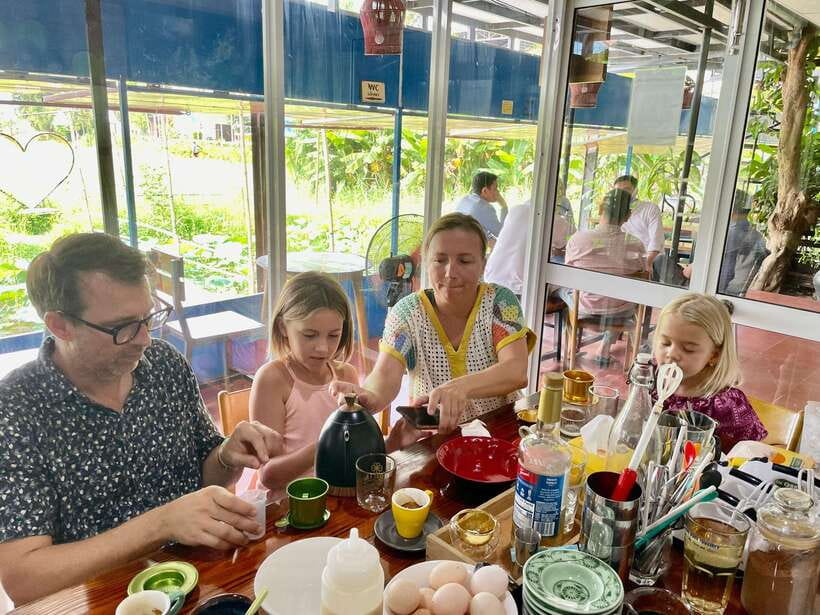
Long begins by explaining how coffee moves from the growing regions of Vietnam to the cup in front of you. The class includes information about the beans, roasting, and the work involved in turning coffee into a drink.
The small-batch roasting angle is one of the more interesting parts. It gives you a chance to think about coffee as a product with different aromas and flavors, rather than one standard ingredient. You are not asked to become a coffee expert in an hour, but you do get a clearer sense of why roast style and preparation affect the final taste.
Long also connects coffee with Vietnamese cafés and their place in local culture. This makes the introduction more useful than a list of instructions. You learn not only what to do, but why these drinks are so common in Vietnam.
The teaching style appears to be patient and clear. That matters if you have never used a phin filter or handled ingredients such as egg mixture and coconut. The class is designed for participation, so you should expect to handle the equipment and follow the preparation yourself.
Choosing two traditional coffee drinks

You can choose two coffee styles from the available selection. The options are Vietnamese phin filter coffee, egg coffee, salt coffee, and coconut coffee. The exact choices may depend on the class setup, so confirm your preferred pair with Long at the start.
More Vietnamese Coffee Experiences in Vietnam:
- Egg coffee & Course on 4 traditional types of Viet coffee
★ 4.9 · 487 reviews - Fun & Easy Vietnamese Coffee Workshop in Hồ Chí Minh City
★ 5.0 · 293 reviews - Hanoi Cooking Class: Pho/Bun Cha/Banh Xeo…+Free Egg/Salt Coffee
★ 5.0 · 267 reviews - Hanoi: Vietnamese Coffee Workshop with 6 Brews and 8 Recipes
★ 5.0 · 237 reviews
Phin filter coffee
The phin is one of the most recognizable pieces of Vietnamese coffee equipment. It sits directly over the cup and lets water pass slowly through the grounds. The result is concentrated and deliberate, not a quick pour.
This is the best choice if you want to understand the basic Vietnamese brewing method. It also gives you a practical skill you can recreate with the right filter and coffee at home.
Egg coffee
Egg coffee is the most dessert-like option. It combines coffee with a creamy egg preparation, creating a drink with a soft texture and a sweet finish.
Choose this if you are curious about a distinctly Vietnamese café specialty. It is also a good reason to take the recipe card seriously, since the method matters more than the short ingredient list may suggest.
Salt coffee
Salt coffee sounds unusual until you taste the balance. A small amount of salt can temper coffee’s bitterness and make the drink taste smoother.
This was a particularly popular choice in the class feedback, with one person planning to make it at home after learning the recipe. If you prefer coffee with a less sugary profile, salt coffee may be the most interesting option to try.
Coconut coffee
Coconut coffee brings a cool, creamy quality to the drink. It is a good pick if you like tropical flavors or want something different from a plain hot coffee.
A pair of participants made coconut and salt coffee together, then had time to sit with their drinks afterward. That combination gives you a useful contrast: one drink leans toward coconut sweetness, while the other focuses on coffee with a salty balance.
What the one-hour class feels like
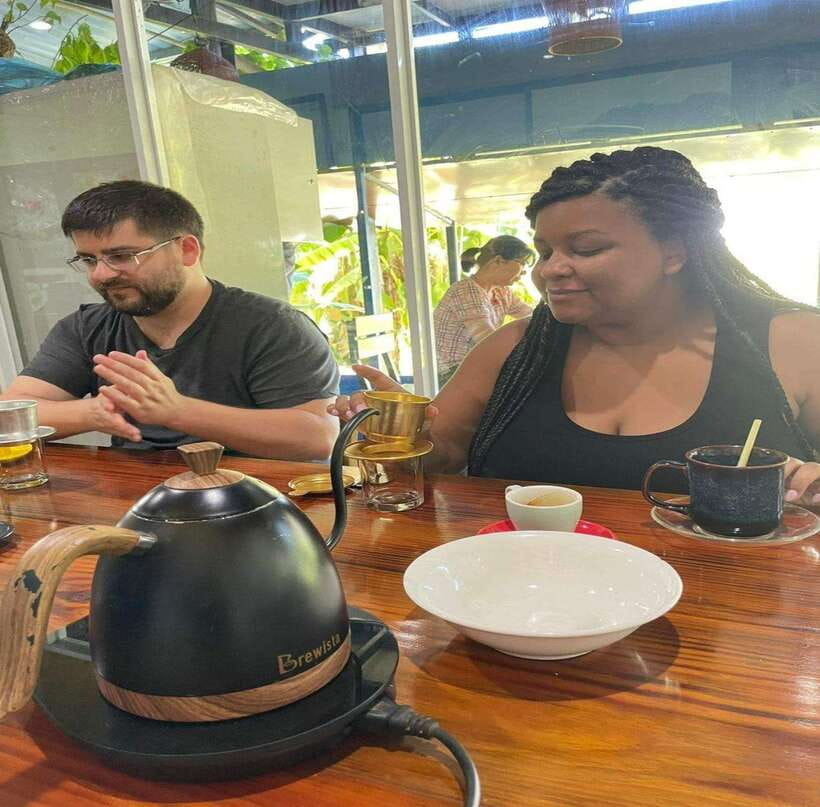
The activity follows a simple rhythm. First comes the introduction to the roastery, beans, and Vietnamese coffee culture. Then you choose your drinks, learn the preparation, make them with the supplied equipment, and taste the results.
All ingredients and equipment are included. You do not need to bring coffee tools or buy supplies at the shop to take part. The coffee specialist guides you through the process, so this works for complete beginners as well as people who already enjoy making coffee.
The short duration is both a strength and a limitation. One hour fits neatly into a Hoi An day, especially if you have temples, markets, or an evening meal planned. It also keeps the class focused.
On the other hand, you should not expect a long roasting demonstration, a full lesson on coffee farming, or a detailed tasting course. The roastery setting adds context, but the main goal is to prepare and drink two Vietnamese coffees.
Tasting your own coffee afterward
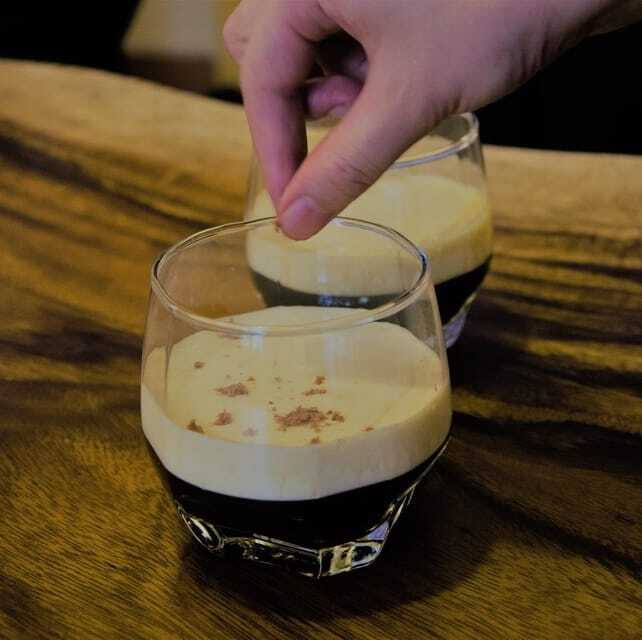
The final part is not just a quick sip before everyone leaves. You can sit with the coffee you made in the roastery’s comfortable setting, with music playing in the background. That pause gives you time to compare the drinks and ask any final questions.
I like this ending because it lets you judge your own work. You can notice how the brewing method, sweetness, salt, egg, or coconut changes the cup. It also keeps the class social without turning it into a formal tasting event.
The pace seems especially pleasant when the class is small. One participant had enough time to make two drinks, receive clear explanations, and enjoy them without being hurried. That is a useful reminder that the experience can feel more relaxed than the one-hour label suggests, even though the scheduled activity remains compact.
The recipe cards make the class more useful
A recipe card is a small detail, but it changes the value of the activity. Without one, you may remember the general idea but forget the proportions or the order of preparation once you return home.
The class provides recipes for the drinks you make, and some participants also received recipes for all the coffee styles. That gives you a better chance of recreating the experience after Vietnam.
The cards are especially helpful for salt coffee, egg coffee, and coconut coffee, where the balance of ingredients affects the result. If you want to use the lesson at home, keep the card with your coffee equipment and write down any adjustments you prefer while the flavors are still fresh.
Is $15 a fair price?

At $15 per person, this is a reasonably priced short activity. The fee covers the ingredients, equipment, the roastery setting, instruction from a coffee specialist, and tasting what you prepare.
The value is strongest if you want more than a café drink. Two coffees at a Hoi An café may cost less than the class, but they will not teach you the brewing process or give you recipes to use later. You are paying for instruction and participation, not just refreshments.
The price is less compelling if you only want to sample Vietnamese coffee and have no interest in making it yourself. Hoi An has plenty of cafés, and a café visit takes less time. Book this class for the practical lesson and cultural background, not simply for a drink.
The reserve-now, pay-later option also helps if your daily plans are still shifting. You can reserve a place without paying immediately, and cancellation is free up to 24 hours before the activity for a full refund.
Who will enjoy this Hoi An coffee class
I would recommend this class to coffee fans, curious eaters, and anyone who likes bringing a useful skill home from a trip. It suits solo visitors particularly well because a quiet booking can turn into a more personal lesson.
Couples and small groups should enjoy it too, especially if you choose contrasting drinks and compare the results. It is also a good rainy-day option because the activity takes place indoors and lasts only an hour.
The English-language instruction makes the class accessible to English speakers. You do not need prior coffee-making experience. Long’s patient approach is helpful if you want clear guidance rather than a fast demonstration.
The class is not suitable for people with mobility impairments or wheelchair users. No hotel transportation is included, and meals or drinks beyond the coffee activity are not part of the price.
A few practical tips before you book
Arrive at Tri Long Coffee, 88 Phan Chau Trinh Street, with enough time to find the shop. The address is the meeting point, so you should not expect a pickup from your hotel.
Think about which two coffees you want to try before you arrive. If you are unsure, ask Long to explain the differences between phin, egg, salt, and coconut coffee. Choosing one familiar style and one unusual style gives you the clearest comparison.
Plan the class around your appetite. The activity includes coffee and ingredients, but not a meal or other drinks. If you are sensitive to caffeine, keep that in mind when selecting two preparations.
Wear something comfortable for a hands-on session. The supplied information does not describe a formal dress code, but you will be involved in making the drinks rather than sitting through a lecture.
Should you book the Tri Long Coffee class?
Book it if you want to understand Vietnamese coffee by making it yourself. The combination of a small local roastery, Long’s clear instruction, two drink choices, and take-home recipes gives the $15 price real value.
Skip it if your schedule is packed or you only want a quick coffee. The class is short, and it will not cover every part of Vietnamese coffee production in detail.
For most visitors with one free hour in Hoi An, I think it is a smart, low-cost addition to the day. Choose a phin coffee plus salt coffee for a traditional comparison, or pair coconut and egg coffee for a sweeter tasting. Either way, you leave with more than caffeine: you have a method you can try again at home.
FAQ
Where does the coffee-making class meet?
The meeting point is Tri Long Coffee at 88 Phan Chau Trinh Street in Hoi An.
How long does the activity last?
The class lasts one hour.
What coffee drinks can I learn to make?
You can choose from Vietnamese phin filter coffee, egg coffee, salt coffee, and coconut coffee. Participants generally choose two styles to prepare.
Is the class taught in English?
Yes. The live tour guide language is English.
Is coffee equipment included?
Yes. The class includes all ingredients and equipment needed to make the coffee.
Does the price include hotel pickup?
No. Hotel pickup and drop-off are not included, so you need to reach Tri Long Coffee yourself.
Are food and other drinks included?
No. Meals and other drinks are not included. The activity includes the coffee you prepare and taste.
Can I cancel for a full refund?
Yes. You can cancel up to 24 hours in advance for a full refund. You can also reserve now and pay later.
Just listed in Vietnam
- Hanoi Private Walking Tour with Egg Coffee Making Experience★ 5.0 · 90 reviews
- HCM: Egg Coffee Class with local Instructor & Snack★ 4.7 · 8 reviews
- From Egg Coffee to Street Brews: Hanoi Walking Tour★ 5.0 · 4 reviews
- Coffee Making and Cooking Class★ 5.0 · 12 reviews
- Walking Tour in Hanoi Old Quarter with Street Food & Coffee★ 5.0 · 4 reviews
- Amazing Coffee full-day tour in Buon Ma Thuot – Daklak★ 5.0 · 5 reviews
- Buon Ma Thuot: Bean to Brew Coffee Farm Tour with Tasting★ 4.3 · 11 reviews
- Buon Ma Thuot: Specialty Coffee Tour and Brewing Experience★ 5.0 · 2 reviews
Vietnamese Coffee Experiences, compared.

Salt Coffee Workshop Awake Your Senses With 6 Brews
Read our review →
Egg coffee & Course on 4 traditional types of Viet coffee
Read our review →
Fun & Easy Vietnamese Coffee Workshop in Hồ Chí Minh City
Read our review →
Hanoi Cooking Class: Pho/Bun Cha/Banh Xeo…+Free Egg/Salt Coffee
Read our review →
Vietnamese Coffee Workshop with 6 Brews and 8 Recipes
Read our review →
Vietnamese Coffee & Culture Exploration in Hồ Chí Minh City
Read our review →
Hanoi Coffee Workshop: Master 6 Signature Vietnamese Coffee
Read our review →
Rose Kitchen: Pho/Bun Cha/Nem+ Free Egg/ Salt Coffee
Read our review →Lists this coffee tour turns up in